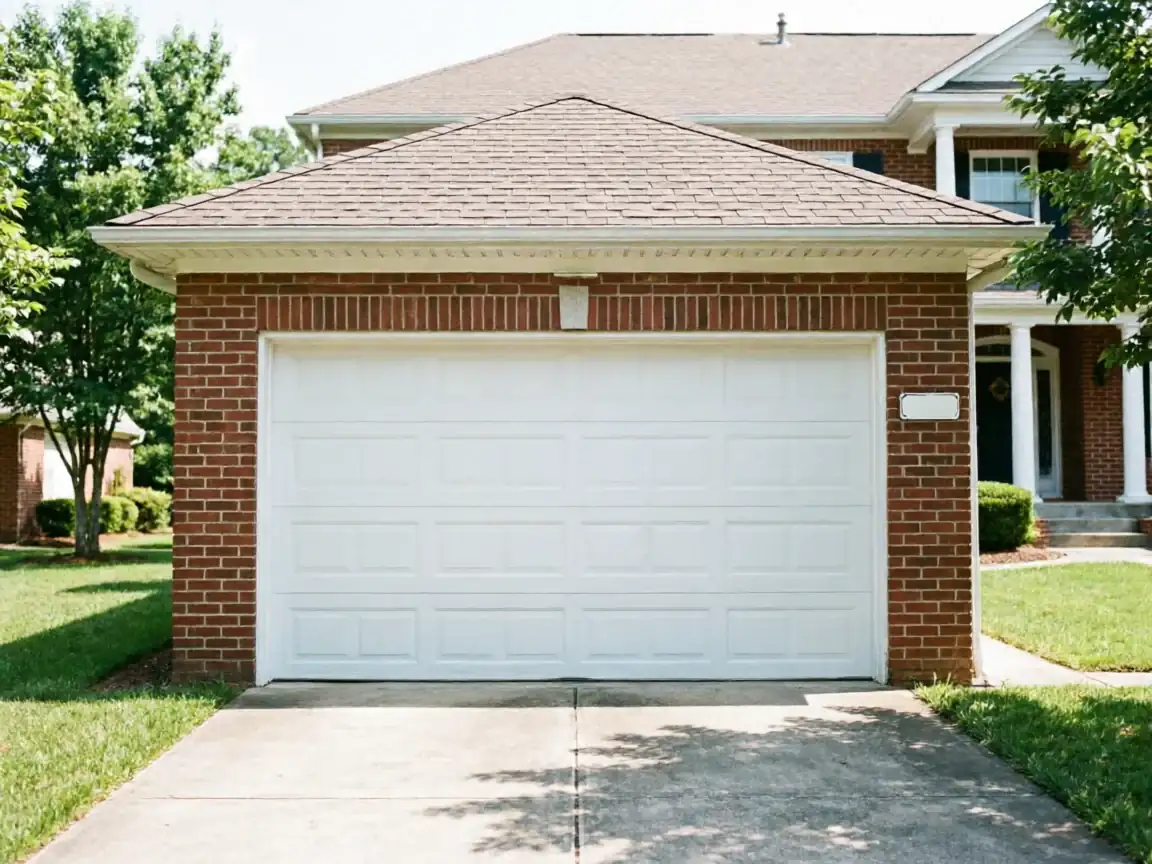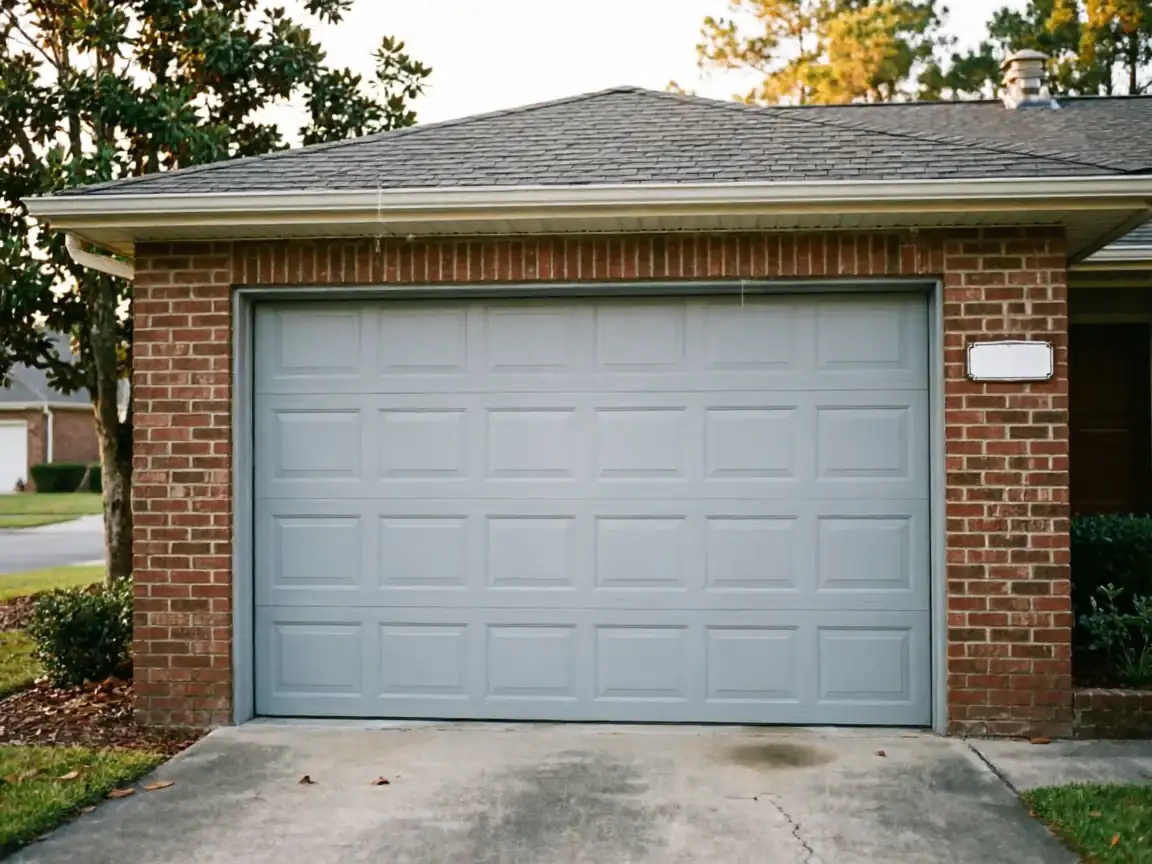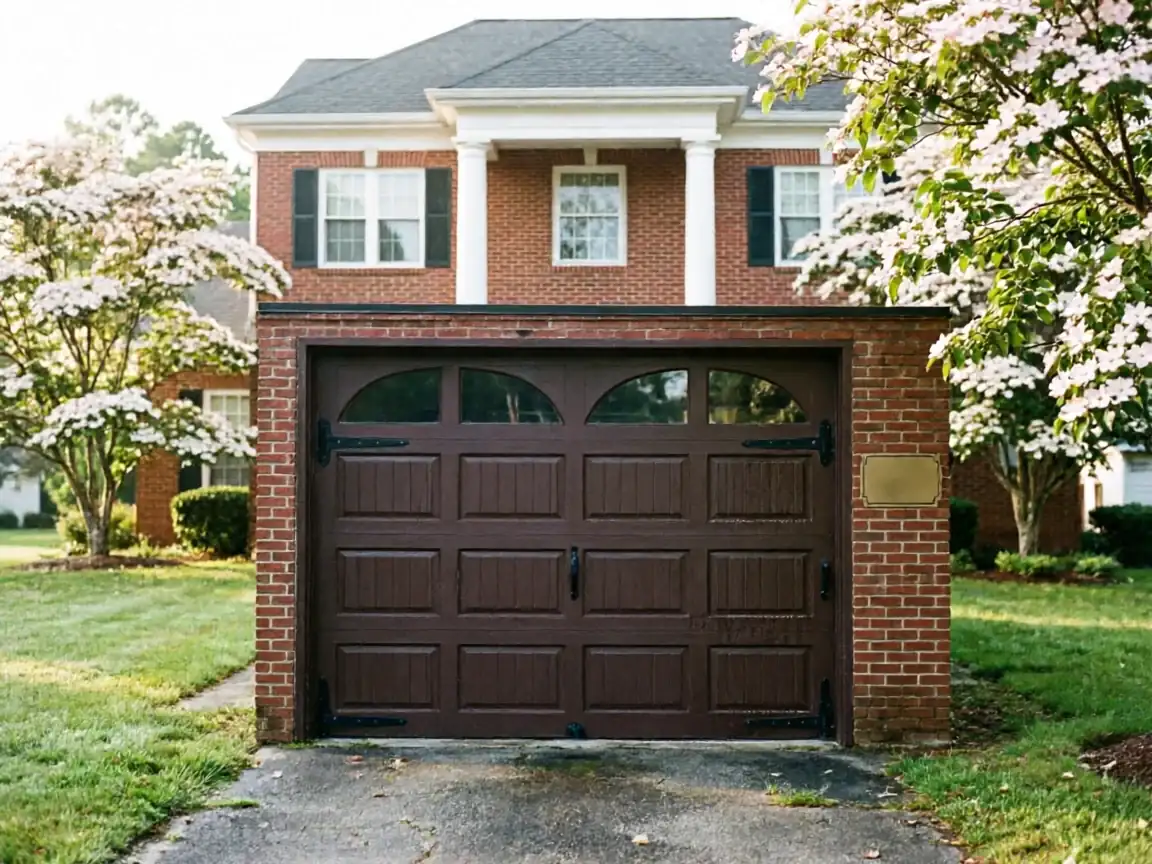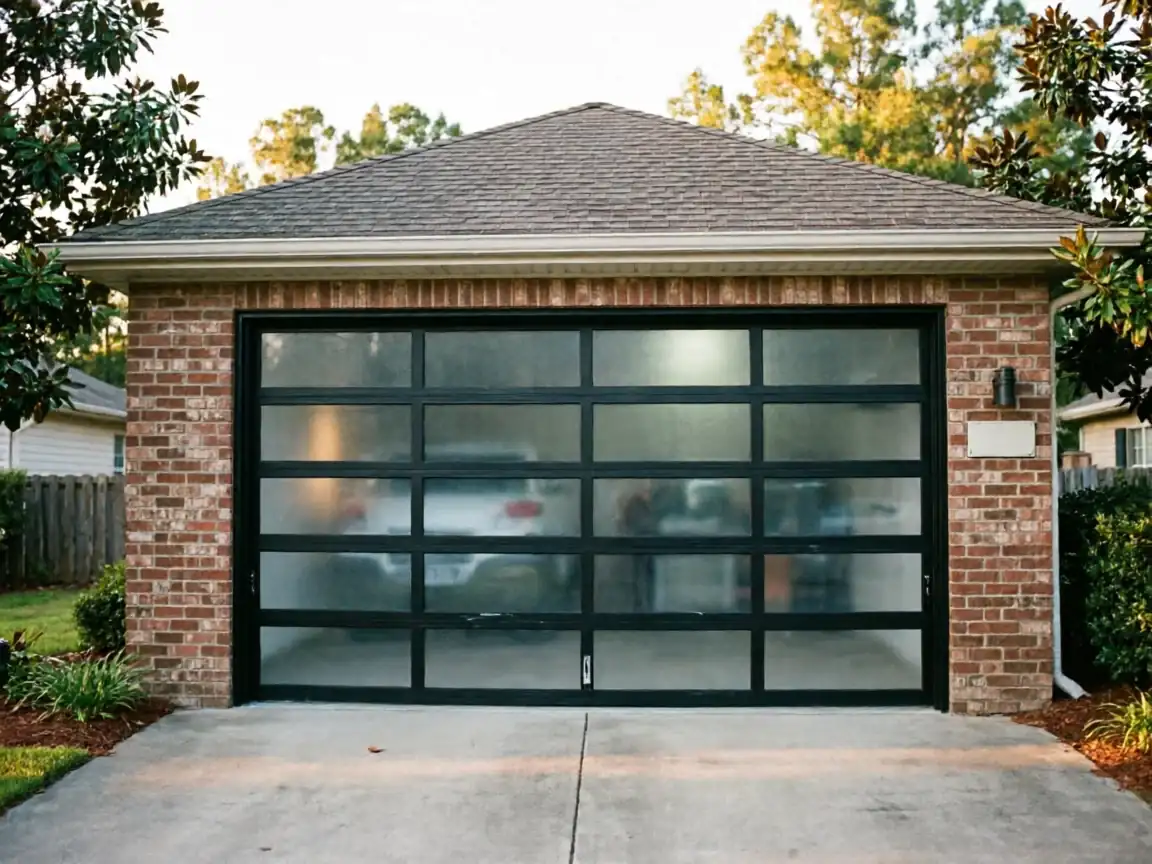
How That Shows Up in the Door
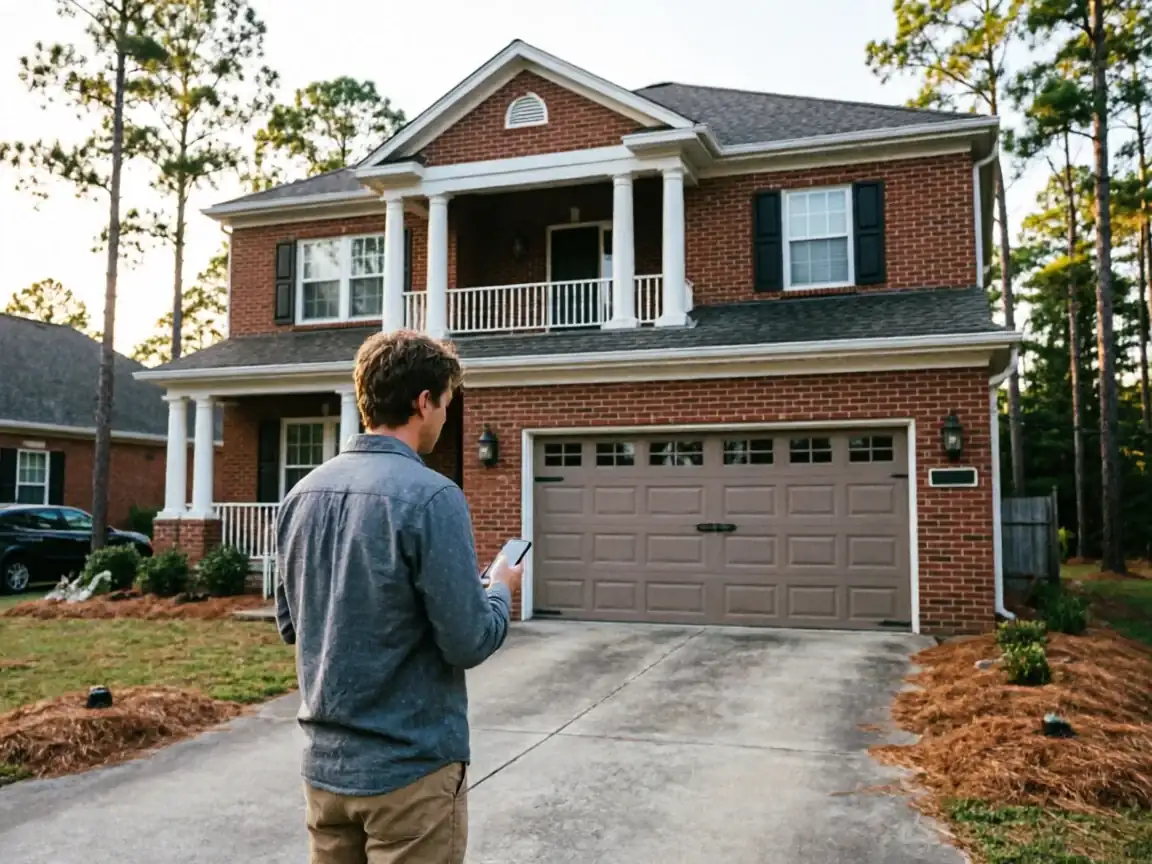
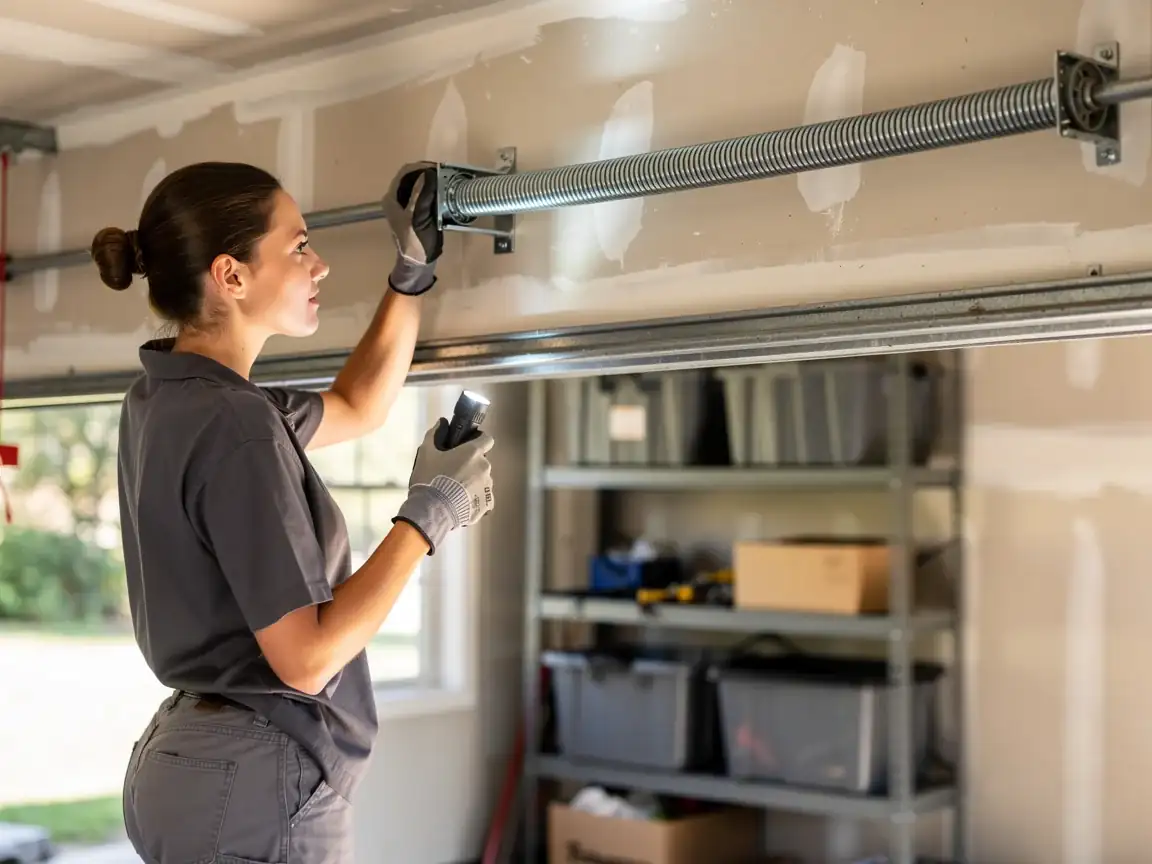
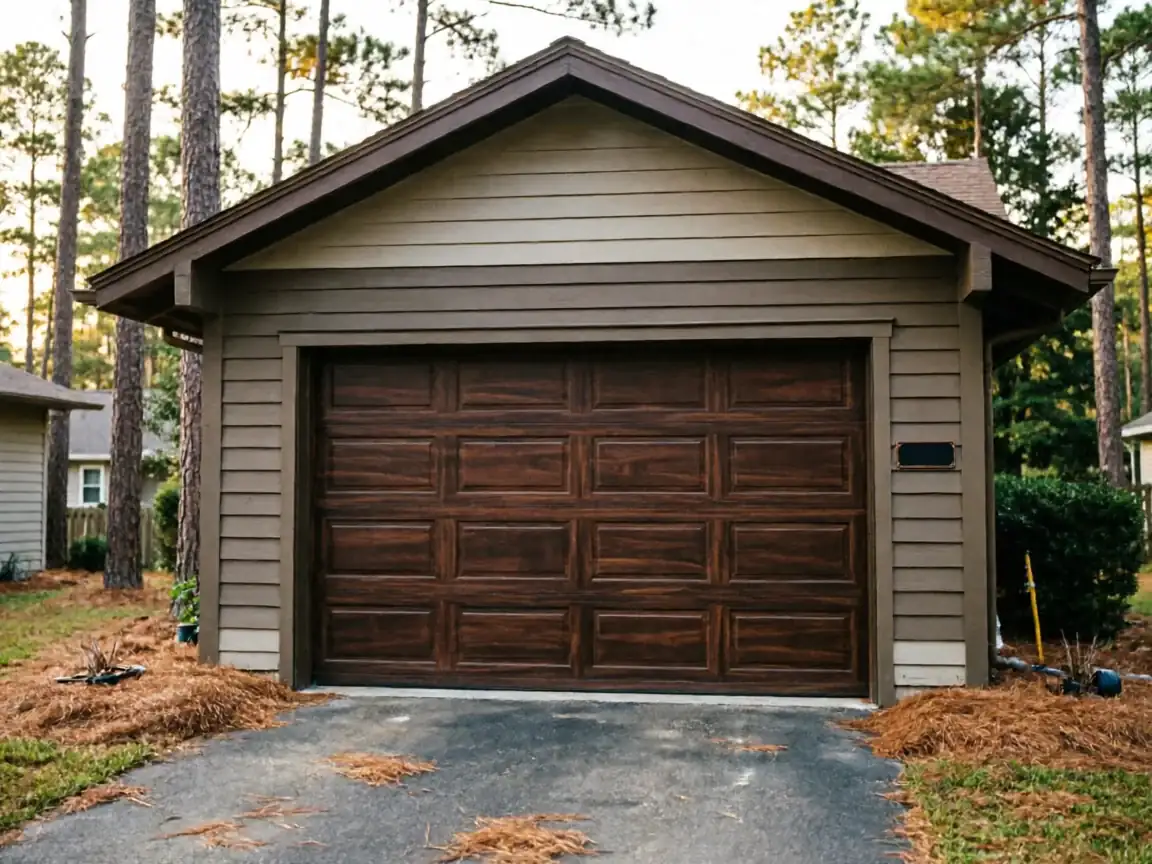
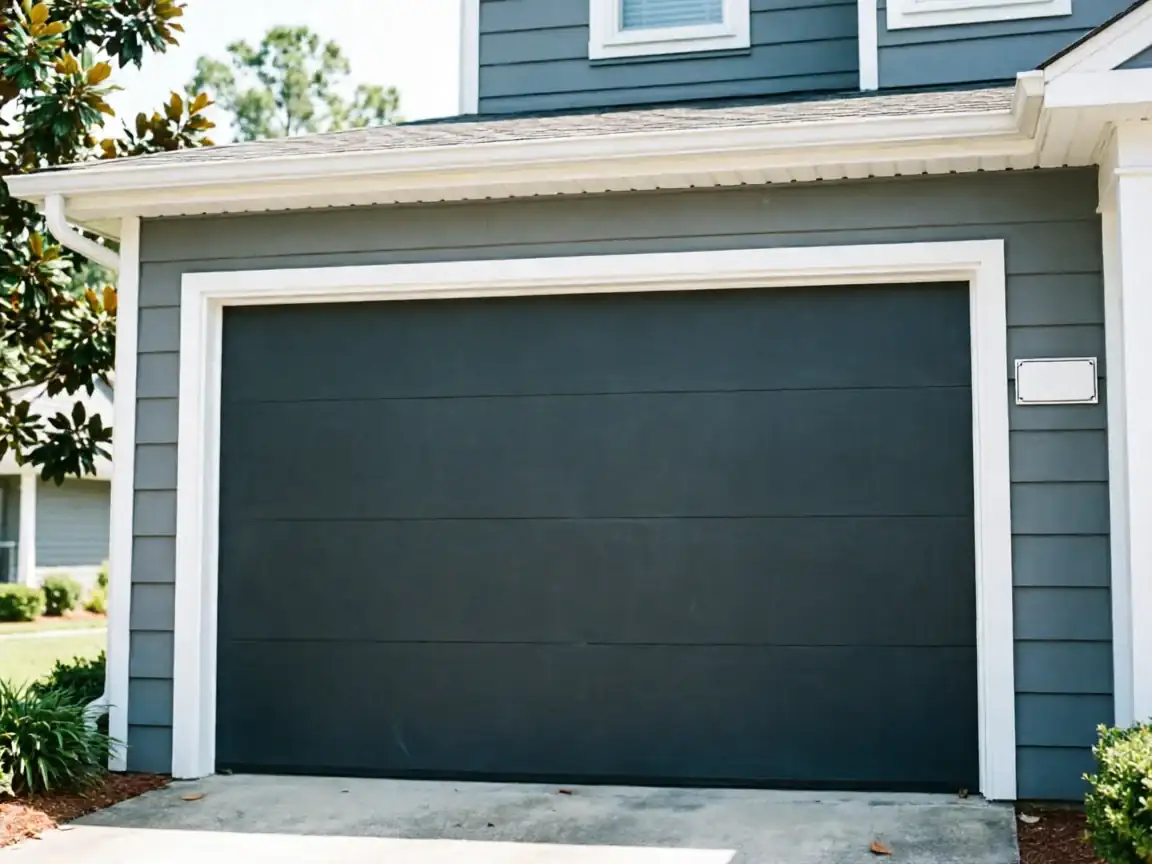
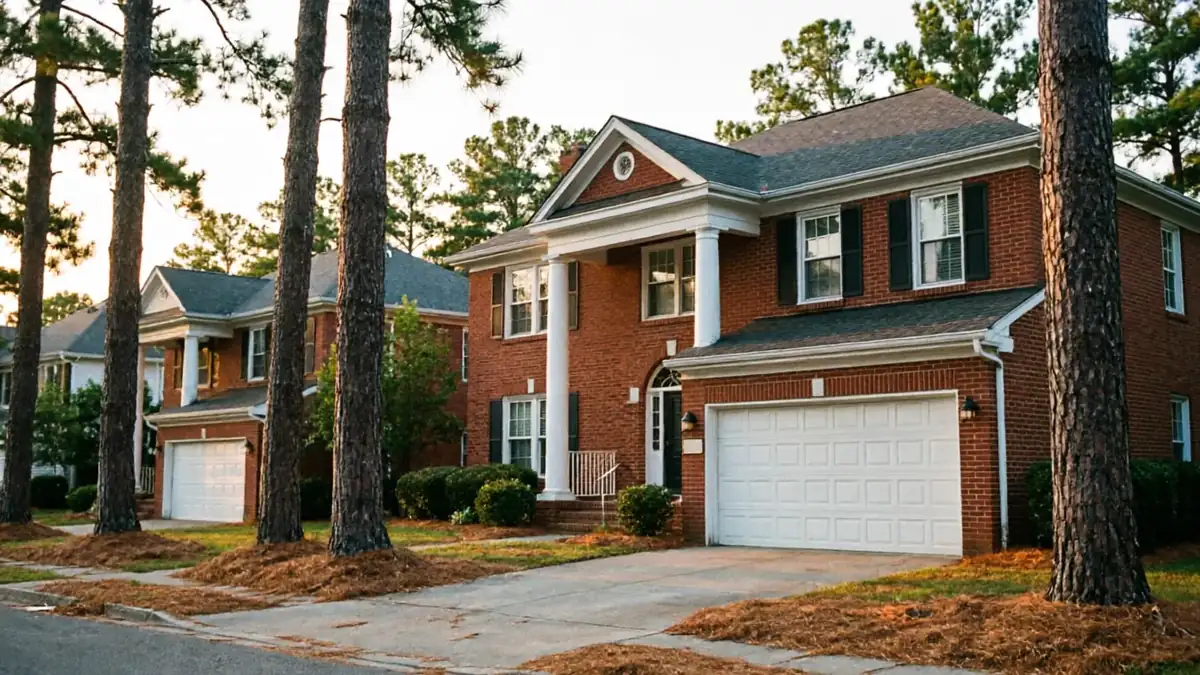
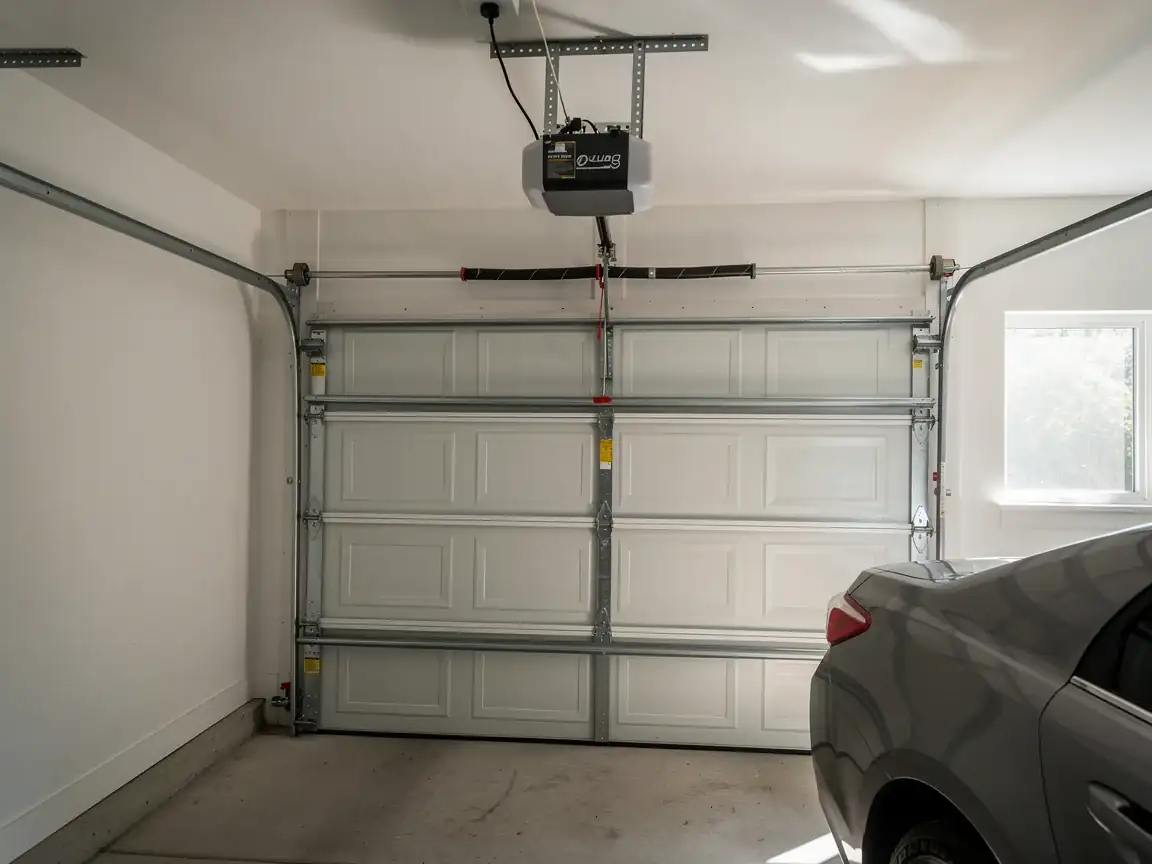
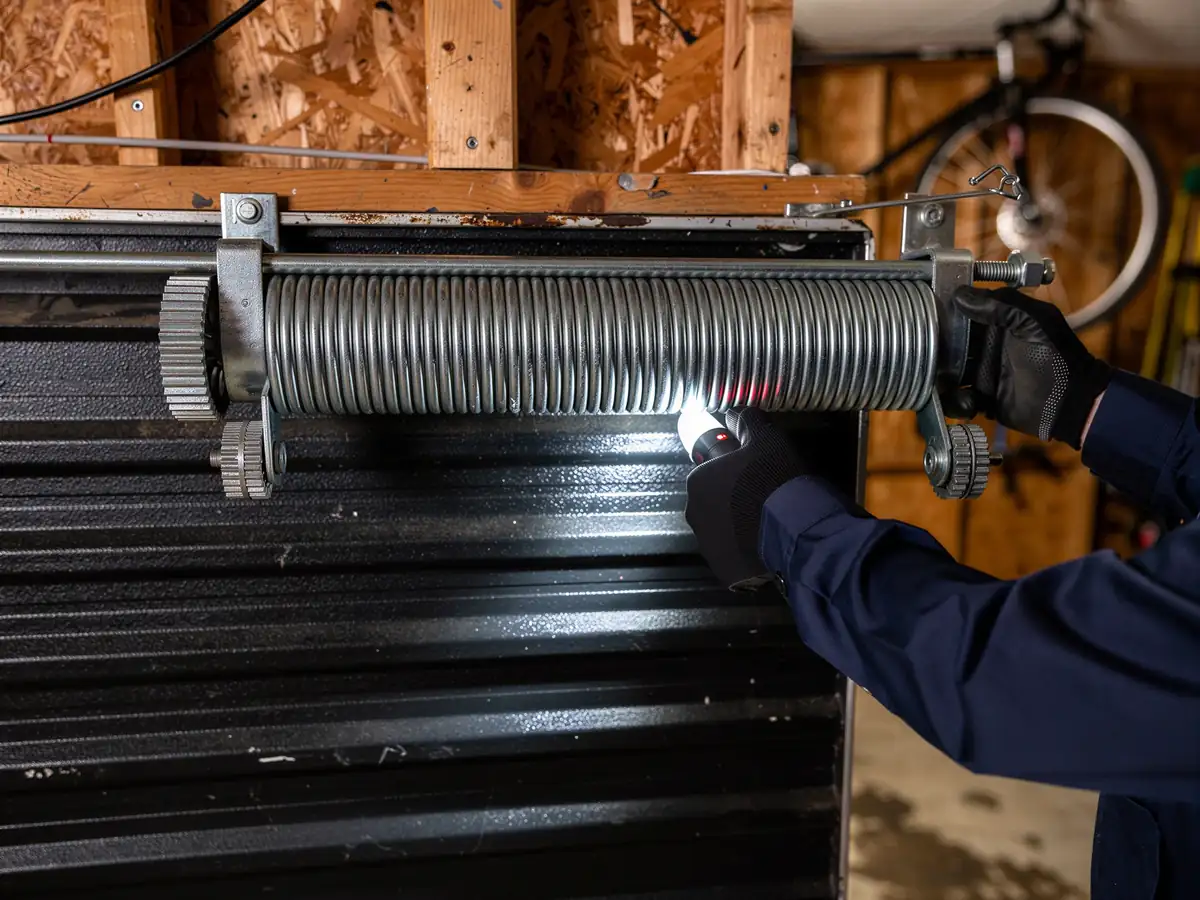
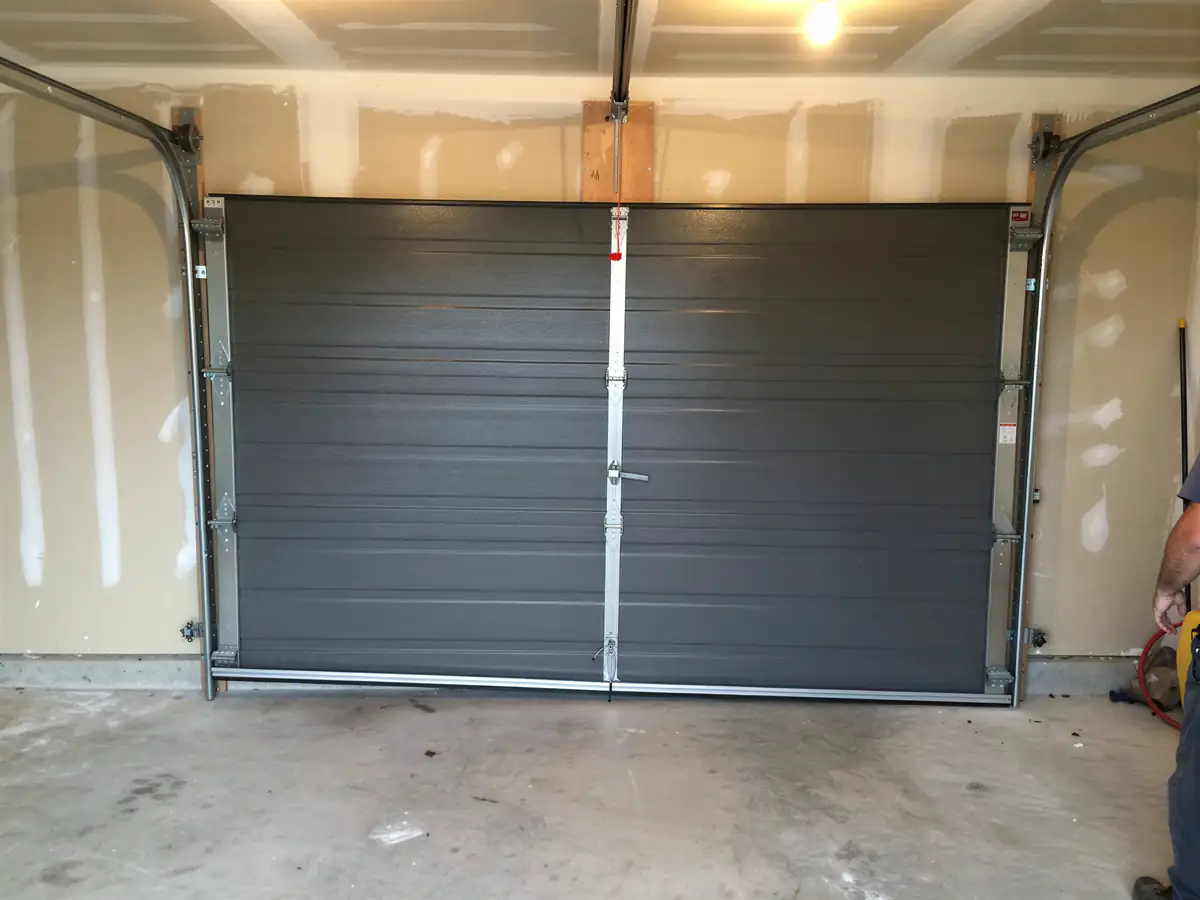
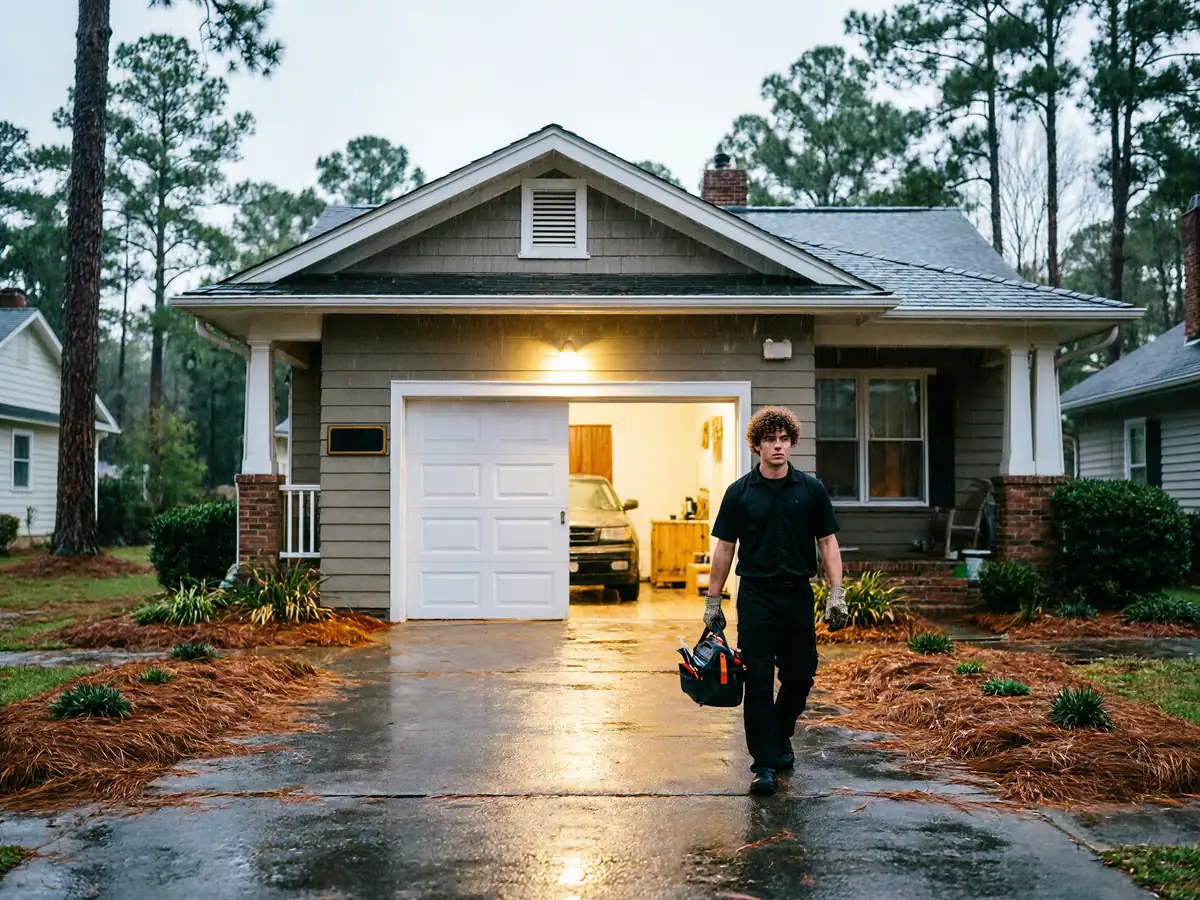
Ball Ground sits 14 miles from Milton, and the housing here skews newer than most of the rest of our service area. With a median build year around 2006, you're mostly looking at doors and openers installed well after steel torsion springs and photo-eye safety sensors became standard. That's a different call than what we get from the older pockets of our coverage, where original hardware from the 1960s through the 1980s is still hanging on. Here, when a door acts up, it's rarely because the whole unit is past its design life - it's usually one part that's worn out of an otherwise sound system. Springs still fail on schedule regardless of the house's age; a torsion spring on a daily-use door wears out in cycles, not years, so even a 2006 install can be due. But you're less likely to find brittle wiring, extension-spring setups bolted straight to the header, or openers with no rolling-code security. We go in expecting modern rail systems and galvanized hardware, and plan the job around that.
The Split Between Old and New
Across our full service area, homes range from 1964 up through 2007, with most of that stock landing in the 1980s and 90s - older torsion setups, some still on side-mounted hardware, and openers that have been swapped once or twice already. Ball Ground doesn't fit that pattern. Its median build year of 2006 puts it near the newest end of what we cover, closer in age to the last wave of construction than to the bulk of it. That matters for parts: a spring or cable on a 2006 door is a stock size we carry without digging for an obsolete match, where an original door from the 1960s or 70s sometimes needs hardware that isn't made anymore. The trade-off is that newer doesn't mean problem-free - openers from the early-to-mid 2000s are now old enough that circuit boards and logic units are starting to fail, and that's a repair we're seeing more of as that stock ages into its late teens and twenties.
Common Jobs Here
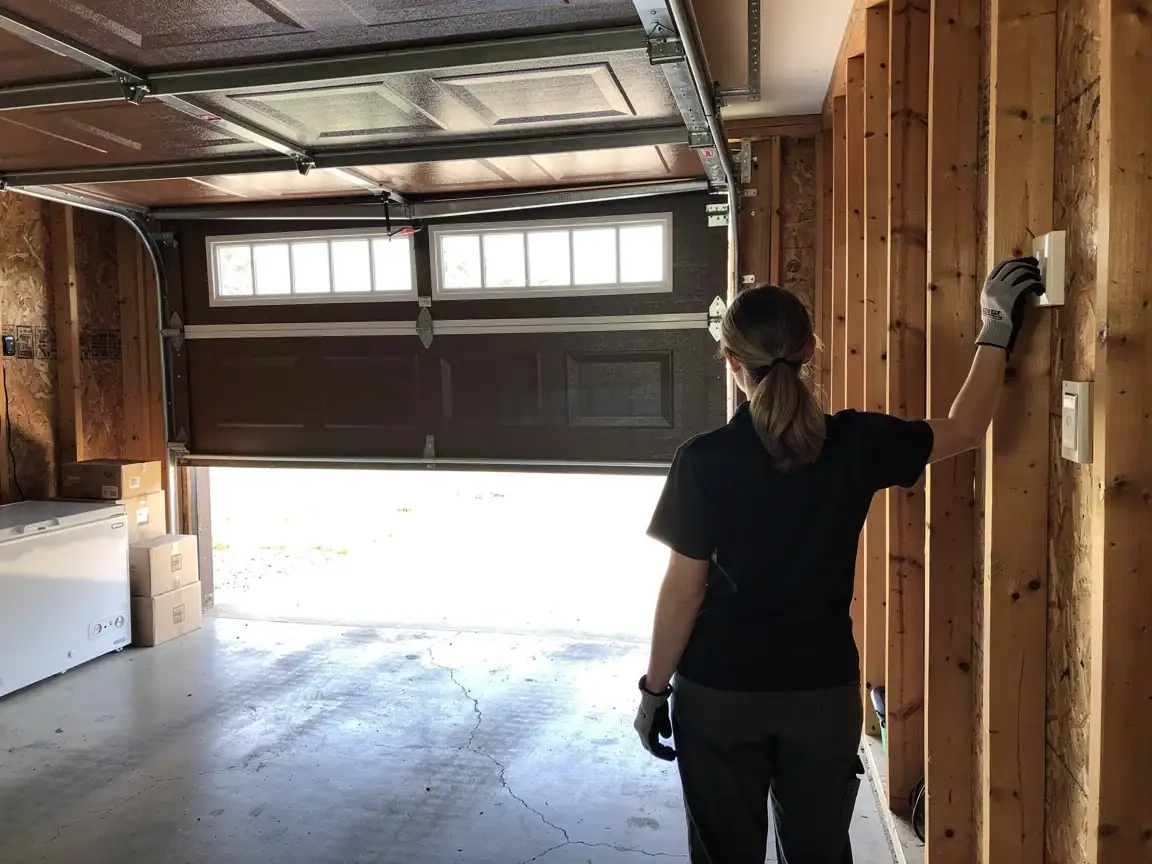
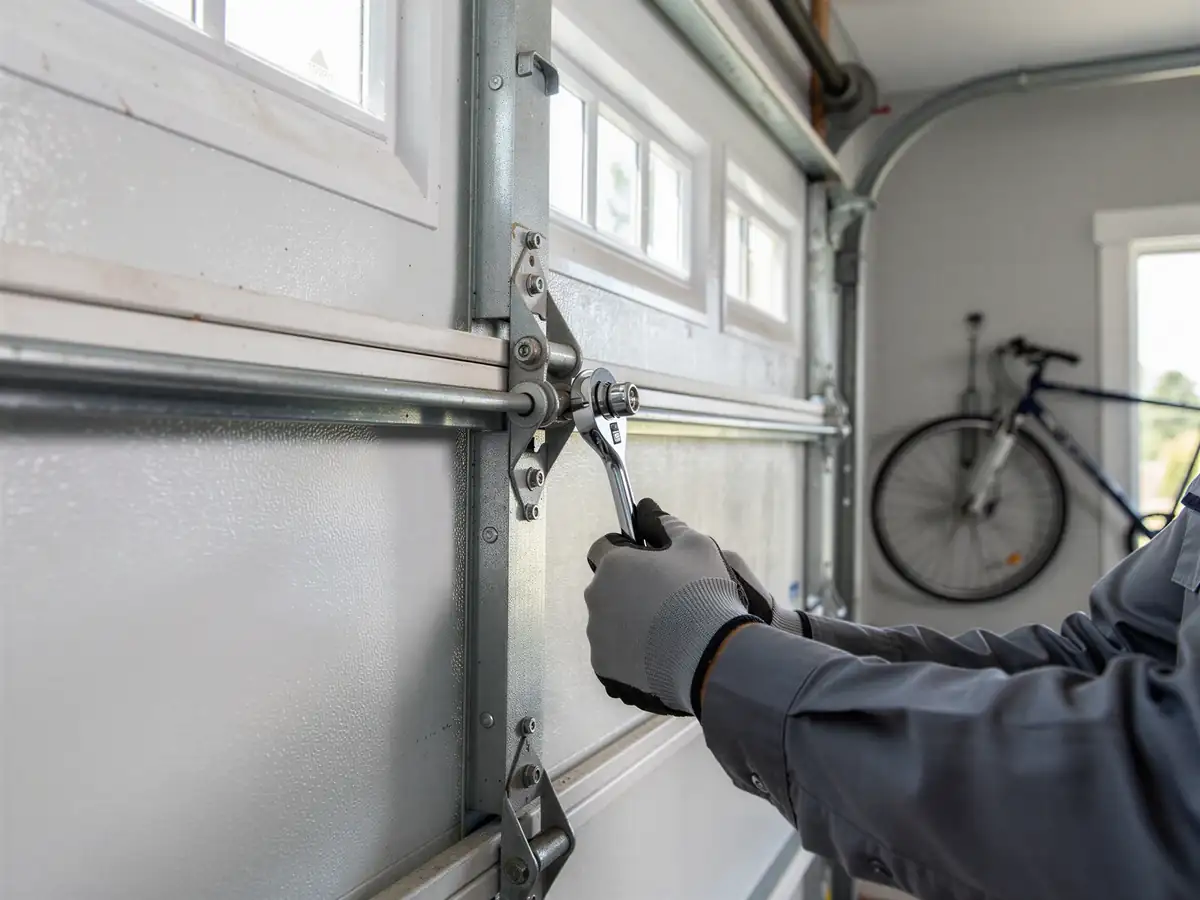
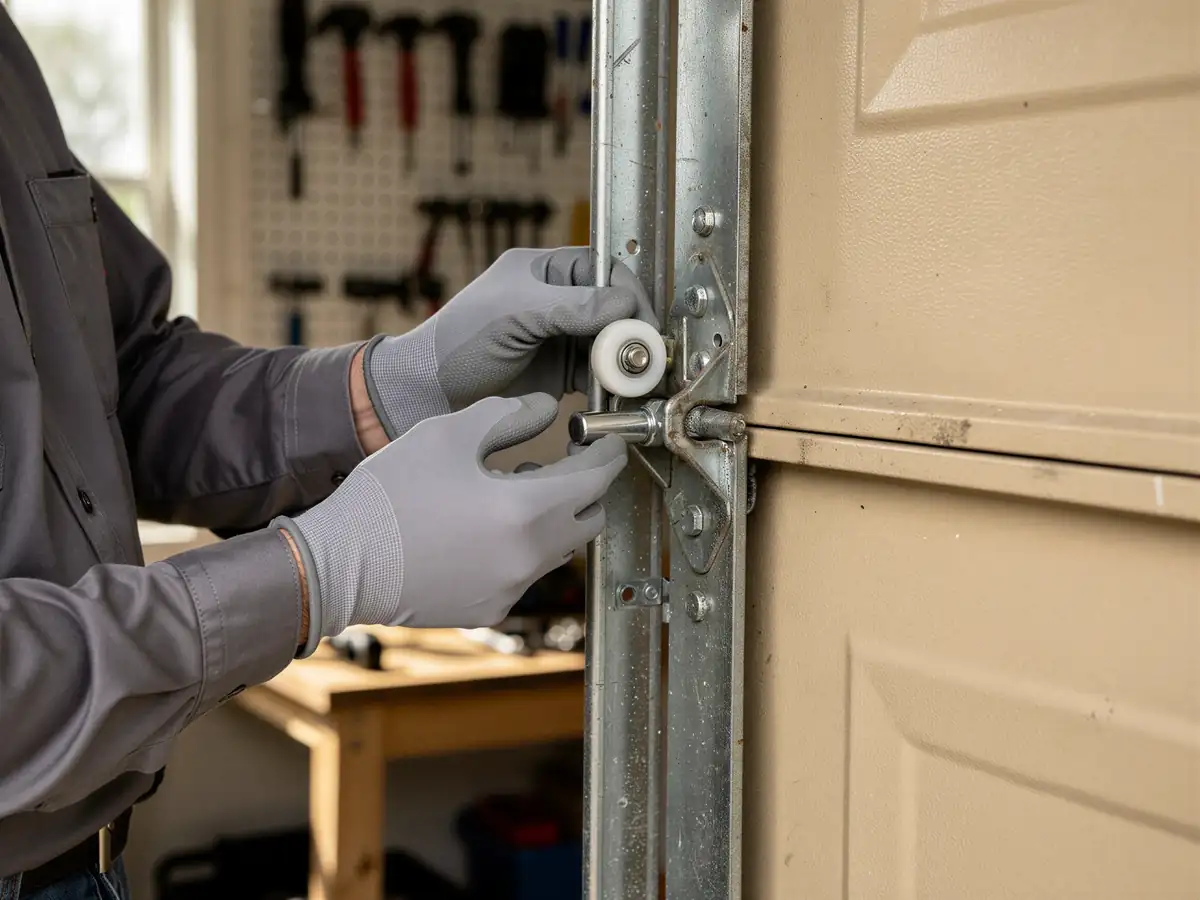
The calls we get from Ball Ground lean toward spring replacement on doors that have simply hit their cycle count, opener logic board or circuit failures on units from the early 2000s build wave, and worn rollers on doors that get opened and closed daily. We also see broken cables on torsion systems and the occasional bent track from a car bump - ordinary wear, not structural failure. One honest limit: if a door's steel panels have rusted through or the frame has shifted with the foundation, replacement makes more sense than patching it, and we'll say so rather than billing for a repair that won't hold. Given the area's cold-moderate climate, insulated panels and working weatherstripping matter more for keeping a garage usable in winter than for structural survival - this isn't a region of severe freeze-thaw damage to the door itself.