What Can Go Wrong
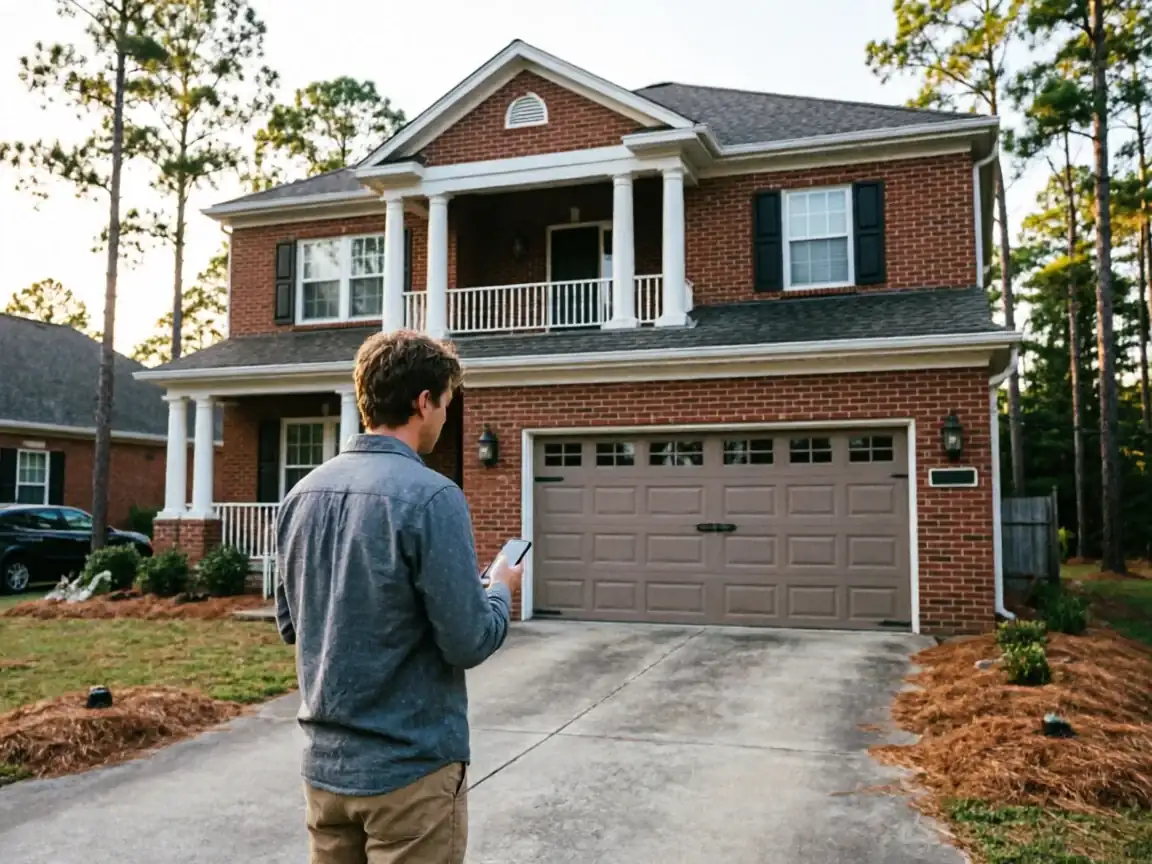
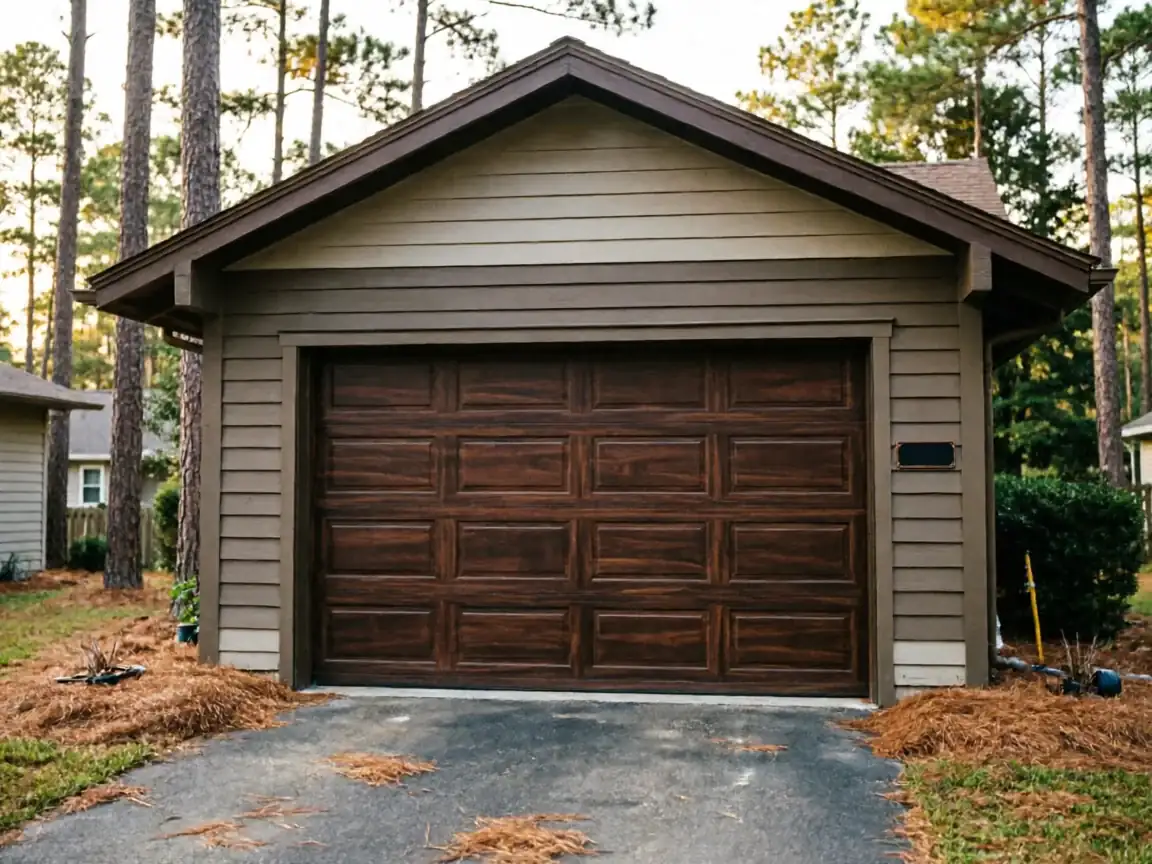
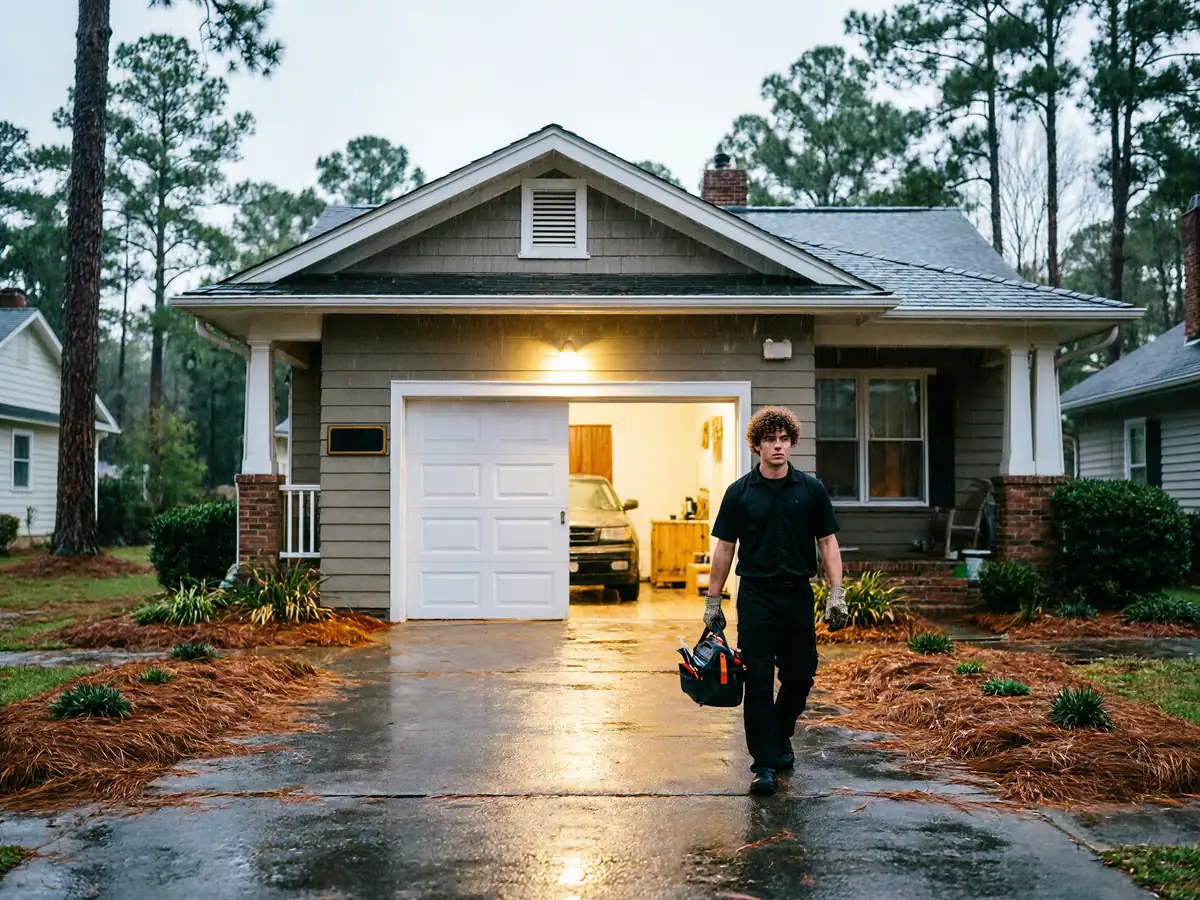
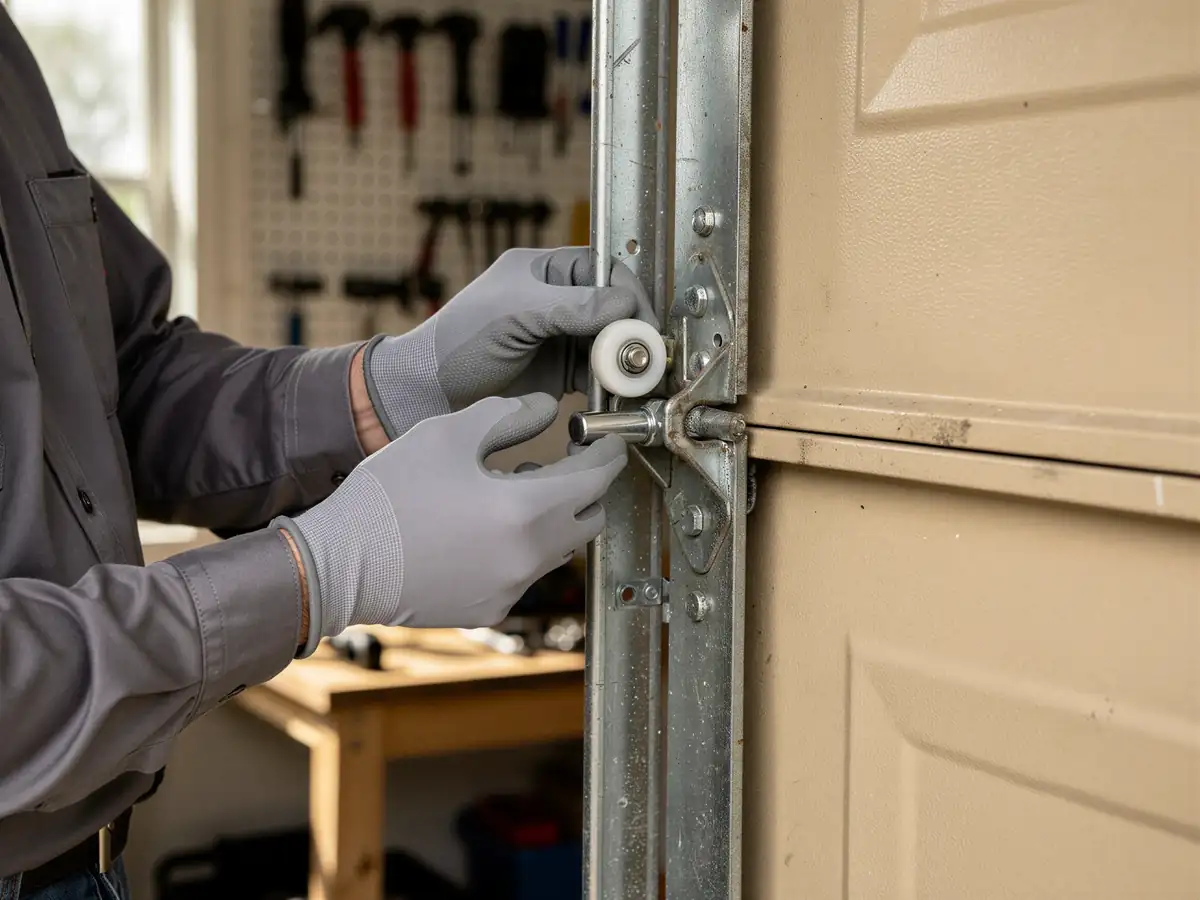
Ball Ground's homes run newer than a lot of what we work on closer to Milton - median build year here is 2006, against a 1992 median across the wider service area. That matters for rollers because builders in the early 2000s leaned hard on plastic rollers with stamped-steel stems, a cheaper spec than the sealed-bearing steel rollers used in older stock. Plastic holds up fine for years, then starts shedding small chunks of material right where the roller meets the track, usually on the bottom two rollers where the door takes the most load going up and down. We also see stems wear oval instead of round, which lets the roller wobble in the track even before it cracks. On a 2005-2008 build door, a full roller set usually goes bad close to the same time, because they were all installed the same week and see the same number of cycles. That's different from a 1990s door, where one roller fails first and the rest limp along a while longer.
How It Shows Up
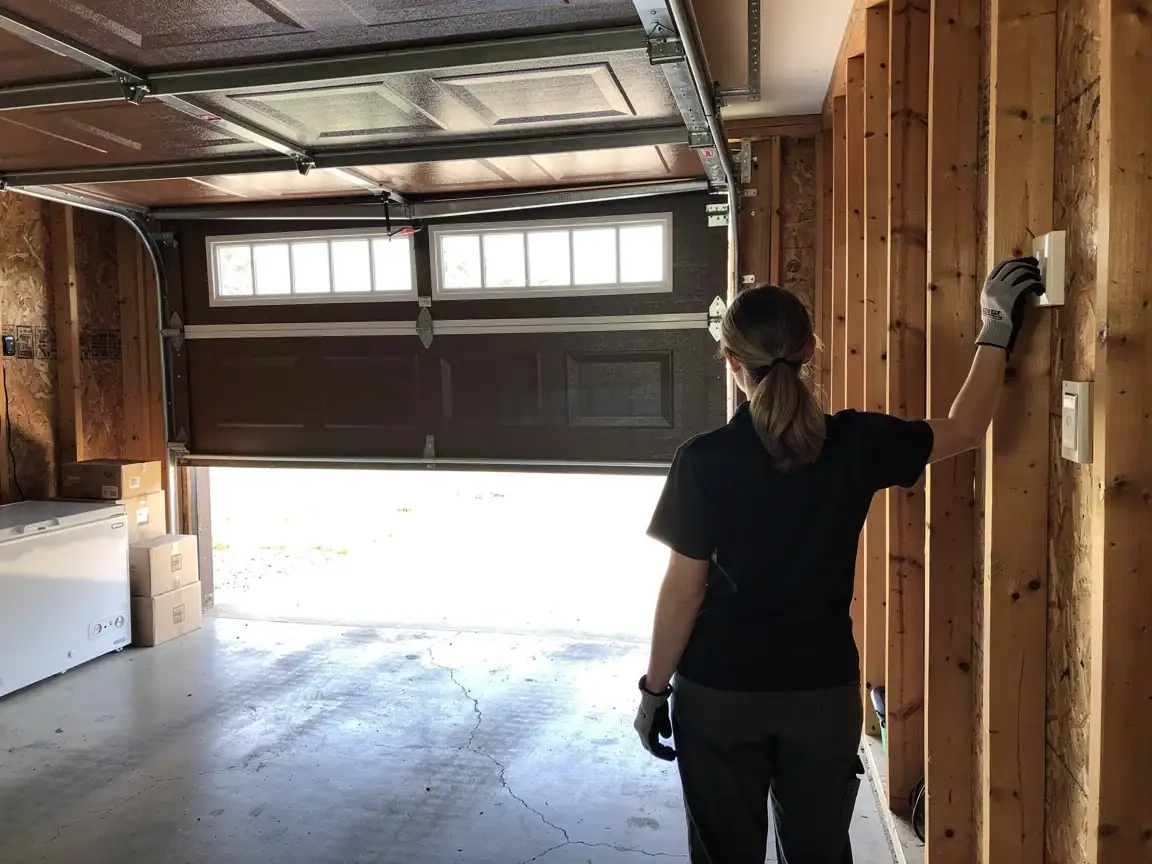
On these newer builds, roller failure sounds different than it does on an older door. Instead of a slow grinding build-up over months, you'll often get a sudden rattle or a single loud clack as a worn stem finally lets the roller tip sideways in the track. Some owners describe it as the door suddenly moving less smoothly on one side, like it's catching every few inches instead of gliding. On colder mornings - and this area sits in a cold-moderate climate band, so overnight temperature swings aren't rare - stiff or cracked plastic rollers can bind harder right at startup, then loosen up as the door warms through a few cycles. If you're hearing a rhythmic thump that matches the door's travel speed, that's almost always a roller, not a spring or opener.
Booking a Visit
We run out of Milton, about 14 miles from Ball Ground, so a visit here gets scheduled rather than dropped in same-day on a whim - we don't keep a branch or a truck staged in town. Tell us the door's rough age and whether you're hearing noise on one side or both; that's usually enough to know if we're bringing a single roller or a full set. Ball Ground households here tend to run higher income than the service area median ($112,585 against $90,626 overall), which doesn't change the job but does mean we see more owners opting to replace the whole roller set rather than patch one at a time.
What the Fix Involves
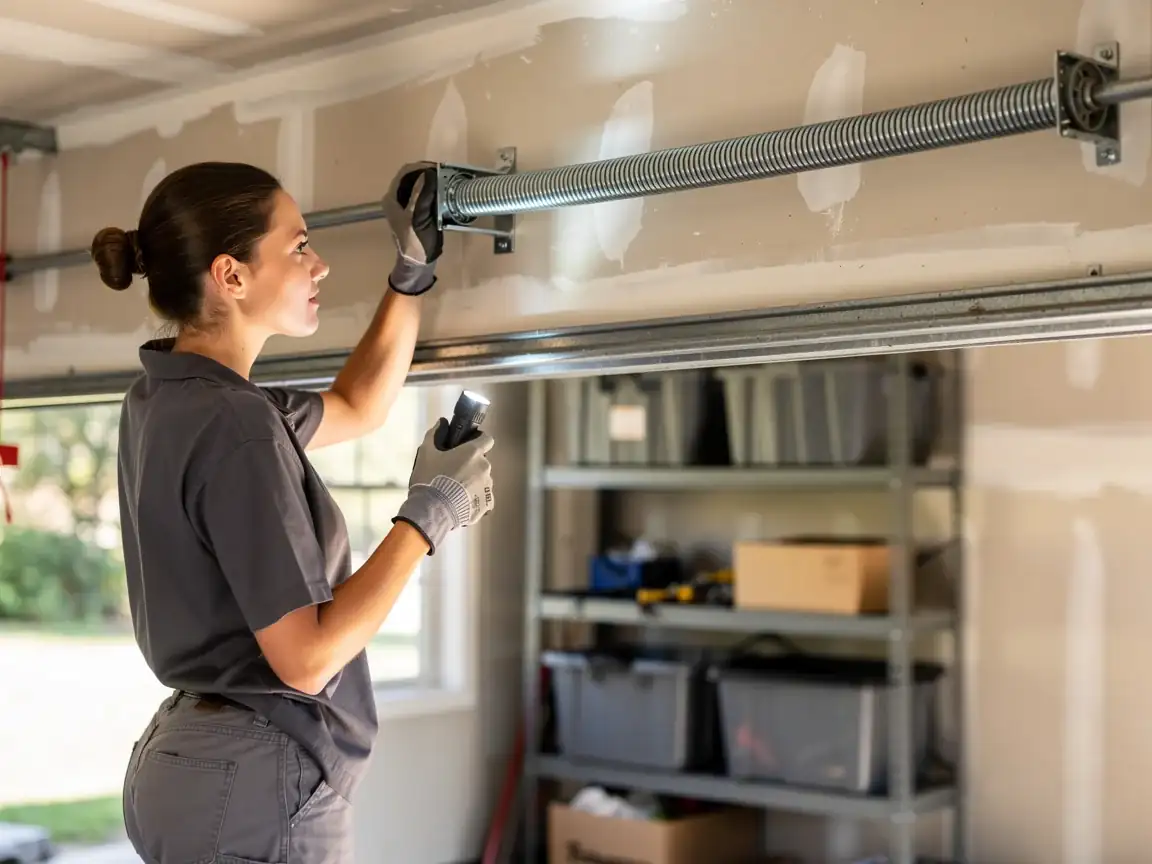
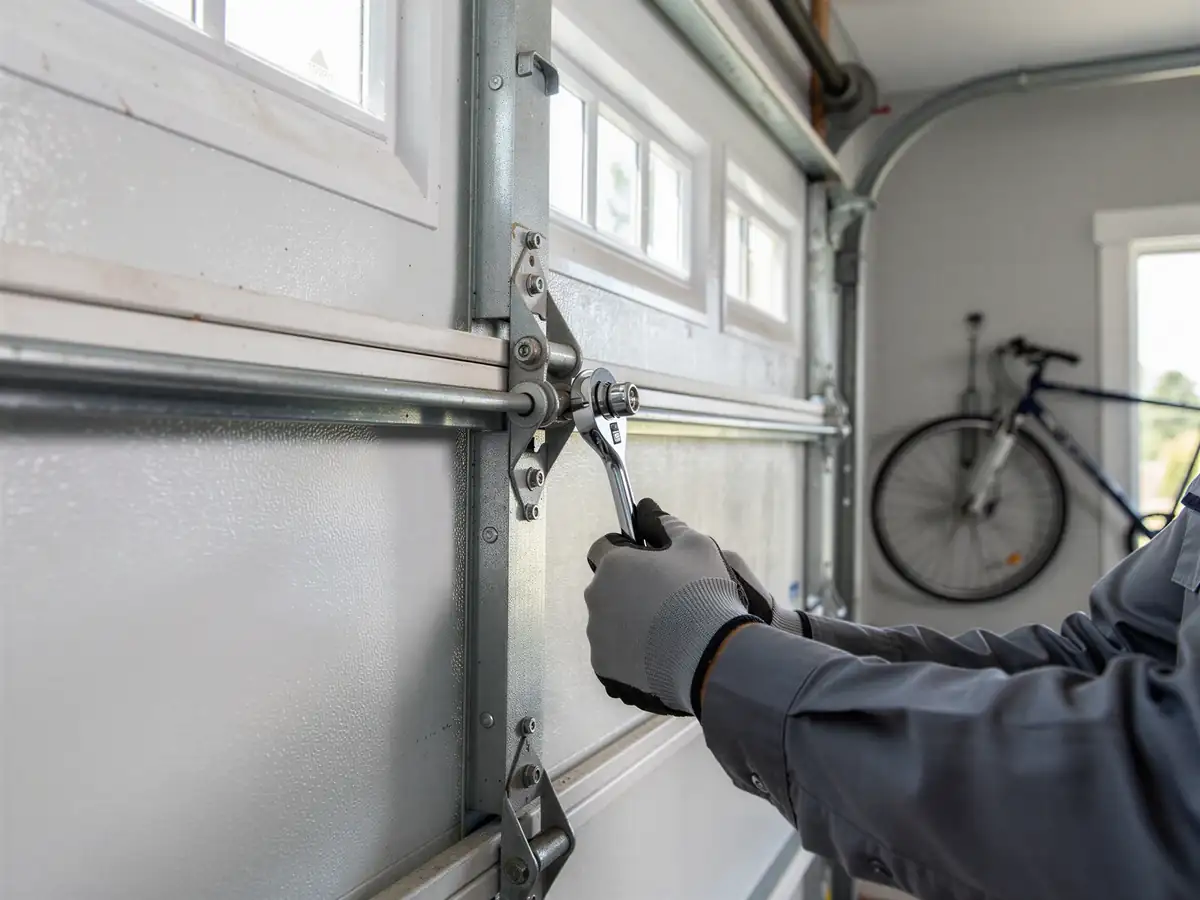
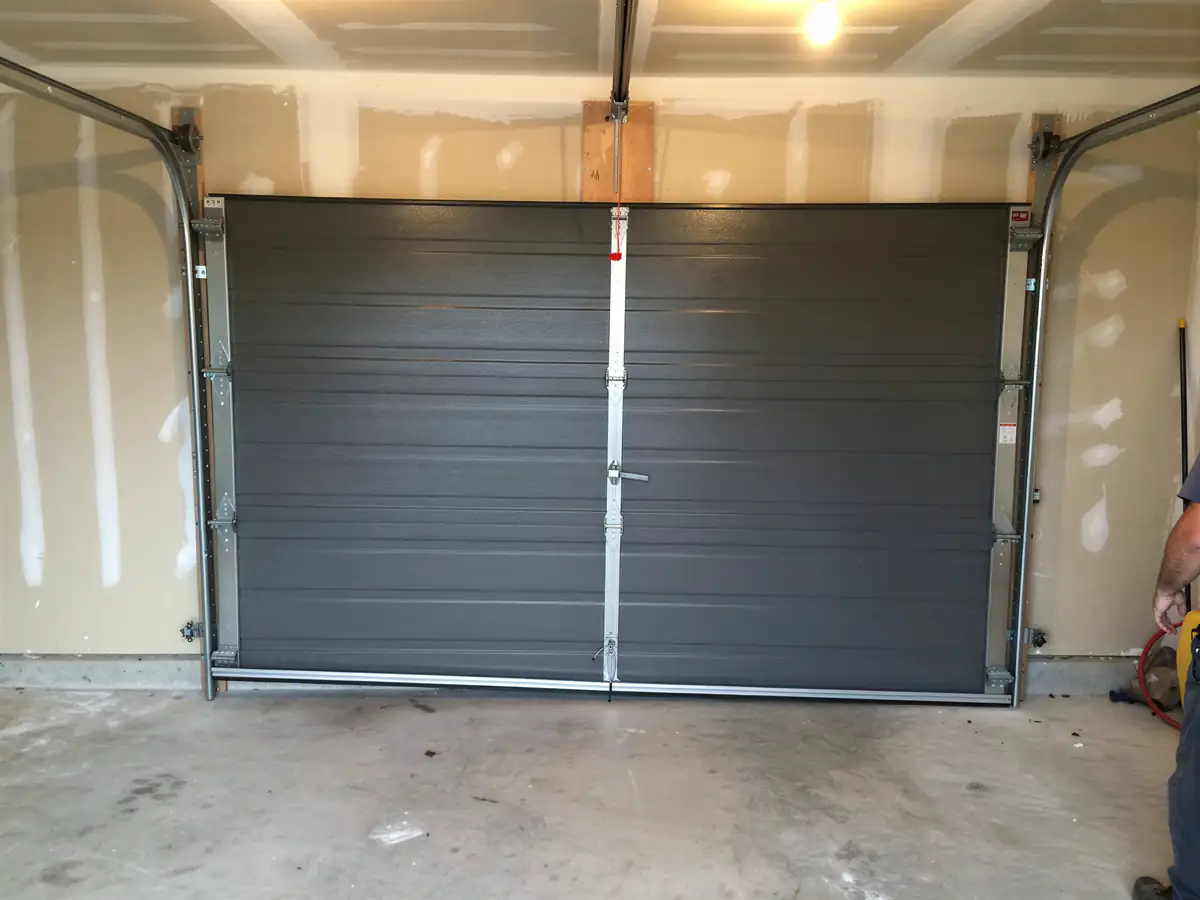
For the 2000s-era doors common in Ball Ground, we generally recommend moving up from stamped-stem plastic rollers to sealed-bearing steel or nylon rollers, which run quieter and hold up longer under the same cycle count. We check the track alignment and the bottom brackets at the same time, since a roller rarely fails in isolation - if the track's out of plumb even slightly, it'll chew through a fresh set of rollers the same way it did the last. One honest limitation: if the stem damage has gone on long enough to crack the roller bracket itself, that's a separate part, and depending on the door's age the exact bracket isn't always something we can grab off the truck - occasionally that means a short order wait rather than a same-visit fix. You can see what else we cover from Milton on our coverage page for Ball Ground, and the roller job details for Milton itself are on our Milton roller replacement page.