What Can Go Wrong
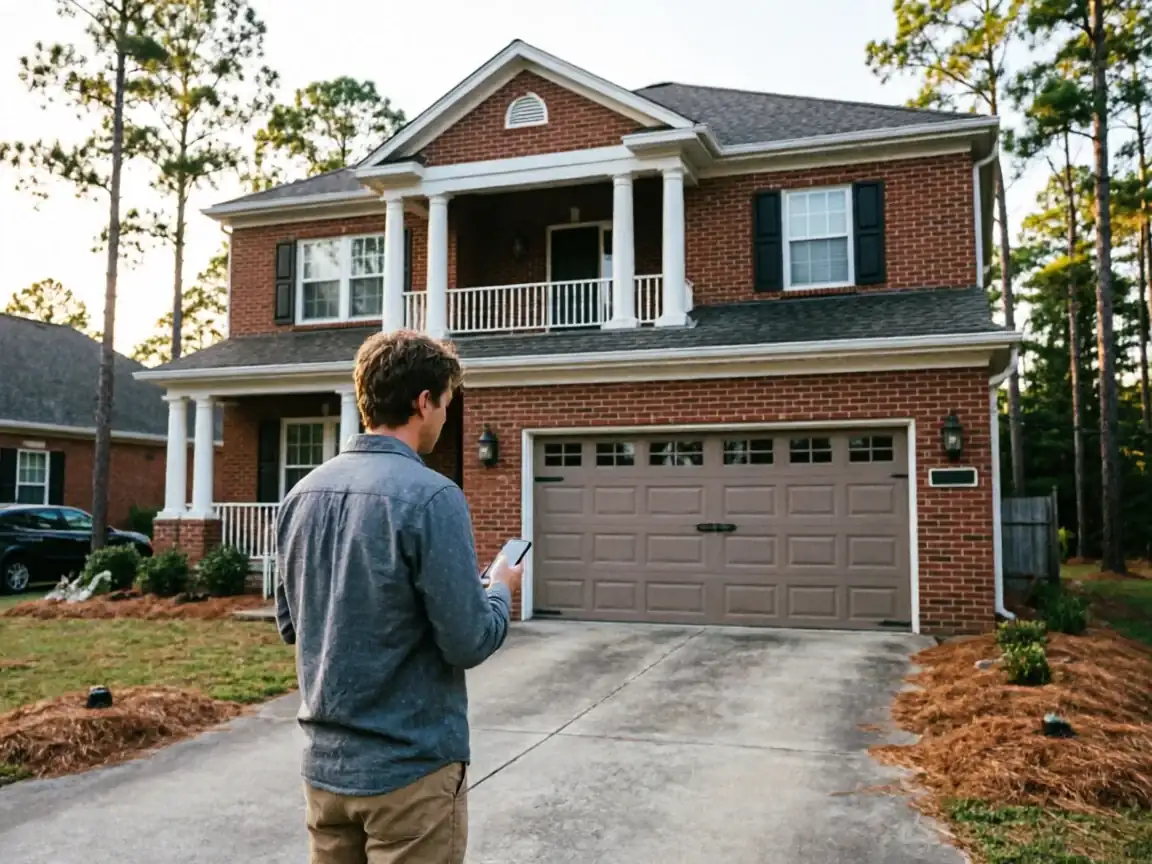
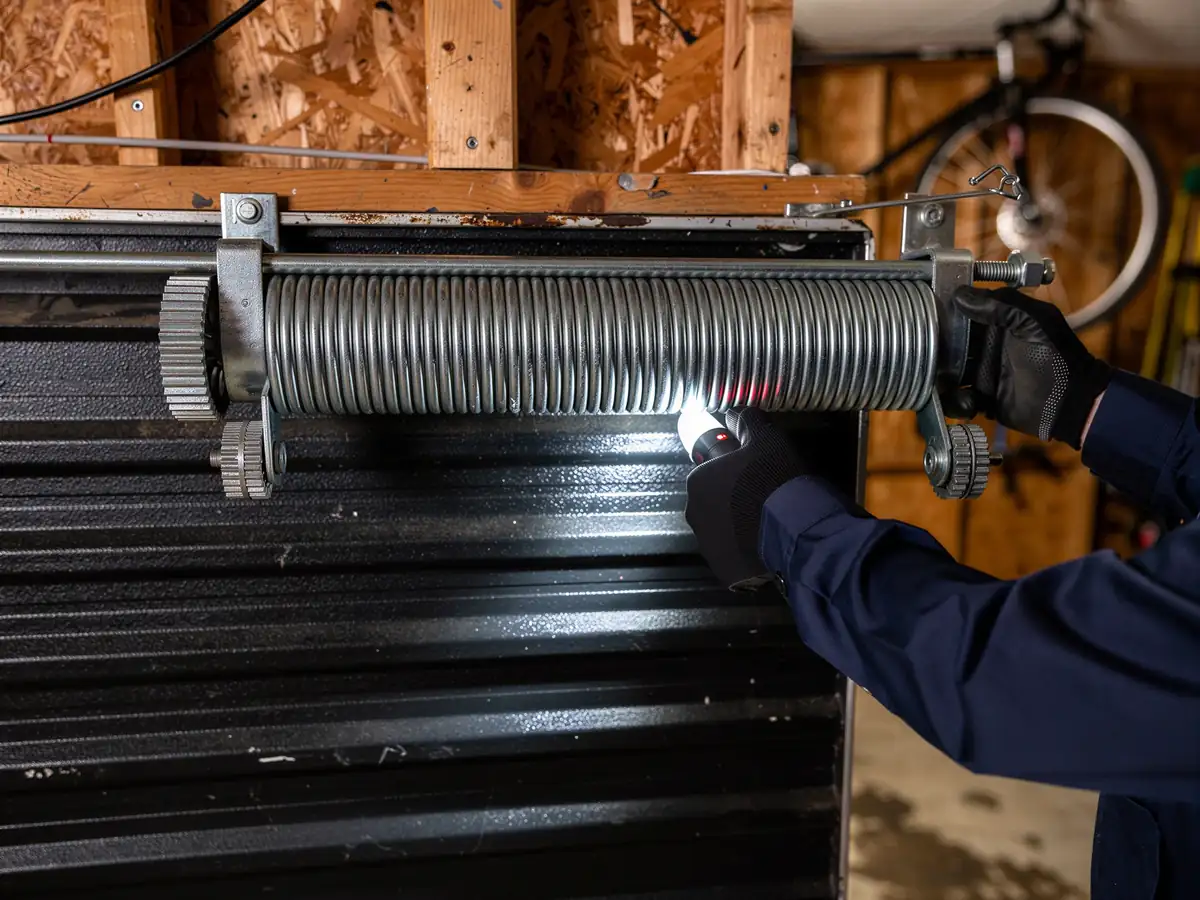
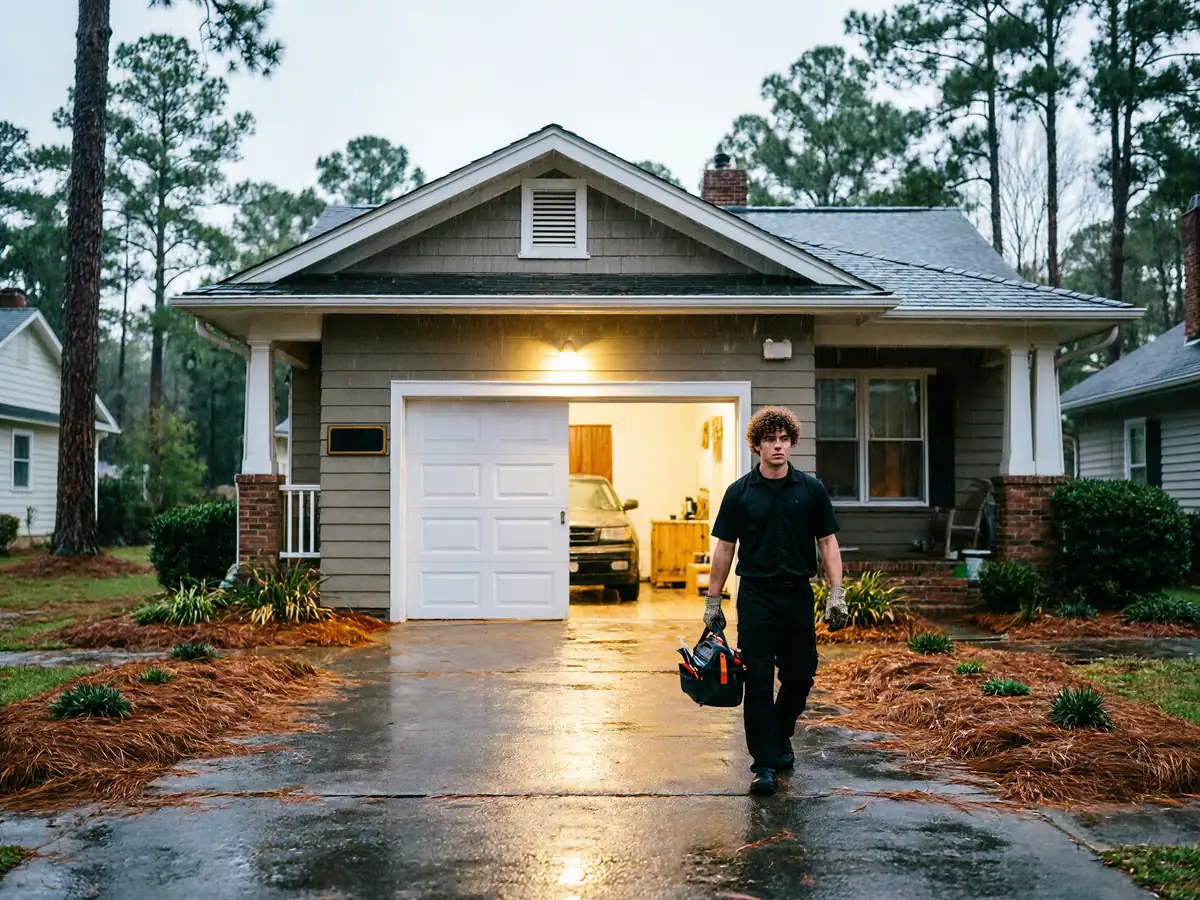
Ball Ground sits 14 miles out from our Milton shop, and that drive shapes how we handle a call here. We're not parked around the corner, so when the phone rings for a door stuck open at 11pm, we're already loading the truck before we're on the road. The upside: most of Ball Ground's roughly 1,024 households are in homes built around 2006, newer construction than a lot of what we see closer to Milton. That means less rust-through on tracks and fewer of the old single-piece doors with side-mounted torsion springs that plague 1990s stock. What does fail on newer builds: factory-grade openers with circuit boards that die quiet instead of loud, rollers that were never upgraded from the builder-grade plastic, and cables that look fine until they aren't. A broken torsion spring on a double door is still the most common emergency call we get, regardless of the build year.
How It Shows Up
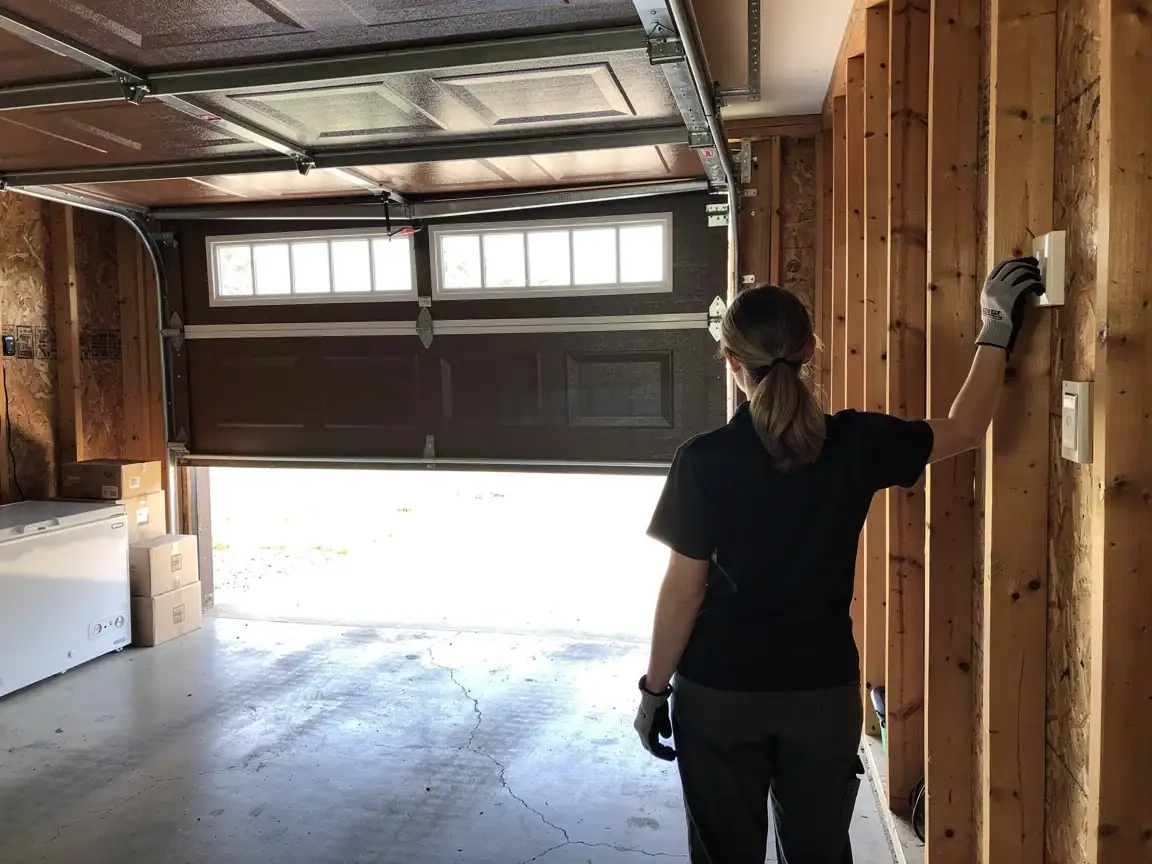
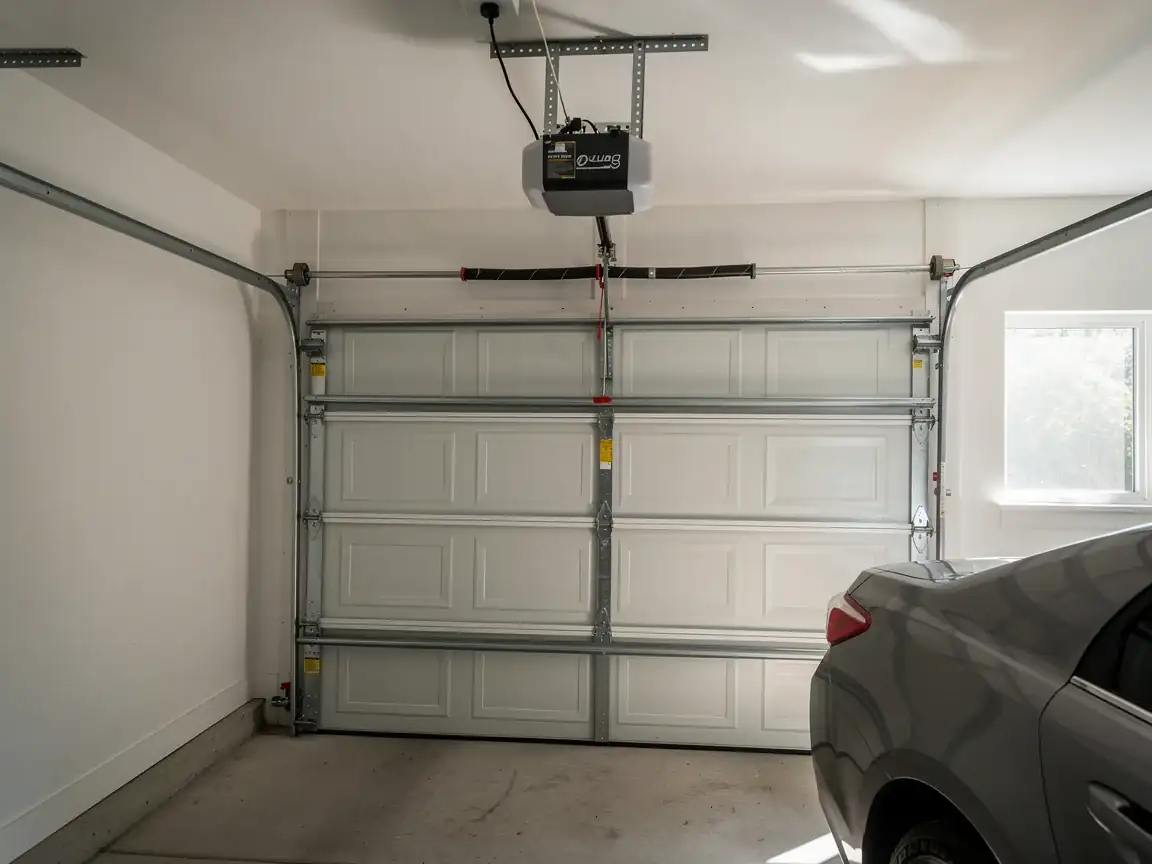
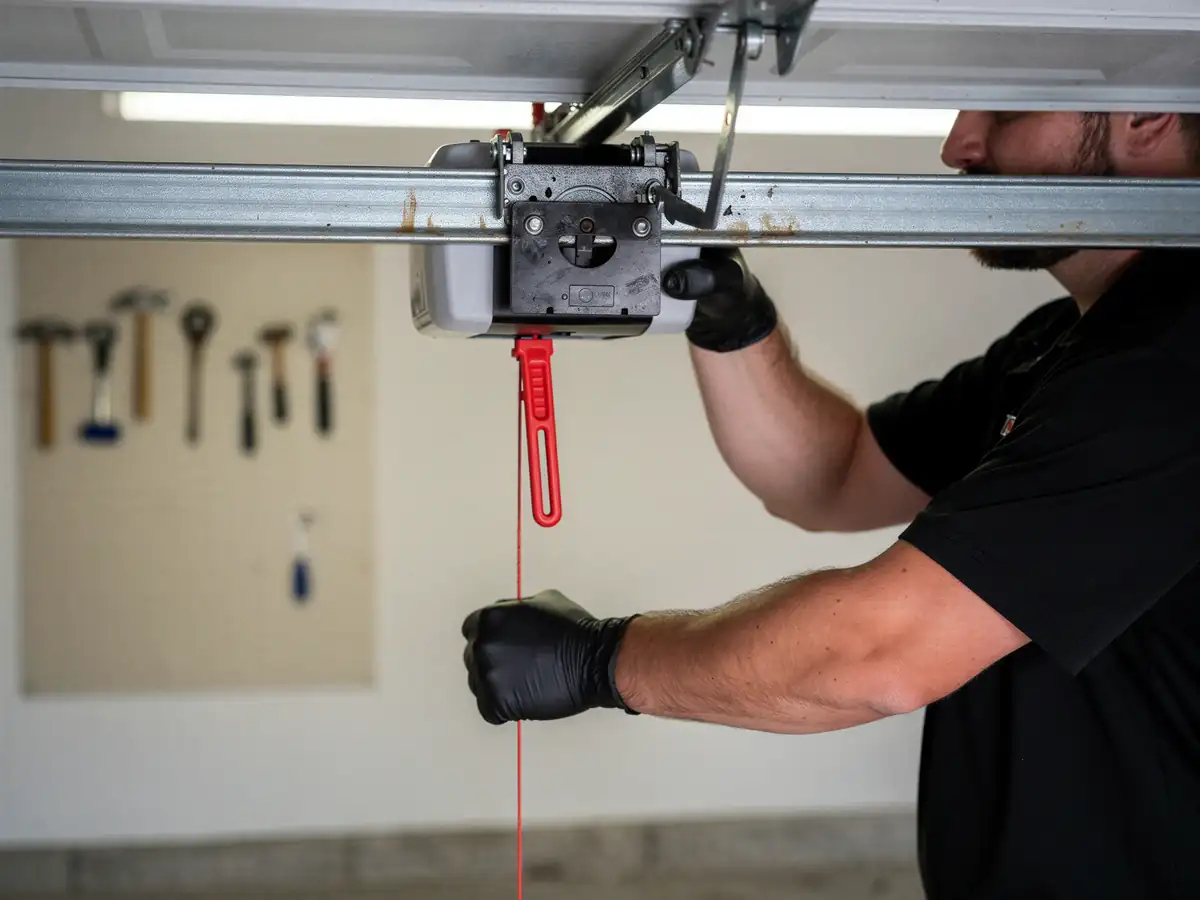
On homes built in the mid-2000s, the failure pattern leans electronic before mechanical. You'll hear the opener motor straining and grinding without the door moving - that's usually a stripped gear inside the unit, not the door itself. A door that reverses halfway up often points to a safety sensor misread, especially after a hard rain gets into exposed wiring on an older opener mount. Panels on newer insulated doors tend to dent rather than crack, so a car bump that would've split an older wood-composite door usually just leaves a crease you can live with until we get there. Cold mornings here still stiffen grease in the tracks enough to slow the door, consistent with the moderate-cold winters this part of Georgia gets.
Booking a Visit
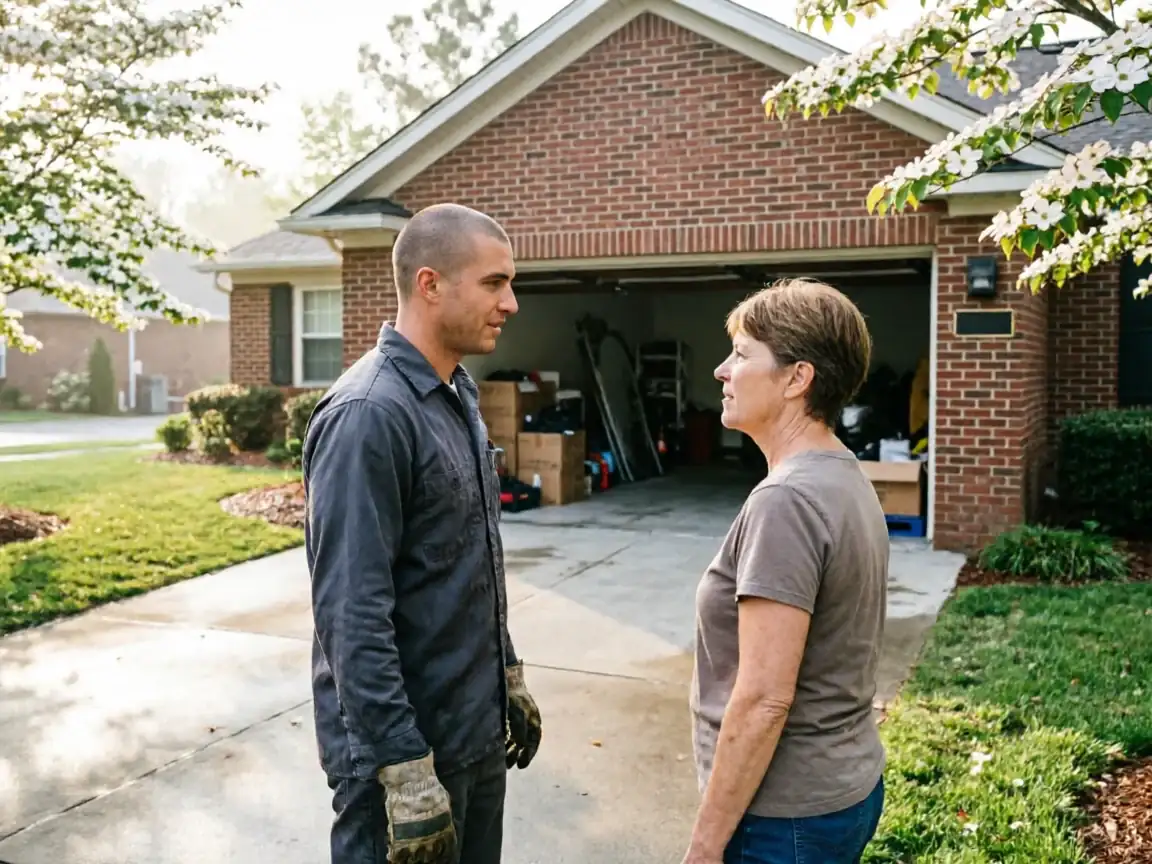
We run emergency calls out to Ball Ground from our Milton base, so when you call, tell us right away if the door is stuck open, stuck shut with a car trapped inside, or just making a bad noise - that changes what we load on the truck before the 14-mile drive. Because we're not local to Ball Ground itself, we ask for a cross street or a nearby landmark on the call so we're not guessing once we're close. If it's not a true emergency - a slow door, a worn weatherstrip - we'll usually get you a non-emergency slot instead, since that drive is better used for the calls that can't wait.
What the Fix Involves
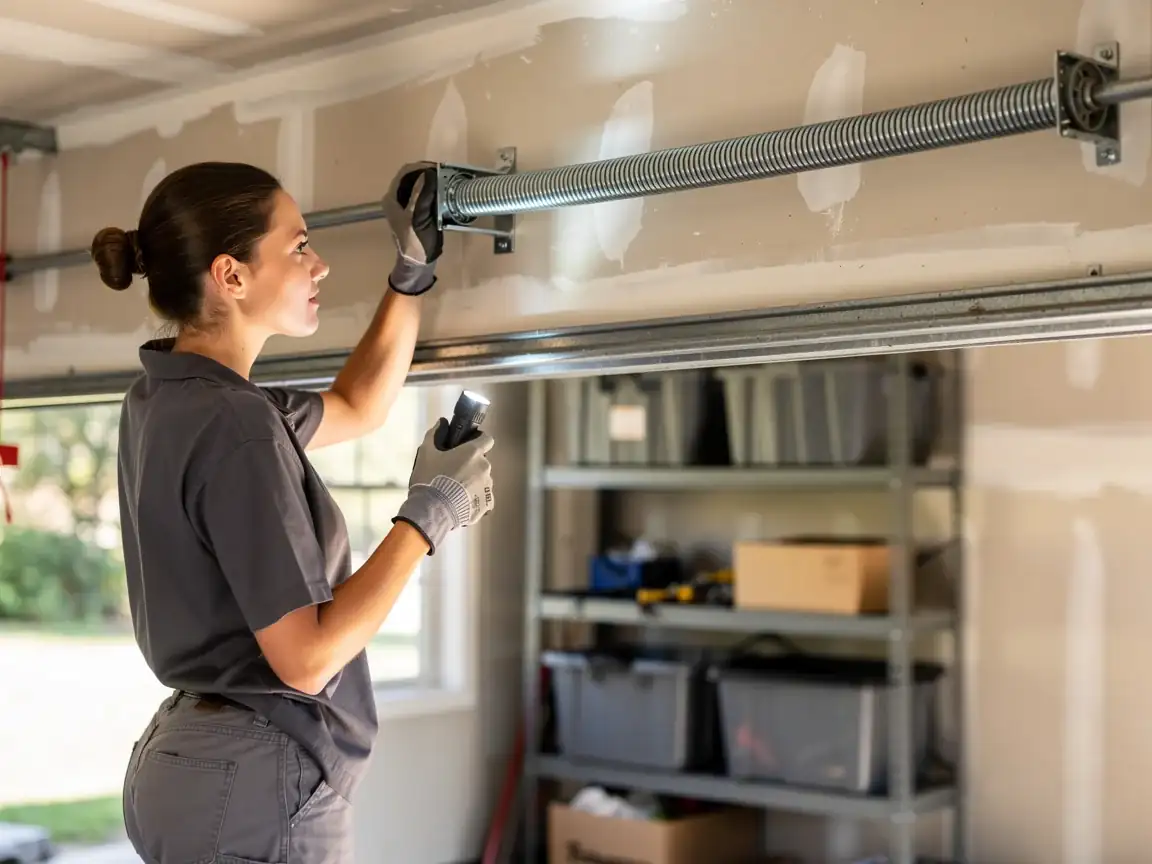
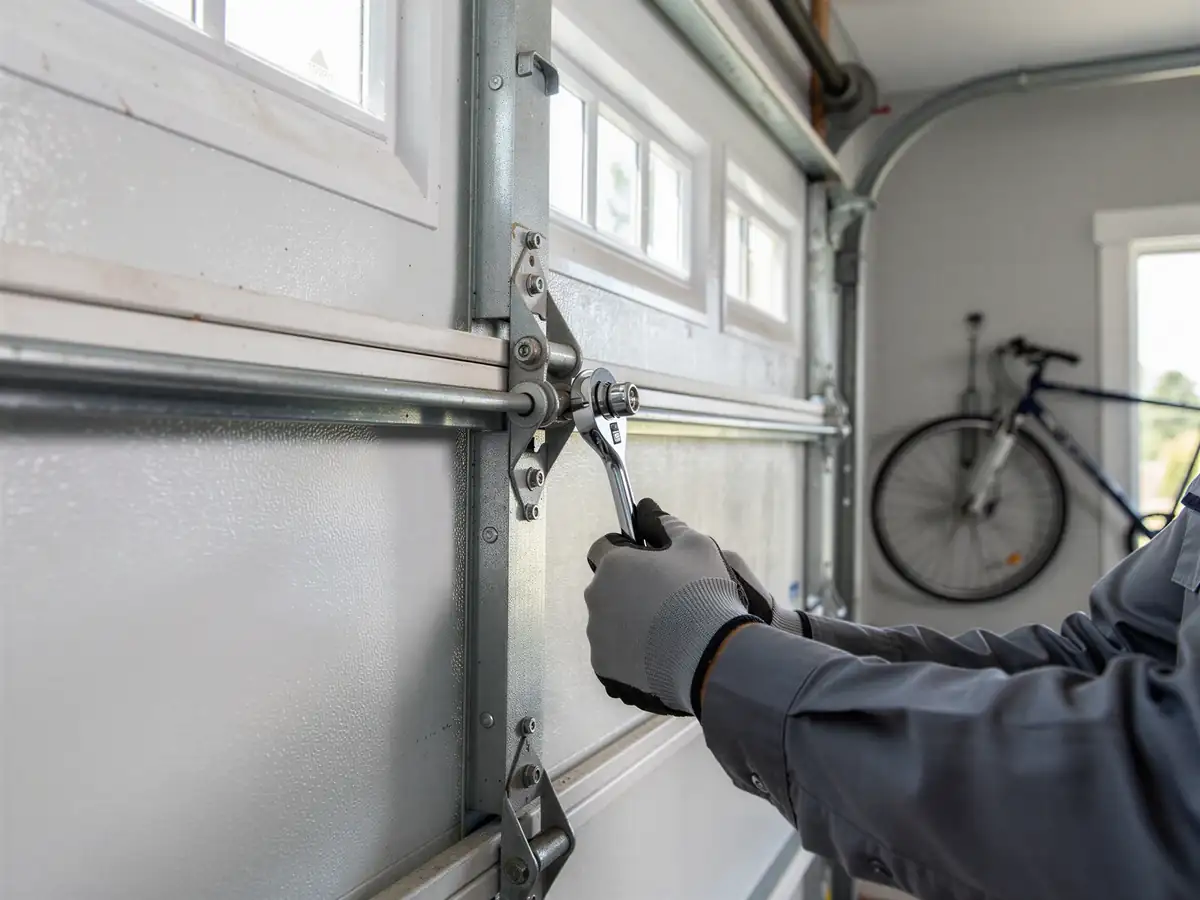
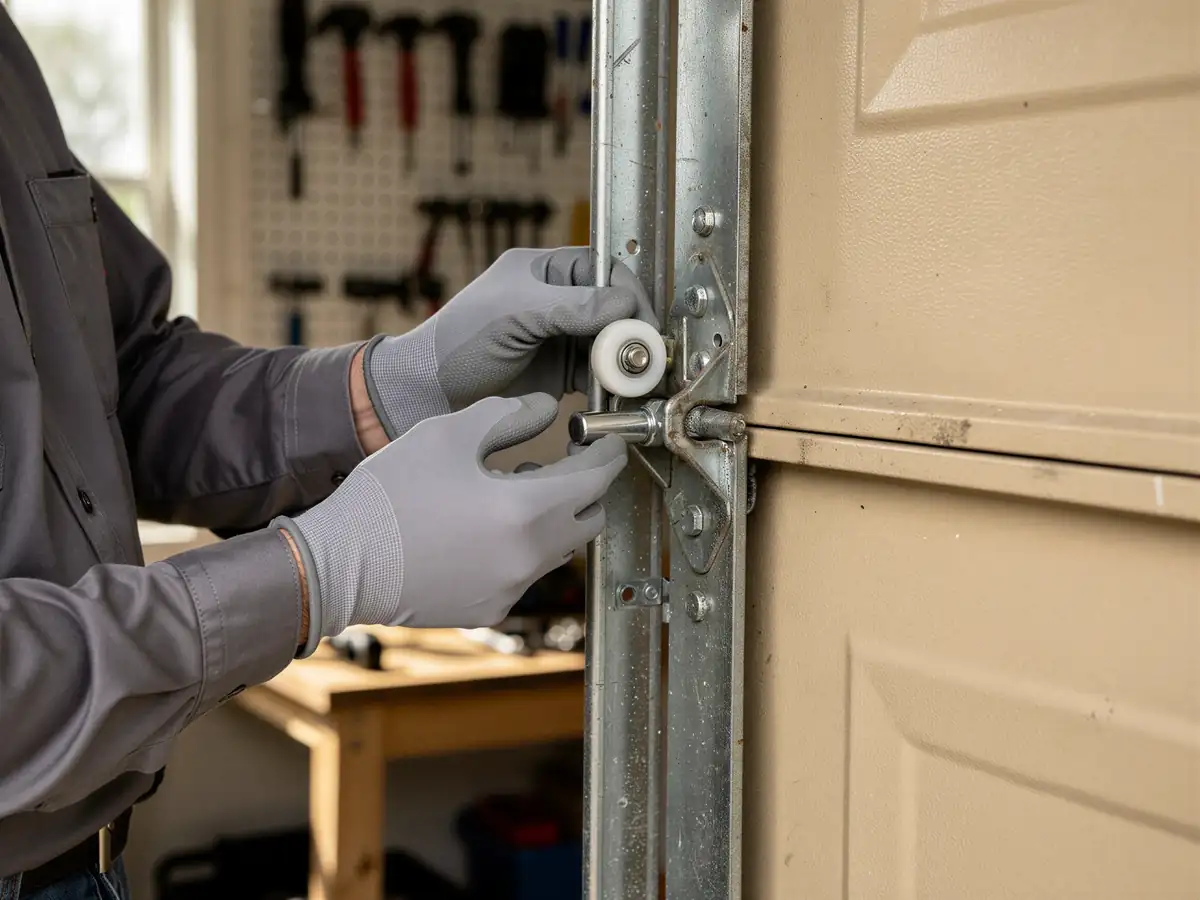
For most Ball Ground calls, we're swapping a spring, a cable, or a set of rollers, and checking the opener's force settings while we're in there since newer units often ship with factory defaults that are too aggressive or too weak. If the opener board itself has failed, we'll tell you straight: on some models, parts can take a few days to source, and if the unit's old enough that a replacement costs nearly as much as a new opener, we'll say so instead of billing you for a patch job. We don't carry every part on the truck for every opener brand - that's the one real limit of covering a town 14 miles out instead of running a local stock room.