The Seasonal Bit
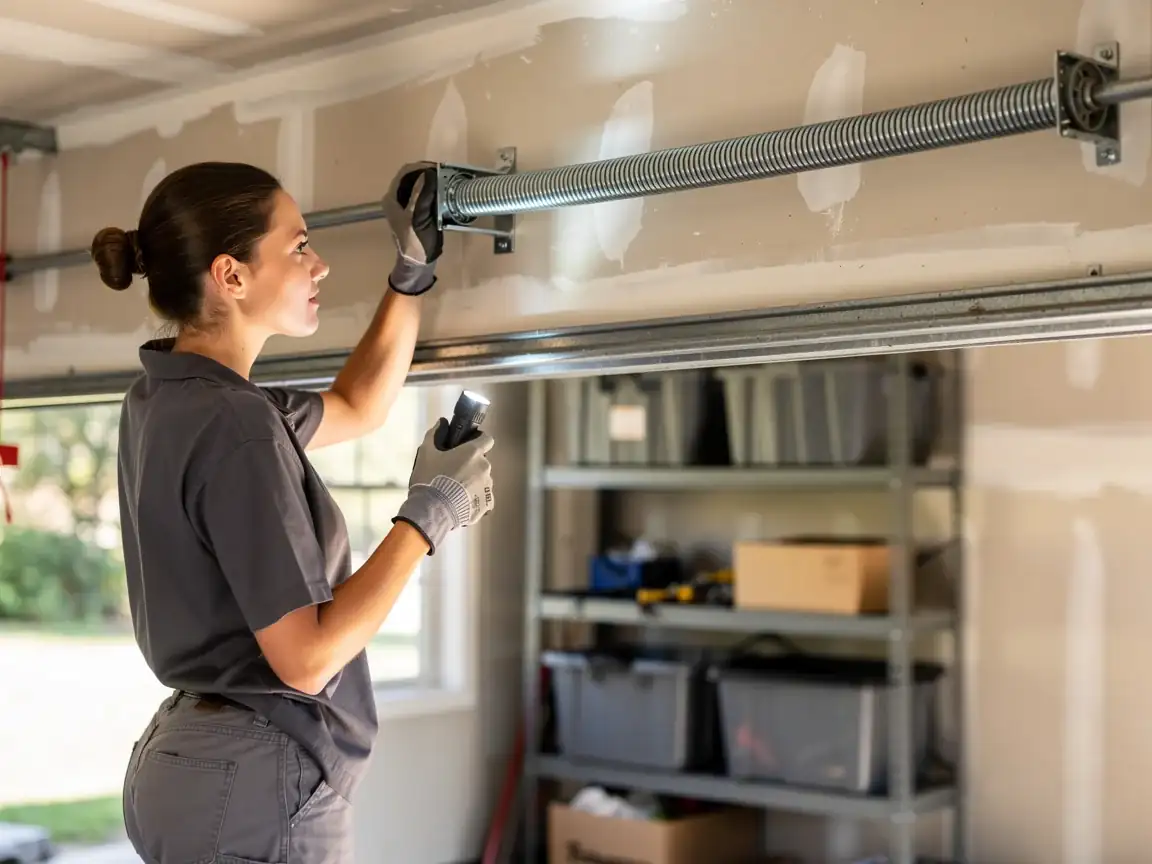
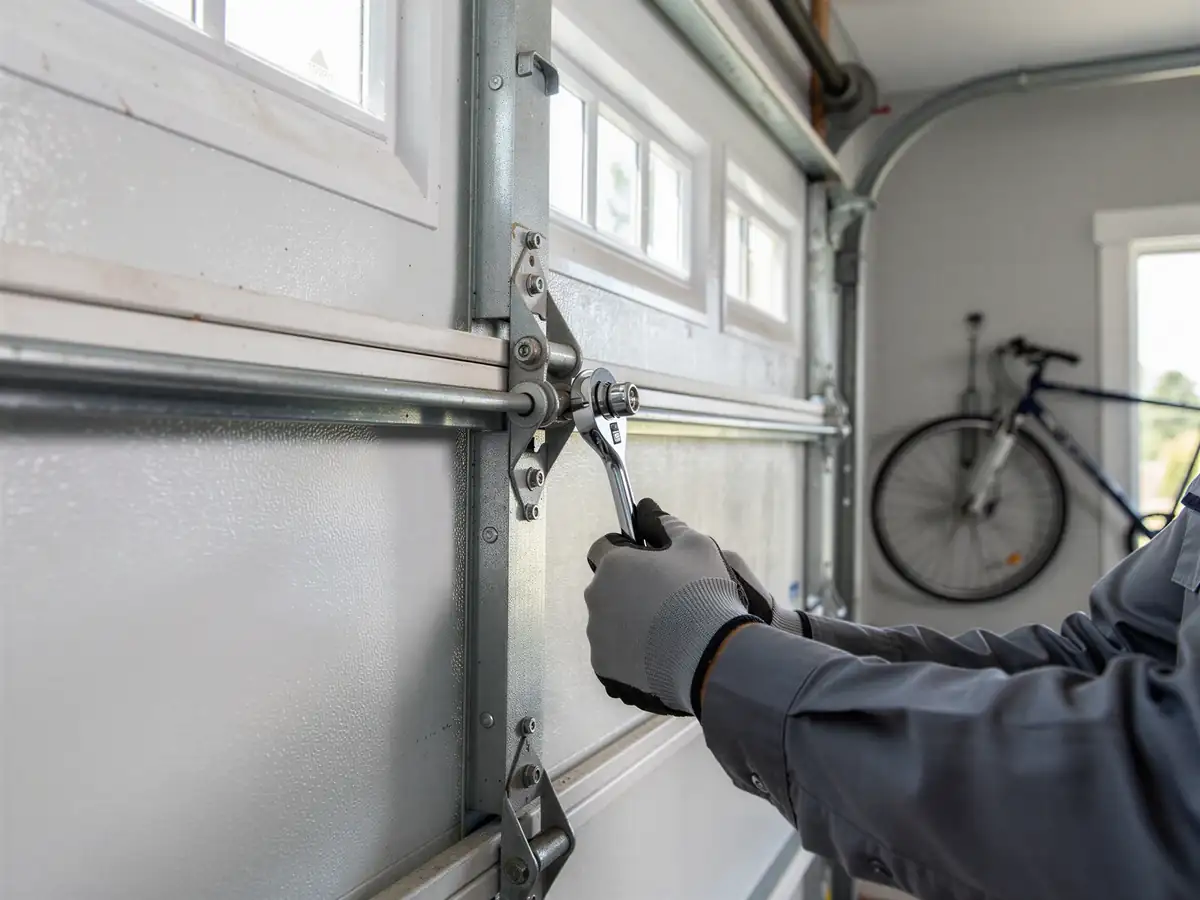
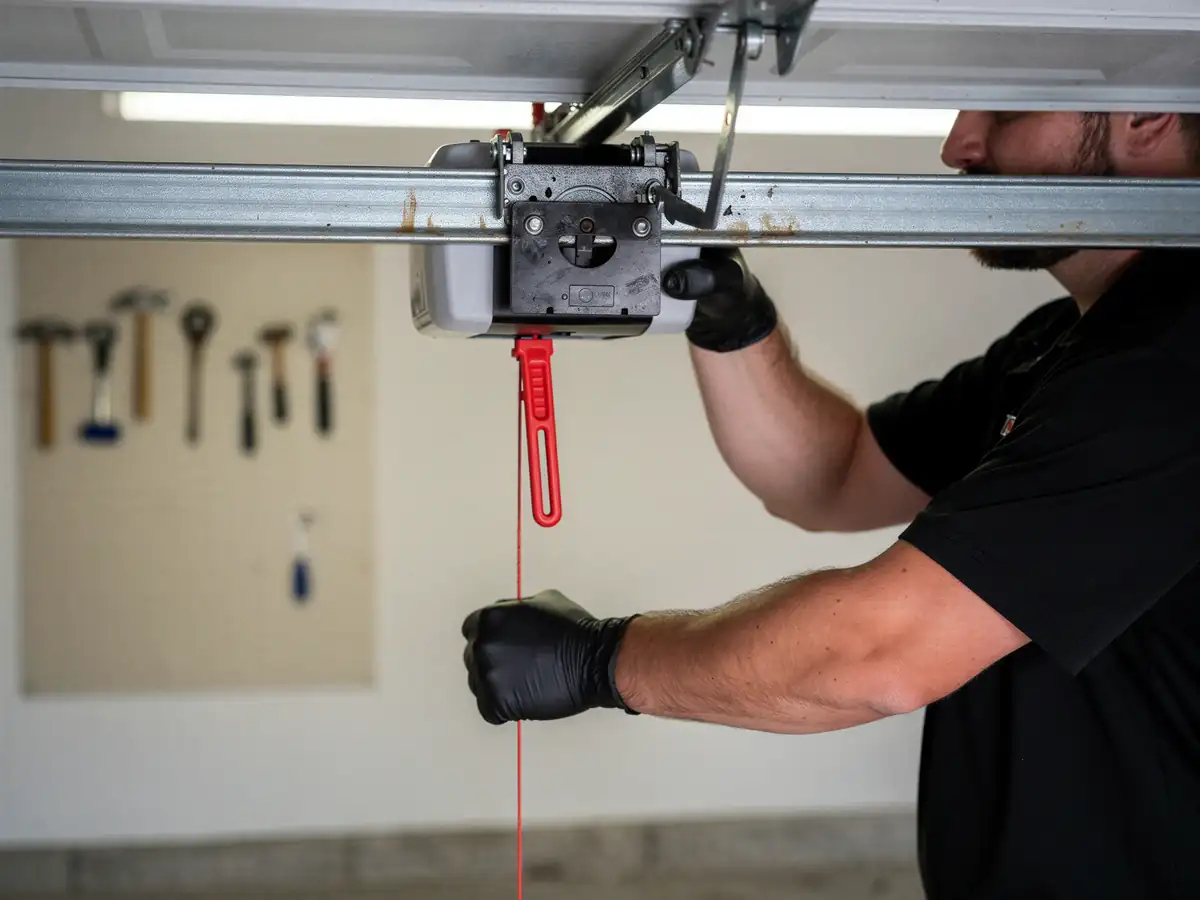
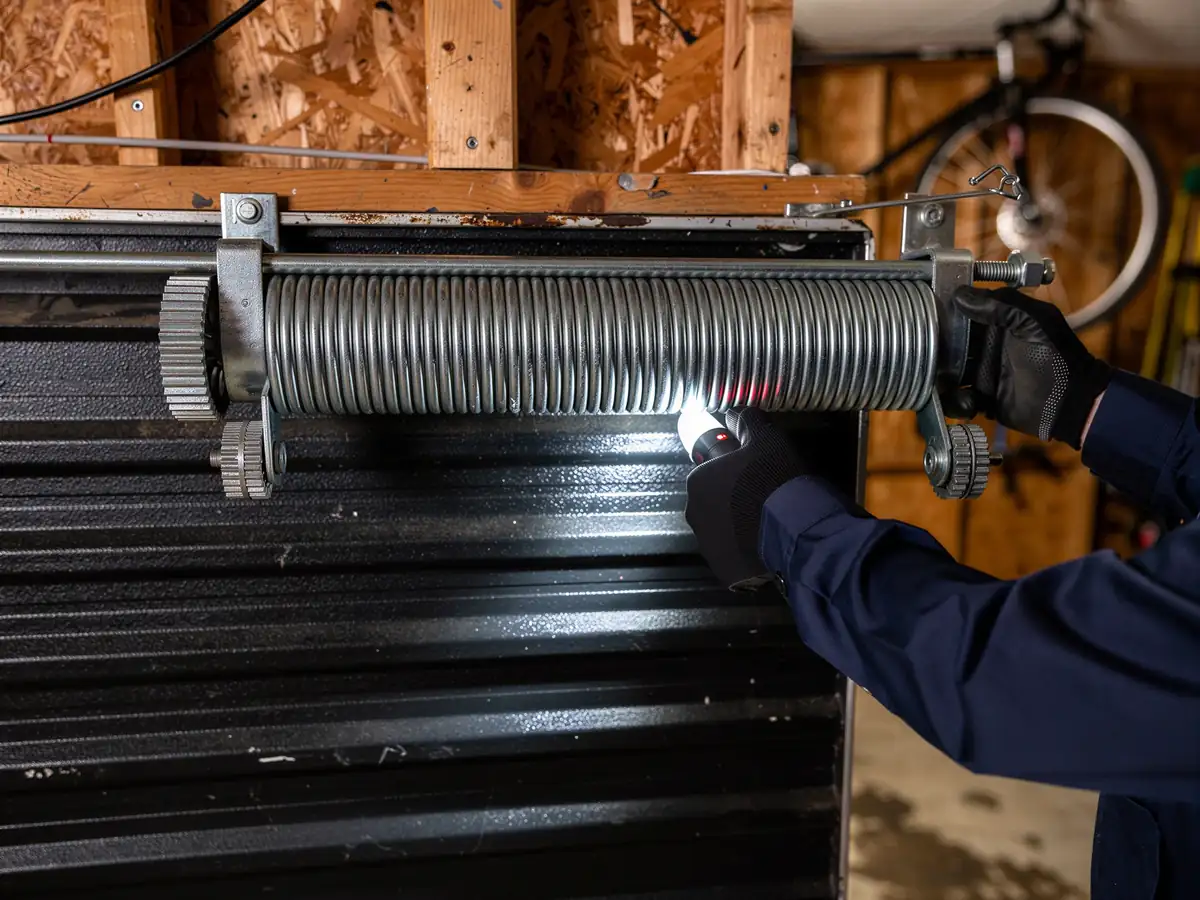
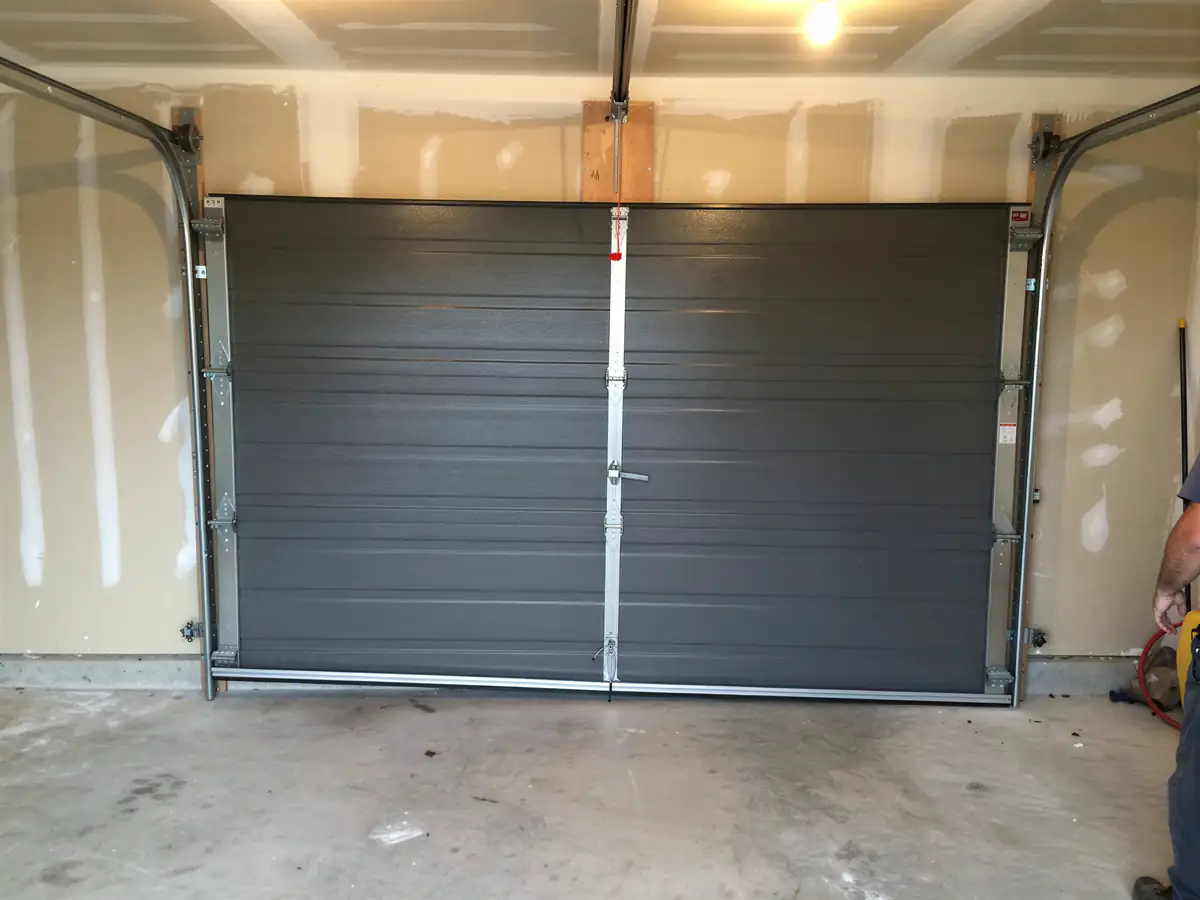
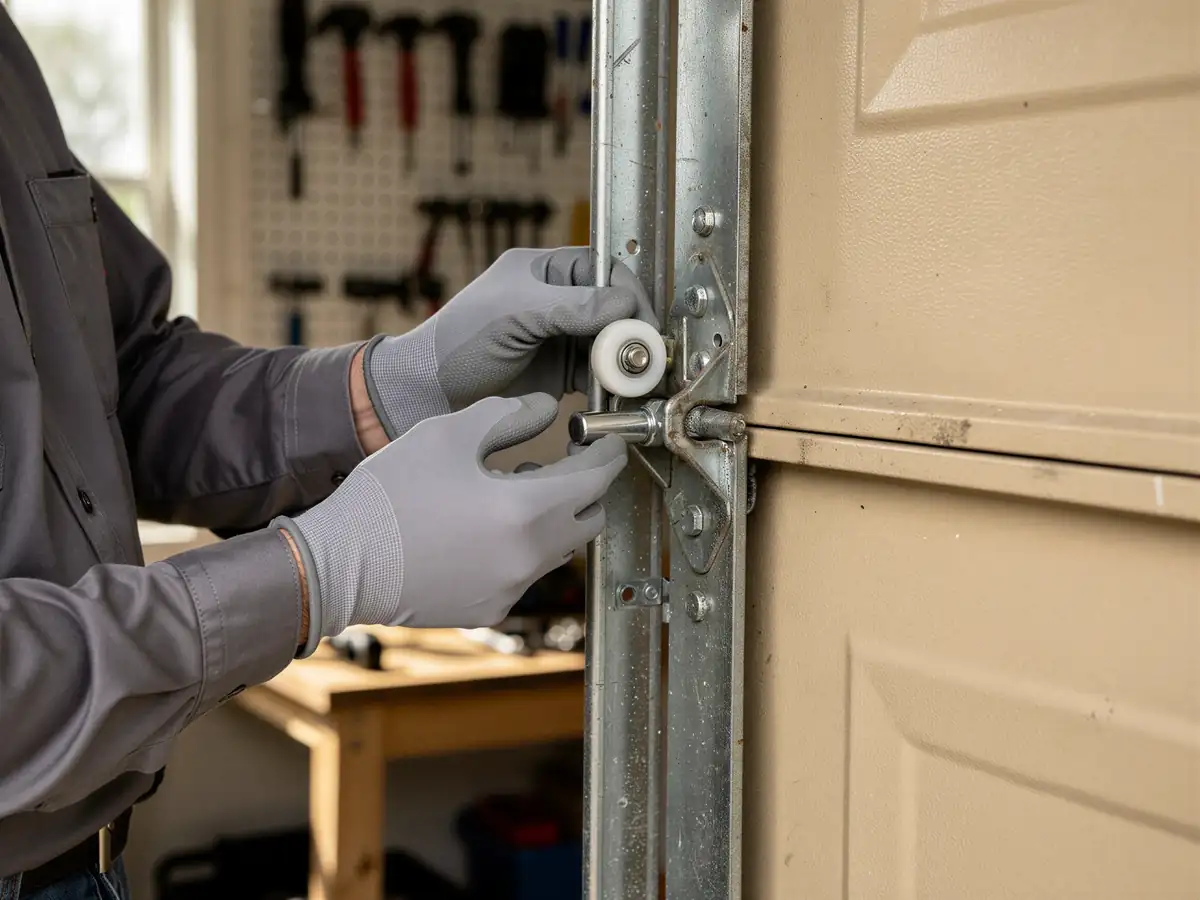
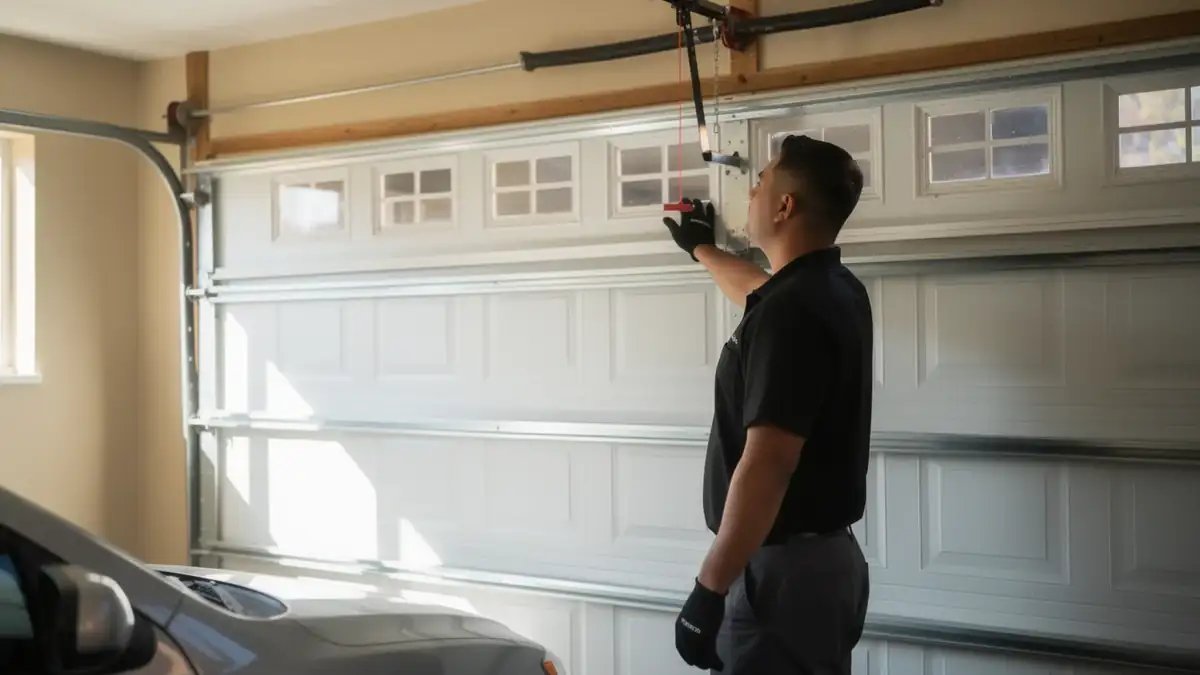
Milton sits in a cold-moderate band, which means your garage door hardware goes through a real temperature swing every year, not an extreme one. That matters for noise. Steel torsion springs and galvanized track contract in a hard freeze and expand back out once the sun hits the driveway. On a lot of the doors installed here between the 1980s and 90s, that cycle loosens hardware a quarter-turn at a time over a decade or two, so the squeal or rattle you're hearing every January isn't new damage - it's old hardware finally announcing the slack that's built up. A door that's dead silent in July and groans every cold morning in winter is usually telling you the springs or the roller stems need a check, not replacement. The fix is often lubrication and a tension check rather than new parts, which is the cheaper of the two calls you can make. Where it gets real is after a few winters of being ignored: the quarter-turns add up, and a spring that was fine for fifteen years can fail without much warning on the sixteenth cold snap.
What You Pay
We don't have a flat number to put in front of you here, and we're not going to invent one. What we can tell you is how the decision usually breaks down on houses like the ones common in Milton. With median household income in the service area around $90,626, a lot of owners here are in a position to choose replacement over repeated patch repairs once a door starts stacking up issues - and on hardware from the 1980s-90s build era, that's often the right call once you're past a second or third spring or roller failure in a few years. A single noisy roller or a loose bracket is a small job. A door that's grinding, slow, and visibly sagging at the same time usually means the spring, the rollers, and the track are all nearing the end together, and chasing each symptom separately costs more over time than handling it as one job. We'll tell you straight when a repair isn't worth doing instead of just doing it.
How Local Conditions Play In
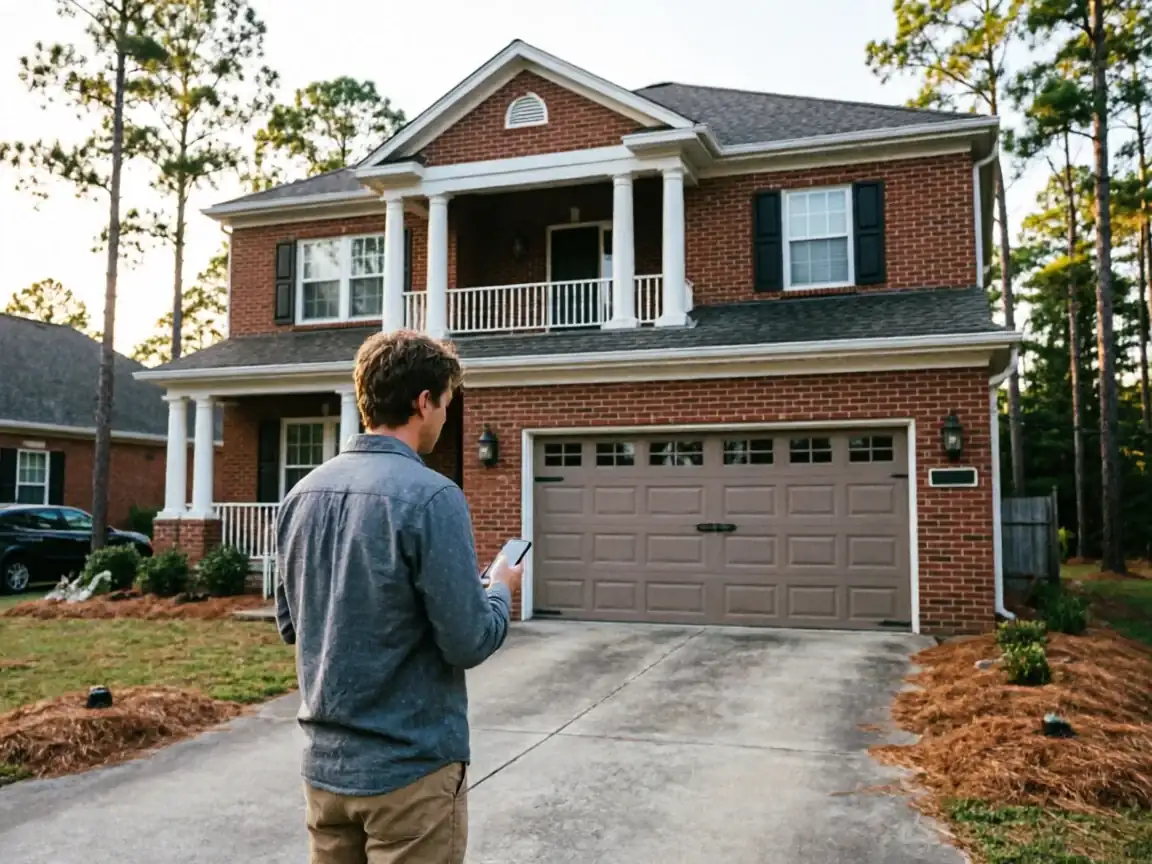
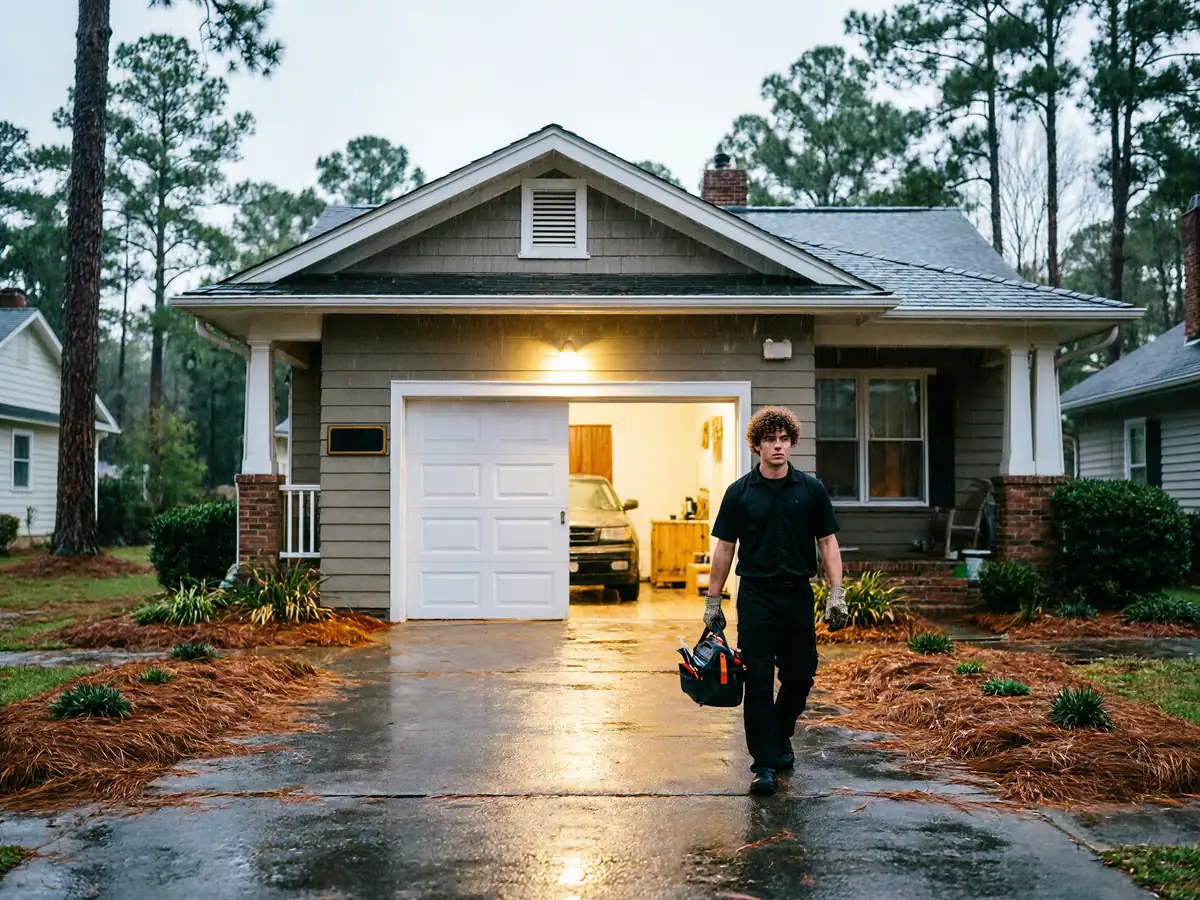
Milton isn't an isolated service area - we're working within reach of places like Mountain Park seven miles out, Holly Springs at ten, Cumming at eleven, Berkeley Lake at thirteen just six miles to the ENE, among others. The housing patterns repeat across that stretch: a lot of 1980s-90s construction, cold-moderate winters that put the same stress on springs and track everywhere in the band, and enough owner-occupied houses in the area - over 15,000 of roughly 35,800 households - that the noise patterns we see on one street tend to show up on the next one over. That's useful for diagnosis. If a neighbor's door started grinding the same winter yours did, it's probably not coincidence; it's the same age of hardware hitting the same cold snap at the same time. It also means parts availability matters: original steel-roller hardware from this era isn't something every supplier stocks anymore, and a repair that would've taken an hour in 1995 sometimes means sourcing a compatible modern part instead of an exact match.