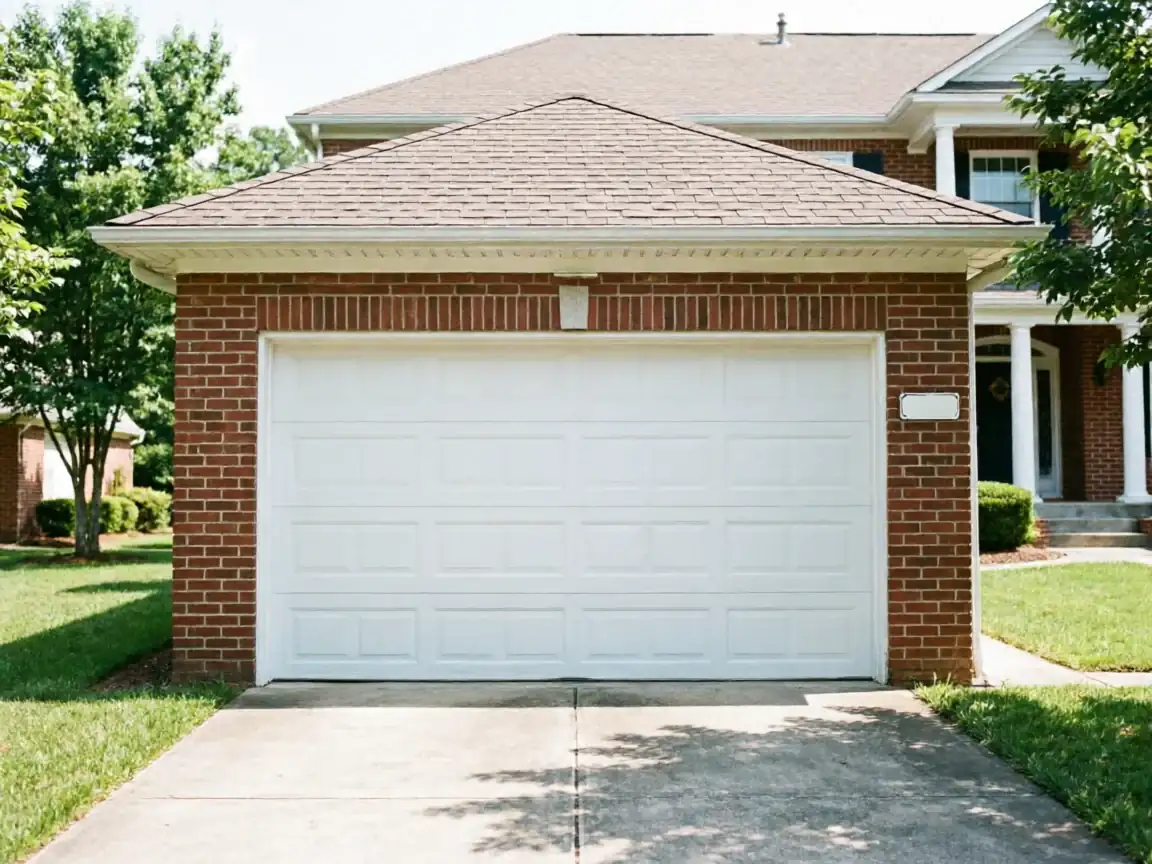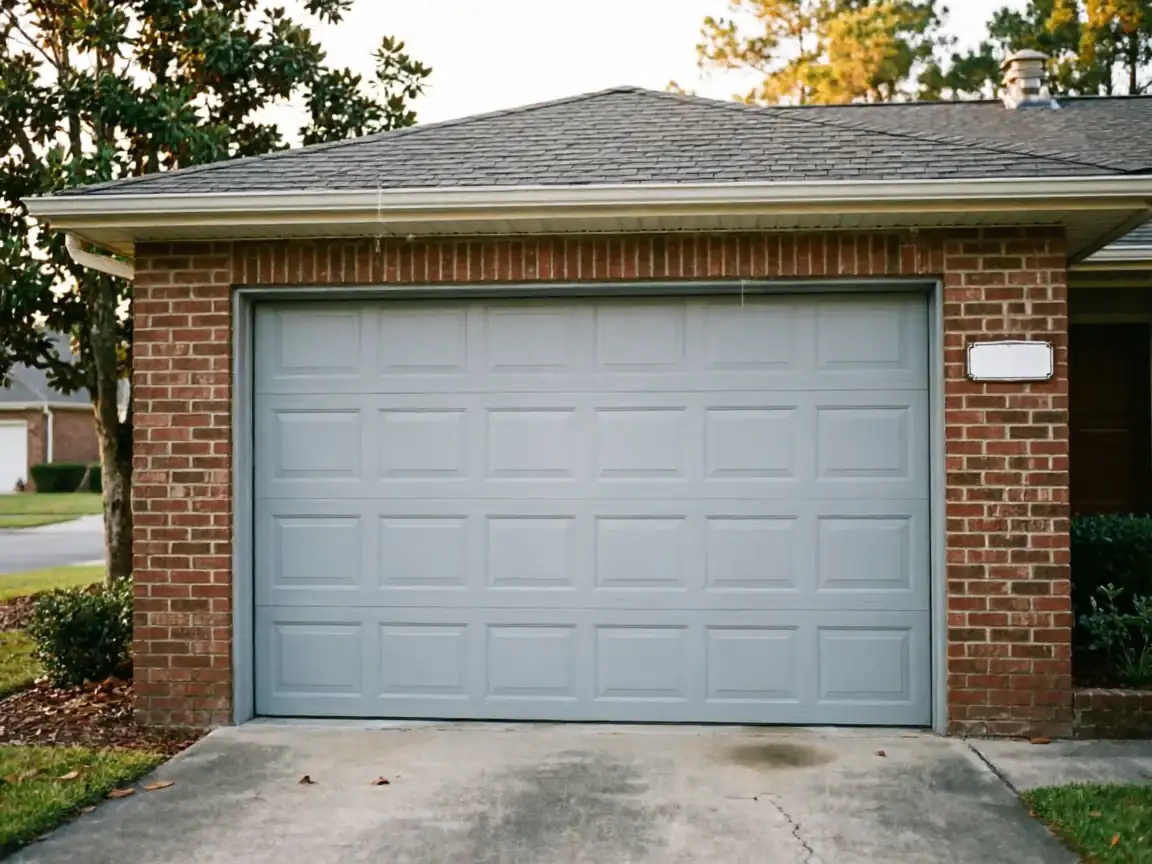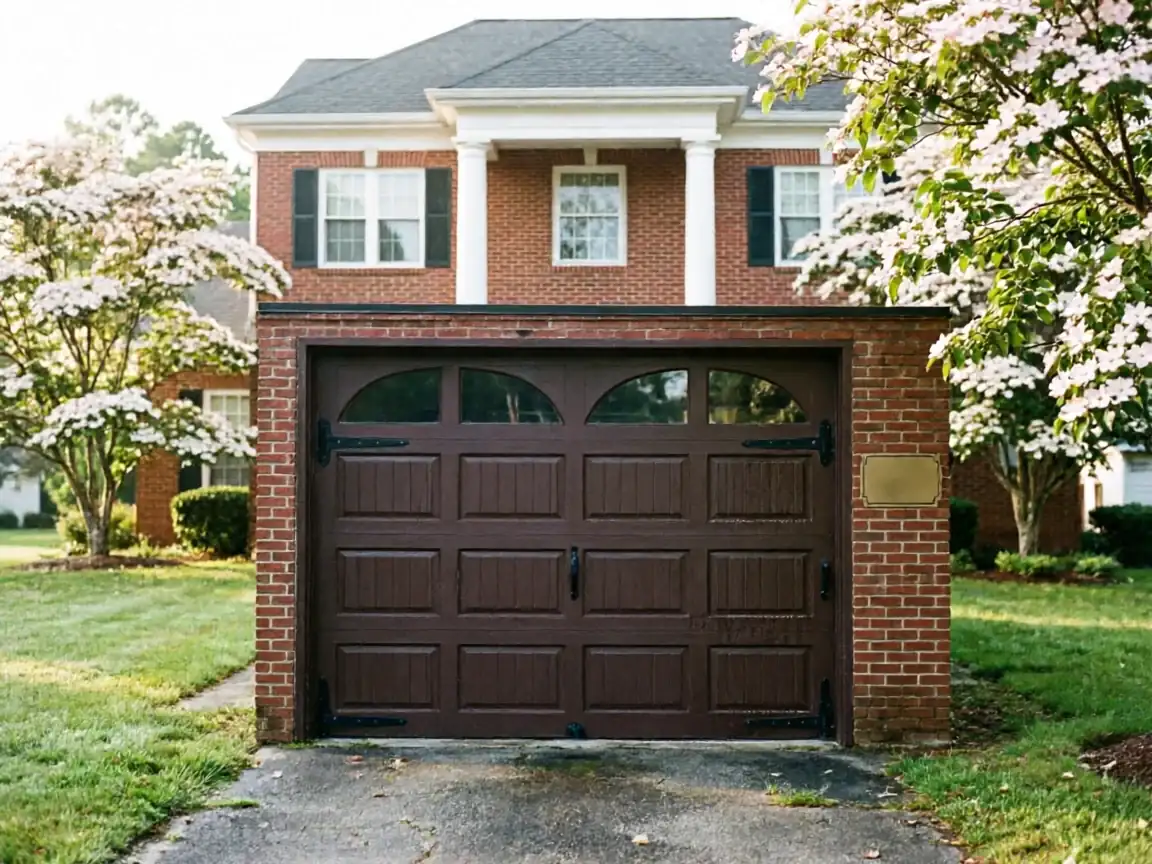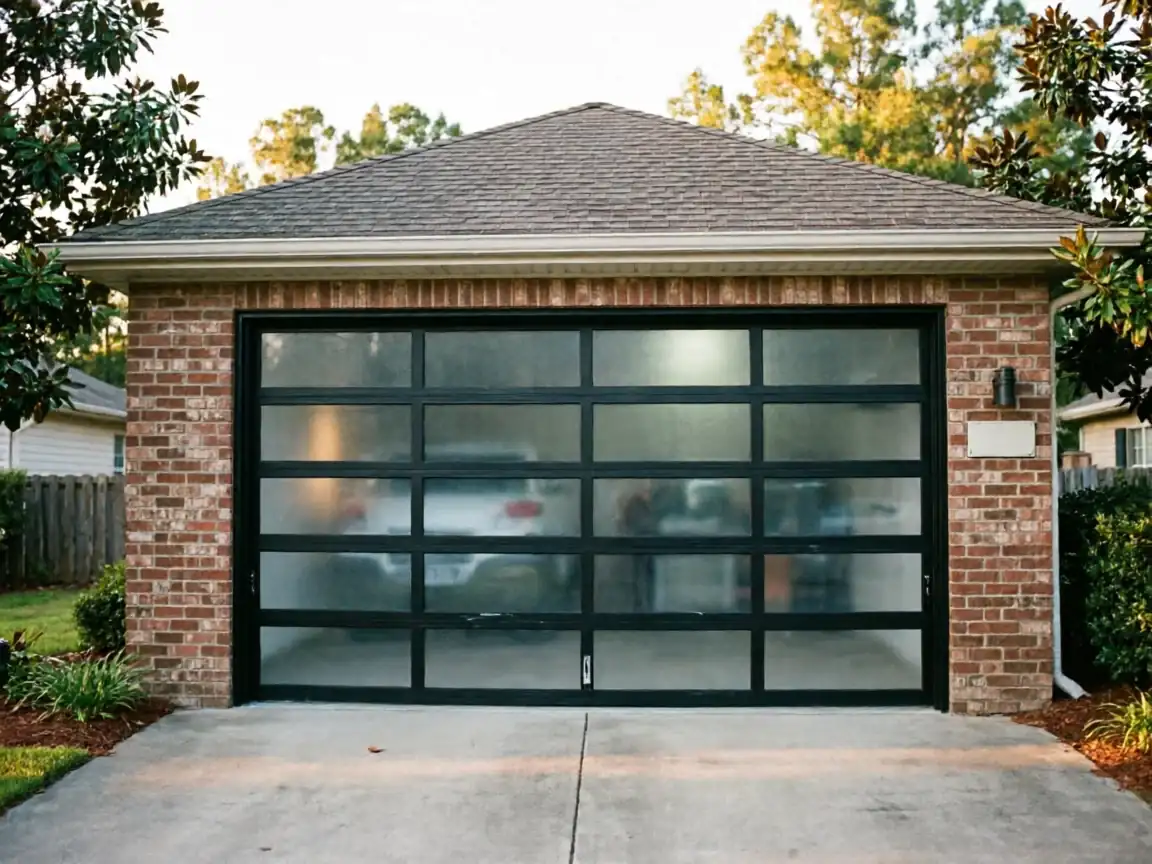
What Causes It Around Here
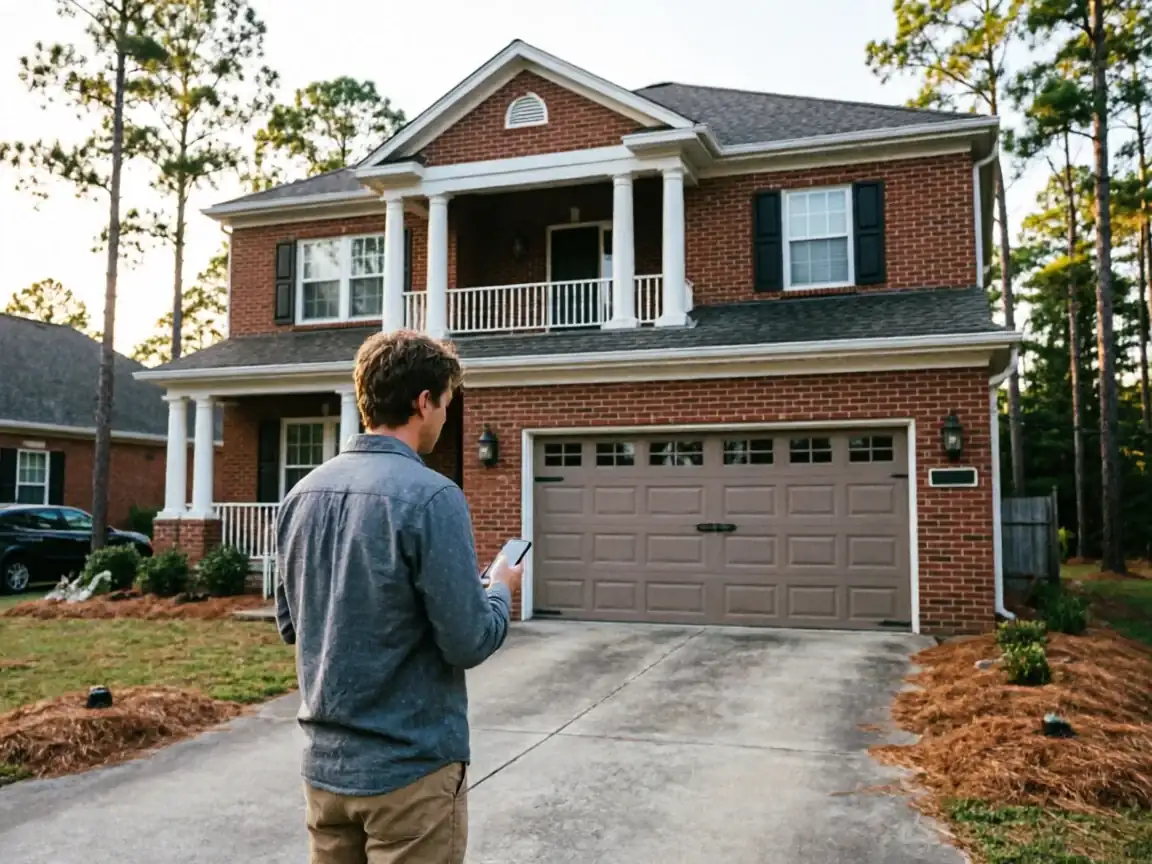
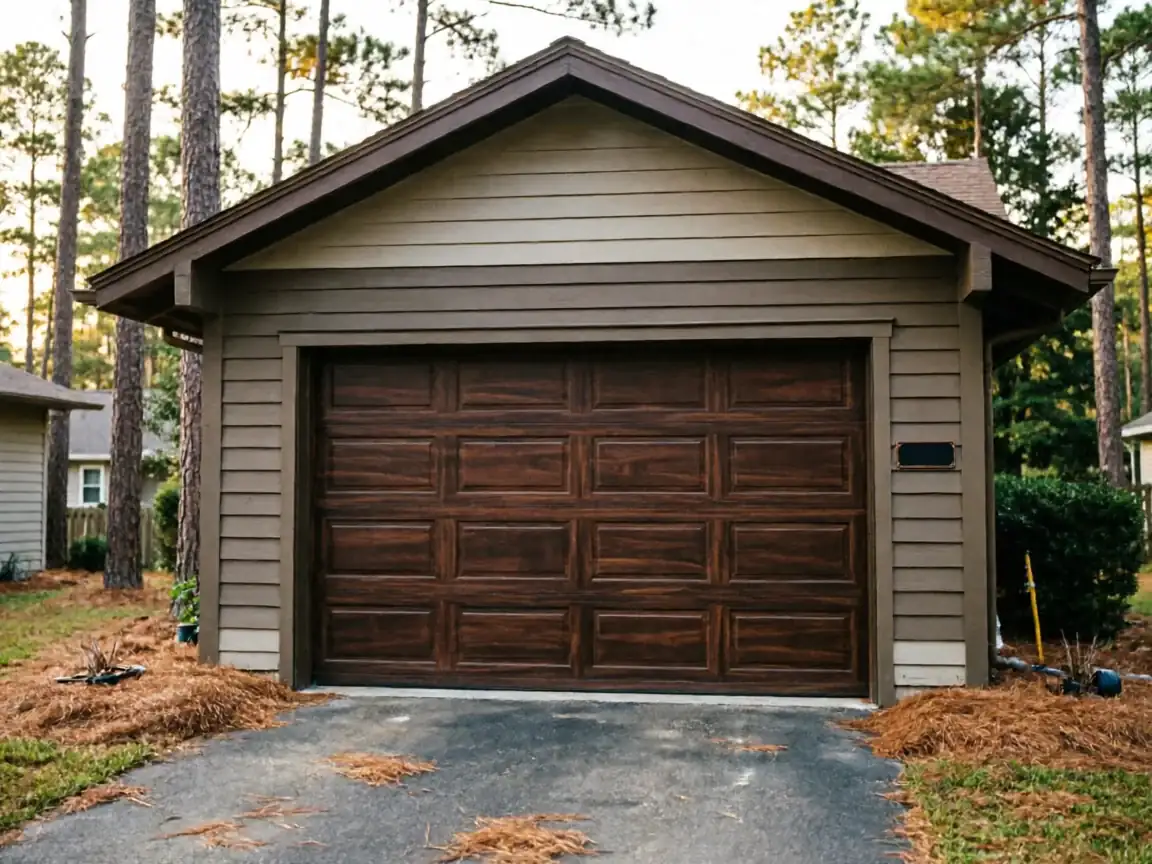
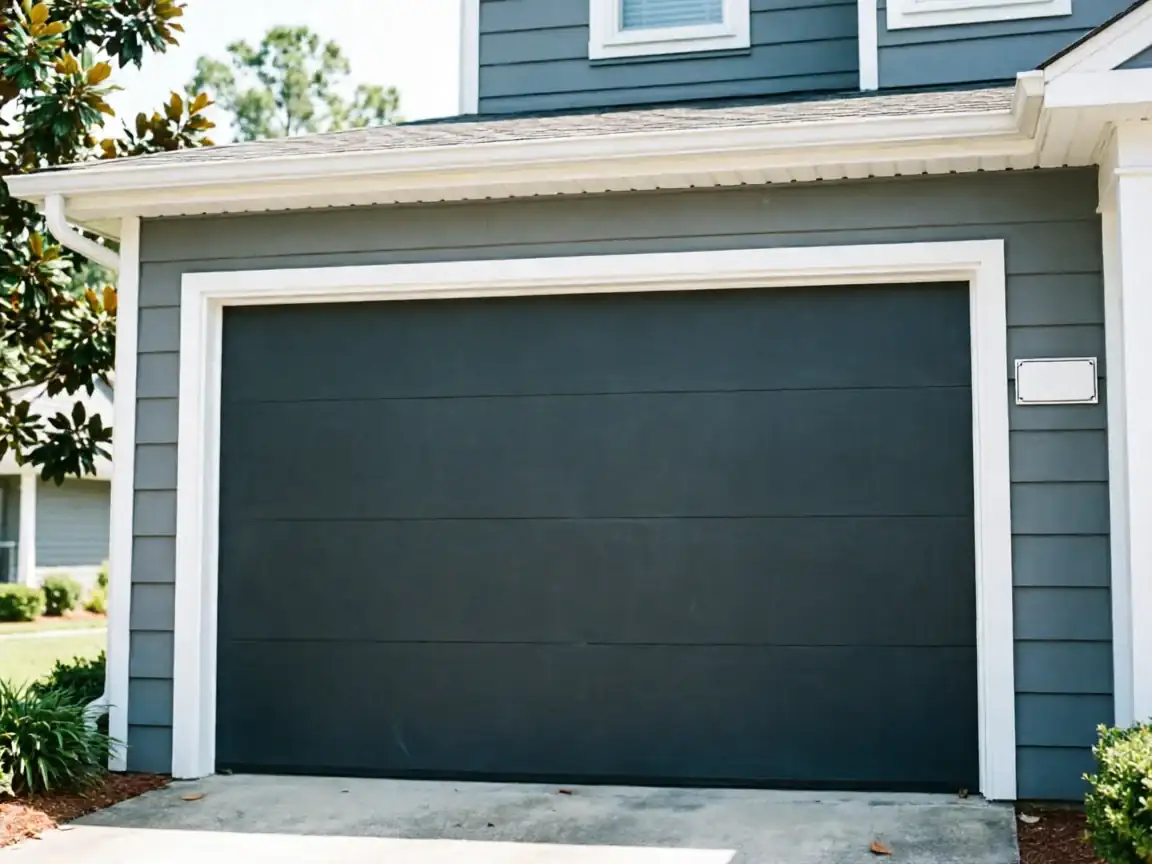
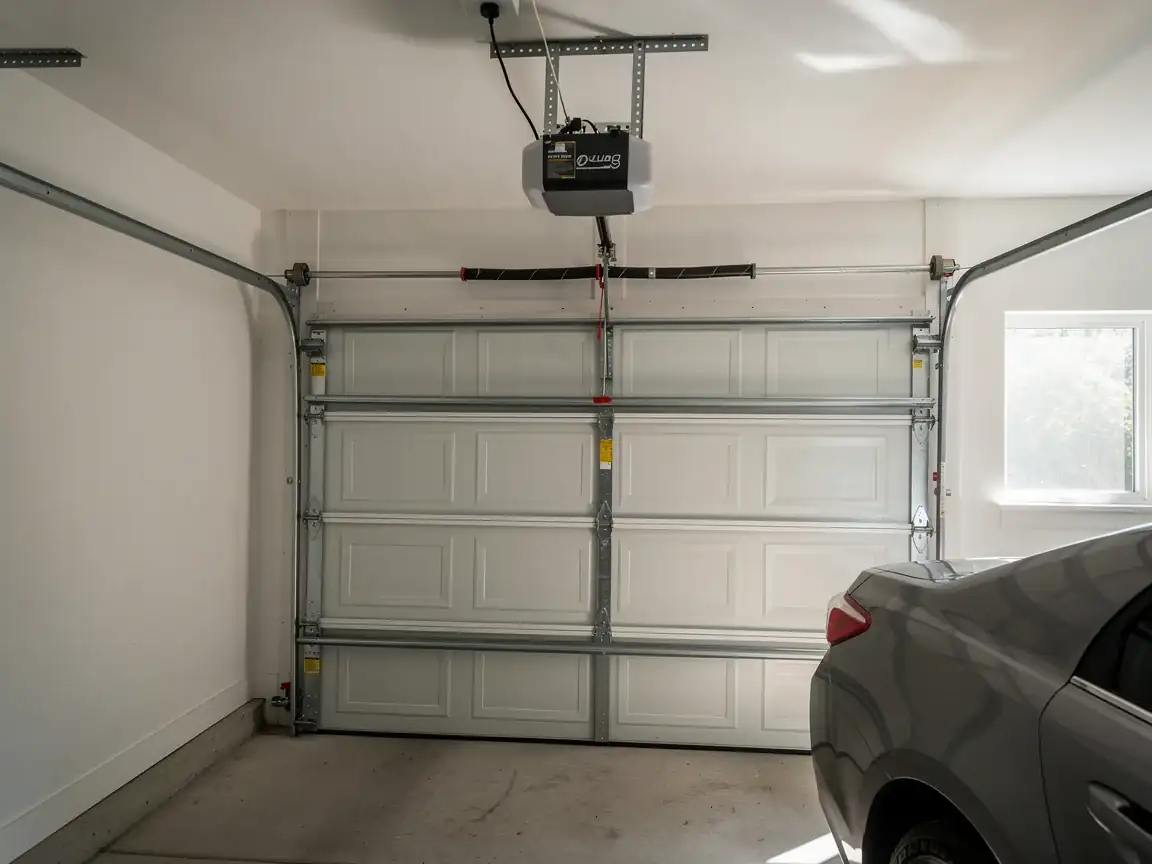
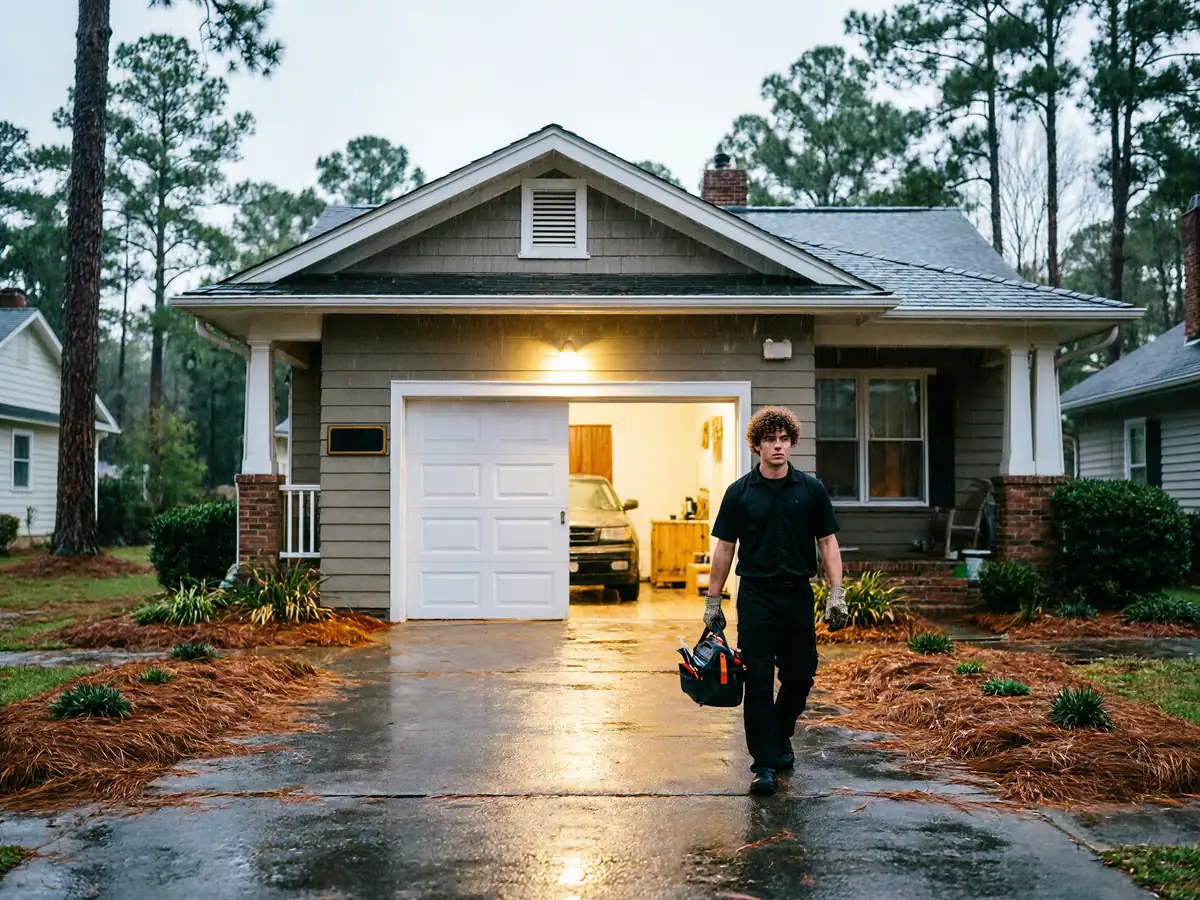
Most of the housing stock across this service area went up between 1964 and 2007, with the bulk of it dating to the 1980s and 90s across the ten communities we cover. That era of construction favored steel track hung on light brackets, fastened to jamb studs that were never meant to carry 30+ years of expansion and contraction. A door that's run 10,000-plus cycles on original hardware is a door whose track alignment has drifted a little every year, even if nobody noticed.
The climate here doesn't help. This area sits in a cold-moderate band, which means the garage sees real freeze-thaw swings each winter. Metal track contracts in the cold and expands again once the sun hits the door face, and that cycle loosens lag screws and opens gaps between the track and the jamb bracket a fraction at a time. One stuck roller, one slightly bent section, and the door jumps the rail instead of riding it.
We're not saying every off-track call traces back to age and weather, but on 1980s and 90s builds it's the pattern we see most, and it's worth knowing before you assume the opener motor is the problem.
What the Fix Involves
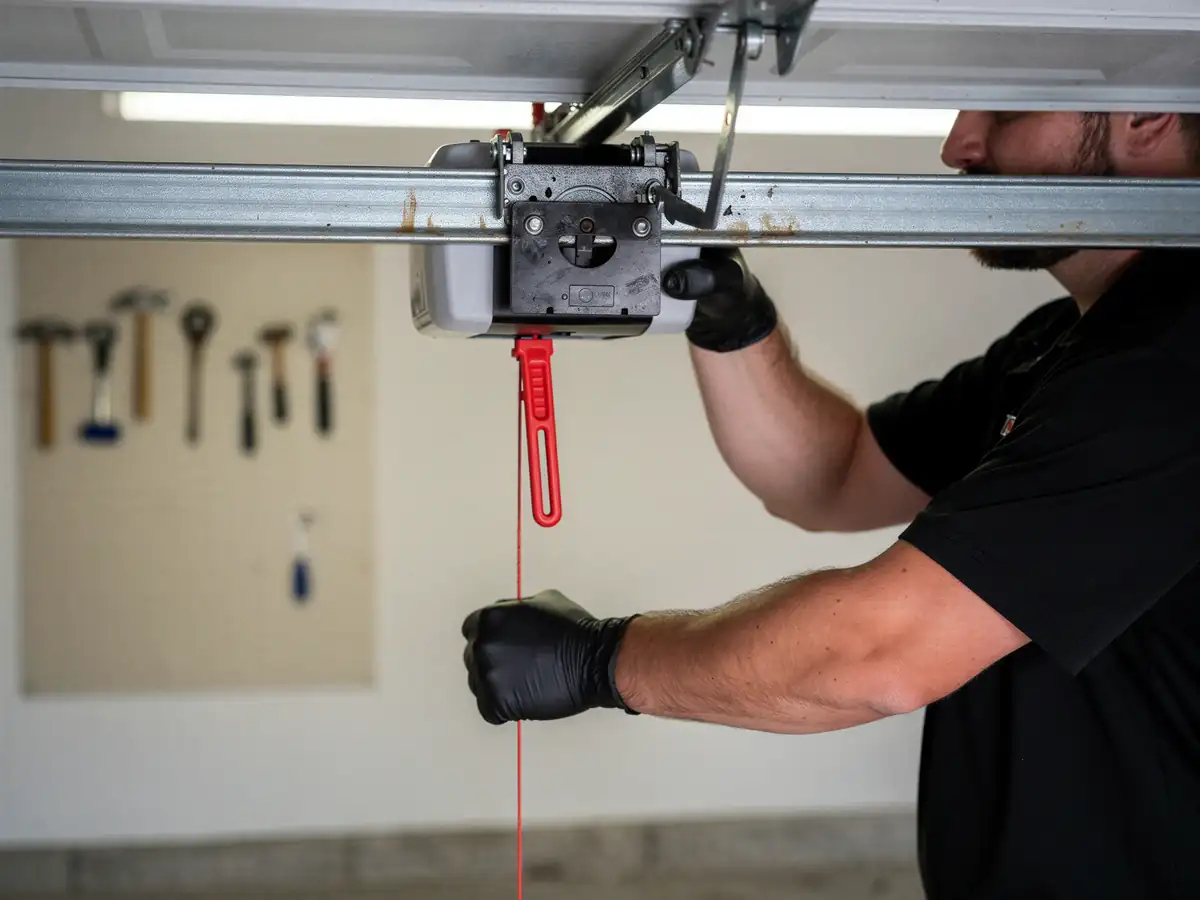
First we check whether the door actually derailed or whether a cable snapped and let one side drop
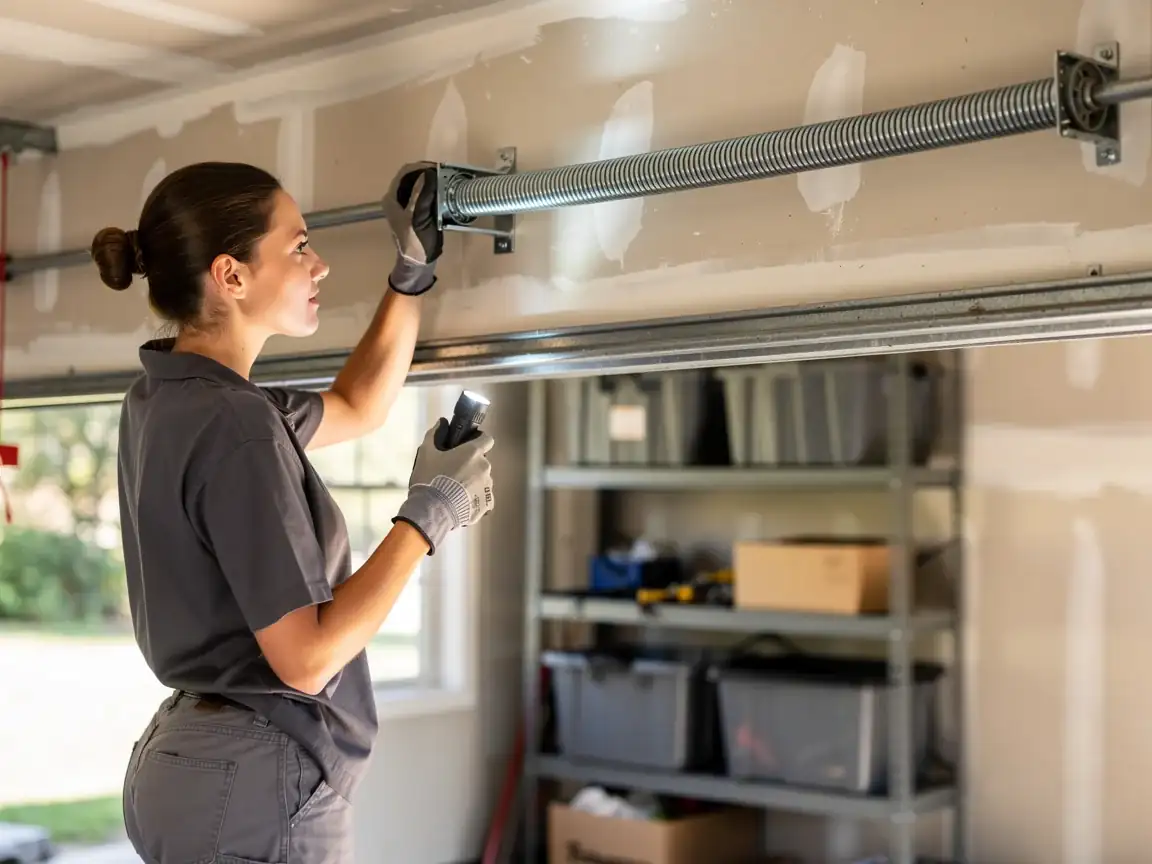
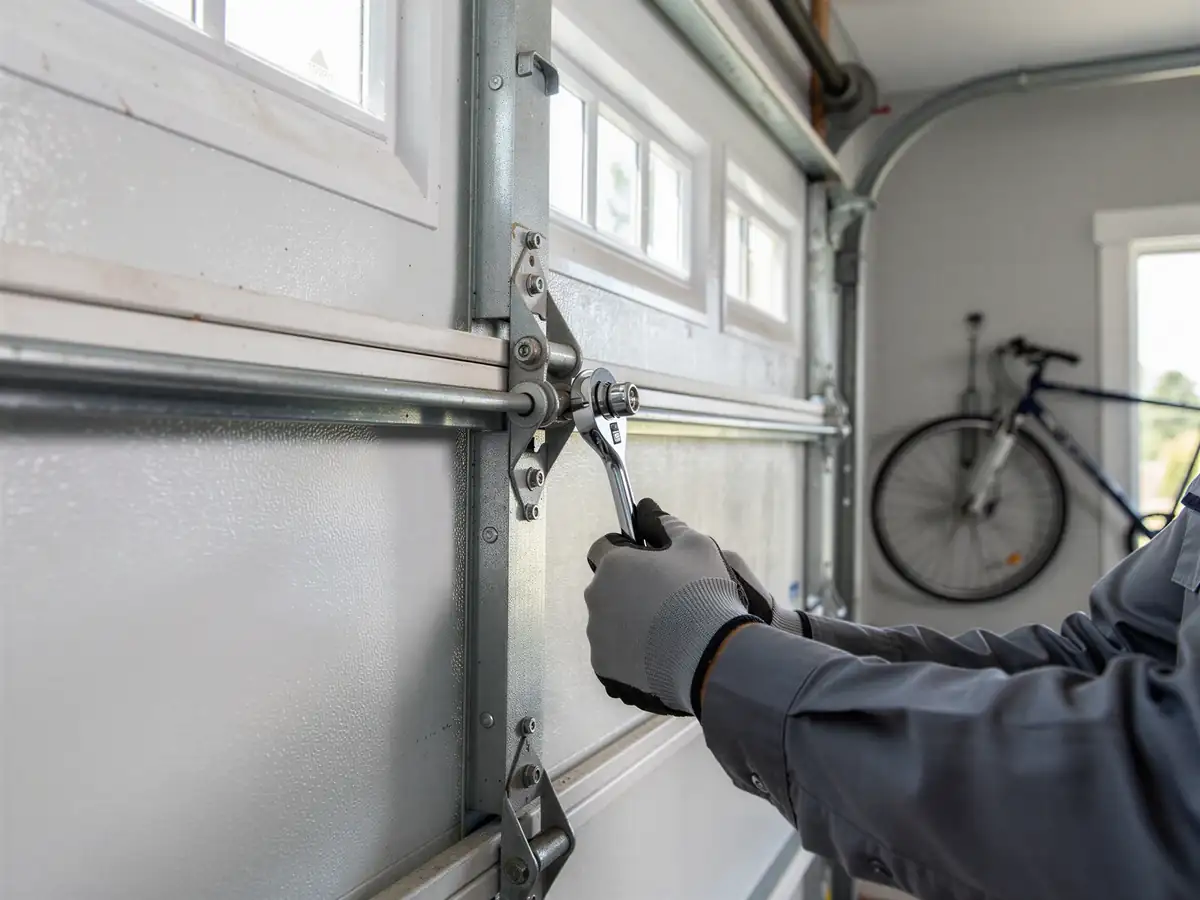
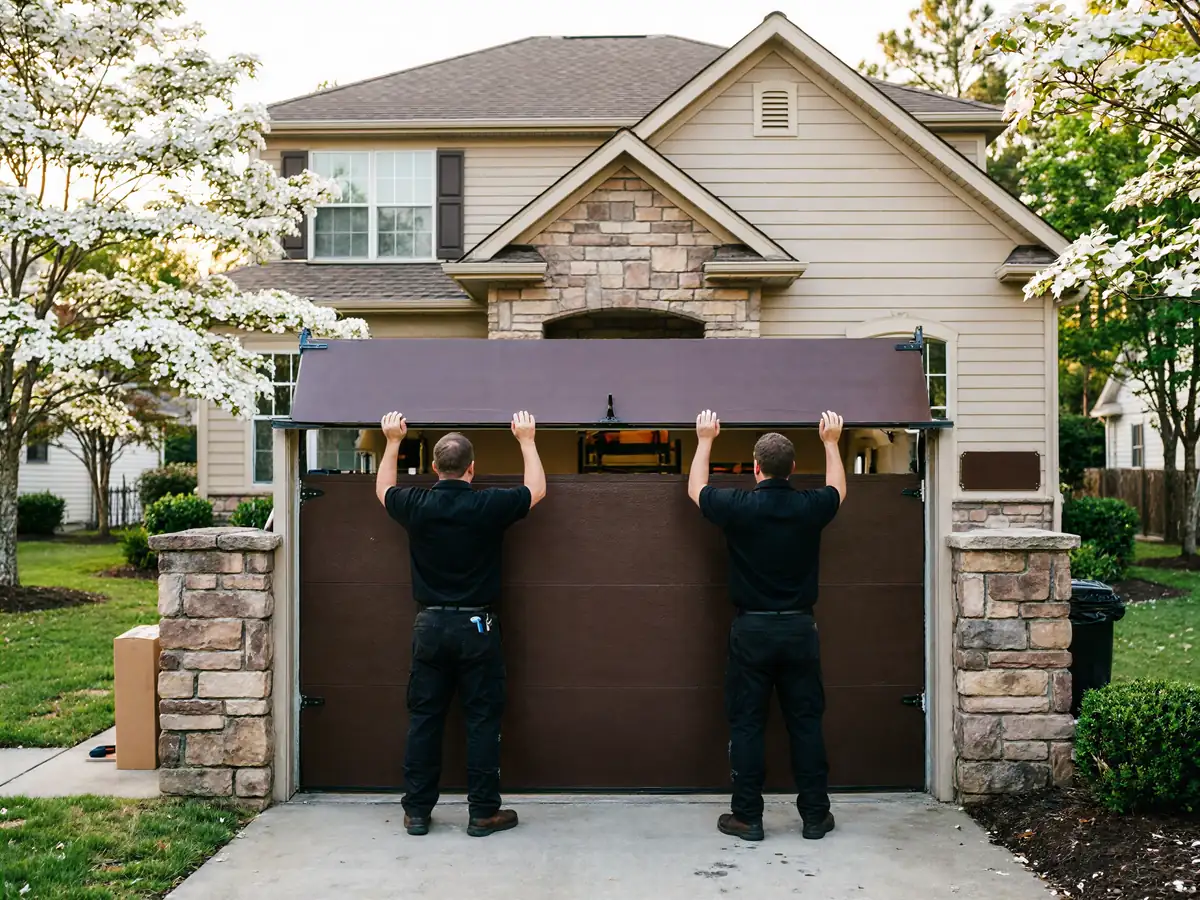
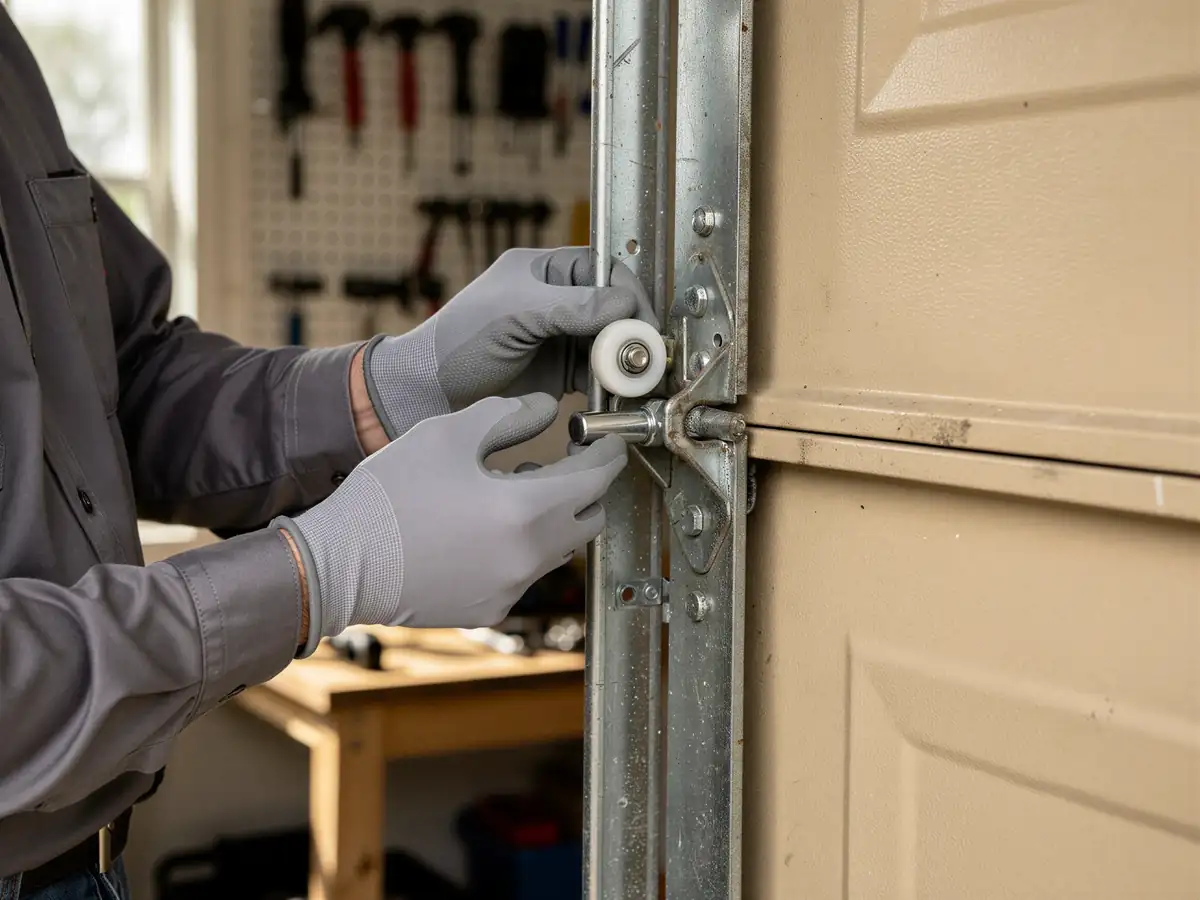
Because those look similar from the driveway but they're different repairs. If it's a true off-track situation, we pull the door back onto the rail, check every roller bracket along both tracks for stripped screws or bent flanges, and re-square the vertical track against the jamb before we let the door run again.
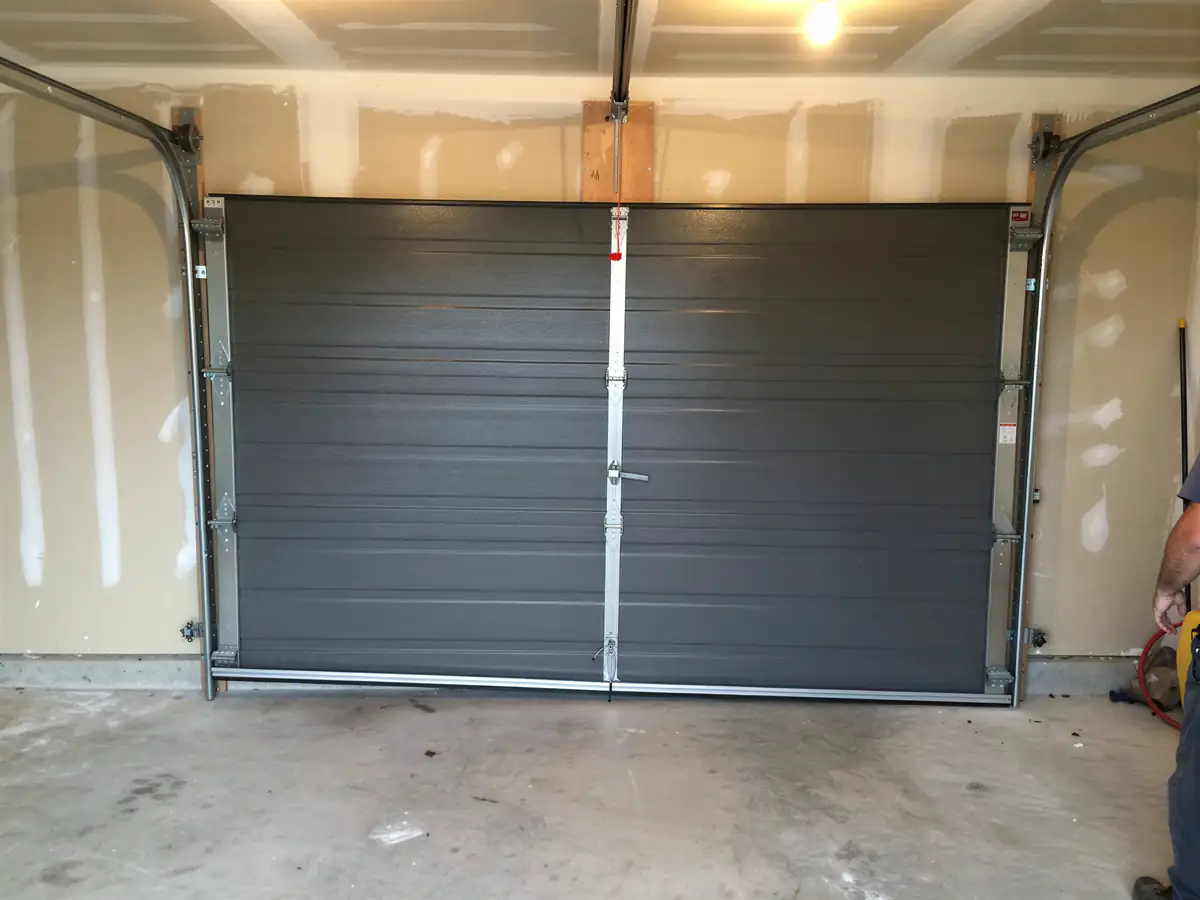
On a double door, we also check the strut and the top panel for a hairline bend
Since that's what usually caused the derail on a wider span in the first place. If the track itself is bowed rather than just loose, we replace that section instead of trying to hammer it straight. Straightening buys you a few months; a new section doesn't come back to bite you next winter.
Here's the honest limit
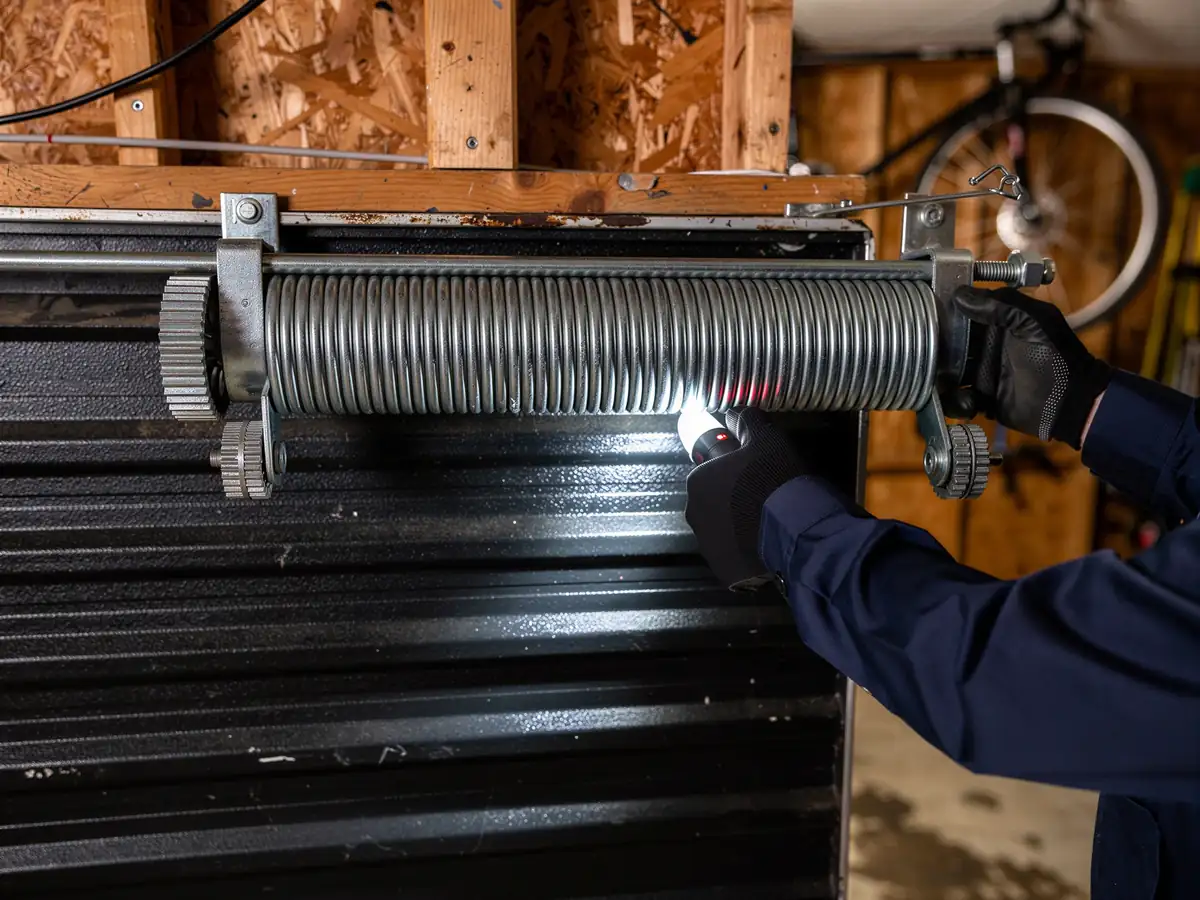
If the door has been run off-track more than once, or the opener kept pulling after it jumped the rail, there's often cable and drum damage underneath that a quick re-track won't fix. We'll tell you straight if you're looking at a repair now and a bigger one in six months, rather than charge you twice.
How It Shows Up
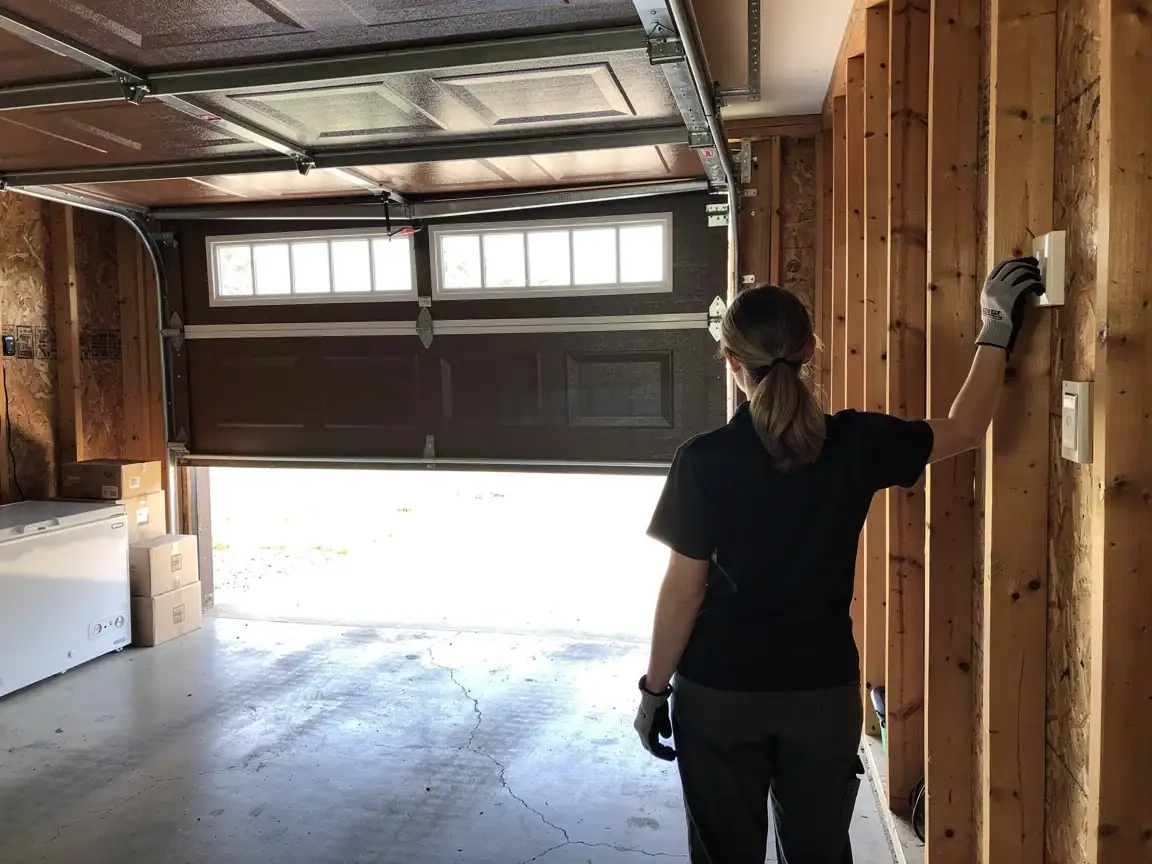
The classic sign is a door that stops partway, usually with a grinding or scraping noise as a roller catches on a bent flange instead of rolling through it. Some owners notice the door sitting crooked in the opening, higher on one side, before it ever fully jumps the rail. Others don't catch it until the opener keeps straining against a door that physically can't move anymore.
On older 1980s and 90s builds especially, we see the derail happen gradually rather than all at once - a slight wobble for a few weeks, then one cold morning it finally lets go. If your door has been making an intermittent clunk near the top of its travel, that's often the track bracket already working loose, well before the day it actually comes off.
Stocked Parts
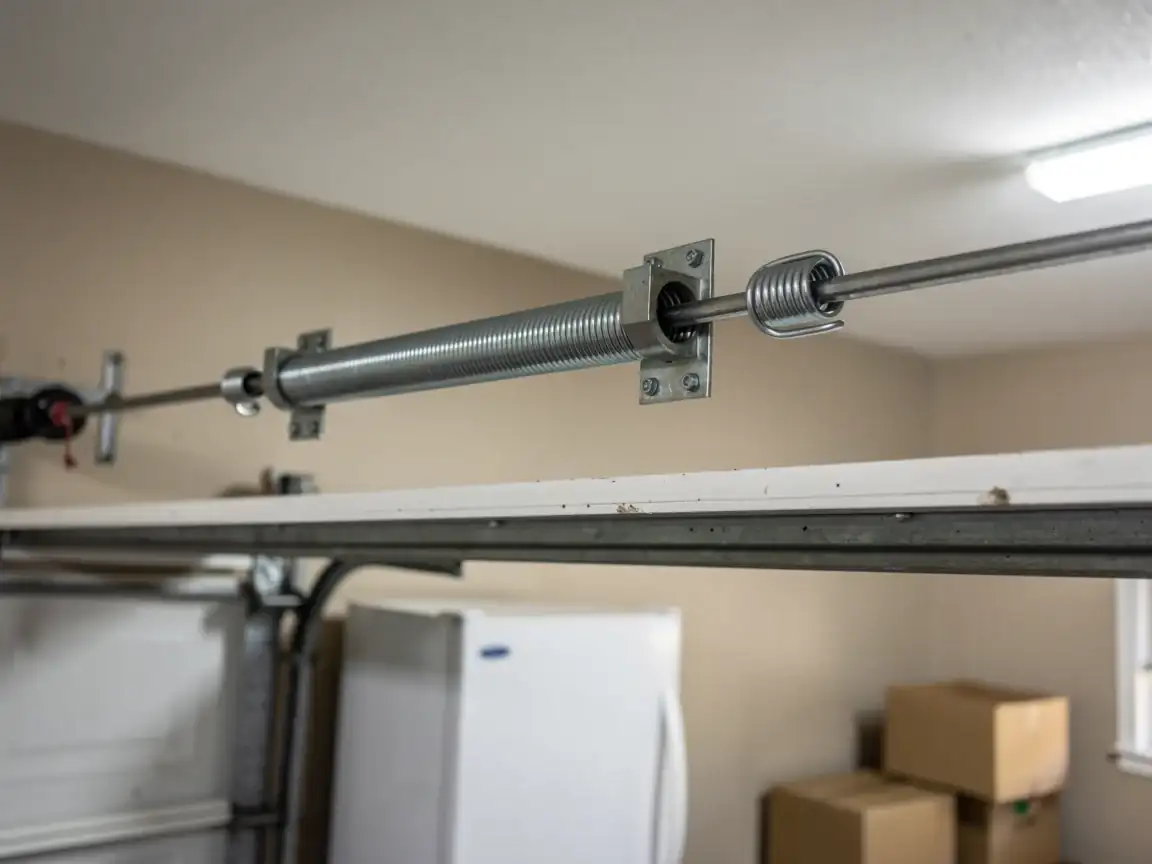
We carry standard-width track sections, roller brackets, and both nylon and steel rollers on the truck, since those are the parts that fail most often on the track hardware common to homes built from the 1960s through the 2000s in this area. Standard torsion and extension cable is stocked too, because a derail often takes a cable with it.
What we don't always have on the truck is track hardware sized for custom or oversized doors - those sometimes need an order, and we'll tell you up front if that's the case rather than make you wait at the curb while we guess. For the 15,372 owner-occupied houses across this service area, most garages run standard 7- or 8-foot doors, so the common sizes are what we keep ready.