What Causes It Around Here
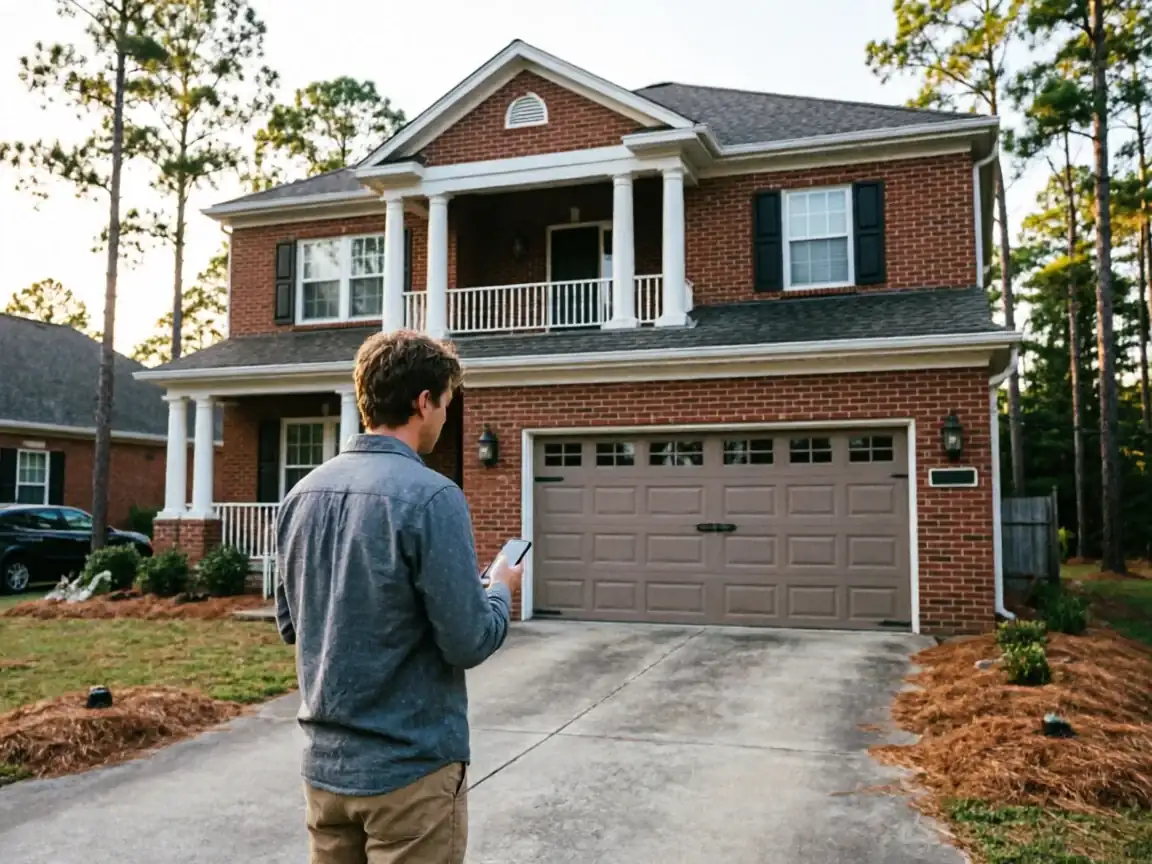
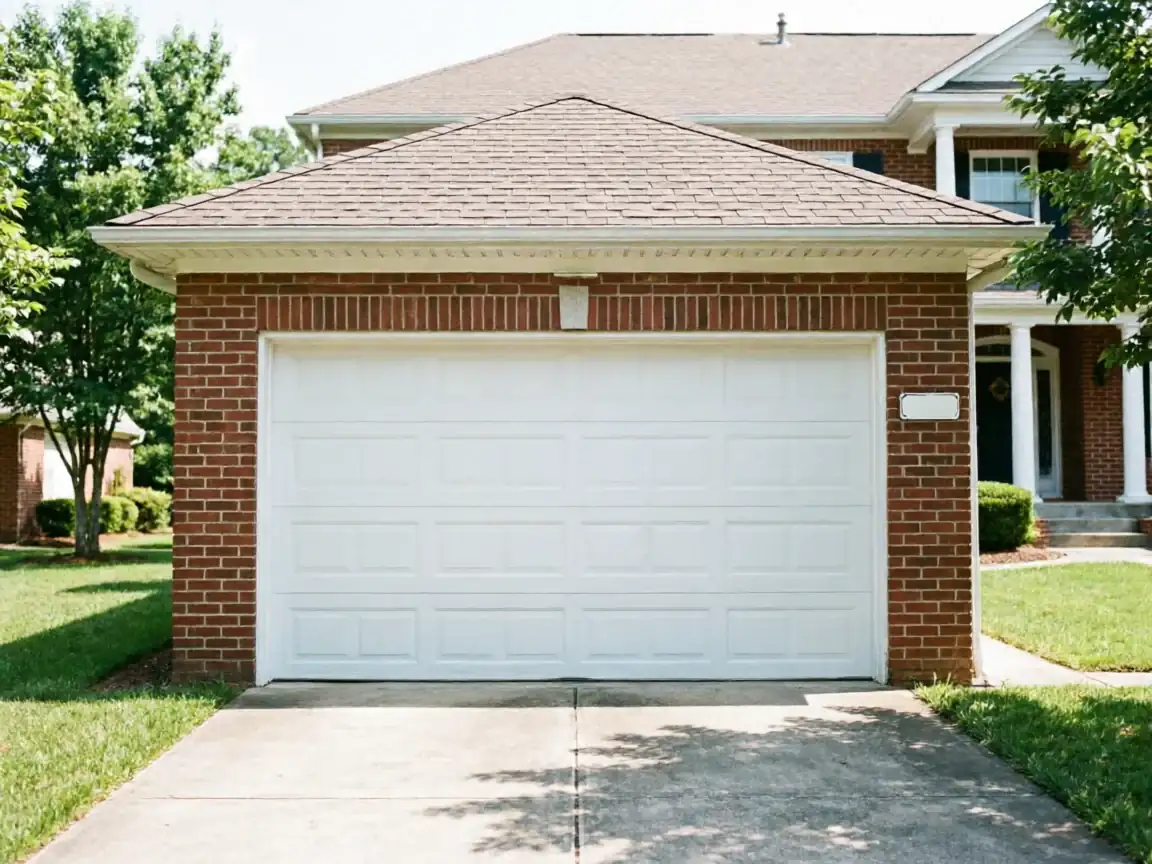
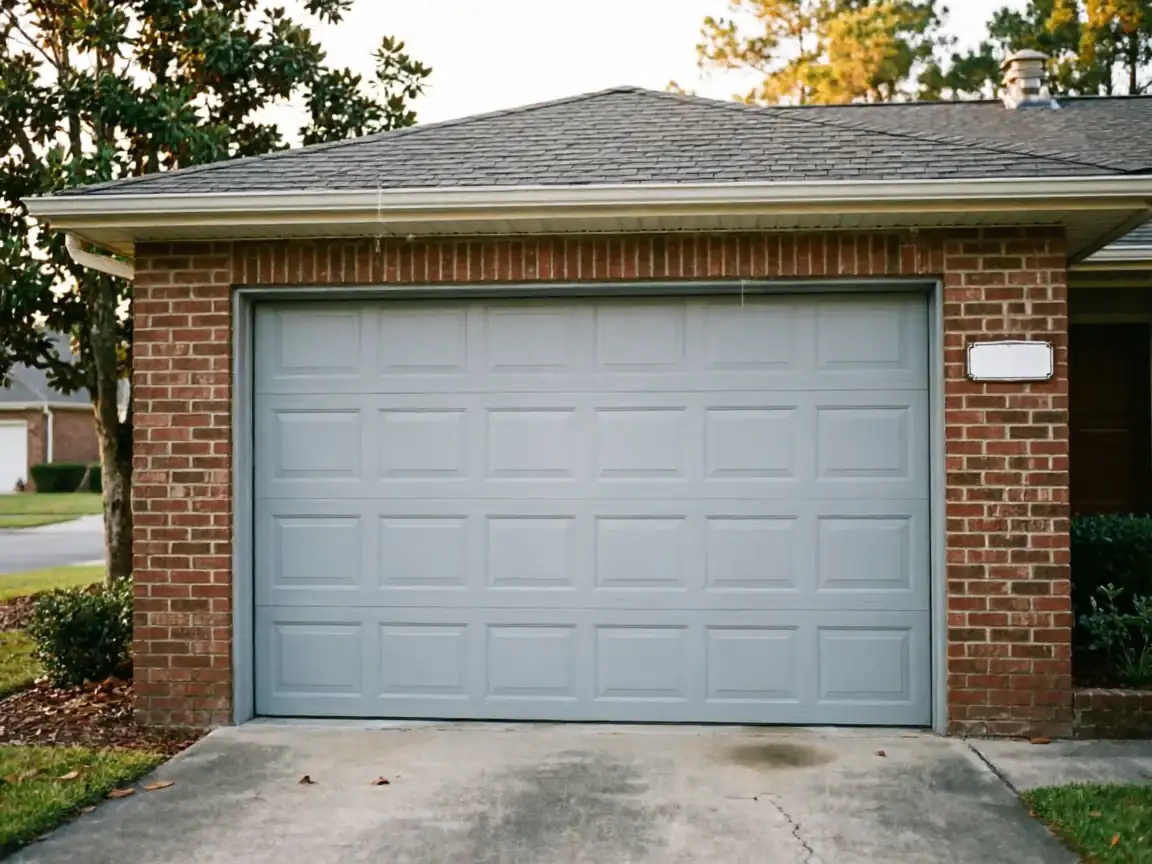
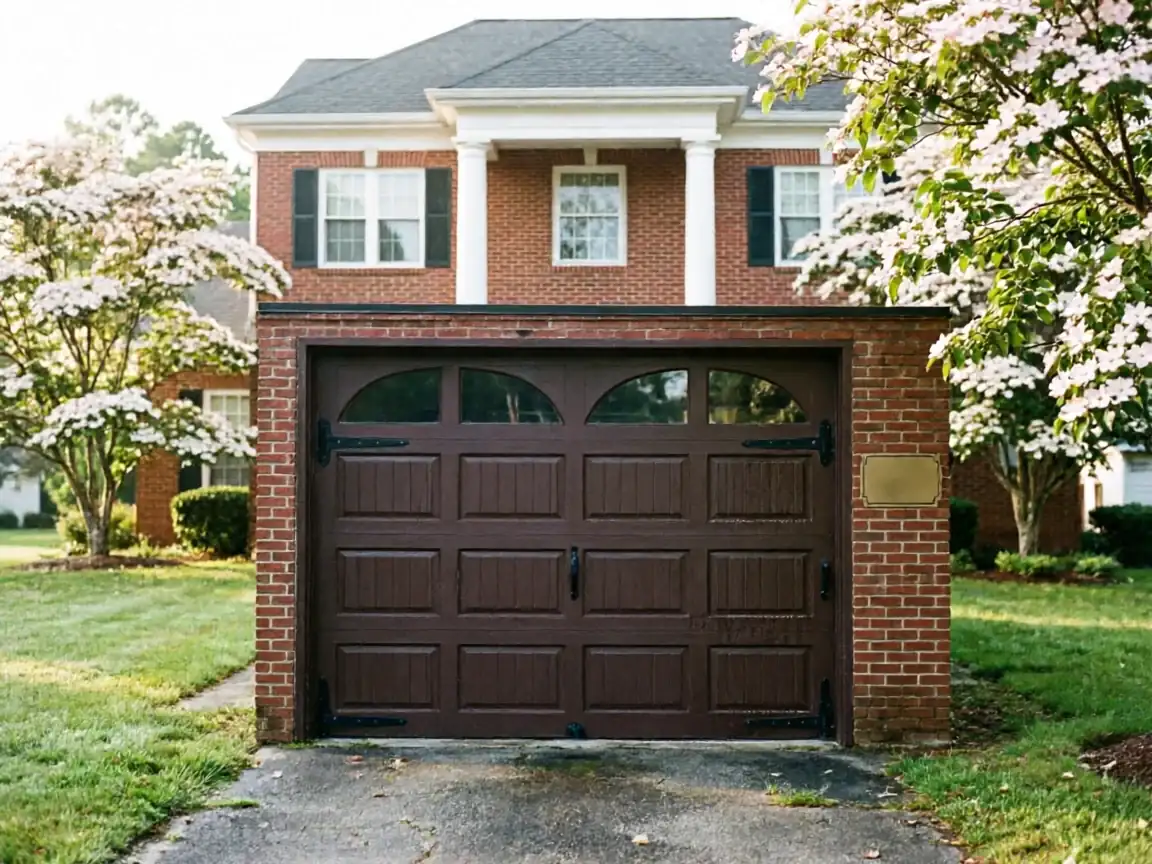
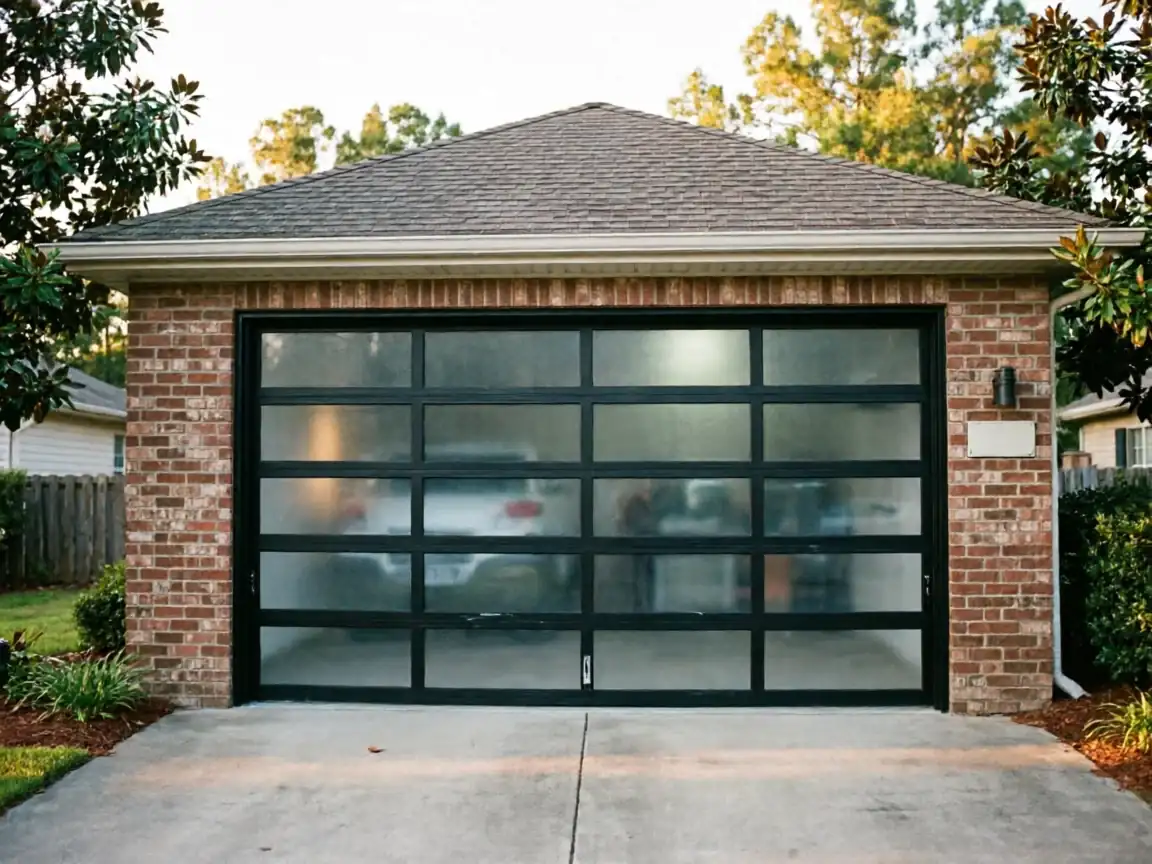
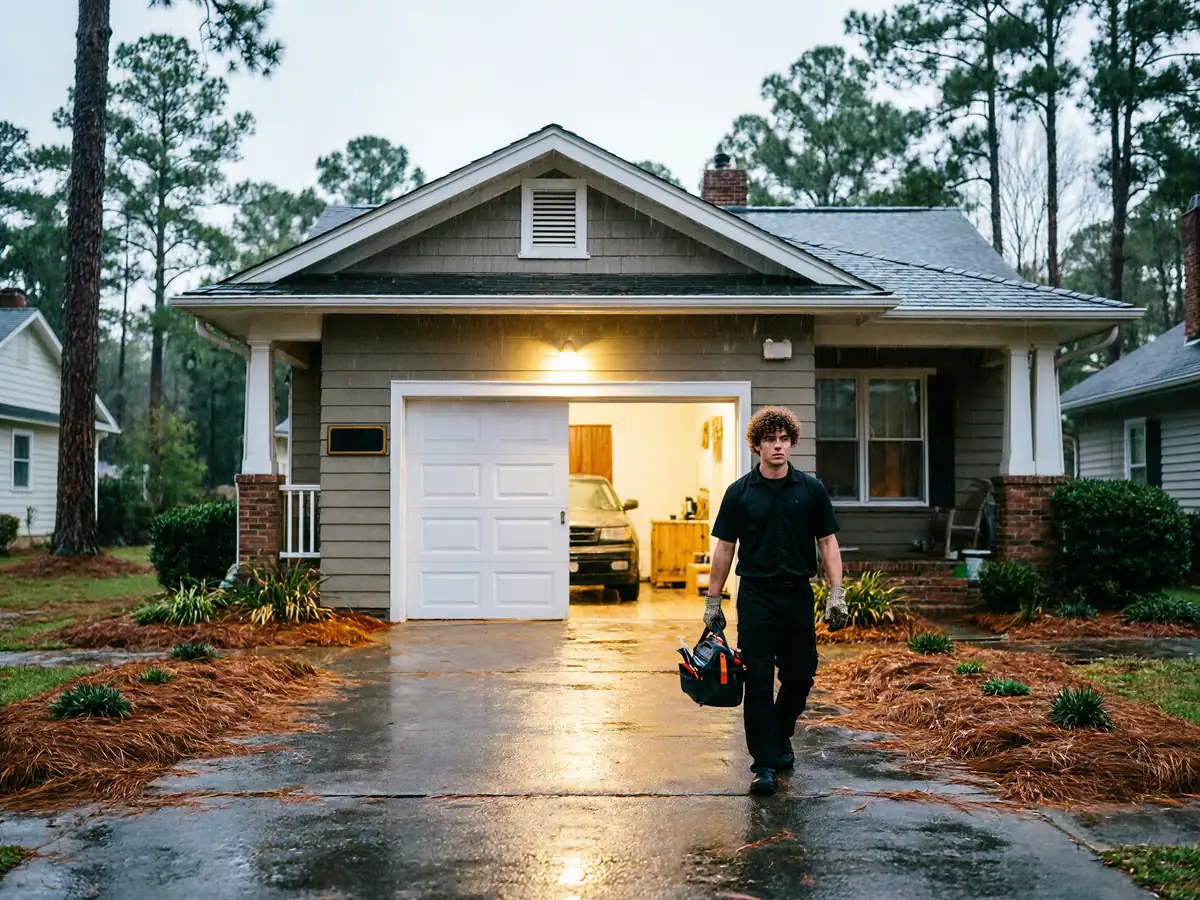
Most of the housing stock in this service area went up between 1964 and 2007, with the median build year sitting around 1992 and heavy concentration in the 1980s-90s across the ten named communities we cover. That matters for openers because a huge share of units out there are original or first-replacement motors, now 20 to 40 years old, still running on the gear and chain hardware that was standard for that era. Nylon drive gears in units from that period were never built to last the life of the house, and once a gear strips, the opener runs but the door doesn't move.
The climate band here is cold-moderate, not brutal, but it's enough to matter. Winter mornings bring stiff grease in older gearboxes and sensor housings that haven't been cleaned in years, and that combination is what turns a sluggish opener into a dead one almost overnight. We're not dealing with desert heat breaking down lubricant or hurricane-zone wind load on the door itself - it's slower wear, concentrated in units that are simply old enough to be at the end of their service life. A house built in 1991 and a house built in 2003 fail in almost the same way, just on different timelines.
What the Fix Involves
First call is always diagnosis, not a parts swap
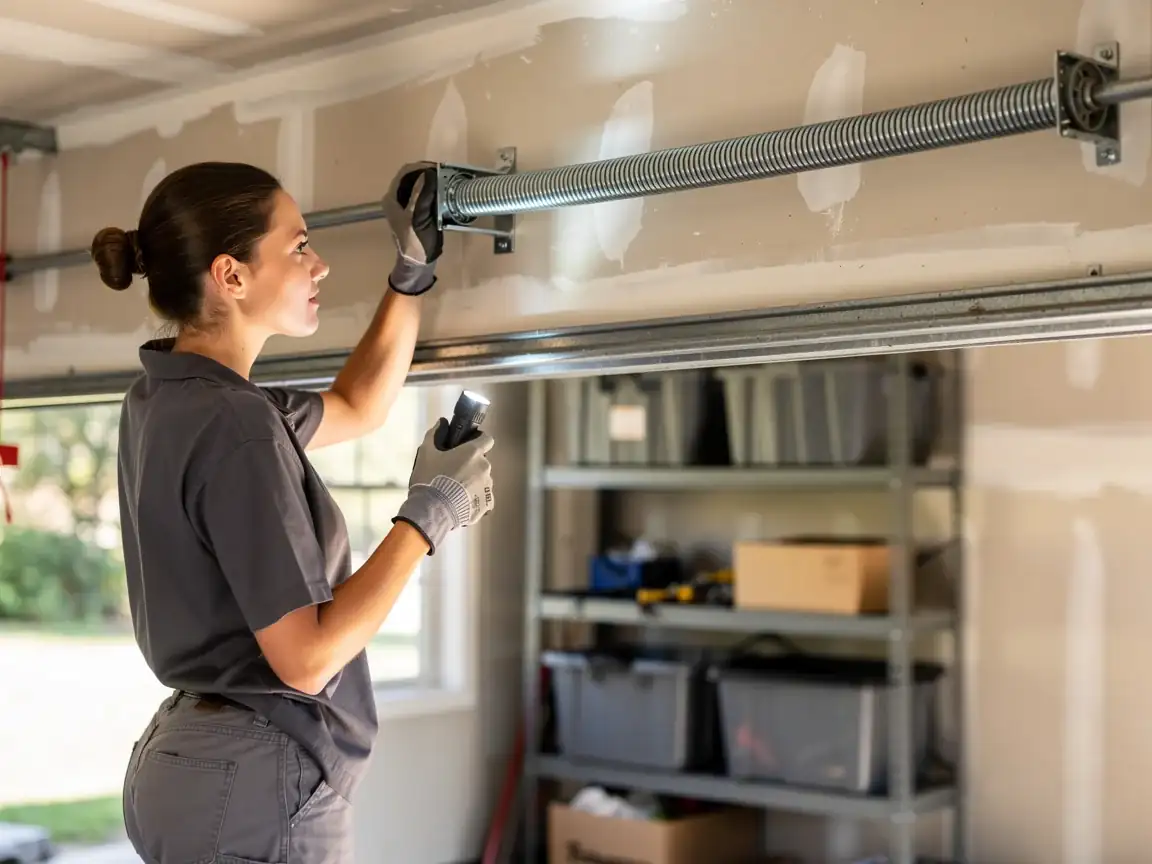
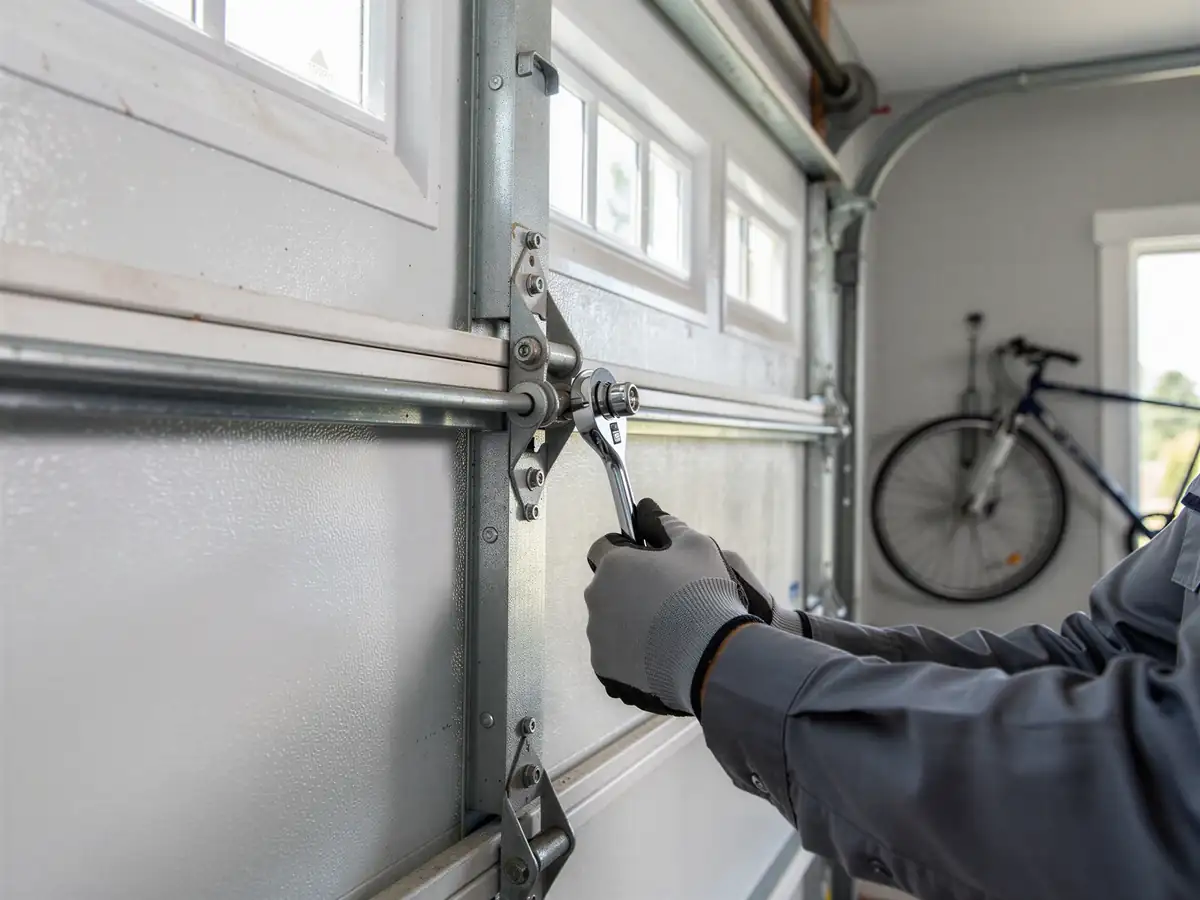
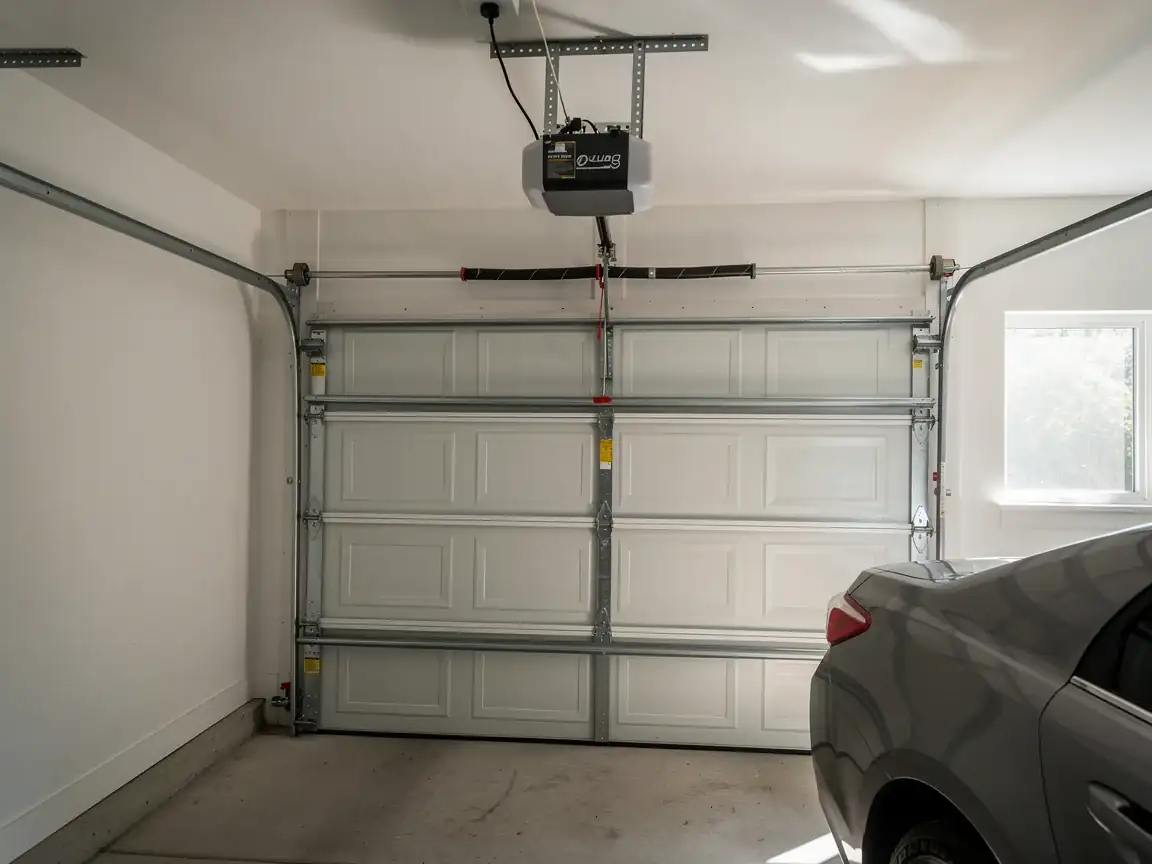
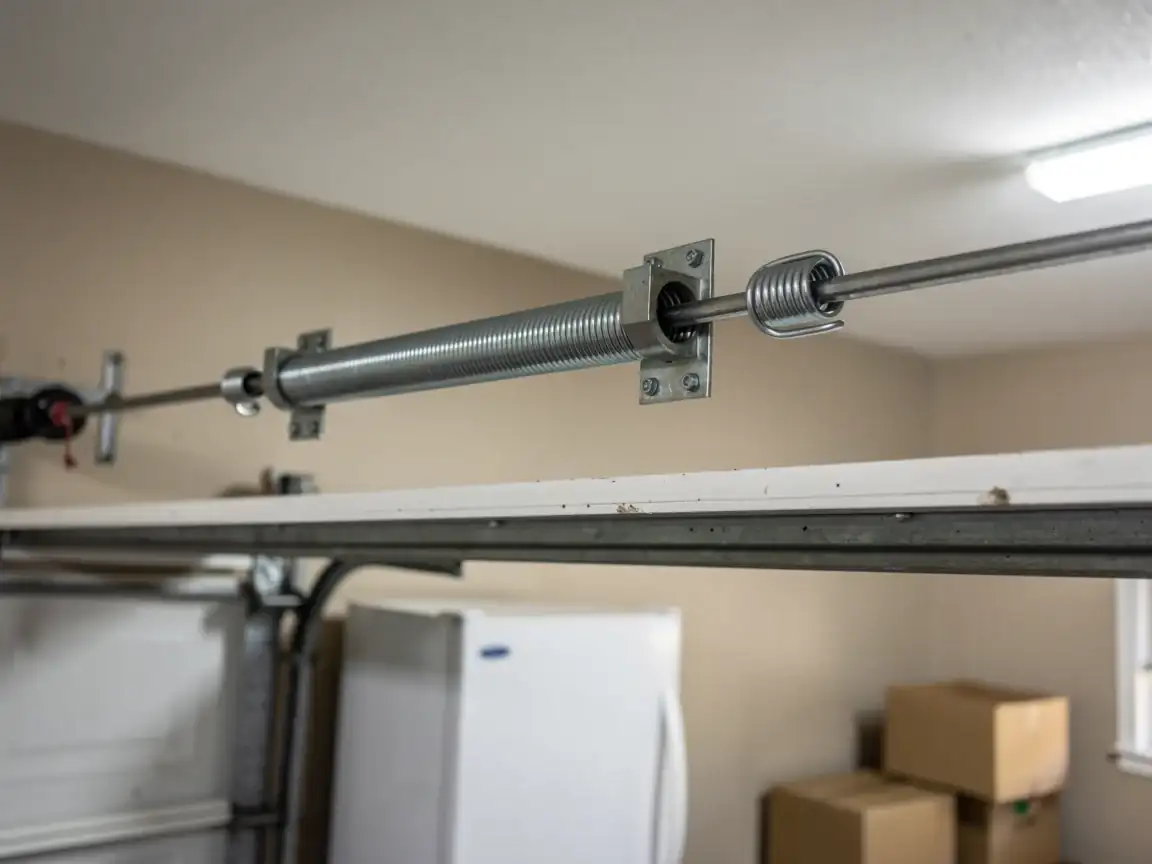
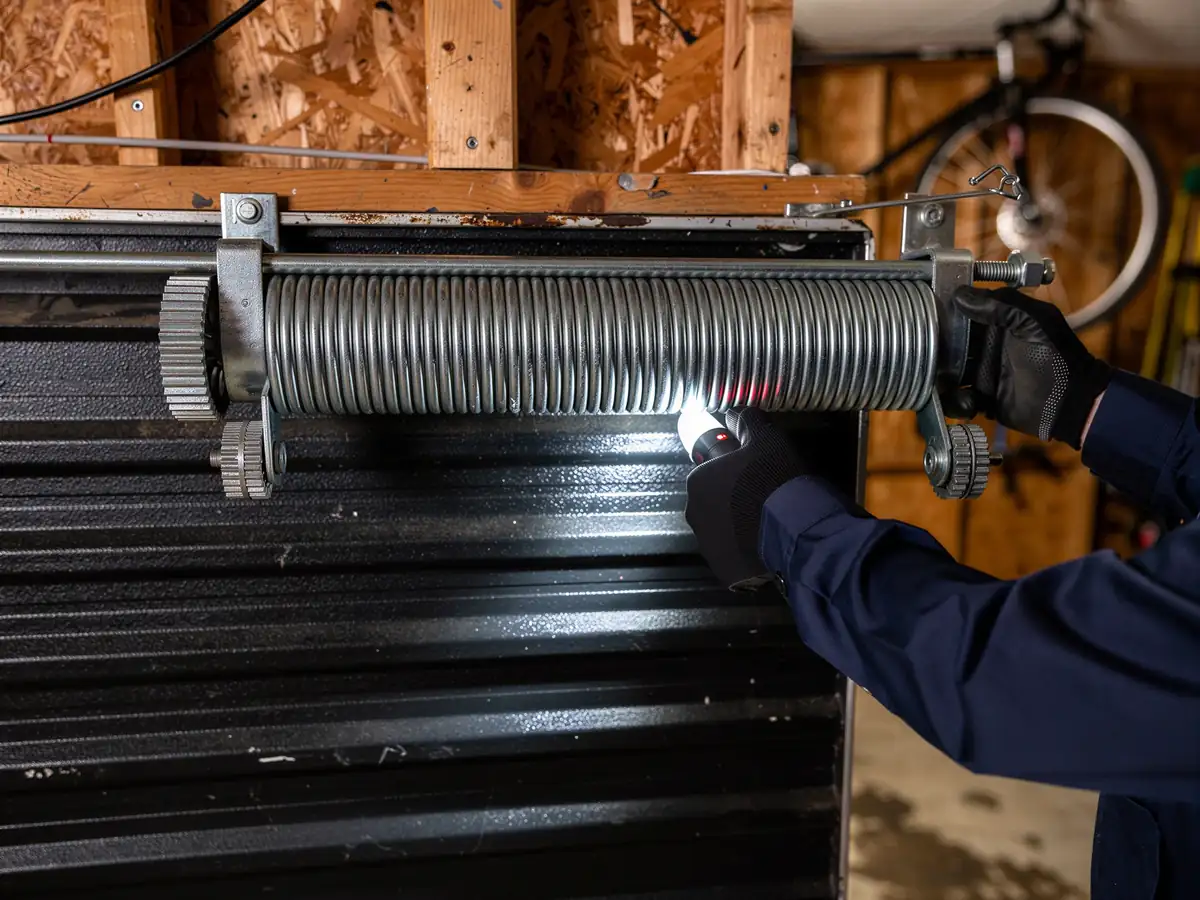
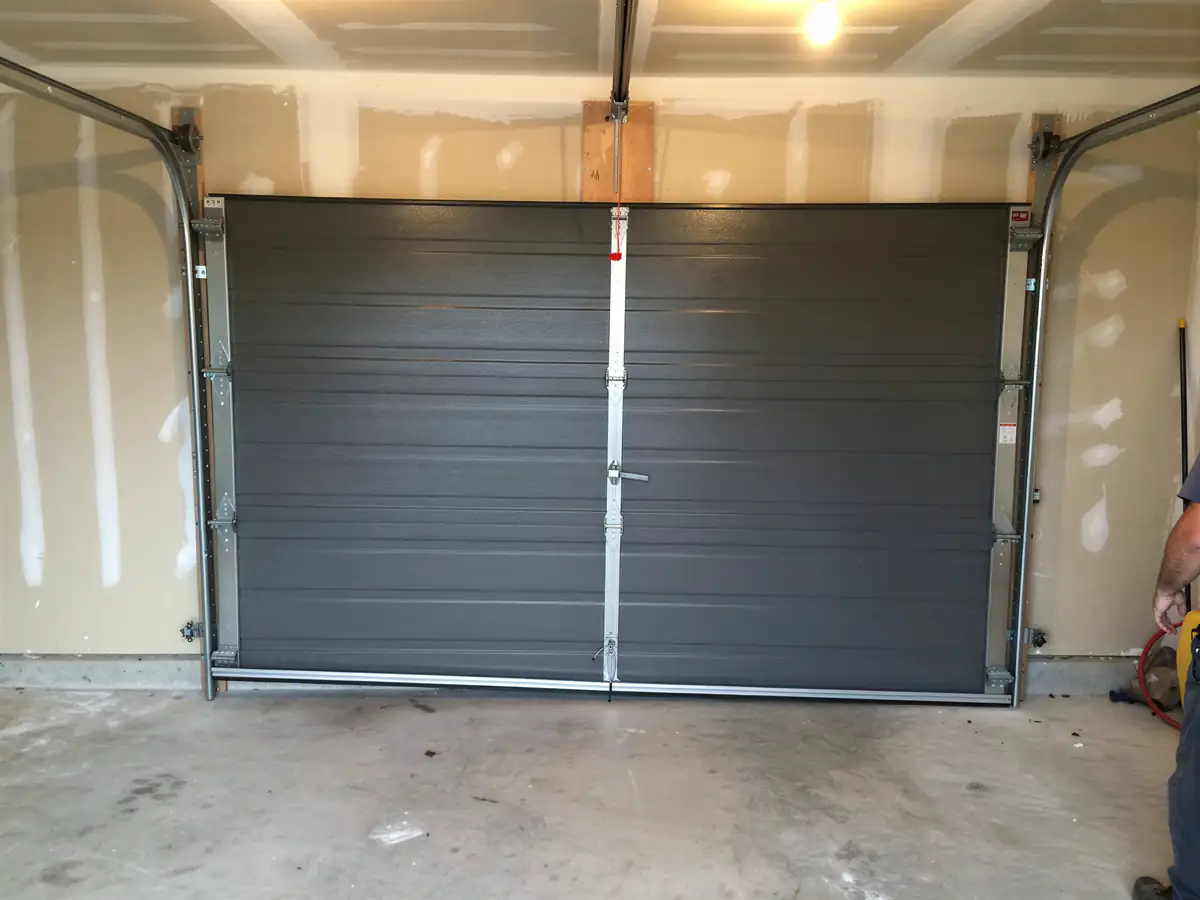
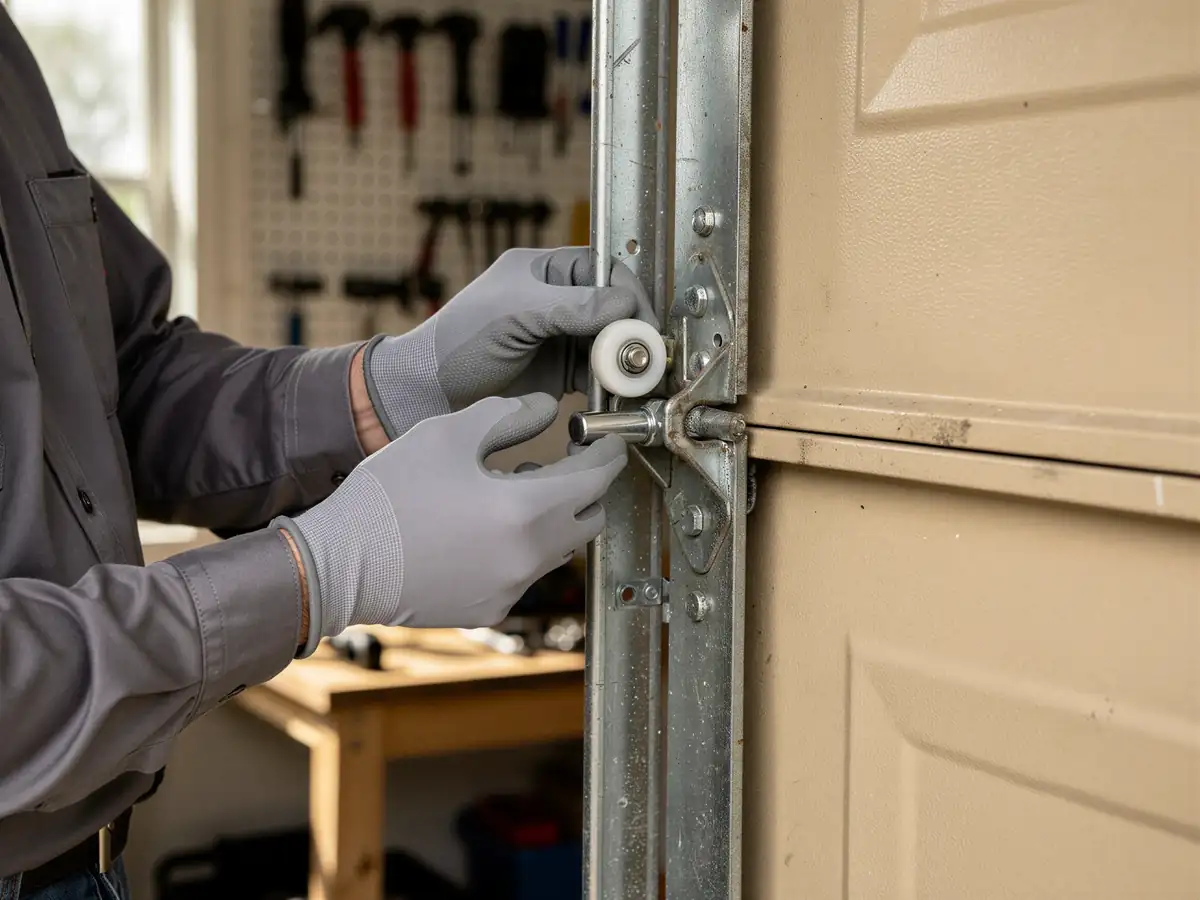
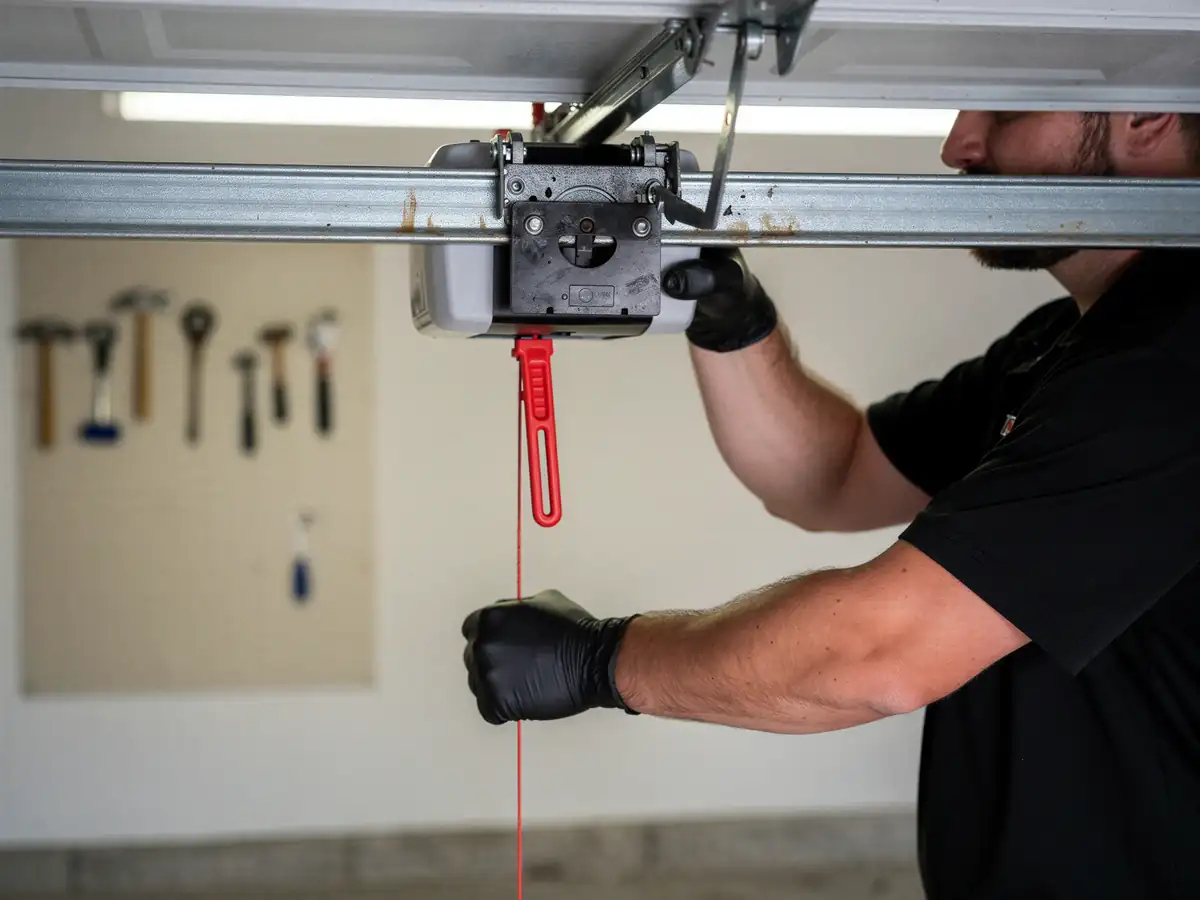
We check whether the problem is the opener itself, the logic board, the drive mechanism, or something upstream - a binding track or an unbalanced door can make a perfectly good opener look like it's failing. With housing stock this age, we're often finding original chain-drive or early screw-drive units, so the fix usually falls into one of three buckets: gear and sprocket kit replacement, circuit board replacement, or full opener swap when the motor windings themselves are gone.
We don't replace an opener when a $40 gear kit solves it
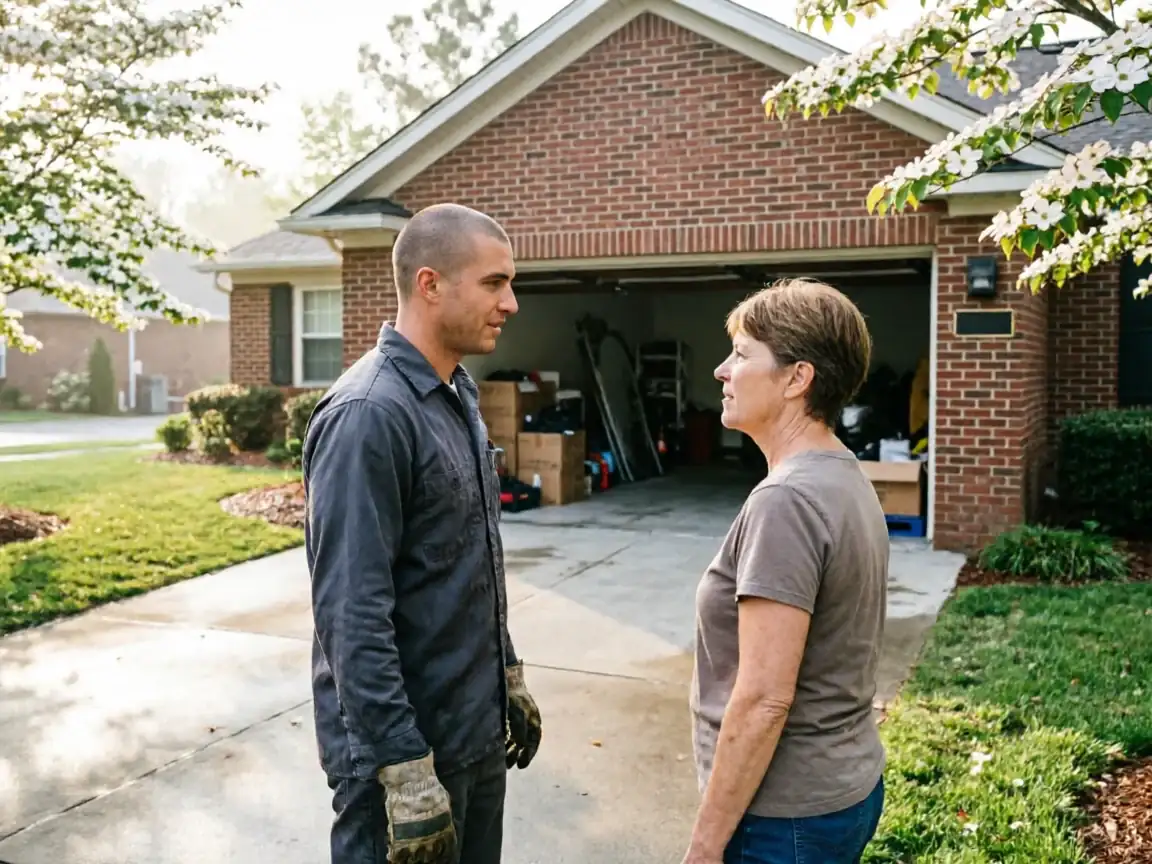
And we say so even when a new unit would be the easier sale. That's the honest limitation worth stating up front: if your opener is original to a house built in the early 1990s and the motor is still sound, we'll fix what's there rather than push a replacement. Where replacement does make sense - usually when the circuit board has failed on a unit already past 20 years old - we explain why before we order anything, not after.
- 20 years
How It Shows Up
The most common complaint we hear is the door starting to open, then stopping or reversing partway - classic stripped gear. Right behind that is an opener that hums but doesn't move the door at all, which usually means the gear has already sheared clean through. In colder stretches we see a spike in calls where the opener runs slow and labored for the first cycle of the morning, then loosens up - that's old grease inside a gearbox that's 25-plus years old doing exactly what old grease does in cold-moderate weather.
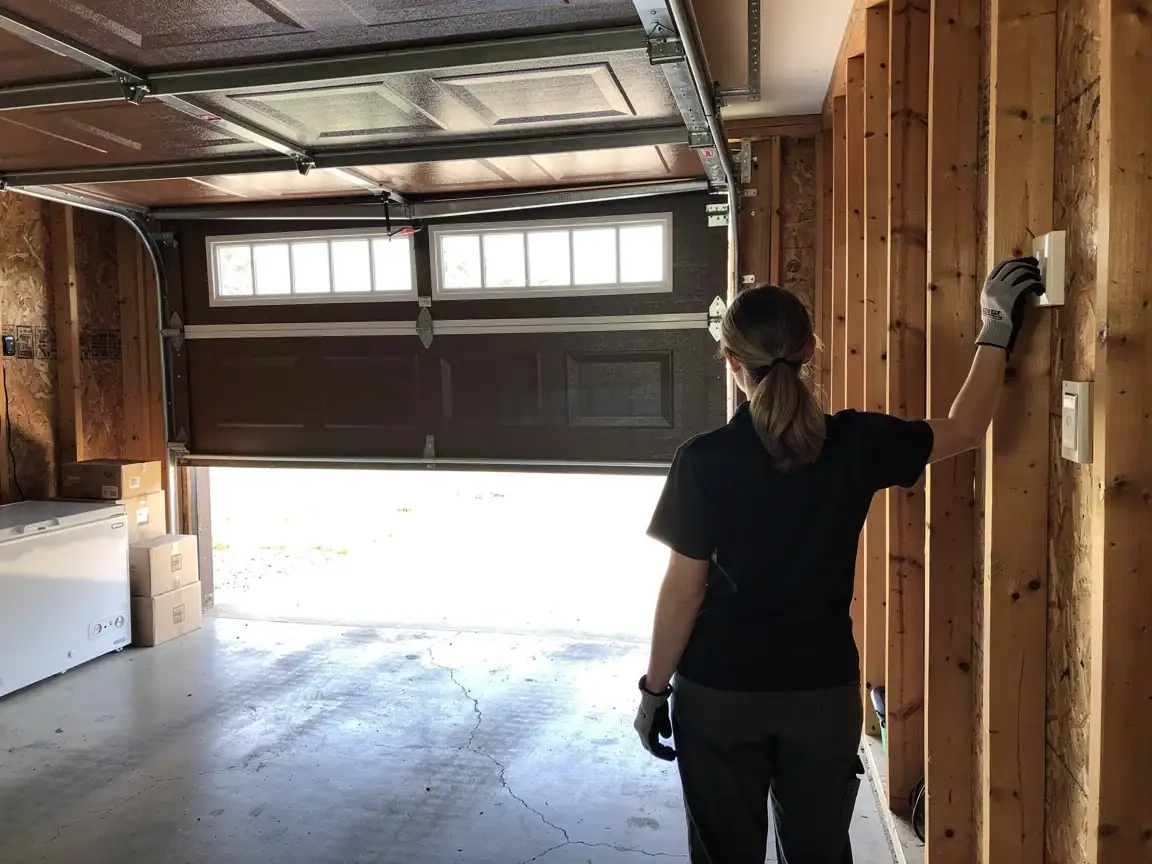
Less common but real: the remote works but the wall button doesn't, or vice versa, which points at a board issue rather than the mechanical drive. And some owners just get silence - no light, no hum, nothing - which is almost always a dead board or a tripped breaker, not the motor itself. Knowing which of these you've got before we show up saves time, but we're set up to diagnose any of them on the first visit.
Stocked Parts
We carry gear and sprocket kits sized for the chain and belt-drive openers most common in homes built in the 1980s and 90s, since that's the bulk of what's on our trucks for calls across this service area. Logic boards are more model-specific and sometimes take a day or two to source, especially for older screw-drive units that are no longer in production - that's the one real limitation here, and we'd rather tell you that up front than promise a same-visit fix we can't deliver.
Safety sensors, drive belts, and standard remotes we keep stocked because they're the parts that fail across every era of opener, not just the older ones. For a service area with over 35,000 households and roughly 15,000 owner-occupied houses, a lot of garages are running openers from the same ten-to-fifteen-year build window, so we stock toward what actually breaks here rather than carrying one of everything.