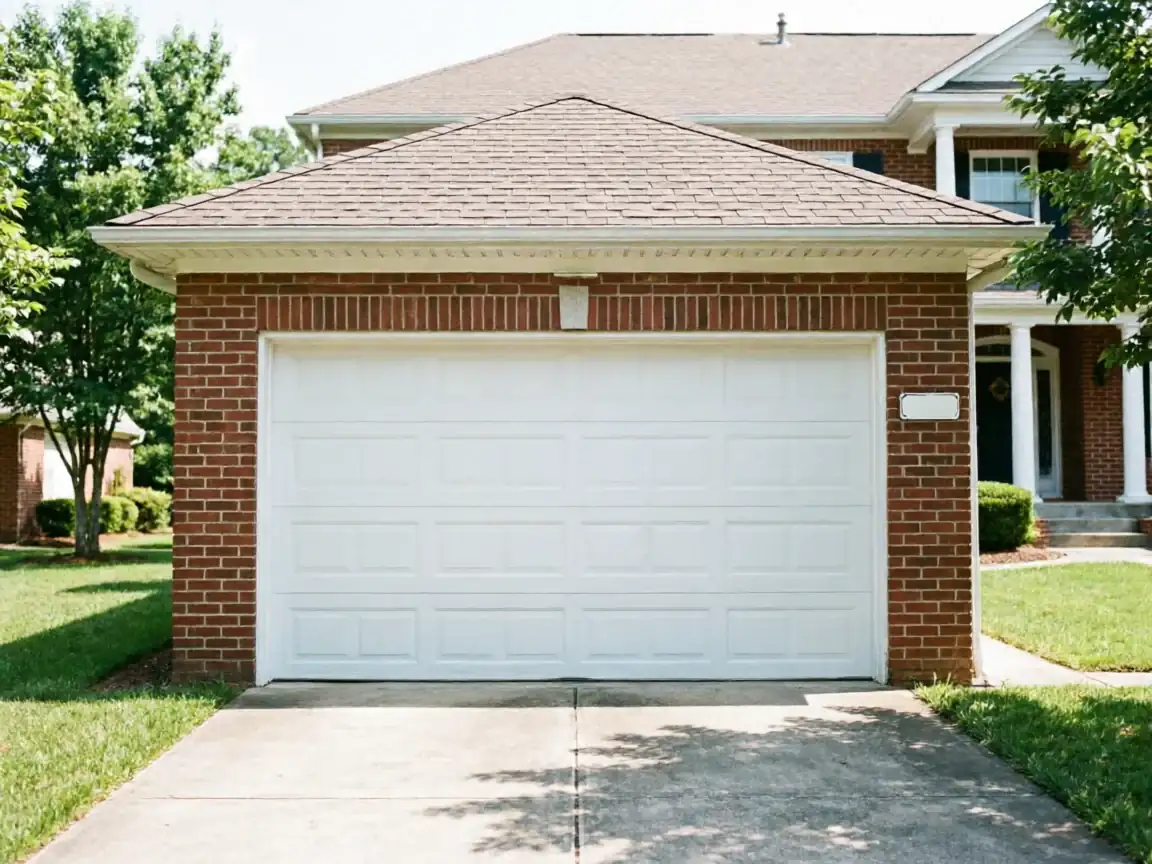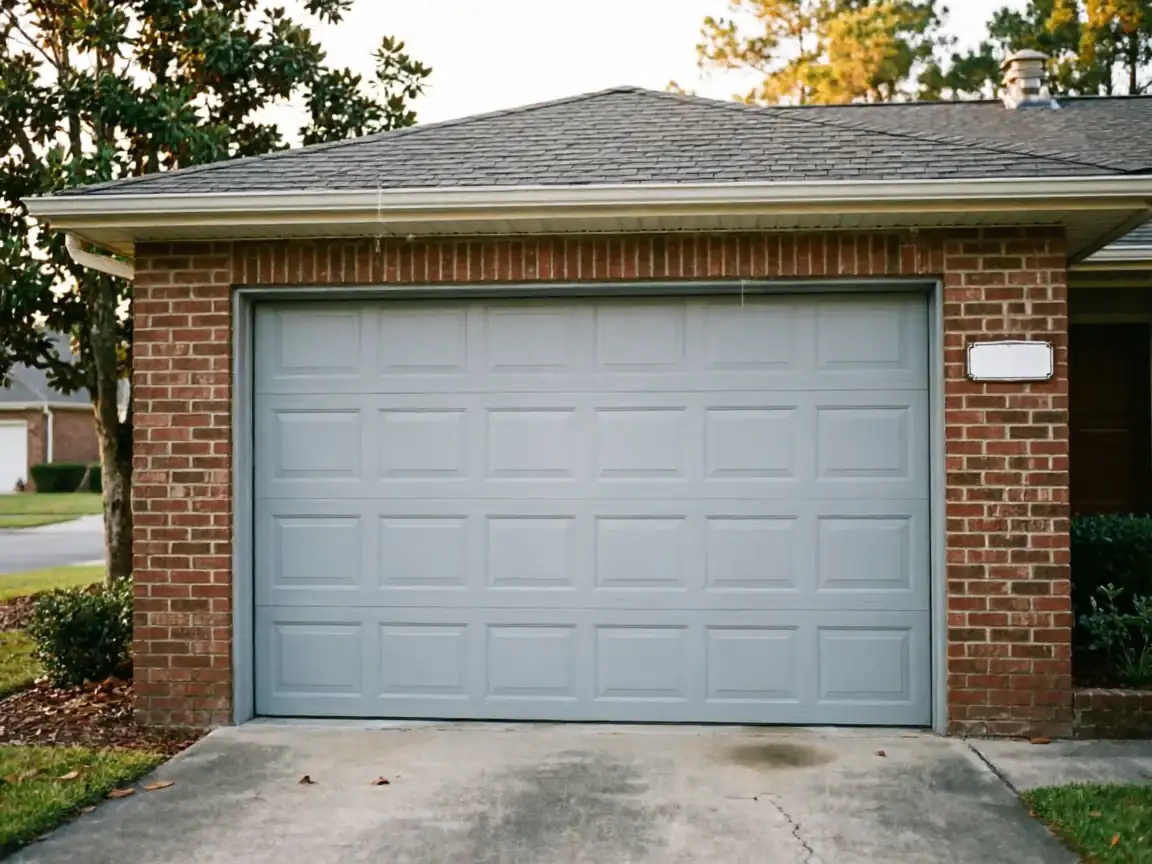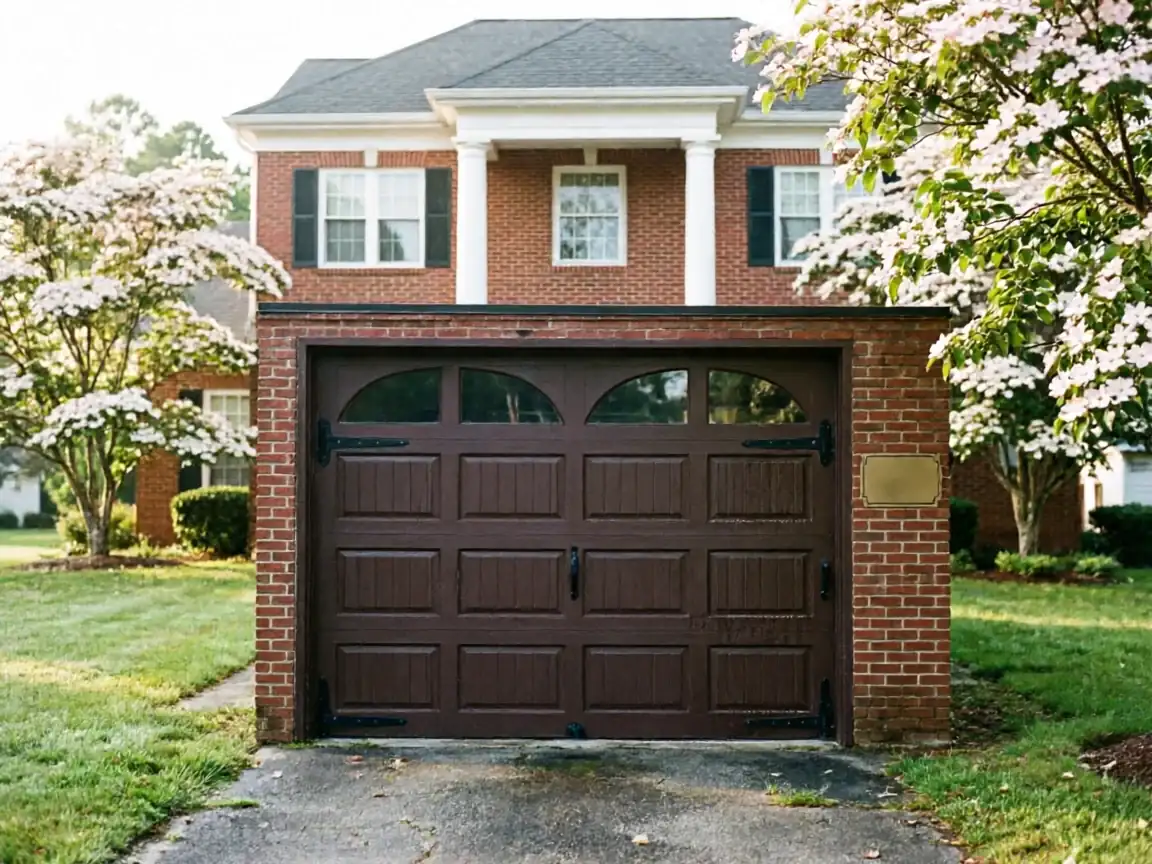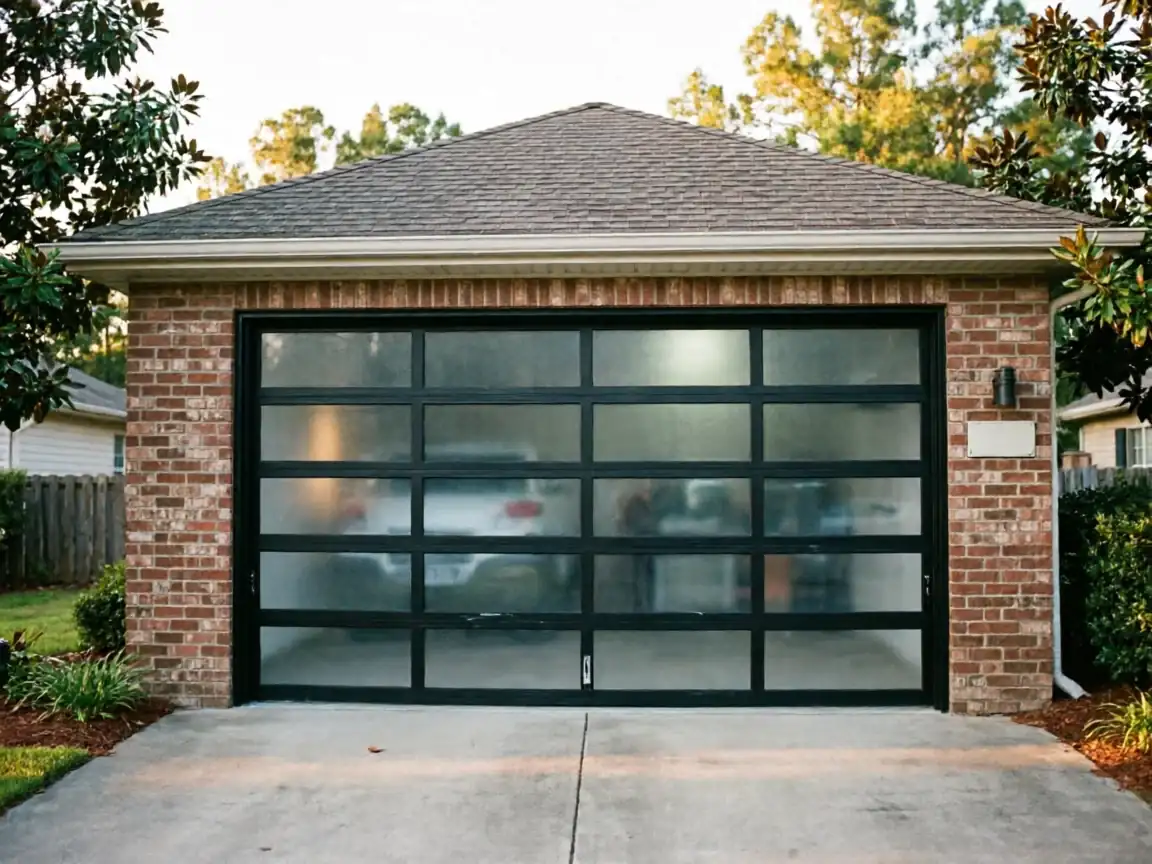
What Causes It Around Here
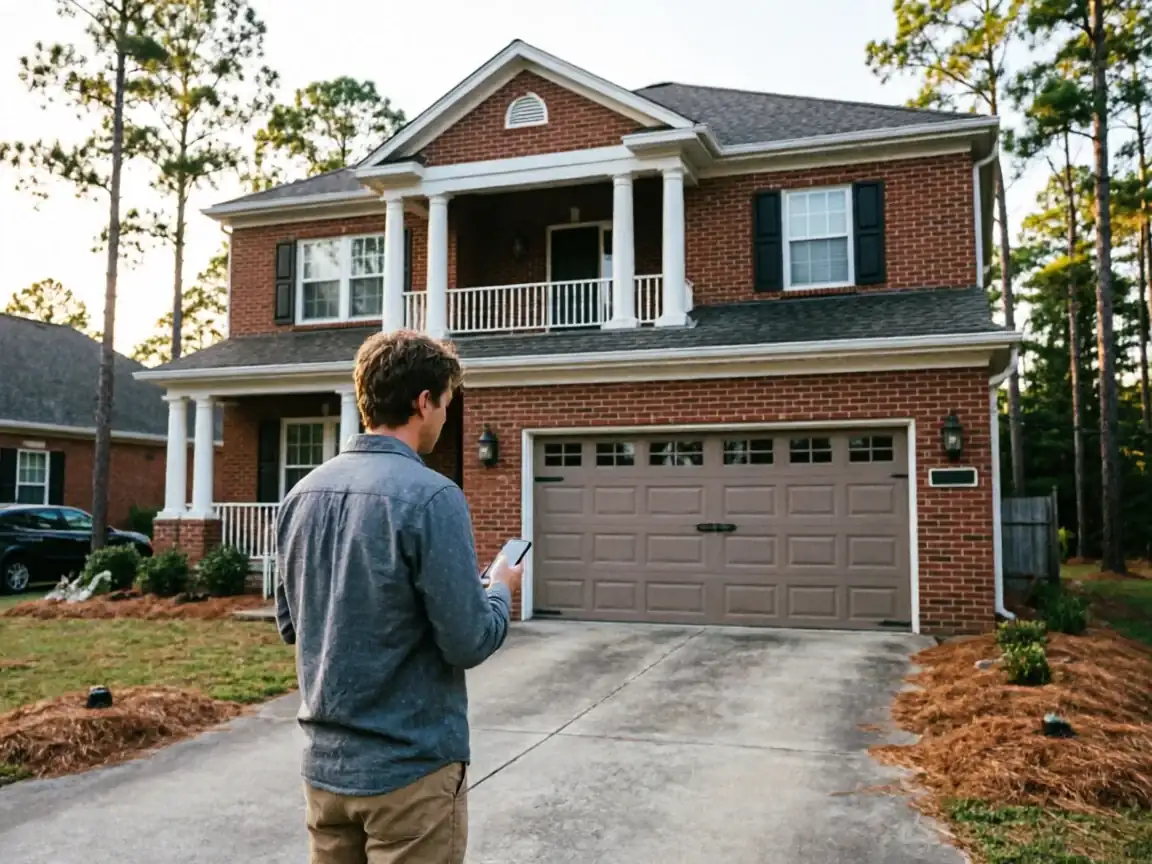
Most of the houses we install doors on went up between 1964 and 2007, with the bulk of that stock dating to the 1980s and 90s. That matters because doors from that era were built to a lower standard than what's sold today - thinner steel, single-layer panels, openers with no rolling-code security or battery backup. A door that was fine when the house was built is now 25 to 40 years old, and steel sections that age don't flex the way they used to.
Our climate band here runs cold-moderate, which means real temperature swings through the winter months without the deep-freeze extremes you'd get further north. That swing is still enough to work metal fatigue into old hinges and track brackets, and it stresses single-layer doors that were never insulated to begin with. On a 1980s or 90s build, that combination - age plus decades of seasonal contraction and expansion - is the single biggest reason owners finally decide to replace rather than keep patching.
We're not going to tell you every old door needs to go. Plenty of original doors with good panels just need a spring and a tune-up. But once the steel itself is bowing or the insulation value is gone, installation is the honest answer, not another repair bill.
What the Fix Involves
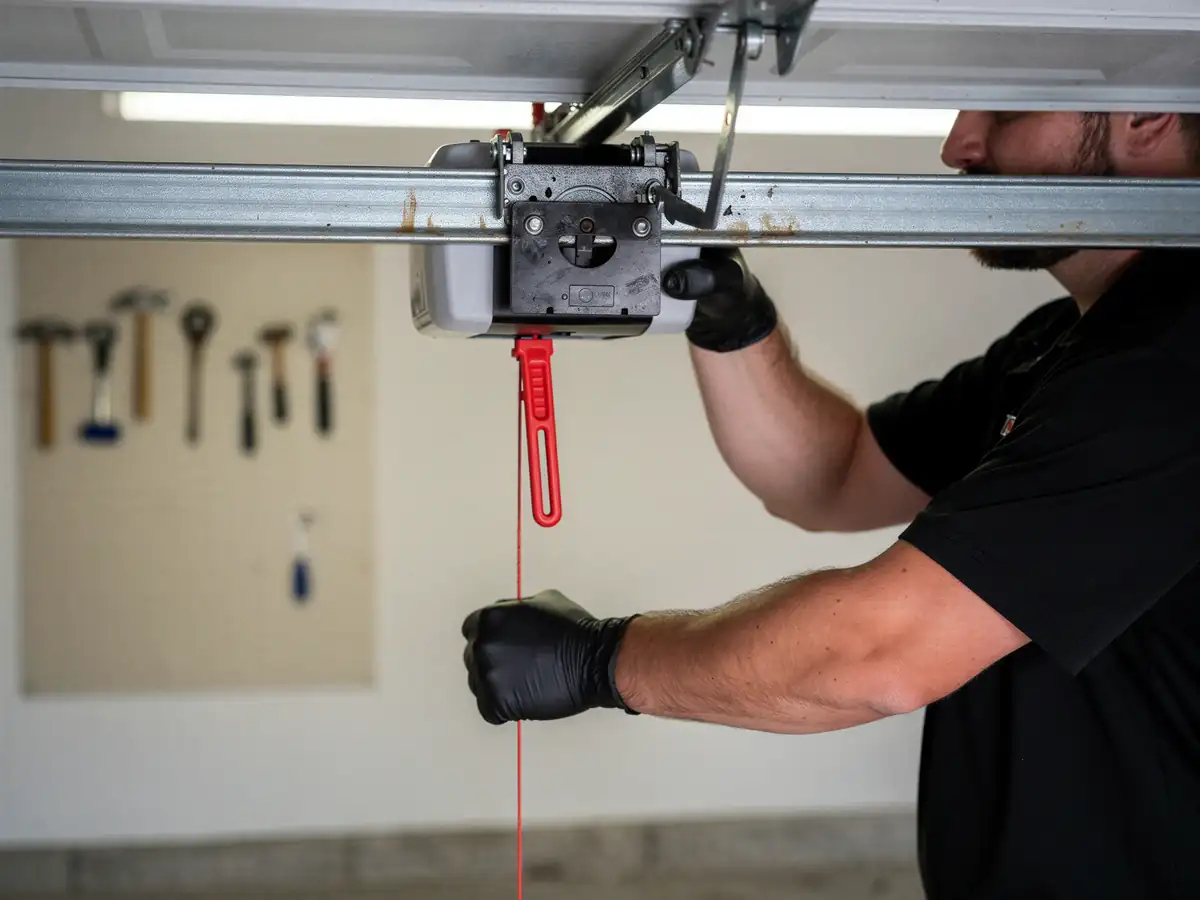
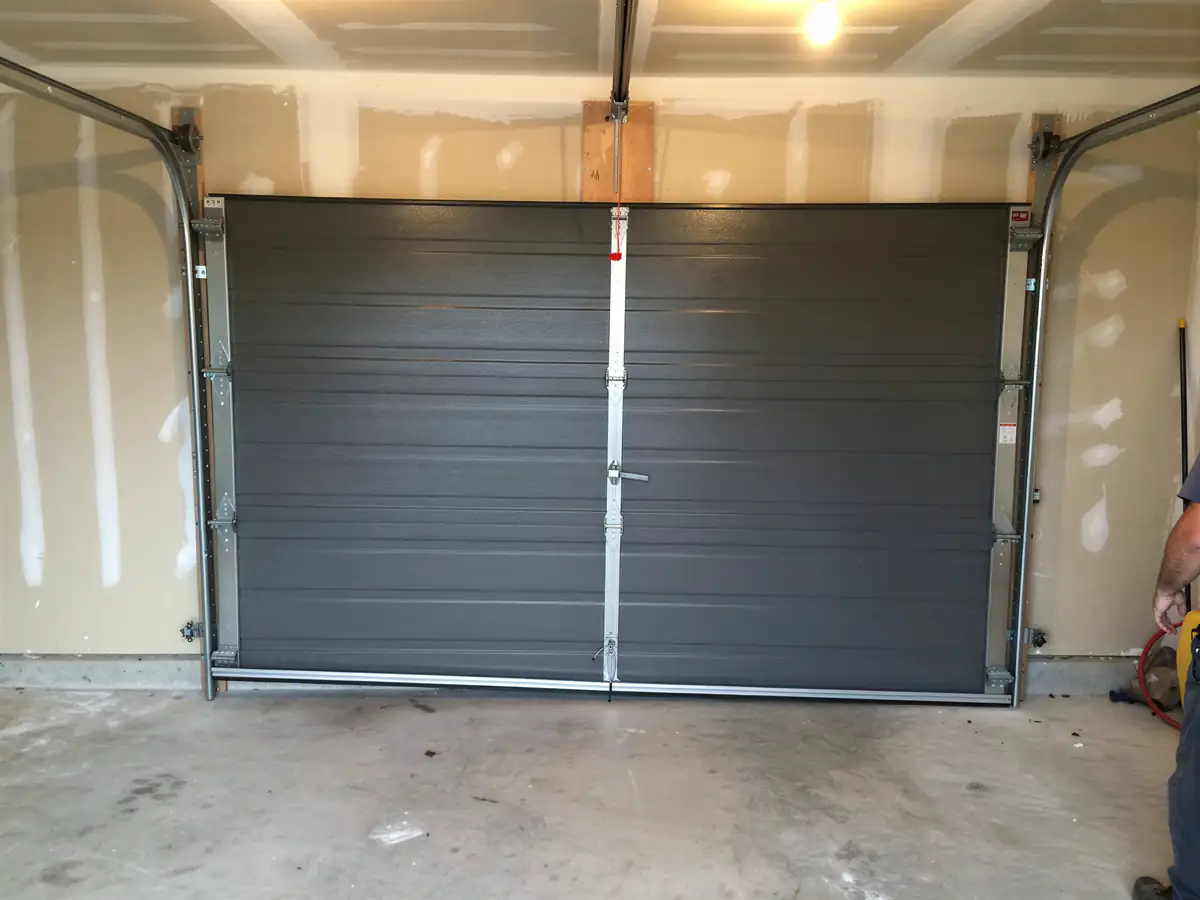
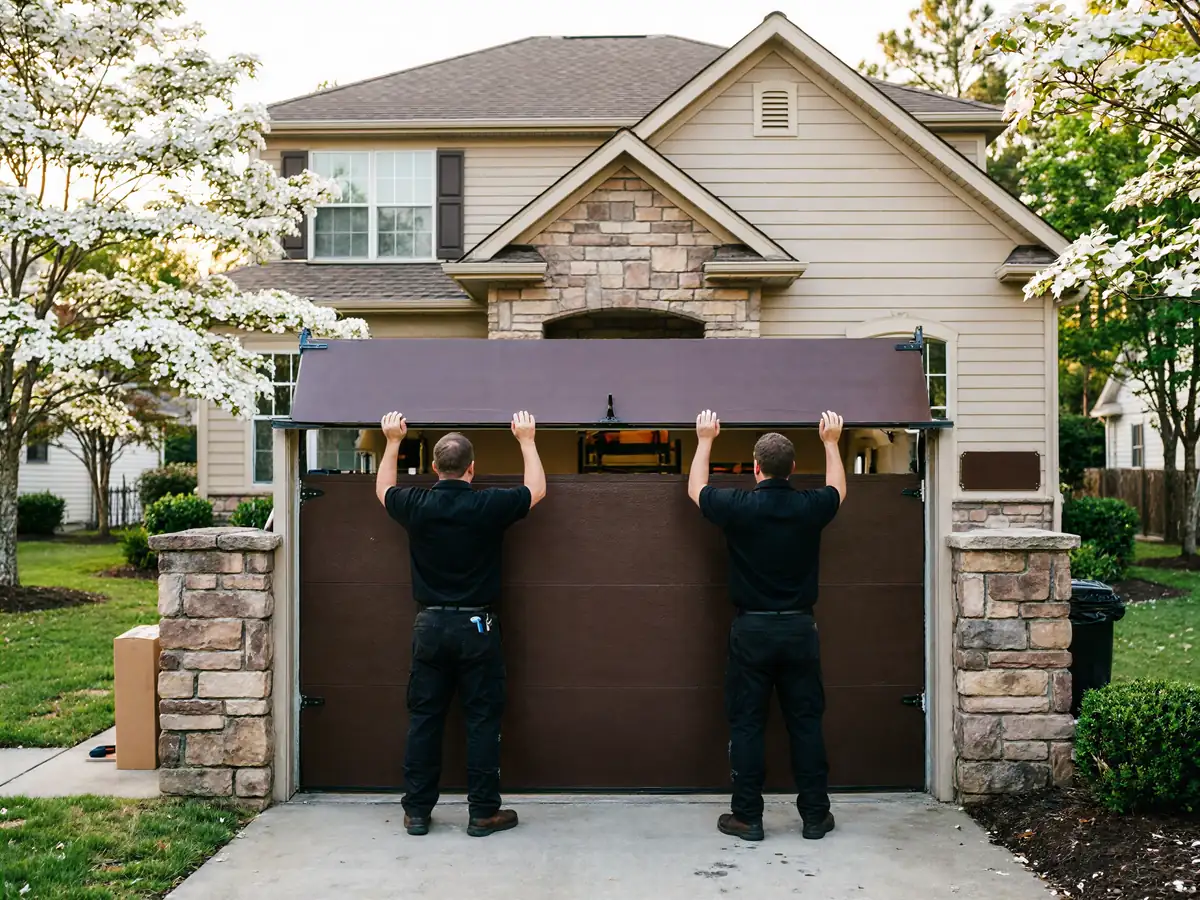
A full installation starts with pulling the old door, track, and usually the opener if it's original to the house
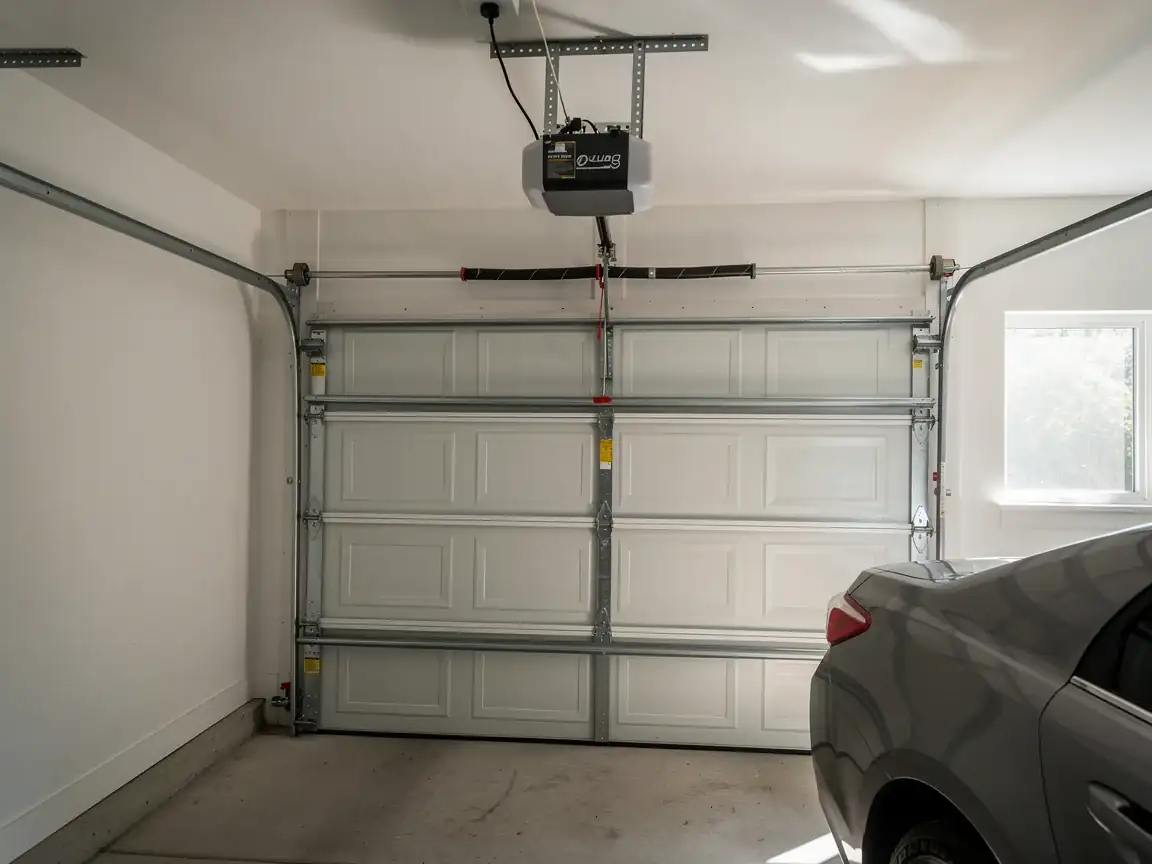
On a build from the 80s or 90s, the opener is almost never worth keeping once the door comes out. We set new vertical track and header bracket to match your framing, since older Milton builds weren't always squared to today's standard, and shimming it right the first time is what keeps a new door from racking within a year.
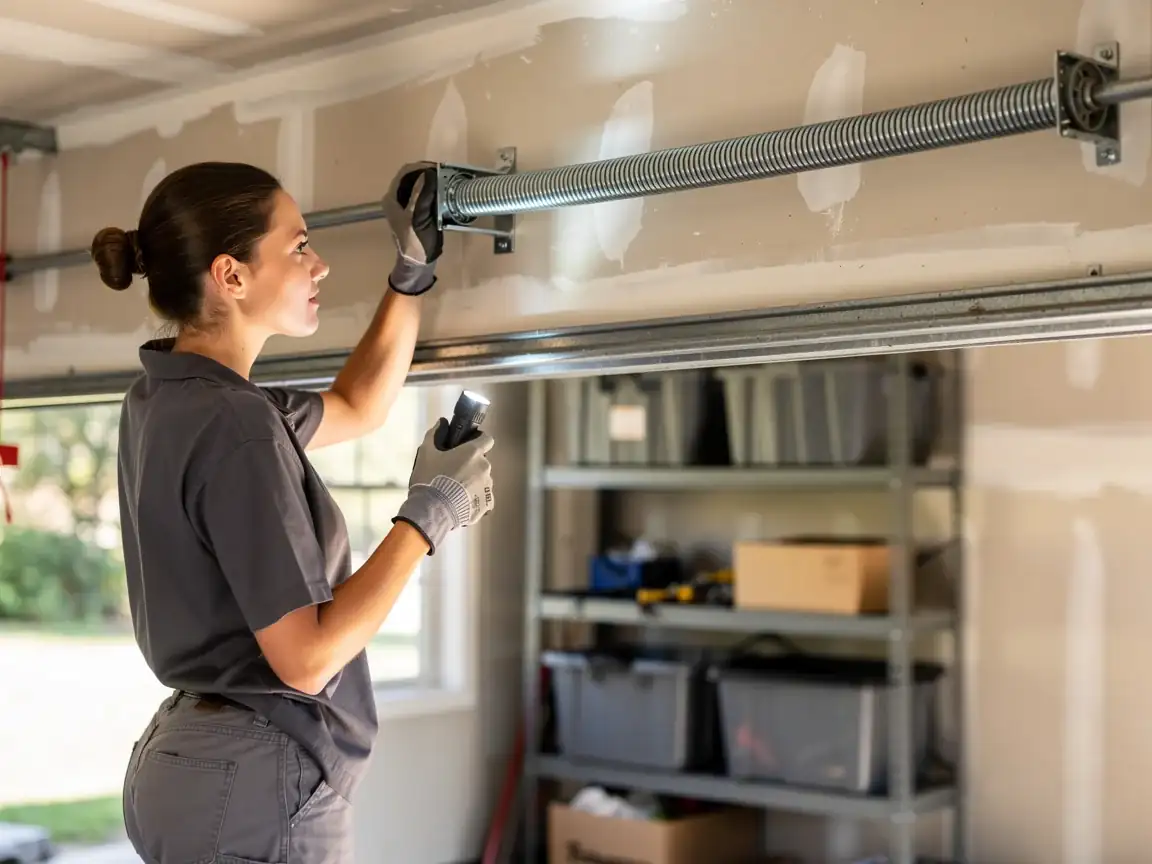
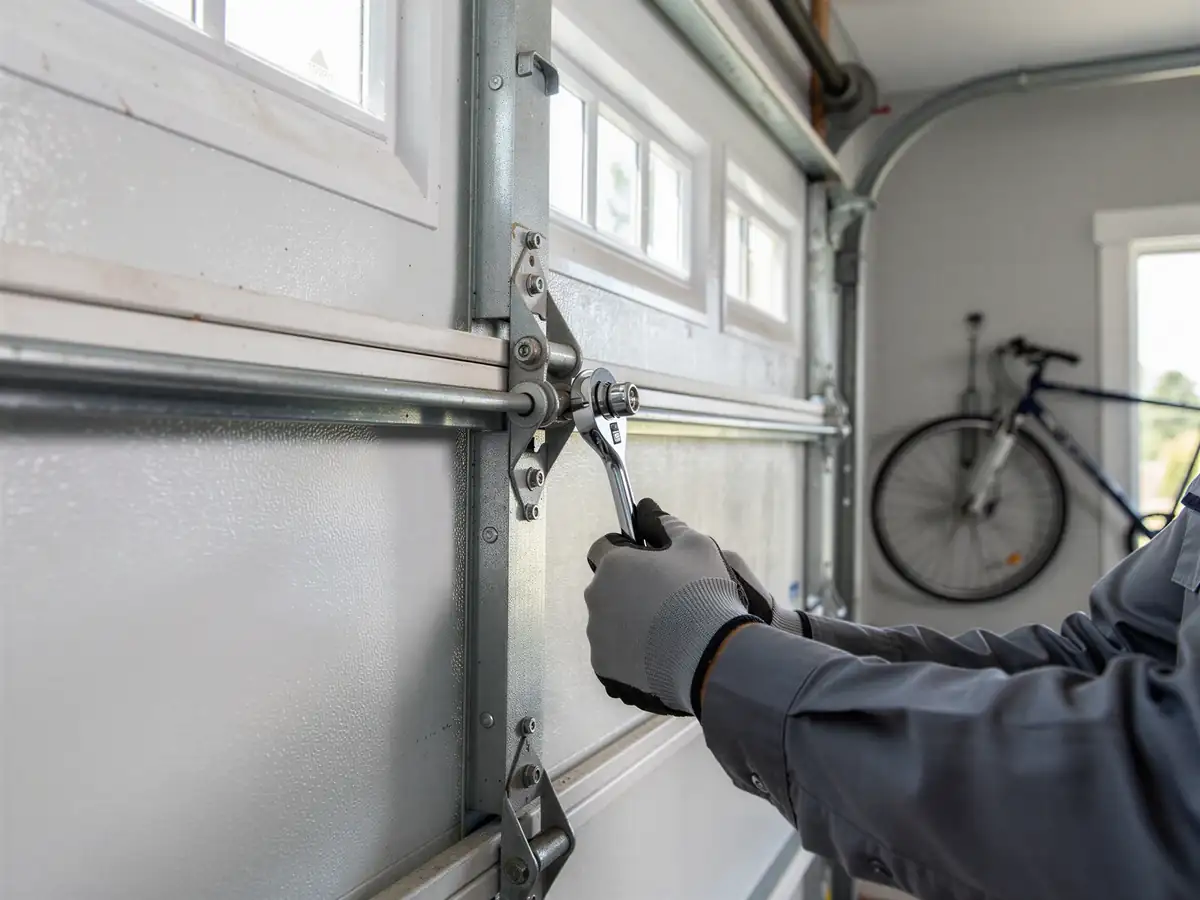
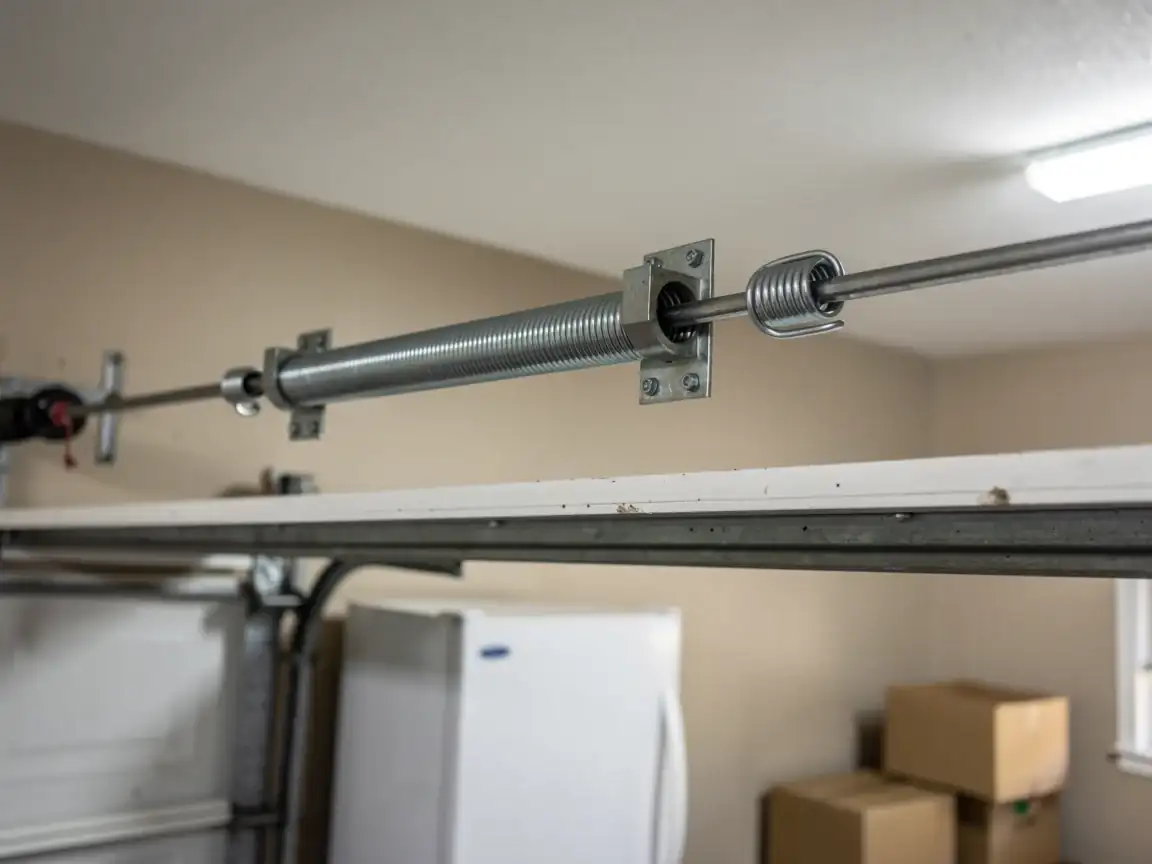
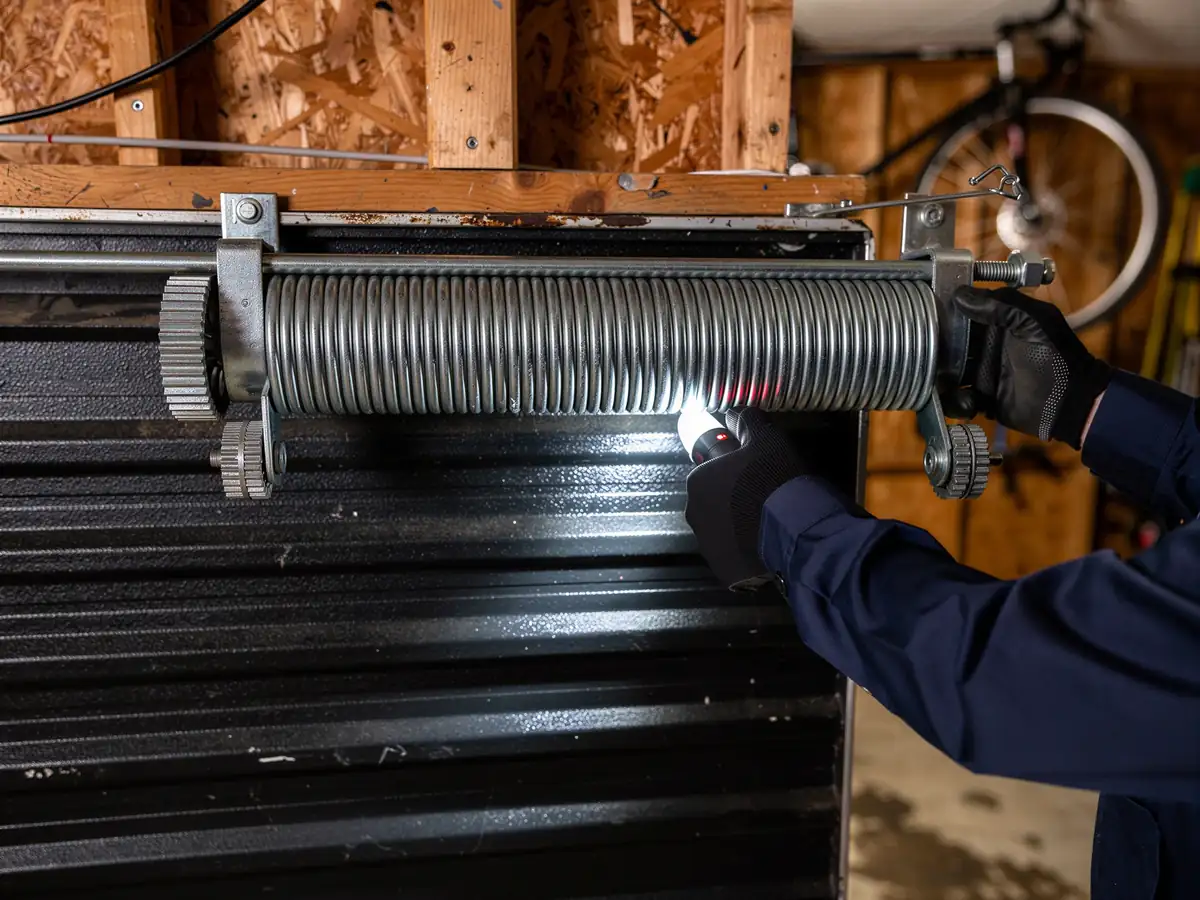
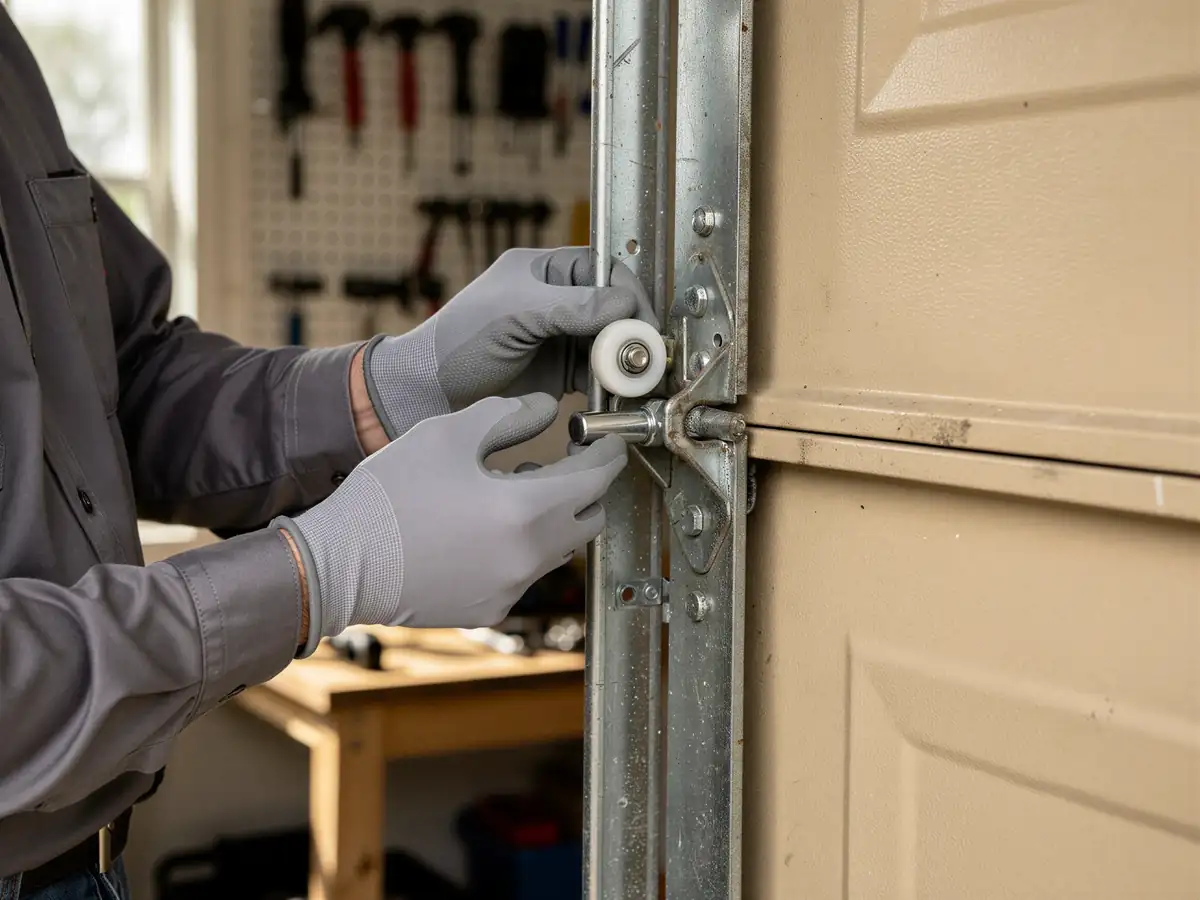
From there it's new springs sized to the actual door weight, new cable and drums, rollers, and hardware torqued to spec
Not reused from the old setup. If you're going with an insulated door, which makes sense given our winter swings, we match the R-value to what the opening can realistically hold rather than overselling you a number that doesn't fit the frame.
One limitation worth saying plainly
If your opening is out of square by more than a small margin, or there's rot in the jamb, that's carpentry work we flag before the install rather than paper over with extra shims. We'd rather tell you that up front than hand you a door that binds in six months.
How It Shows Up
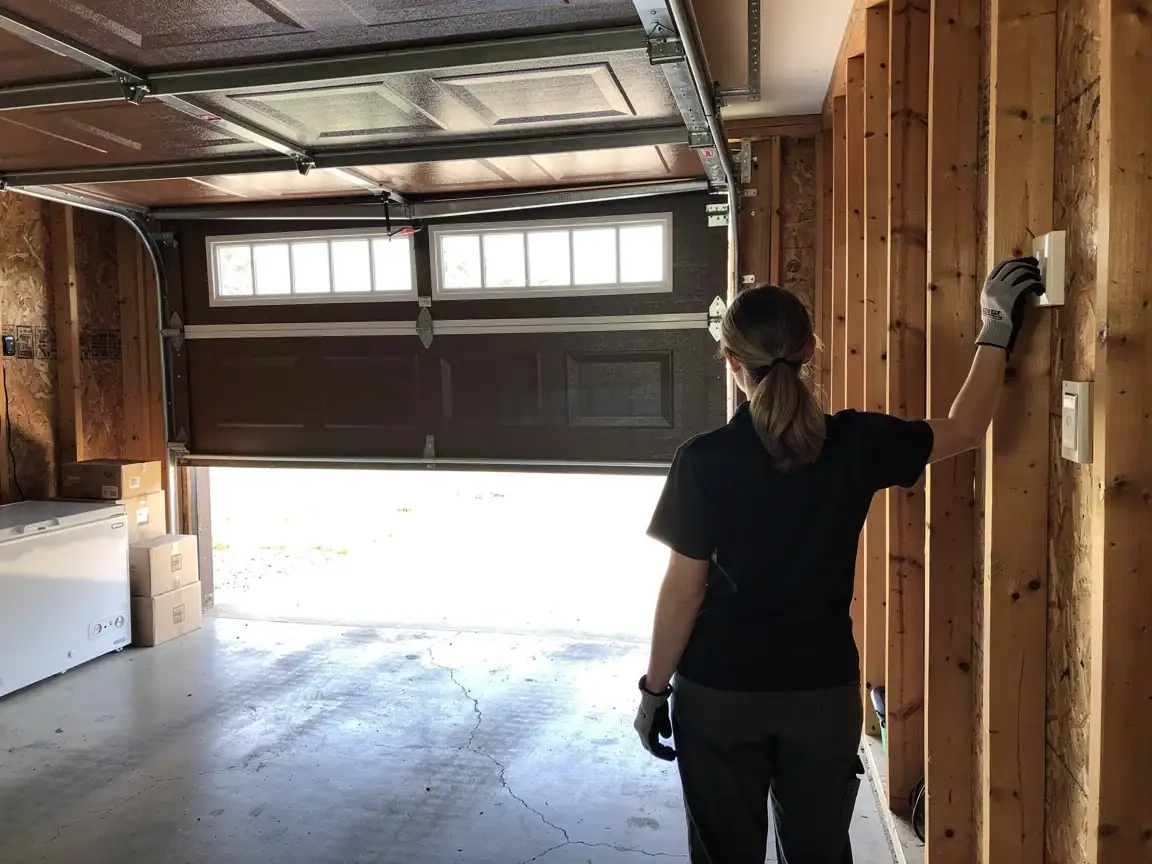
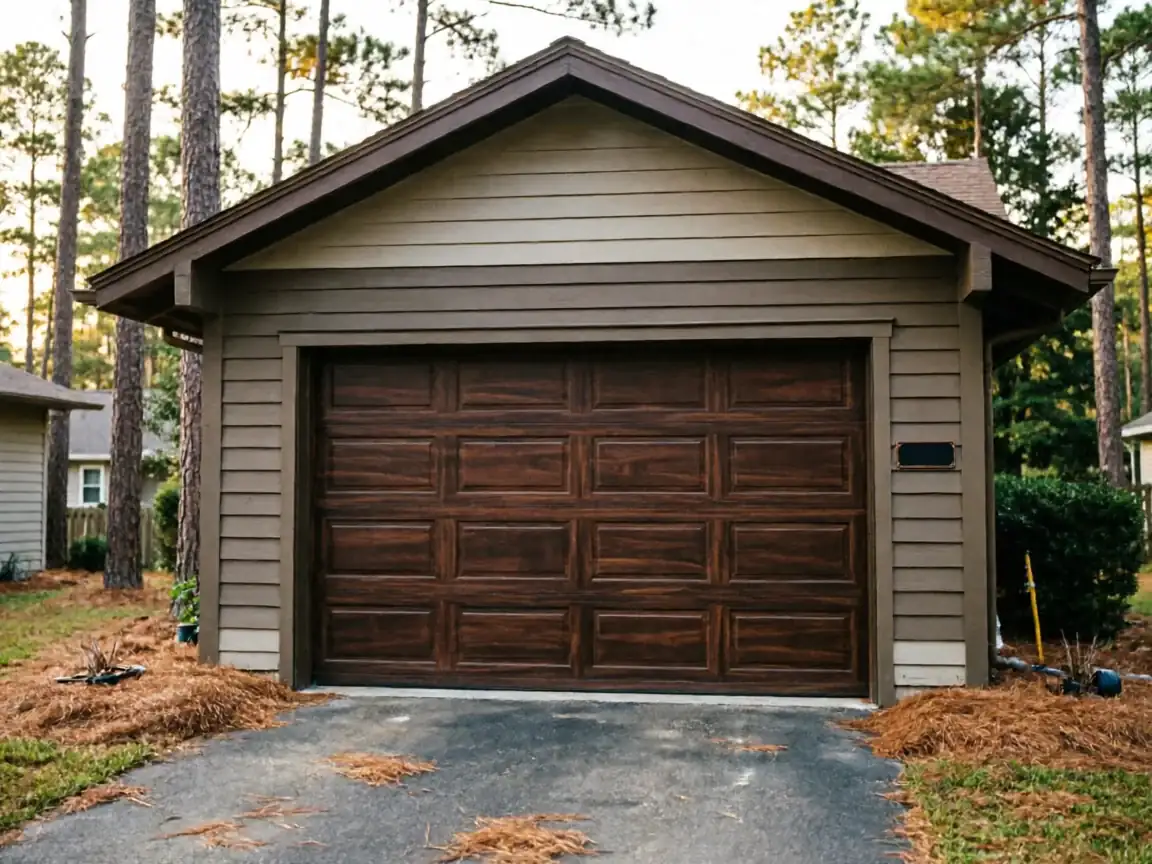
On homes from the 1980s and 90s stock, the signs are pretty consistent. The door looks fine from the driveway but takes noticeably more muscle to lift by hand than it used to - that's the spring losing tension as the steel and coil both age past their rated cycle count. You'll also see daylight gaps at the bottom corners that weren't there before, which usually means the track has walked out of alignment over the years rather than any single dramatic failure.
Another pattern we see a lot in this area: the opener still runs, but the door itself has gone heavy and cold to the touch in winter, meaning there's no insulation layer left doing its job. Given our area's median household income sits around $90,626 across roughly 35,811 households, with about 15,372 of those owner-occupied, a lot of owners are weighing a full install against another round of patch repairs - and for a door built in the original construction era, the math usually favors replacement once two or more of these signs show up together.
Stocked Parts
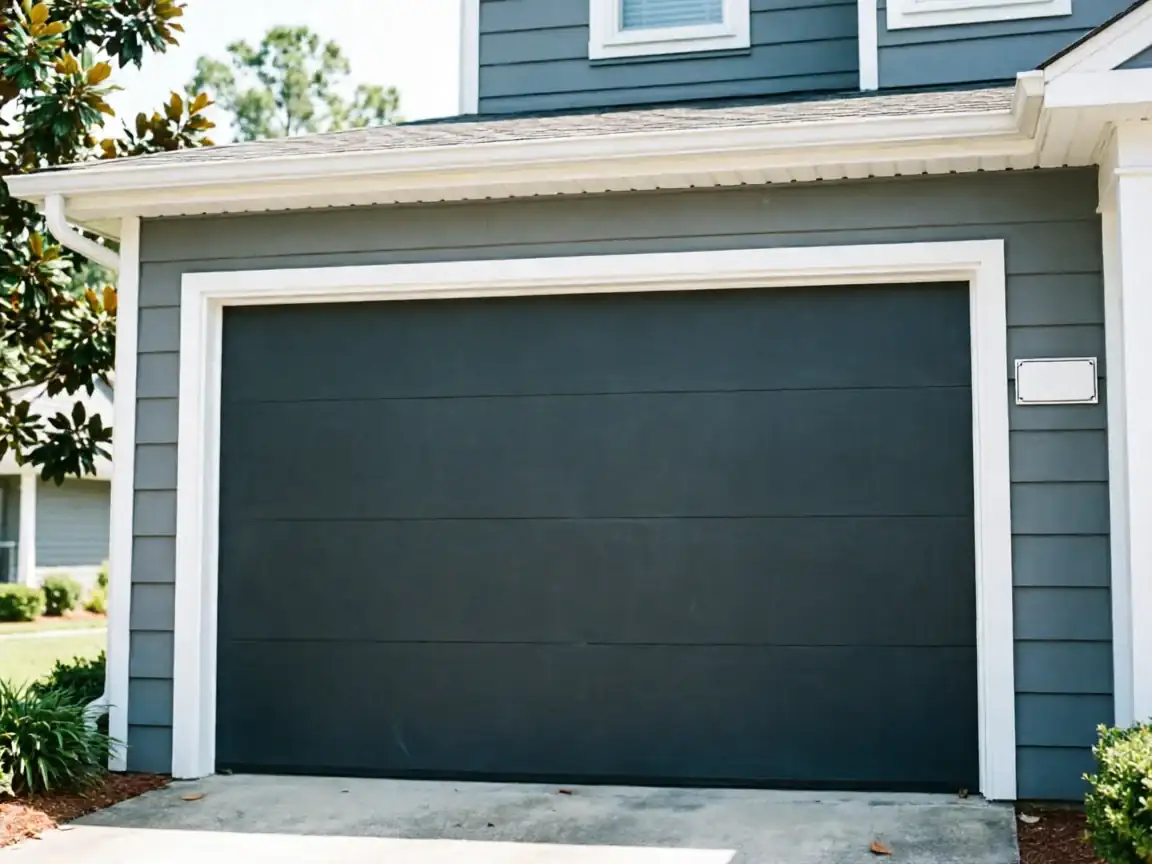
We keep standard torsion springs, rollers, cable, and track hardware on the truck sized for the door widths common across this part of the service area, plus openers that cover the usual range of ceiling heights found in 1980s and 90s construction. Insulated steel sections in standard widths are stocked too, since that's the most requested upgrade from owners replacing an original uninsulated door.
What we don't carry on the truck: custom wood doors, oversized commercial-width sections, and anything built to a non-standard opening - those get special-ordered and the lead time runs longer than a stocked install. If your house falls outside the common dimensions for this area, we'll tell you that during the estimate, not after we've shown up.