The Seasonal Bit
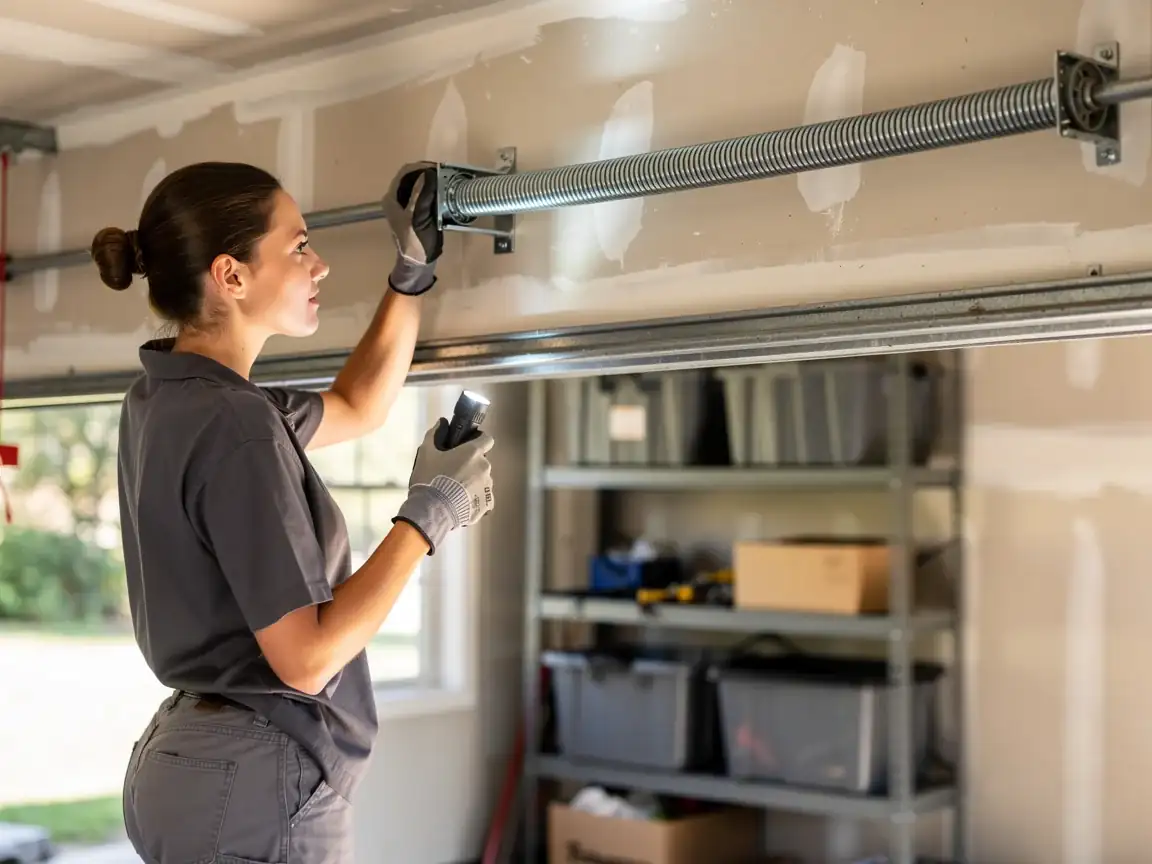
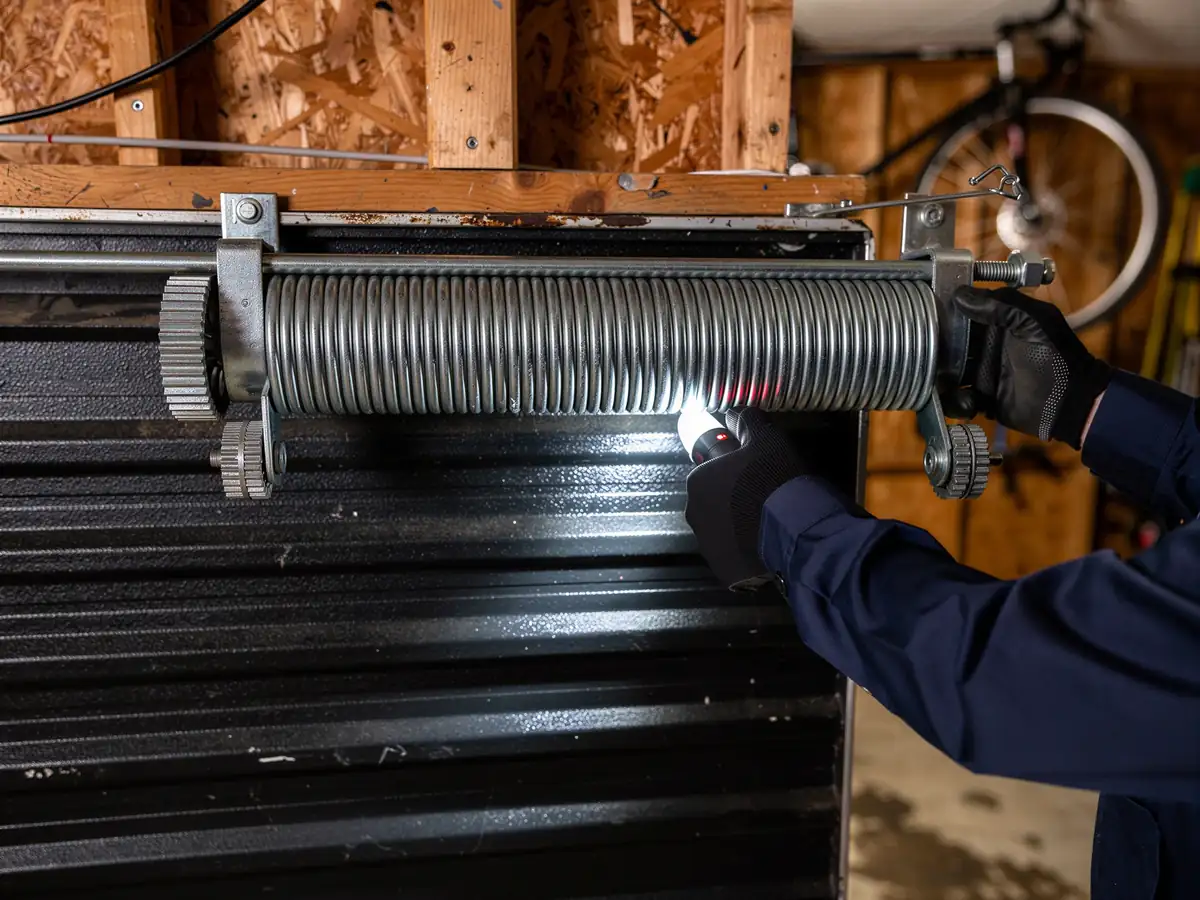
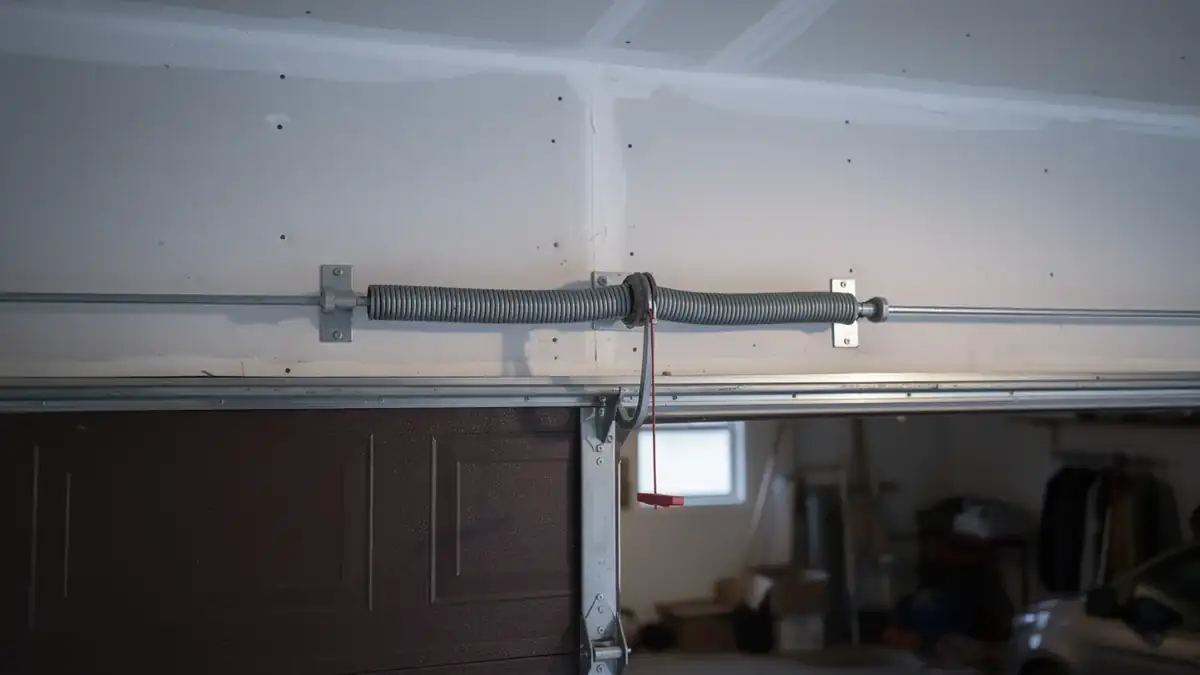
Torsion springs lose a measurable amount of their steel's flex every time the temperature drops, and Milton sits in a cold-moderate band that still gets enough hard overnight lows each winter to matter. Steel contracts in the cold, and a spring that's already near the end of its cycle count gets pushed past its limit on the first cold morning of the season. That's why the calls cluster the way they do: a door that worked fine in October suddenly won't lift in late December or January.
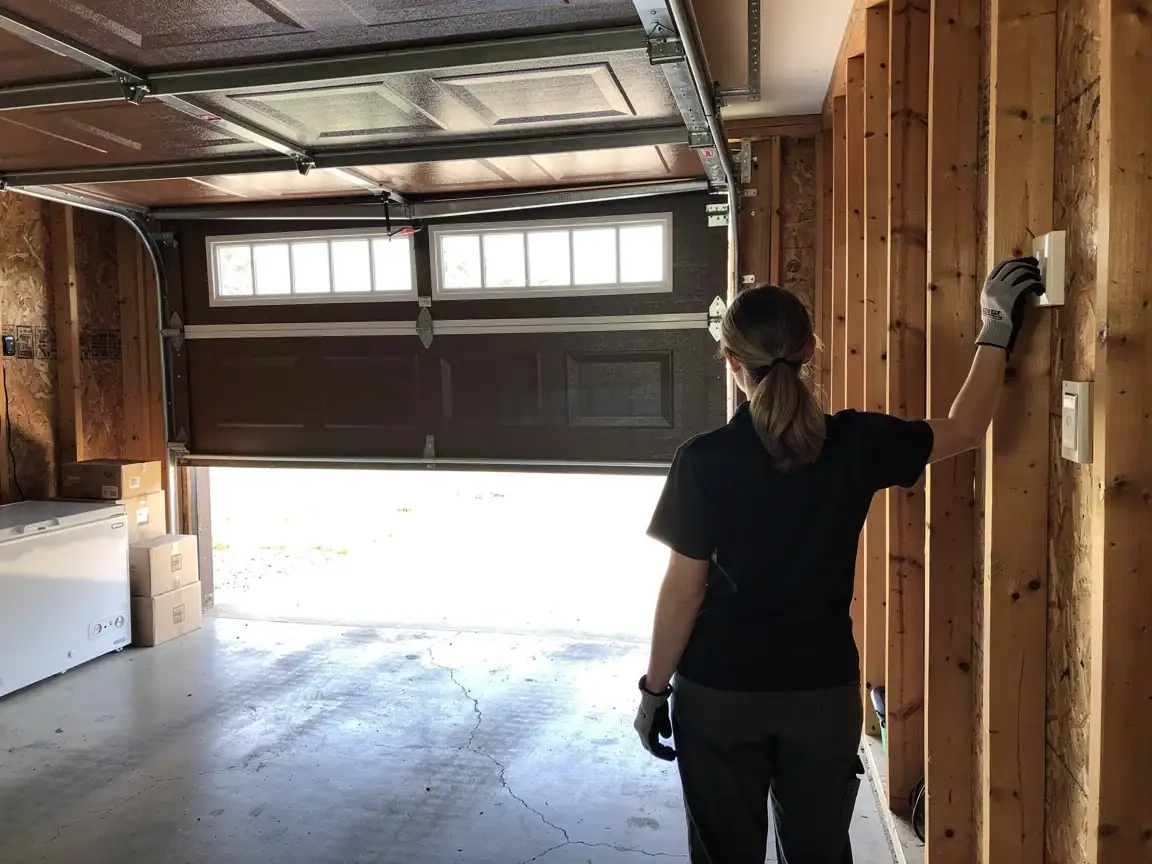
It isn't usually the cold itself that snaps the spring. It's the cold finding the weak point that summer humidity and months of normal cycling already created. A spring rated for a certain number of cycles doesn't care what season it is, but the last few of those cycles are a lot more likely to happen on a 28-degree morning than a mild one, simply because that's when the steel is least forgiving. If your opener strains, reverses, or the door only lifts a few inches before stalling, that's the spring, not the motor.
The Situation
Most of the garage doors we work on in Milton are original or close to it
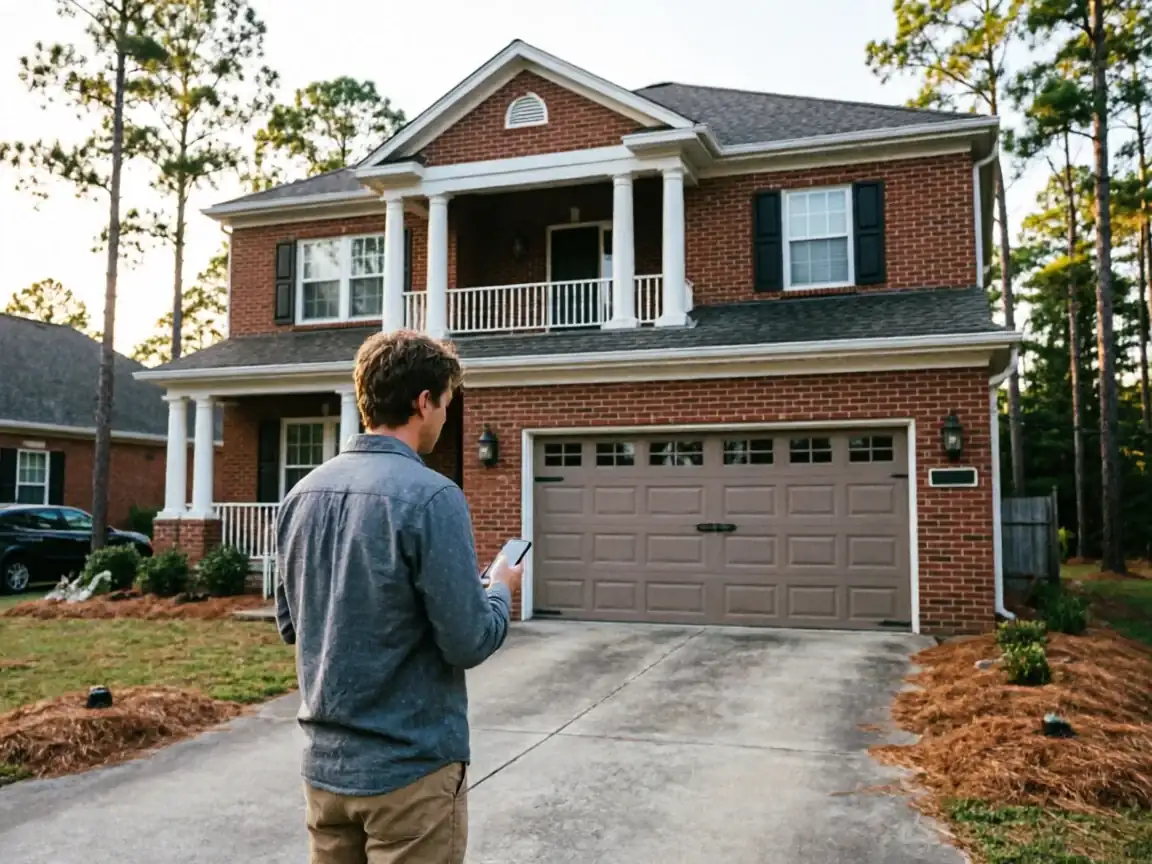
Going on houses built between 1964 and 2007, with the bulk of that stock put up in the 1980s and 90s across the ten or so named subdivisions that make up this area. A door installed when a house was built in, say, 1991 is now well past the point where its original torsion spring is still doing its job reliably, regardless of how it looks from the driveway.
That matters because a lot of those doors were never upgraded, just serviced piecemeal
You get a 30-year-old spring on a door with a newer opener bolted on, or original hardware paired with a replacement panel from a dent repair years back. None of that is a problem on its own, but it means the spring's actual age is often older than anyone in the house remembers, and that's exactly the kind of spring that goes first on a cold morning.
What You Pay
We don't have a flat number to quote you here, and we're not going to make one up. What a spring job costs depends on whether it's a single or double door, what size spring the opener and door weight call for, and whether the drums or cables need attention at the same time, which happens more often on hardware from the 1980s and 90s than it does on anything newer.
What we can tell you is what we look at before we give you a number: the door's weight, whether it's single or double torsion, the condition of the cables and drums, and whether the opener's travel settings need to be redone afterward. If your hardware is original to a house from that era, budget for the possibility that more than the spring needs attention, since a cable or drum that's been flexing for three decades doesn't always fail quietly on its own schedule.
How Local Conditions Play In
Milton's winters sit in a cold-moderate band, not the kind of deep freeze that cracks foundations, but enough swing in overnight temperature to stress steel that's already near the end of its service life. That's the pattern worth knowing if you live anywhere from the Mountain Park side out toward Ball Ground or Waleska: houses on the older end of our area's build range, closer to that 1964-1992 median, are the ones where a cold snap tends to be the final push on a spring that was already due.
One honest limit: we don't stock every spring size on the truck for every job, especially less common double-door torsion setups. If yours is an older or unusual configuration, there can be a short wait on the part. We'd rather tell you that up front than promise a same-day fix we can't back up.