What Causes It Around Here
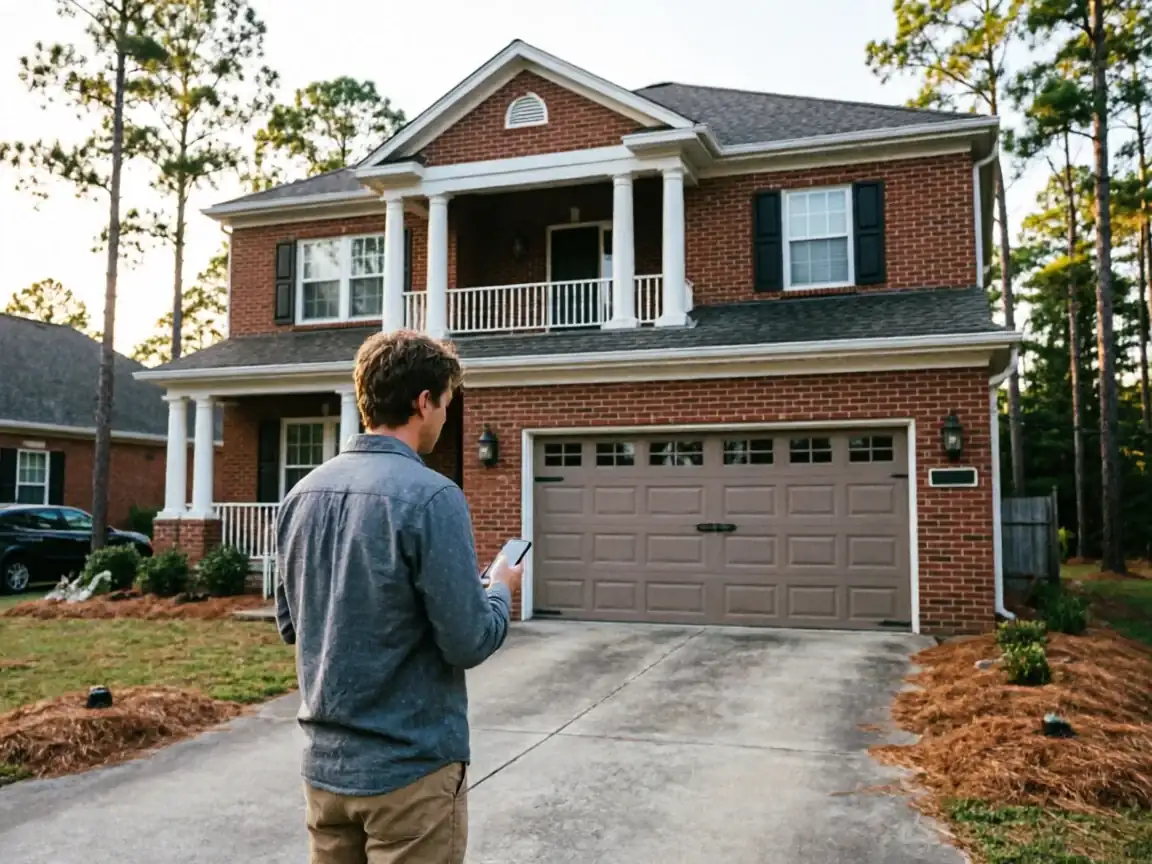
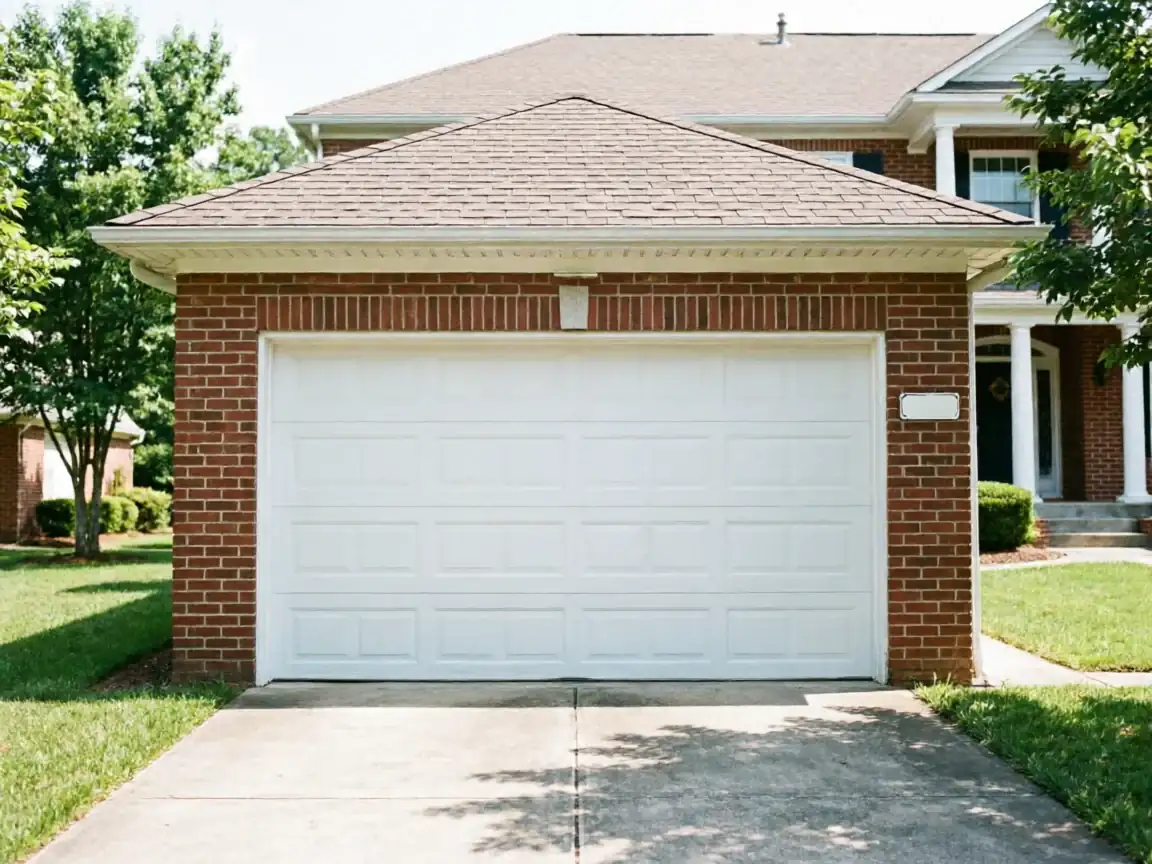
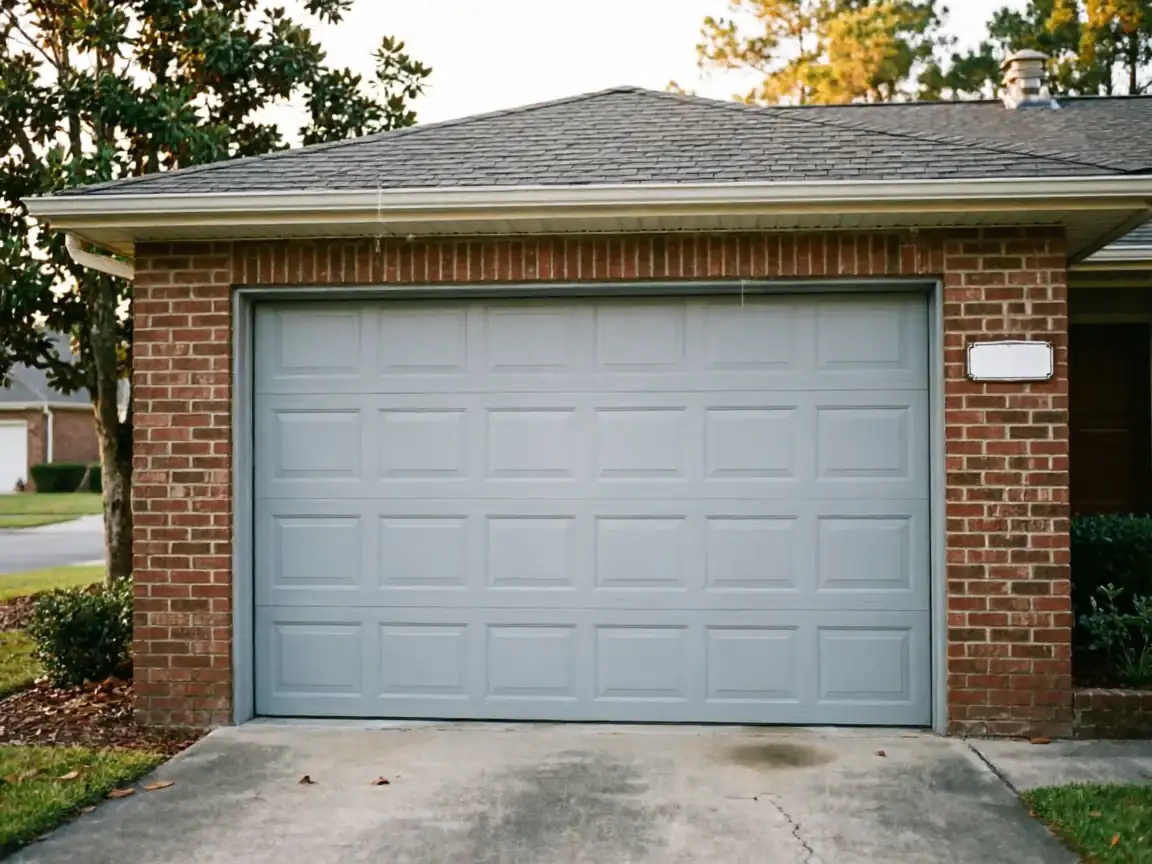
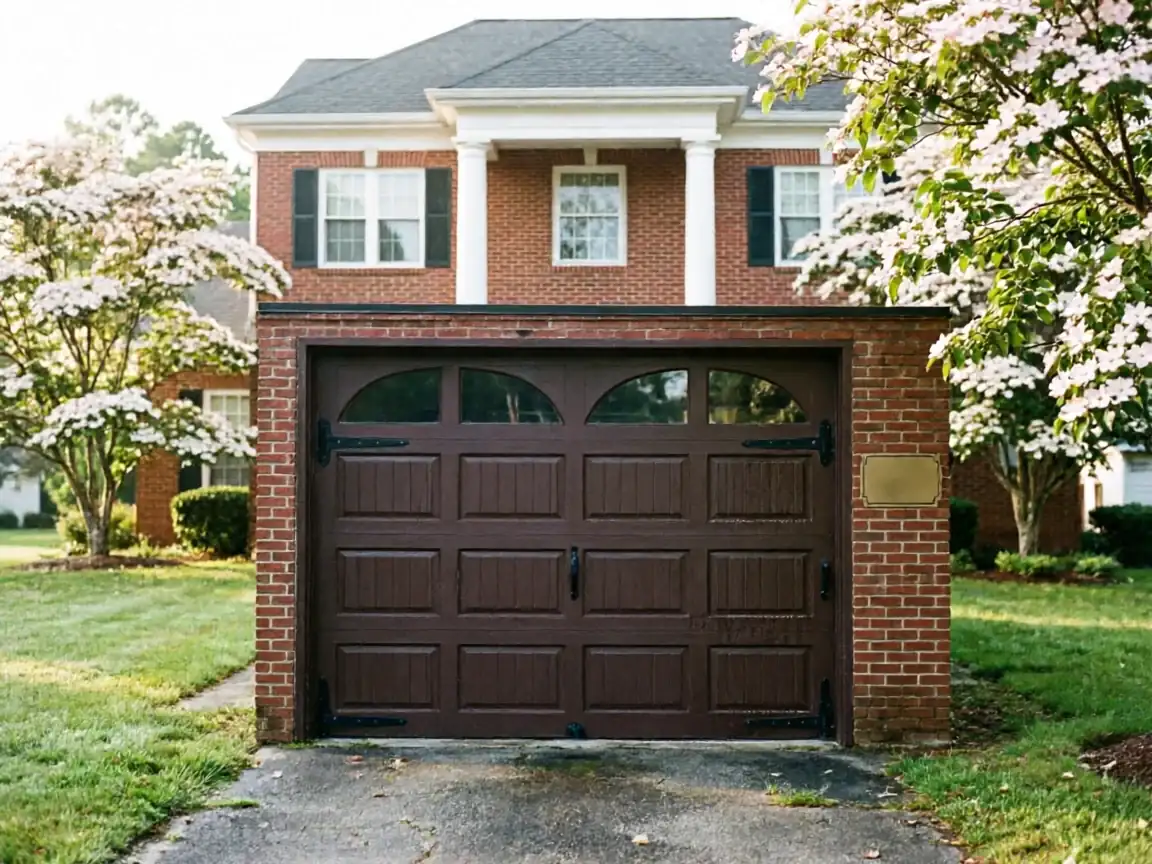
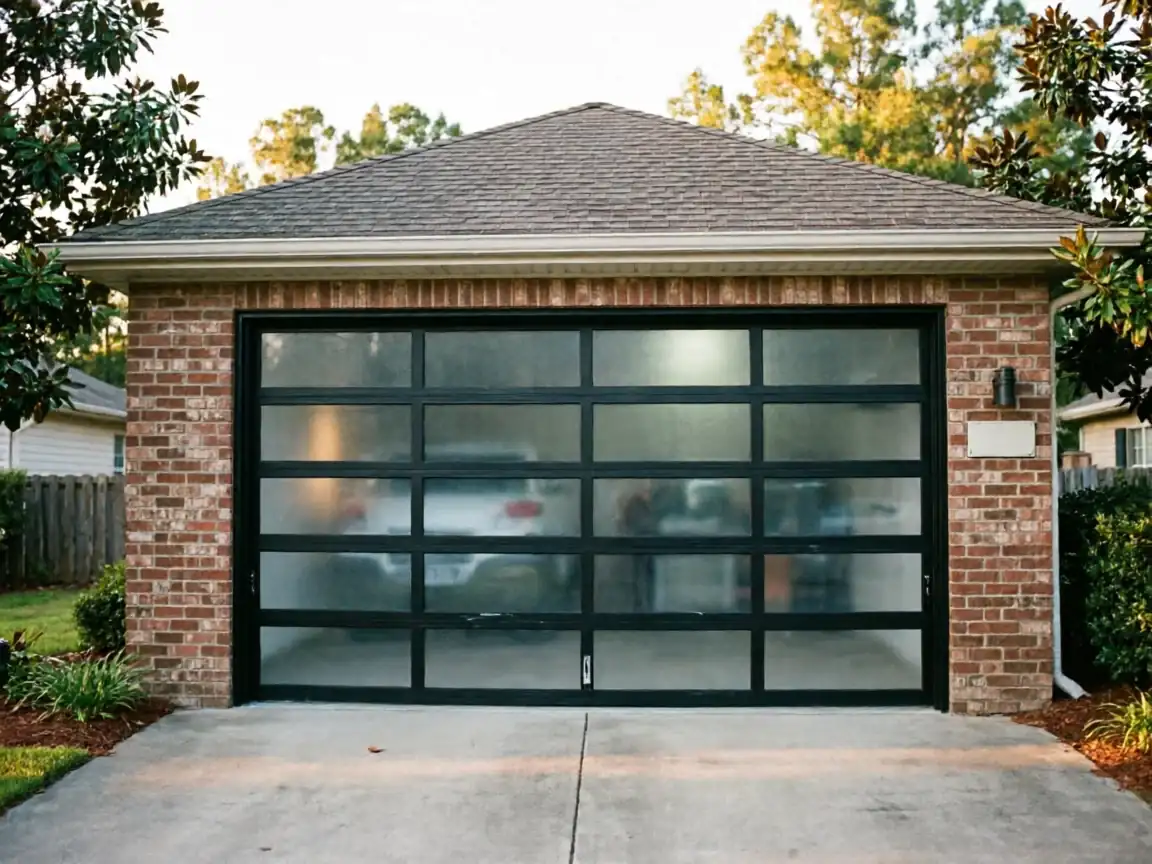
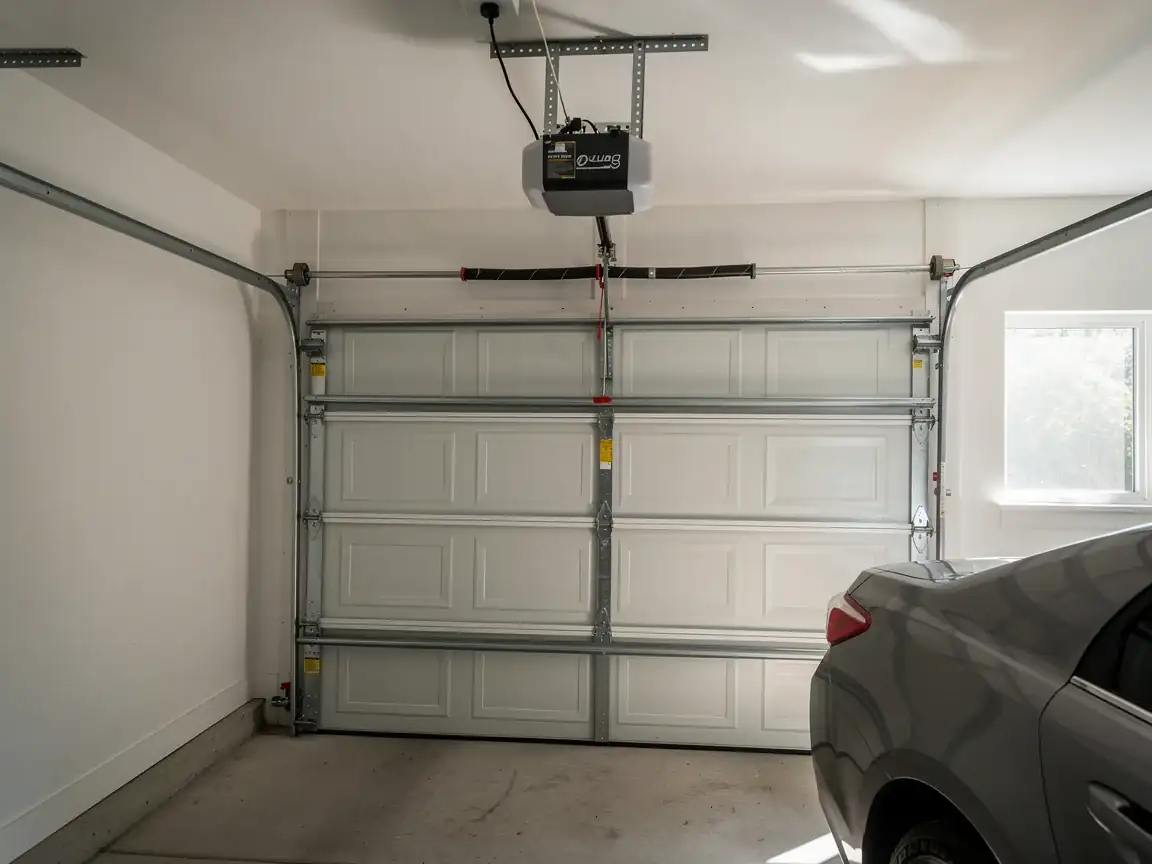
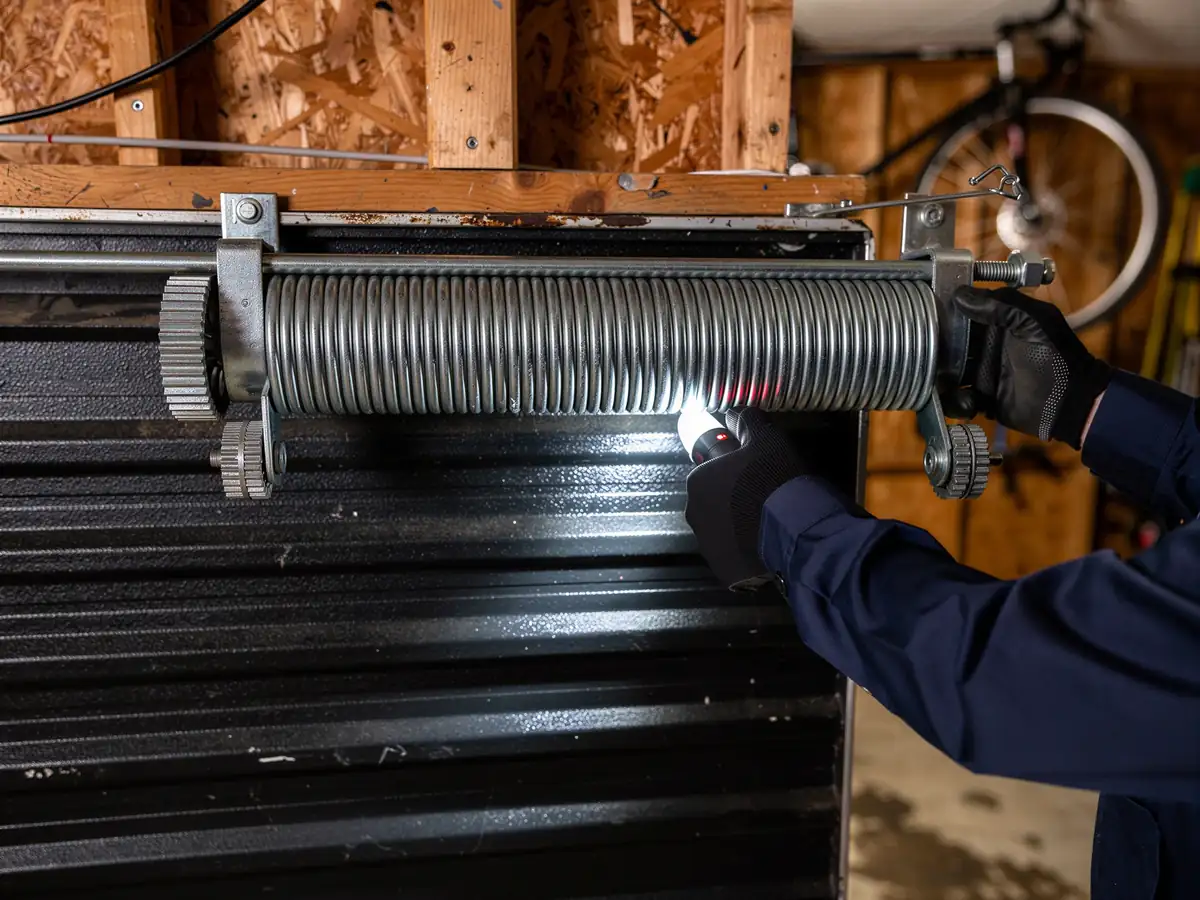
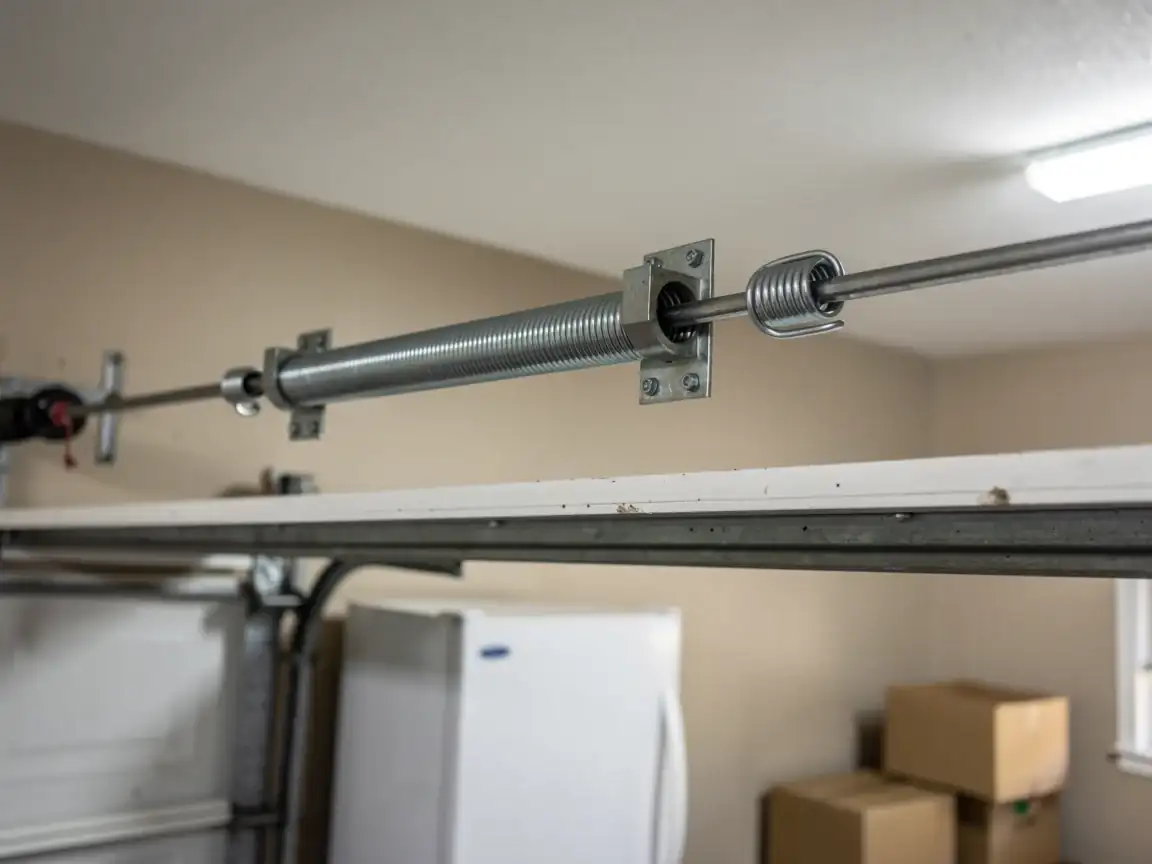
Most of the housing in this service area went up between 1964 and 2007, with the bulk of it dating to the 1980s and 90s across the ten named communities we cover. That matters for emergency calls because torsion springs have a rated cycle life, and a spring installed during that building boom is now 20 to 40 years into a part that's only good for roughly 10,000 open-close cycles. When it lets go, it's almost always without warning - usually first thing in the morning or right when someone's trying to leave for work.
The cold-moderate climate here adds a second stress. Steel springs lose tension and get brittle faster through repeated freeze-thaw swings than they would in a warmer, steadier climate, and nighttime temperature drops are when we see the call volume spike. Garage door openers from the same era are also reaching the end of their gear-and-sprocket life, and a worn drive gear combined with a cold garage is a common reason an opener just hums and goes nowhere.
We're not saying every house built in that window is due for a failure tonight. But a 25-to-40-year-old spring or opener in a house that's never had either replaced is exactly the profile behind most of our after-hours calls.
What the Fix Involves
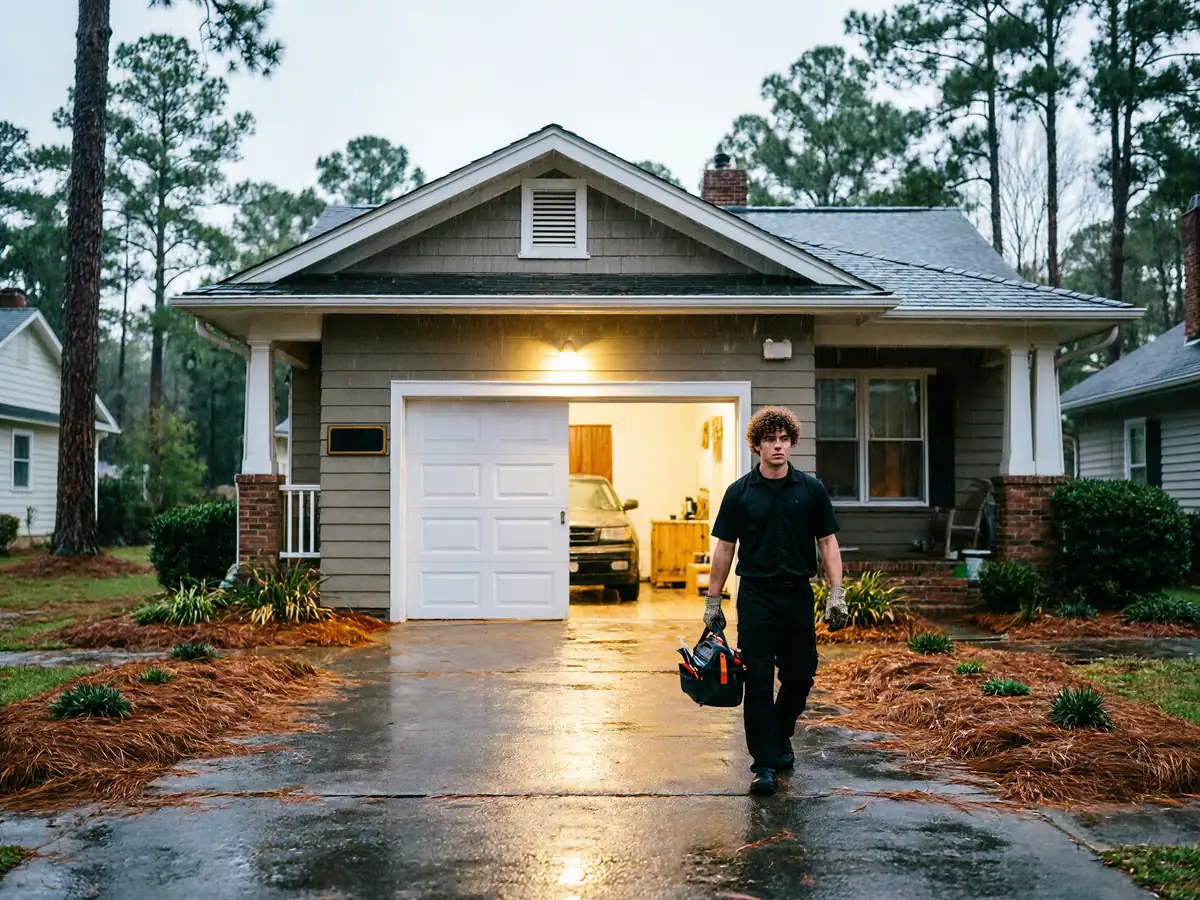
An emergency call starts the same way every time
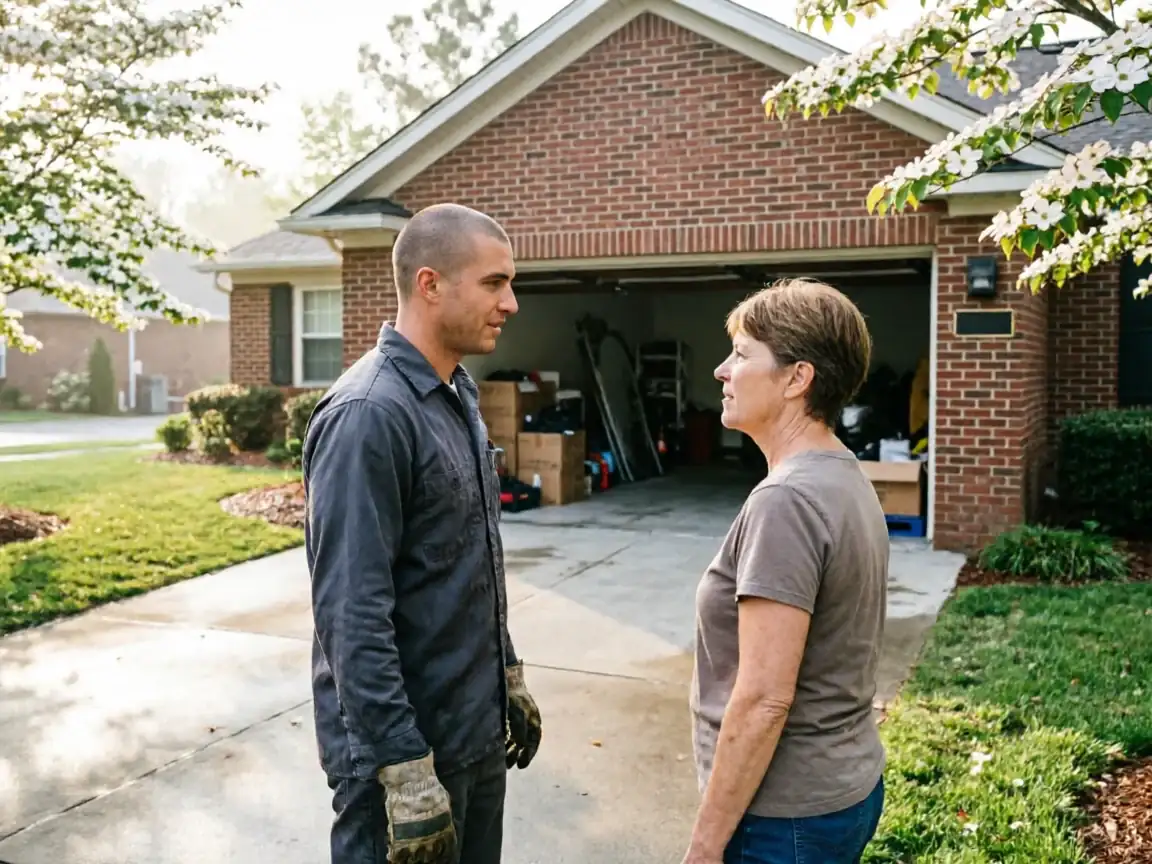
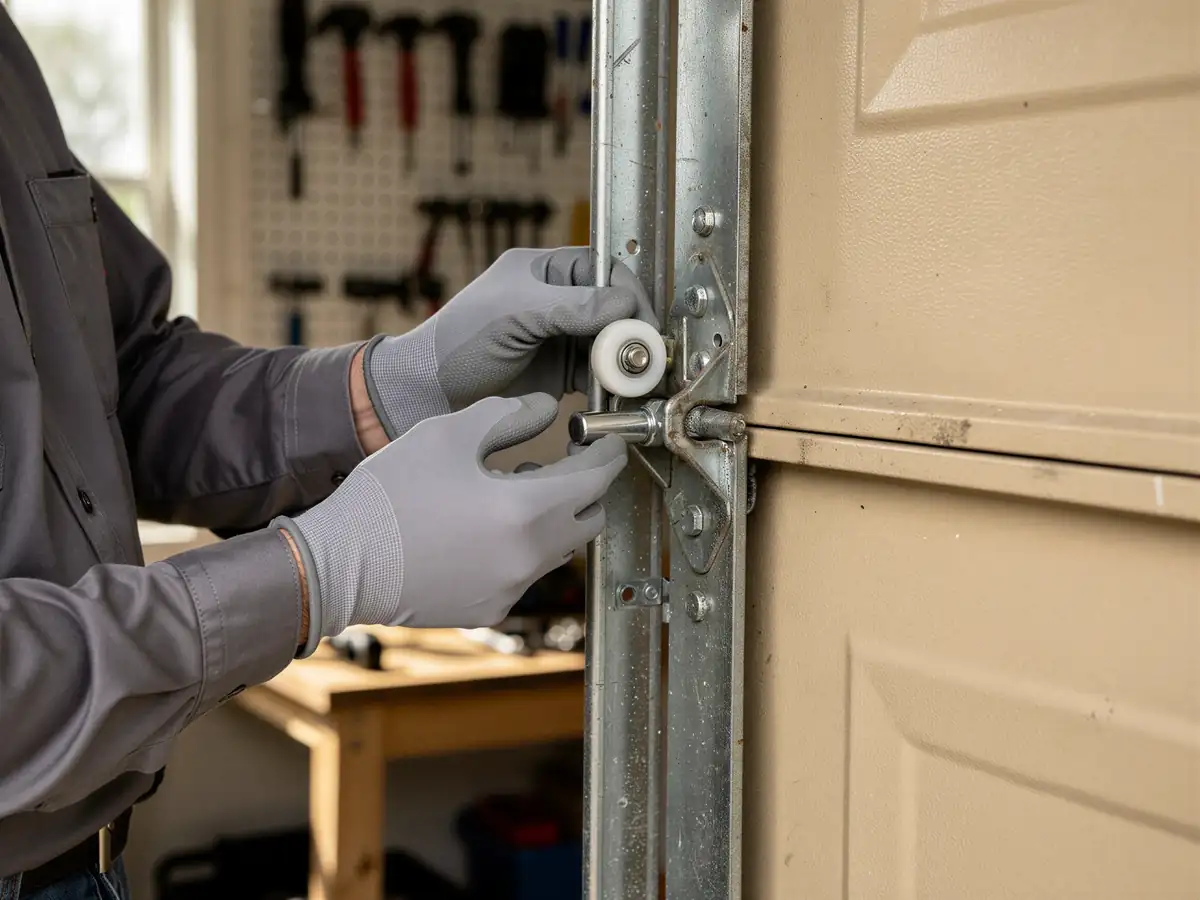
We find out whether the door is a safety problem or a lockout problem before we touch a tool. A snapped torsion spring on a door that's still on its tracks is different from a cable that's jumped the drum and let one corner of the door drop - the second one can bind a panel or crack a track if someone forces it, so we check for that before anything else.
Most emergency jobs on houses from the 1980s-2007 build era involve one of three things
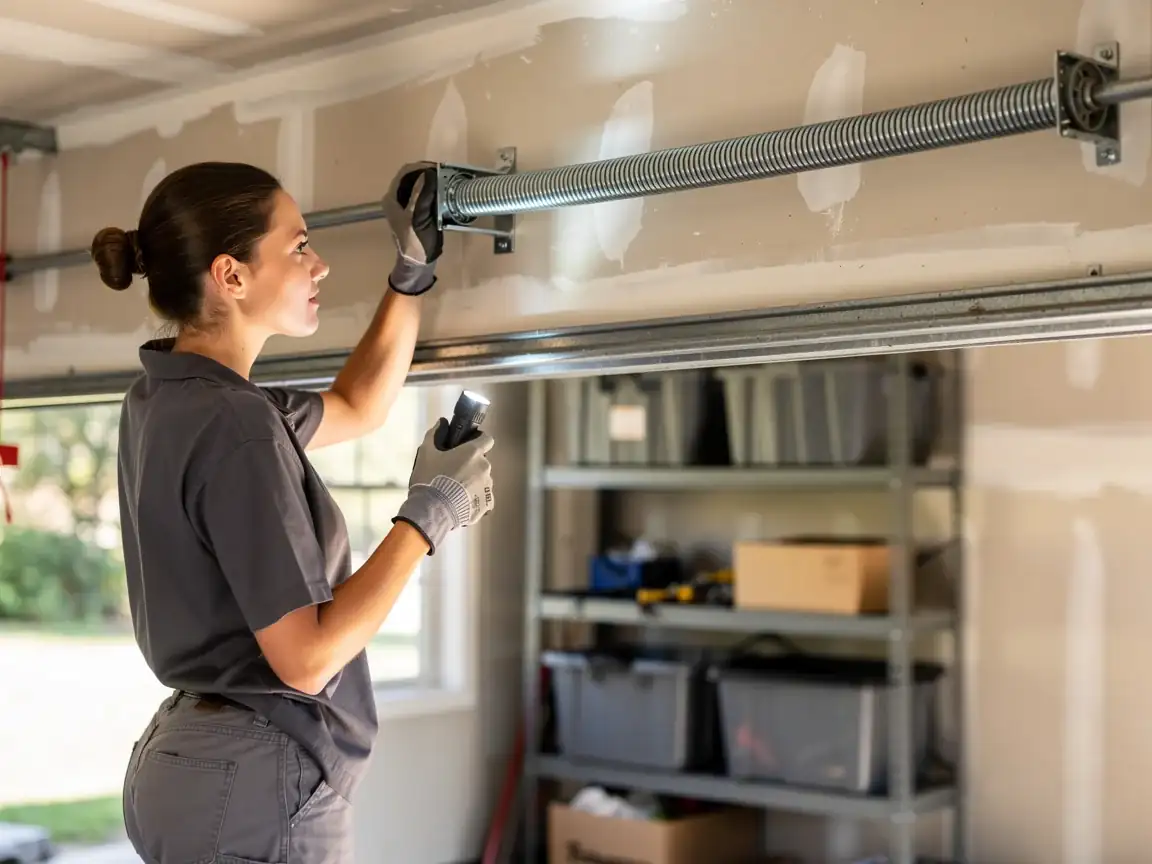
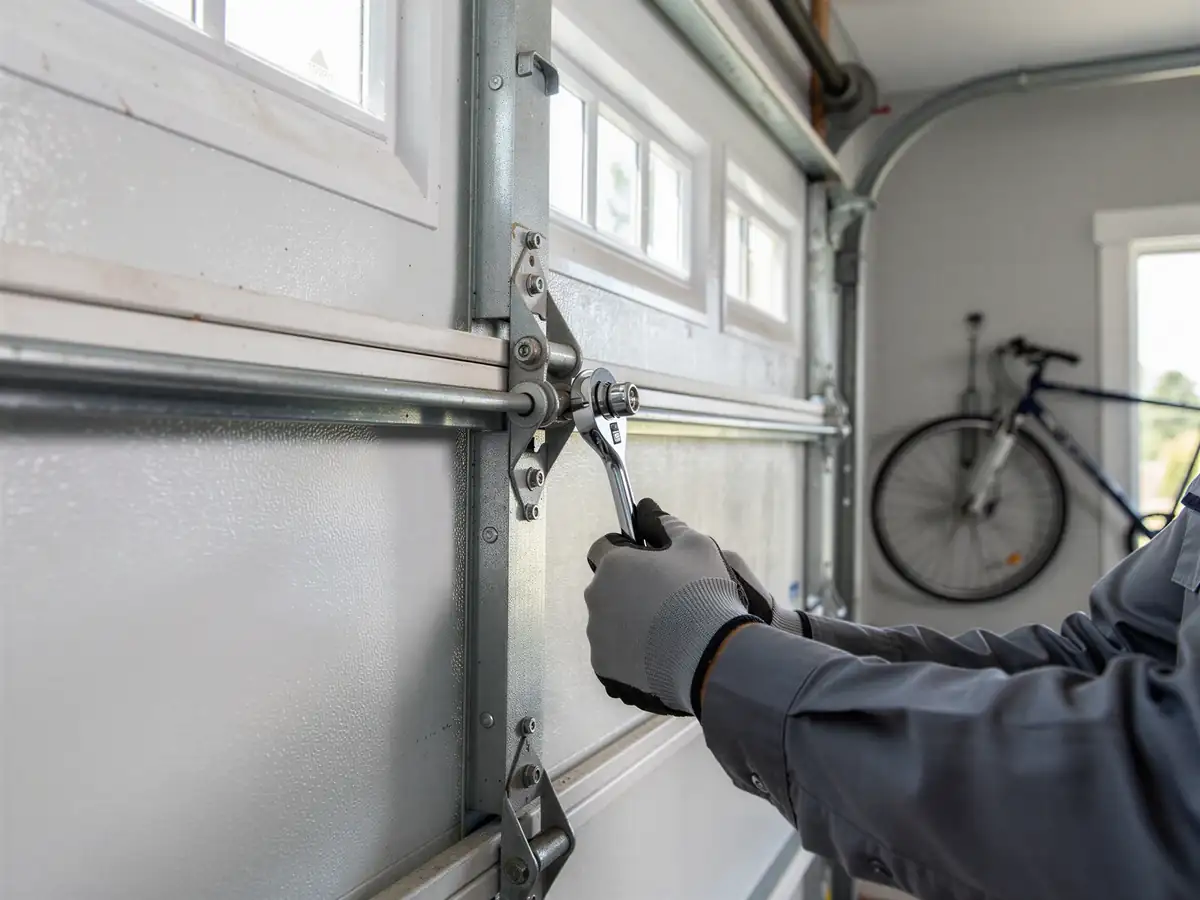
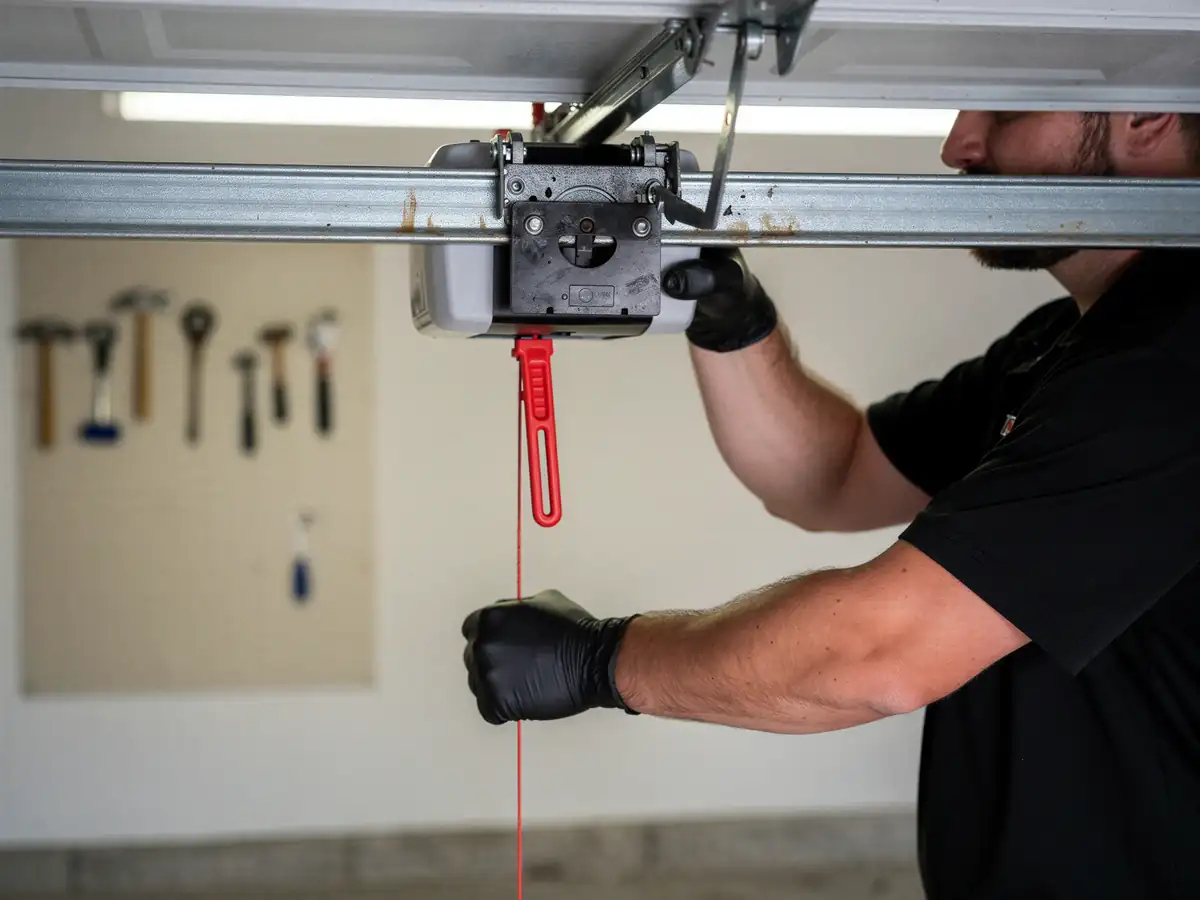
Torsion spring replacement, cable replacement after a drum jump, or opener drive-gear failure. We carry the common torsion spring sizes used across that build period, along with standard lift cables and drive gears, so most of these get fixed in one visit.
What we don't do on an emergency call is replace a whole door system on the spot
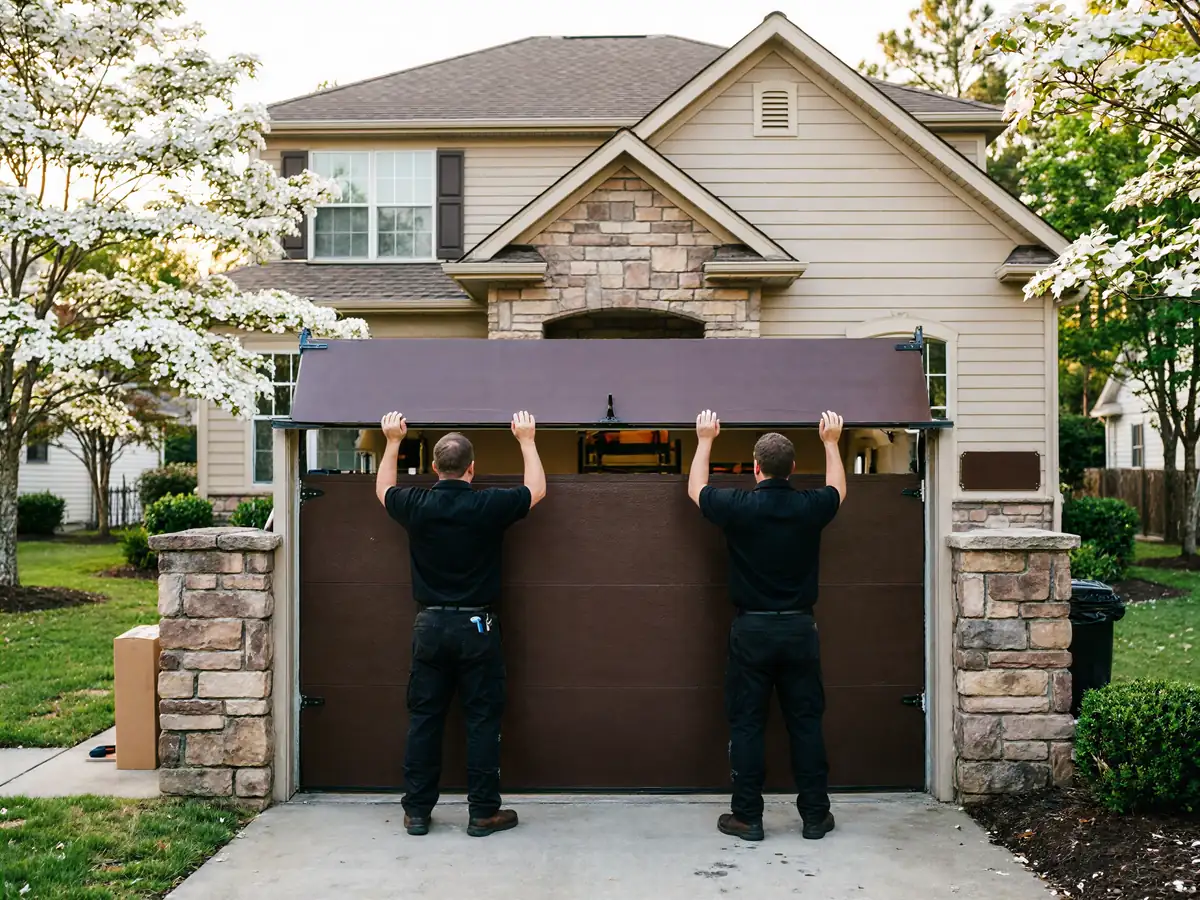
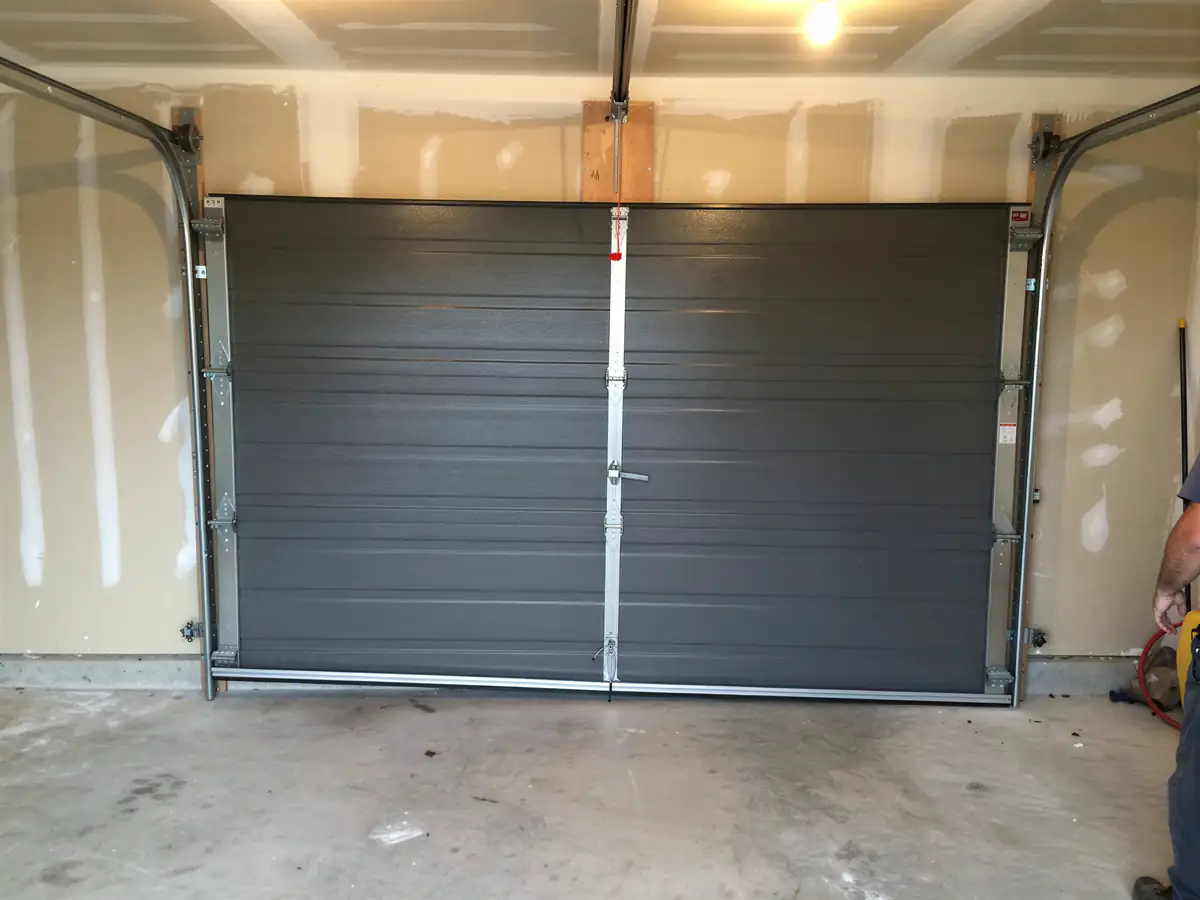
If the spring failure has also warped a track or cracked a panel - which happens more on older aluminum sectional doors - we'll get the door safe and operable that night and talk through full replacement separately, on your schedule, not at 11pm.
How It Shows Up
The classic sign is a loud bang from the garage, followed by a door that won't budge or that the opener strains against without moving it an inch. That's almost always a broken torsion spring - the door is now dead weight and the opener was never built to lift it alone.
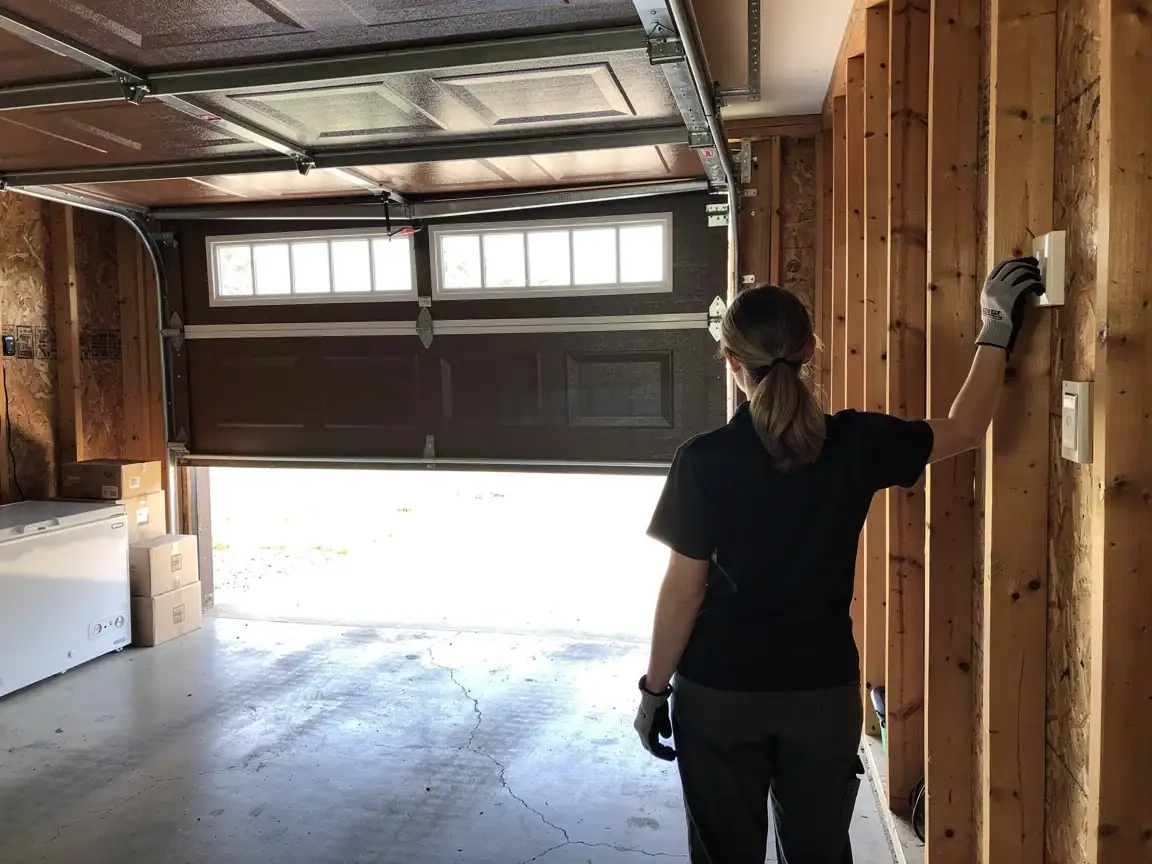
A quieter version: the door opens partway, then stops or reverses on its own. That's often a cable off the drum or a sensor misaligned by a cold snap, not the spring itself. One side of the door hanging lower than the other while it's moving is a sign a cable has slipped, not broken outright, and it's worth a call before it does break.
If the opener runs but the door doesn't move at all, listen for a grinding or clicking sound from the unit - that's usually the drive gear stripping, common in units installed during the 1980s-2000s wave of construction across this area. None of these are wait-until-Monday problems once the door won't close; an open or stuck garage door is a security gap and, in cold weather, a heat loss problem for the whole house.
Stocked Parts
We keep torsion springs in the sizes that match doors installed through the 1964-2007 build range, standard lift cables, rollers, and drive gears for the opener brands most common in houses from that era. That's what lets most emergency calls end with a working door the same visit instead of a return trip.
What we don't keep on the truck is every spring wind or opener control board ever made - some older or less common opener models need a part ordered in, and we'll tell you straight if that's the case rather than guessing at a fix. A full panel replacement, for a door that's been dented or has rusted through, also isn't a same-night parts job; that gets scheduled once the door is safe.
We cover the Milton service area and the surrounding communities, including areas as close as about 6 miles ENE, out to towns like Ball Ground and Waleska 14 to 18 miles out. Parts stock is the same across that whole area, which is why we can move fast between calls without circling back to the shop.