The Seasonal Bit
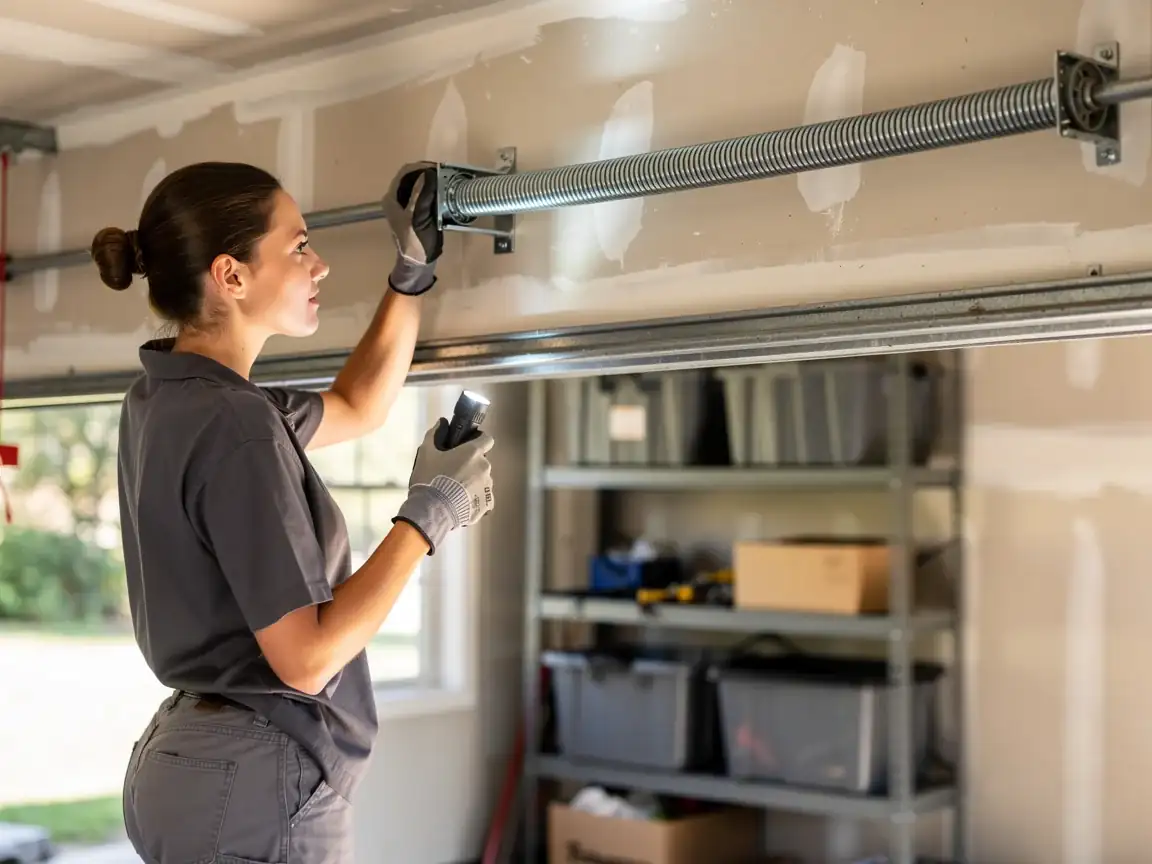
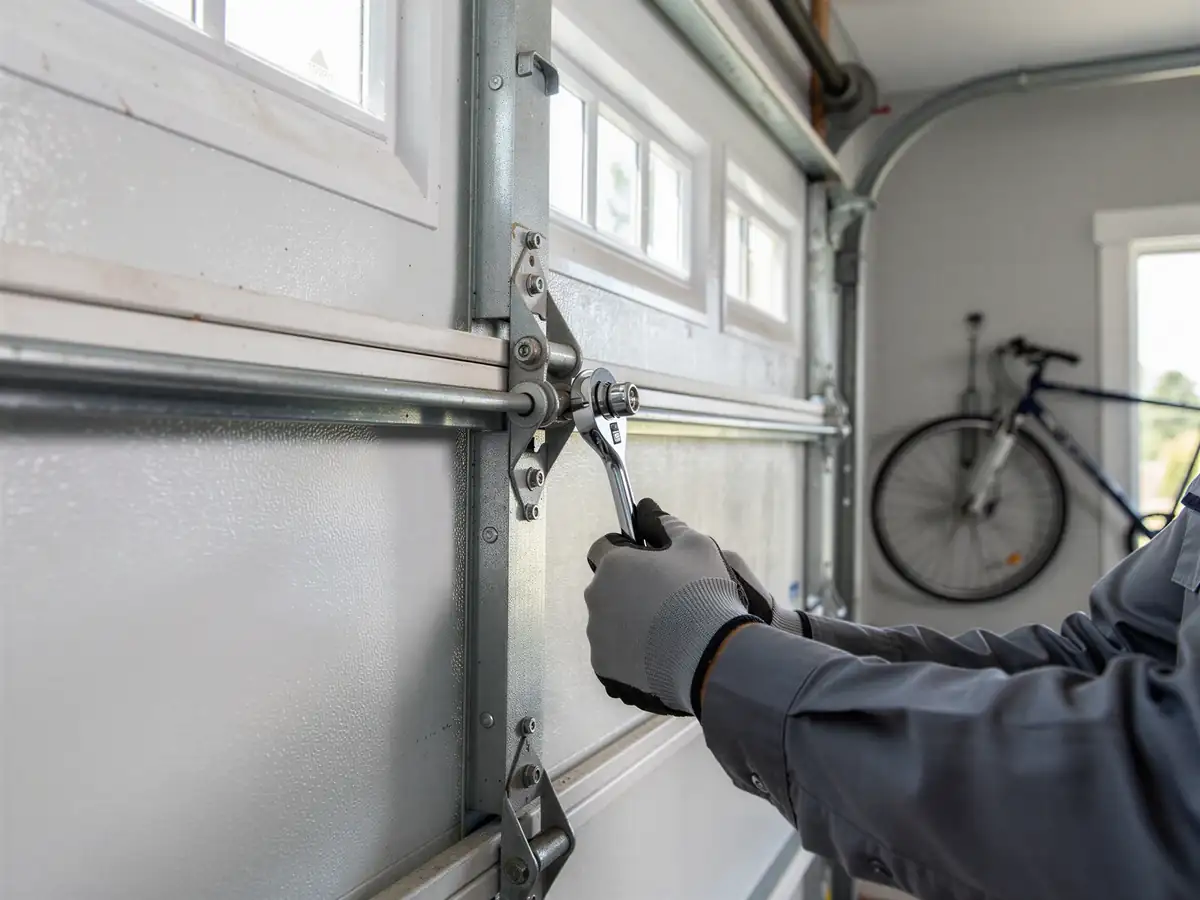
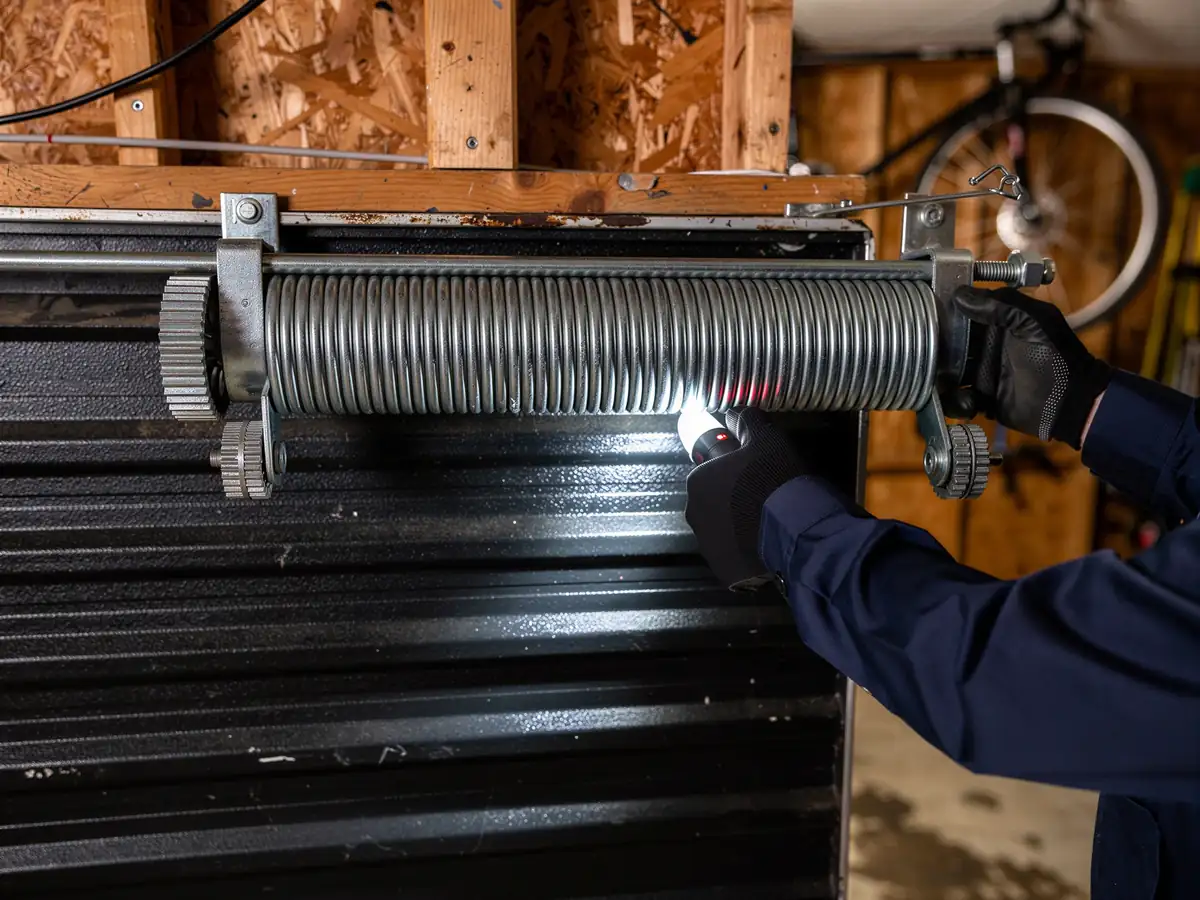
Milton sits in a cold-moderate climate band, which means the garage door hardware here goes through a real freeze-thaw cycle every winter, not a hard freeze like the mountains and not the mild swing you'd get further south. That matters for springs and rollers more than most homeowners realize. Steel contracts in the cold, lubricant thickens, and a torsion spring that was fine in August can bind or snap in January. A service call in this climate almost always includes a check of spring tension and a look at roller wear, because those are the two parts that show seasonal stress first. We don't push a once-a-season tune-up because it sounds responsible - we push it because the temperature swing here actually does something to the hardware. If your door has gone quiet and smooth all summer and then starts grinding in the first cold stretch, that's the climate talking, not bad luck. A call during that window usually catches the spring before it fails outright, which is cheaper and safer than an emergency replacement.
What You Pay
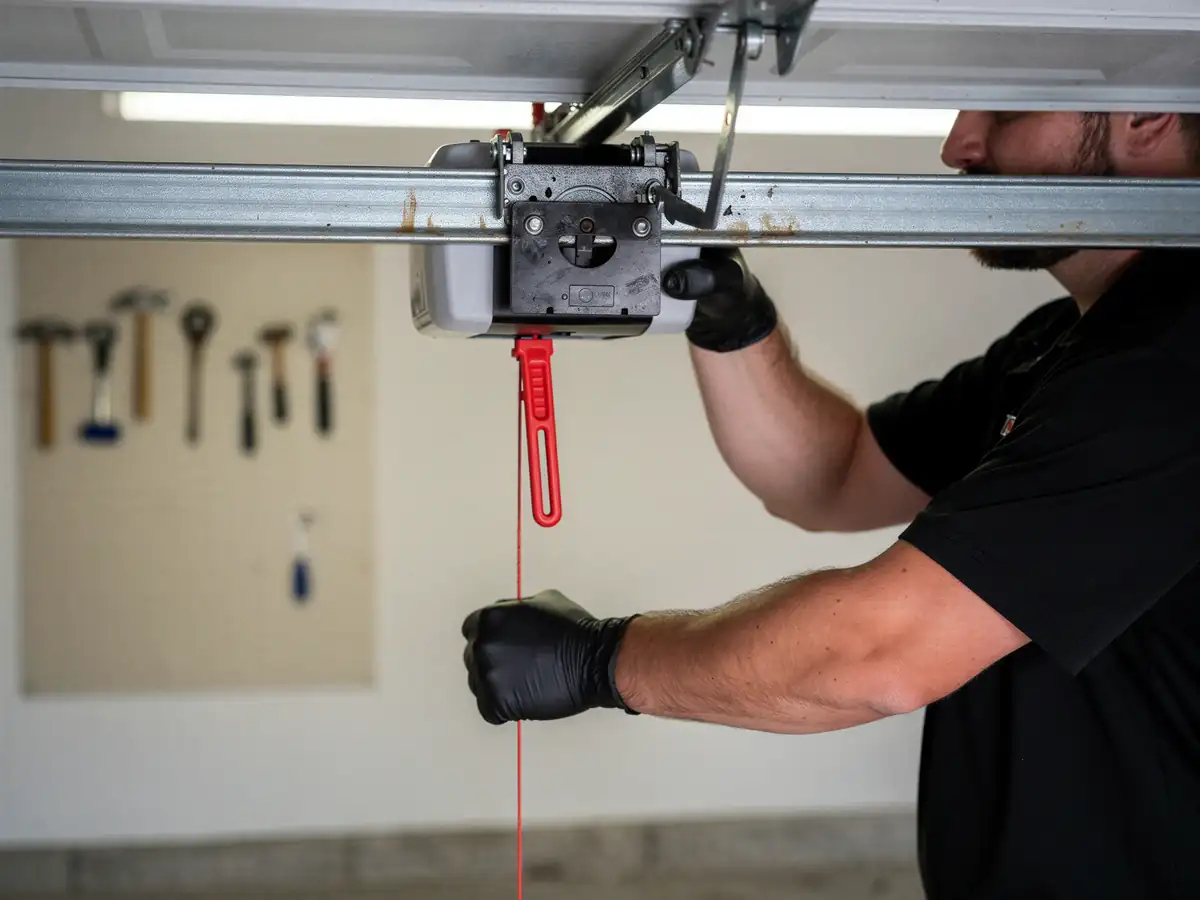
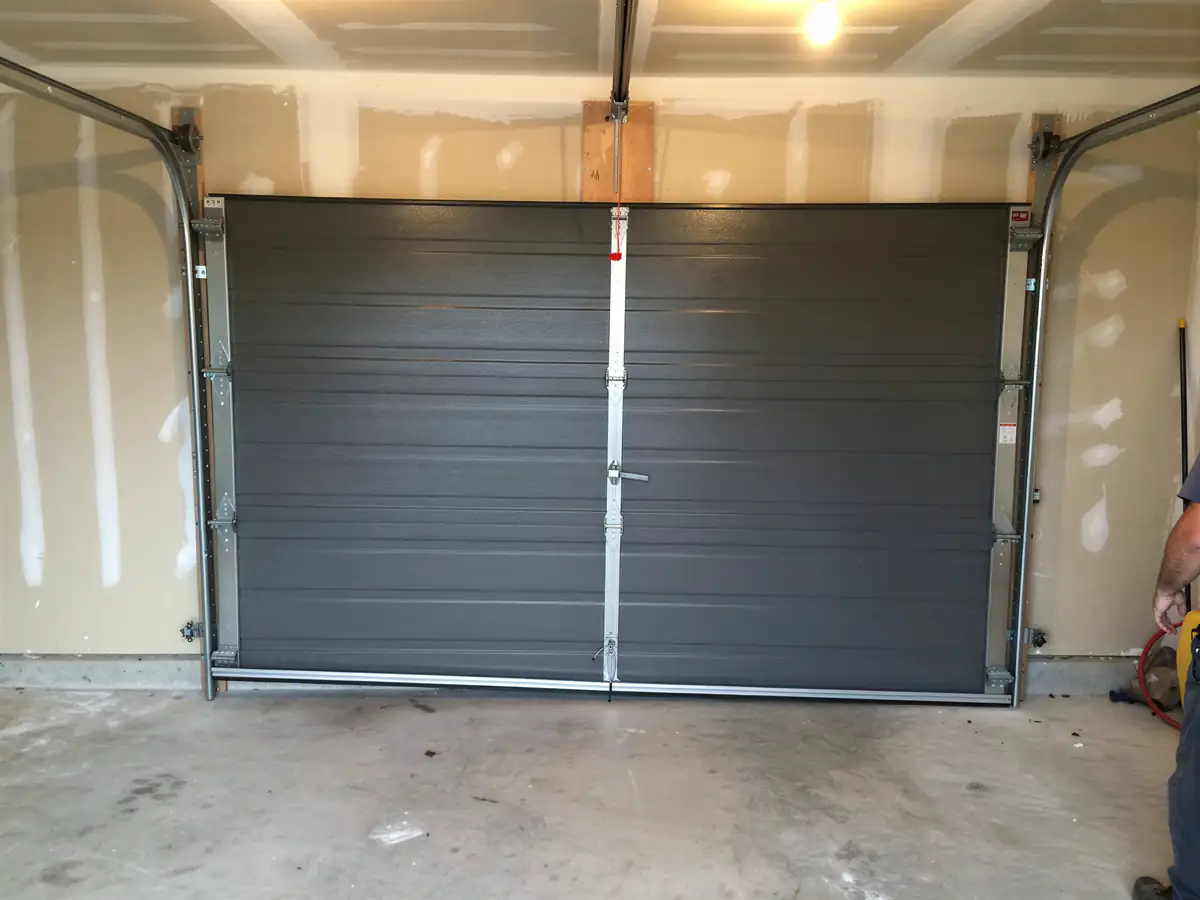
We don't post a flat number here because what a call covers depends on what's actually on the door - a 1980s steel panel door with a worn torsion spring is a different job from a 2000s insulated door with a failing opener logic board. What we can tell you is what's included in the visit itself: a full inspection of springs, cables, rollers, track alignment, and opener function, not just a fix for the symptom you called about. With median household income in this service area at $90,626 across roughly 35,811 households, and 15,372 of those owner-occupied houses, we see a mix of people who want the thorough version done once and people who want the minimum to get the door moving again today. Both are reasonable. We'll tell you which repairs are worth doing now and which can wait, and we'll say plainly when a door built in the early part of that 1964-2007 range is close enough to the end of its service life that sinking more money into it doesn't make sense. That's not a sales pitch for a new door - sometimes it genuinely isn't worth fixing, and we'll say so.
How Local Conditions Play In
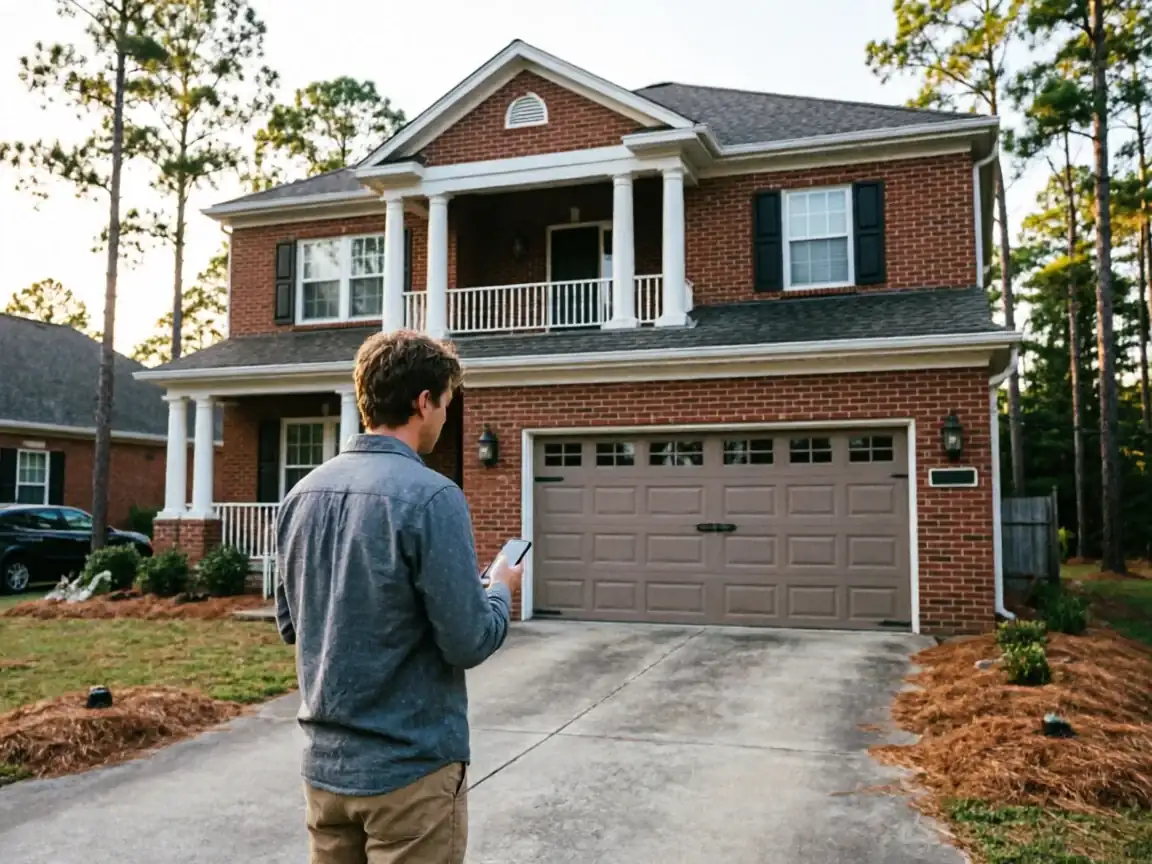
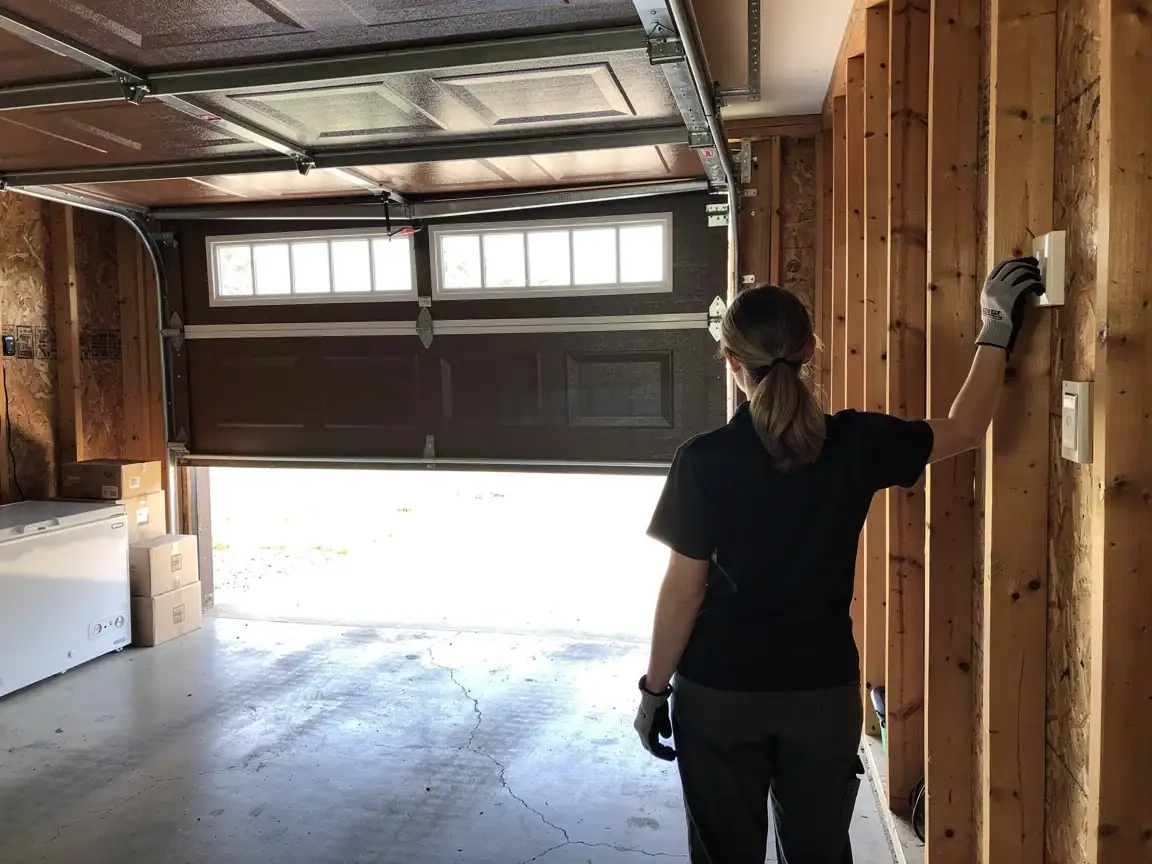
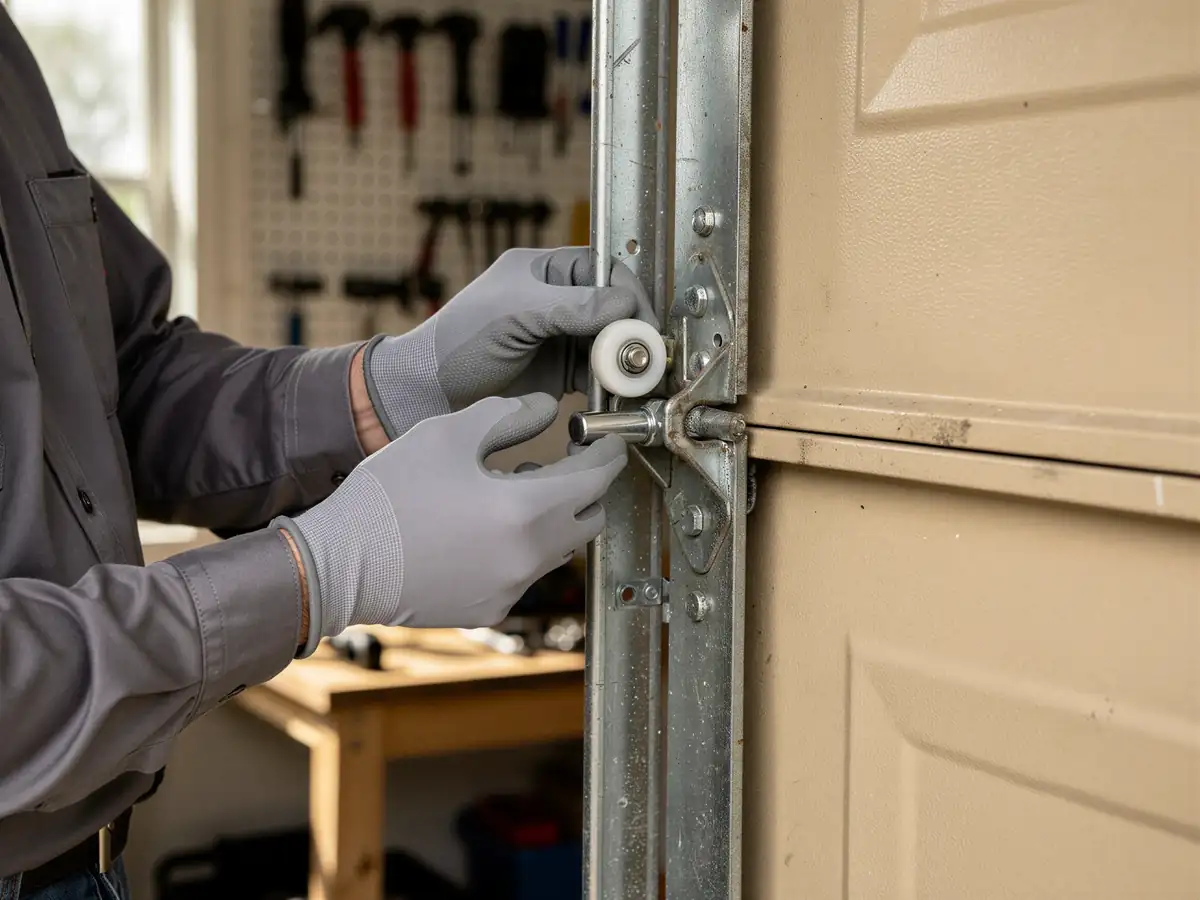
Beyond the cold-moderate winter swing, the age spread of the housing here means a lot of garage doors in this service area are running original torsion springs, steel tracks that have never been realigned, and openers with first-generation safety sensors. None of that is specific to one street - it's specific to a build era, and this area has a lot of houses from that 1964-2007 window clustered together. A service call accounts for that by checking parts that a newer house simply wouldn't have: older-style extension springs on some of the earliest builds, galvanized hardware that's started to pit after enough winters, and openers that predate current rolling-code security standards. One honest limitation: if a part is obsolete enough - some of the oldest track hardware in this range qualifies - we may not be able to match it exactly, and the fix becomes a partial upgrade rather than a like-for-like repair. We'll tell you that before we start, not after.