How That Shows Up in the Door
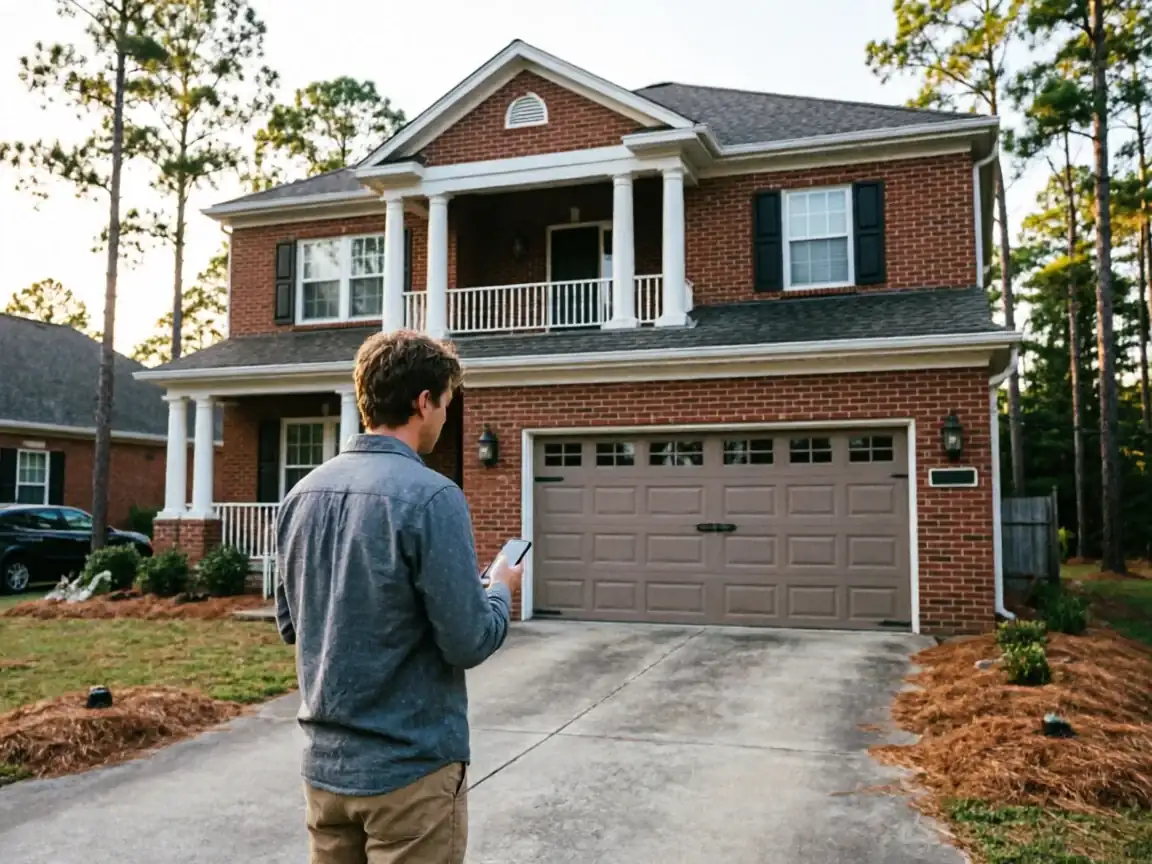
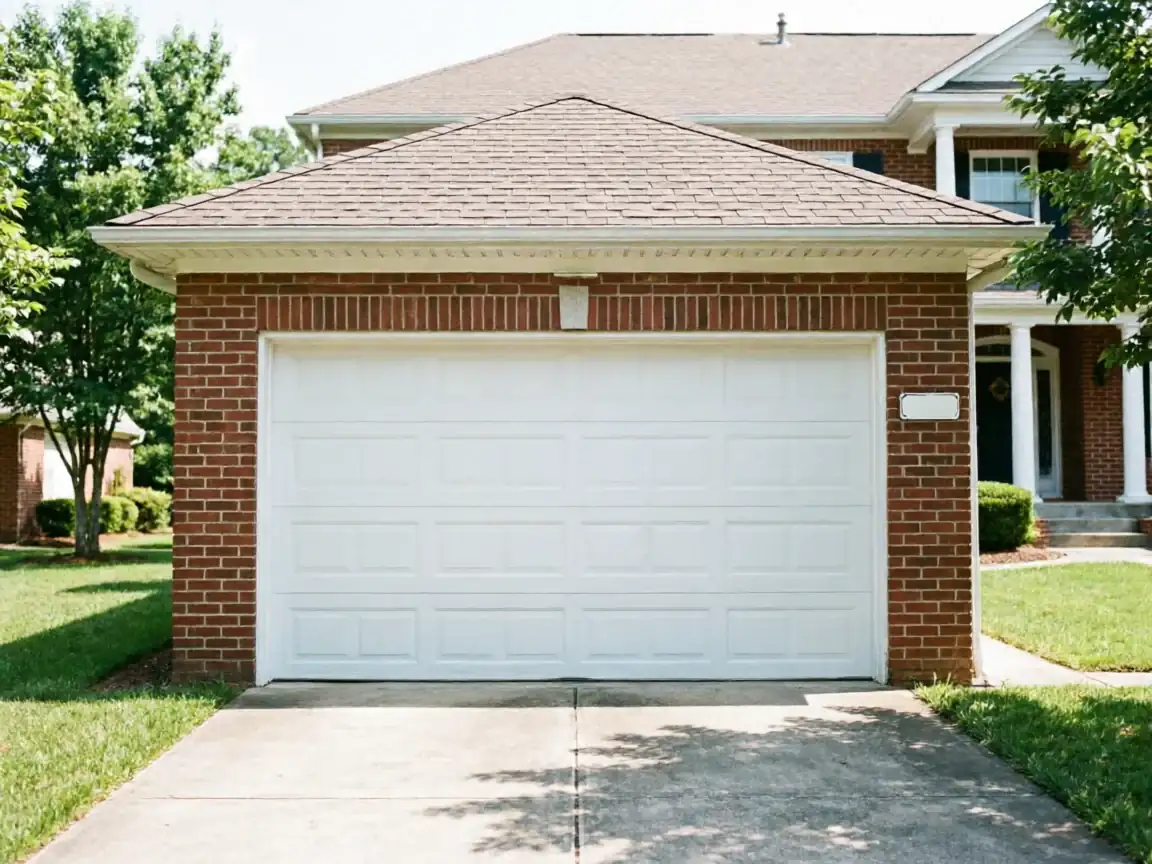
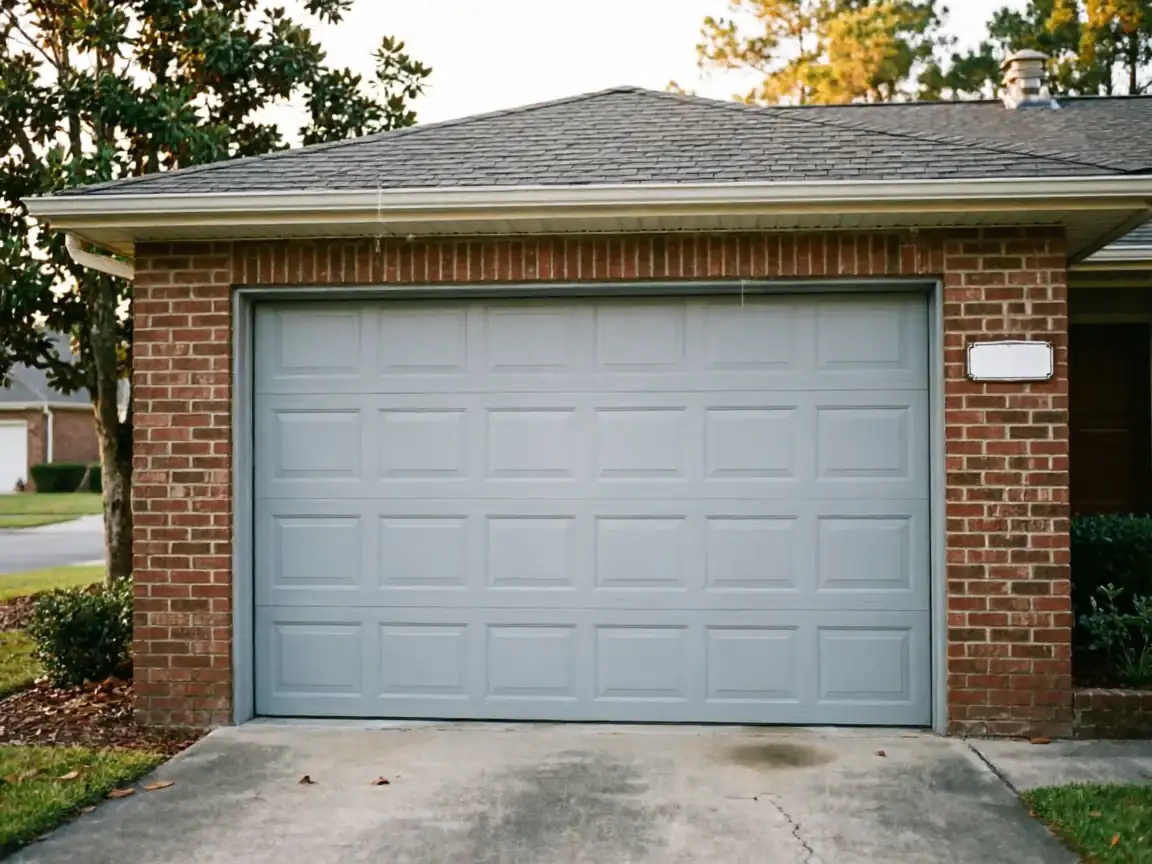
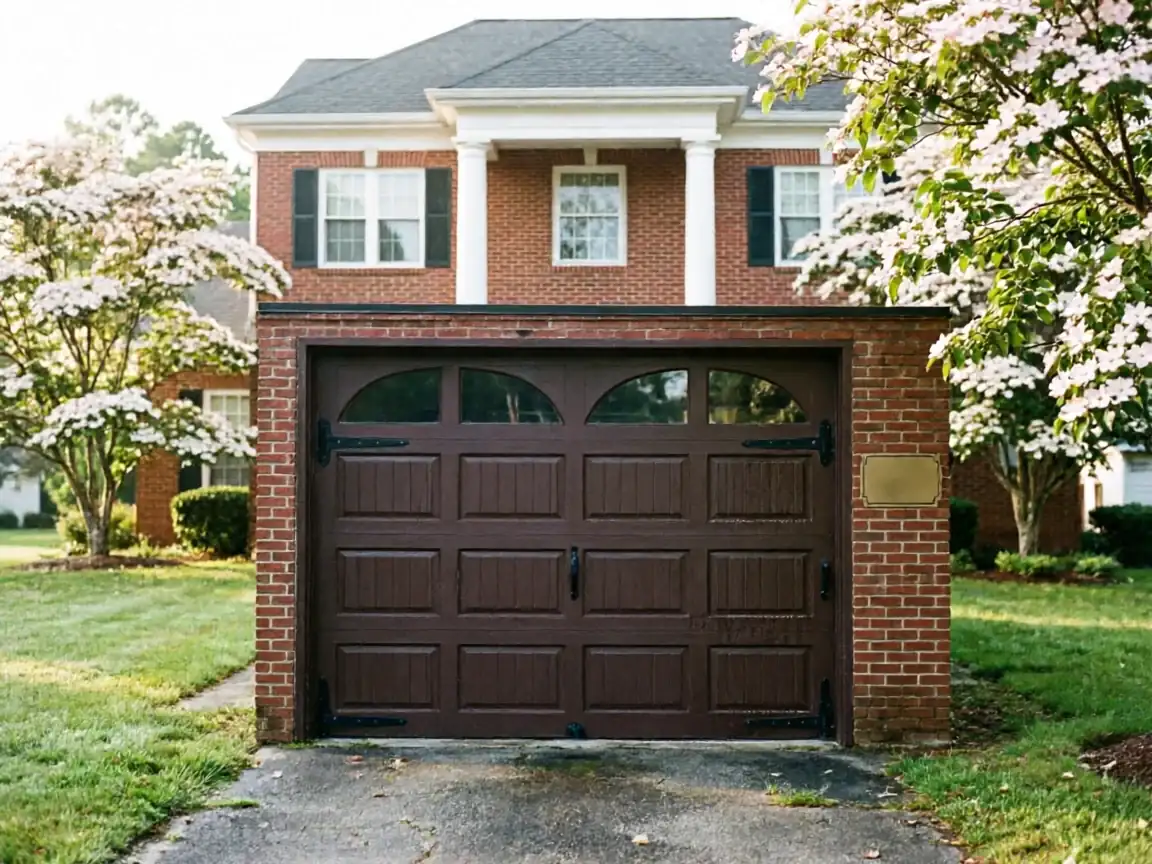
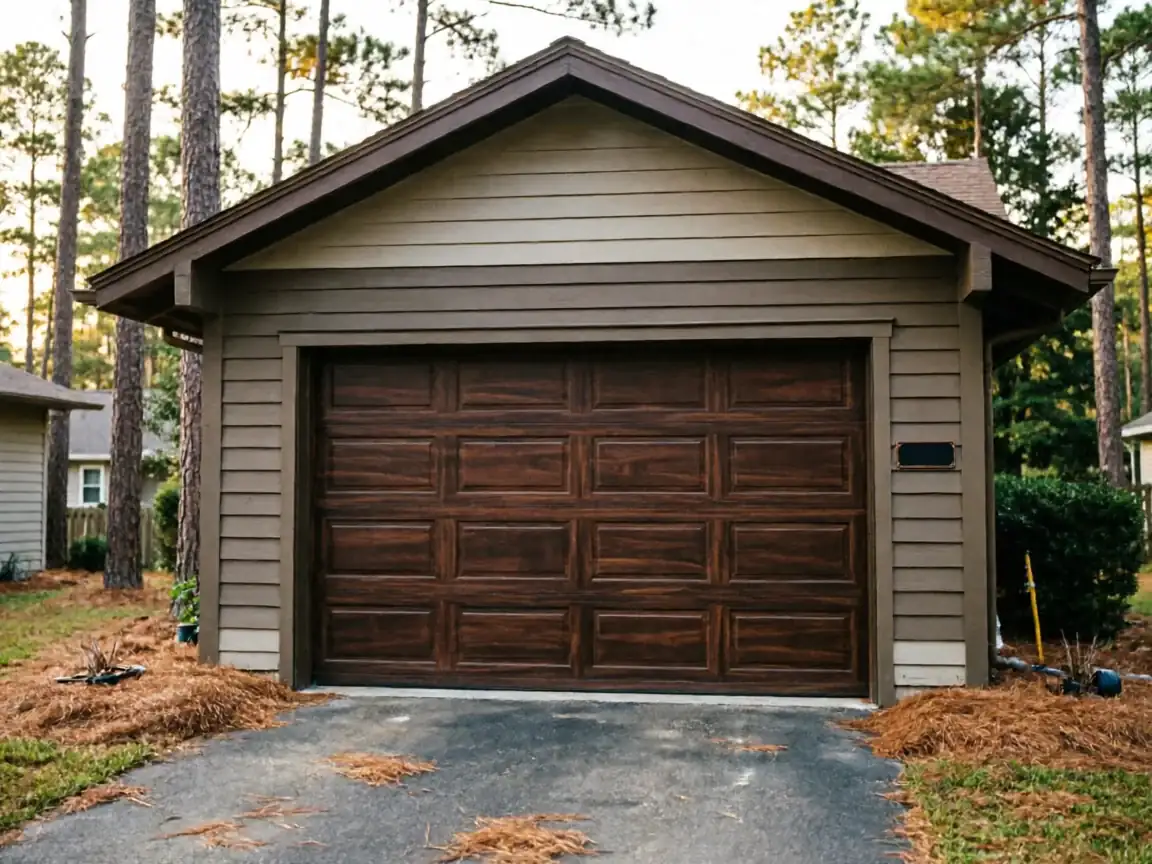
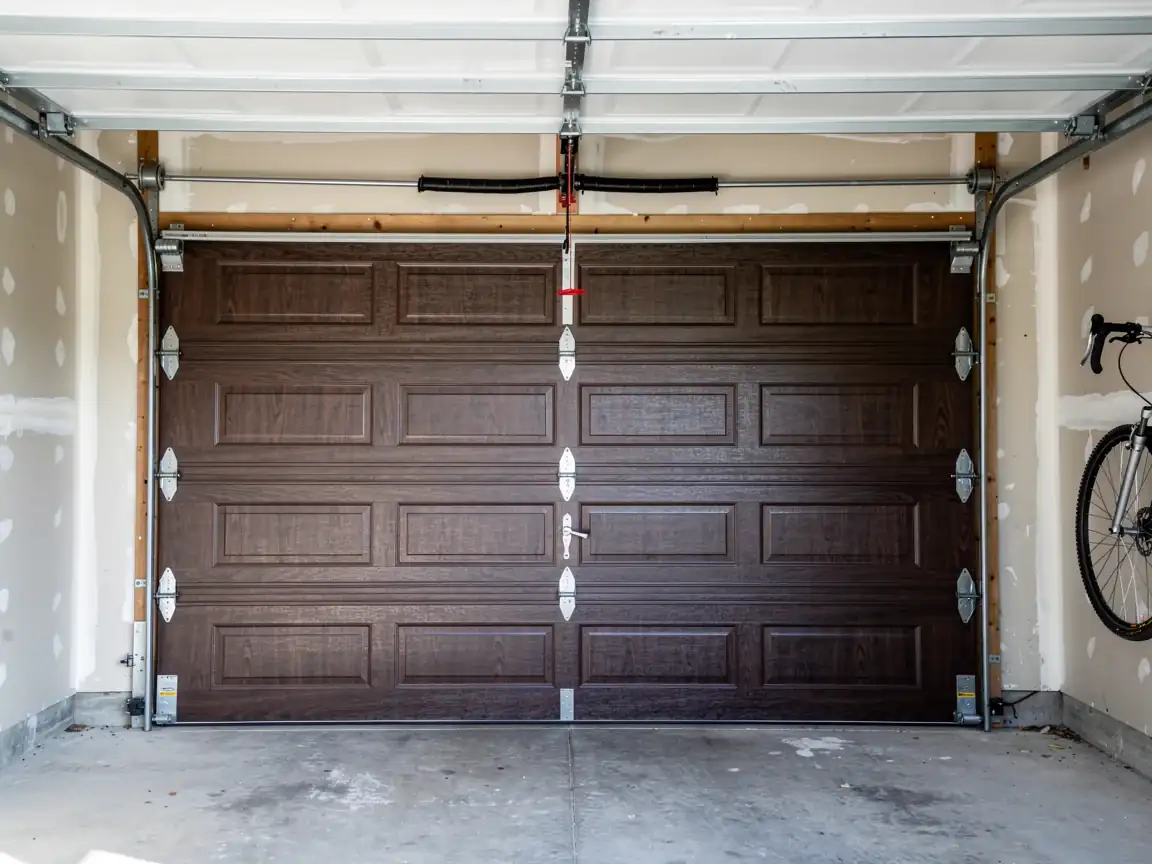
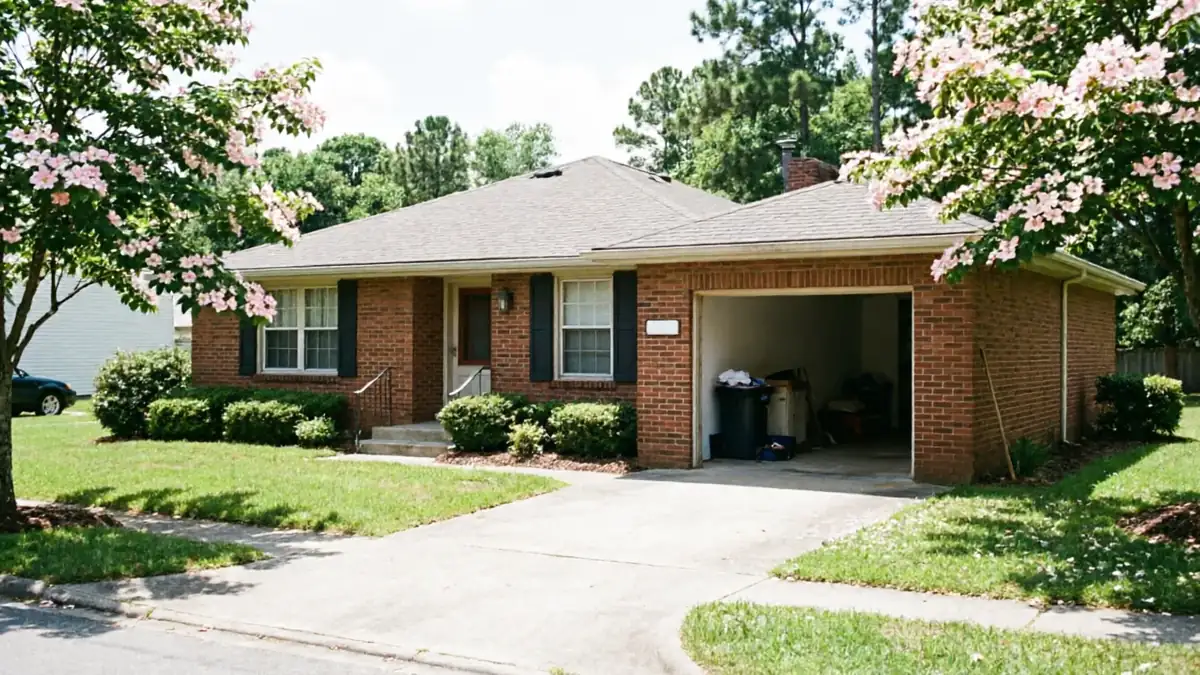
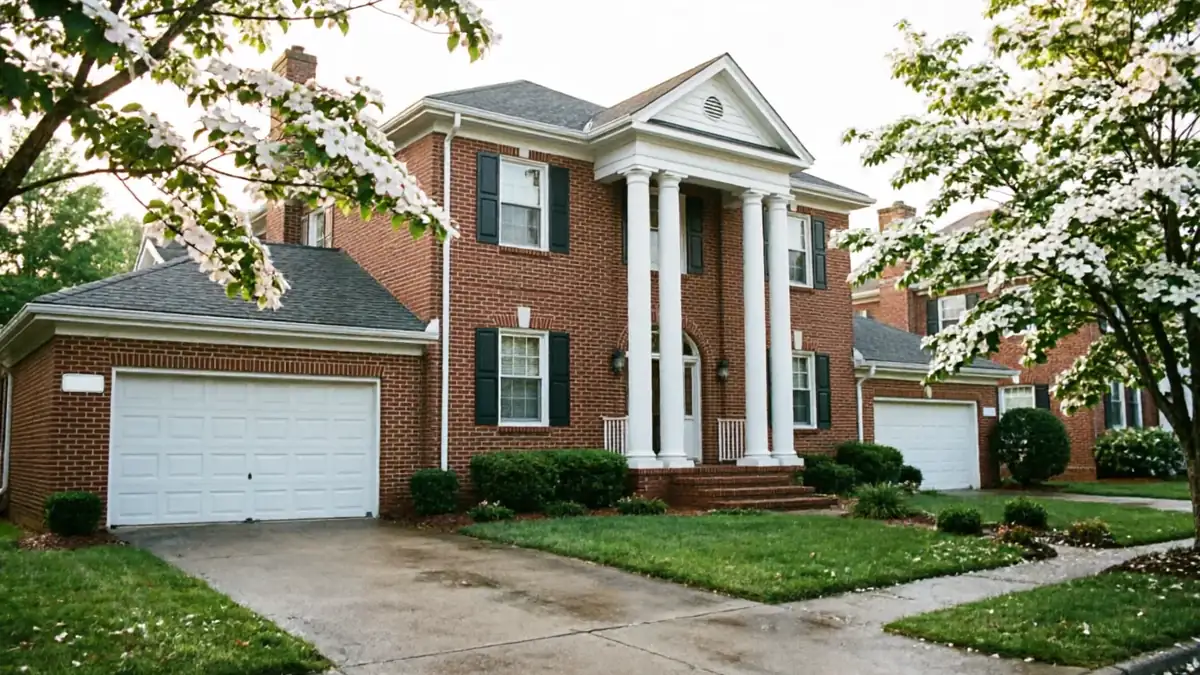
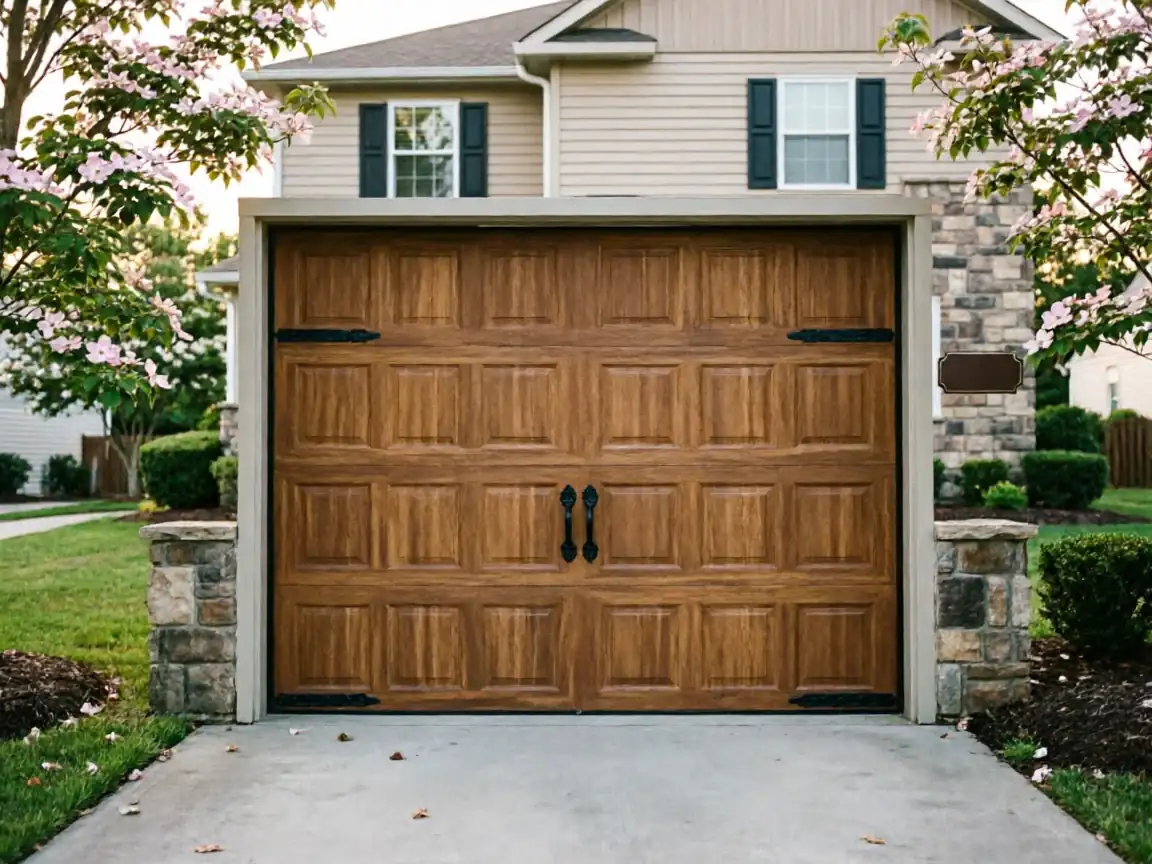
Berkeley Lake sits about 13 miles from our Milton base, and the houses here skew a bit later than a lot of the rest of our coverage area. Median year built is 1990, which puts most garage doors and openers into a narrower window than you'd guess from the service area as a whole, where construction runs from 1964 clear through 2007 with a median around 1992. That two-year gap matters less than the consistency: a Berkeley Lake call is more likely to be a steel sectional door on a chain-drive opener from the early-to-mid 90s than it is to be either a much older torsion-spring holdout or a brand-new belt-drive install. The failure points follow the era - worn chain-drive gears, drying nylon rollers, and circuit boards that are old enough to flake out under a cold snap but not old enough that parts are impossible to find.
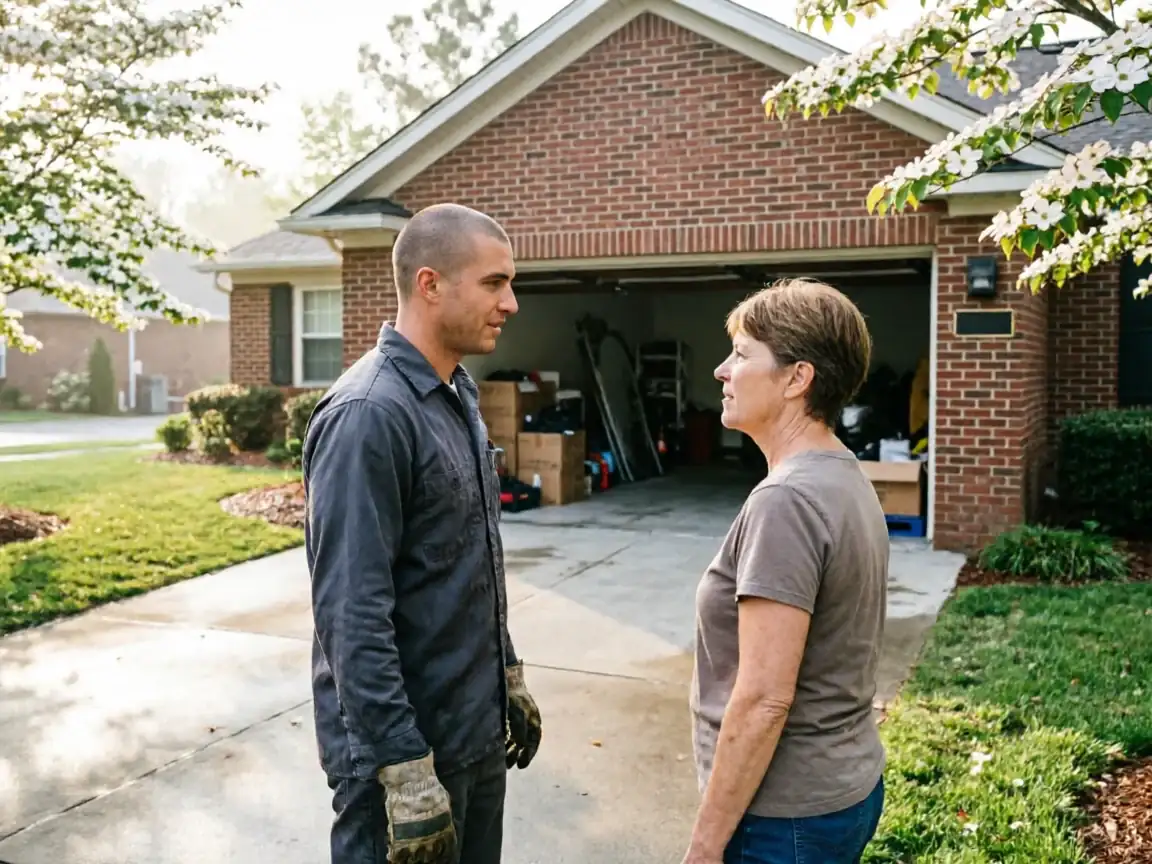
We don't keep a crew stationed in Berkeley Lake. Every job here is a drive from Milton, so we're not the people to call for something that needs to be looked at inside the hour - we're the people to call for a door that's going to need the right diagnosis and the right part the first time.
This Area's Housing
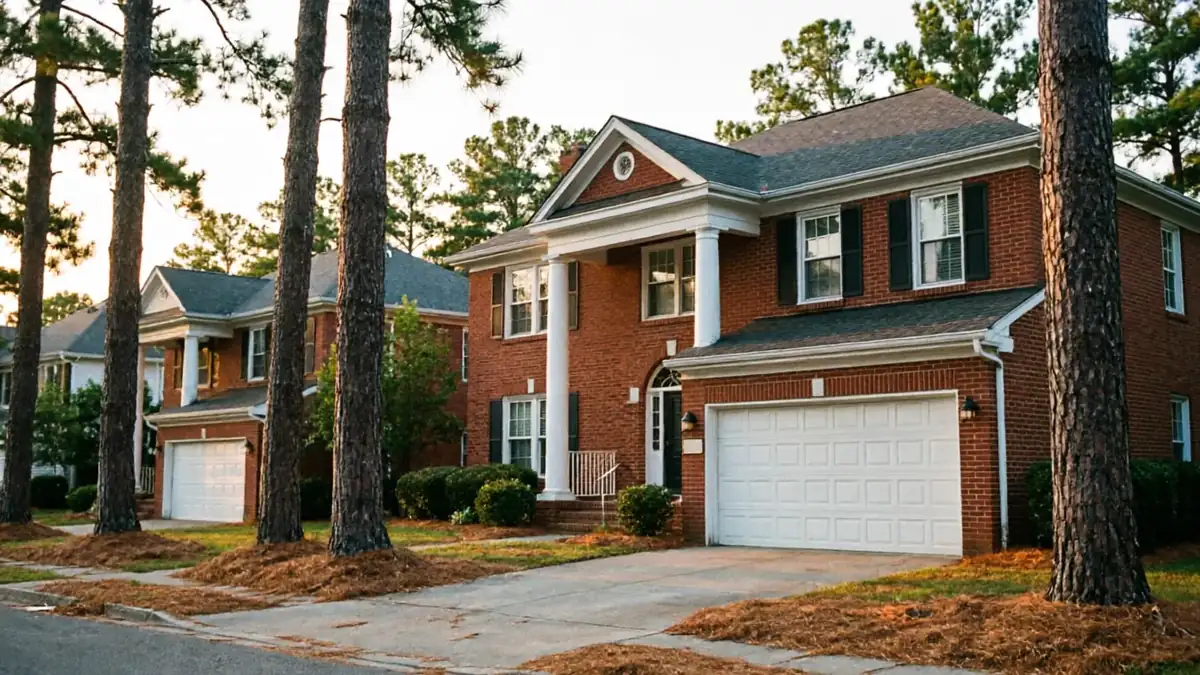
With 931 households, Berkeley Lake is a small slice of the roughly 35,811 across our whole coverage footprint
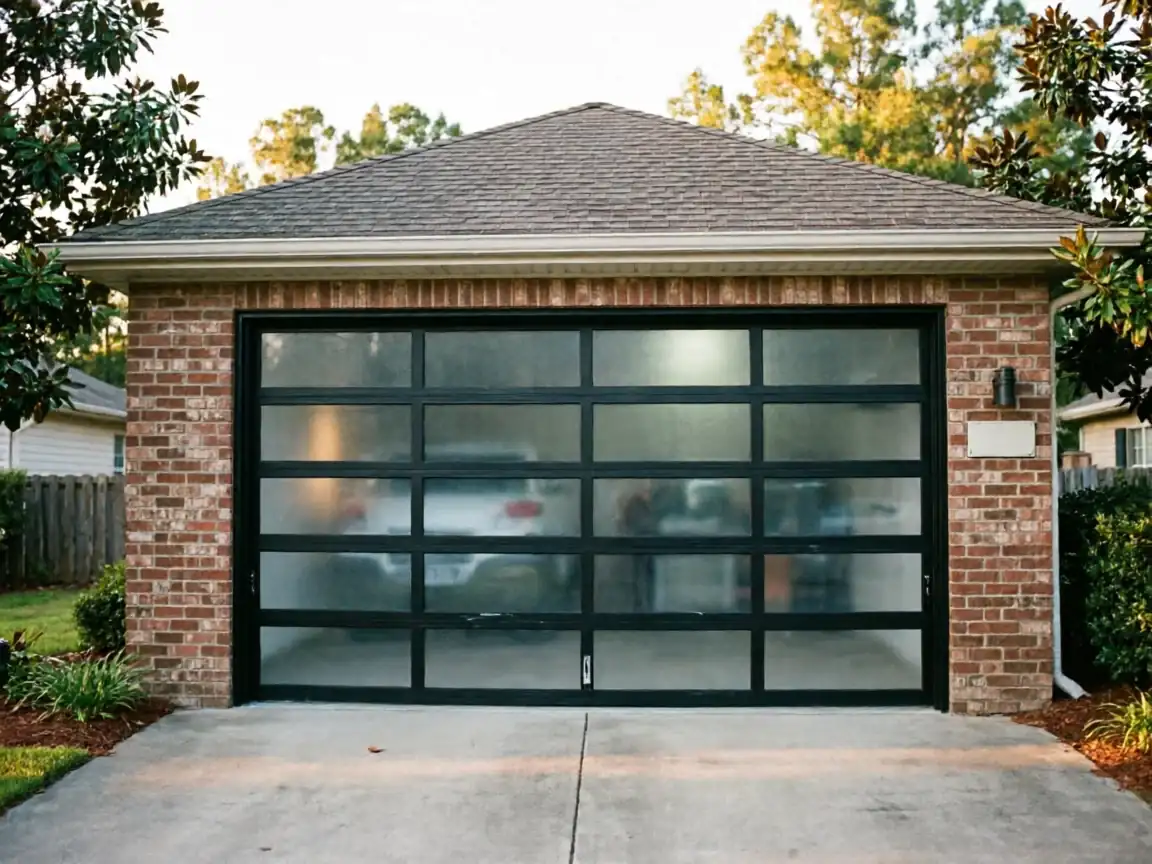
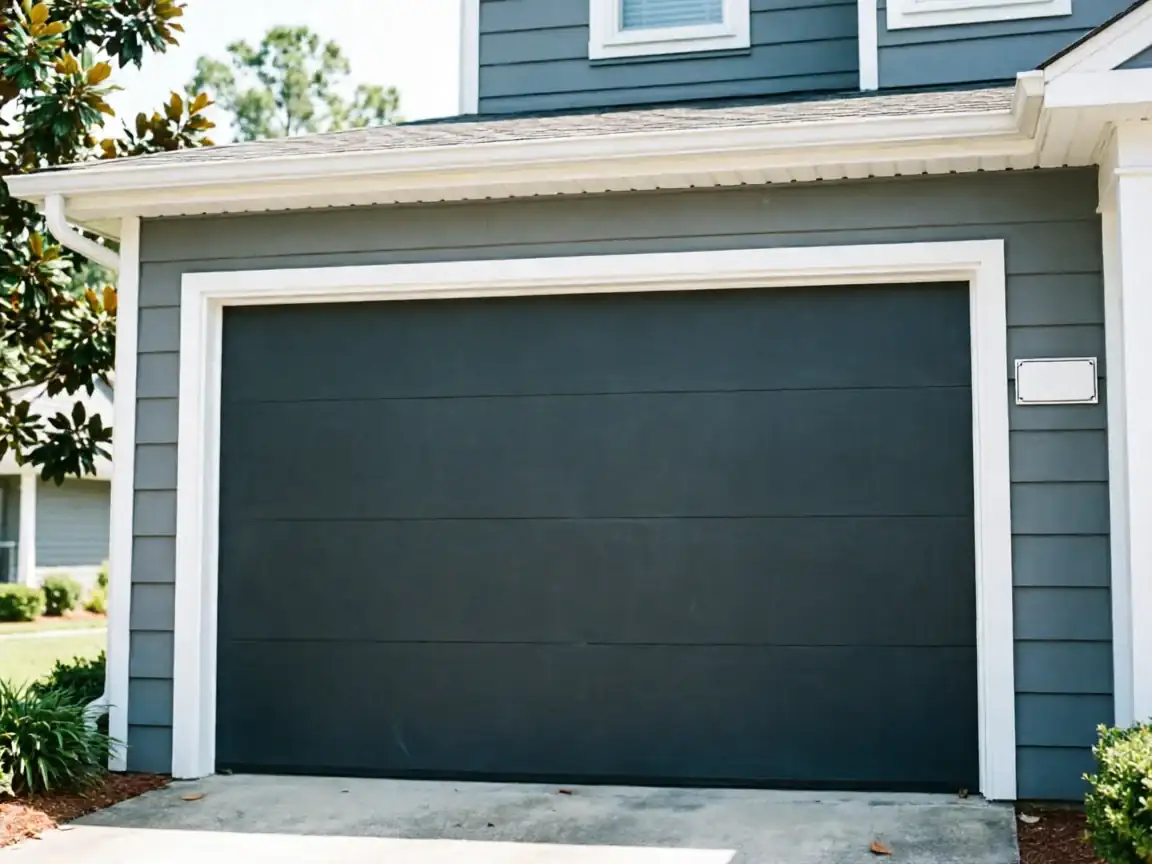
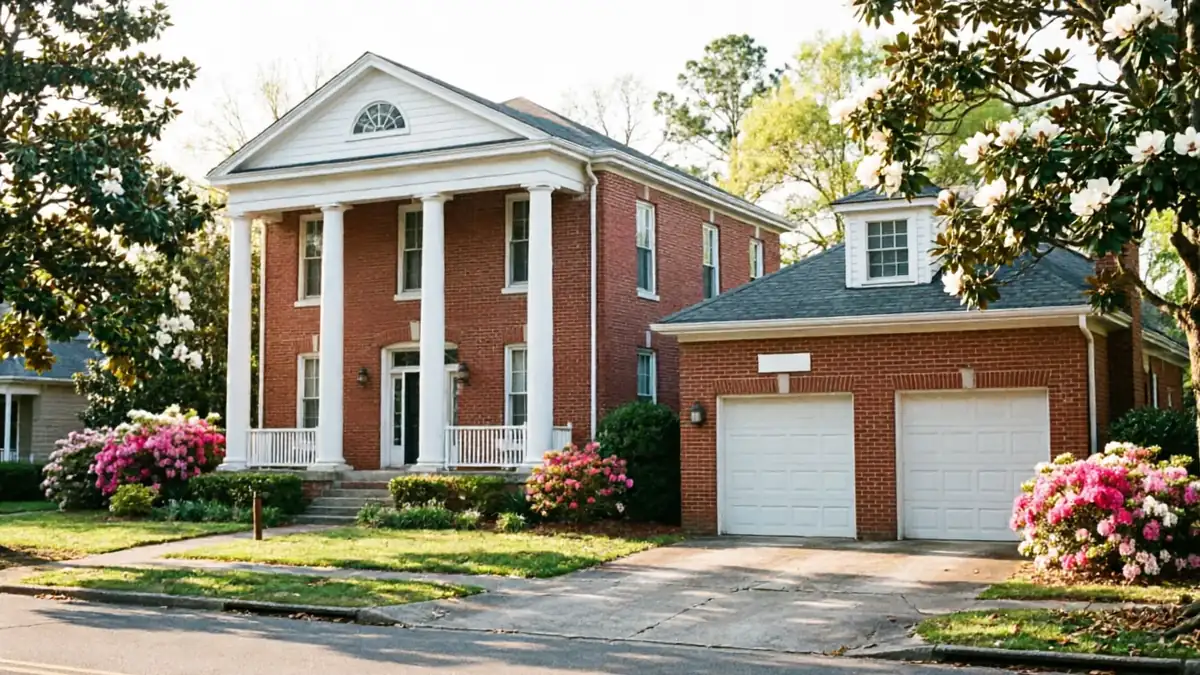
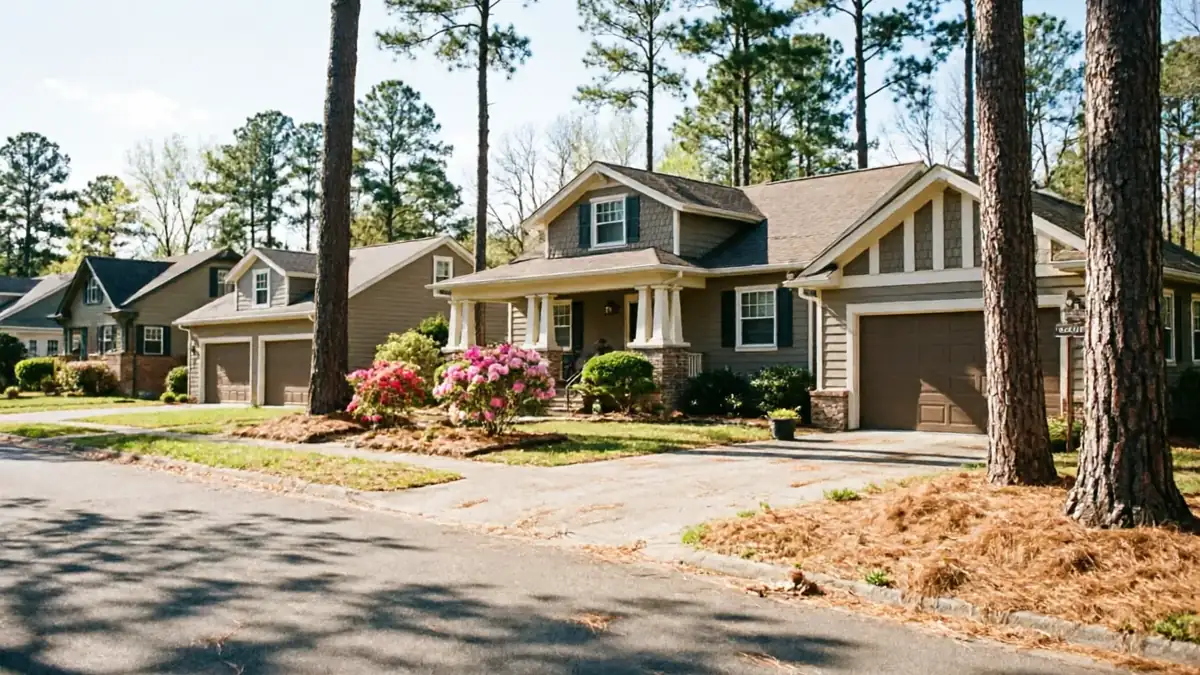
The median household income here runs $160,505, well above the service-area median of $90,626, and that shows up in the kind of doors we see - more insulated steel and composite panels, fewer bare single-skin doors, more openers with battery backup and smartphone control added on at some point after the original build. It also means more homeowners asking us to replace rather than patch once a door's opener or spring setup starts showing real age, because the cost difference between a repair and a full swap matters less here than it does in lower-income pockets of the territory.
- 931 households
That said, income doesn't change the physics
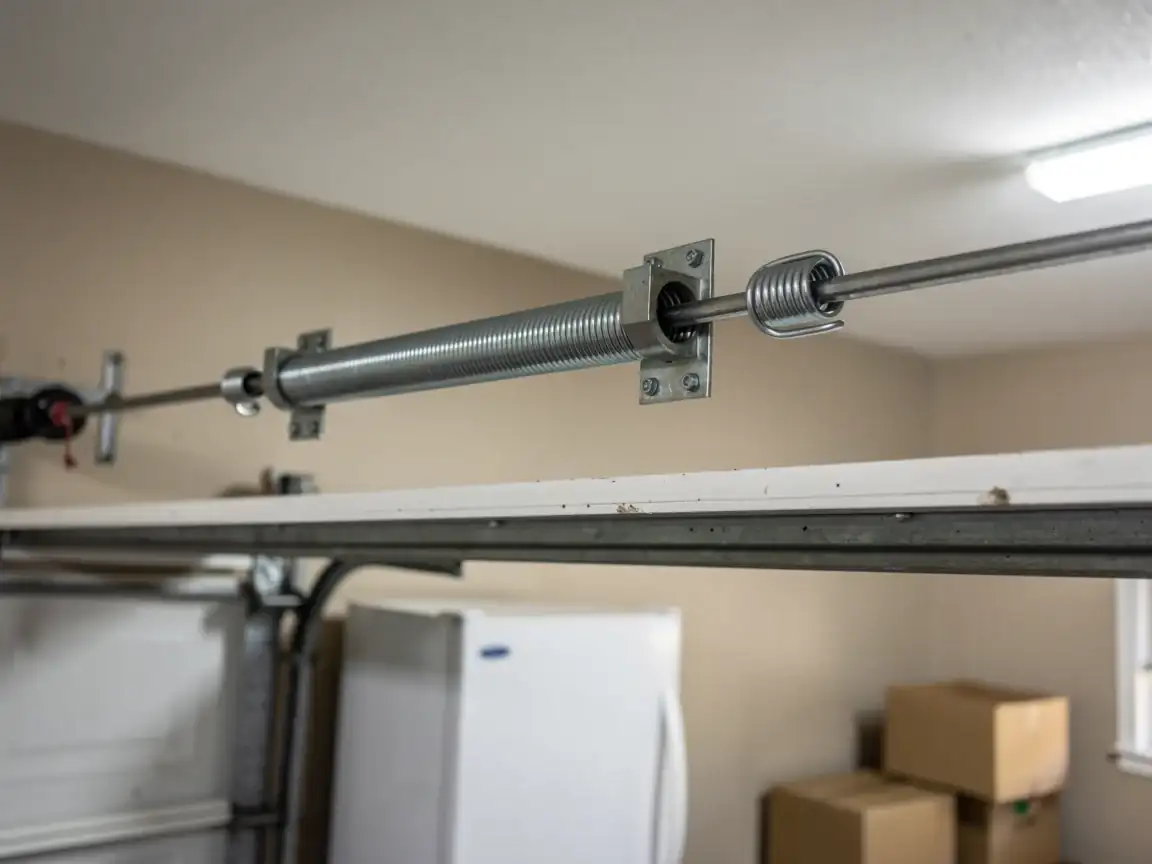
A torsion spring rated for a certain door weight still fails on a schedule driven by cycles and weather, not by the size of the house it's attached to.
The Split Between Old and New
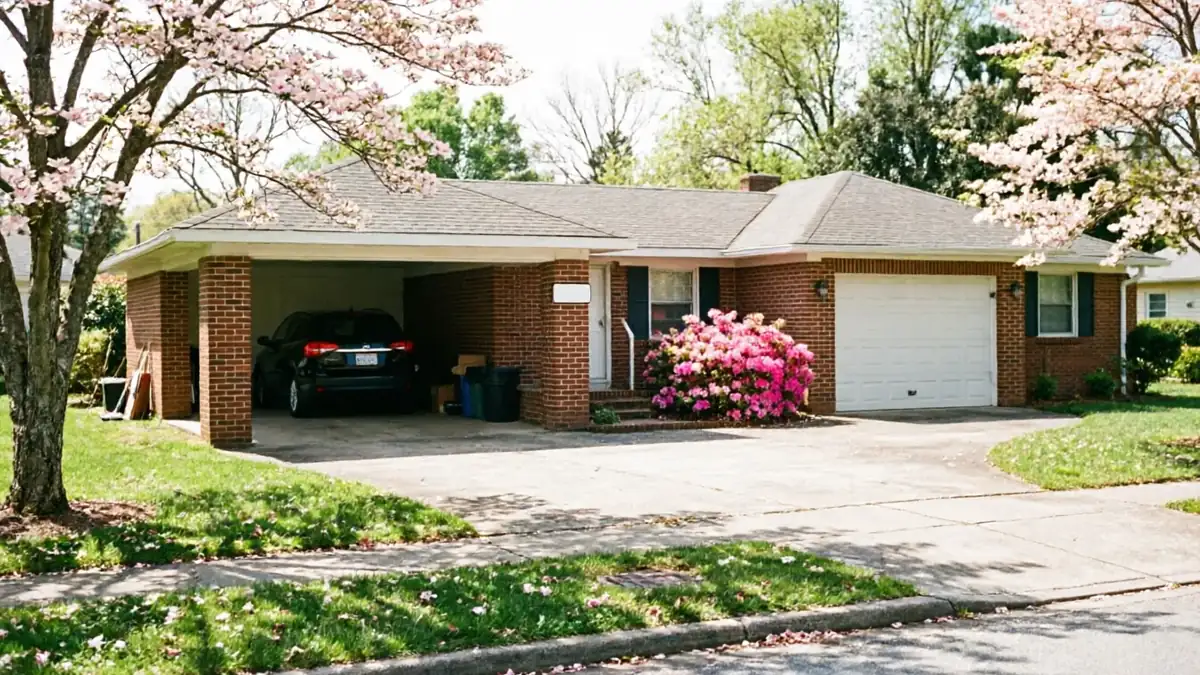
Across the ten named areas we cover, the housing stock runs from 1964 to 2007 - a 43-year spread. Berkeley Lake's 1990 median year built lands it on the newer side of that range but still well clear of the most recent construction. Practically, that means you're unlikely to find a door here old enough to need the obsolete hardware that turns up on 1960s and 70s houses elsewhere in the territory - things like side-mounted torsion units or extension springs with no safety cables. What you will find is mid-90s steel doors reaching the point where the galvanized coating has started to go at the bottom panel, and openers from the same era hitting the end of their motor life.
We also work the colder end of what this region sees - F3's moderate cold climate band means freeze-thaw cycles that stress weatherstripping and metal track alignment over the winters, more than it means the kind of extreme cold that cracks panels outright.
Common Jobs Here
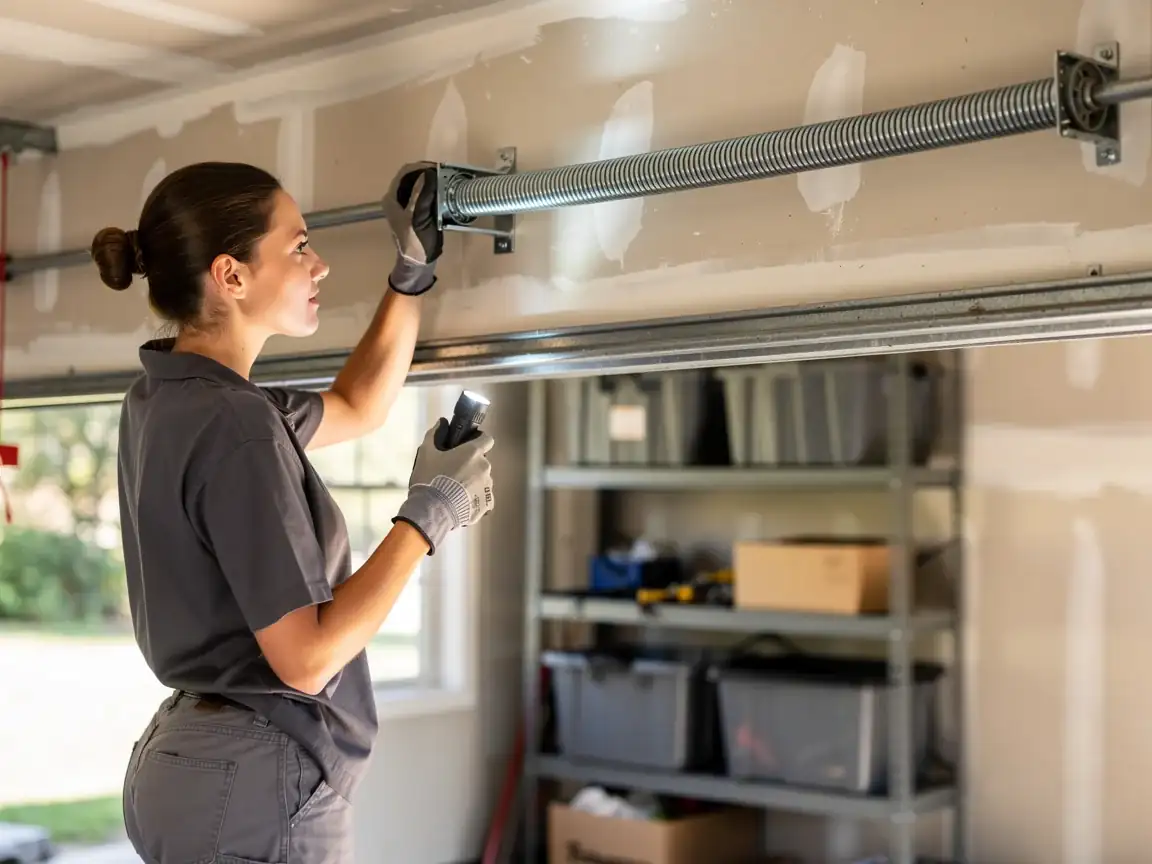
Given the age and type of door that dominates Berkeley Lake, the calls we get tend to cluster. Chain-drive opener motors burning out after two decades of use. Torsion springs on steel sectional doors reaching the end of their cycle count - not dramatic, just a door that suddenly won't lift or slams down on the way closed. Rollers that have gone from nylon-white to cracked and loud. Weatherstripping at the bottom panel that's hardened and stopped sealing, which matters more here given the moderate cold swings this part of the region gets.
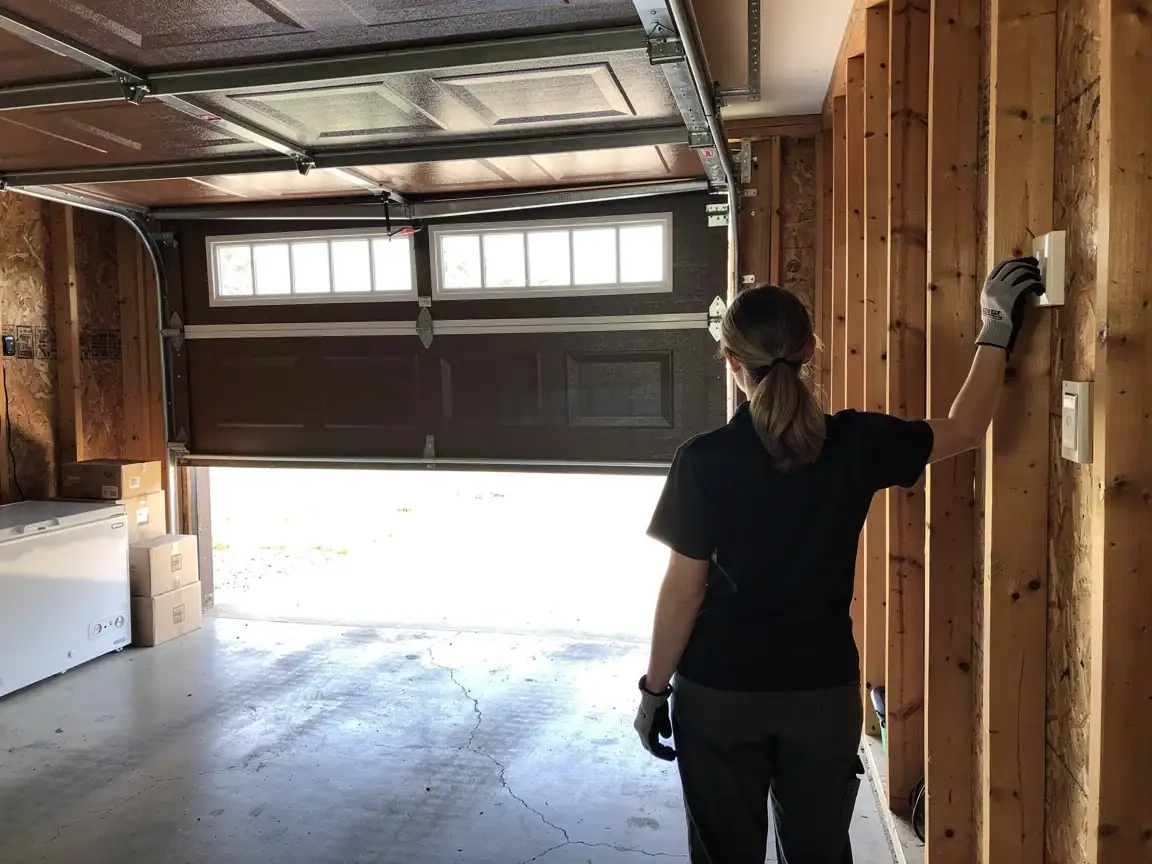
One honest limit: if a door's track is badly bent or the opener's circuit board is a model that's been discontinued for years, sometimes the right call is a new door and opener rather than another round of patch repairs. We'll tell you when that's the case instead of running up a bill on parts that won't hold.