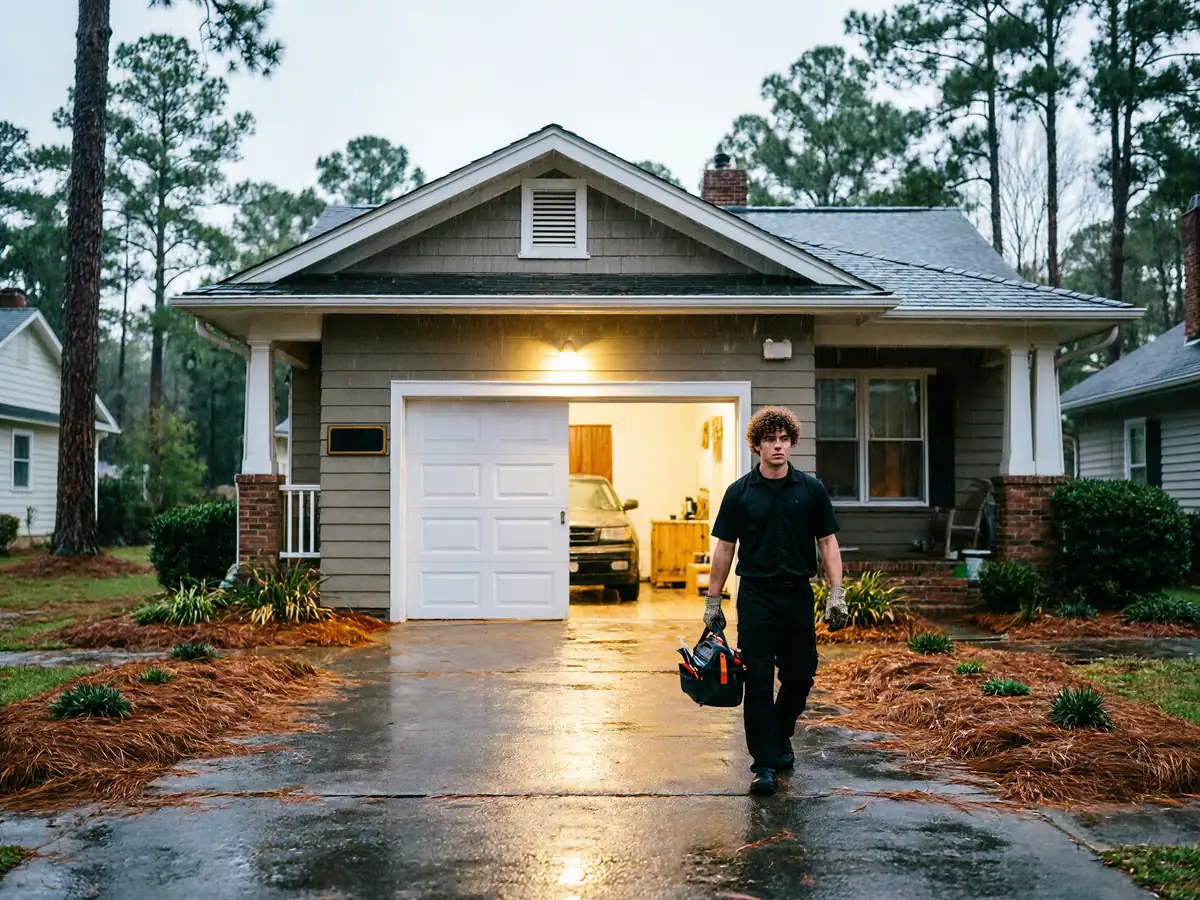
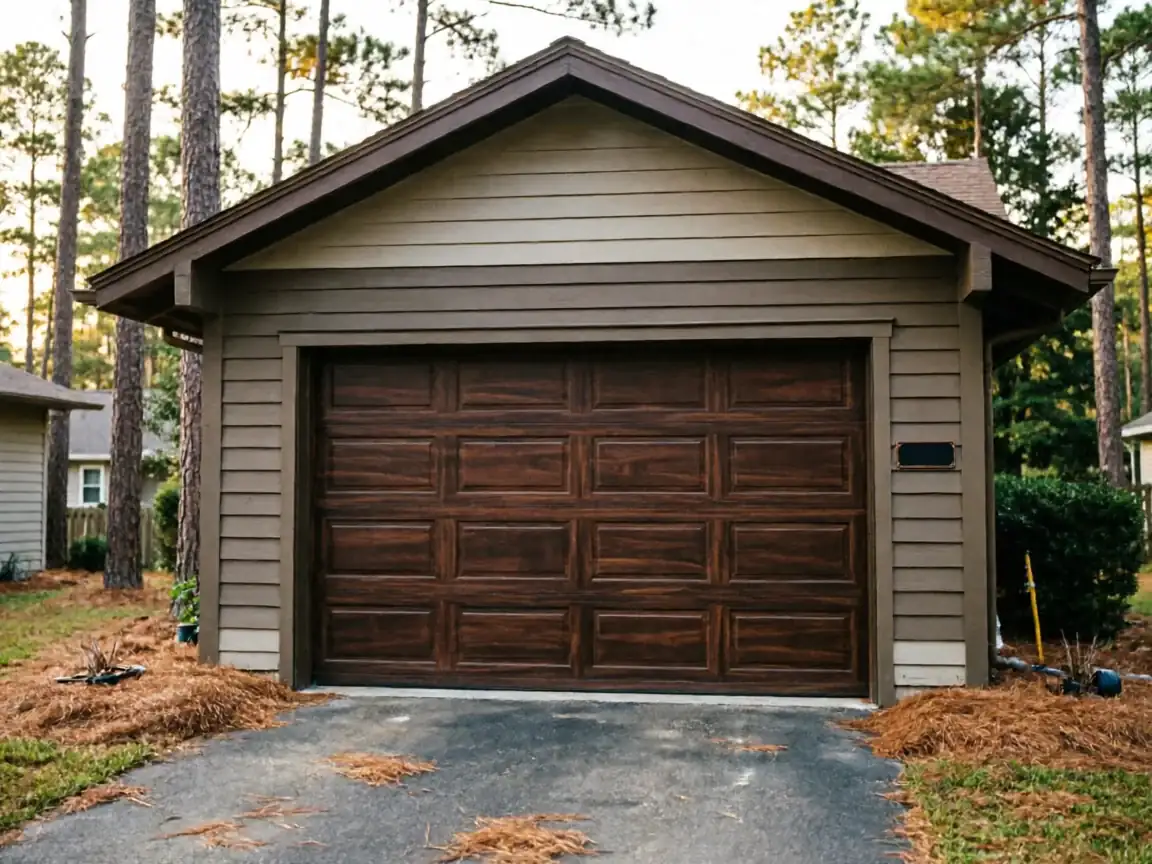
What Can Go Wrong
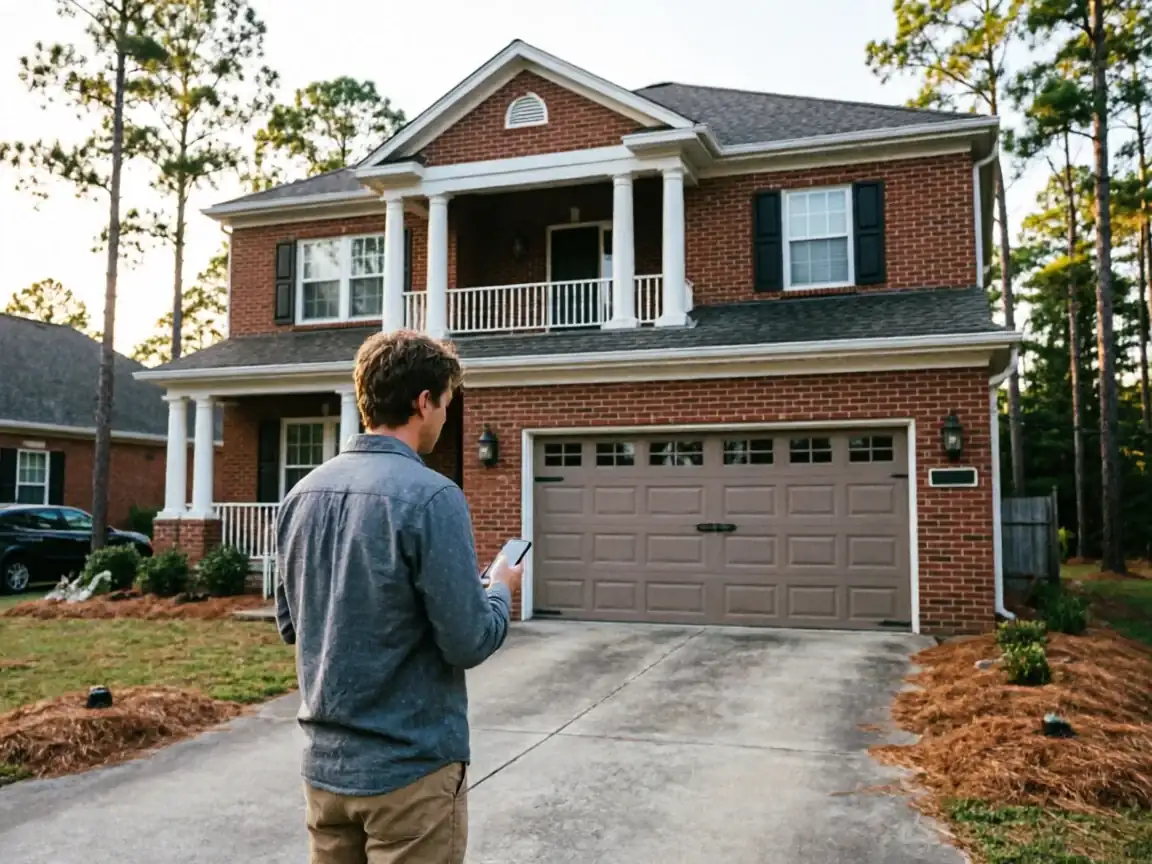
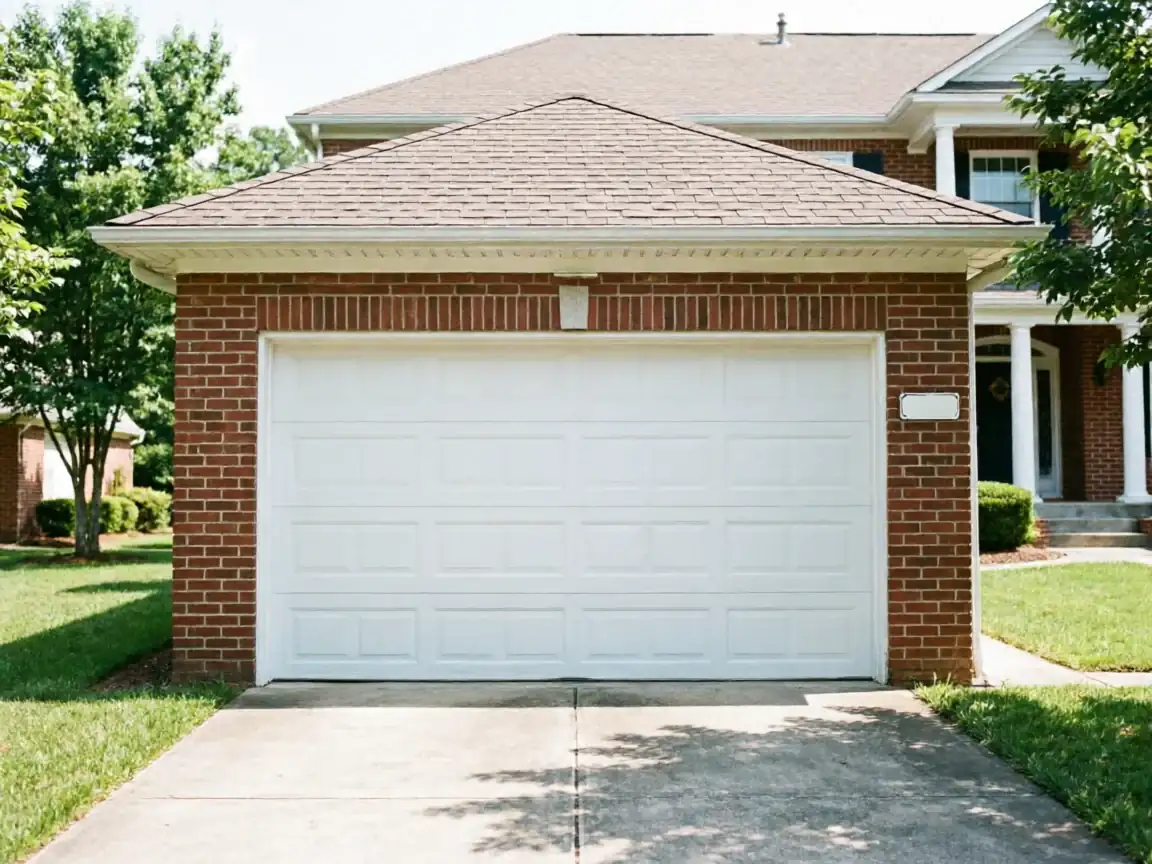
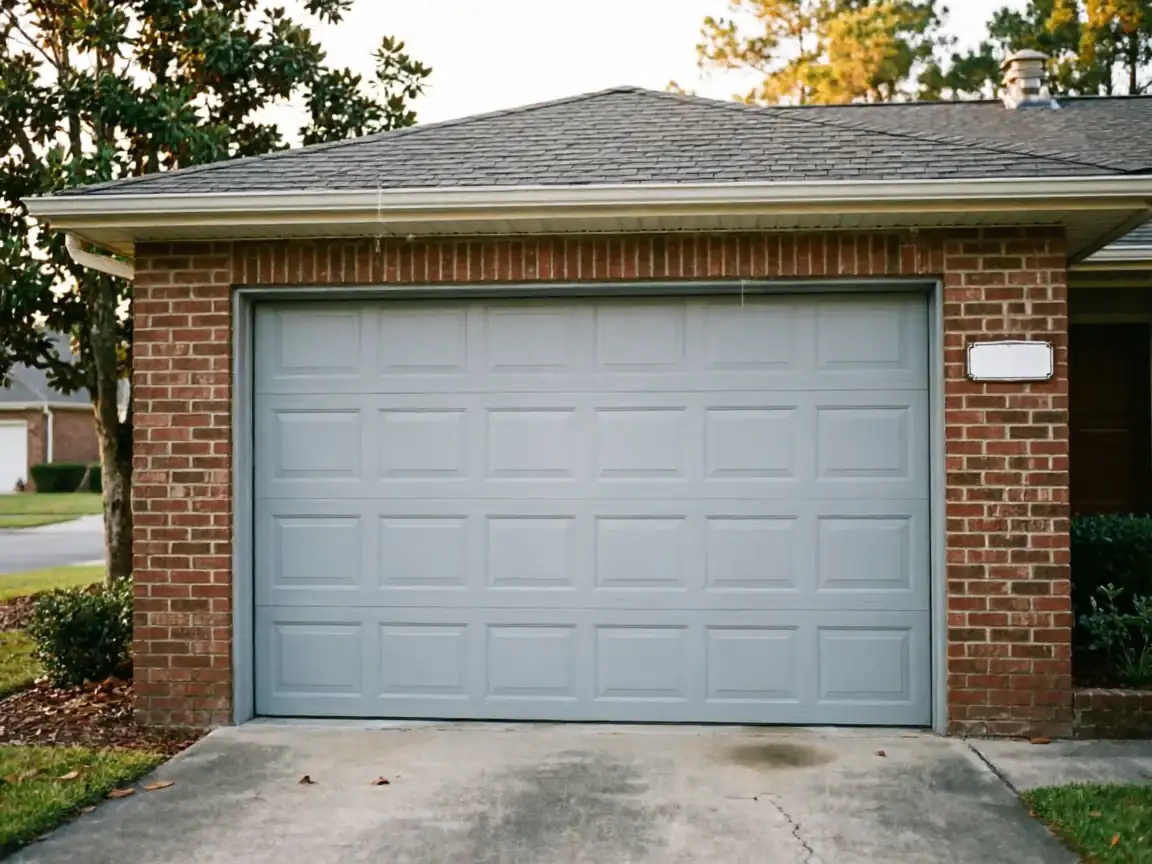
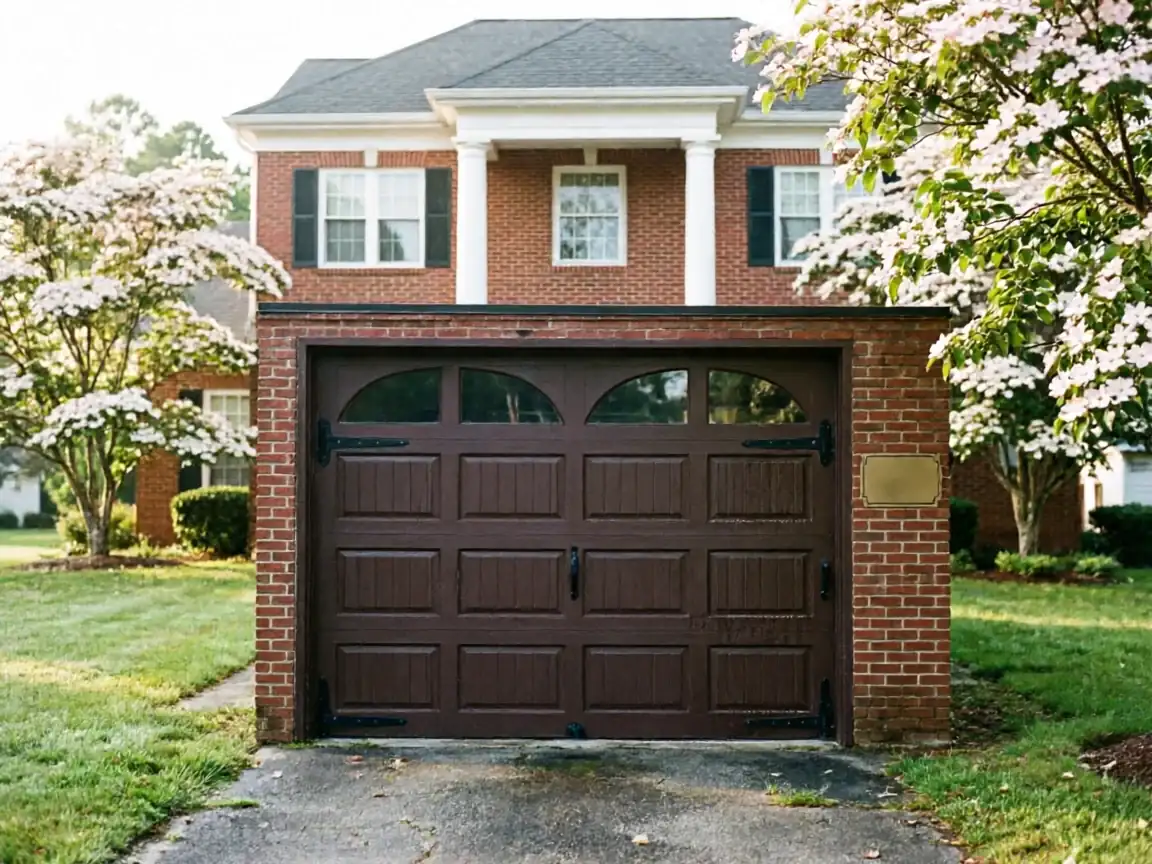
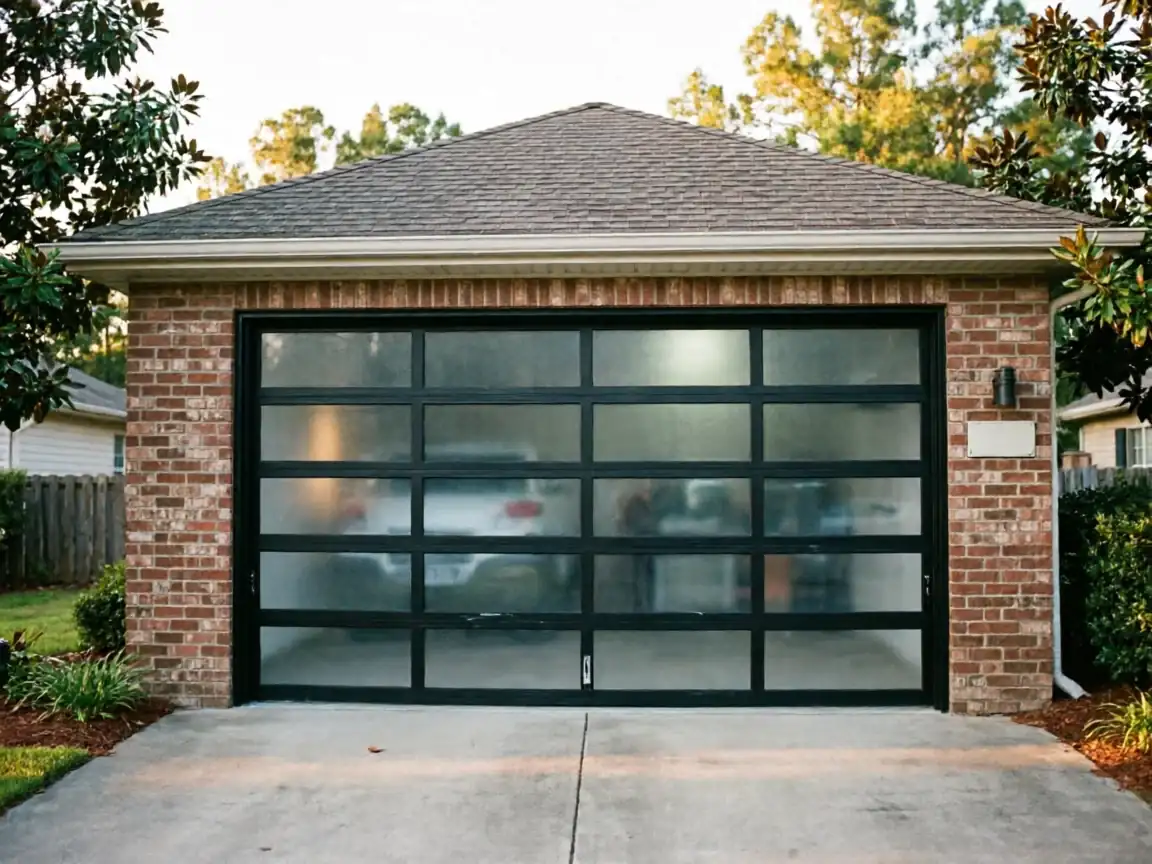
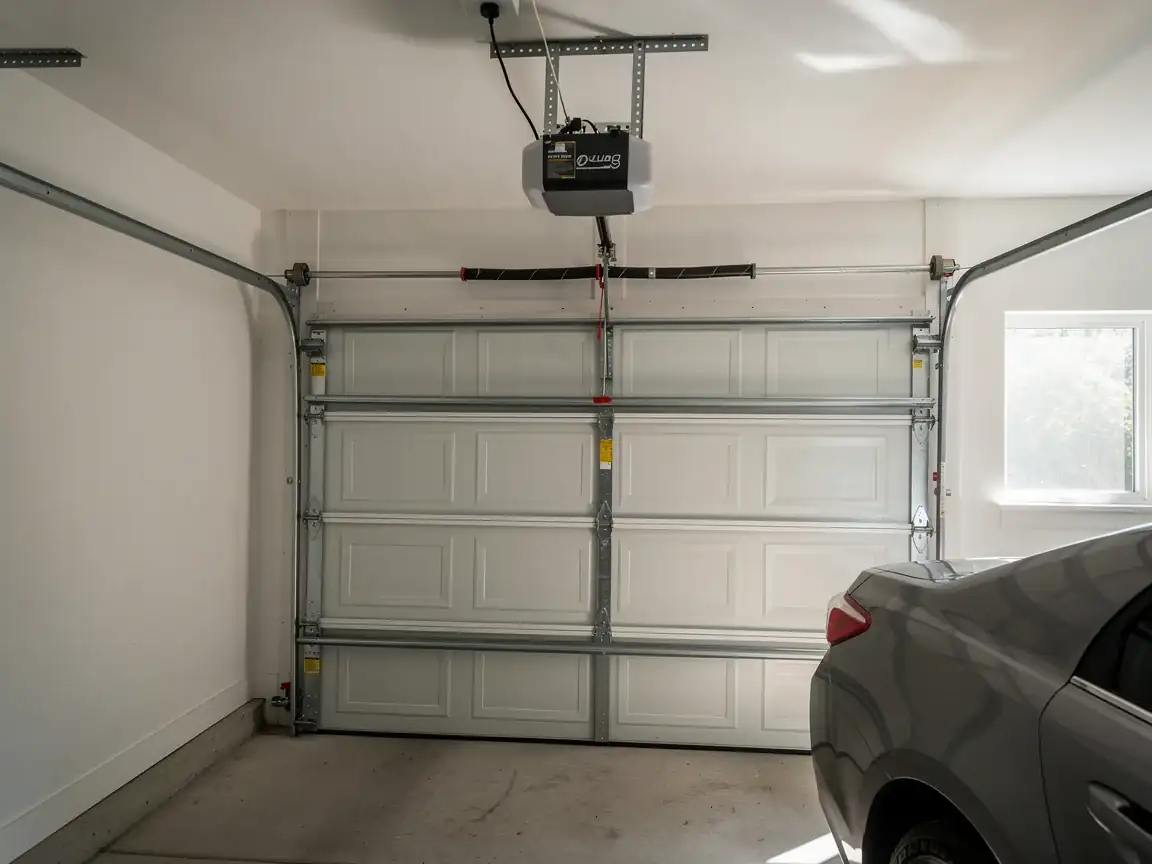
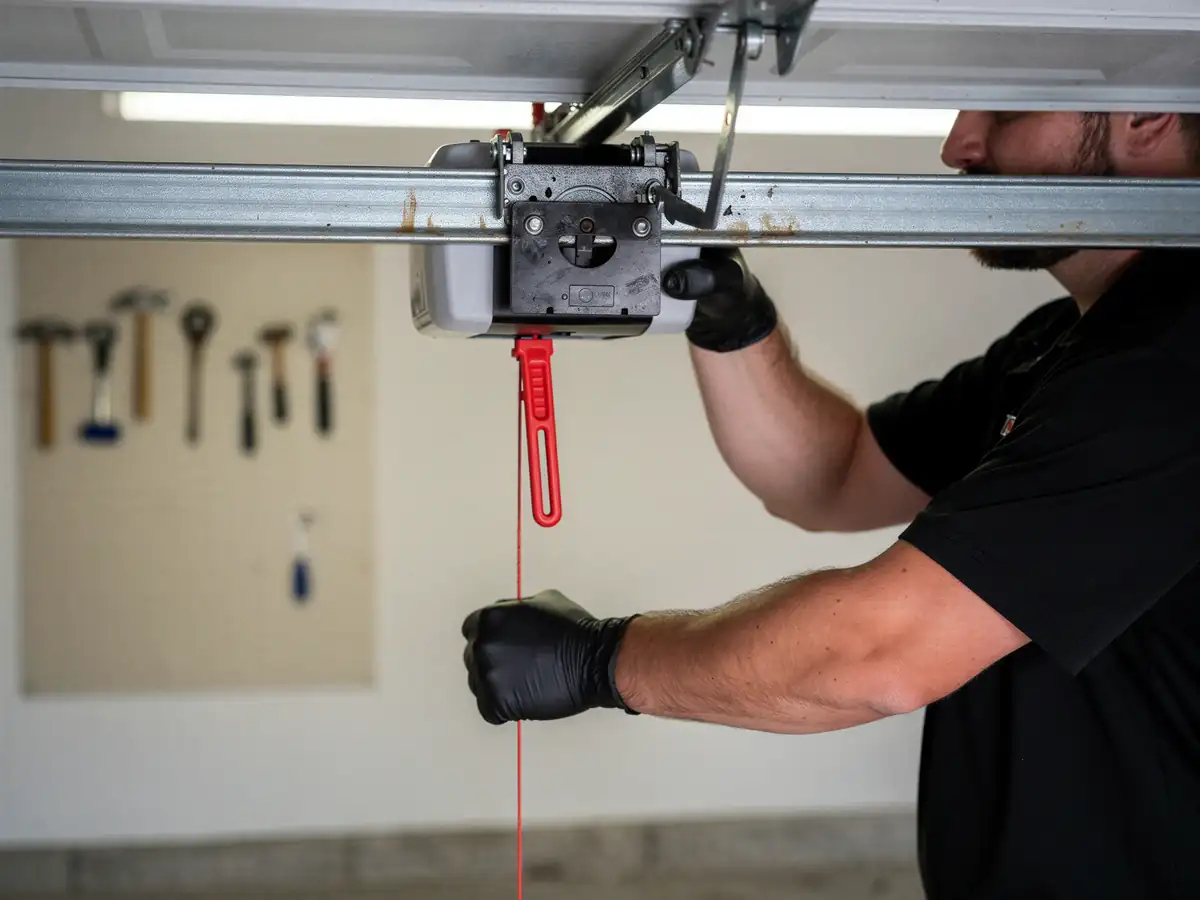
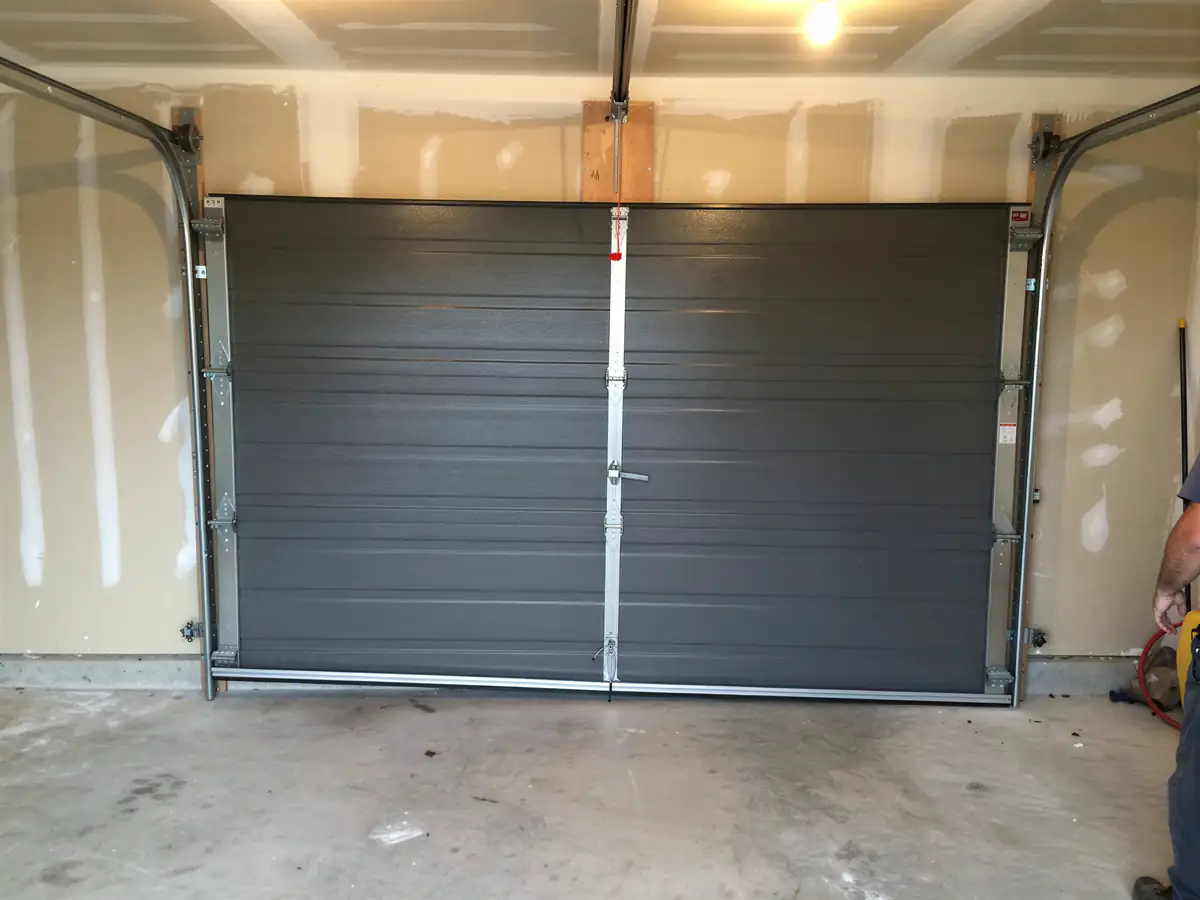
Most houses in Ball Ground went up well after 2000, with a median build year around 2006, which puts the doors here in a different category than the older stock we see closer to Milton. These are factory steel sectional doors, usually 16x7 on a double bay, hung on galvanized track with a torsion spring sized for a heavier insulated panel than the thin single-layer doors of the 1980s. The failure points are still springs, cables, rollers, and openers, but the parts are newer generation - belt-drive or chain-drive units with rolling-code remotes rather than the dial-code openers you'd find on an older door.
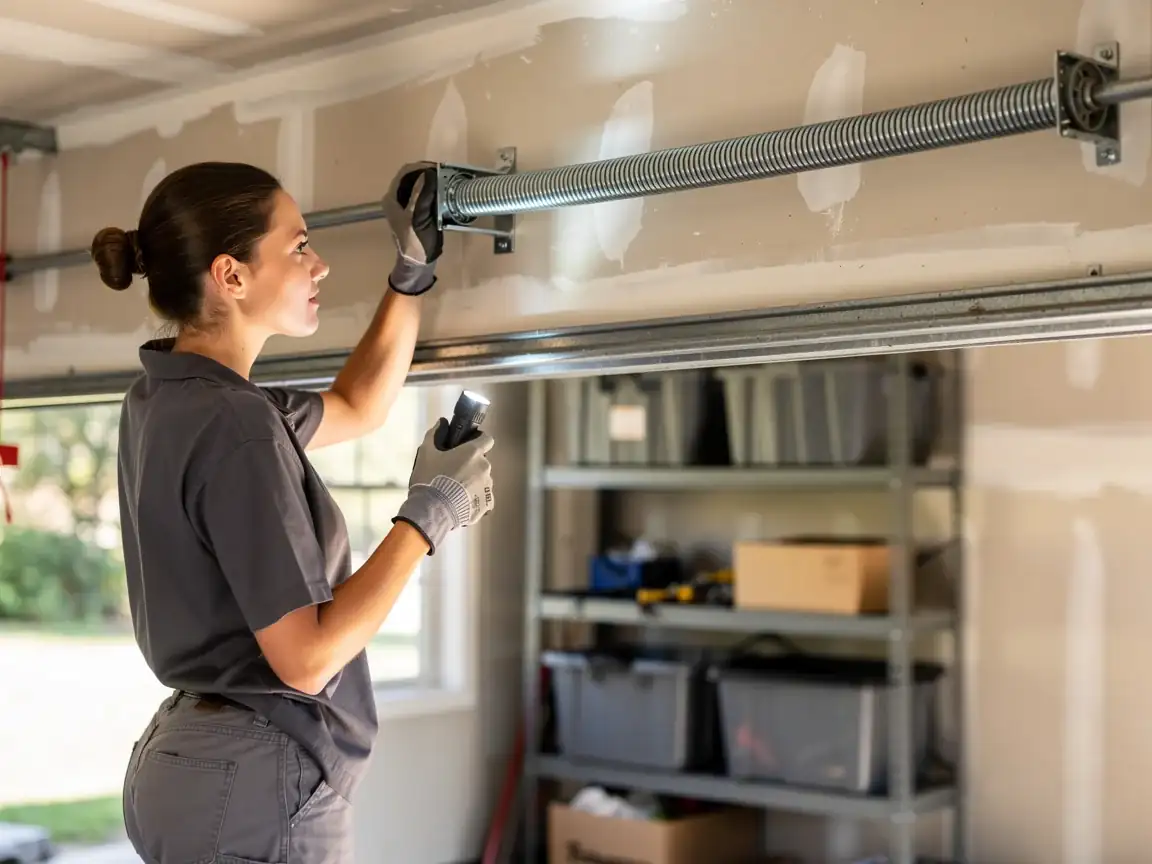
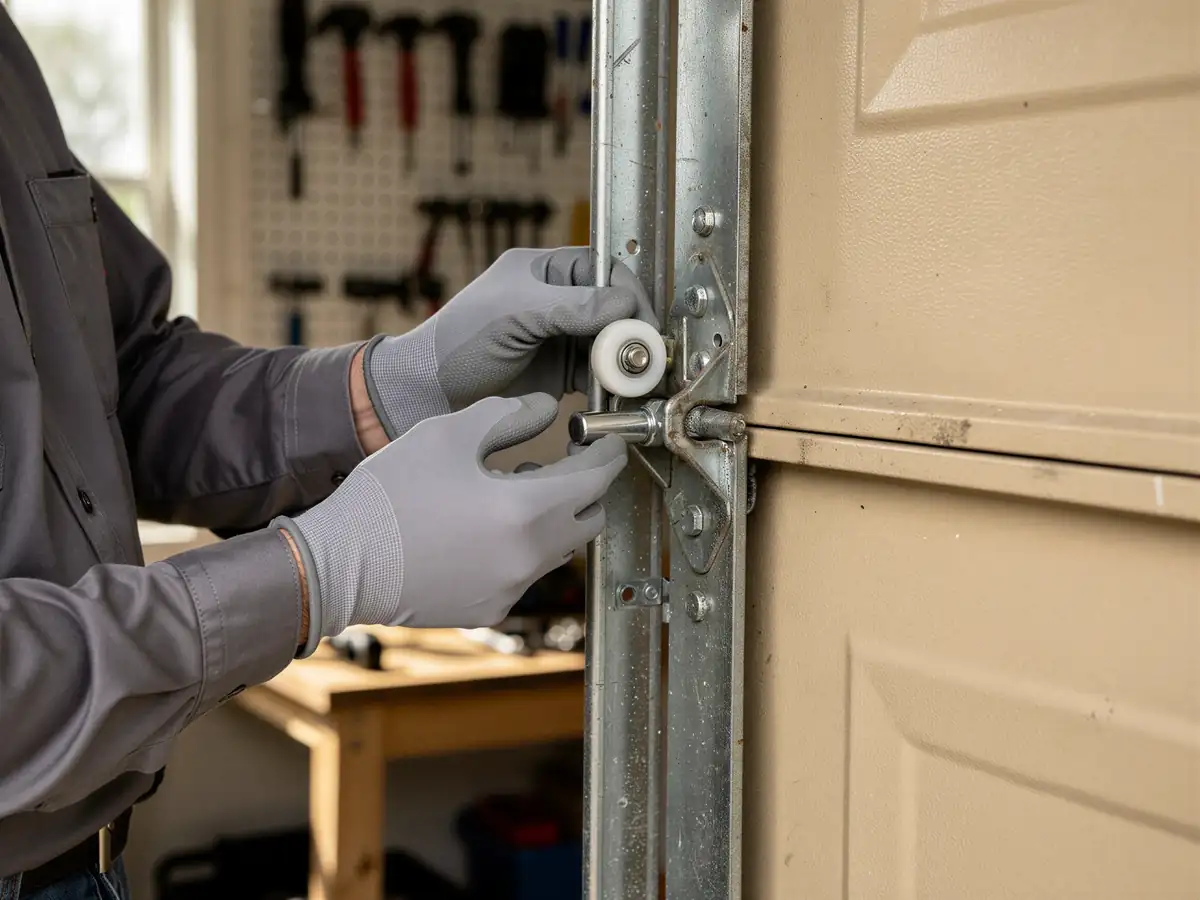
What goes wrong on a 15-to-20-year-old door in this bracket is usually wear, not design flaws: a torsion spring nearing the end of its cycle count, a bottom bracket that's loosened from years of seasonal temperature swings, or an opener logic board that's simply aged out. We also see nylon rollers that have gone brittle and noisy well before the steel track itself shows any wear. None of this is dramatic - it's the ordinary math of a door that's been lifted and lowered several thousand times.
Doing It Yourself
A homeowner can safely handle some of this
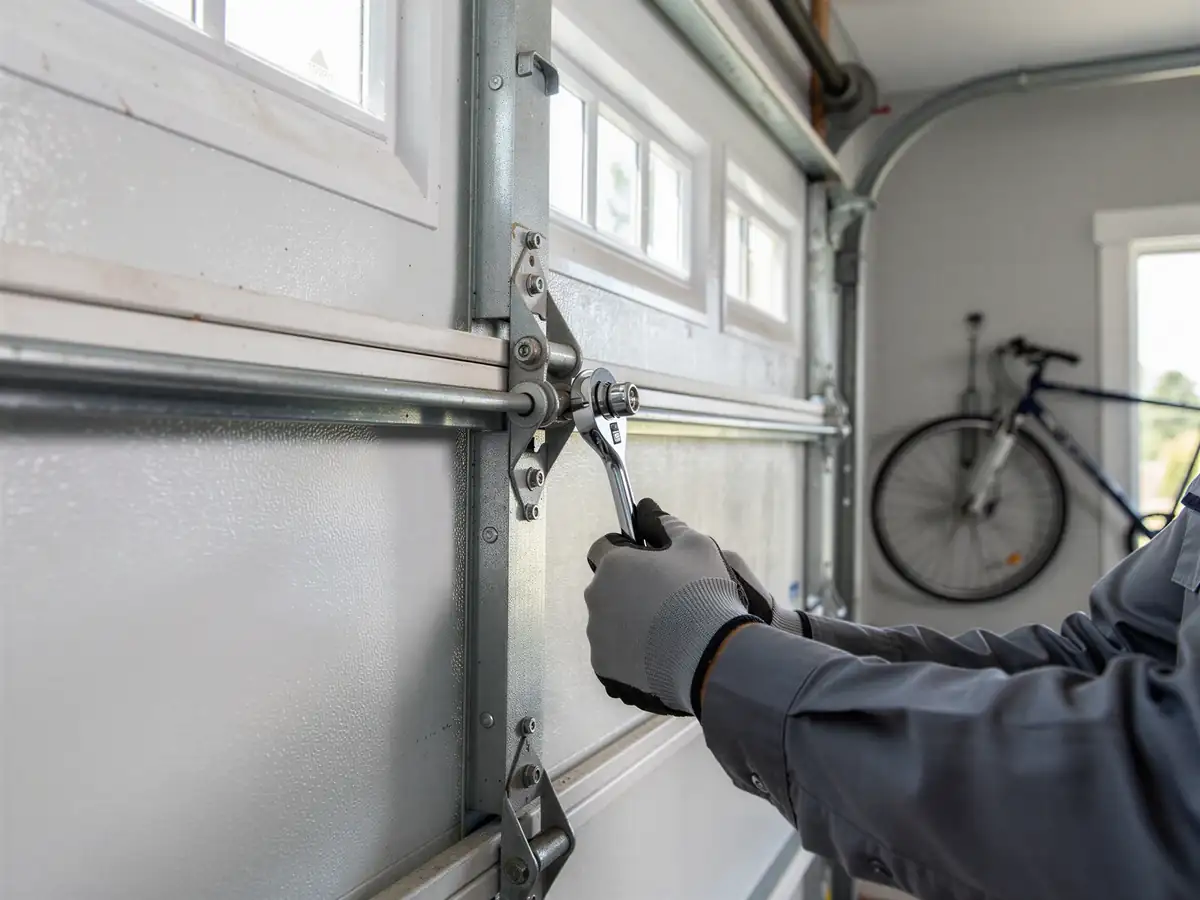
Lubricating rollers and hinges, tightening loose hardware on the track brackets, replacing a worn weatherstrip at the bottom of the door, or reprogramming a remote. Those jobs don't involve stored spring tension and won't hurt you if you get them wrong.
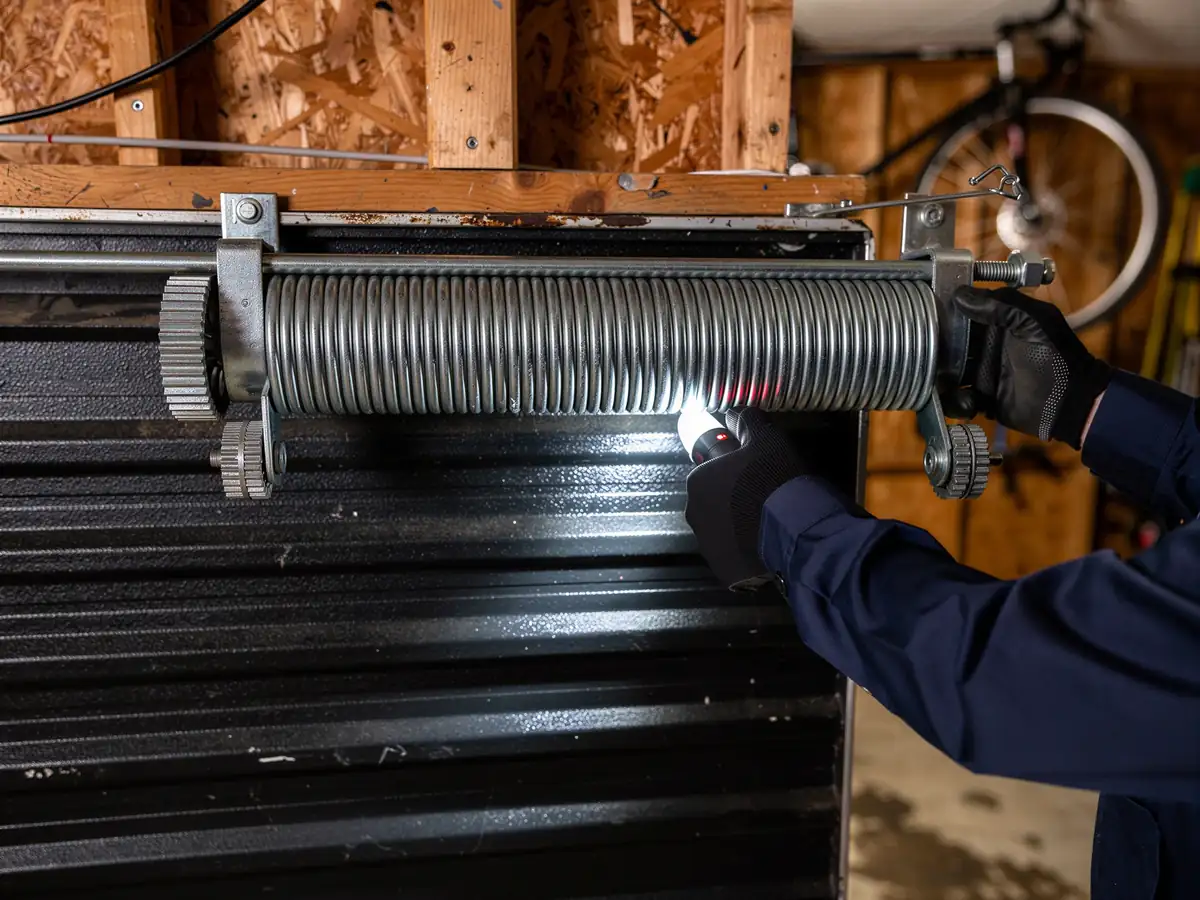
What you should not touch is the torsion spring itself
On a 16x7 double door built to hold an insulated steel panel, that spring is wound under enough tension to break a wrist or worse if the winding bars slip. We'd rather turn down a job than watch someone try to save the service call on that one part. If the door is sagging unevenly, binding partway through its travel, or the opener is straining and reversing on its own, stop operating it and call - that's a spring or cable problem, not a lubrication problem.
How It Shows Up
Ball Ground sits in the same cold-moderate climate band as the rest of the area we cover, so the symptoms track the season. In winter, a door that worked fine in October suddenly groans, hesitates, or won't fully close because cold-stiffened grease and a spring that's lost a little tension together ask more of the opener than it has left to give. In summer, it's usually the opposite complaint - a door that reverses on the way down because the travel limits have drifted with heat expansion in the track.
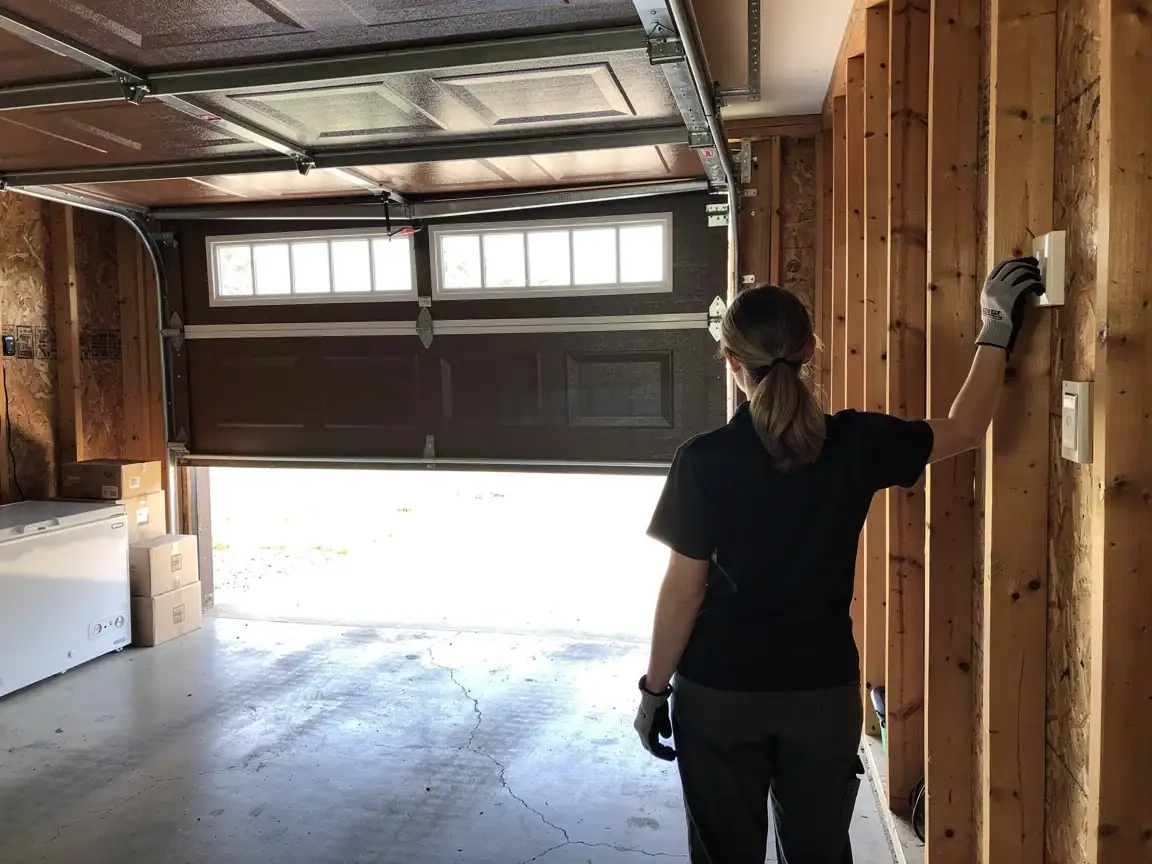
On newer construction like most of what's in Ball Ground, we also see a fair number of calls about the safety sensors at the base of the track getting knocked out of alignment, often from a bike or a trash can clipping one. The door won't close at all, and people assume the opener itself failed when it's usually a sensor eye an inch out of line.
Booking a Visit
We run out of Milton, about 14 miles from Ball Ground, so we schedule the visit rather than drop in same-hour. Tell us the door size, roughly how old it is, and what it's doing - won't close, grinding, won't lift past knee height - and we'll bring the spring weight and opener parts that match a door of that era rather than guessing on site.
If you're not sure what's wrong, a photo of the spring and the opener model sticker helps us load the truck right the first time, which matters more on a 14-mile trip than it would on a job down the street.
Time on the Job
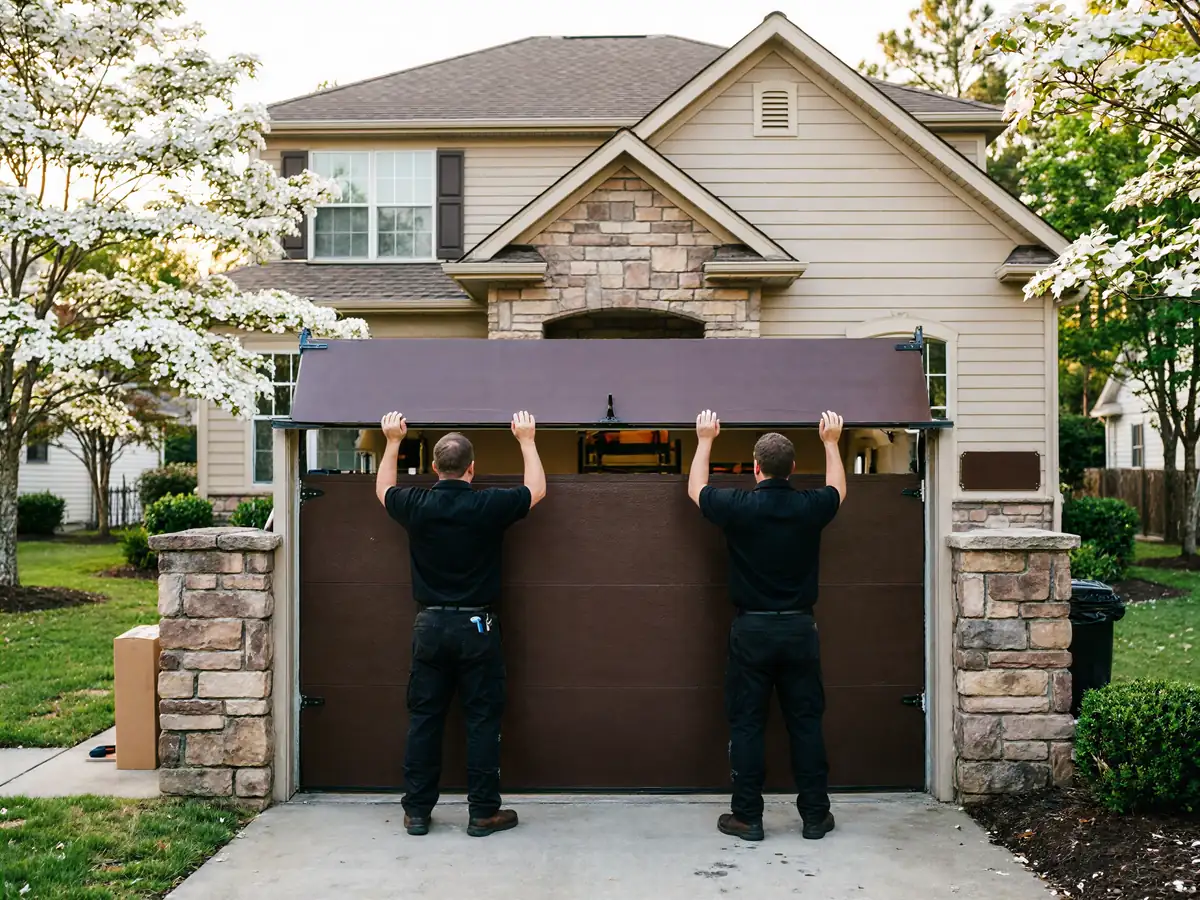
A straightforward torsion spring swap or opener logic board replacement on a door this age usually runs under two hours once we're on site
These are standard sizes and standard openers, not custom or oversized doors. Track alignment or a full cable replacement takes longer if the door has been running out of adjustment for a while and the rollers have worn unevenly as a result.
We won't quote a number before we see the door
A spring that's merely tired is a different job than one that's already let a cable jump the drum.
What the Fix Involves
For a torsion spring, we match the wind and wire gauge to the door's actual weight rather than assuming - a 16x7 insulated steel door needs more spring than the lighter doors common on older houses, and an undersized spring will just fail again in a year. For opener issues, if the unit is original to a 2006-era build, we'll check whether it's worth repairing the logic board versus replacing the unit outright; parts for openers that age aren't always stocked, and sometimes a new opener costs less than hunting down the old board.
We test full-cycle operation, reset the travel limits, and realign safety sensors before we call the job done, since a door that closes but won't pass a sensor check isn't actually fixed.