How That Shows Up in the Door
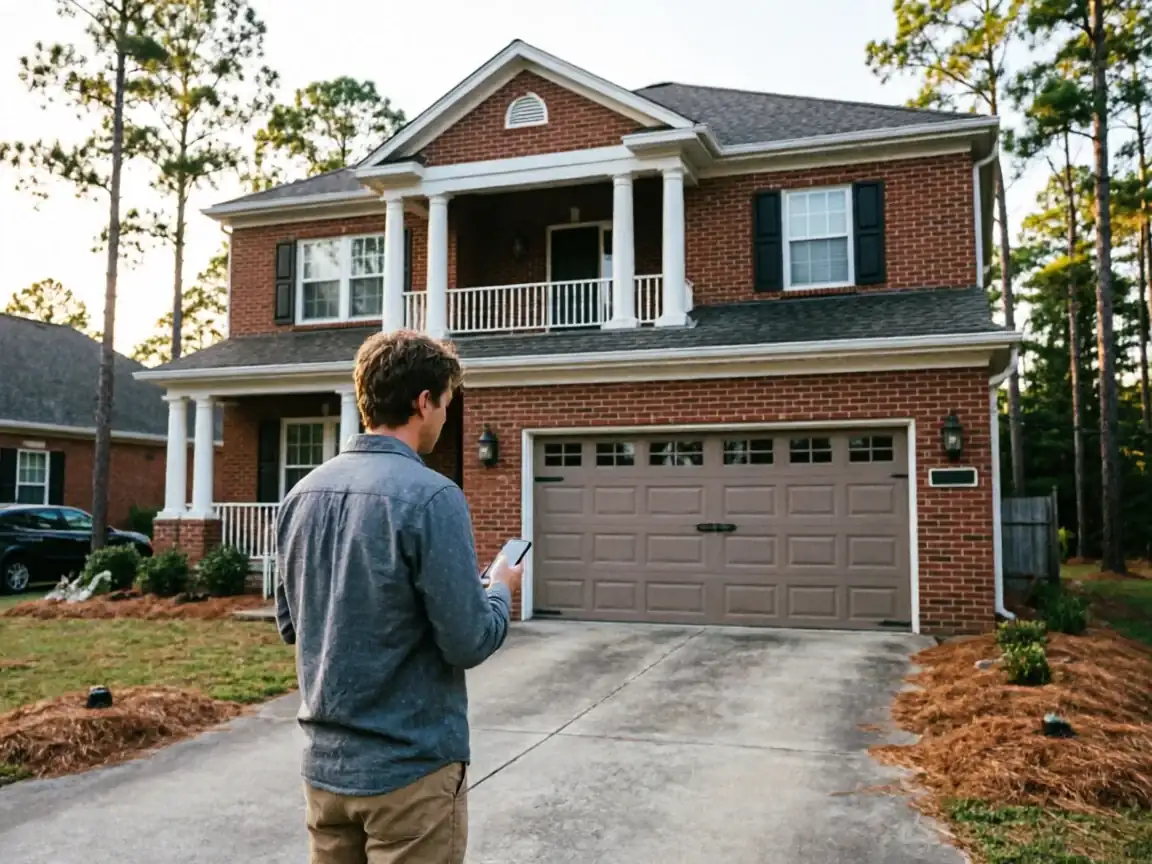
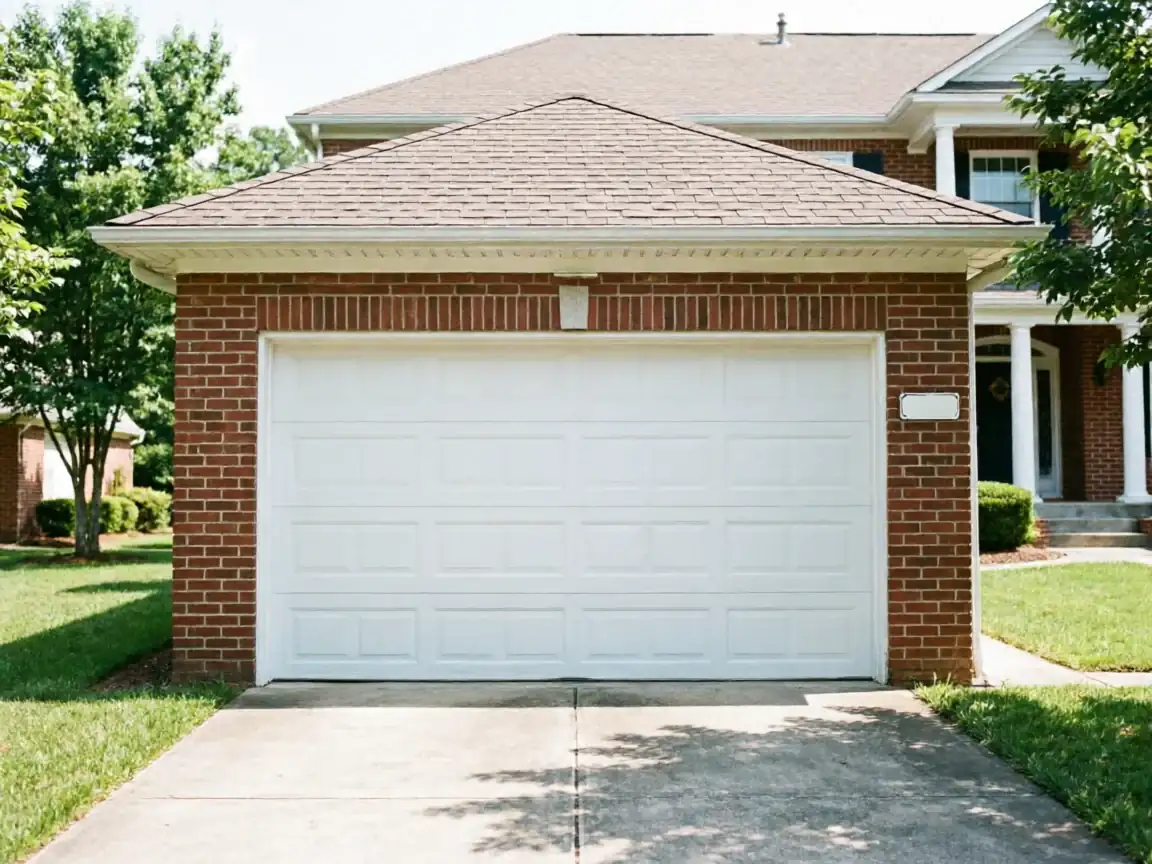
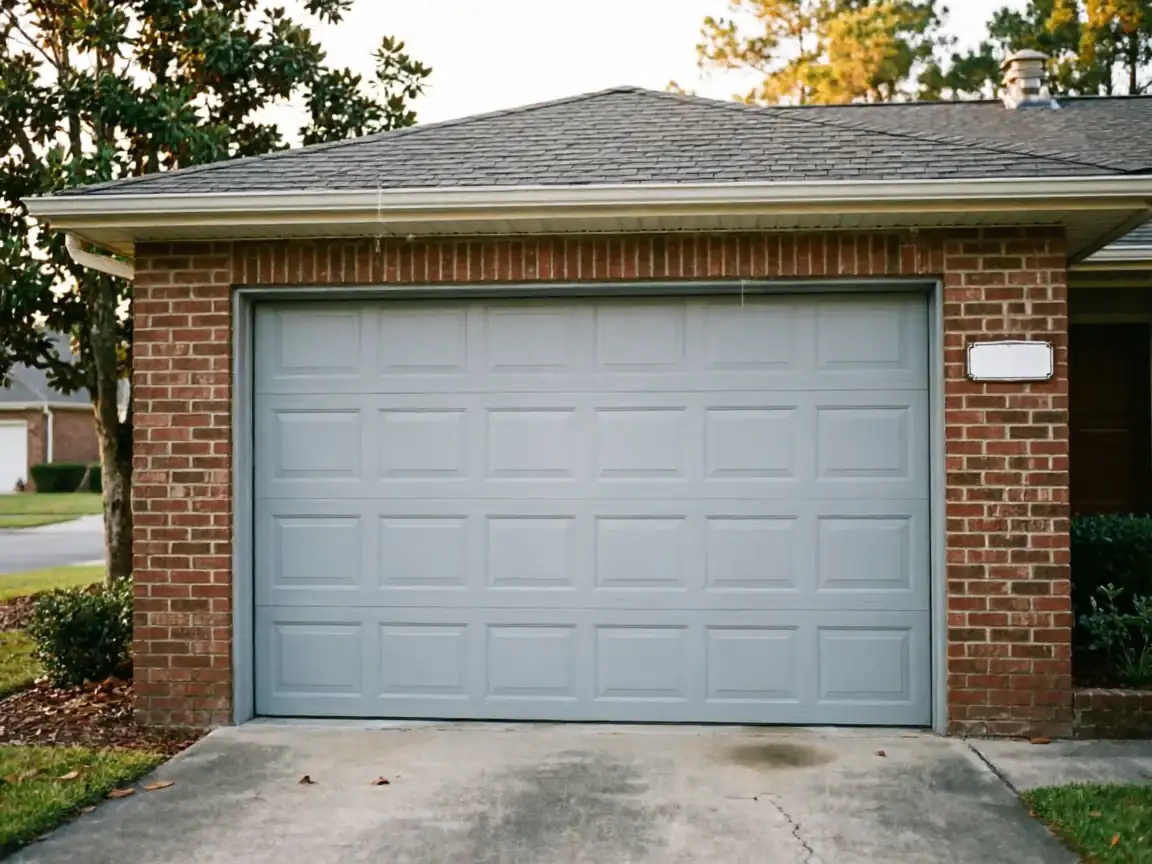
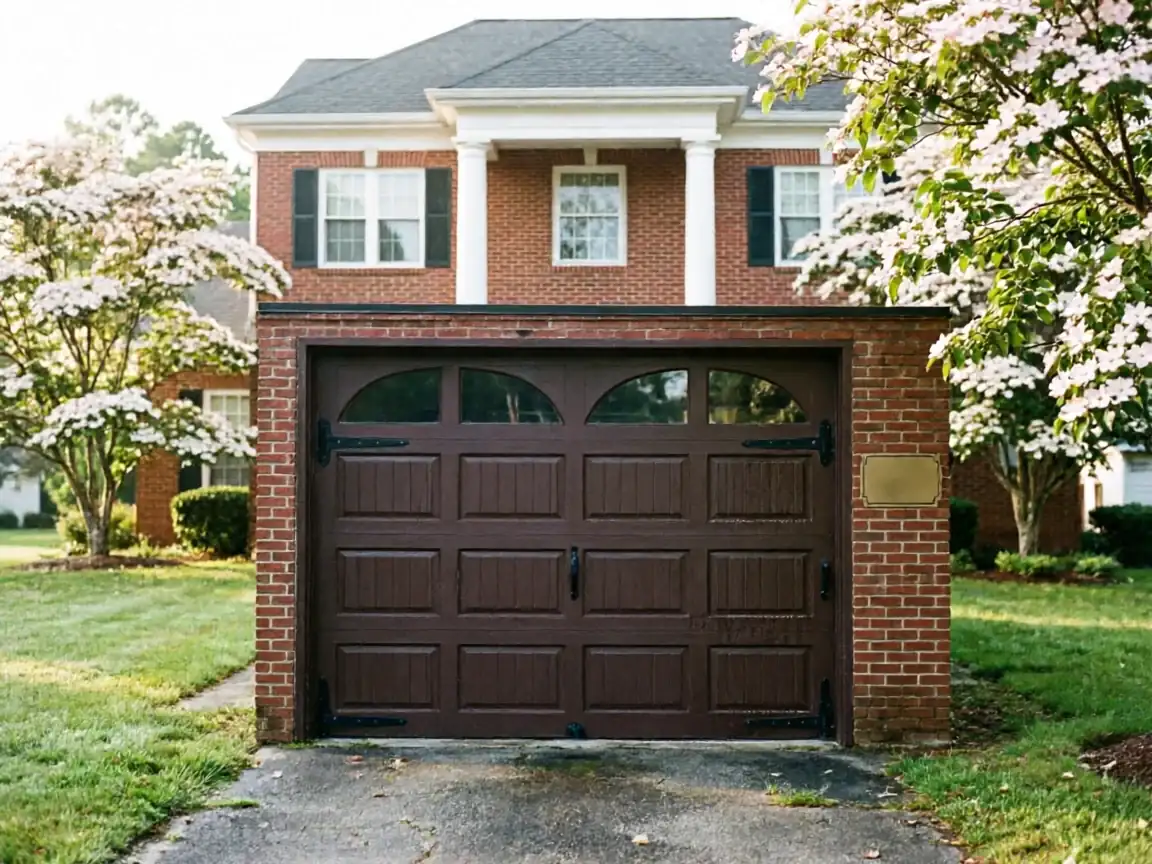
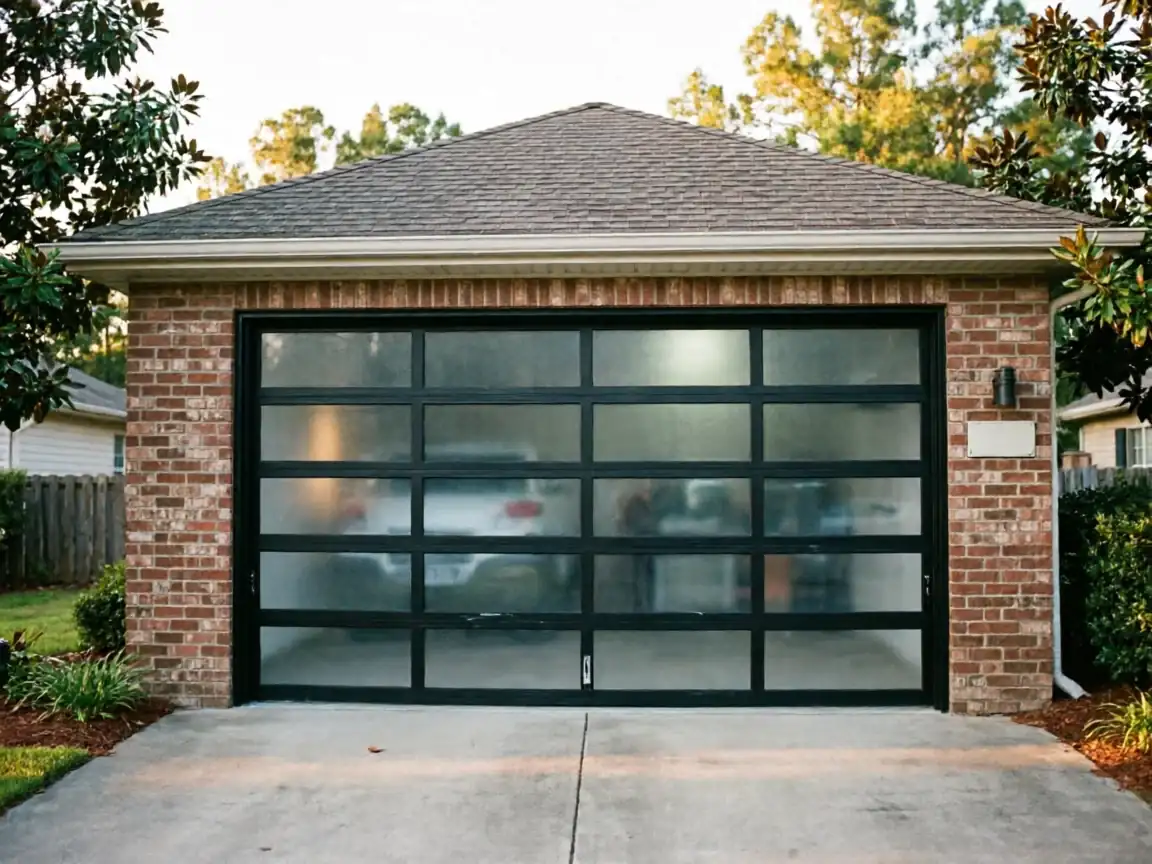
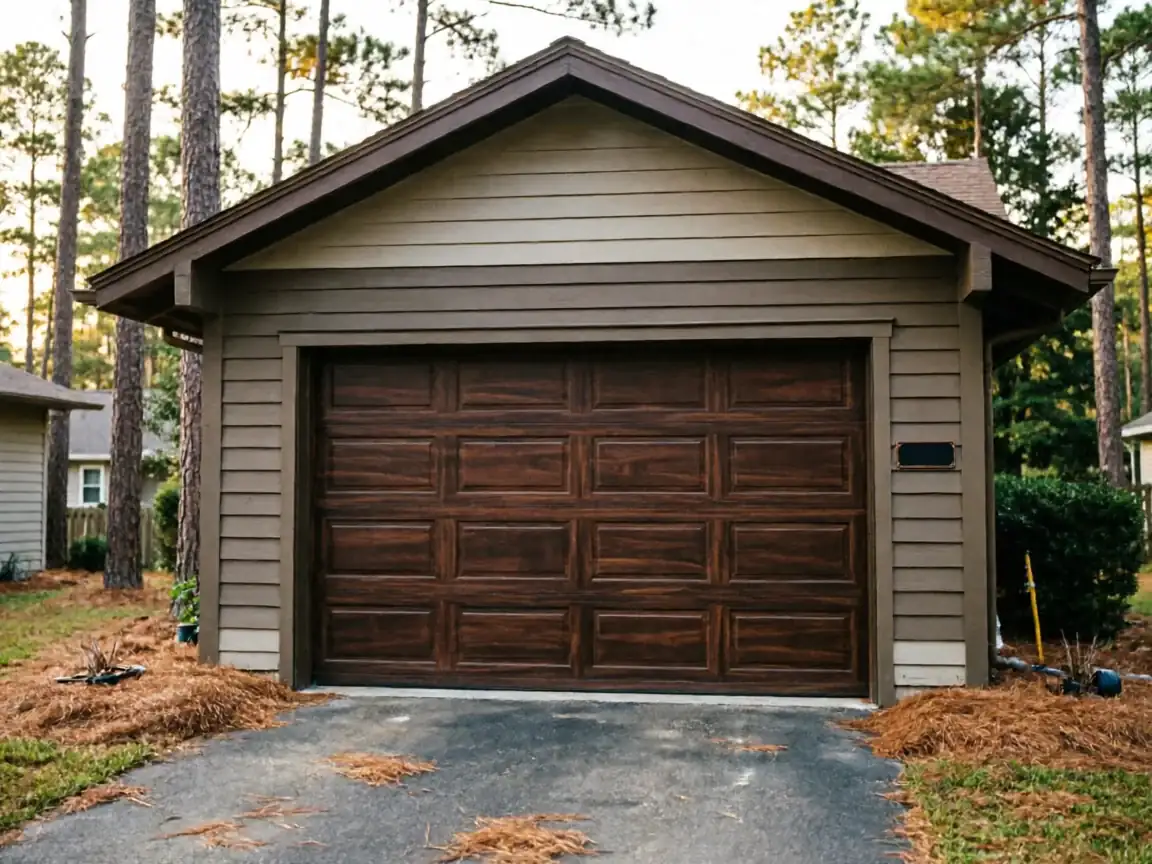
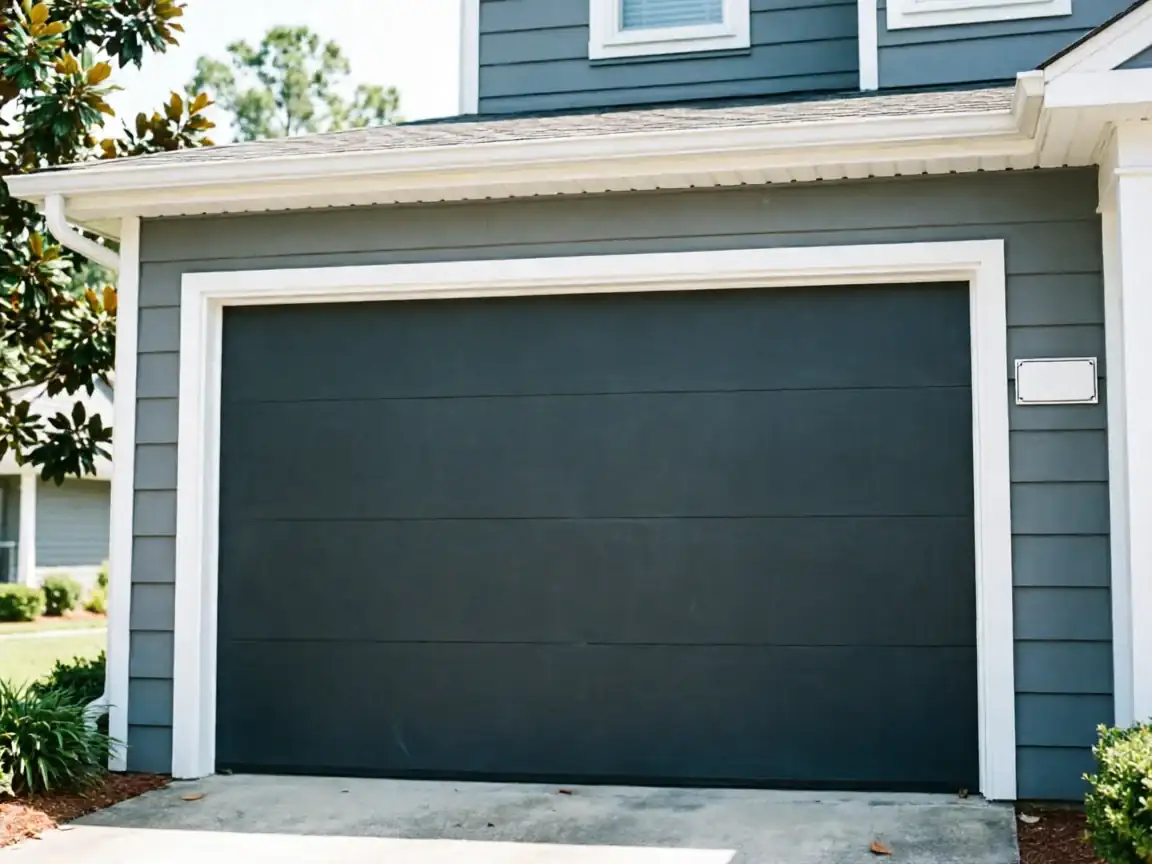
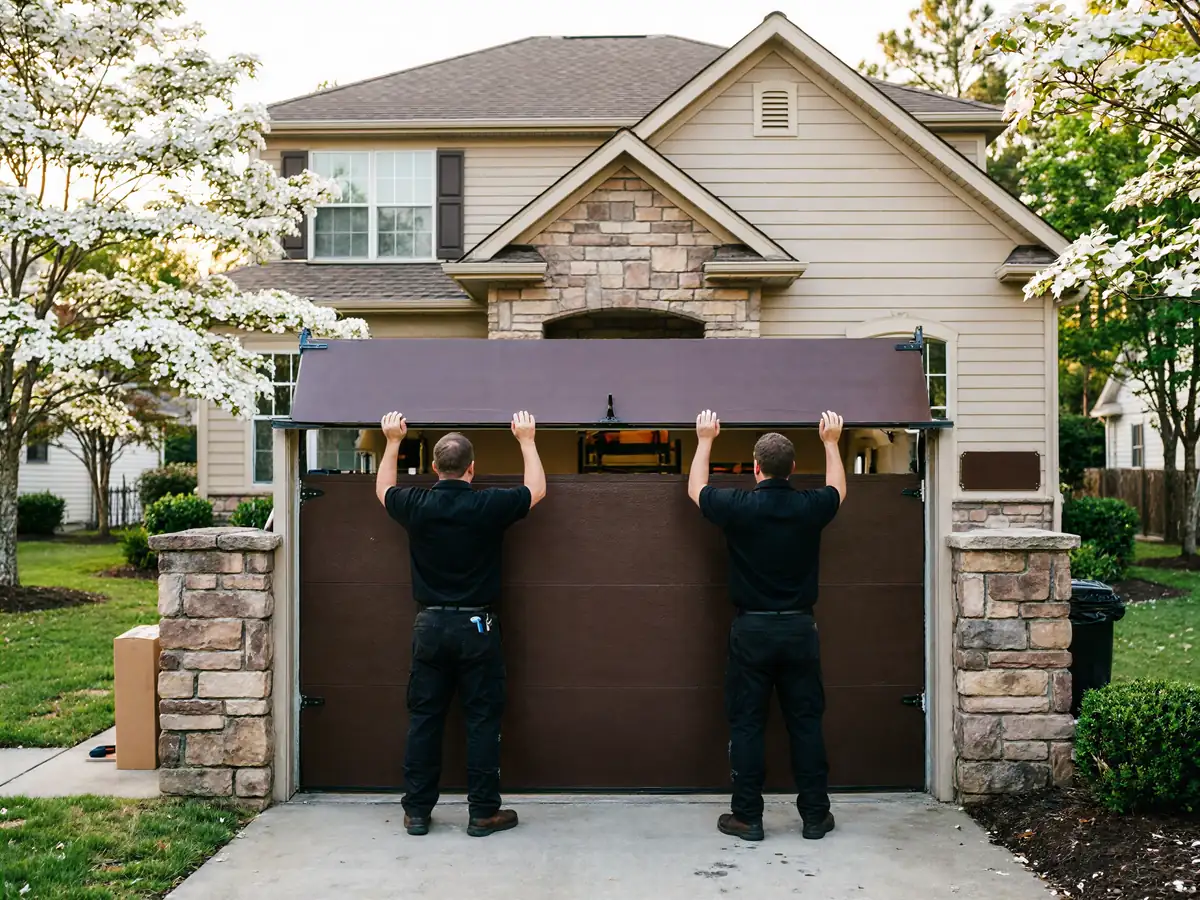
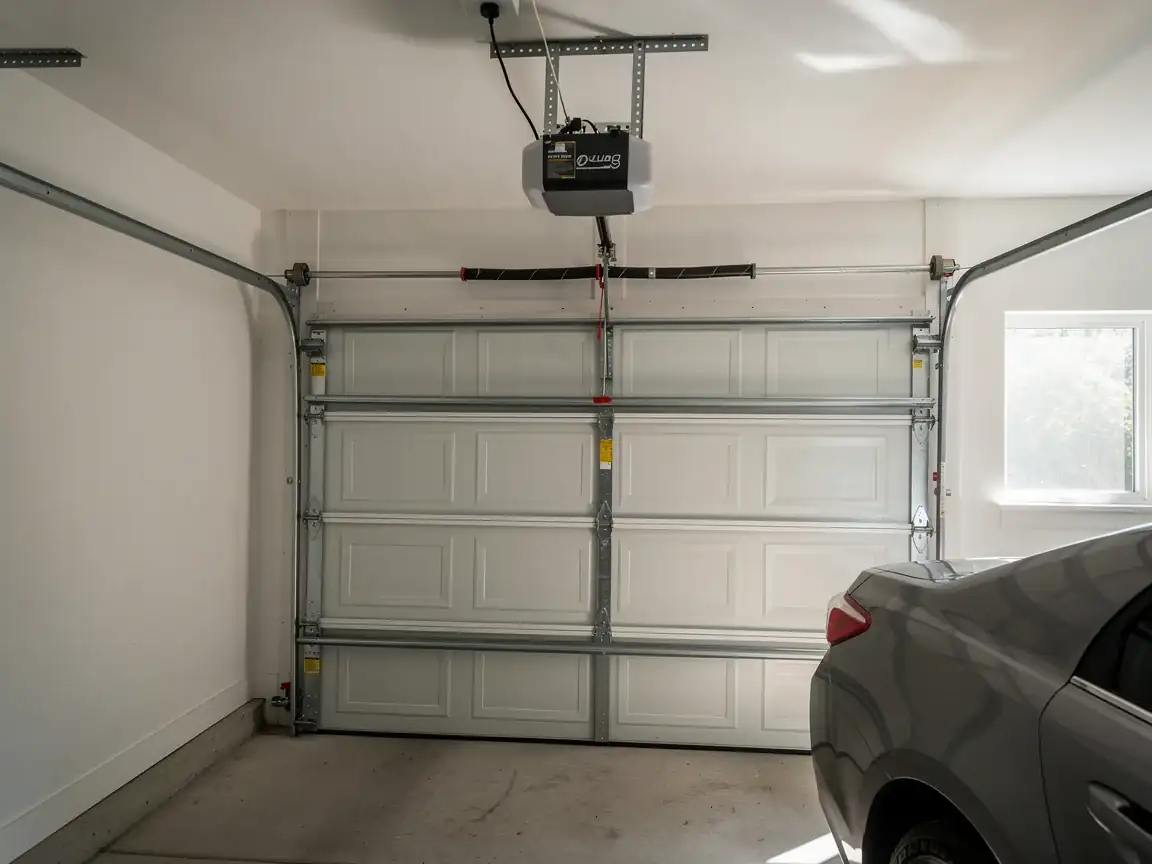
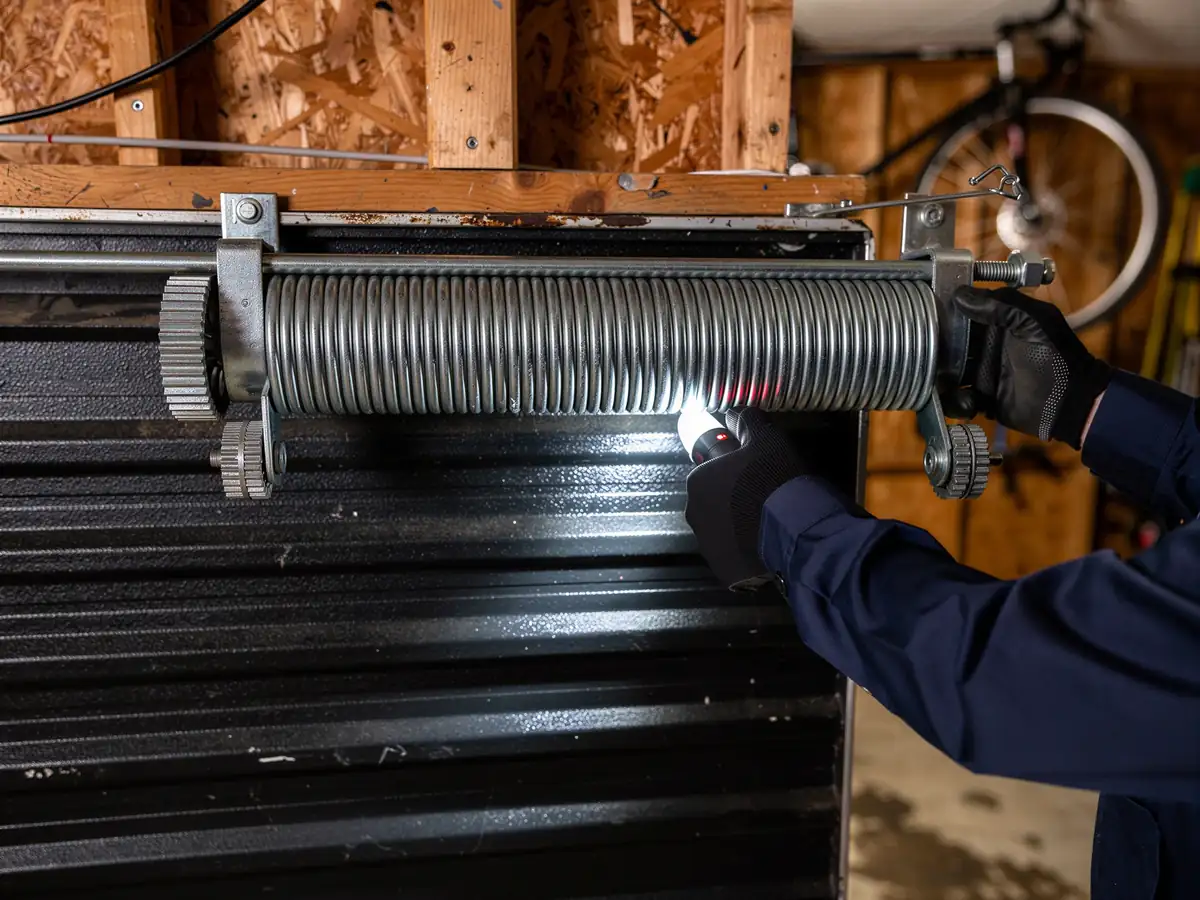
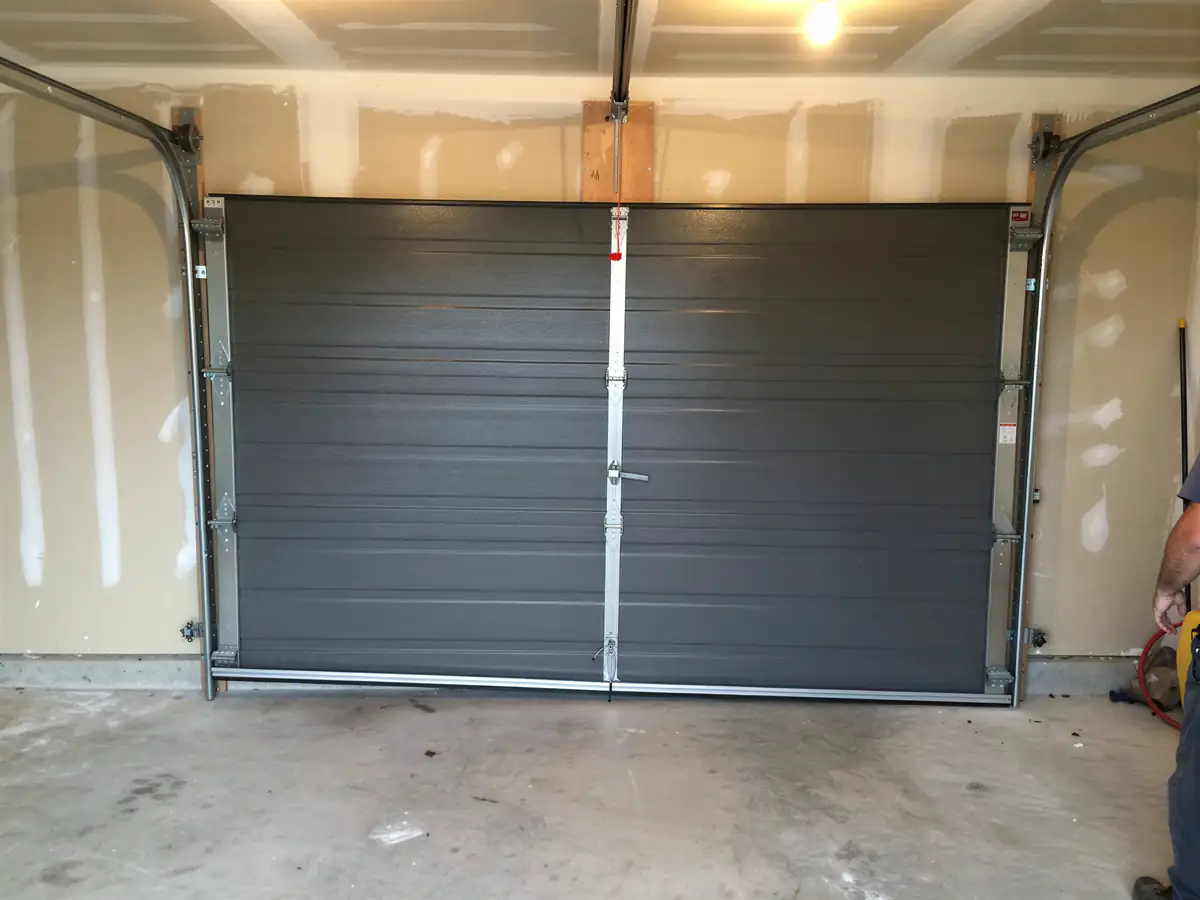
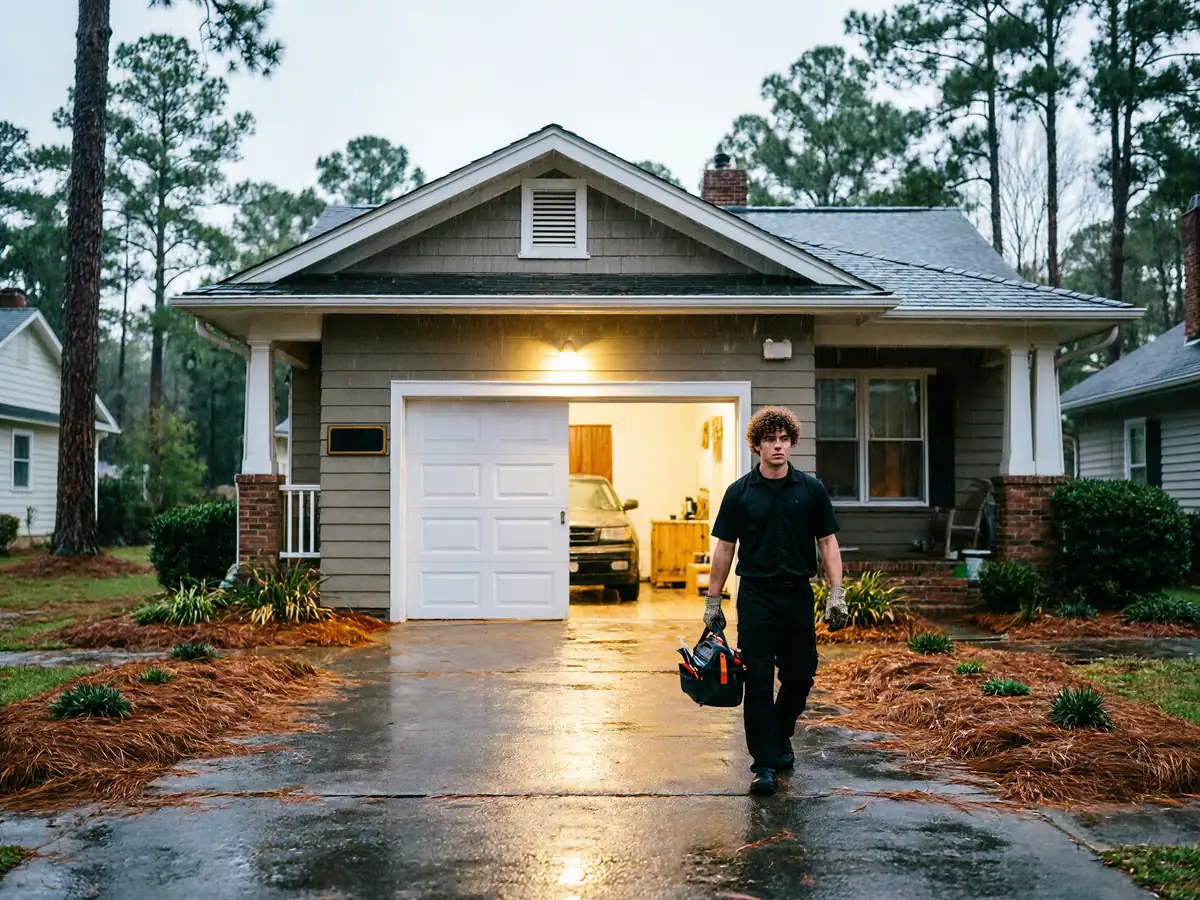
Holly Springs is about 10 miles from our Milton shop, and the first thing that stands out when we pull up to a job here is how new the housing stock actually is. The median year built in this part of the service area is 2007 - a full 15 years newer than the 1992 median across the broader area we cover. That gap matters more than most homeowners expect. A door built in 2007 almost always came with a factory torsion system, a steel-skin panel, and a lighter-gauge opener rail designed for that era's building code, not the older extension-spring setups and heavier wood-composite panels you still find on houses from the 1960s through the 1980s. When something fails on a Holly Springs door, it's usually a worn roller, a cracked bottom seal, or a opener logic board giving out after 15-plus years of daily cycles - not the kind of structural sag or warped jamb you'd expect on an older door. We bring parts suited to that newer hardware, because showing up with stock meant for a 1970s door doesn't get the job done here.
The Split Between Old and New
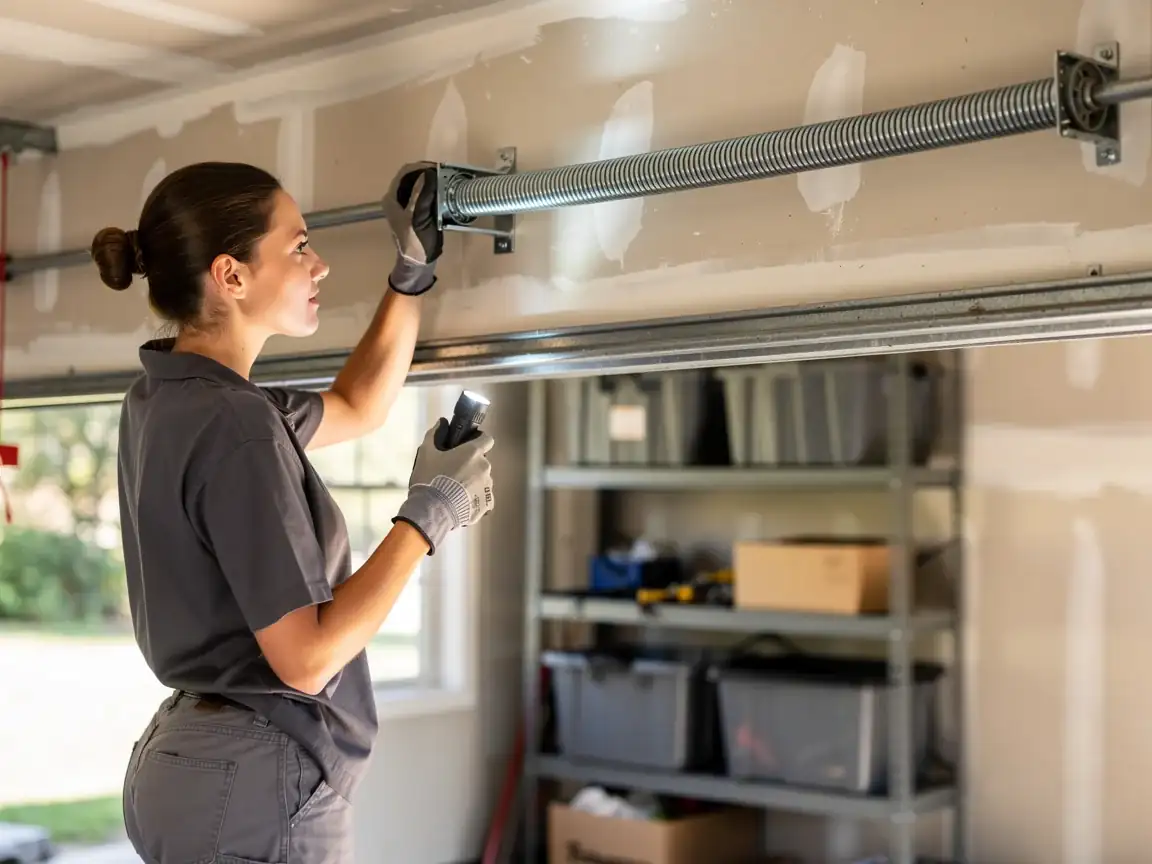
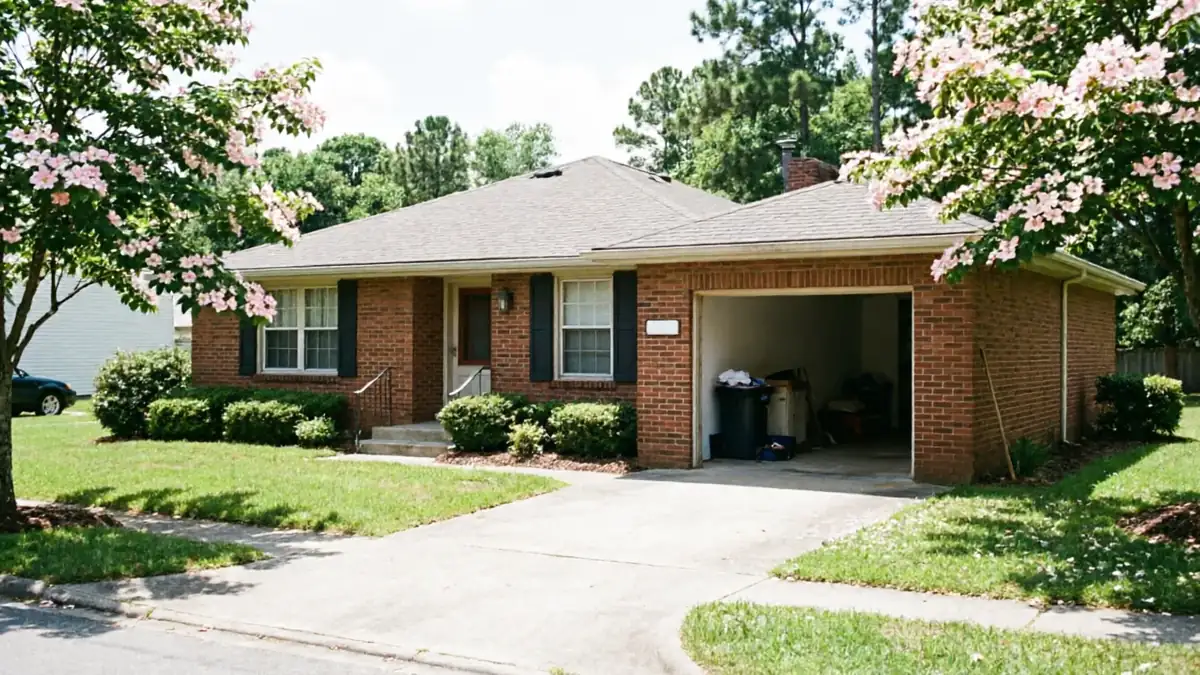
The service area overall runs from 1964 to 2007 in build year, with most of that stock dating to the 1980s and 90s. Holly Springs sits at the far newer edge of that range - its median year built matches the latest year in the whole area's span. That puts it in a different category from older neighborhoods closer to Milton, where original one-piece doors and side-mounted hardware from the 70s and 80s are still common. Here, the dominant failure points are mechanical wear on torsion springs rated for a 15 to 20 year cycle life, worn nylon rollers, and opener circuit boards reaching the end of their service life - not the structural issues that come with a 40-year-old door frame. Climate plays a role too: this is a cold-moderate zone, and weatherstripping on these newer doors tends to fail at the bottom seal and corner blocks before anything else does, which is a cheap fix if you catch it before moisture gets into the panel foam.
Common Jobs Here
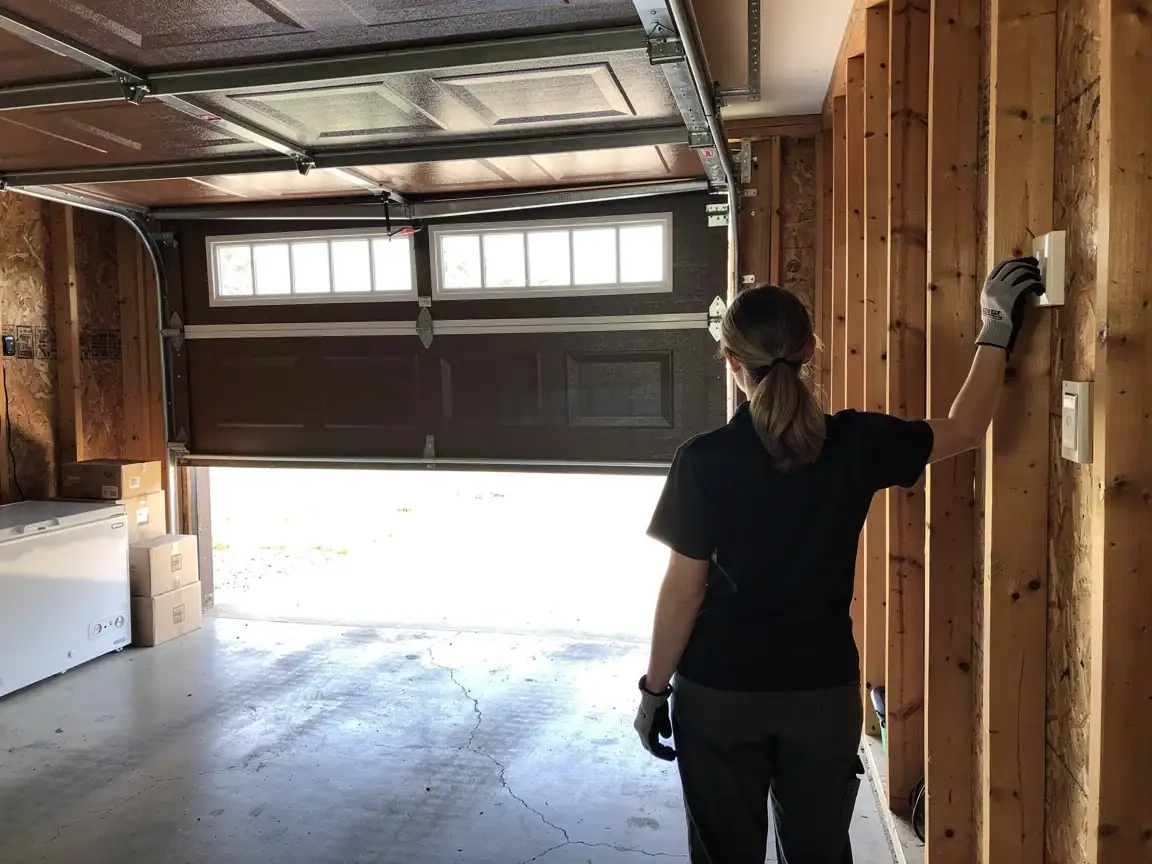
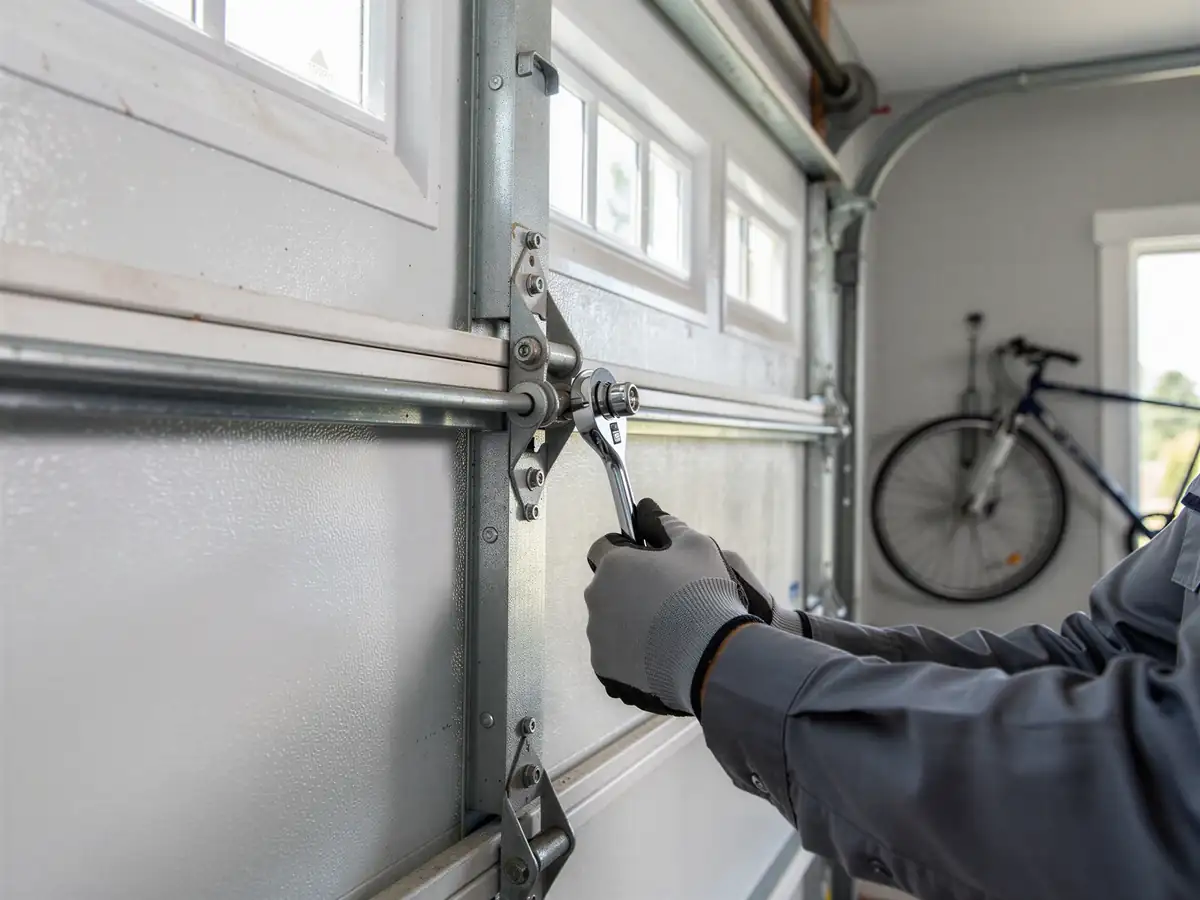
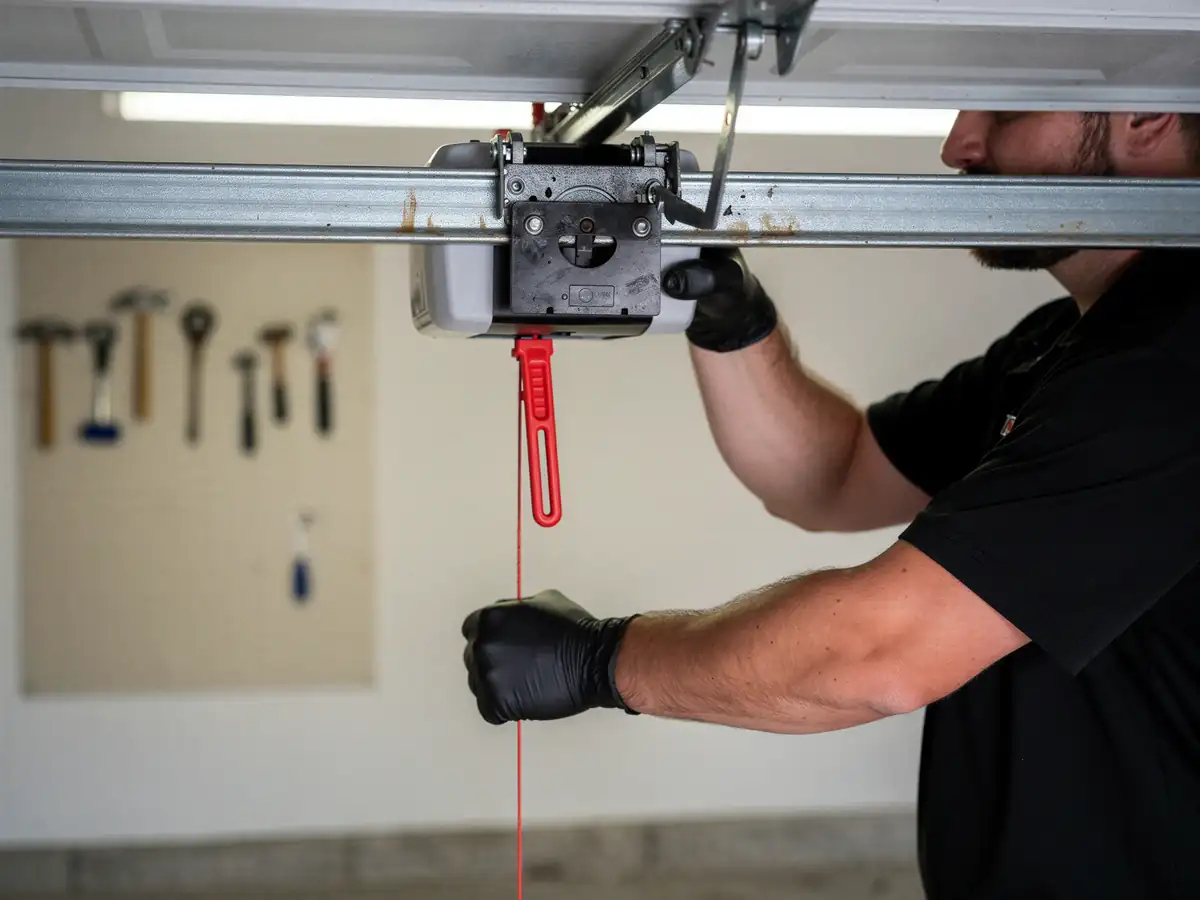
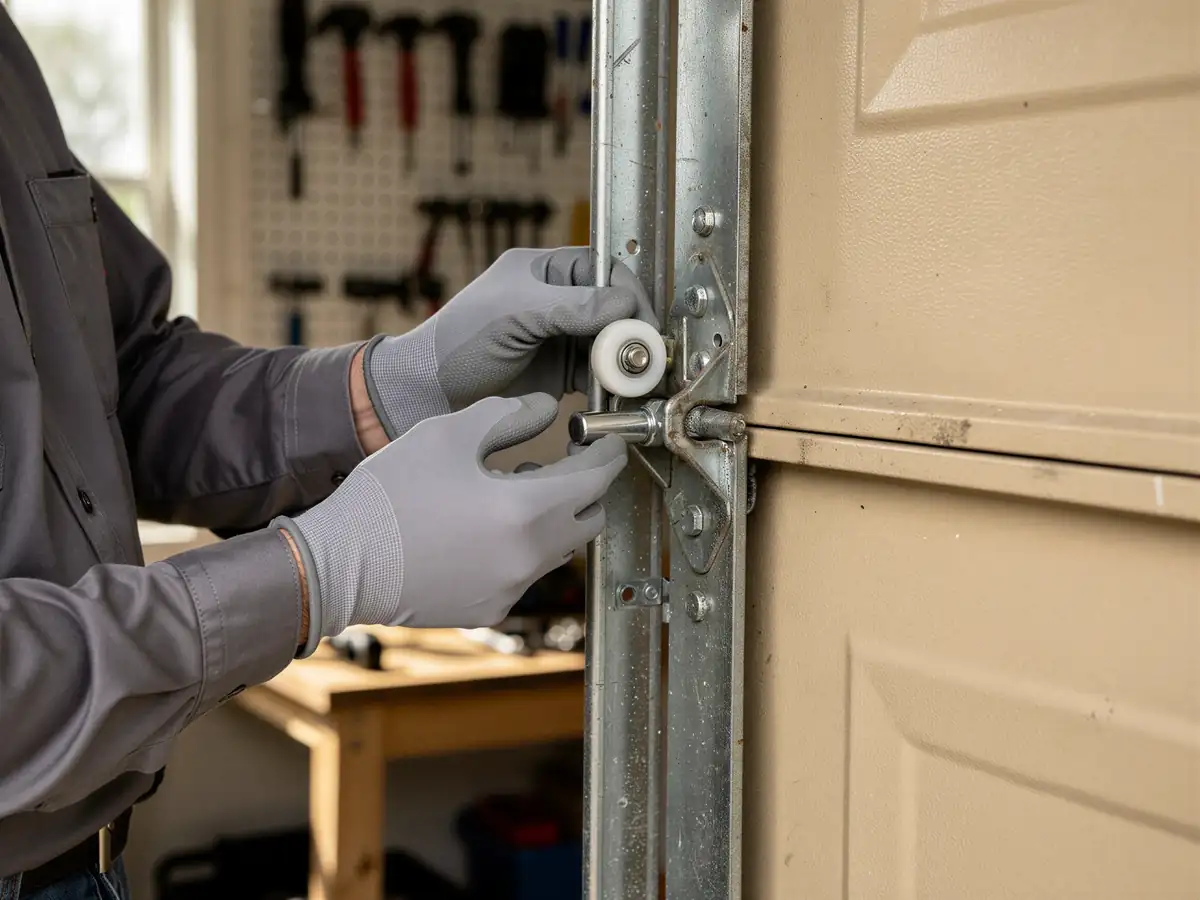
Most of our calls in Holly Springs are opener-side repairs: dead logic boards, failing safety sensors, and remotes that stop pairing after years of use. On the door itself, we see broken torsion springs reaching the end of their rated cycle count, worn rollers that have started rattling in the track, and bottom seals that have hardened and cracked from cold-weather exposure. We don't recommend full door replacement unless the panels themselves are damaged or the torsion system has failed in a way that would cost nearly as much to repair piecemeal - on a door this age, that's rare. One honest limit: if a part is proprietary to a builder-grade opener model no longer in production, we may need to source it before we can finish the job in one visit, and we'll tell you that up front rather than guess.