What Causes It Around Here
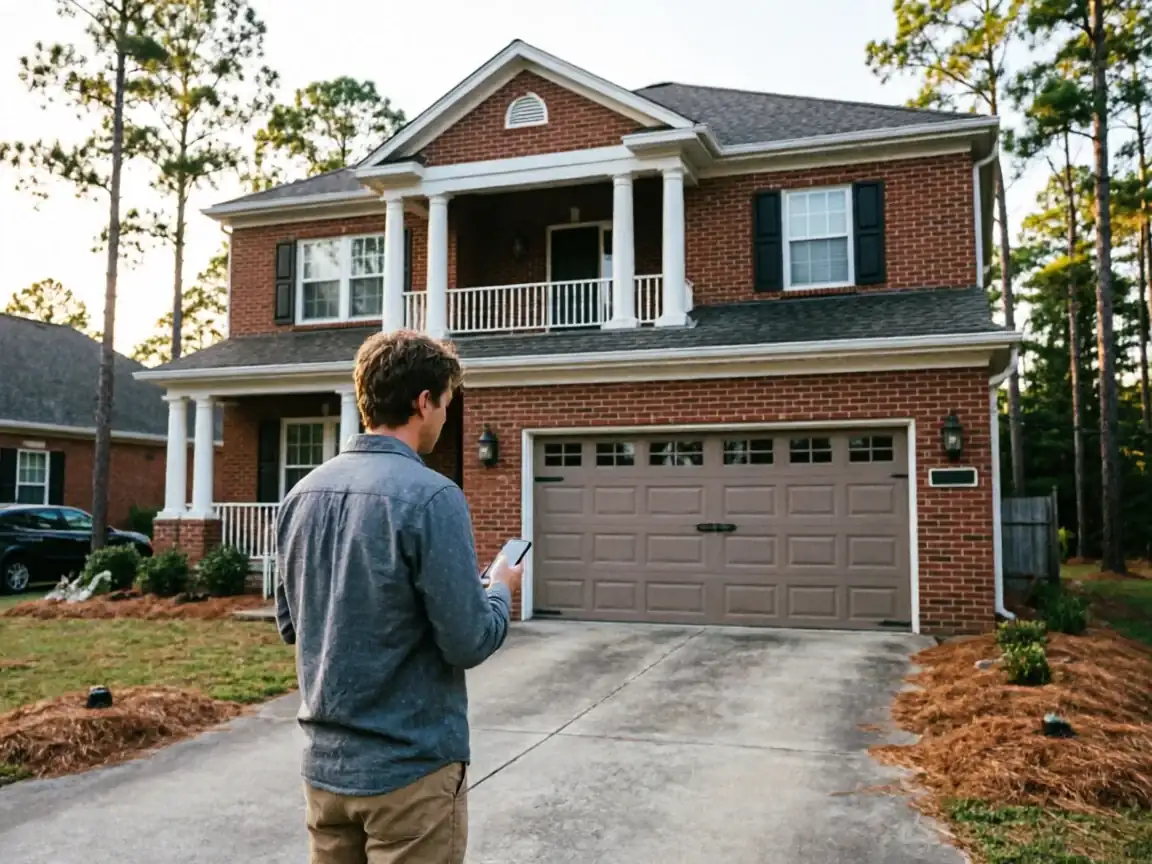
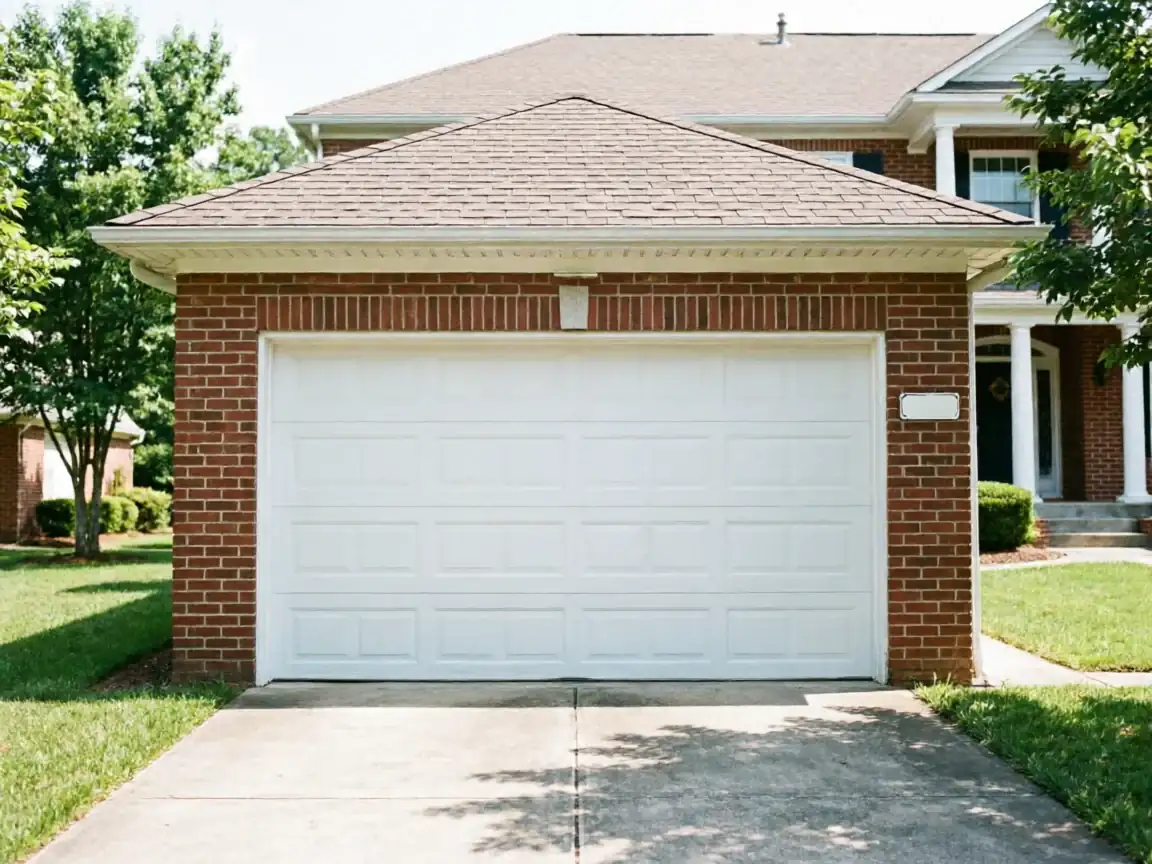
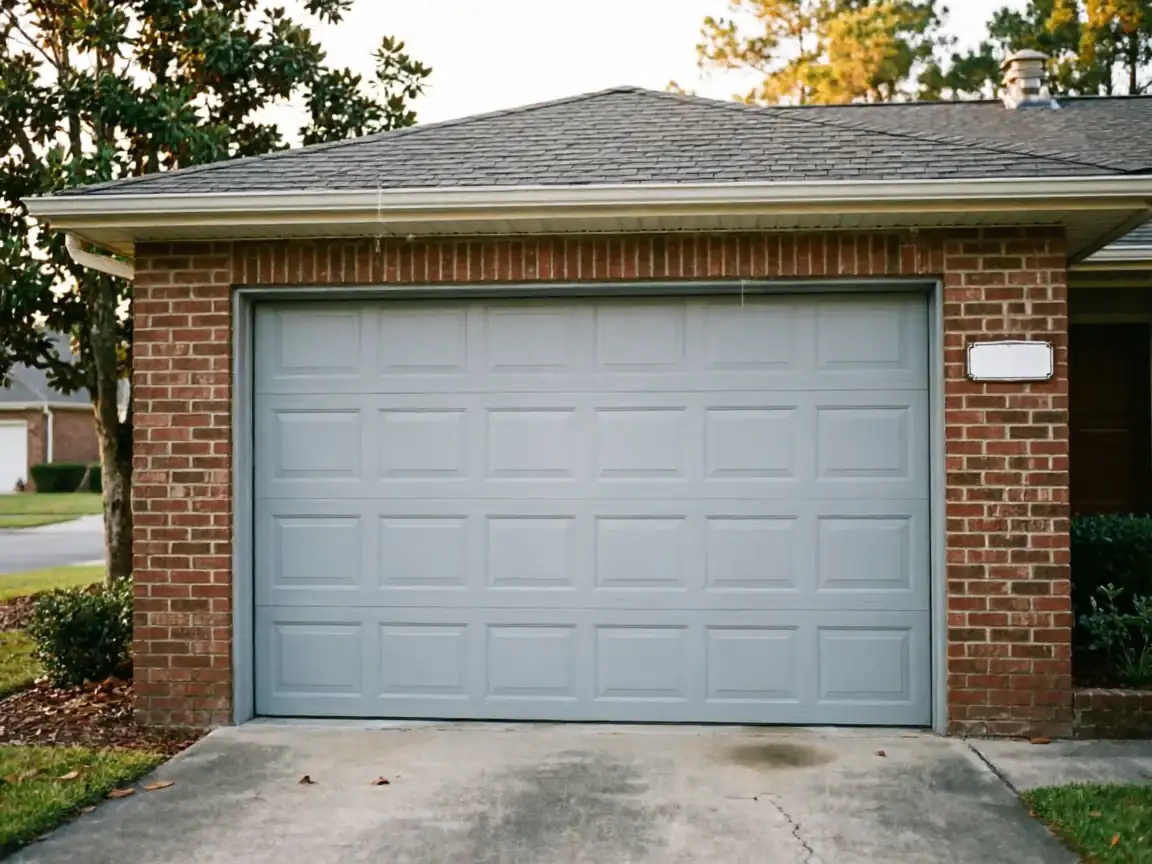
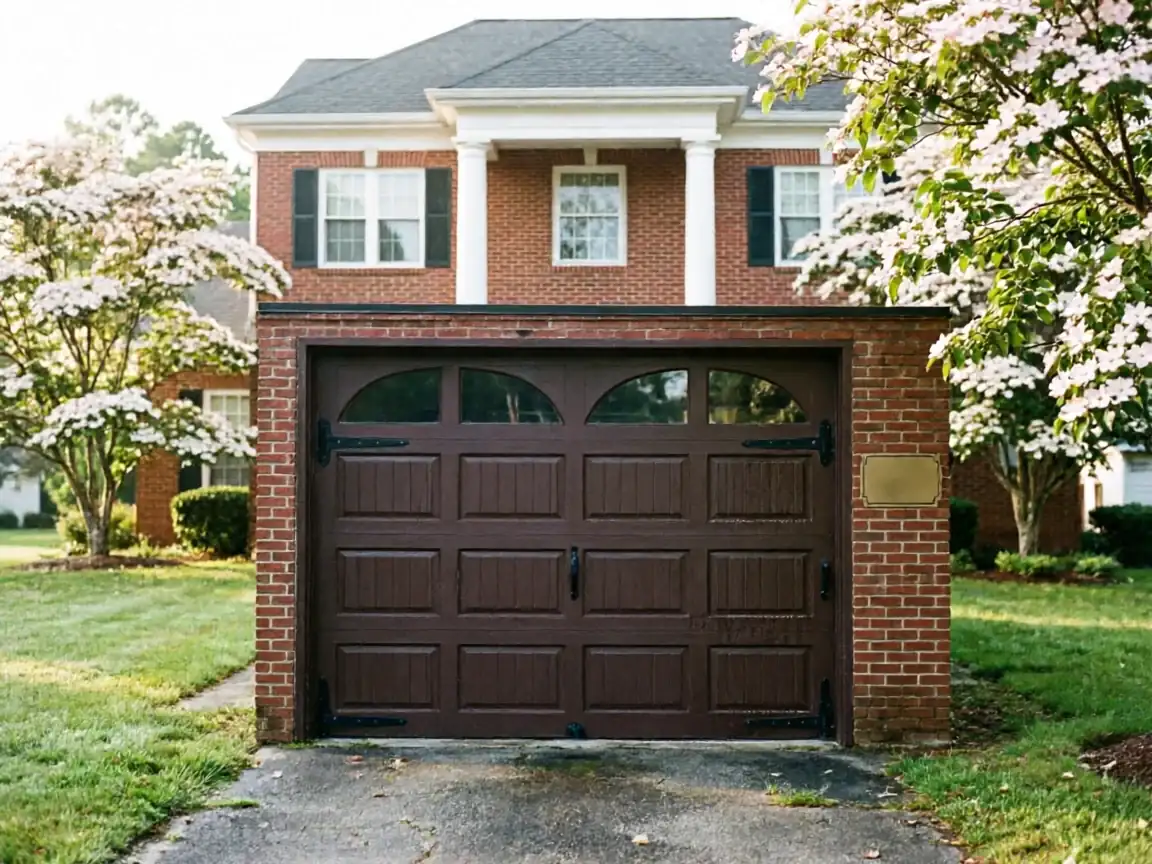
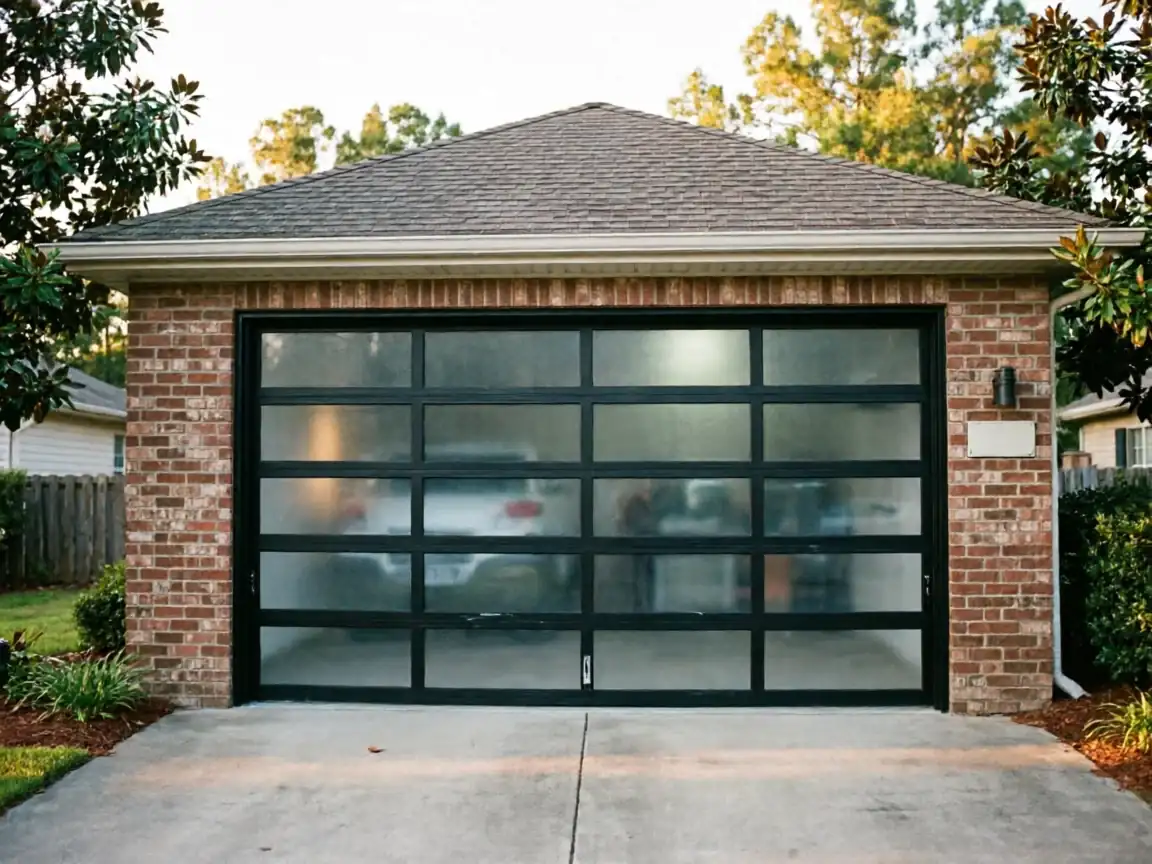
Milton's housing stock runs from 1964 to 2007, but the bulk of it - across most of the ten named subdivisions and pockets that make up the area - went up in the 1980s and 90s, with a median build year around 1992. That matters for springs because torsion springs are rated in cycles, not years, and a spring installed when a house was framed in, say, 1987 has had three decades of daily openings to burn through that rating.
Milton sits in a cold-moderate climate band. It doesn't get the deep-freeze swings of the upper Midwest, but winter nights still drop enough for the steel coil to contract, and that daily expansion-and-contraction cycle is harder on metal fatigue than steady heat ever is. A spring that's already near the end of its cycle count is the one that snaps on a cold morning, not a warm afternoon.
Put those two things together - a lot of original-equipment springs from the 1980s-90s building boom, sitting through winter after winter - and you get a predictable failure pattern: springs that gave no warning and let go all at once, usually on the coldest week of the year.
What the Fix Involves
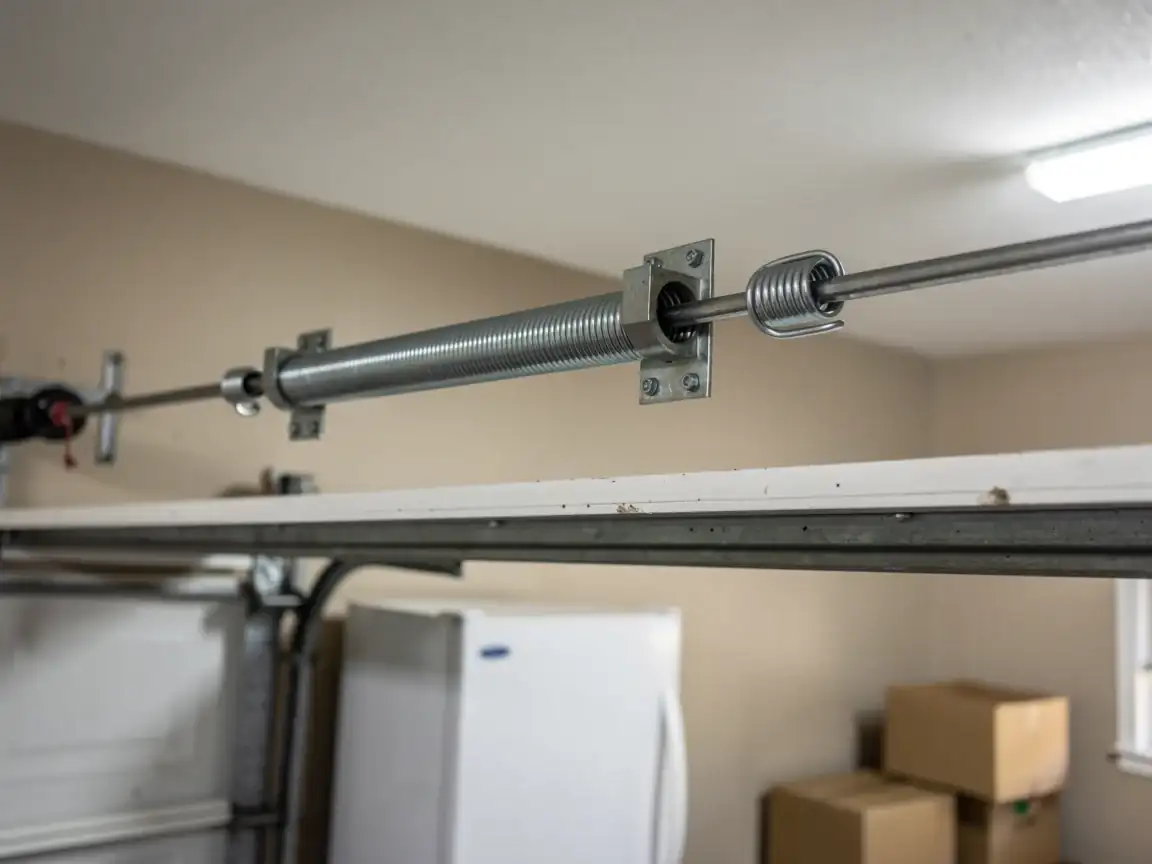
A broken torsion spring isn't a patch job
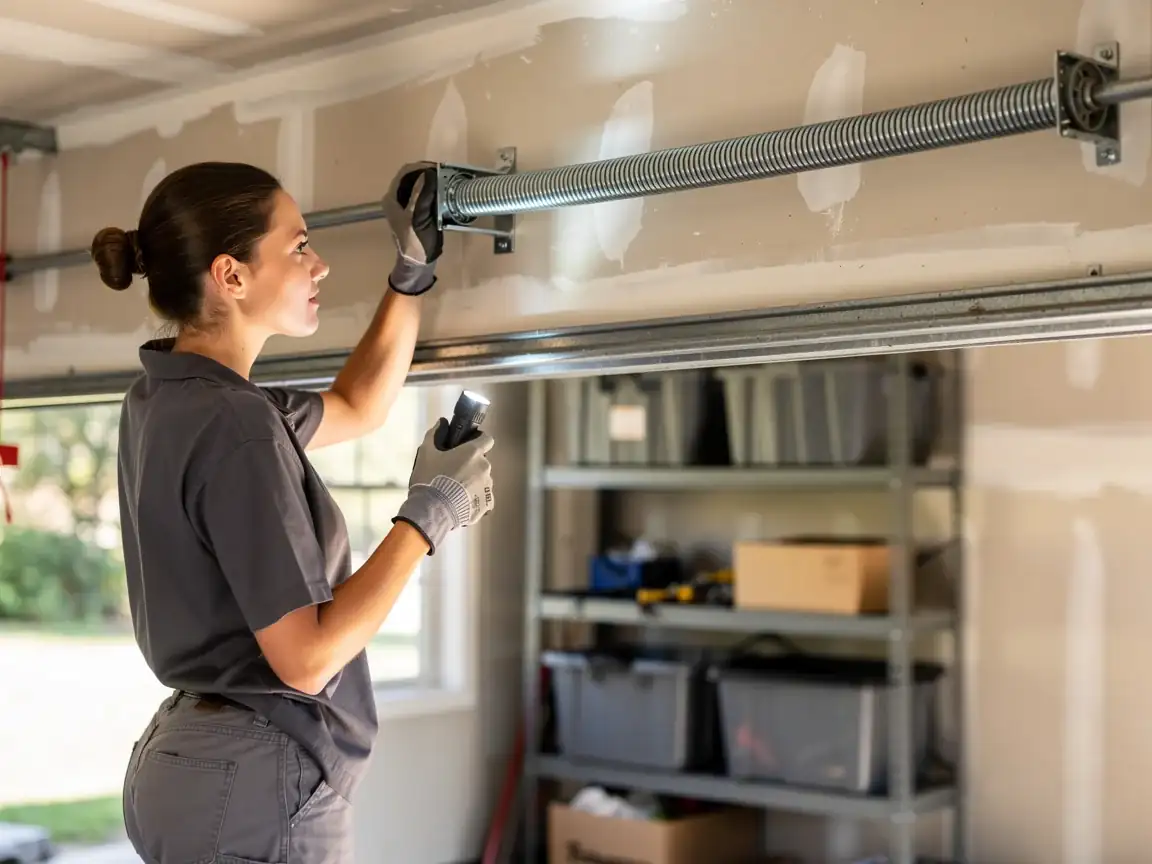
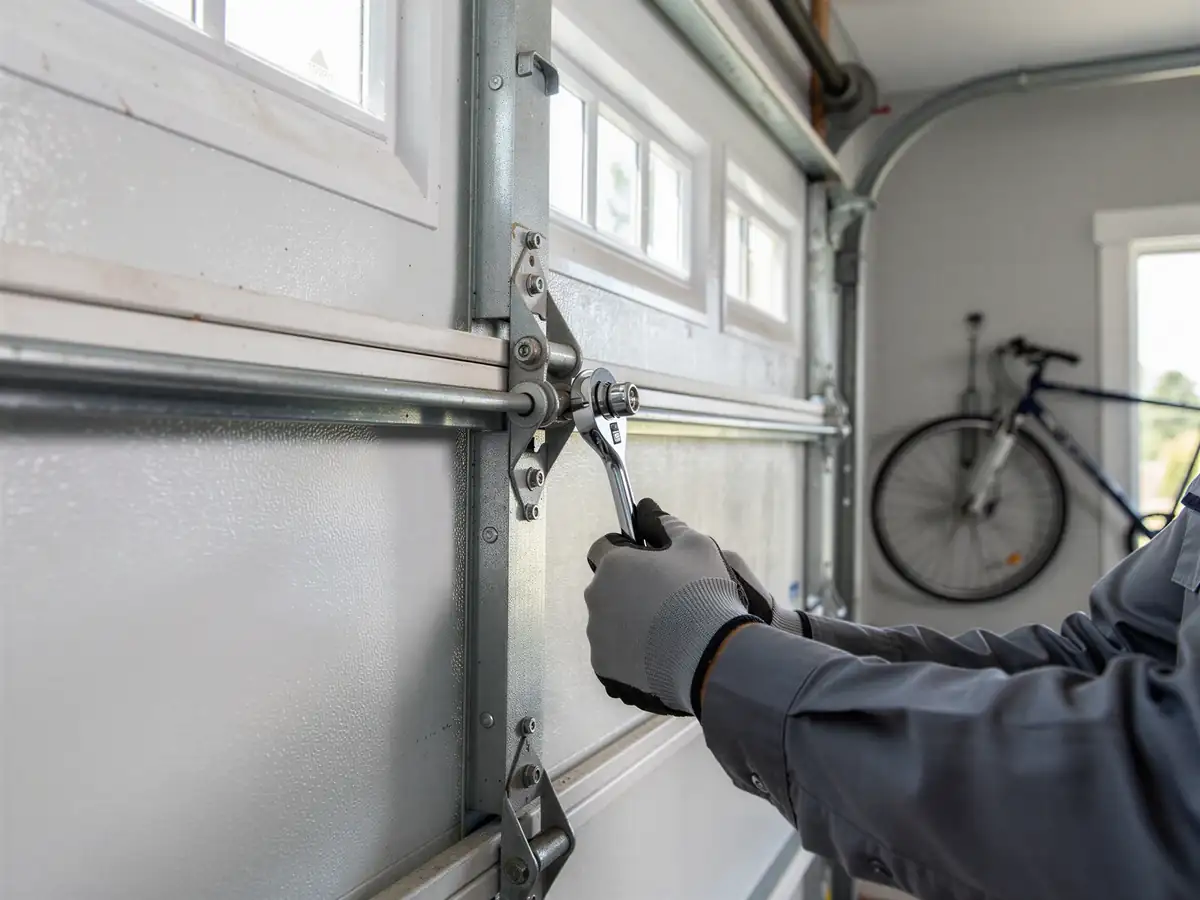
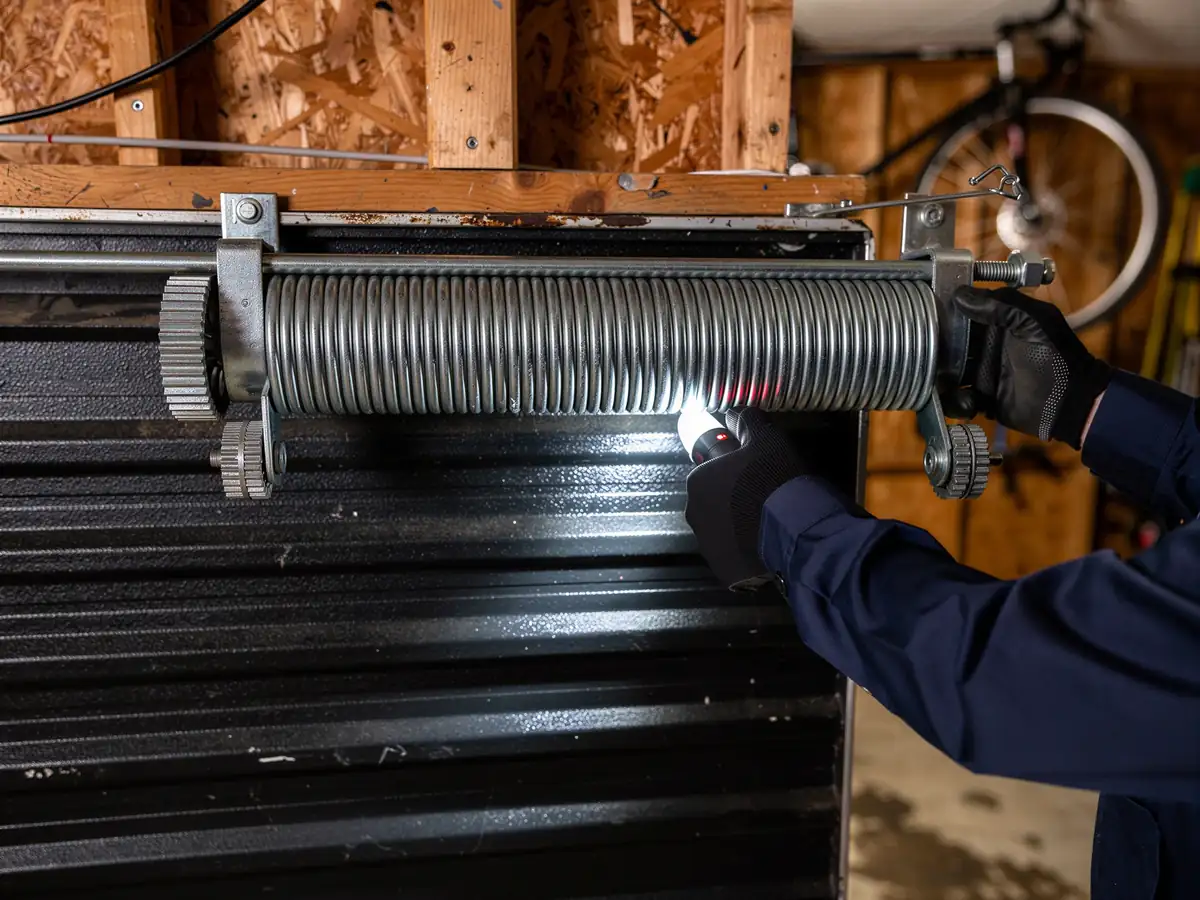
We pull the old spring (or springs - most double doors run two), check the shaft, drums, and cables for wear from the sudden unwinding, and match the new spring to the door's weight and your winding cone size. Wind tension has to be set to the door's actual weight, not guessed, or you end up with a door that slams down or won't stay open.
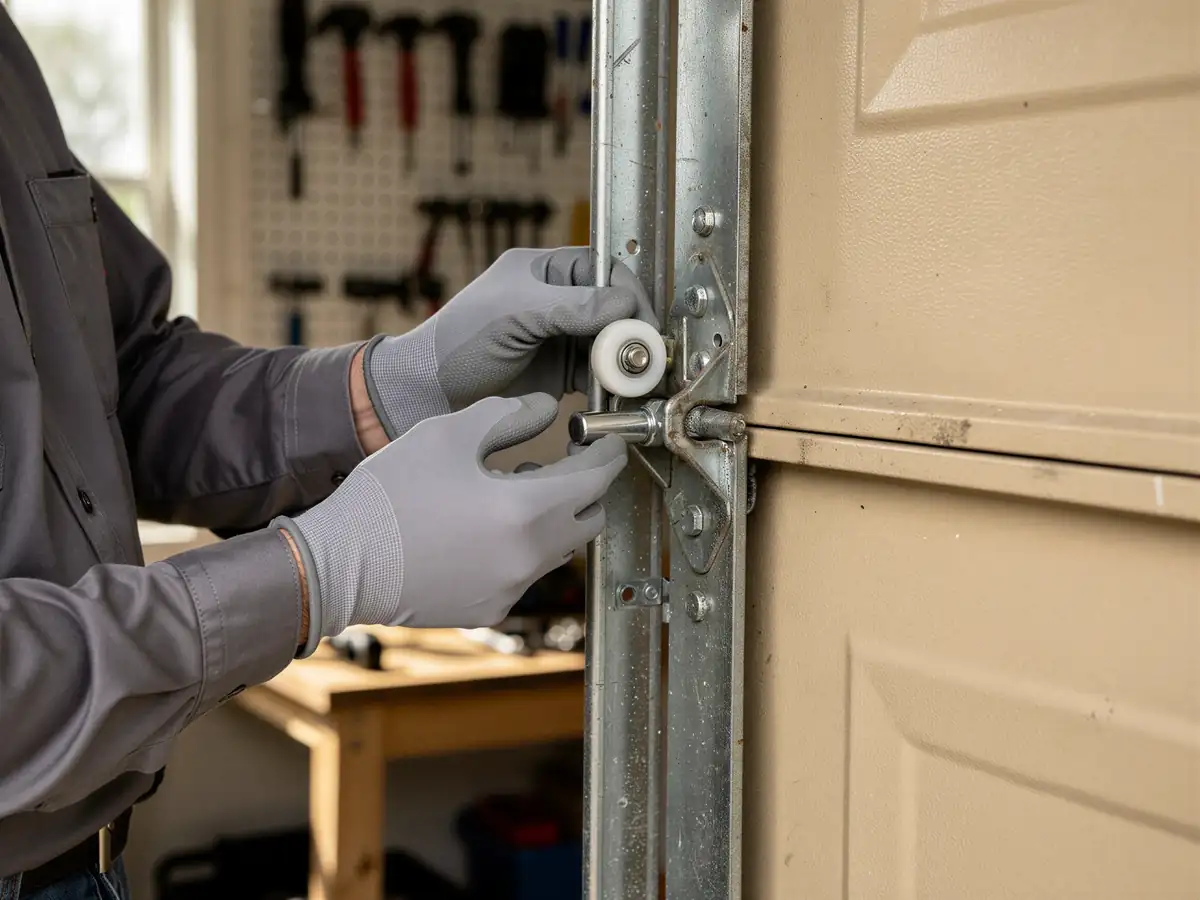
We also check the bottom brackets and end bearing plates while we're in there
Since a spring snap puts a shock load through the whole system. On a door that's been running the original springs for 20-plus years, we'll often find a bearing plate that's worn oval instead of round - that gets replaced at the same time rather than left to fail again in six months.
One honest limit here
If the spring broke because the door itself is out of balance from a bent track or a sagging section, replacing the spring alone won't fix that. We'll tell you up front if the door needs more than a spring before we quote the job.
How It Shows Up
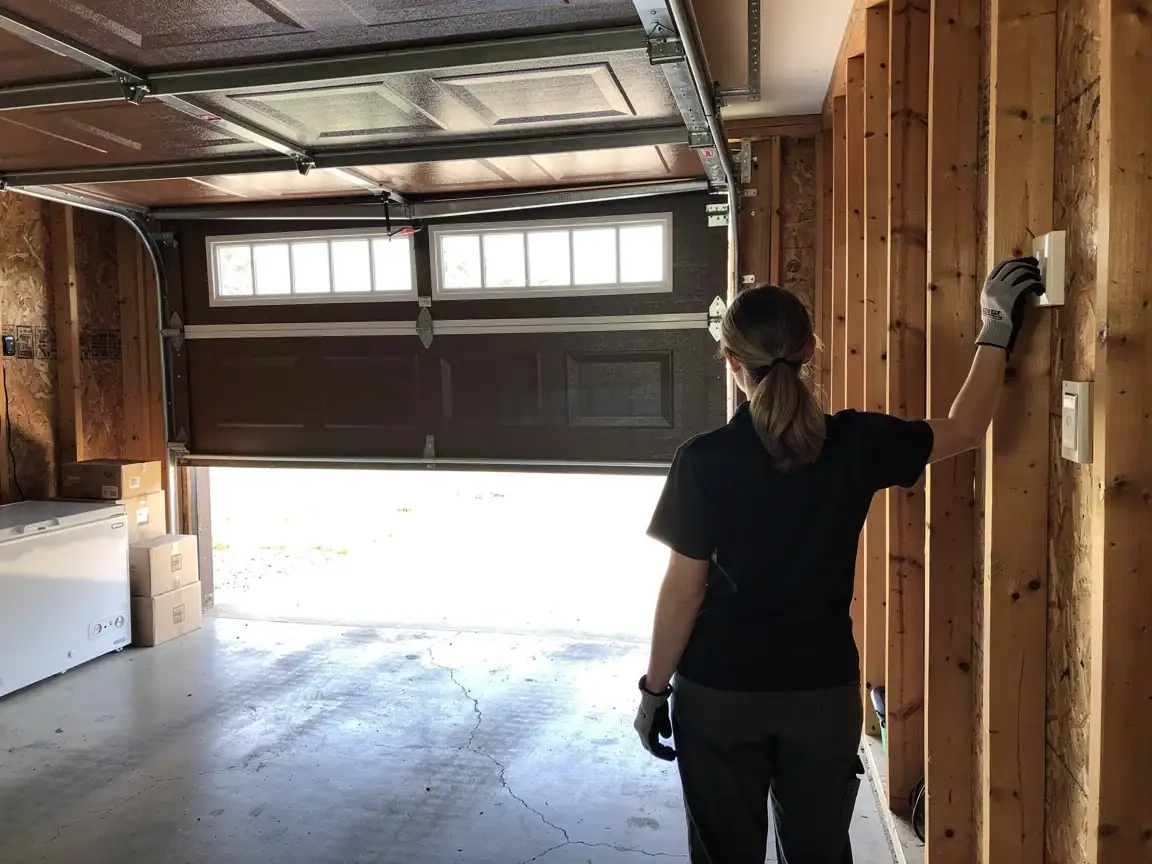
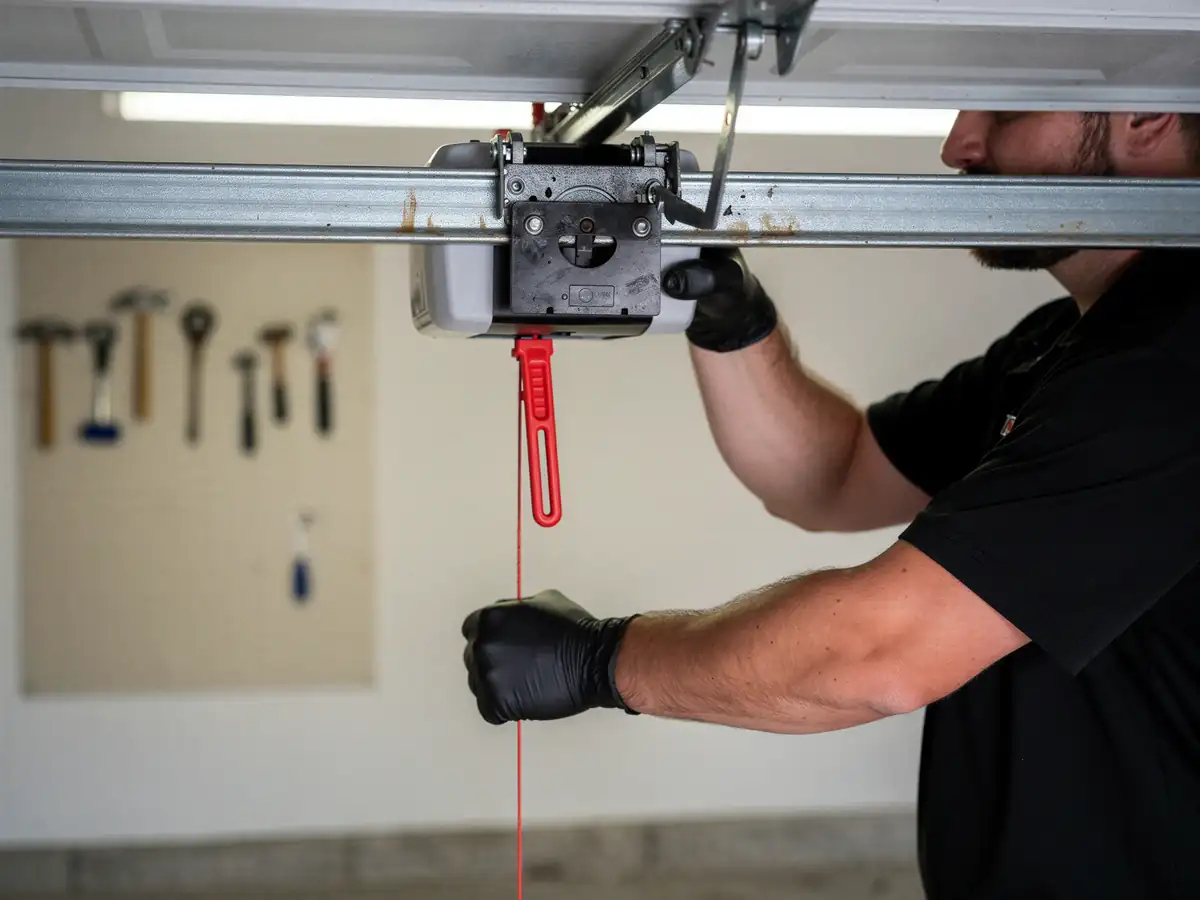
Most people find out they've got a broken torsion spring the same way: the door won't budge, or it drops hard and fast instead of lowering slow. If you try the opener, you'll usually hear the motor straining, because without the spring doing its job, the opener is trying to lift the full dead weight of the door on its own - which is also how openers burn out trying to compensate.
Some people notice a loud bang from the garage first, usually when they're not even near the door. That's the spring letting go under tension, and it's startling but not dangerous if nobody's standing underneath the door at the time.
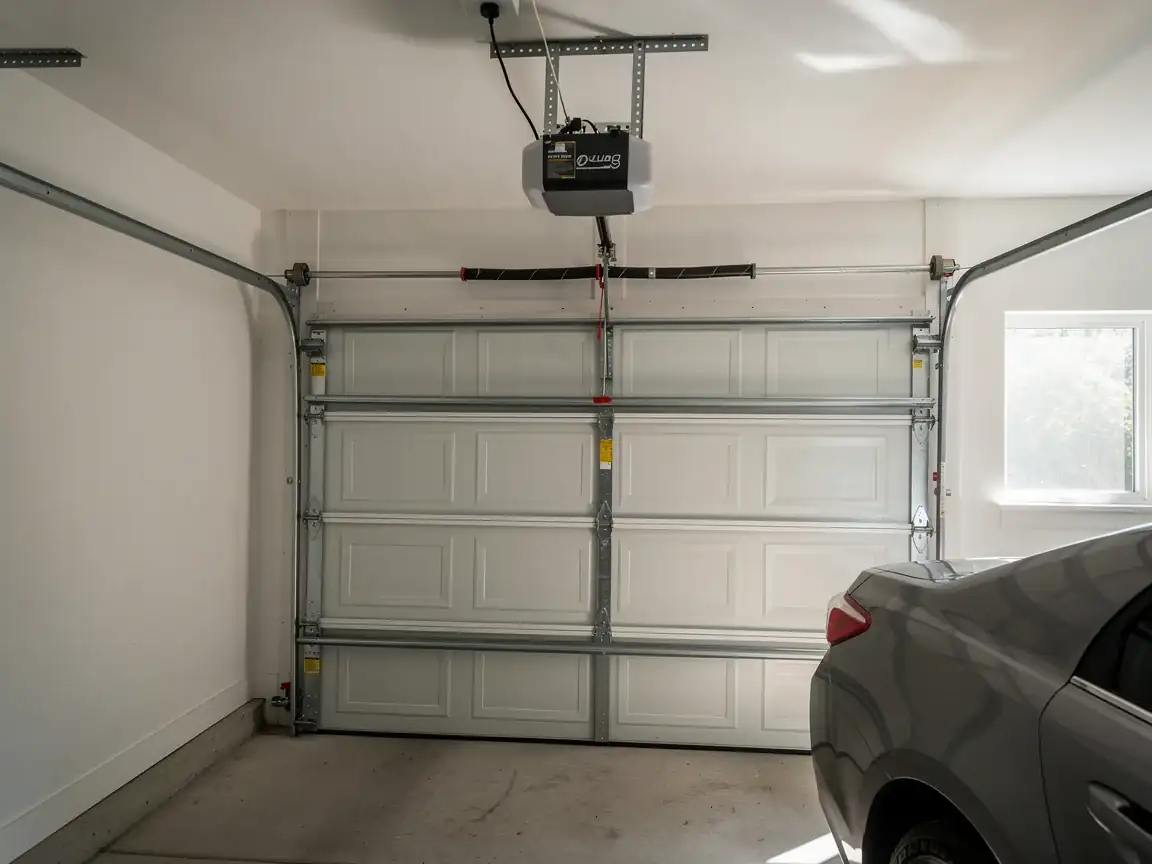
On older installs - the ones from the 1980s and 90s stock that make up so much of Milton - you'll sometimes see a visible gap in the coil where it's snapped in two, right there on the shaft above the door. That's as diagnostic as it gets: if you see that gap, the door isn't getting fixed without a new spring.
Stocked Parts
We carry the common torsion spring sizes that match Milton's 1980s and 90s tract-built doors on the truck, so most jobs don't need a special order or a second visit. That covers the standard single and double garage door widths that make up the majority of the roughly 15,372 owner-occupied houses across the wider service area, including homes near Mountain Park that share the same build-era hardware.
Where we do run into a wait is on less common setups - oversized doors, older low-headroom torsion conversions, or odd cable drum combinations that weren't standard for this area. Those sometimes mean ordering a part, and we'll tell you that on the spot rather than let you assume it's same-day.
We service Milton and the surrounding area. For anything outside a standard torsion setup, ask when you call - we'd rather give you a real timeline than a guess.