The Seasonal Bit
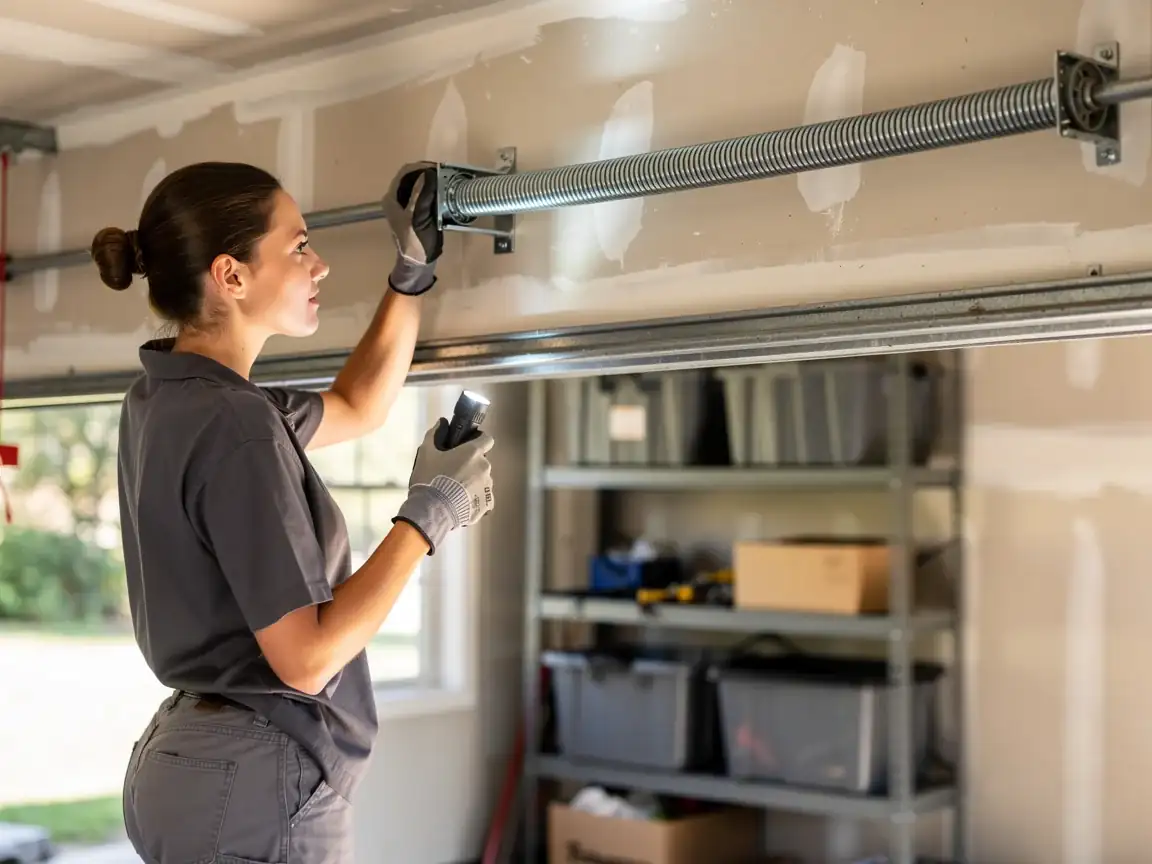
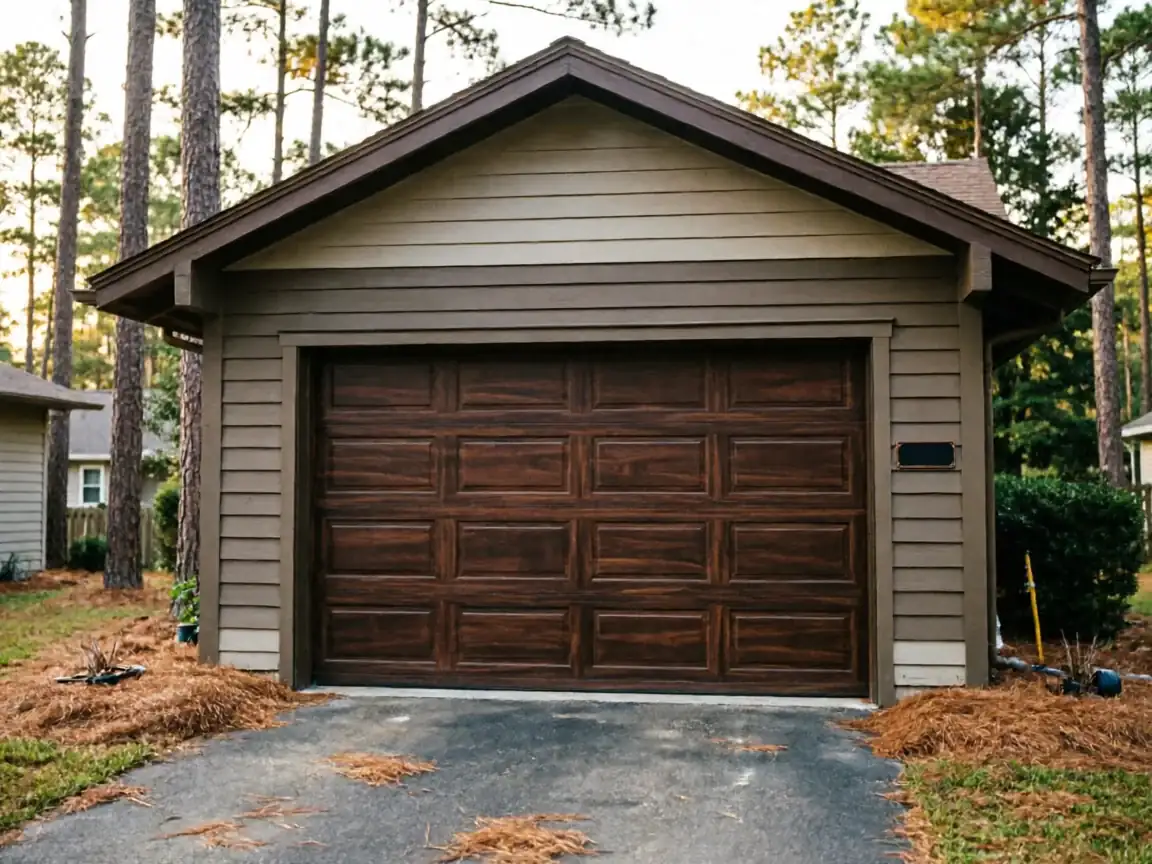
Milton sits in a cold-moderate climate band. That doesn't mean brutal winters, but it means real swings - cold spells that stiffen torsion springs, tighten steel tracks out of alignment, and dry out nylon rollers until they start chattering on the way up. Humidity swings the other direction in summer, which is what warps wood panels and loosens the glue on insulated steel doors that were built with cheaper lamination.
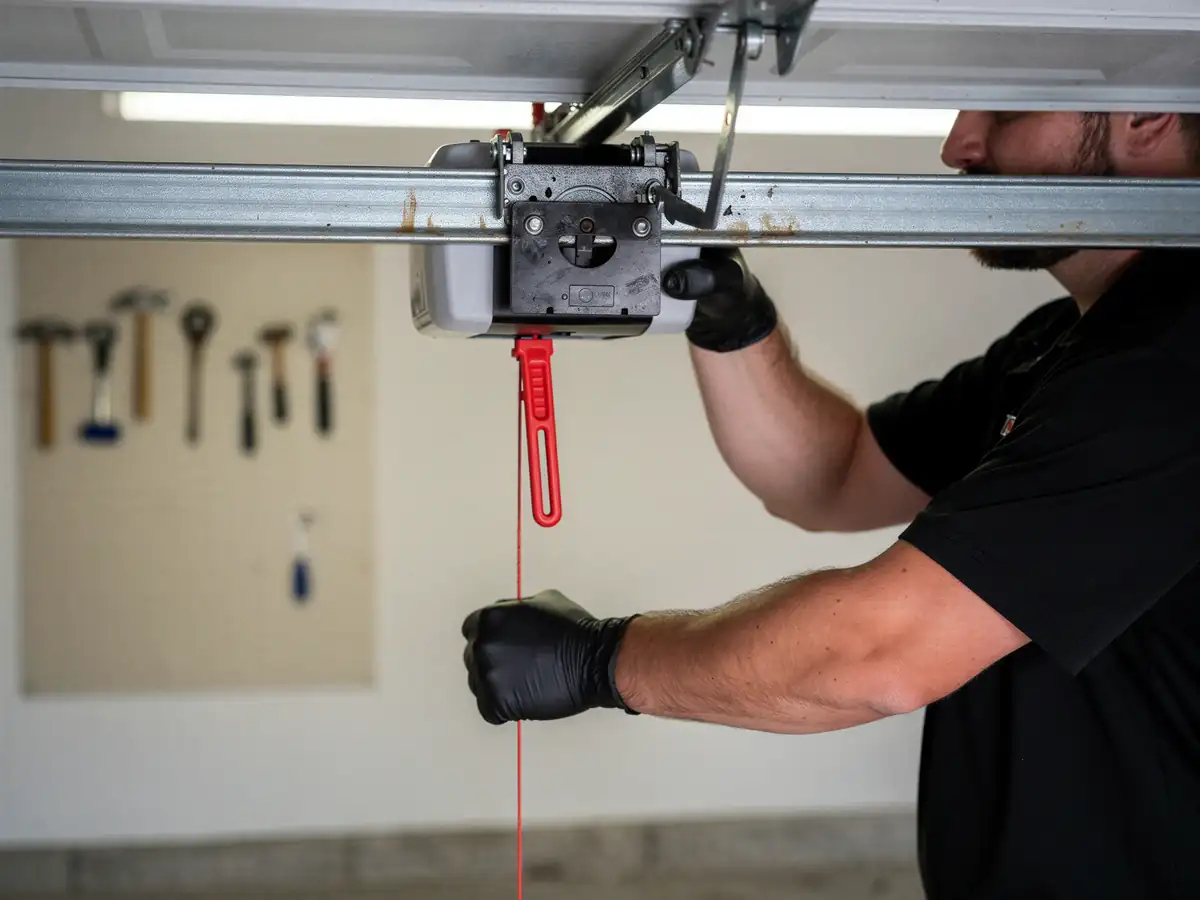
This matters for the fix-or-replace call because a spring that's marginal in October can snap outright on the first hard cold morning in January. If your door's already slow to open, or the opener strains more on cold mornings than warm ones, that's not your imagination - that's the band we're in. A repair that holds fine in July can fail by February.
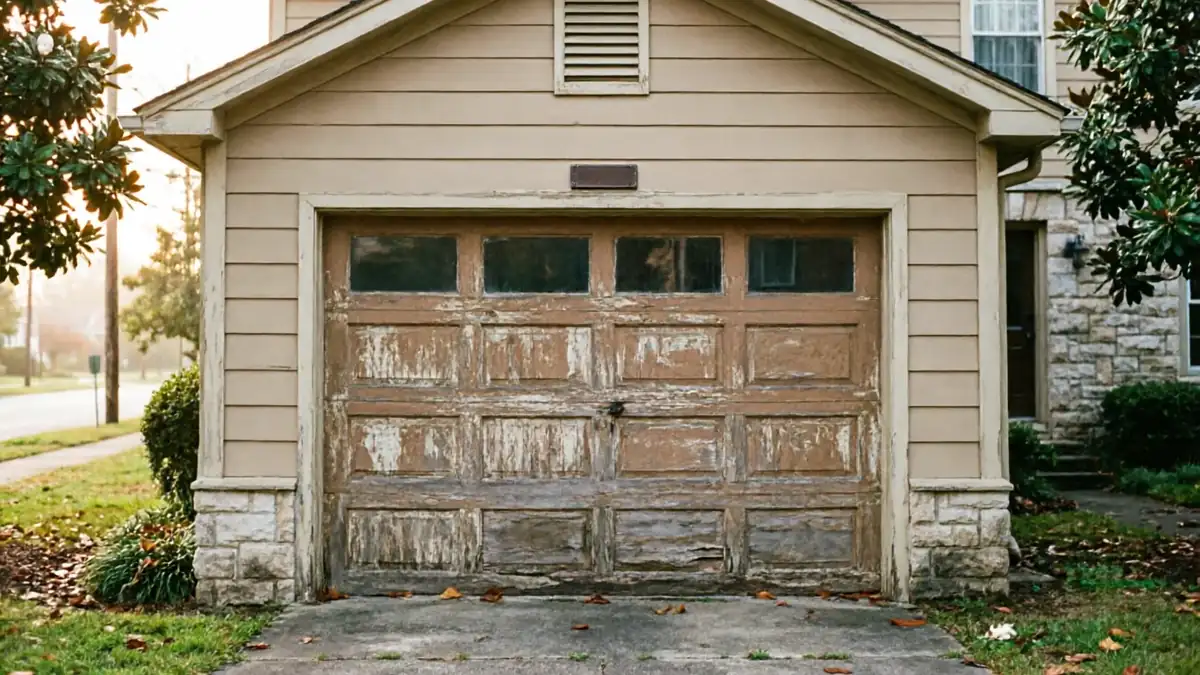
We don't push replacement just because a door is old. A steel door with a sound frame and decent hardware can take a new spring kit and another decade of cold mornings. But if the panels are already bowing from past humidity cycles, a new spring won't fix that - you're just delaying the panel conversation, not solving it.
The Situation
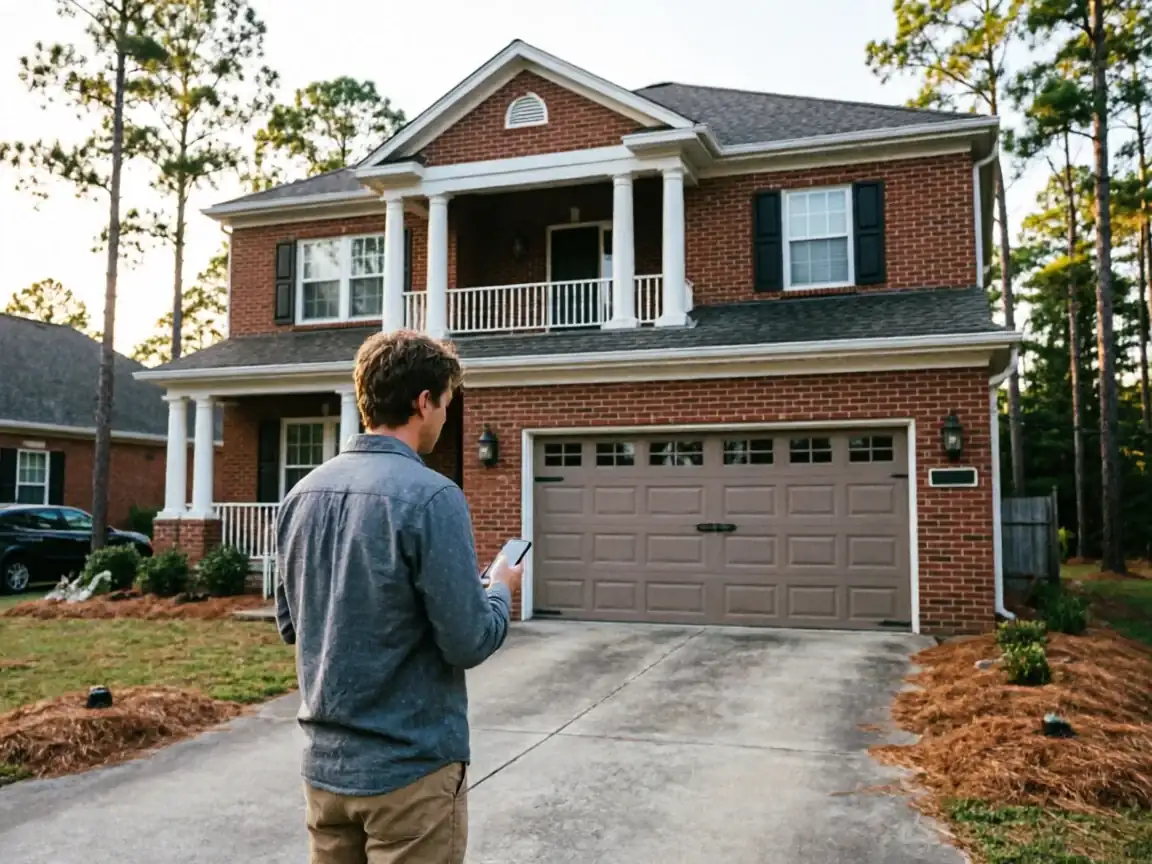
Housing across the Milton service area mostly went up between 1964 and 2007
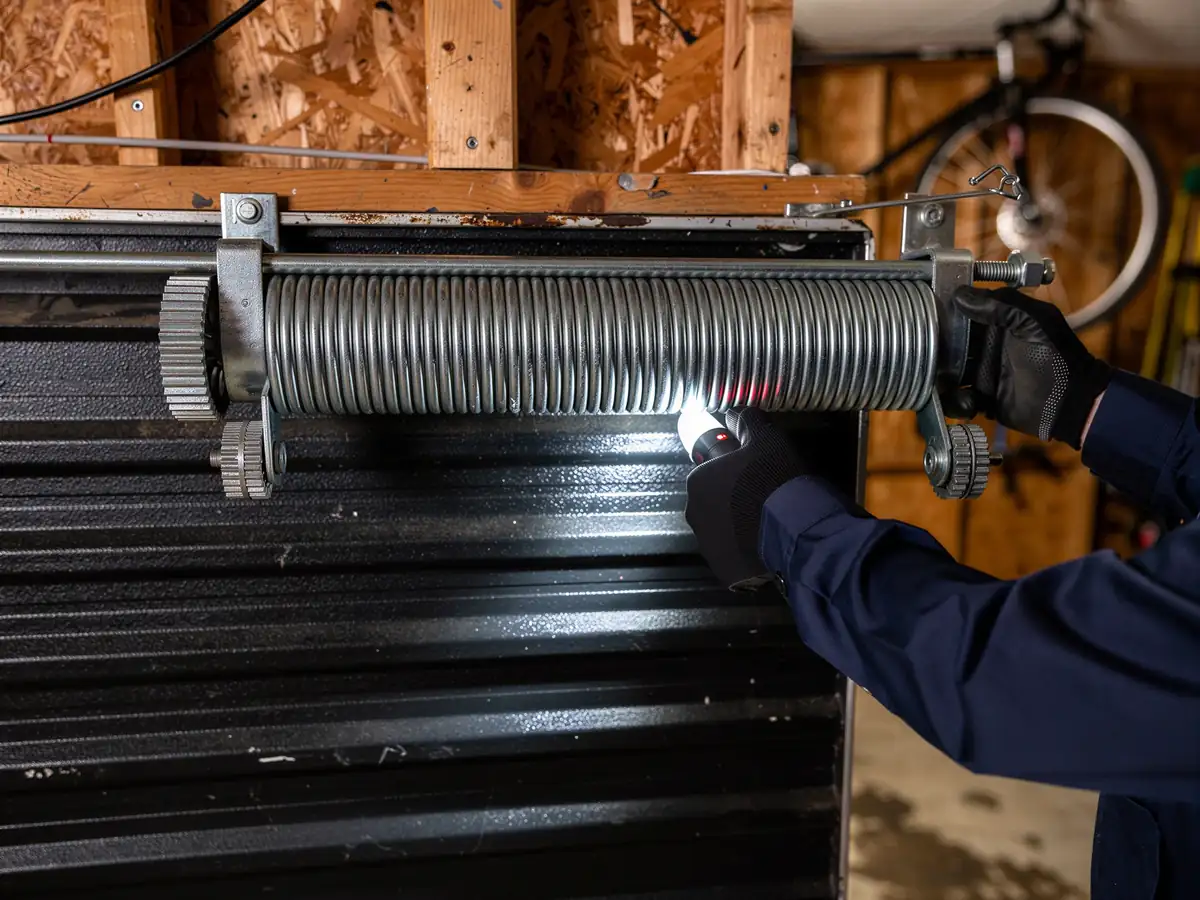
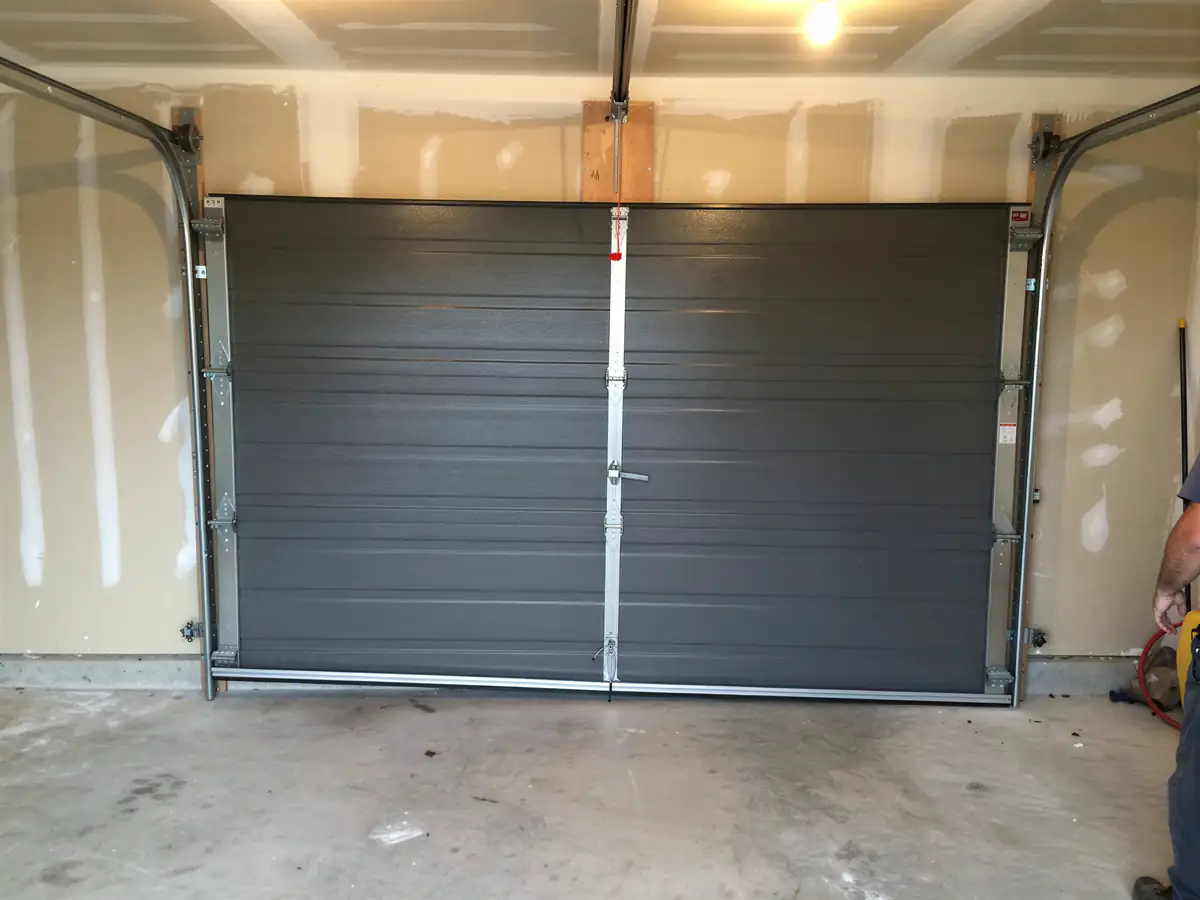
With the median build year sitting around 1992. That puts a big share of doors - original or first-replacement - right in the 1980s-90s window, which shows up consistently across the ten named areas we work. That generation of door is steel-panel, torsion-spring, often with the lighter-gauge track that was standard before manufacturers thickened it up.
A door from that era isn't automatically a write-off
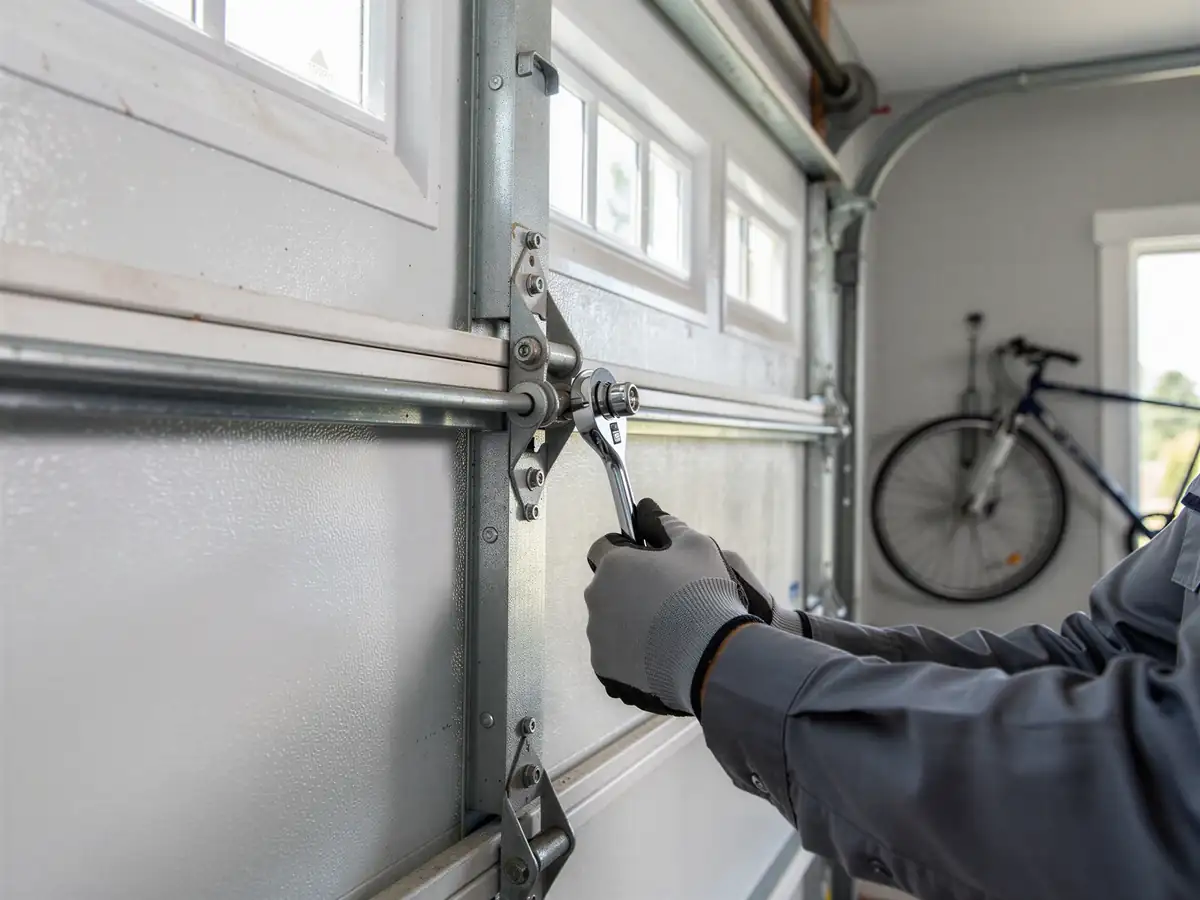
The steel itself usually outlasts the hardware - springs, cables, rollers, the opener's drive gear. If the panels are straight and the track isn't rusted through, replacing the wear parts is often the right call and costs a fraction of a new door.
Where it tips toward replacement
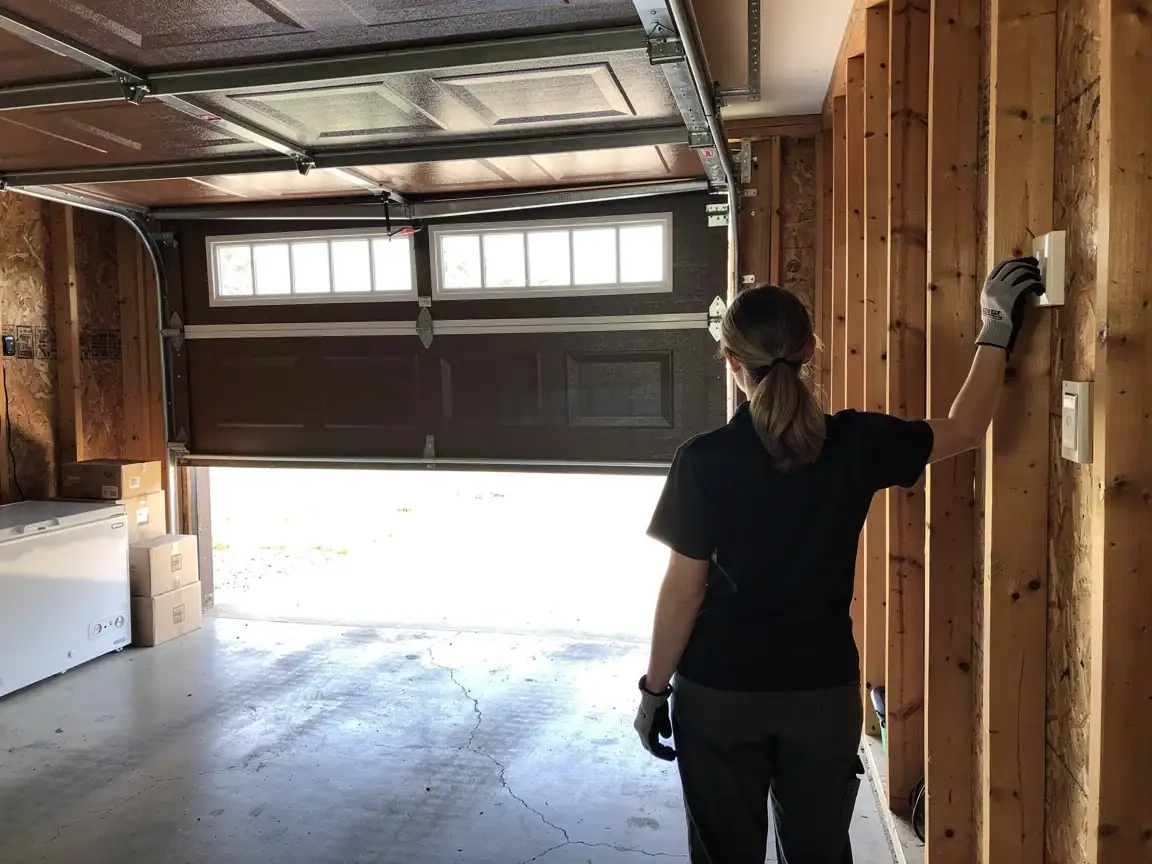
If the bottom panel has rusted from ground contact, if the door's been off-track enough times that the frame has racked, or if you're on the oldest end of that 1964-2007 range and the door's never been touched. At that point you're not fixing a door, you're rebuilding one panel at a time, and that adds up faster than just swapping it.
What You Pay
We don't publish a flat number here because the honest answer depends on what's actually wrong - a torsion spring job and a full door swap aren't in the same ballpark, and quoting one figure for both would be misleading. What we can tell you is how the decision usually breaks for homes in this area.
Milton's median household income is $90,626, which is high enough that most owners here aren't stretching to make a repair-versus-replace call purely on cash flow - they're making it on whether the door's worth the ongoing attention. For a lot of households, that means skipping the cycle of patching a 1980s-90s door every year or two and just replacing it once, rather than nursing it along.
The honest limitation: if your door needs more than a spring and a tune-up - if we're talking bent track, a cracked panel, and a tired opener all at once - call it. Piecing that together job by job usually costs more over two years than one clean replacement would have, and we'll tell you that straight instead of billing you three separate times.
How Local Conditions Play In
We cover a spread of areas around Milton - Mountain Park 7 miles out 6 miles ENE, Holly Springs at 10, Cumming at 11, Berkeley Lake at 13. Housing age varies some across that radius, but the core pattern holds: most of what we see is that 1964-2007 build range, median around 1992, meaning a lot of original torsion hardware is now 30-plus years old regardless of which side of Milton it's on.
Across 35,811 households in the service area, 15,372 are owner-occupied houses - the kind of standalone garage that actually has a door and opener to worry about, as opposed to shared structures. That's a large base of doors from the same construction era hitting the same age-related failures around the same time, which is part of why spring and cable failures cluster seasonally rather than randomly.
If you're near the edges of that radius - out toward Ball Ground or Waleska - expect the same general housing-age pattern, just thinner coverage in terms of how often we're already in the area that day.