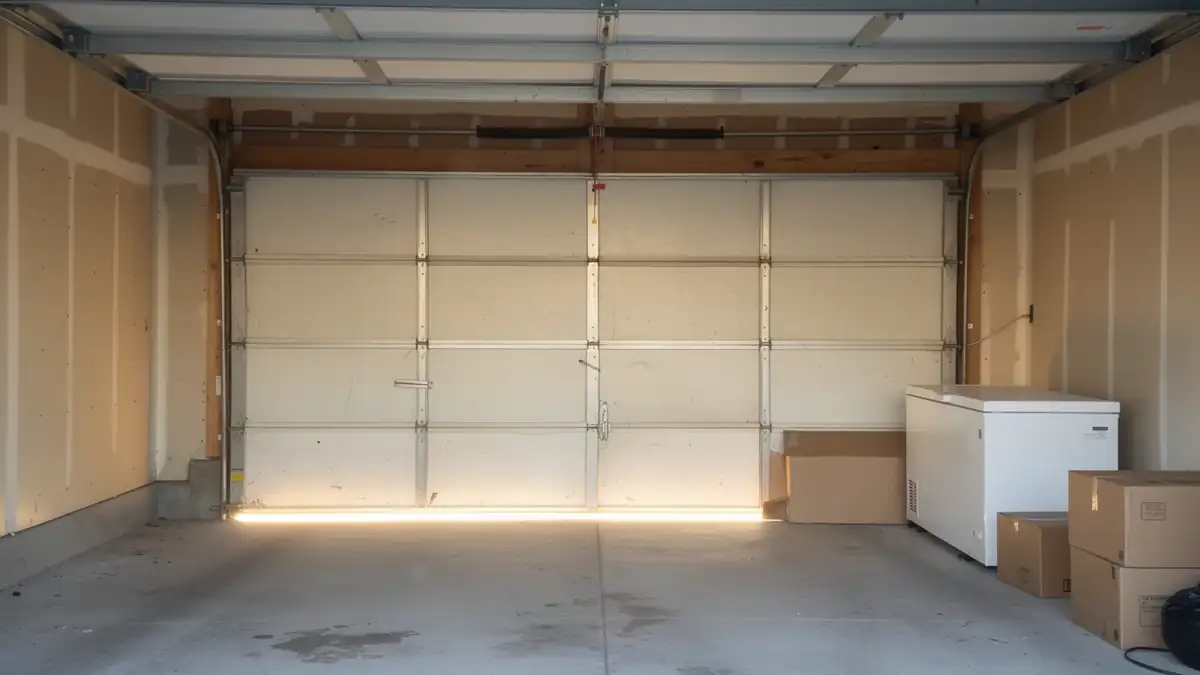
The Seasonal Bit
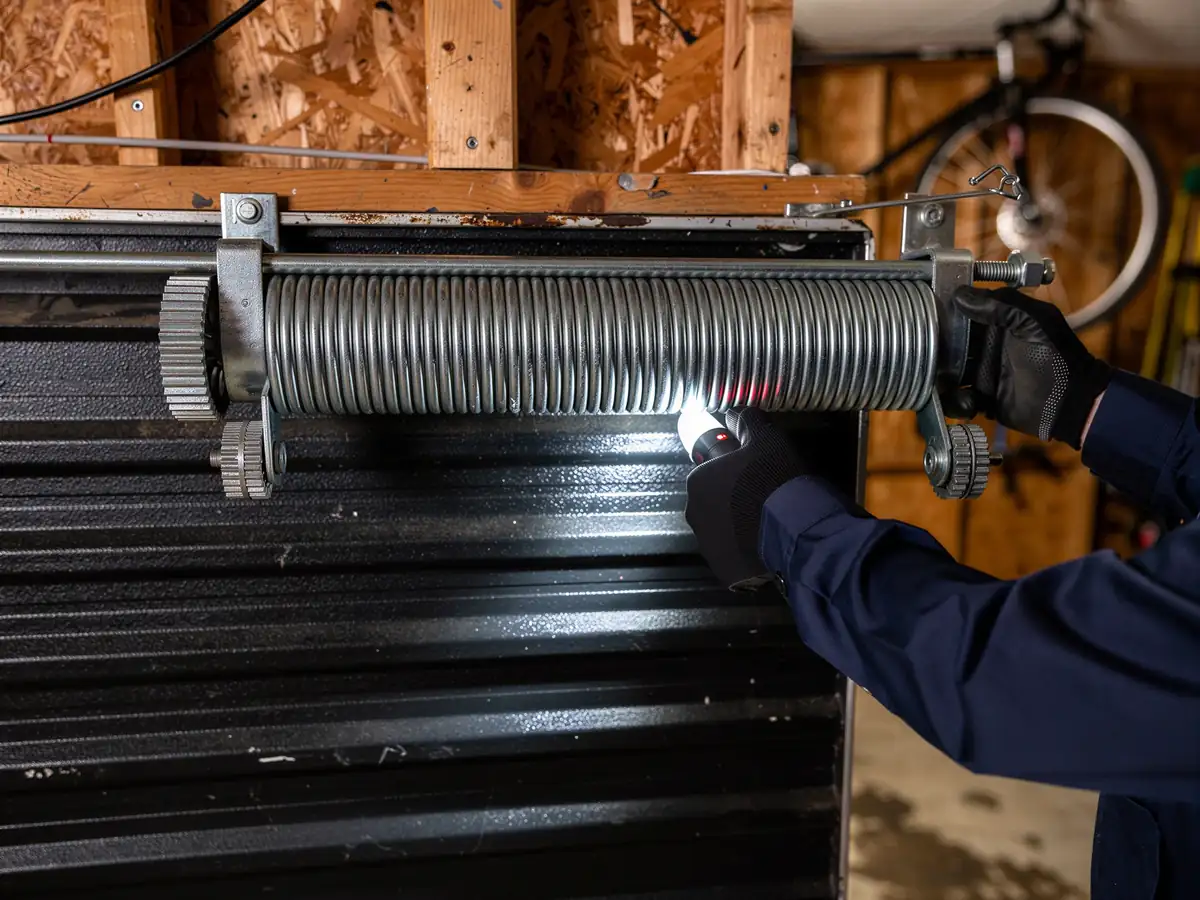
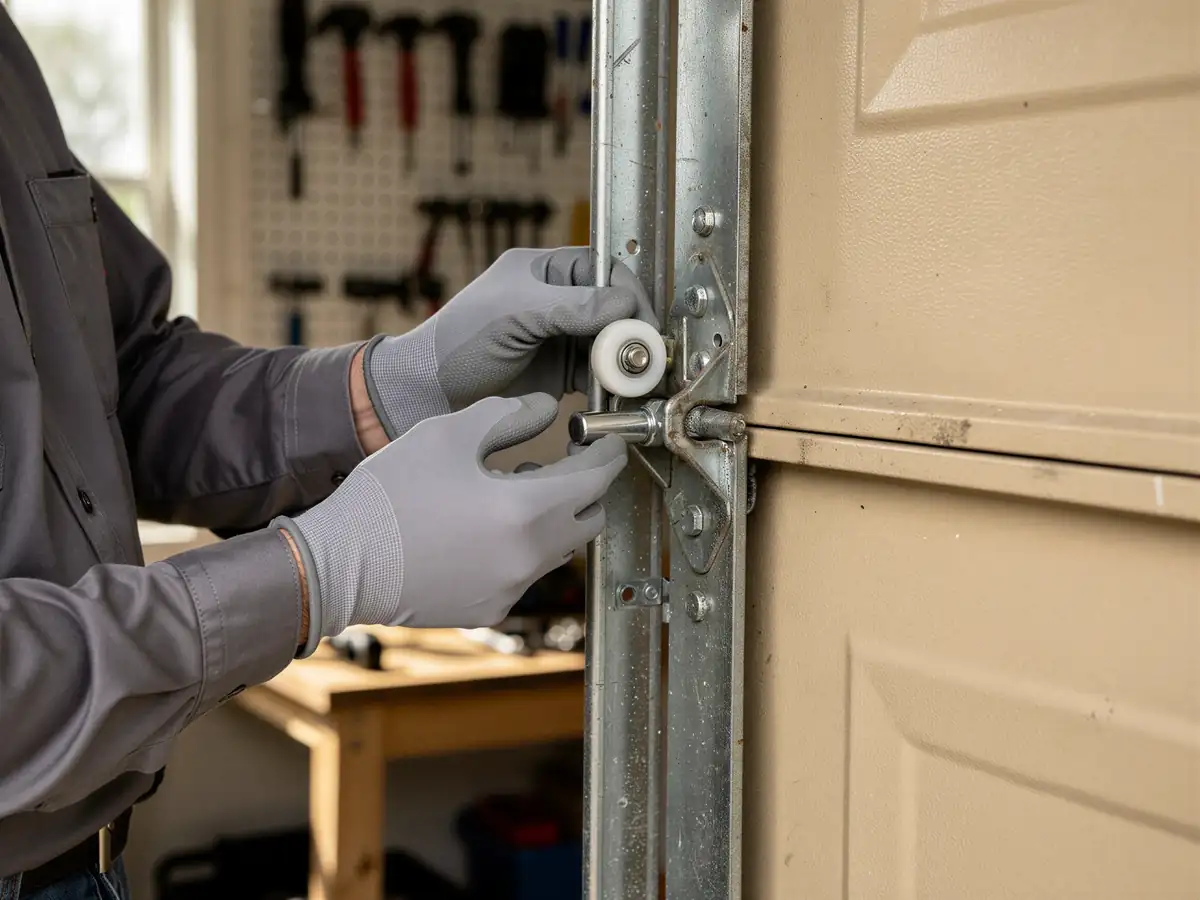
Milton sits in a cold-moderate climate band. That doesn't mean brutal winters, but it means real freeze-thaw swings through the cold months - enough to stiffen torsion springs, shrink weatherstripping, and make steel track contract just enough to throw a roller off alignment. Doors on houses built before insulation rules went into the local code handle this worse than newer ones, because the panel itself moves more with temperature change and the gaps around it were never sealed to today's standard.
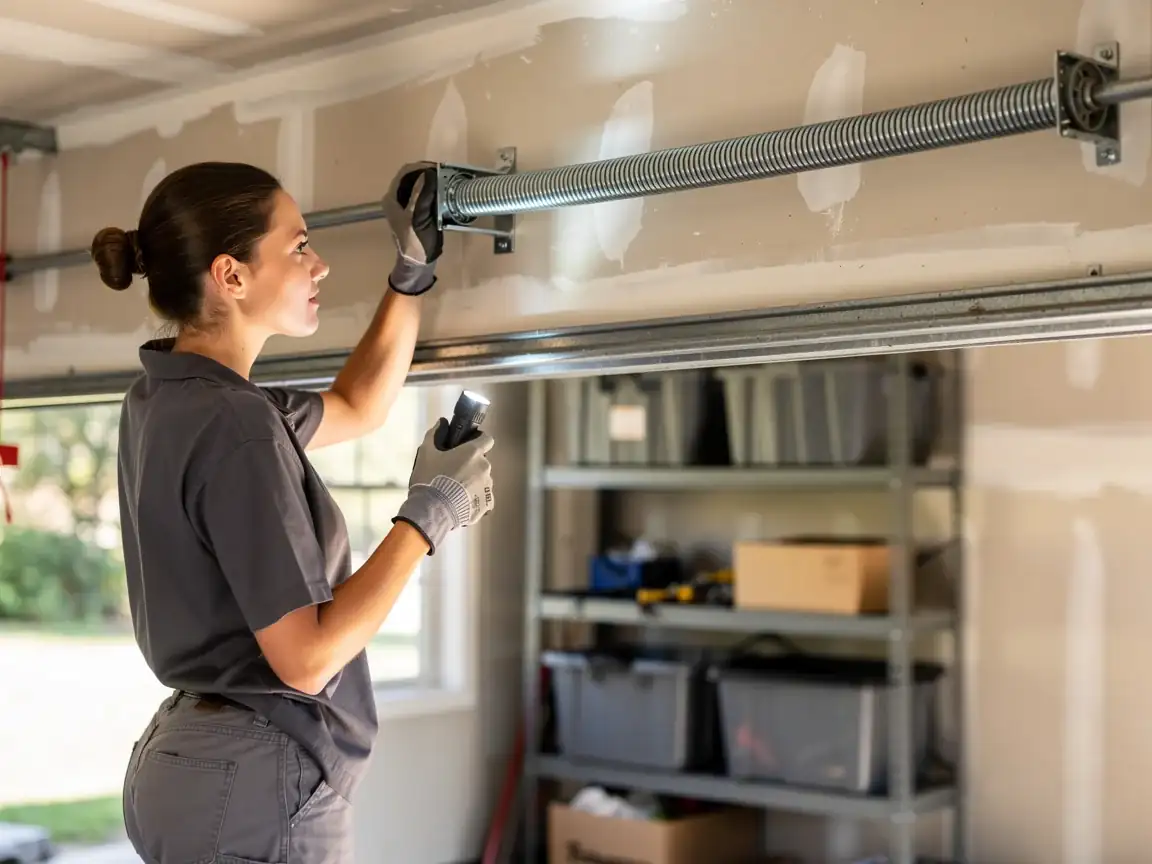
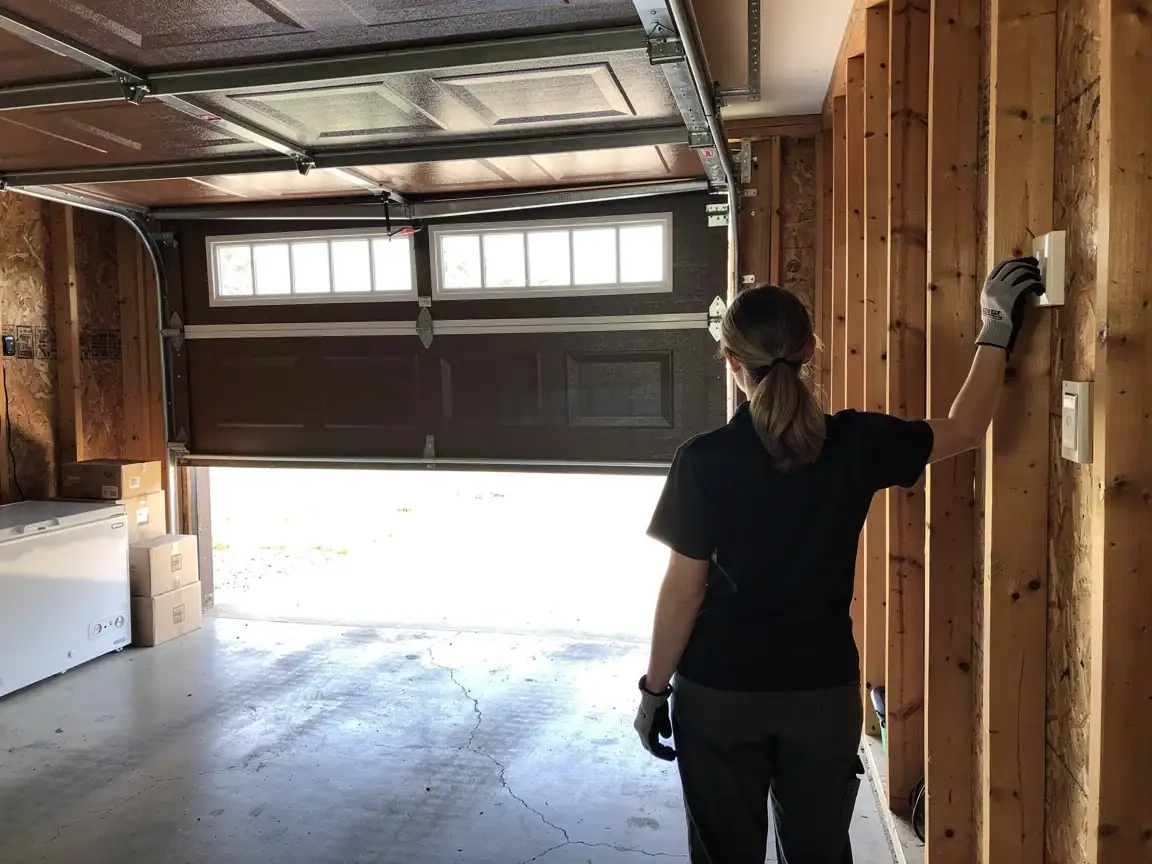
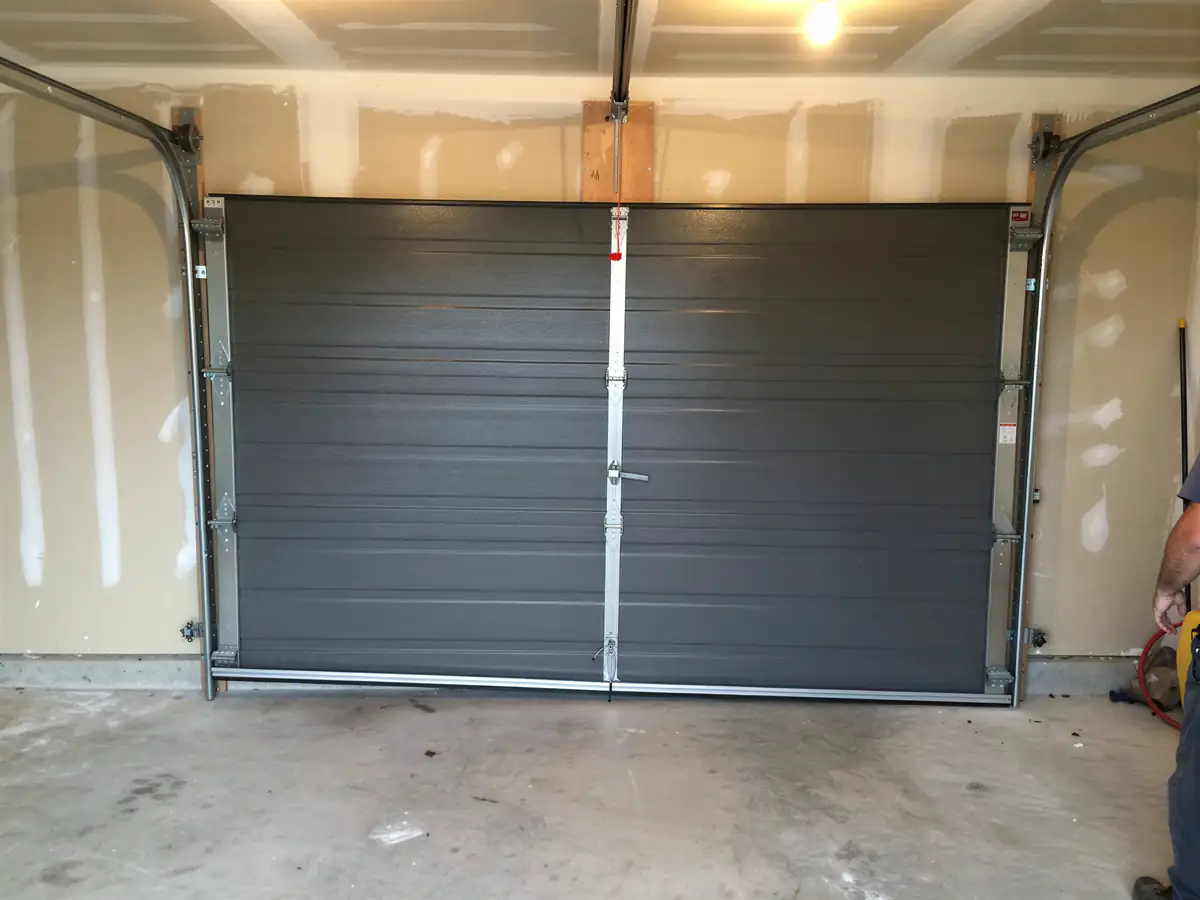
Most of what we see each winter isn't dramatic. It's a door that used to close flush and now leaves a half-inch gap at the bottom corner, or a spring that was fine in September and is straining by January because the steel lost a little tension in the cold. We don't push insulated panels on everyone - a detached garage with no shared wall doesn't need the upgrade the way an attached one with living space above it does. But if your door backs onto a bedroom or a laundry room, the seasonal swing is worth paying attention to before it costs you a spring.
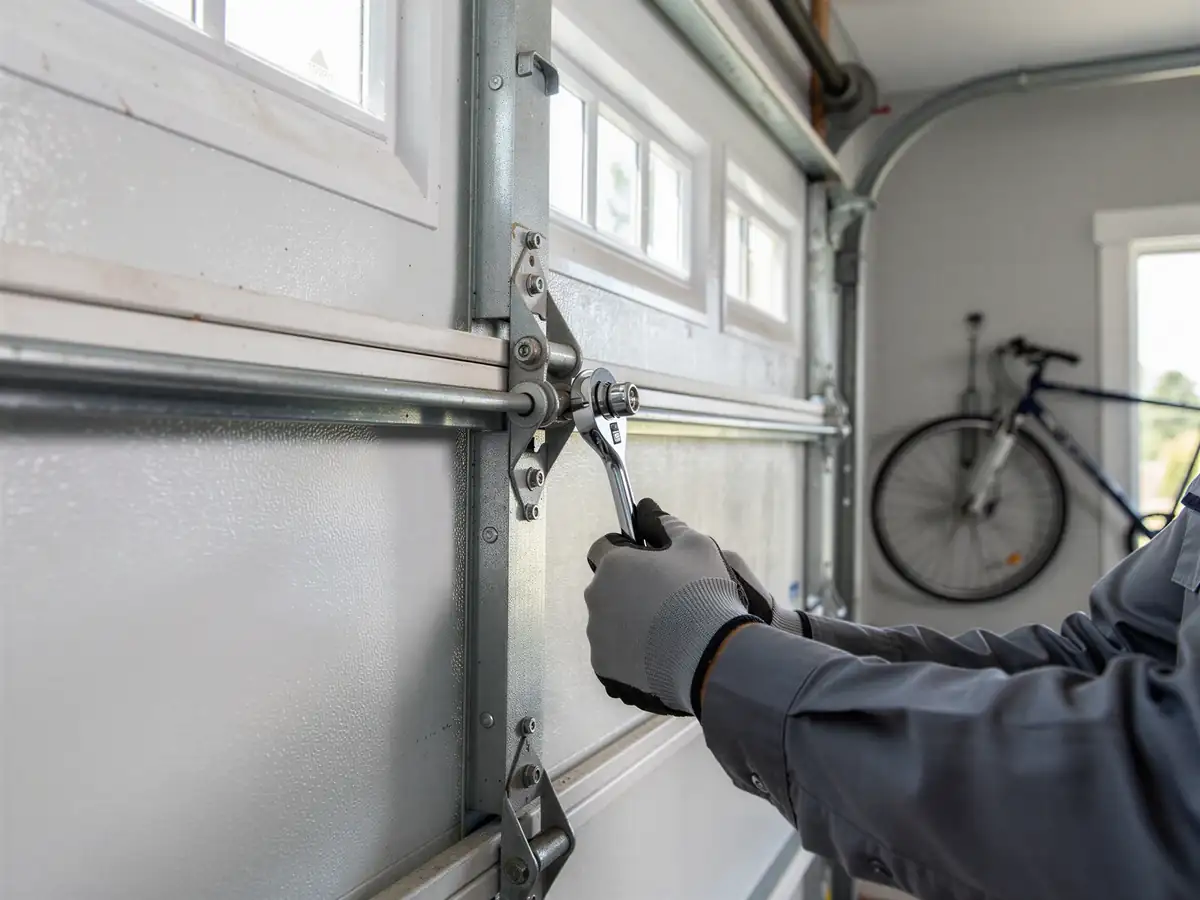
We check torsion spring tension and weatherstrip fit as part of any winter call, because in this climate they move together.
The Situation
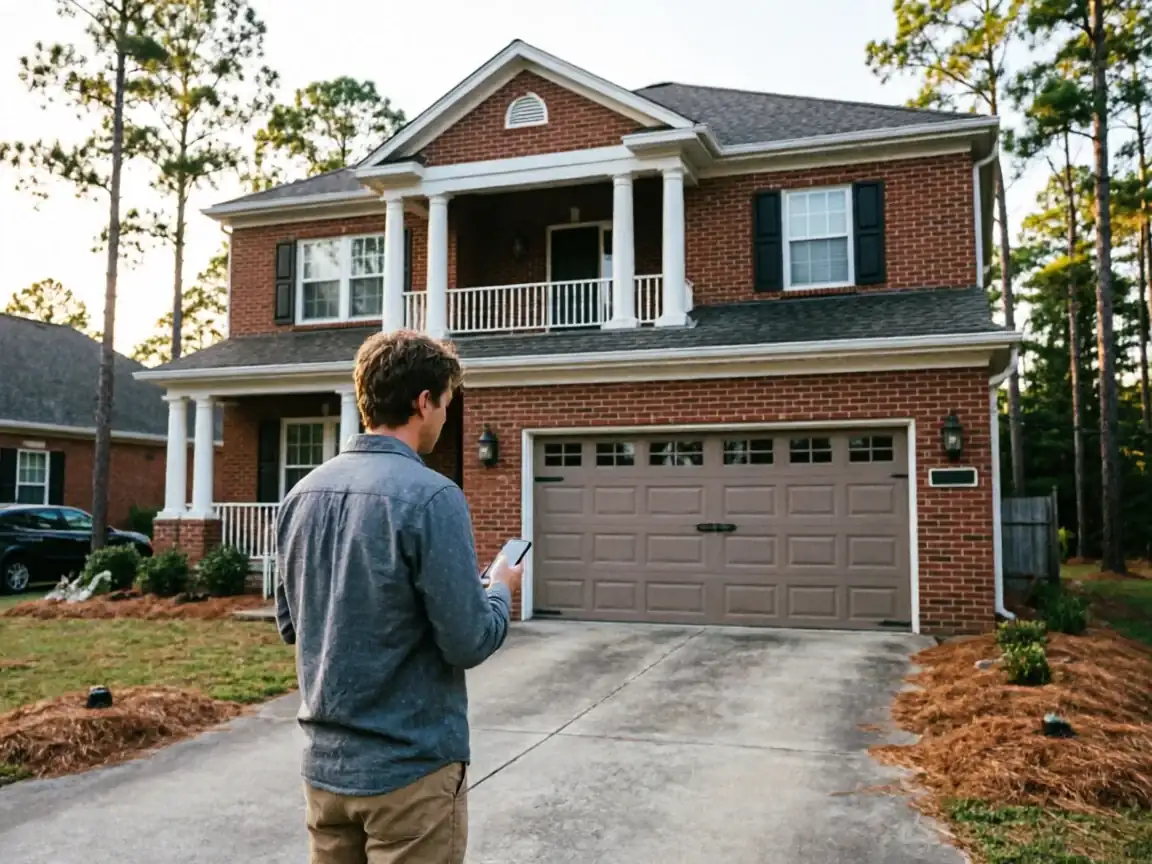
The houses we work on in and around Milton were built between 1964 and 2007
With the median landing around 1992. Across the ten named areas we cover, most of that stock is from the 1980s and 90s - a run of construction that used a fairly consistent generation of garage door hardware: extension or torsion springs rated for a standard 7-foot double door, steel sectional panels, and openers that are now well past their expected service life if they're original.
That 1964 end of the range matters too
A smaller number of older houses still have doors or track mounted the way builders did it before current codes, and parts for that era aren't something we keep on a shelf - we often have to source them, which takes longer than a same-day repair on a 1995 door.
We don't assume every house is a 1990s build just because that's the median
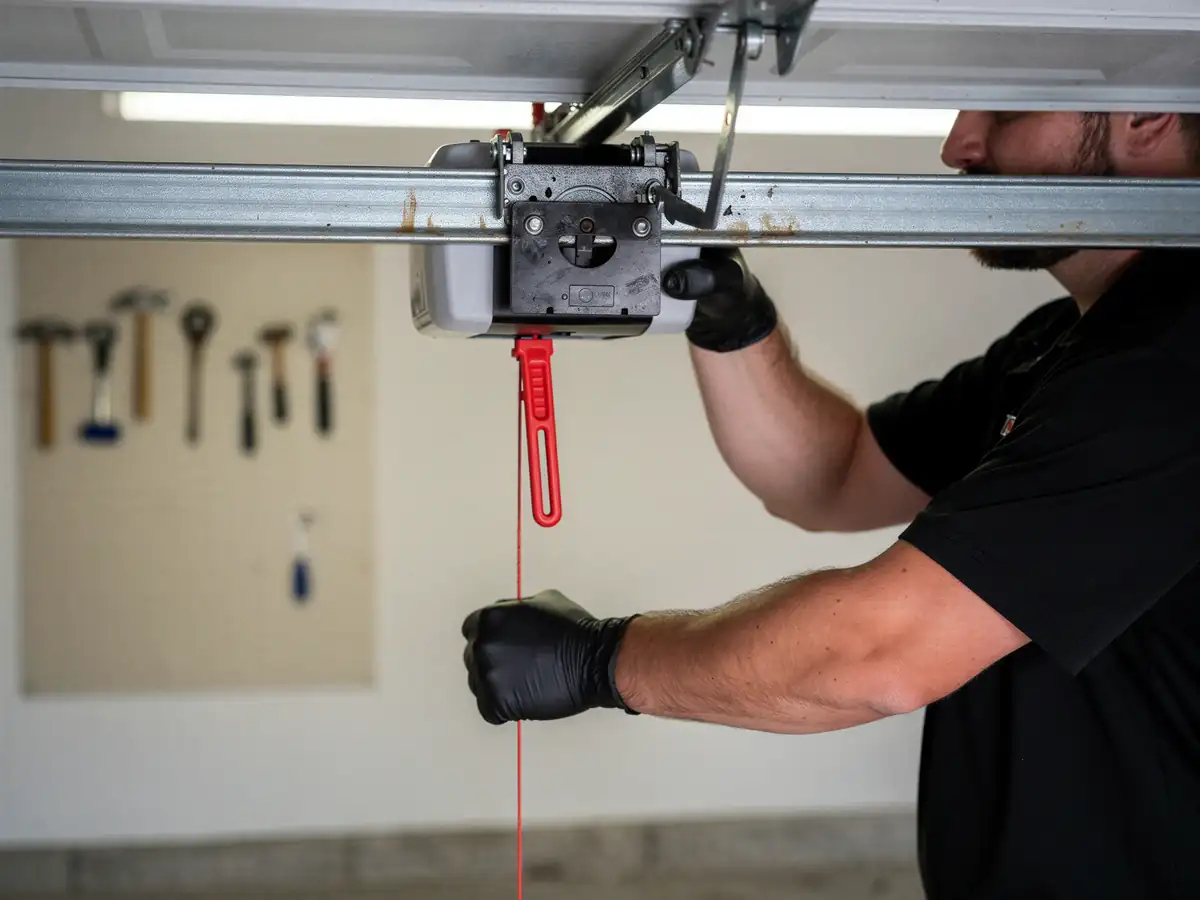
We ask the year and look at the hardware before we quote anything, because a 1965 torsion setup and a 2005 one aren't the same job even if the symptom - a door that won't open - looks identical from the driveway.
What You Pay
We don't have a published price list for this page, and honestly a single number wouldn't mean much given the spread of hardware we see - a 1960s door with original track is a different job from a 2005 door with a failed opener board. What we can say is who we're working for: the Milton service area has about 35,811 households, 15,372 of them owner-occupied houses, with median household income at $90,626.
That income figure shapes the calls we get more than people might expect. At this income level, homeowners tend to replace a tired door rather than keep patching it - we get fewer calls asking us to jury-rig a 20-year-old opener and more asking whether it's worth fixing at all versus putting in something new. That's a fair question, and the honest answer depends on the age of the door and whether the track and springs are original or already replaced once.
We'll tell you straight if a repair isn't worth the labor against a replacement. We'd rather lose a repair ticket than have you call us back in six months for the same door.
How Local Conditions Play In
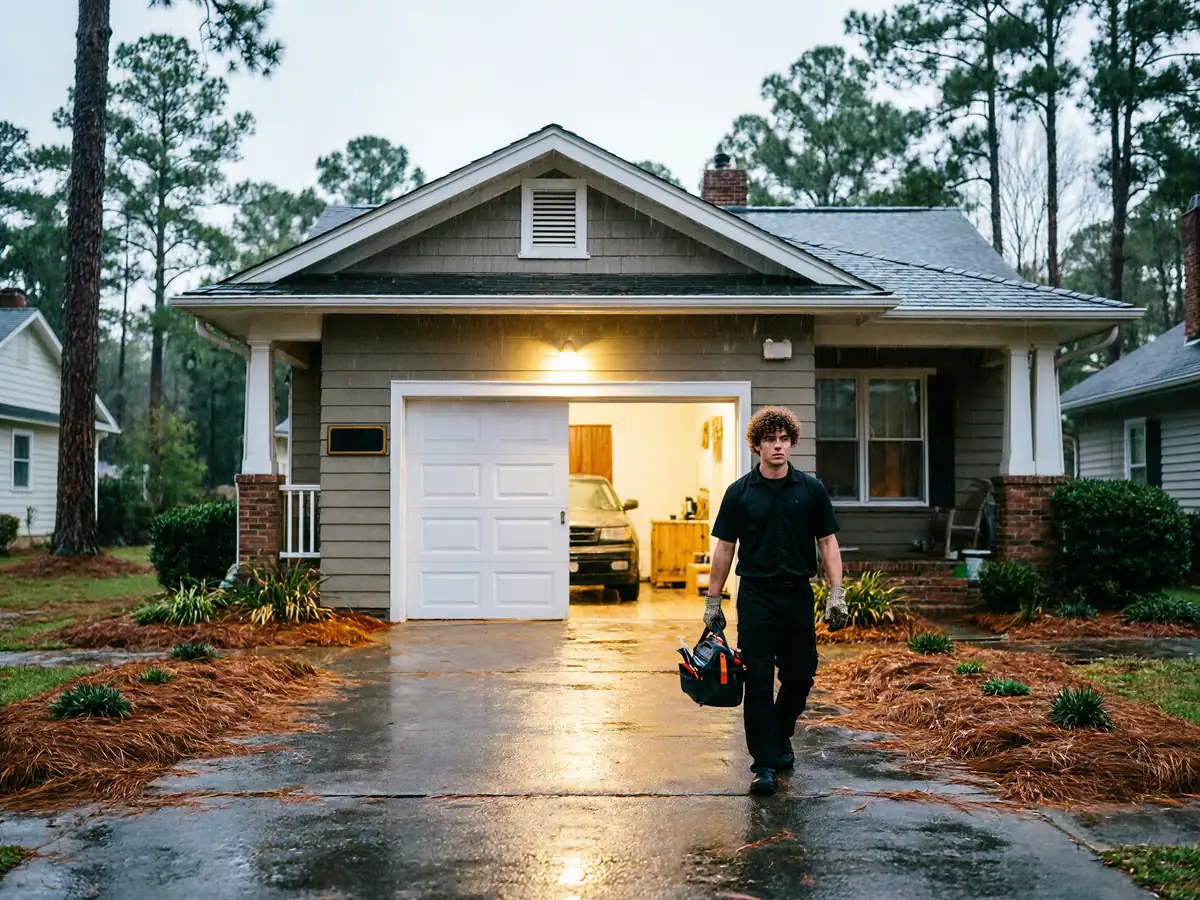
We run calls out from Milton to the surrounding area - Mountain Park is about 7 miles out, Holly Springs 10, Cumming 11, Berkeley Lake 13, Ball Ground 14, Sugar Hill and Doraville both around 16, Nelson 16, Waleska 18, and Chamblee 18. That spread means the truck is often moving between a 1990s subdivision door and a much older setup within the same afternoon, which is part of why we carry stock for both torsion and extension spring systems rather than betting on one.
The cold-moderate climate band covers this whole stretch, so the seasonal tension and weatherstrip issues aren't unique to one neighborhood - they show up anywhere the housing is old enough to predate current insulation and sealing standards. What changes town to town is the build era, and that's the detail we actually check before quoting a job, not the mileage on the odometer to get there.