What Causes It Around Here
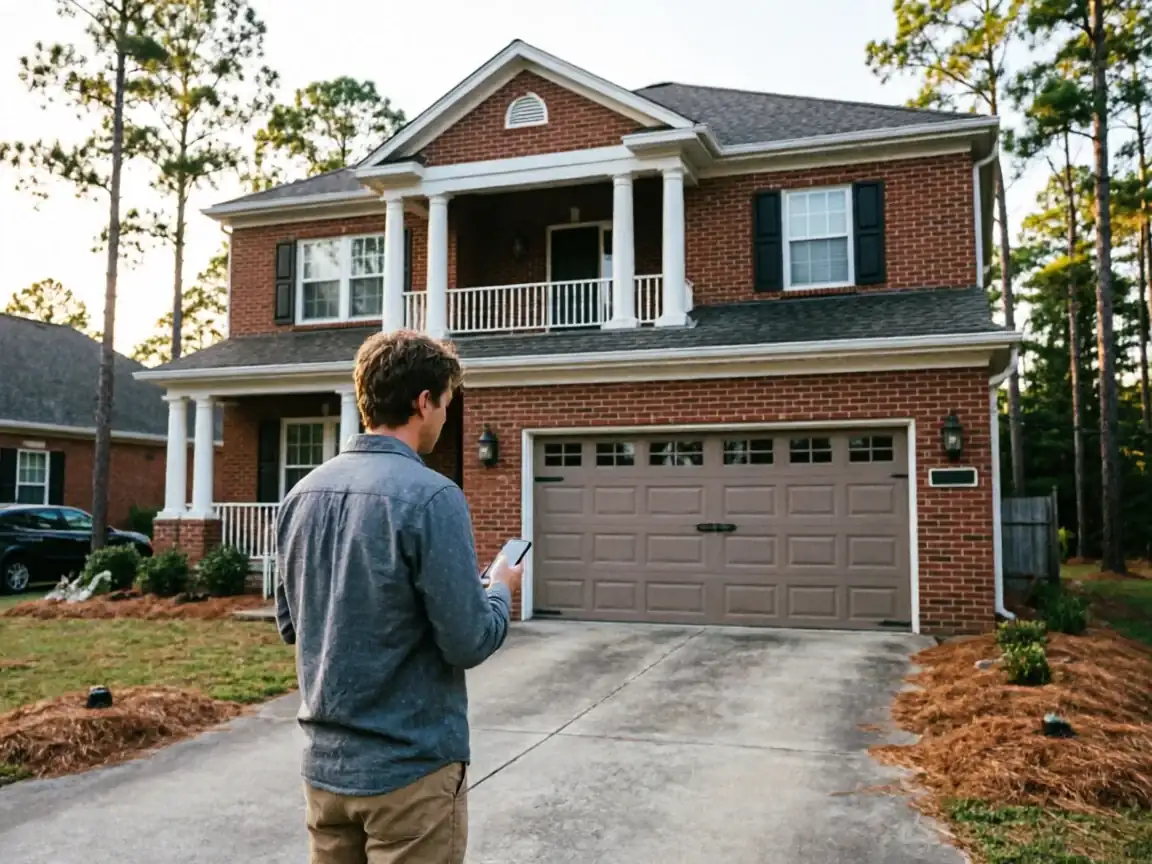
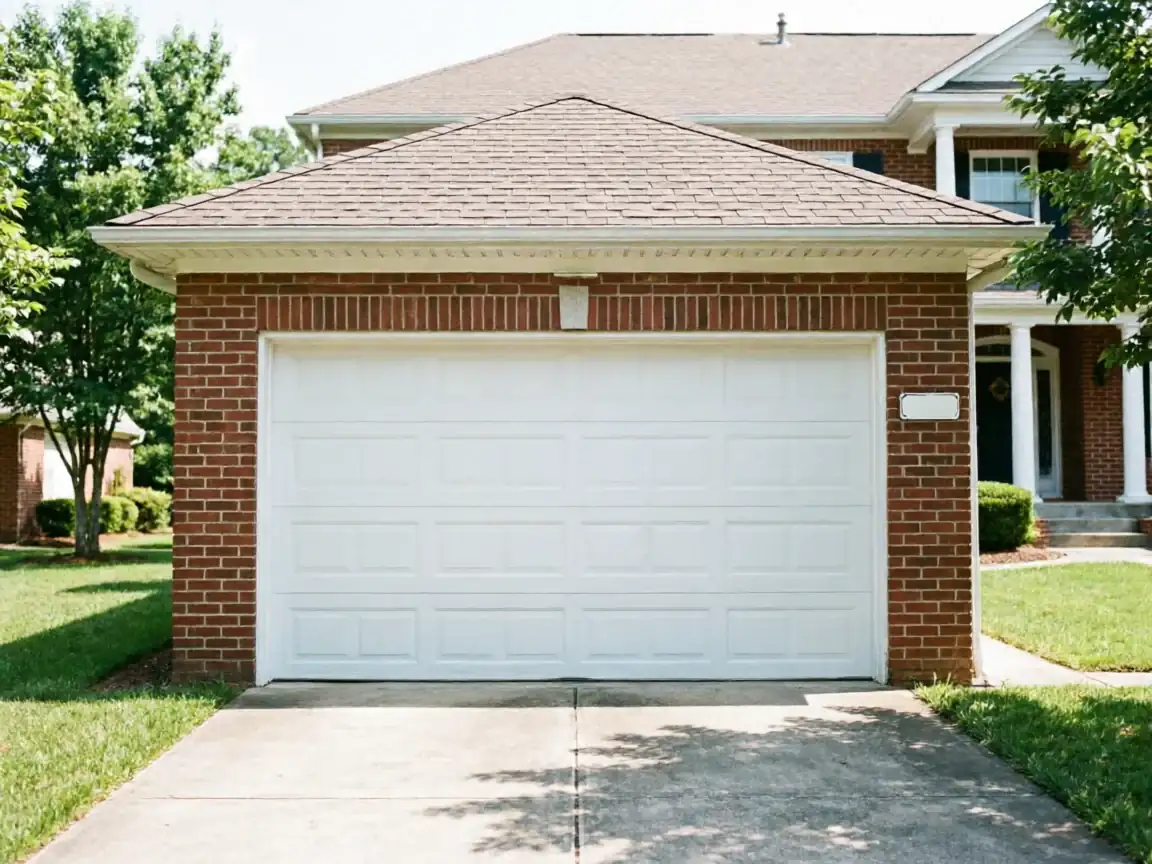
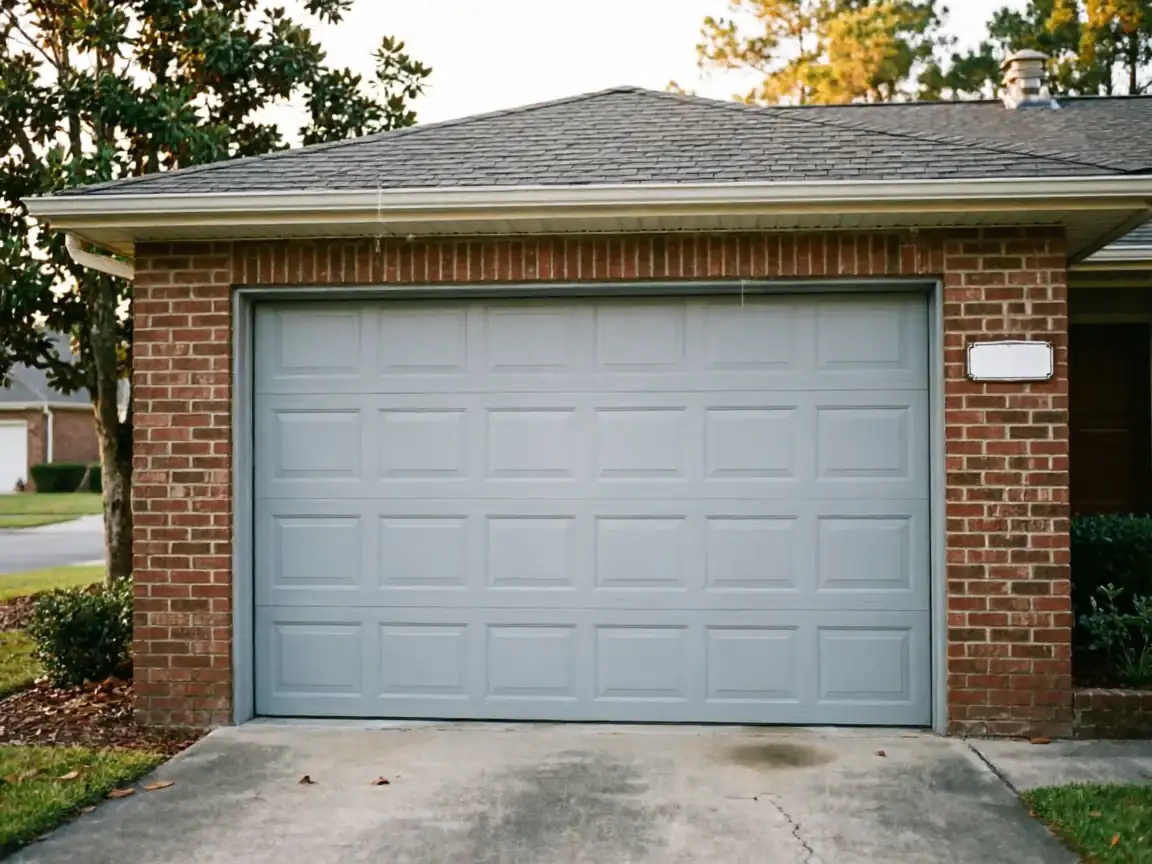
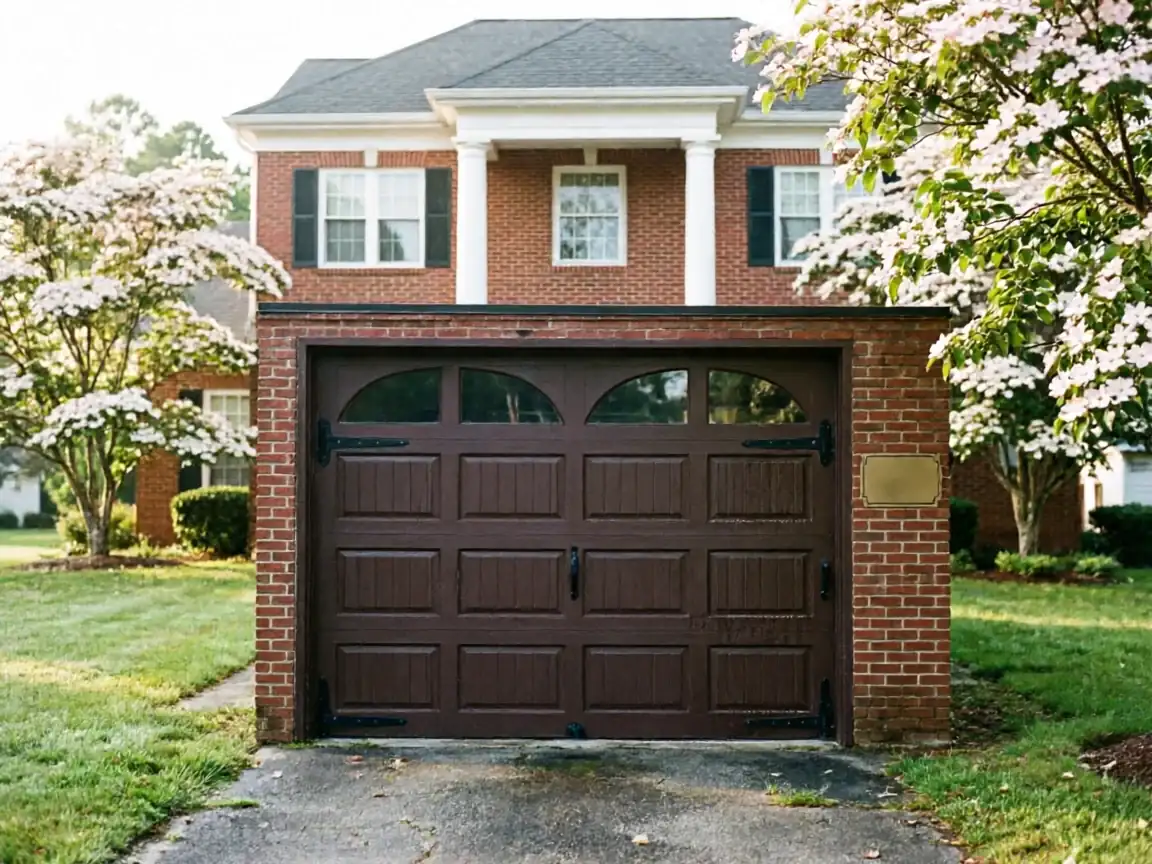
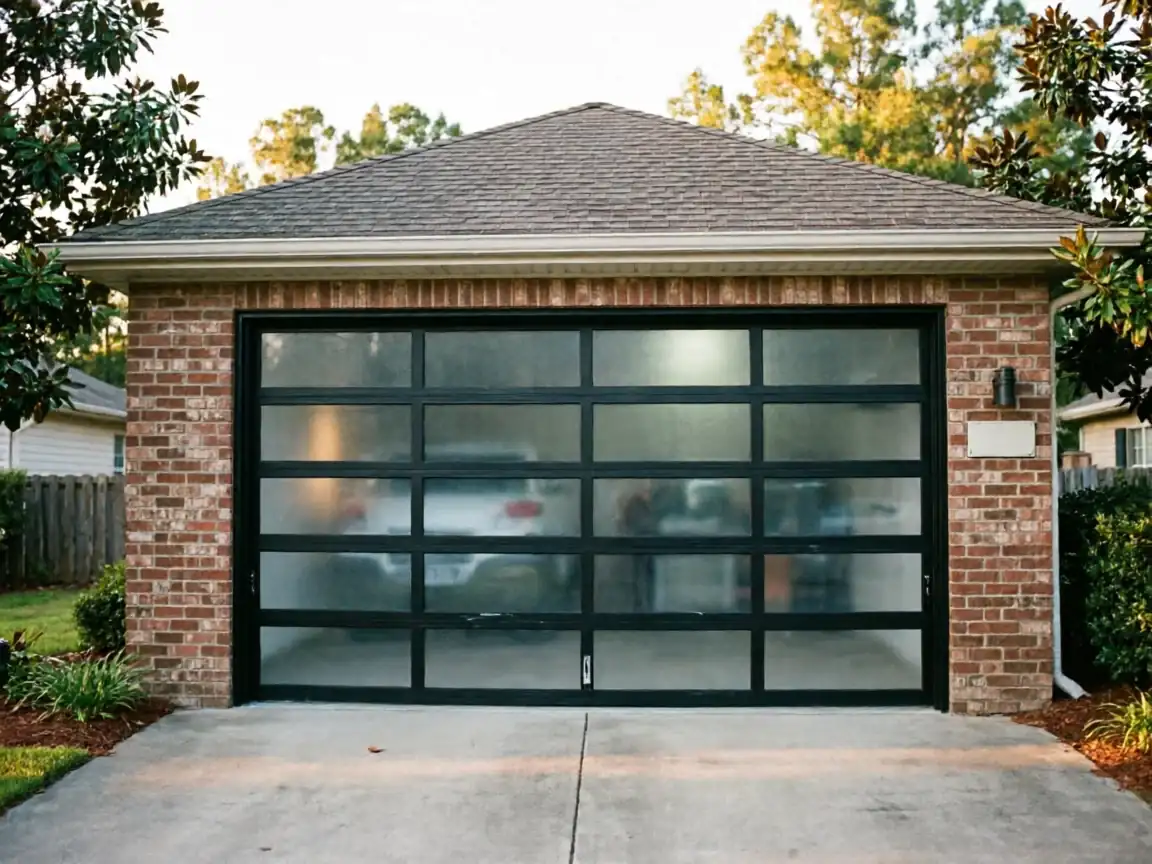
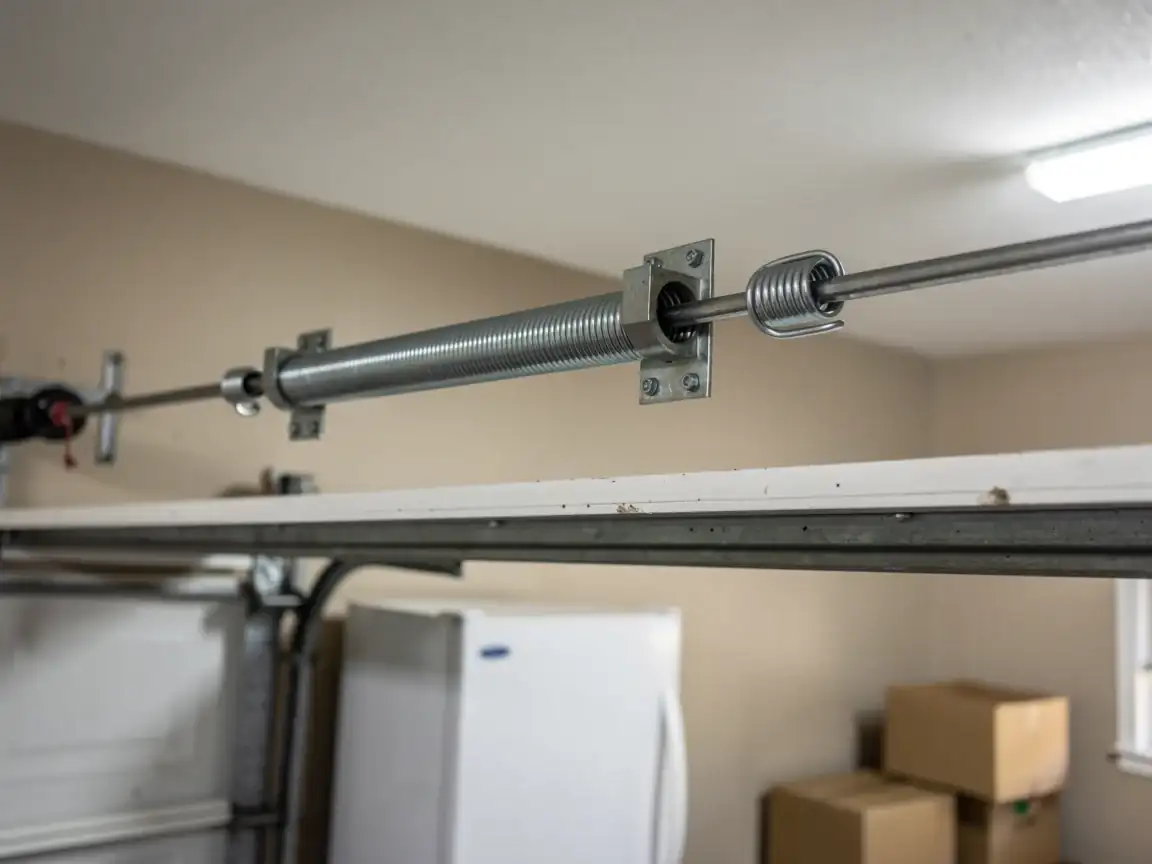
Most of the houses we get called to in Milton went up between 1964 and 2007, with the bulk of that building happening through the 1980s and 90s and a median build year sitting around 1992. That matters because a torsion spring is rated for somewhere around 10,000 cycles, and a door that's been opening and closing twice a day since the Clinton administration has run out its string a long time ago. We see the same pattern across the named areas on this side of the county: original spring, original cable, sometimes the original opener motor still bolted to the same bracket.
The climate here doesn't help. Milton sits in a cold-moderate band, which means the garage sees real temperature swings between a summer afternoon and a January morning. Steel springs lose a little tension every time they cool and expand every time they heat back up. Over thirty-plus years that cycling work-hardens the coil until it finally lets go, usually on the coldest morning of the week when the metal is least forgiving.
We're not guessing at this - it's the direct result of when these subdivisions were framed and what the weather here does to the hardware that's been hanging in them ever since.
What the Fix Involves
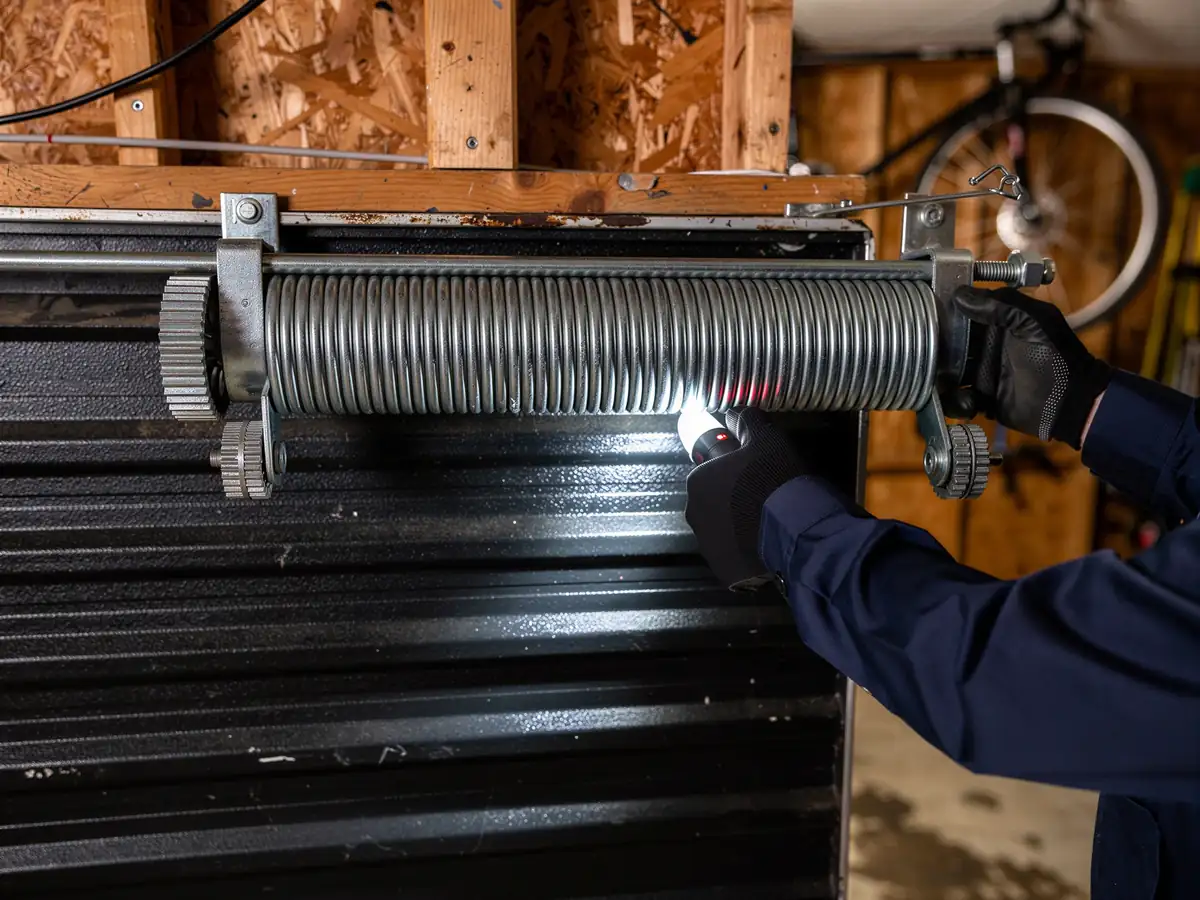
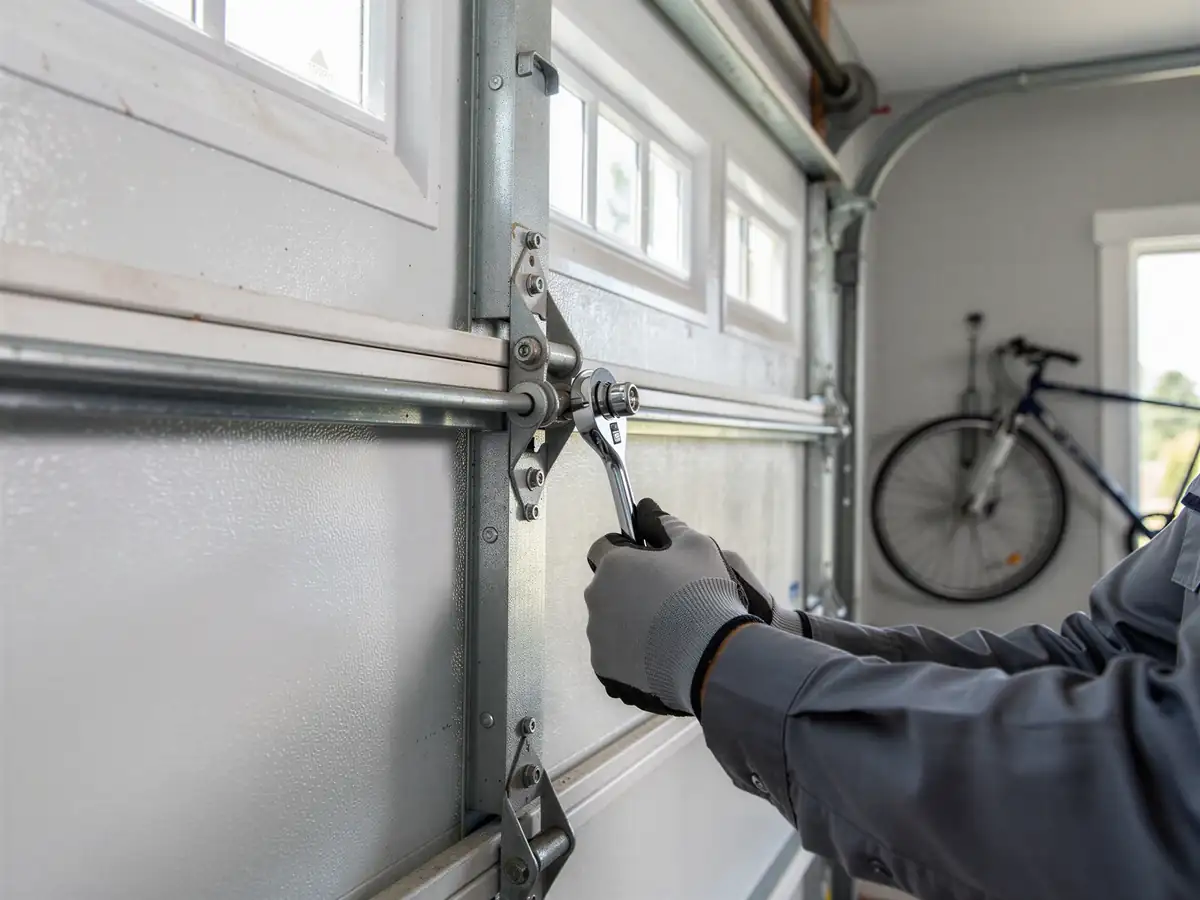
On a house from this era, the fix almost never starts and ends with just the spring
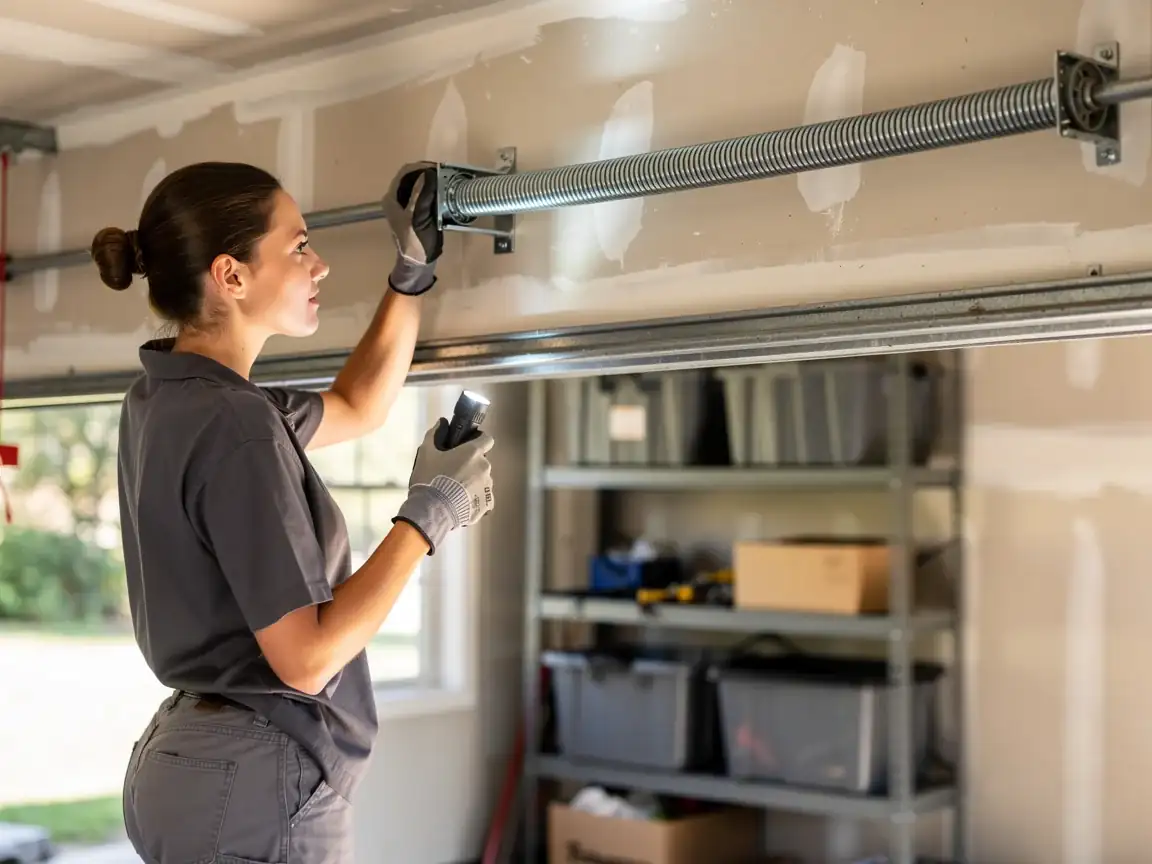
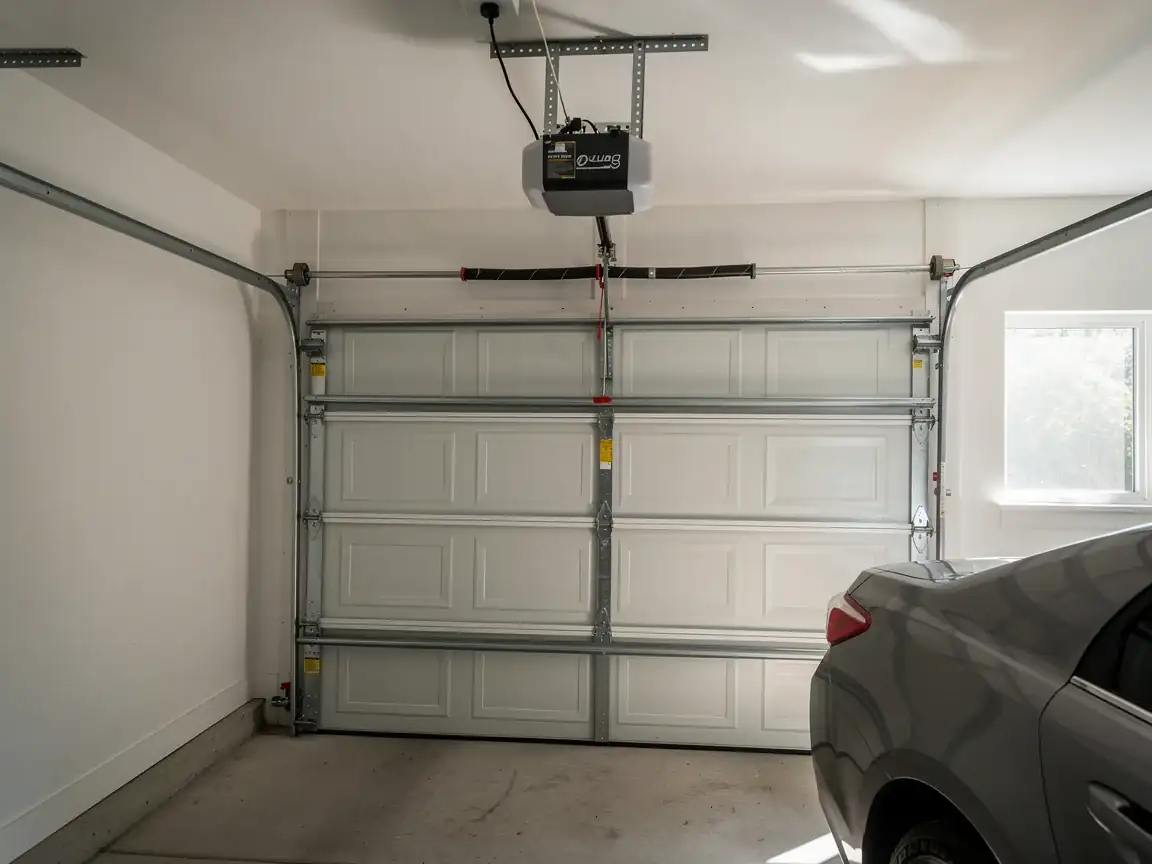
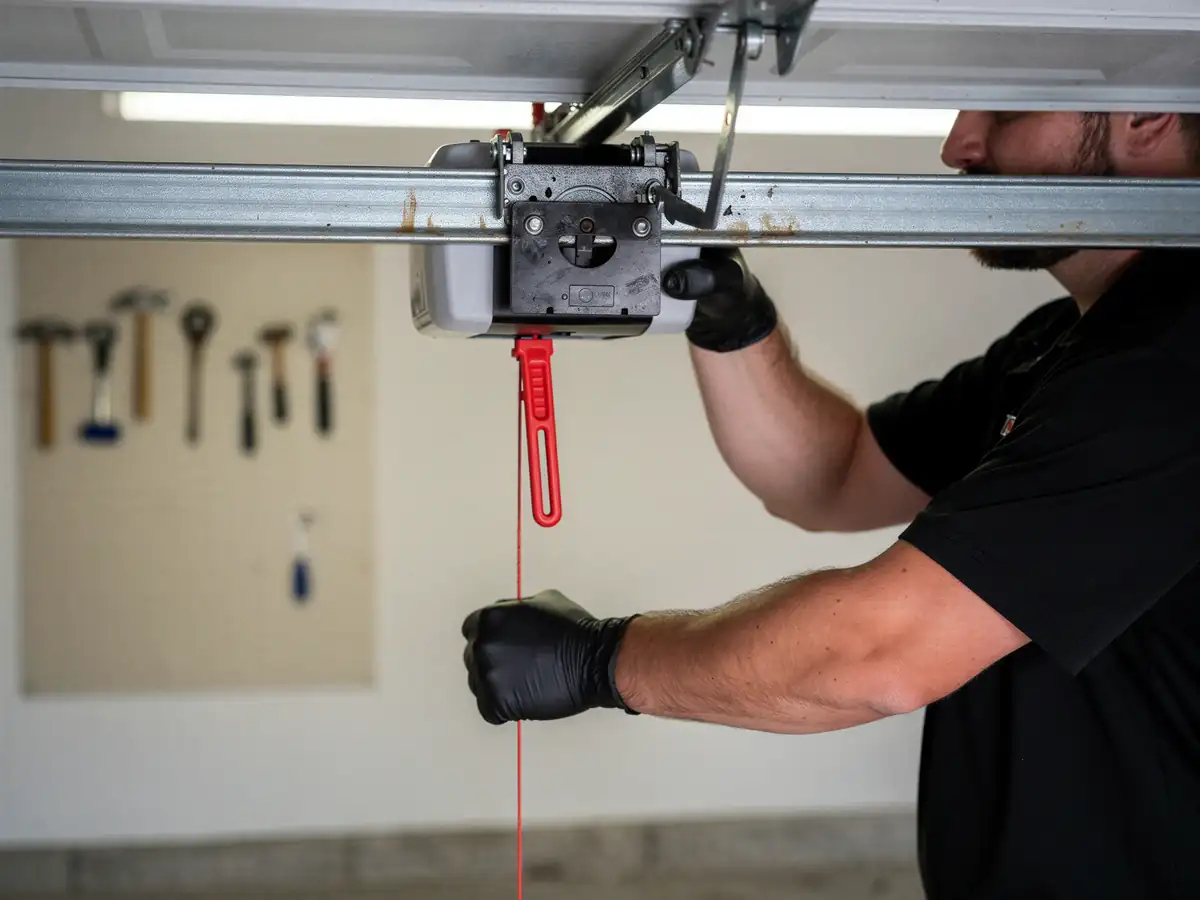
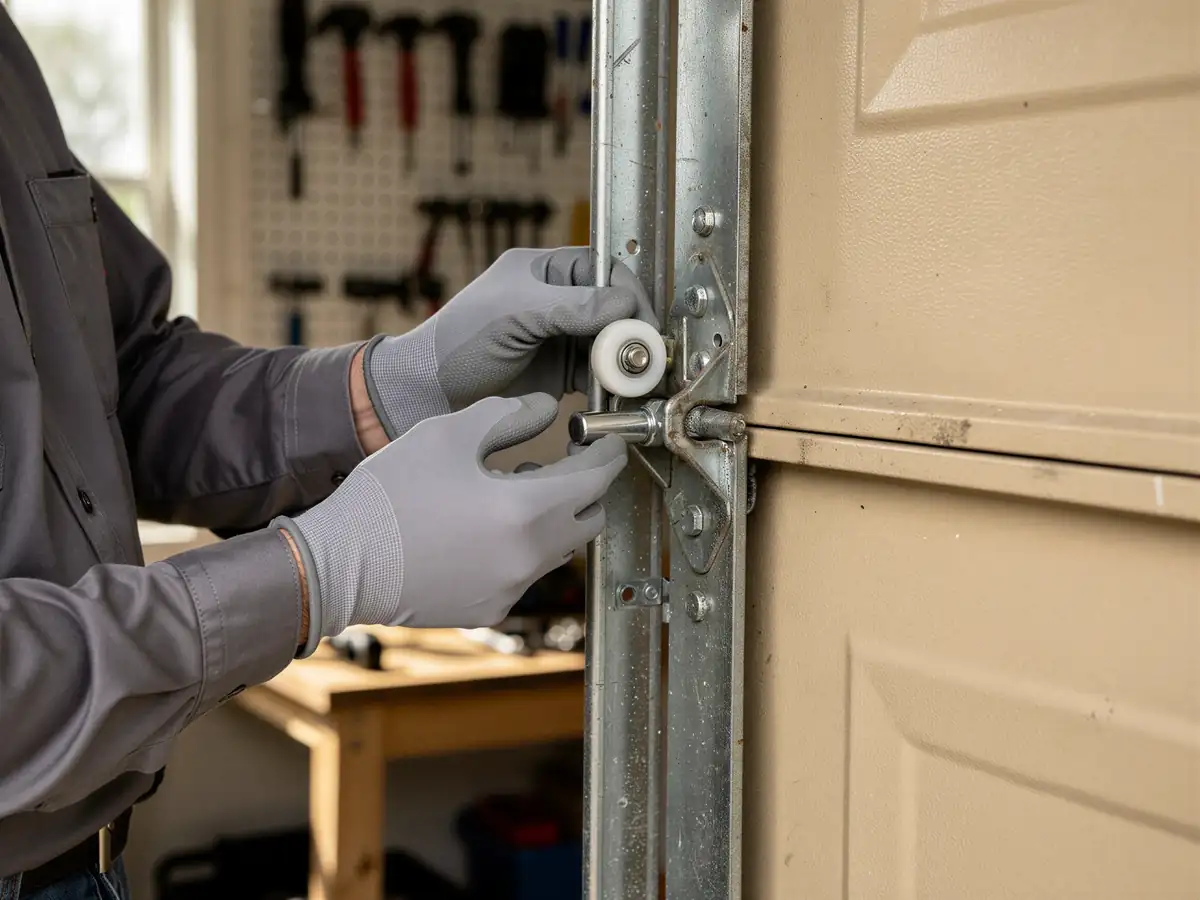
We pull the drum, check the cable for fraying at the bottom bracket, and look at the track for the kind of wear you get after three decades of the same roller riding the same two feet of rail. If the opener is original to the house, the gears inside are usually plastic and chalky by now, even if the motor still runs - that's worth flagging before you pay to fix a door that the opener is about to strand anyway.
We size the new spring to the door's actual weight and the drum's wind
Not just whatever was on the shelf. Guessing on spring size is how you end up with a door that slams down or won't stay up, and on a heavier insulated door that's not a small thing to get wrong.
Here's the honest limit
If the track is bent badly enough, or the opener logic board has already fried, we're not going to spend an hour trying to nurse 1990s hardware back to life when a straightforward replacement gets you a door that won't be back on our schedule next winter. We'll tell you which one you're looking at before we start, not after.
How It Shows Up
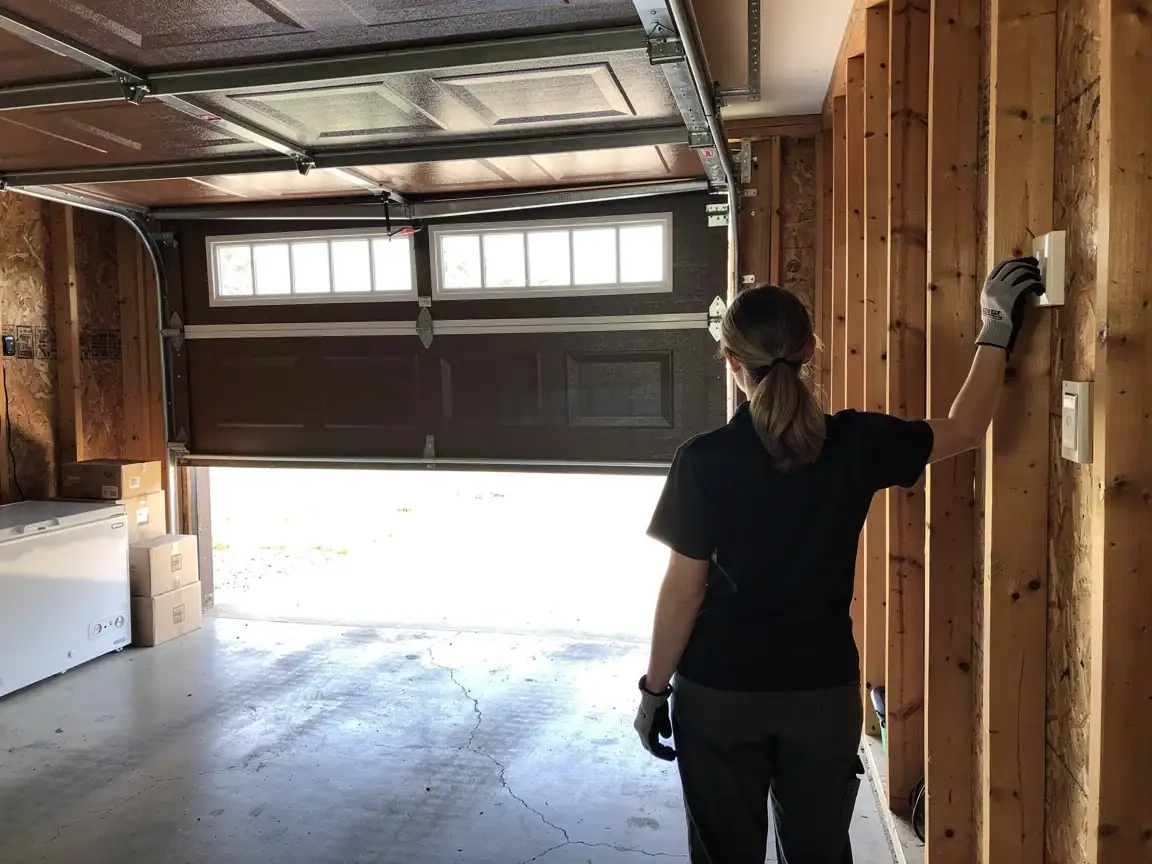
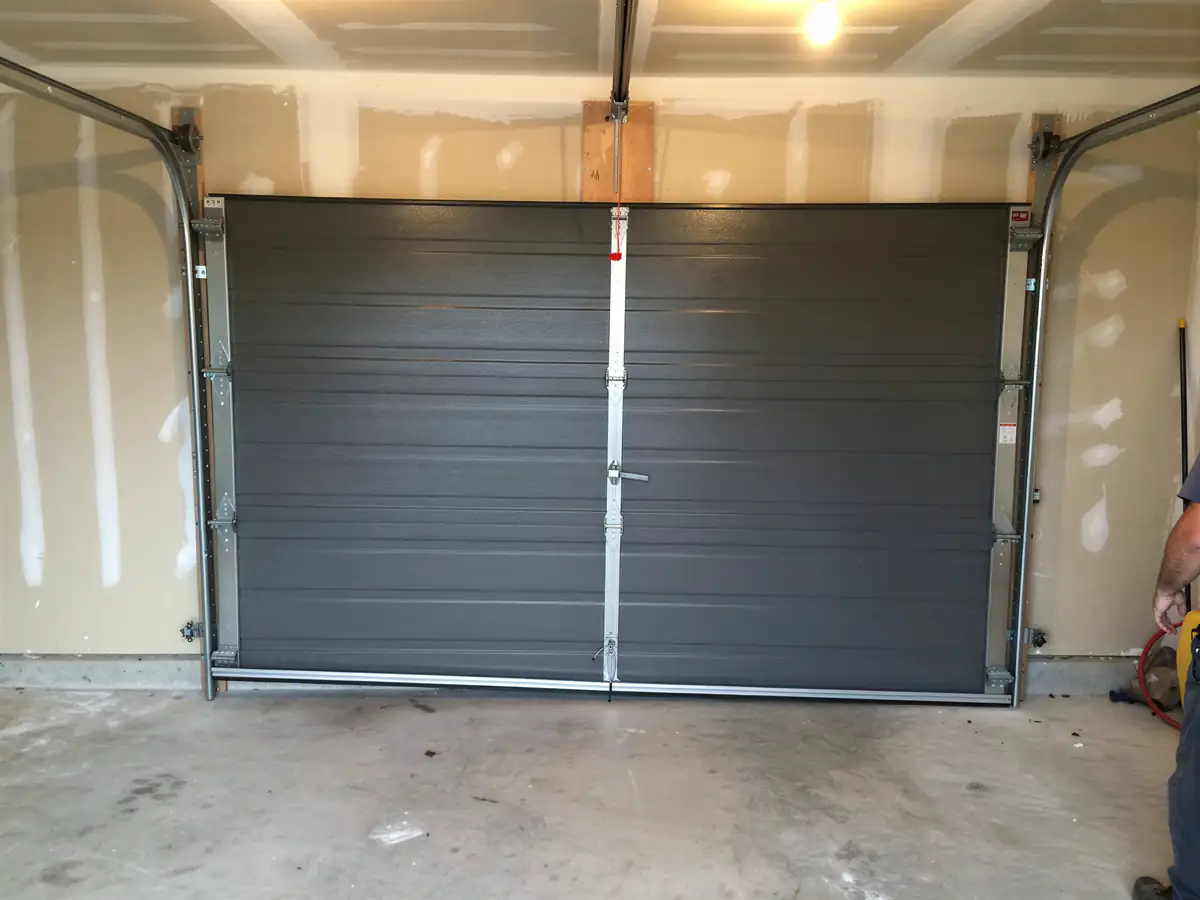
The classic sign on a Milton door of this age is the door that won't budge and a spring that's either visibly separated or just hanging loose with no tension at all. Sometimes it's quieter than that - the opener strains, groans, and the door inches up slower than it used to, which is the spring losing its lift gradually instead of snapping all at once.
You'll also hear it before you see it. A door running on a worn roller in an aged track makes a grinding or popping sound partway through the cycle, especially right after a cold stretch when the metal has contracted overnight. Owners sometimes describe the door as "sticking" at the same spot every time - that's usually a track or roller problem, not the spring, and it's worth telling us that detail when you call so we bring the right parts on the truck.
A door that reverses itself right after hitting the floor, or won't respond to the remote at all, points more toward the opener than the spring - two different repairs that get lumped together because to the homeowner it's all just "the garage door's broken."
Stocked Parts
Because so much of the housing in this service area was built in the same roughly 1980-2007 window, we stock the torsion spring sizes and standard-width track hardware that fit that generation of door - the parts that fail most often here aren't exotic, they're just old. That's true whether the call comes from close in near Mountain Park or further out toward Holly Springs, Cumming, or Ball Ground.
We carry common cable gauges, standard rollers, and the drum and bearing sizes that match the openers and tracks installed across that same era. What we don't keep on the truck is anything custom - a specialty insulated panel in an odd width, or a smart opener board for a system no longer supported by its maker. Those get ordered, and we'll tell you honestly if that's the case before you're left waiting on a door that's stuck half-open.