What Can Go Wrong
Ball Ground's median household income sits at $112,585, well above the $90,626 median across the rest of our coverage area. That number matters here because it changes the math on repair versus replace. At this income level, a $300-400 circuit board swap on an opener that's otherwise sound is an easy call to make - it's not a stretch purchase, and most owners would rather fix the one part than replace a working unit. That calculus flips once the motor itself is grinding or the gear is stripped, where a new opener often makes more sense than stacking repairs on an old one.
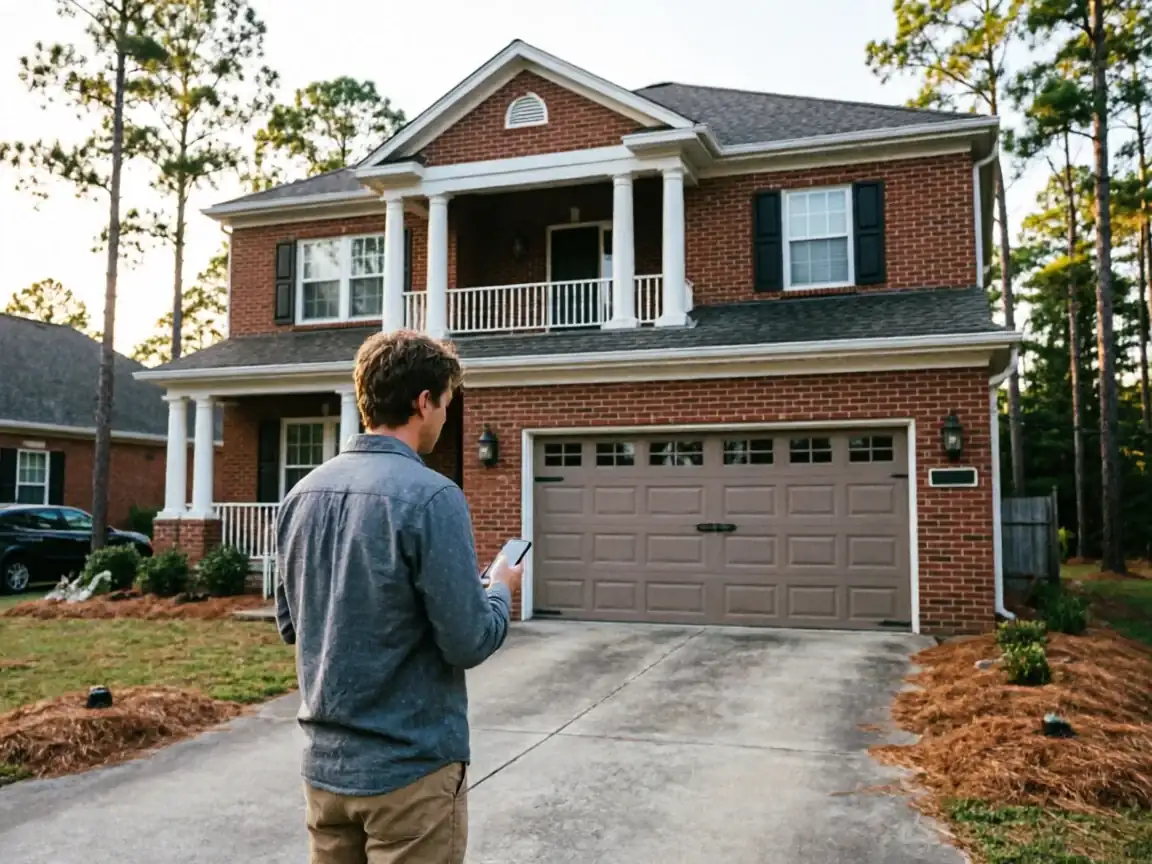
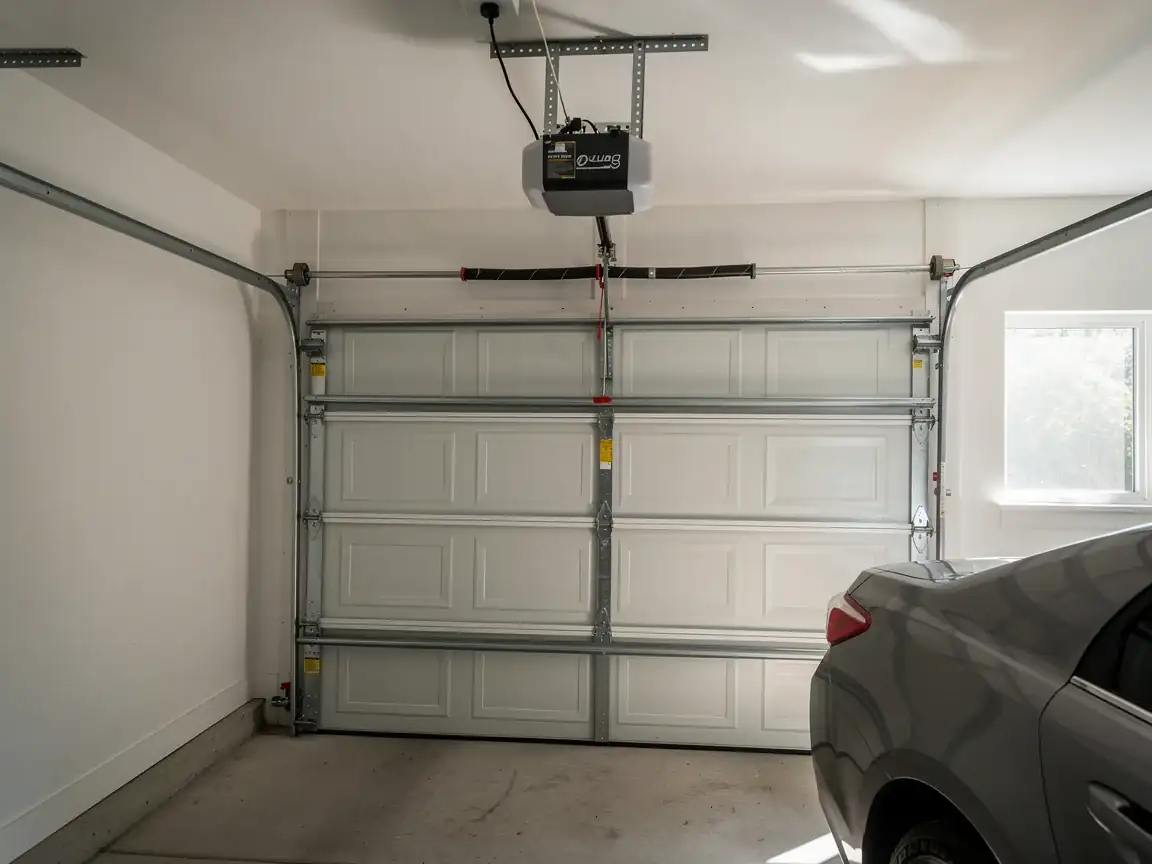
Most houses in Ball Ground went up around 2006, noticeably newer than the 1964-2007 stock with a 1992 median that's typical across the wider service area. That means belt-drive and screw-drive openers with circuit boards and safety sensors, not the older chain-drive units with simpler relay logic you'll find in 1990s construction nearby. The failures we see here run toward board-level electronics: a sensor that's gone out of alignment, a logic board that won't hold a signal, a wall console losing contact with the head unit. Less often it's the belt itself stretching or slipping off the rail.
Doing It Yourself
A lot of opener trouble is genuinely fixable without a call
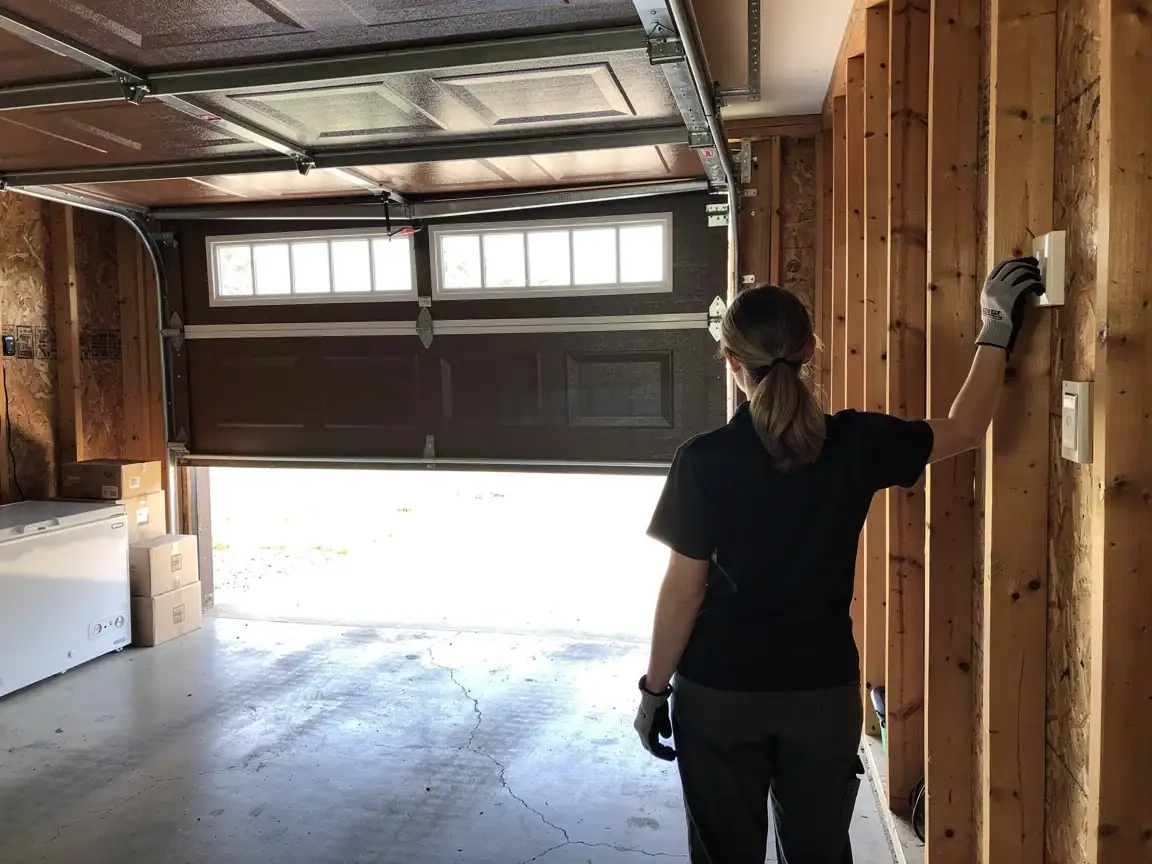
Dirty or misaligned safety sensors are the single most common no-response complaint, and realigning the two eye brackets at the base of the track, then wiping the lenses, solves it more often than not. Dead remote batteries, a breaker that tripped, or a wall switch with a loose wire are also worth fifteen minutes of your own time before anyone drives out.
Where we'd tell you to stop is the circuit board and the motor housing
These openers, being newer, run on logic boards with surface-mount components - not something you want to probe with a multimeter unless you know exactly what you're looking at. Opening the motor housing on a unit that's still under a manufacturer warranty can also void that warranty, and since most of Ball Ground's housing stock is from the 2000s, a fair number of these openers may still carry one. Check that before you pull a cover off.
How It Shows Up
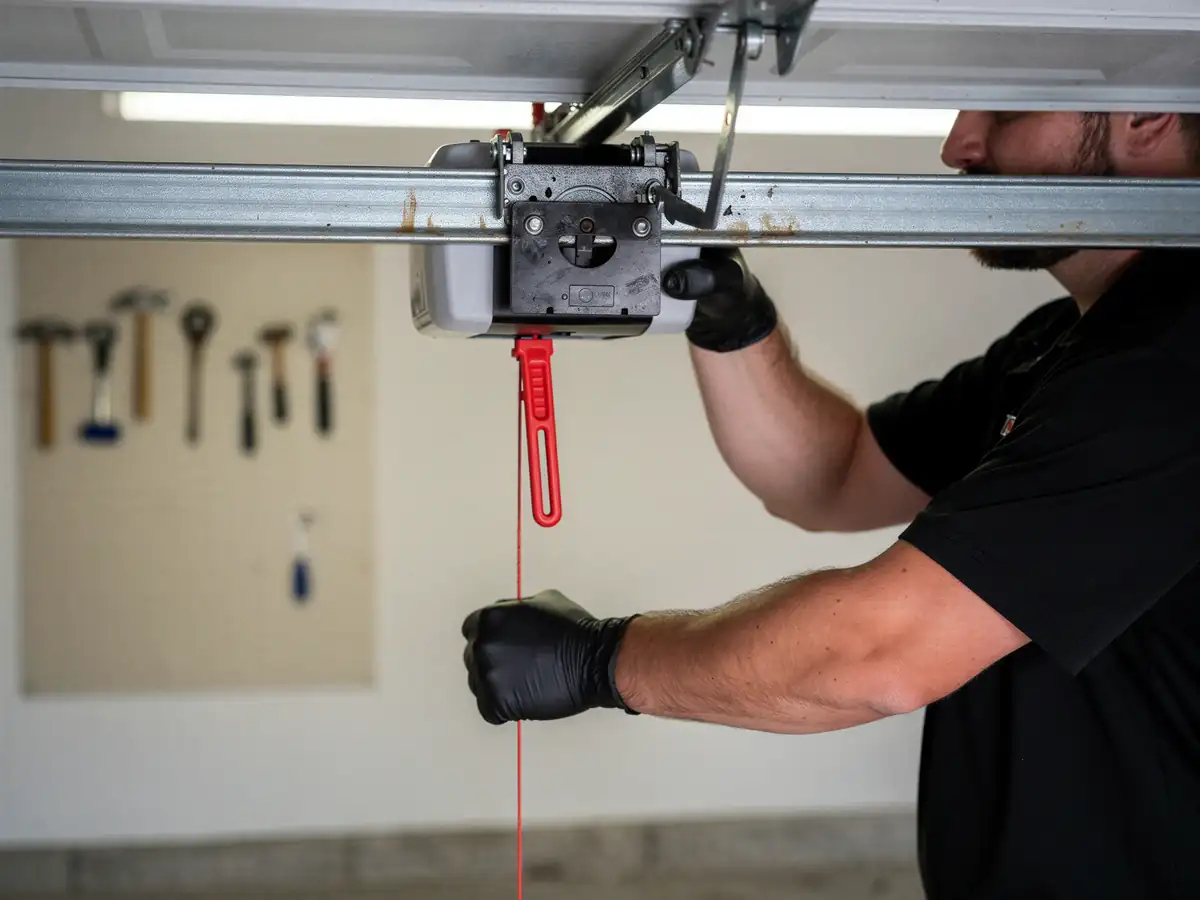
The newer opener hardware common here tends to fail in specific, recognizable ways. A board that's losing its connection to the remote will often still respond to the wall button but ignore the key fob - that's a programming or receiver fault, not a motor problem. A unit that runs the motor but the door doesn't move usually means a stripped drive gear inside the housing, a known weak point on several belt-drive models once they pass a few thousand cycles.
Cold mornings add a layer here too. Our climate band runs cold-moderate, and openers with exposed circuit boards can get sluggish or throw error codes on the coldest starts of the year before warming up and working fine by afternoon. If that's what you're seeing - a door that won't respond first thing but works later - it's worth mentioning when you call, since it points toward a board or sensor issue rather than a mechanical one.
Booking a Visit
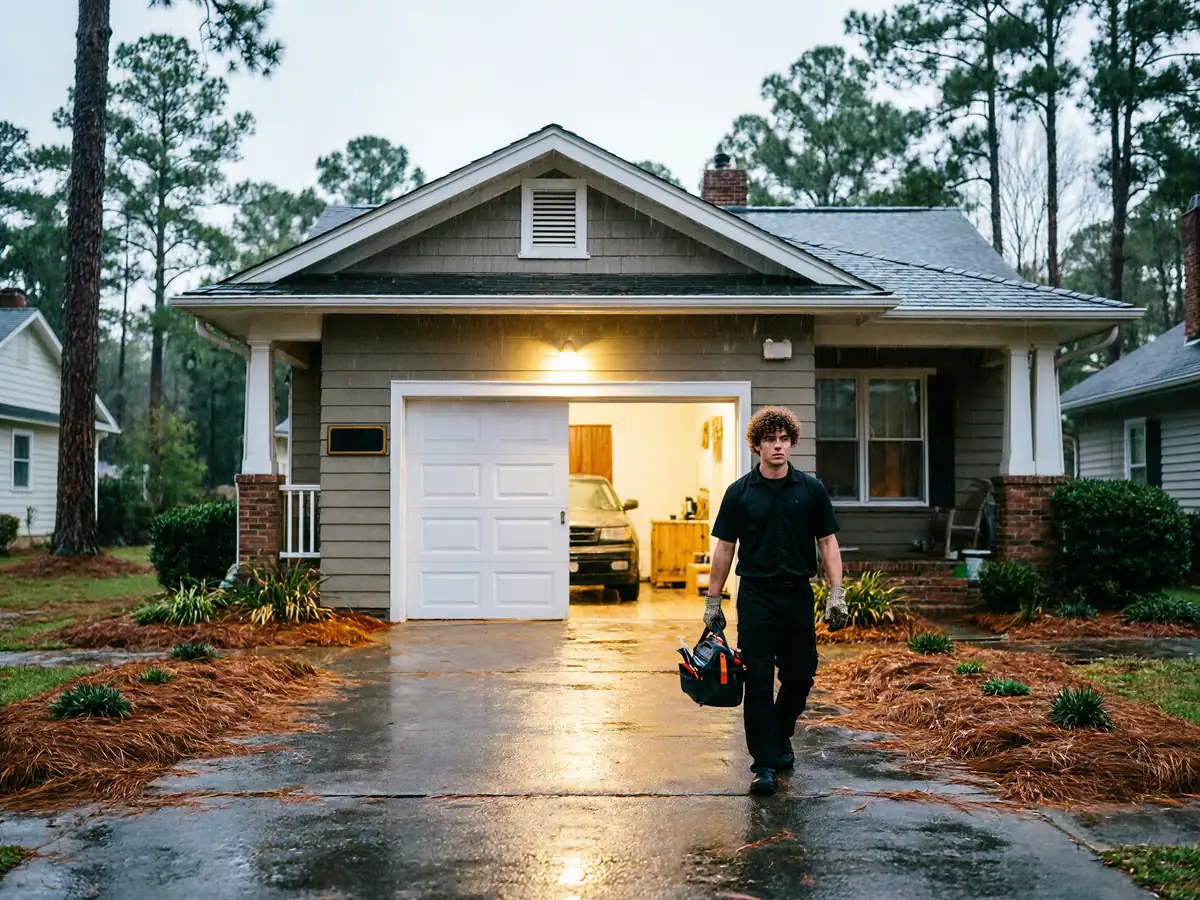
We run this call from Milton, 14 miles out to Ball Ground, so we don't carry a local branch or stand ready for same-day in this stretch of the service area the way we might closer to home. When you call, tell us the opener's age if you know it (builder info or a permit date helps, since most homes here were finished around 2006) and whether the issue is the motor, the sensors, or the remote - that lets us bring the right board or sensor kit on the truck instead of making a return trip for a part.
See our coverage page for Ball Ground for how this fits into the rest of the area we work, or check opener repair out of Milton if you're closer to that side.
Time on the Job
A sensor realignment or a remote reprogram is usually a 20-30 minute job once we're on site
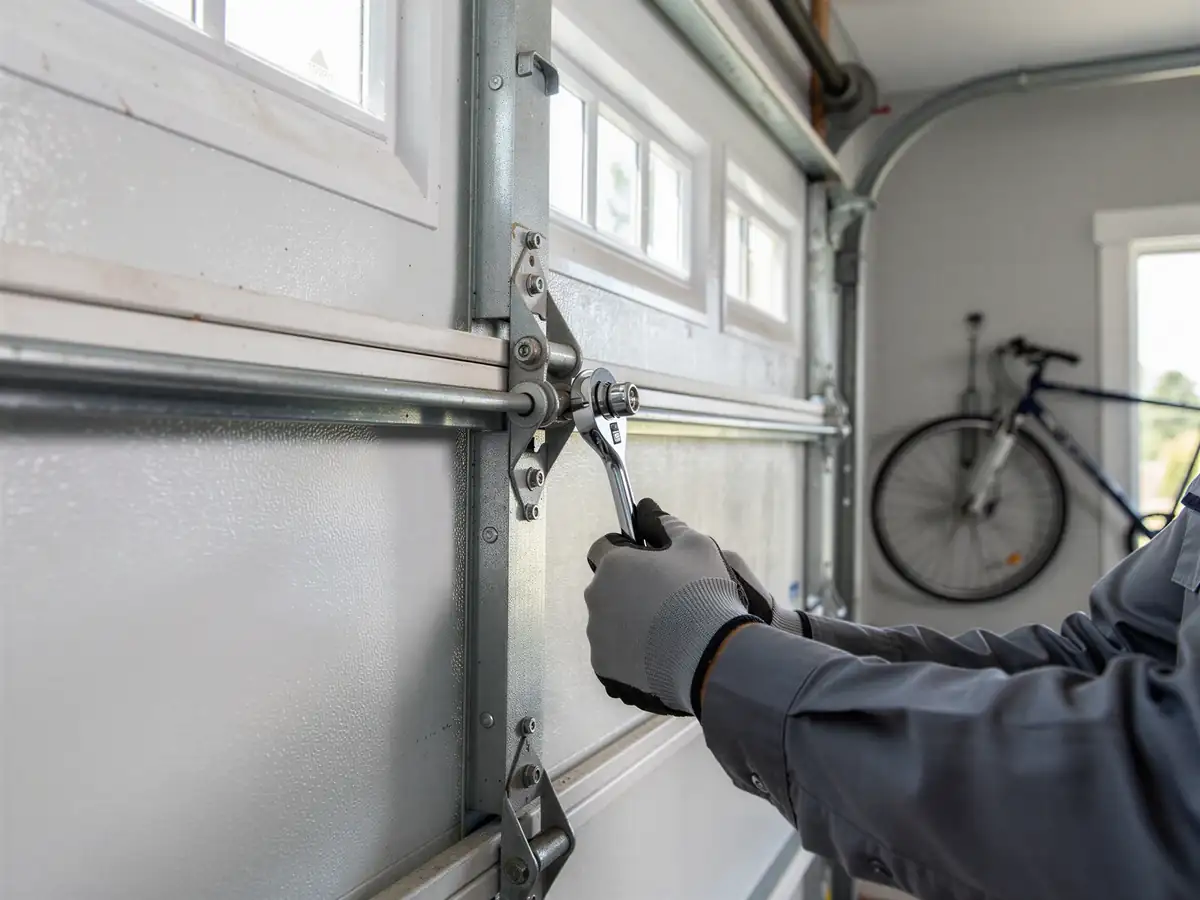
A circuit board swap runs closer to 45 minutes to an hour, mostly because we test the door through a full open-close cycle a few times after to make sure the new board is reading the sensors and the travel limits correctly. A stripped gear kit replacement inside the motor housing adds time for disassembly and reassembly of the housing itself.
- 30 minute
- 45 minutes
We don't stock every board or gear kit for every opener model on the truck
Since newer units vary more by manufacturer than the simpler chain-drive units of past decades. If what's wrong with your opener calls for a part we don't have on hand, that's a second trip - we'll tell you up front if that's the case rather than guess and come back empty-handed.
What the Fix Involves
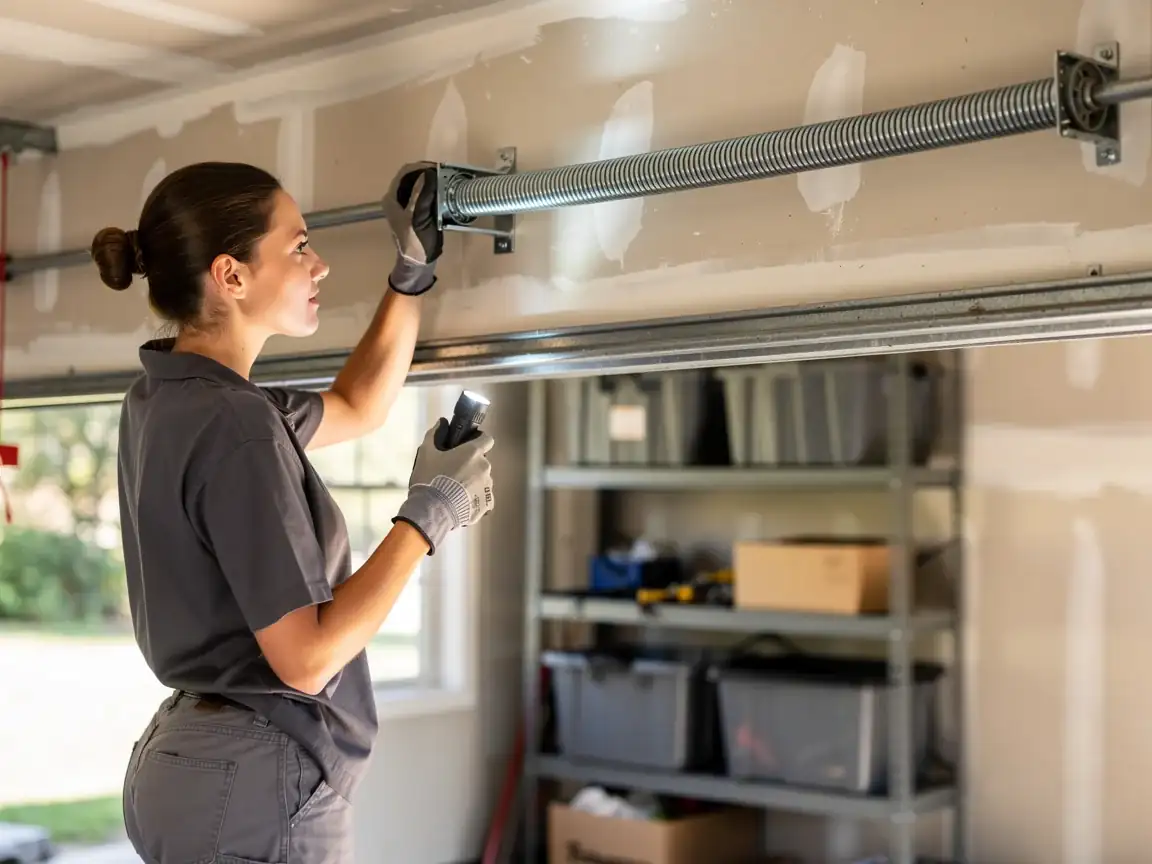
For a sensor fault, the fix is realignment and a clean lens - sometimes a sensor bracket needs re-seating if it's been bumped. For a dead receiver or board, we replace the board itself rather than the whole motor housing where possible, since the motor and drive mechanism on a belt-drive unit from this era usually outlast the electronics by years. For a stripped gear, we open the housing, replace the drive gear kit, and regrease the assembly before closing it back up.
What we won't do is recommend a full opener replacement when a board or gear repair will get you several more years out of a unit that's otherwise sound - that's the kind of upsell that doesn't hold up, especially on openers this new. Replacement becomes the honest answer only when the motor windings themselves have failed or the unit no longer matches current safety-sensor requirements.