What the Fix Involves
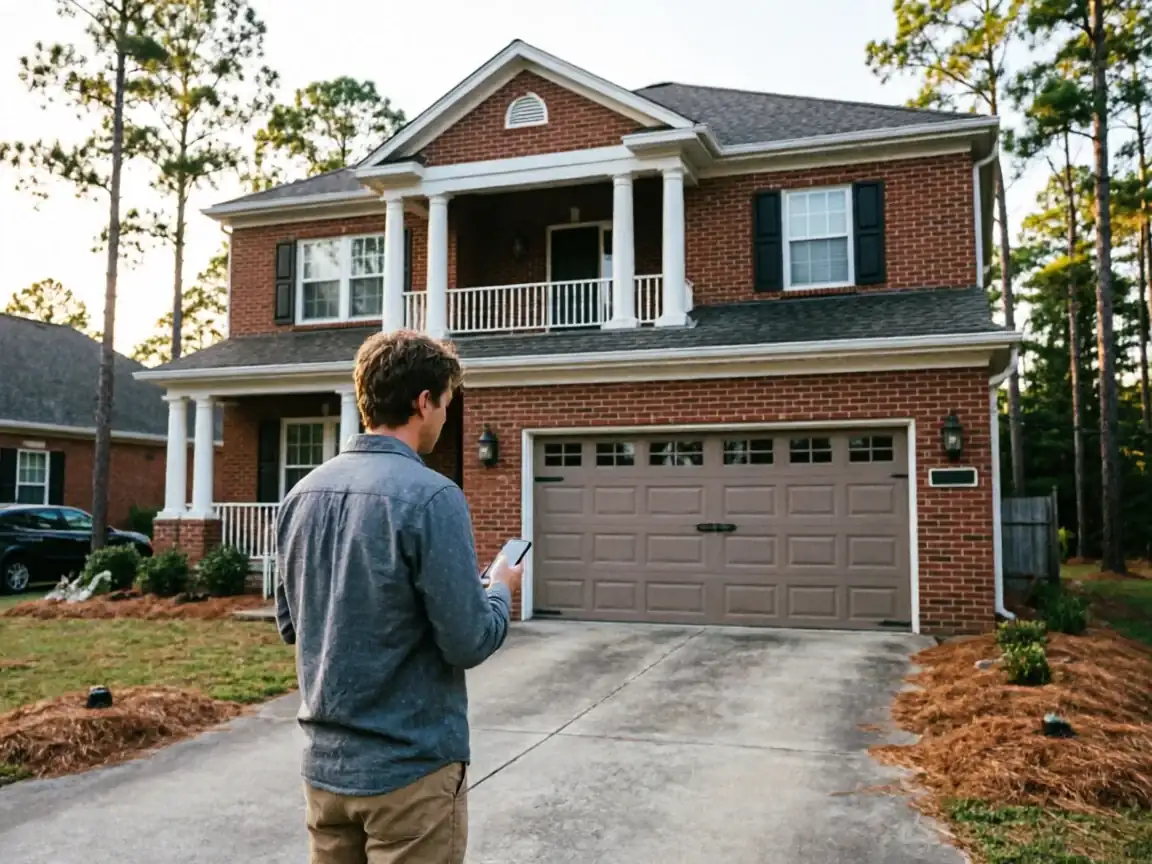
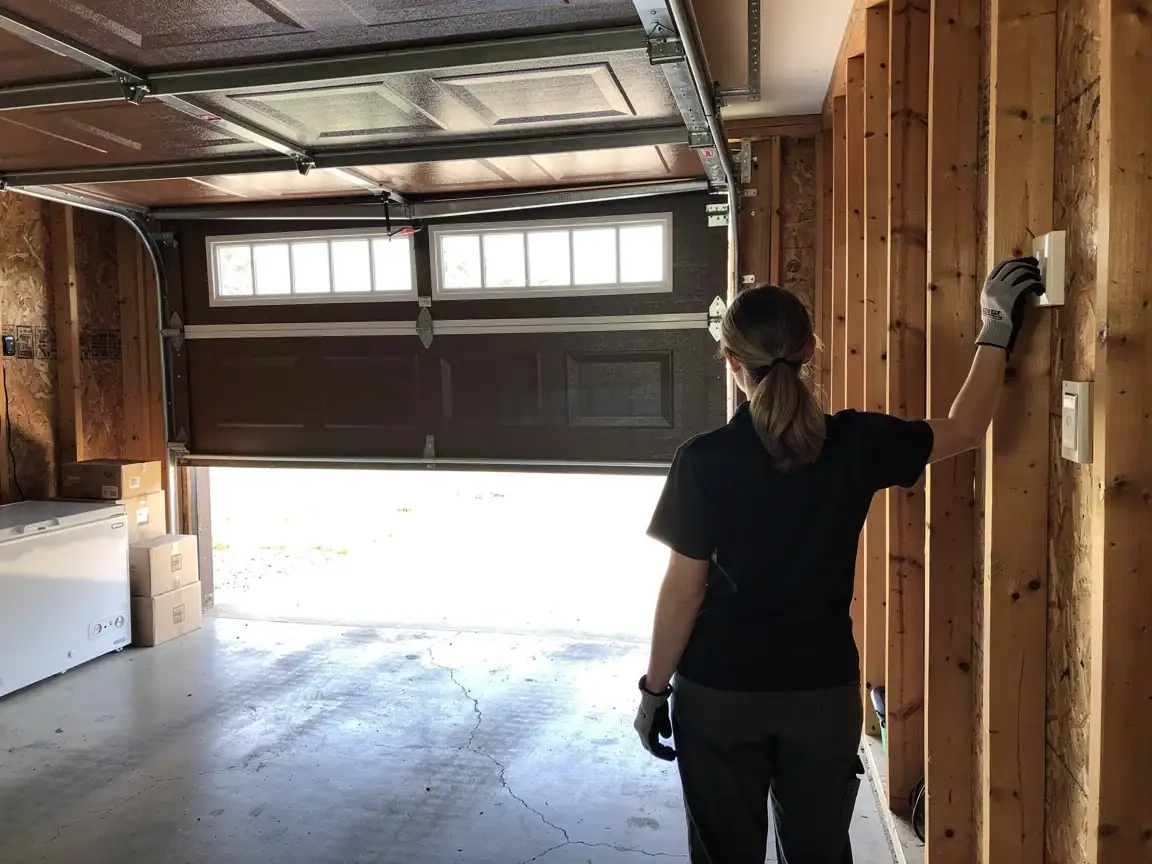
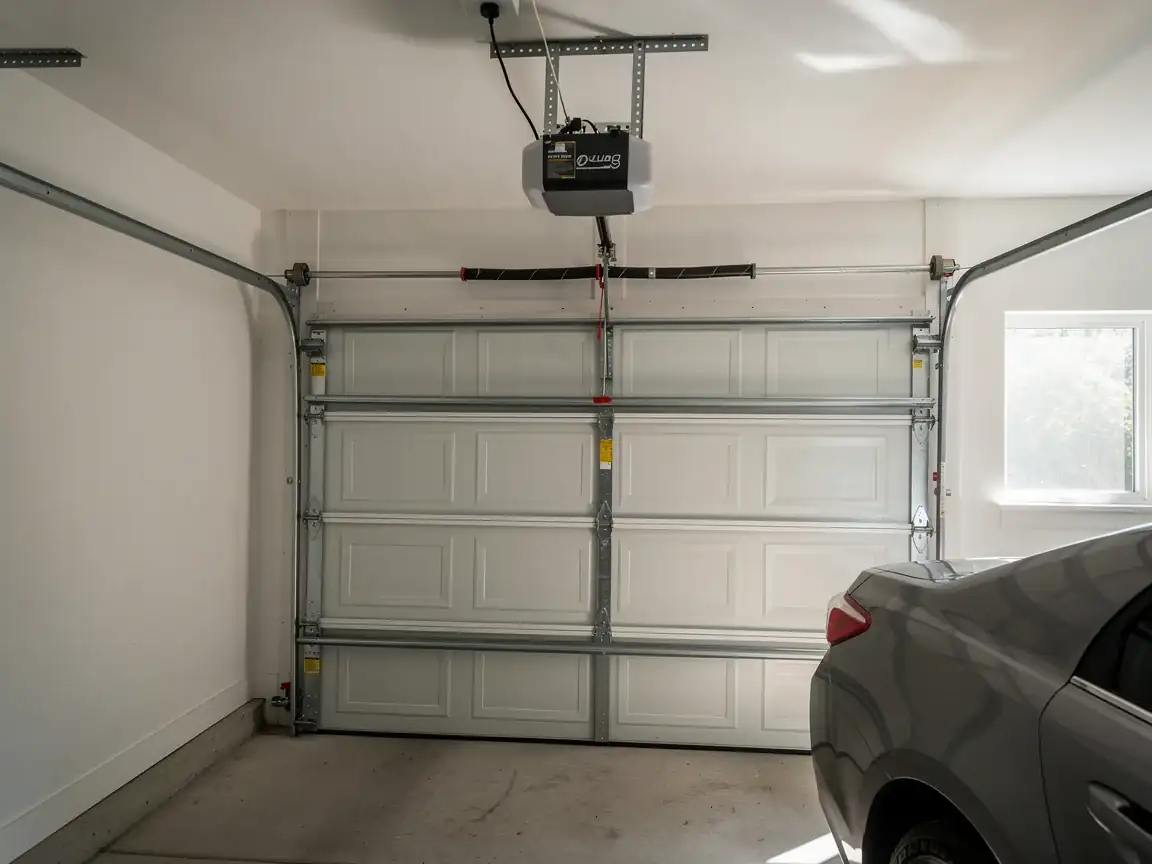
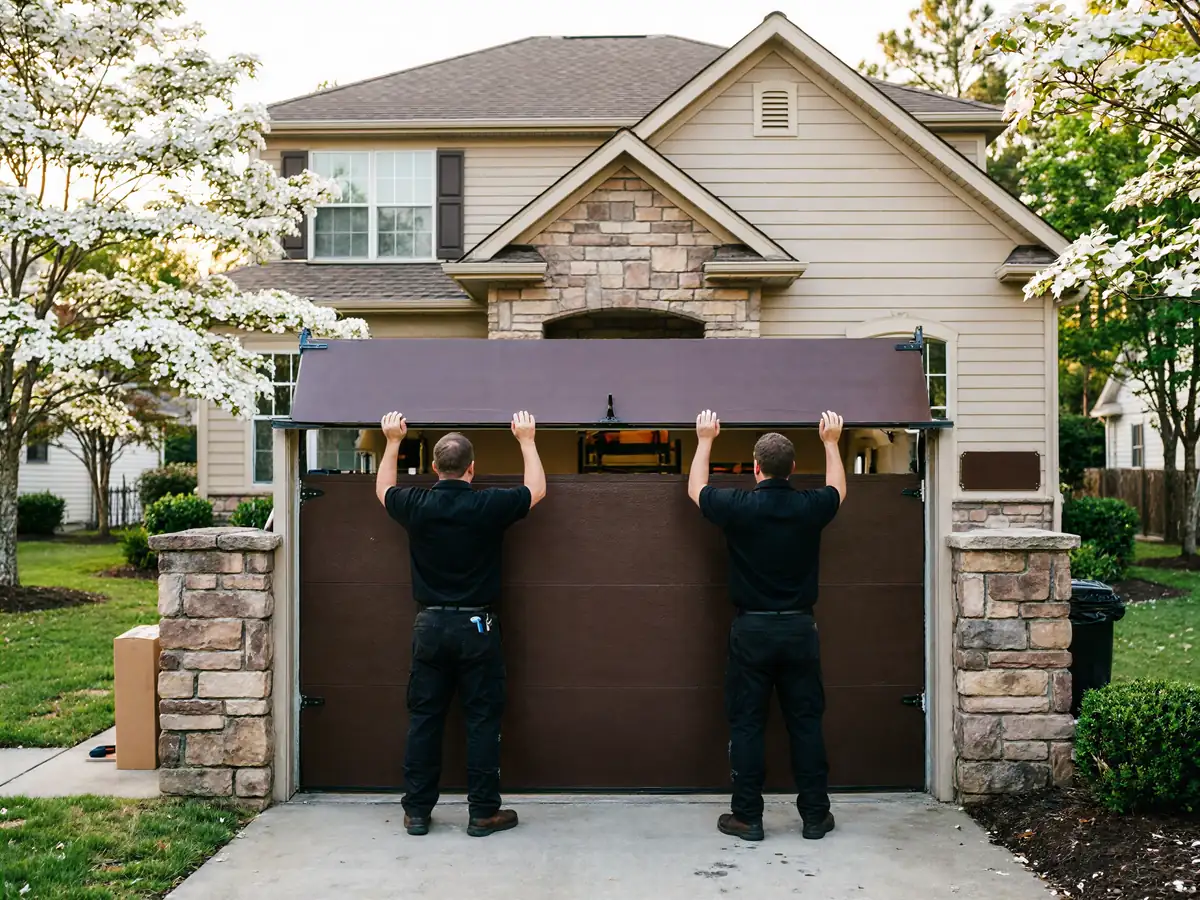
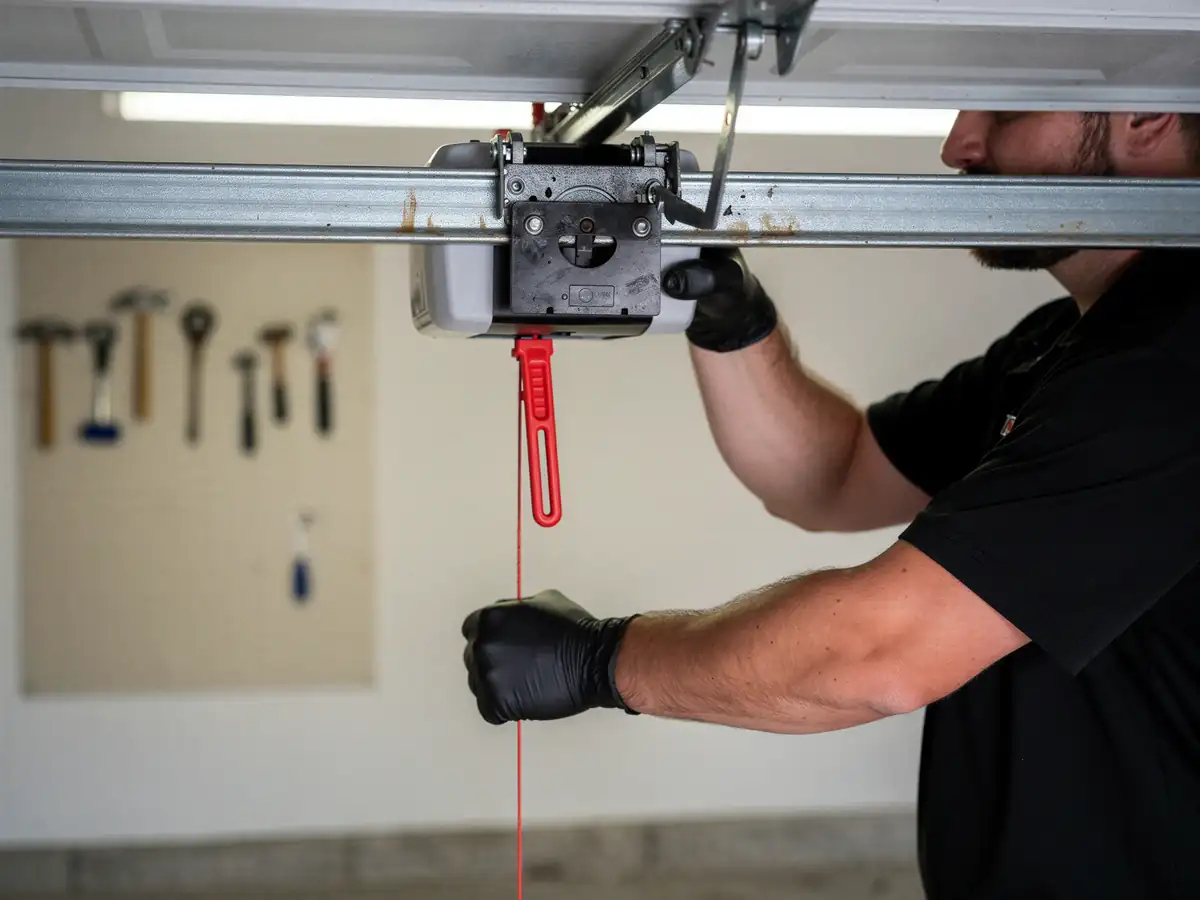
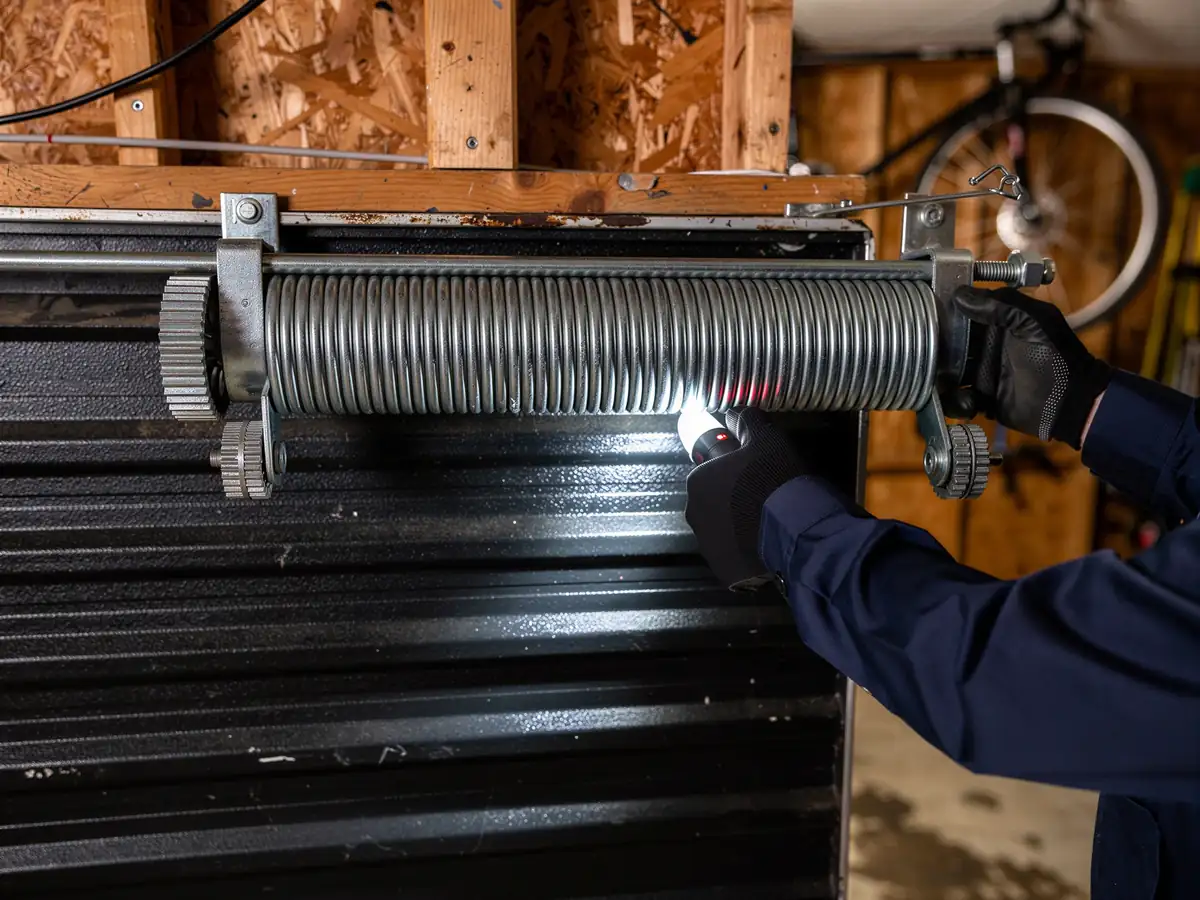
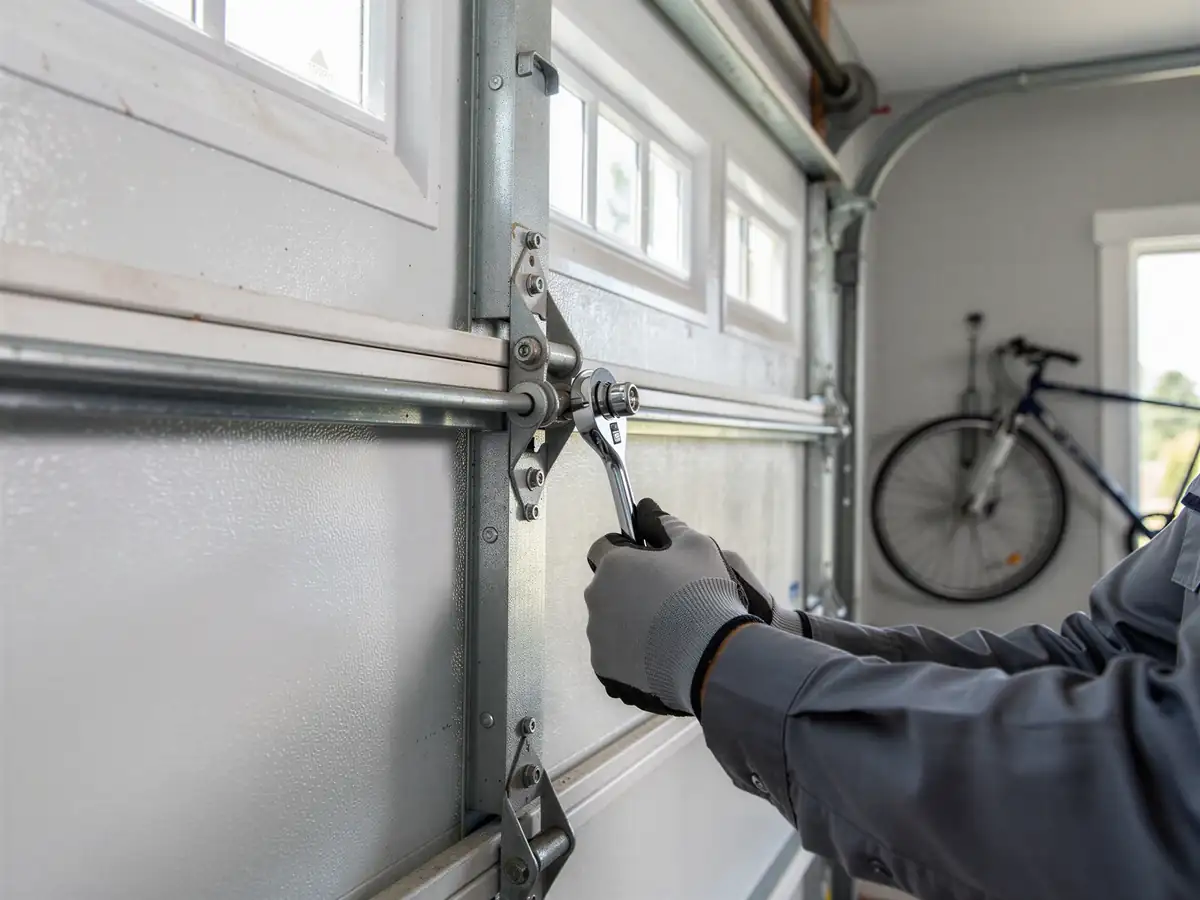
Berkeley Lake sits at a median household income of $160,505, which changes the math on a lot of repair calls before we even look at the door. At that income level, a lot of homeowners decide that a tired opener or a door with three mismatched panels isn't worth nursing along - they'd rather replace it once and be done. We don't push that decision either way. If a torsion spring snapped on a door that's otherwise sound, we replace the spring and check the cable drums and bearing plates while we're in there, because those wear on the same cycle. If the opener is grinding or the door won't reverse, we test the safety sensors and the logic board before quoting a new unit. The fix depends on what's actually broken, not on what the neighborhood can afford. Houses here went up mostly around 1990, which puts a lot of doors on extension-spring systems with plug-style openers that are now at or past the end of a normal service life. That's the detail that drives most of our repair calls in this area, more than any single part failing on its own.
Doing It Yourself
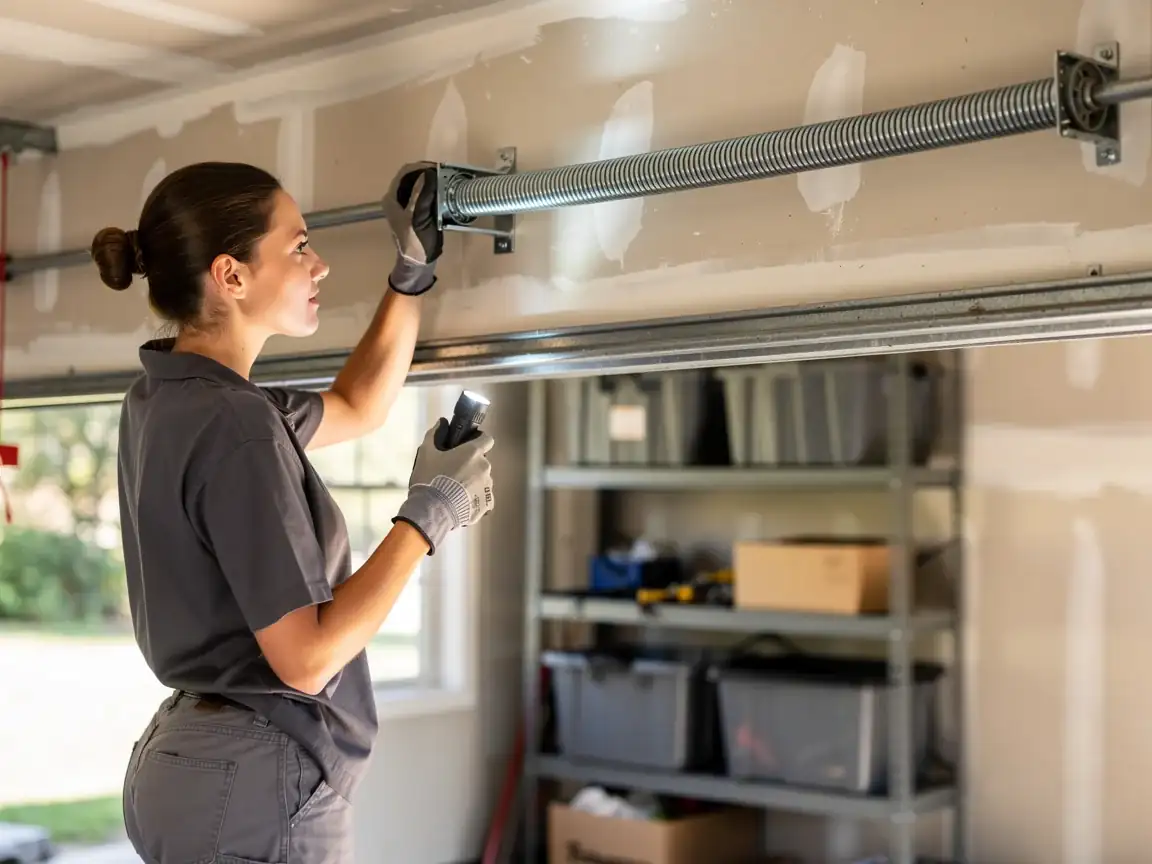
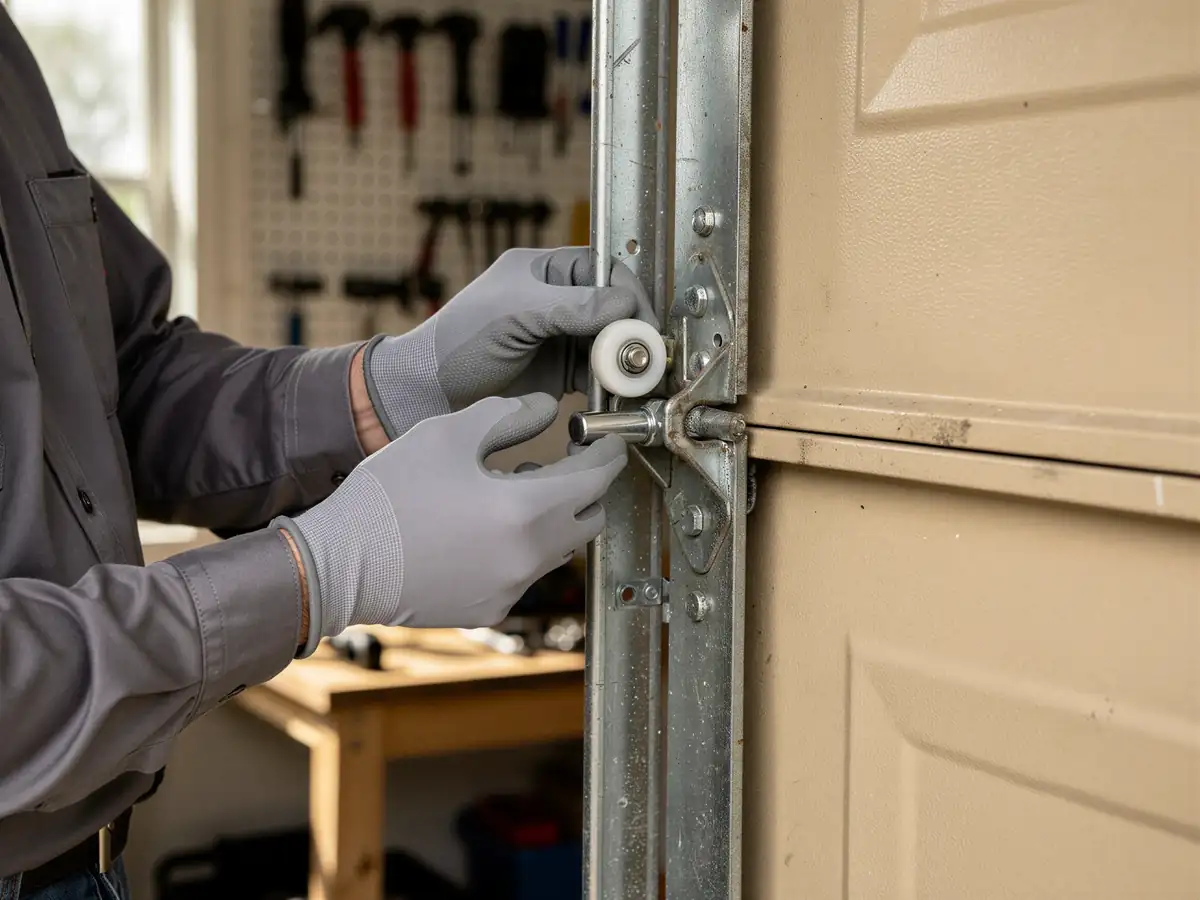
Lubricating hinges and rollers, tightening loose track brackets, and testing the auto-reverse with a 2x4 under the door are all fine to do yourself and worth doing twice a year on a door from the early 1990s. What's not worth attempting is anything involving the torsion spring or the cables under tension - that's the one place where a DIY mistake sends someone to the ER, not just back to square one. If your door is original to a 1990-era build, the spring has likely been cycled tens of thousands of times already, and it's not a part where guessing at the wind count pays off. Call for that one.
What Can Go Wrong
On houses built around 1990, the failures we see most are worn extension spring pulleys, cracked plastic idler bearings, and openers whose capacitors have simply given out after three decades of Georgia humidity and winter swings. The climate here runs cold-moderate, which isn't brutal, but freeze-thaw cycles still stiffen old lubricant in the tracks and make a marginal spring finally let go on a cold morning. None of that is unique to Berkeley Lake's 931 households, but it does track closely with the housing age across this part of the service area, which runs 1964 to 2007 with a median around 1992 - Berkeley Lake sits right at that median, so its doors are aging in step with the rest of the territory.