What the Fix Involves
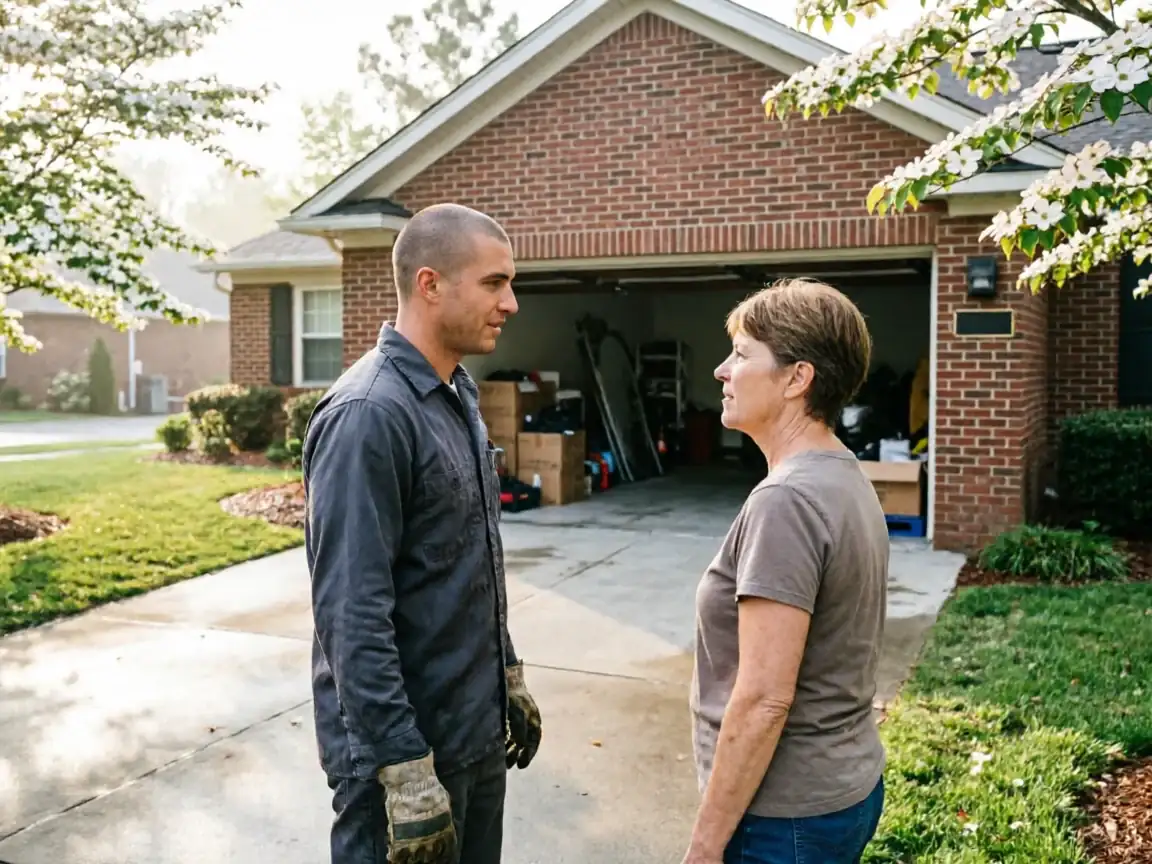
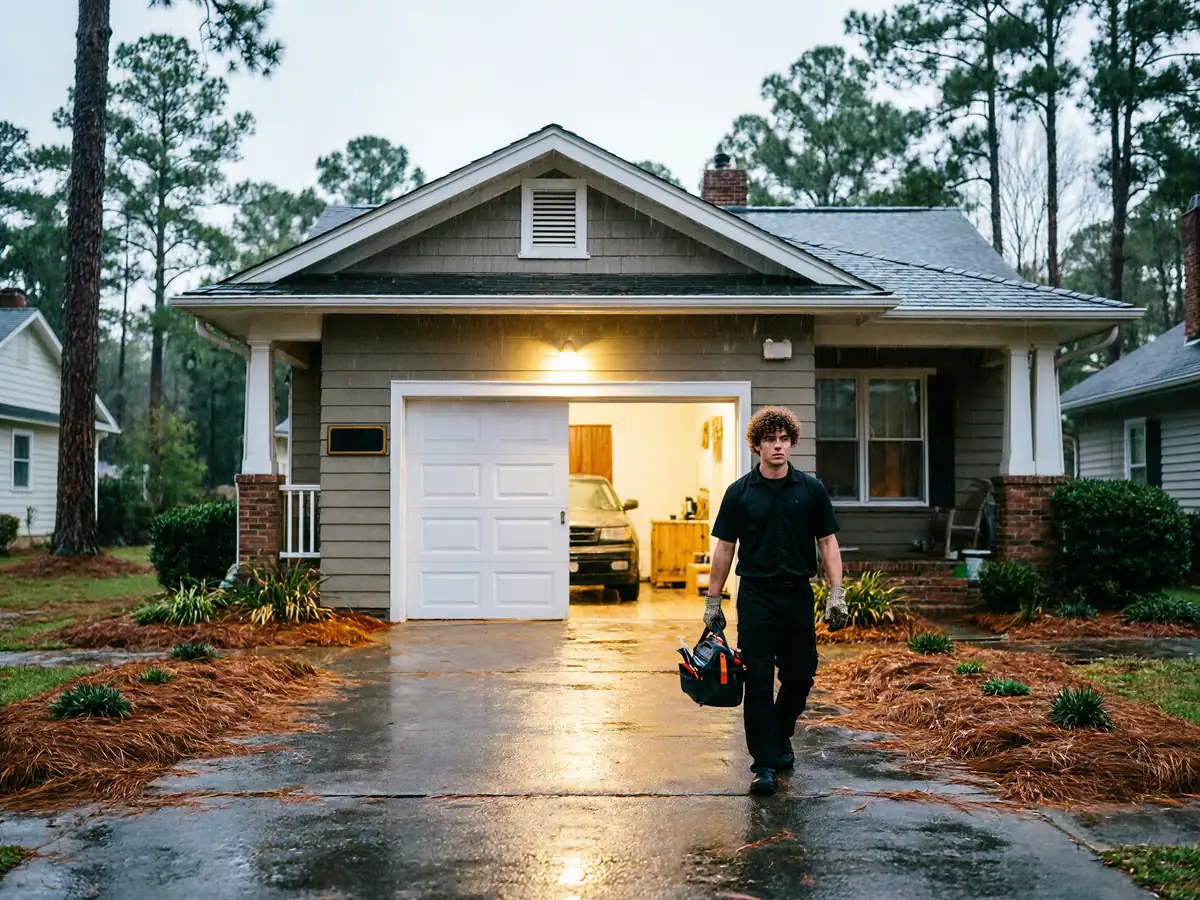
Berkeley Lake is a 13-mile drive from our shop in Milton, and that drive shapes how we run a roller call out here. We don't send a truck on a guess - when you call, we ask what the door sounds like (grinding, a hard catch at one spot in the track, a door that jumps when it closes) so the right rollers and any other parts are already on the truck before it leaves Milton.
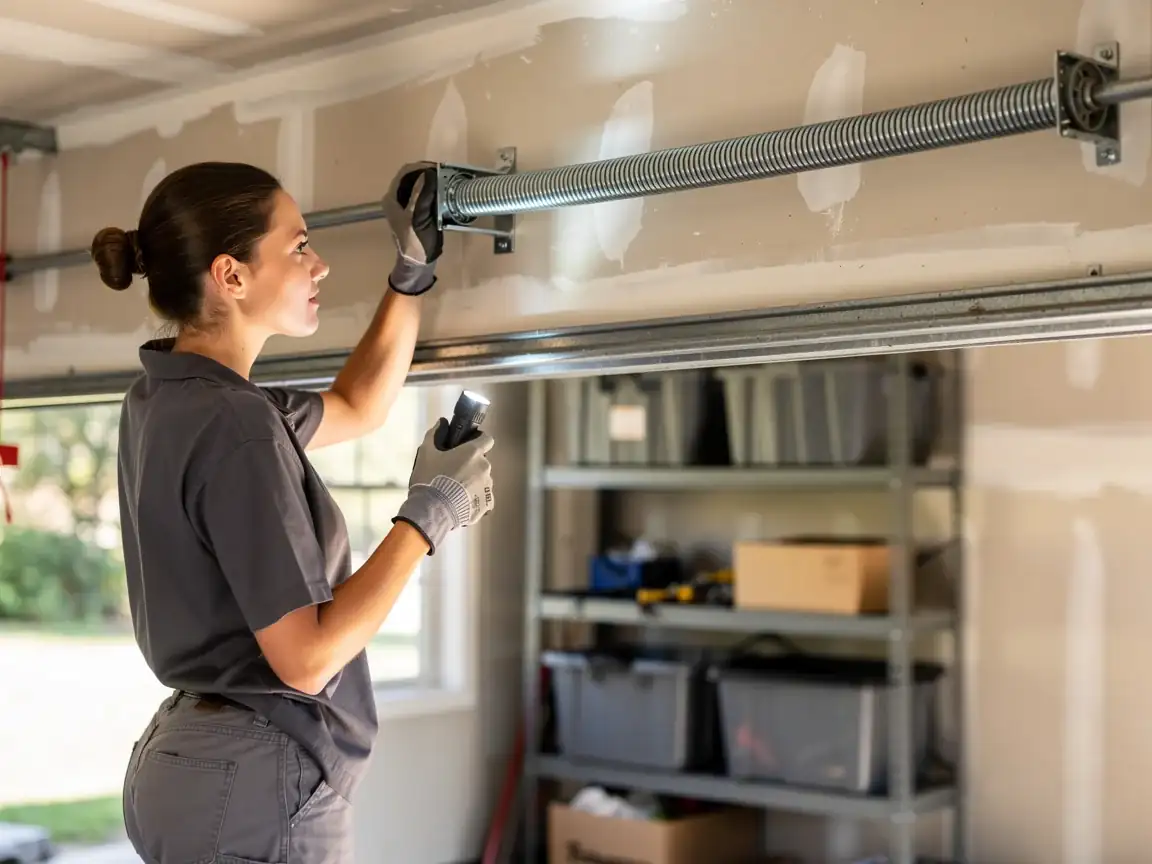
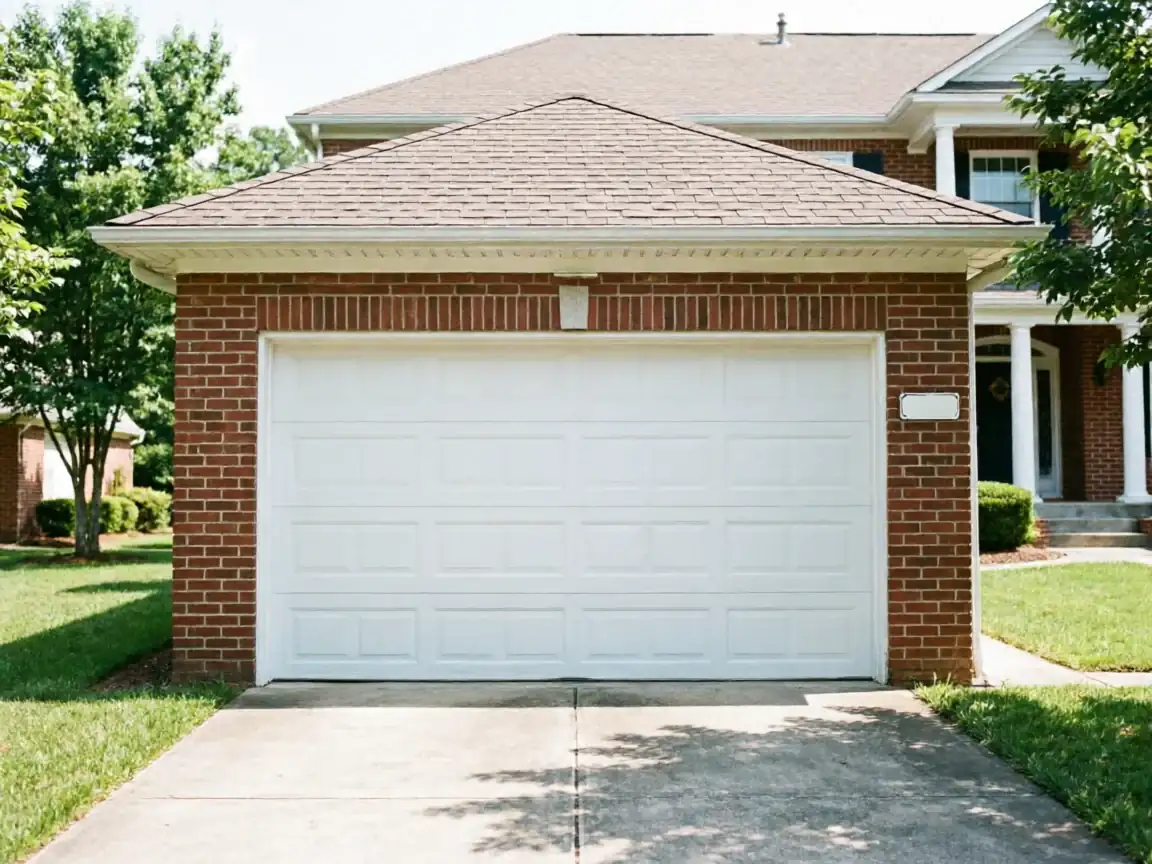
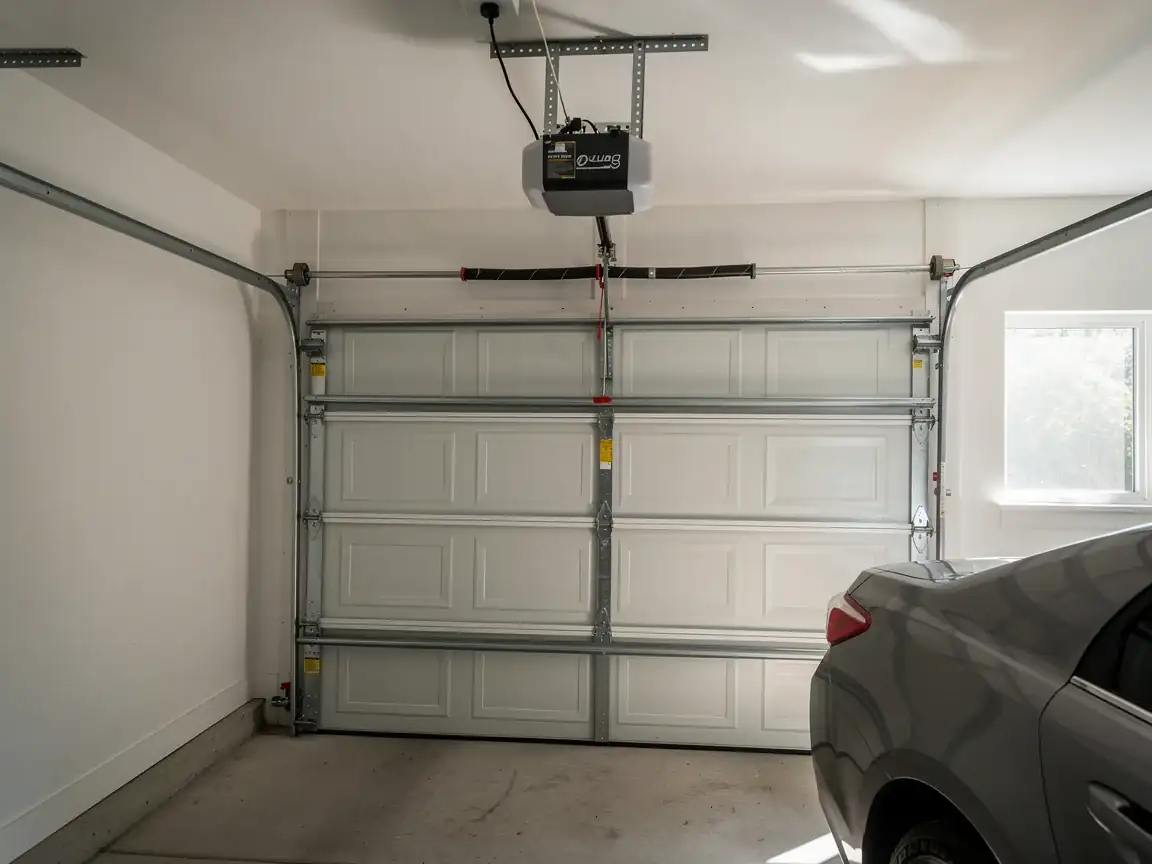
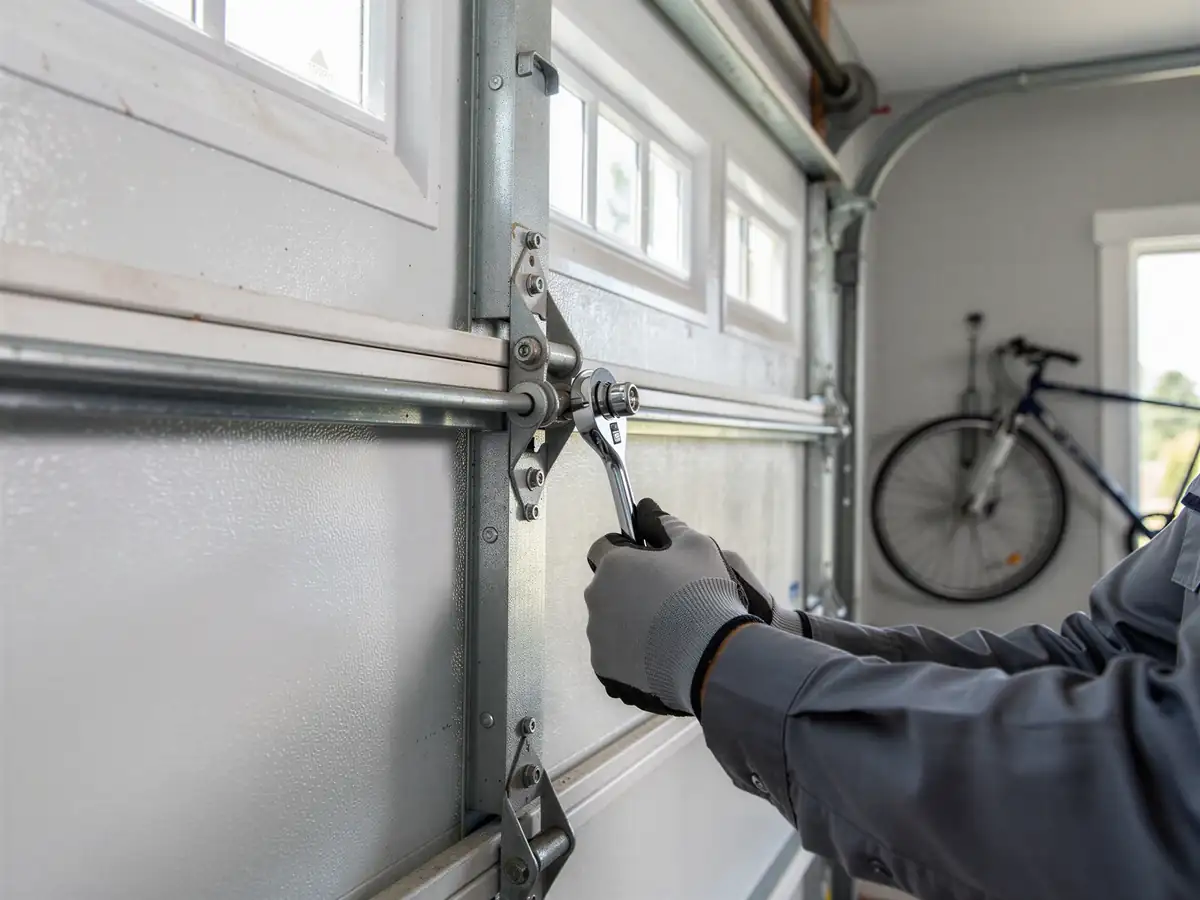
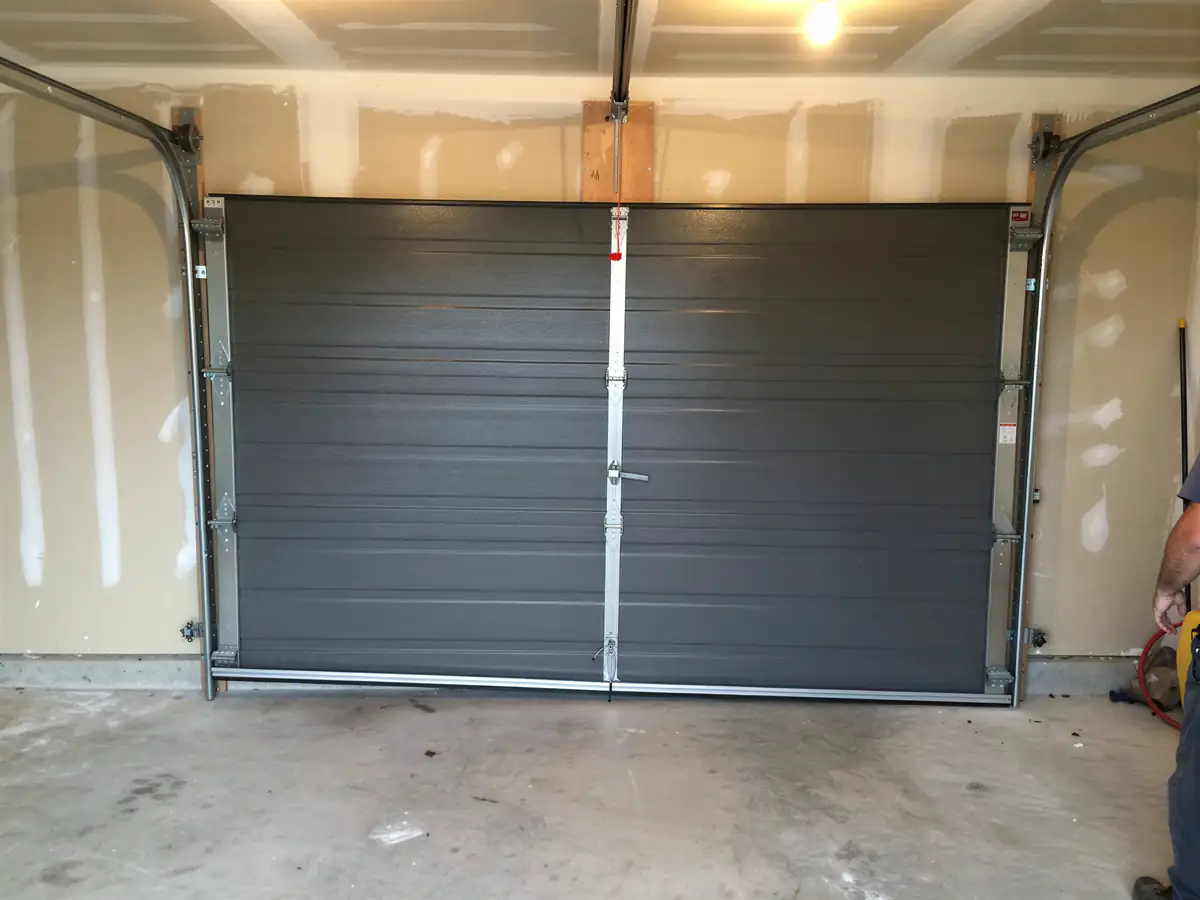
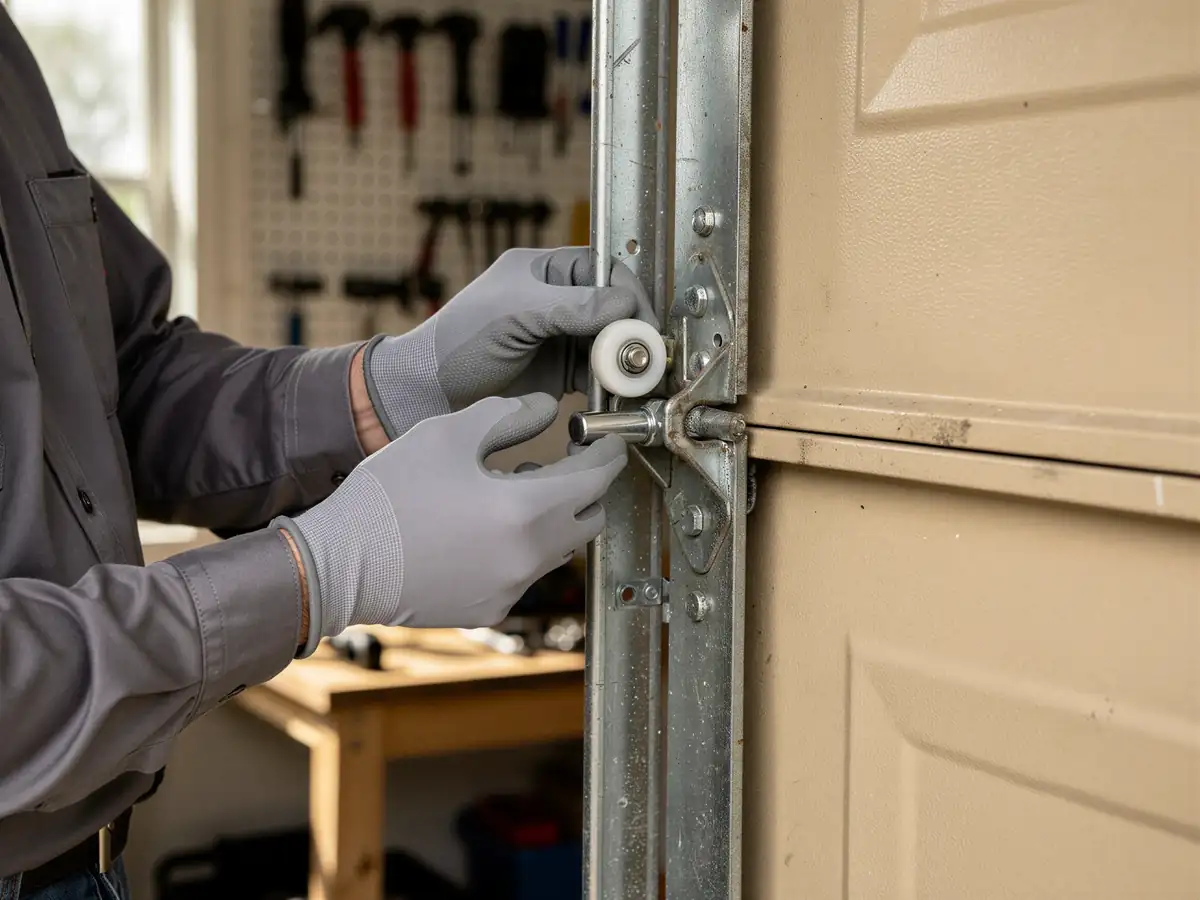
Most houses in Berkeley Lake were built around 1990, square in the 1980s-90s run that makes up the bulk of this area's stock. Doors from that era typically shipped with steel rollers on steel stems, sometimes with a nylon roller swapped in later by a previous owner or a past repair. Steel rollers are loud and they wear the track faster than nylon. The fix is pulling the old roller and stem from each hinge, checking the hinge hole hasn't worn oval, and setting new rollers - usually nylon with sealed bearings - in their place. If a hinge is worn out, that gets replaced too; a new roller in a stretched hinge just repeats the problem in a year.
Doing It Yourself
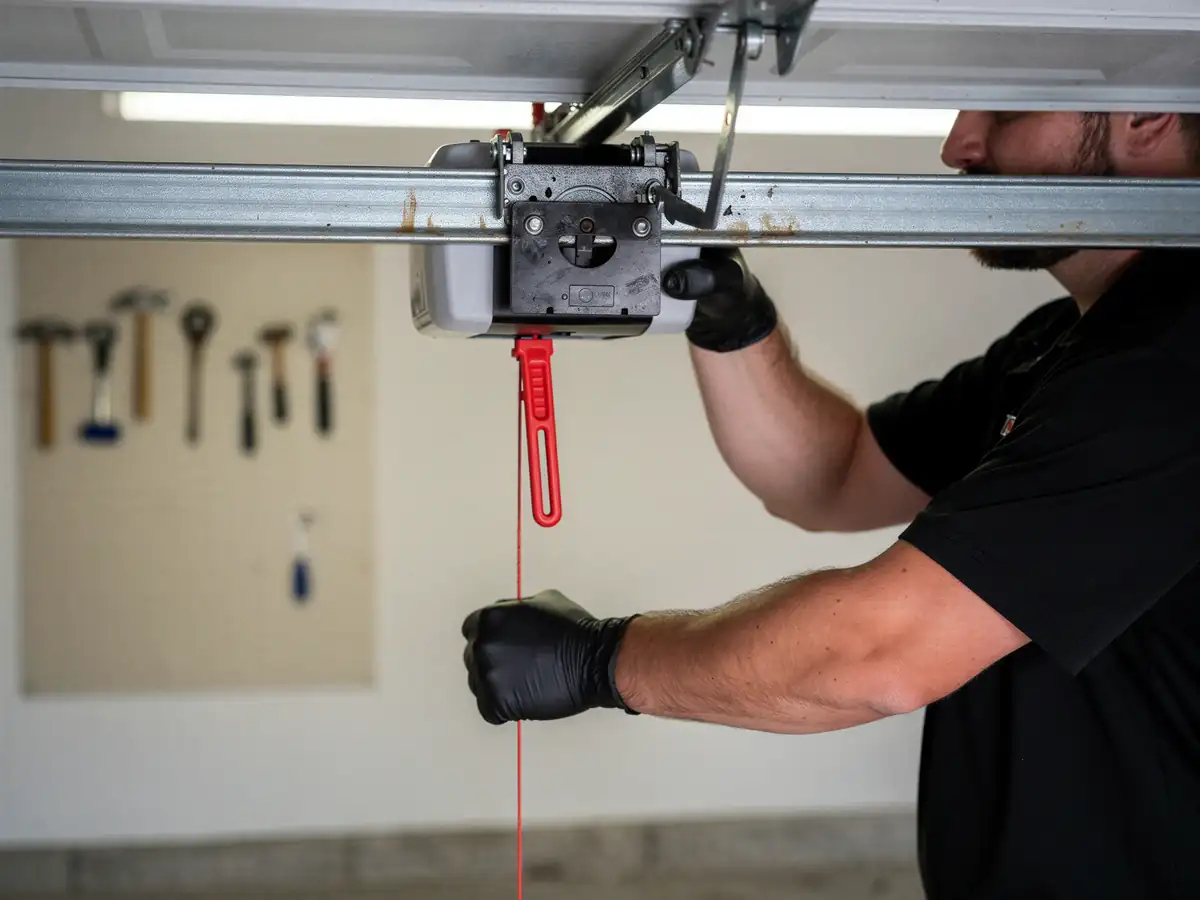
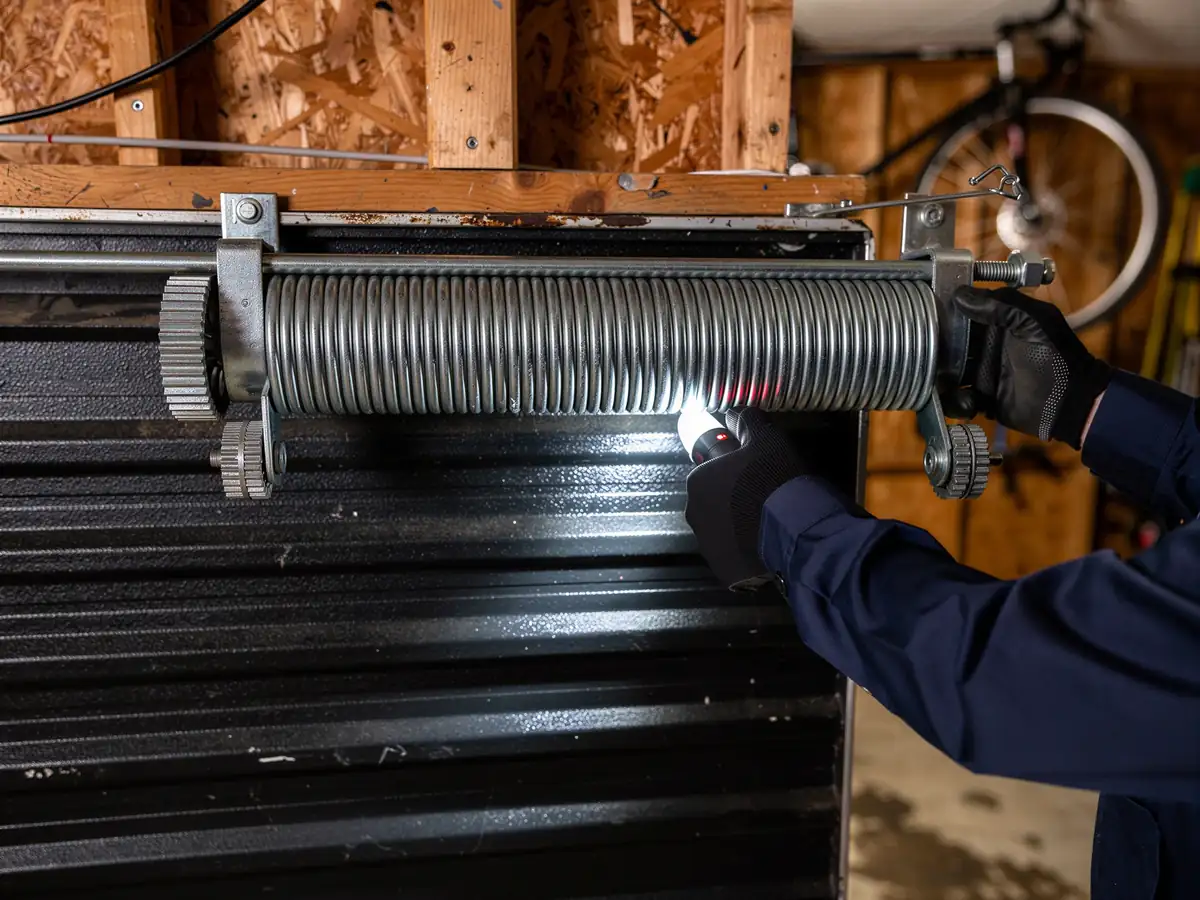
Swapping rollers on a garage door is one of the more approachable DIY jobs on this system, if the door is a single panel with no torsion spring work involved. You're unclipping brackets, sliding old rollers out, sliding new ones in. Where it gets risky on a house like the ones in Berkeley Lake, built with standard torsion hardware from that 1980s-90s run, is the bottom bracket roller - it sits under cable tension, and pulling it without releasing that tension first is how fingers get hurt. If you're not sure whether a bracket is under tension, that's not the one to learn on.
What Can Go Wrong
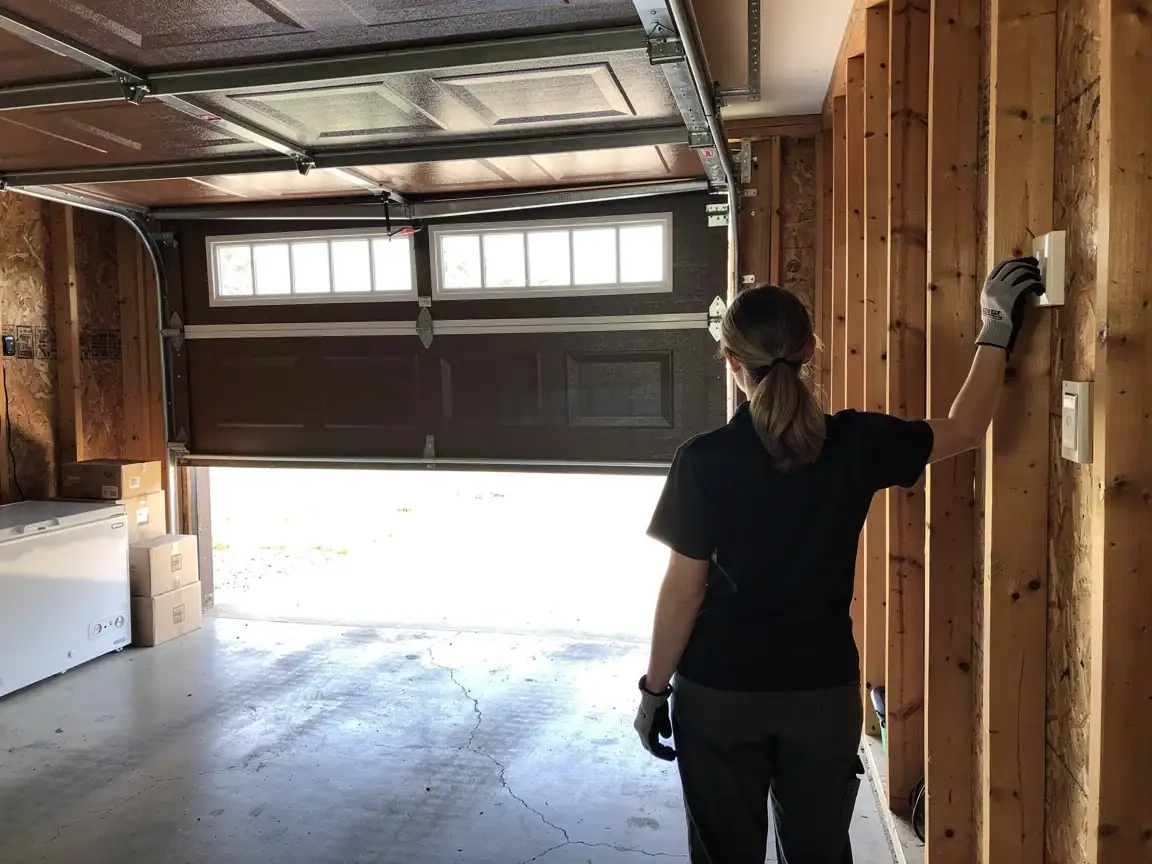
The most common miss on a roller job in this housing stock is replacing the roller and ignoring the track it rides in. A steel roller that's been grinding for a couple of winters usually leaves score marks or a slight widening in the track at the spot where the door sits most often - install a smooth new roller in a damaged track and it'll ride rough again within months. Cold-weather stiffening is also a factor here, since this area sits in a moderate-cold climate band: grease that's thickened up in low temperatures can make a worn roller feel worse than it is, so part of the call is confirming the roller's actually bad and not just cold and dry. Our honest limit: if the track itself is bent or badly worn, roller replacement alone won't fix the symptom, and we'll say so rather than sell a part that won't solve it.