What the Fix Involves
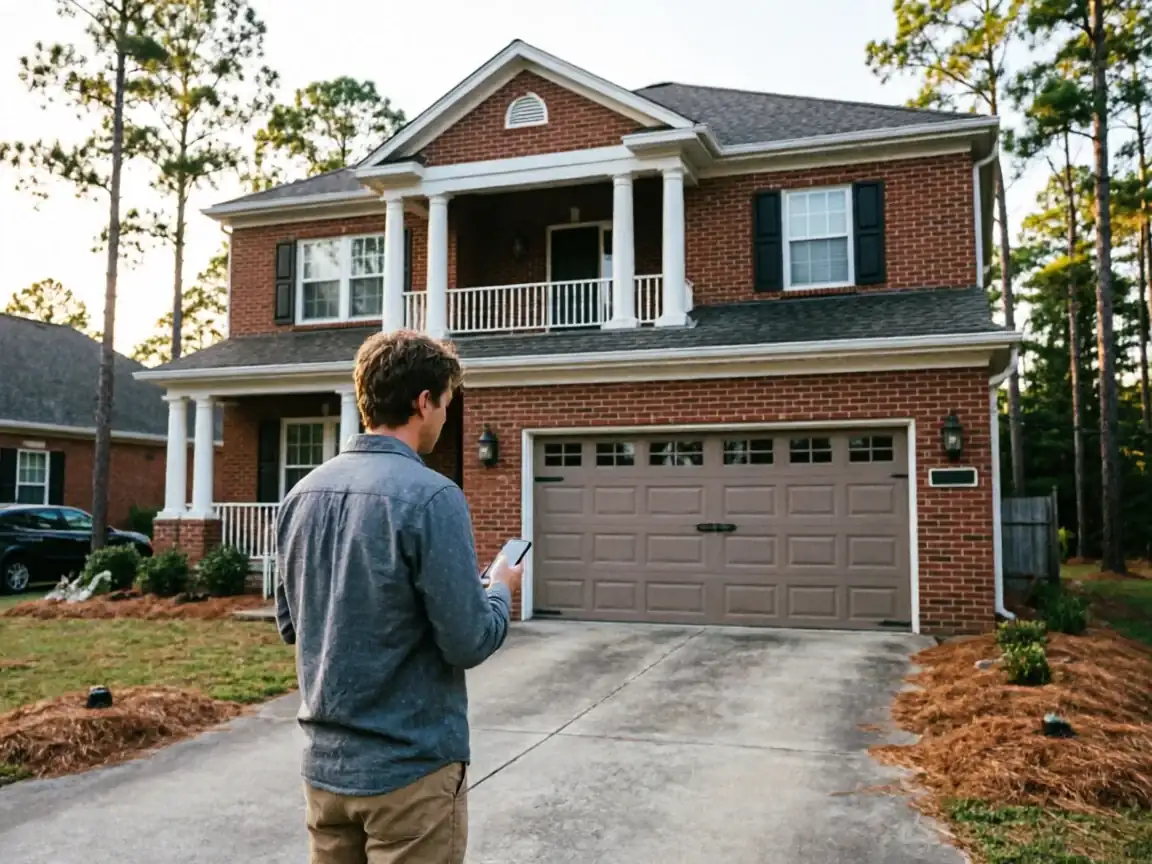
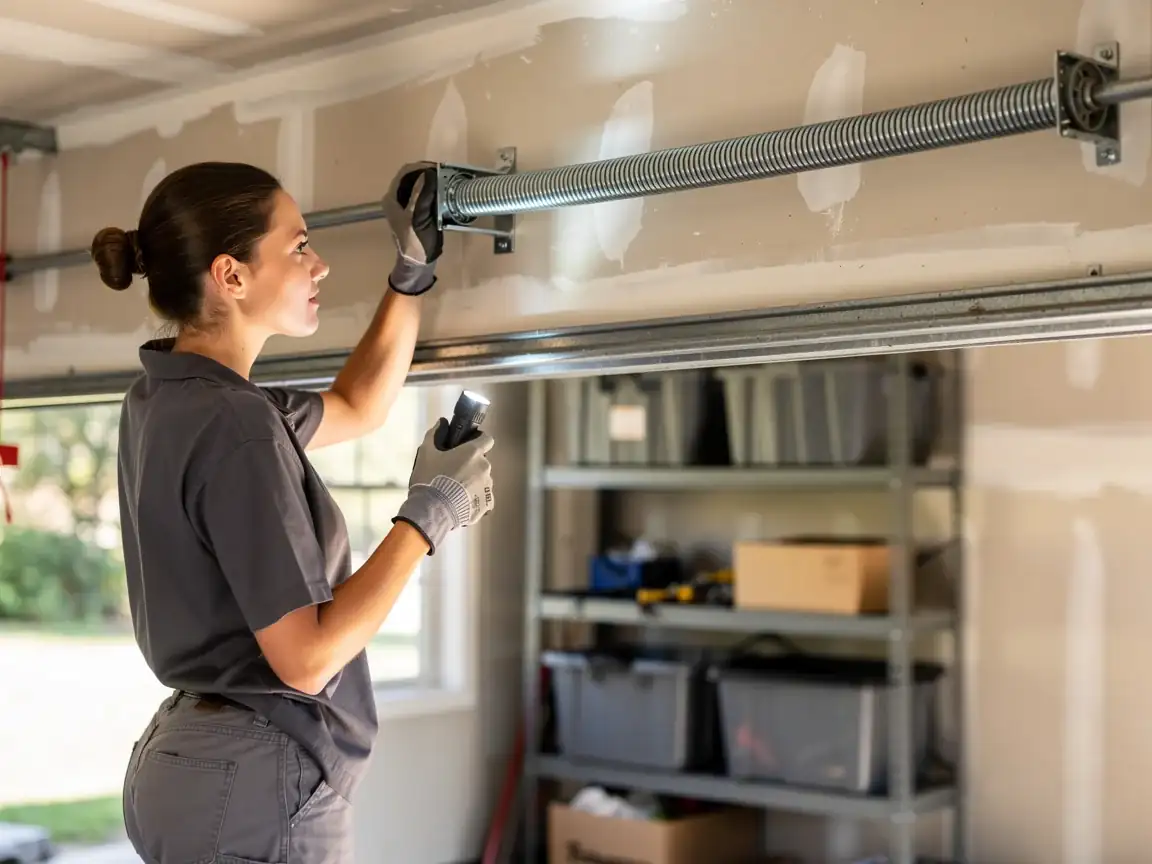
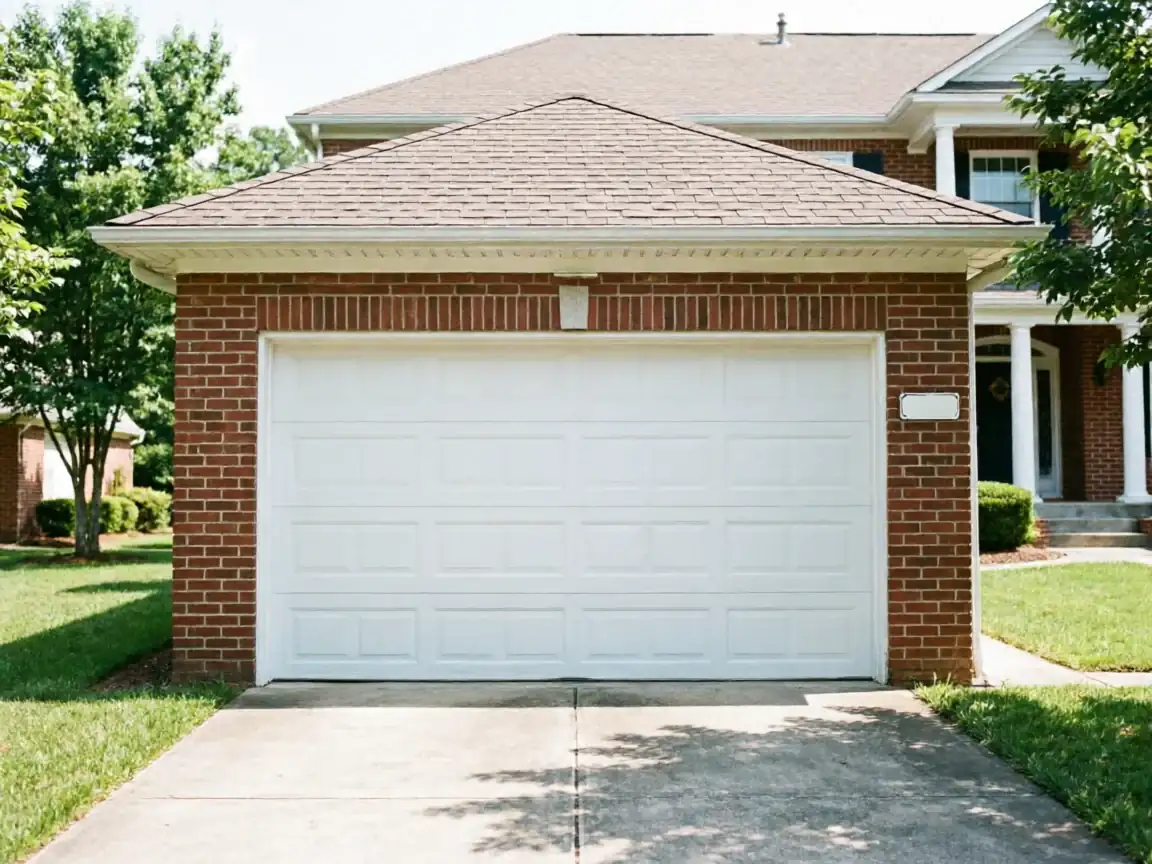
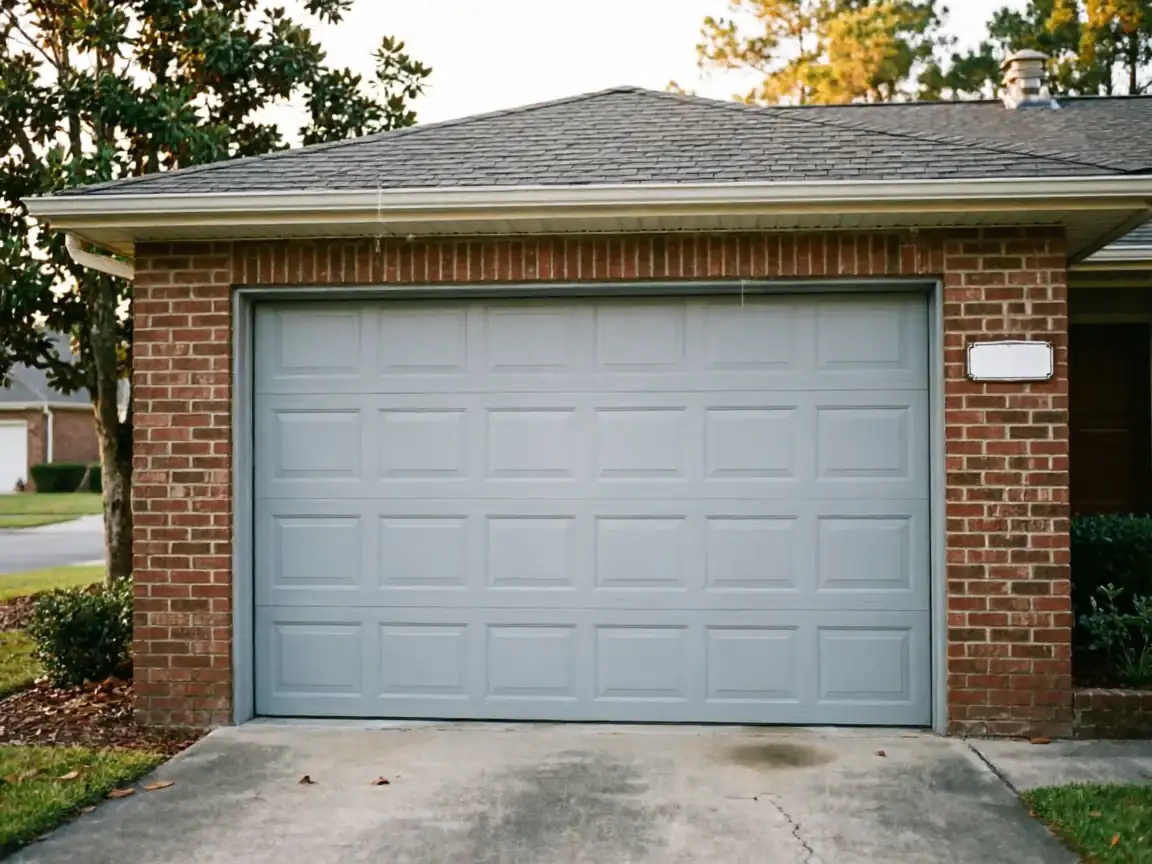
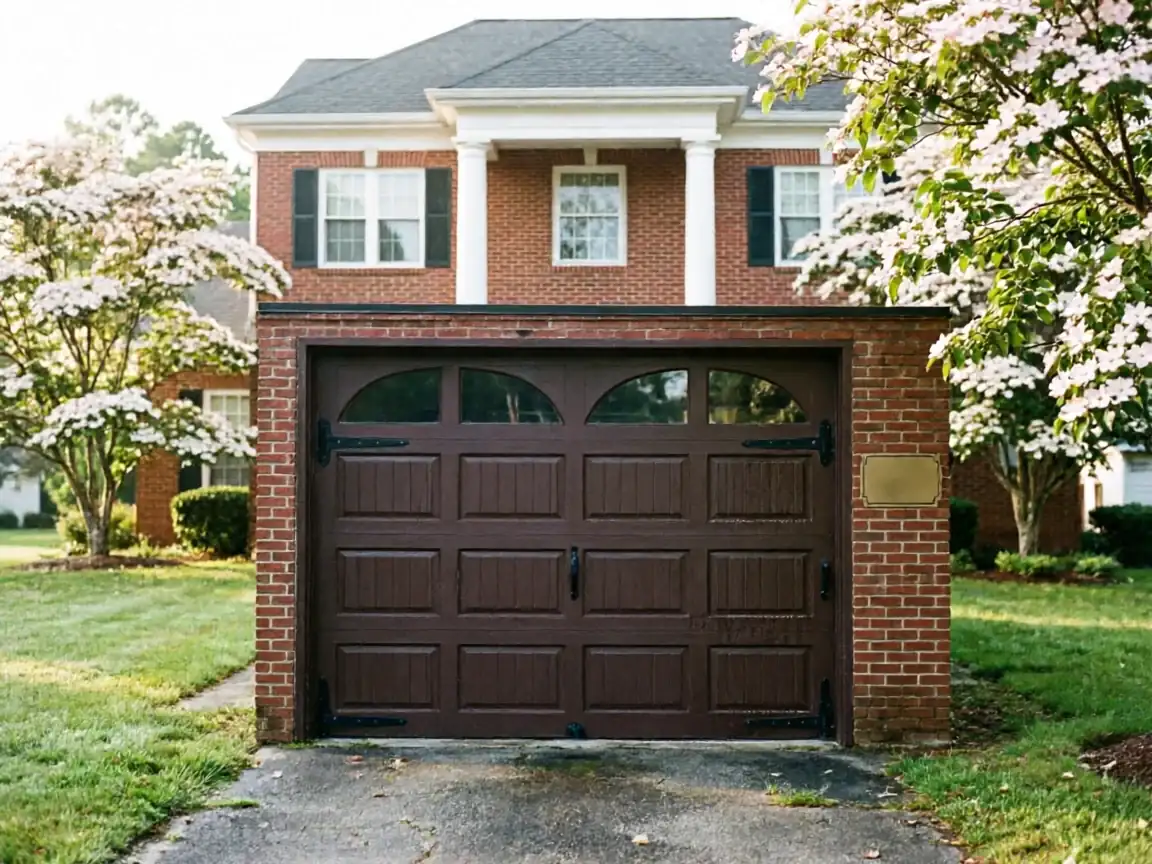
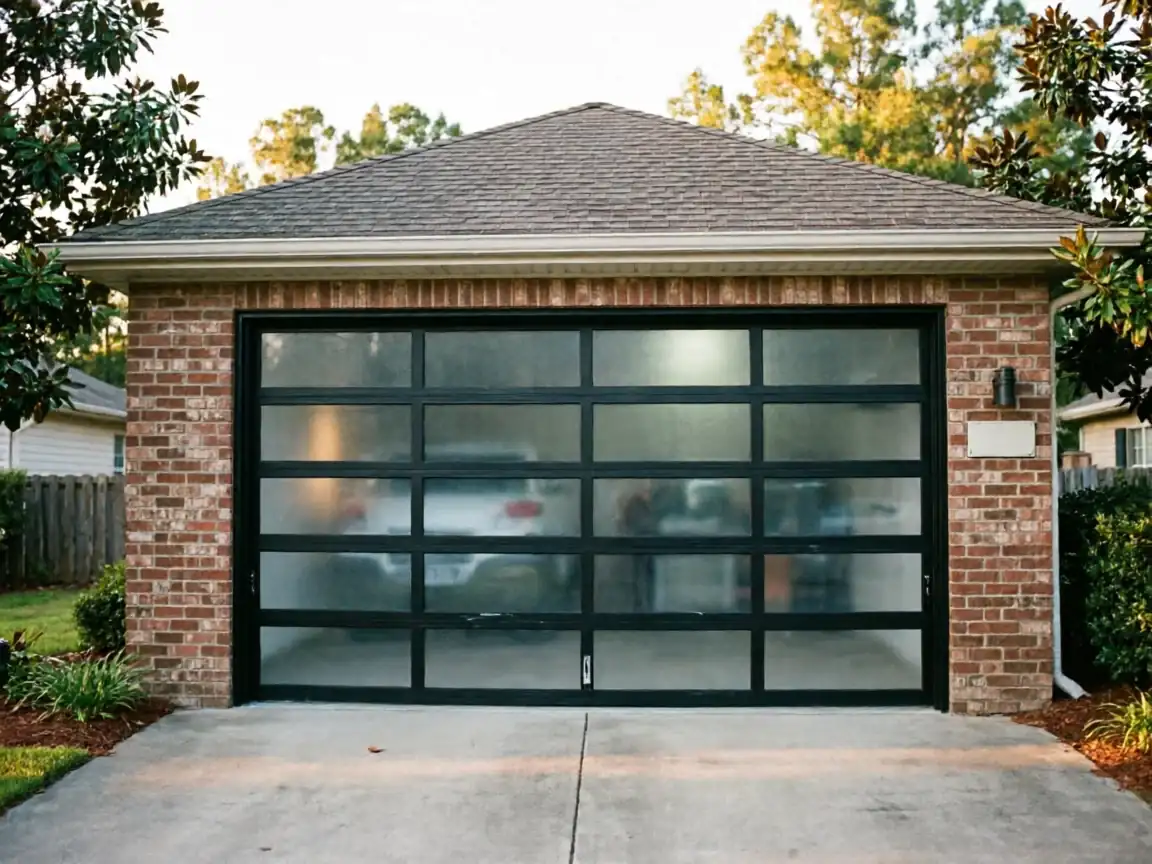
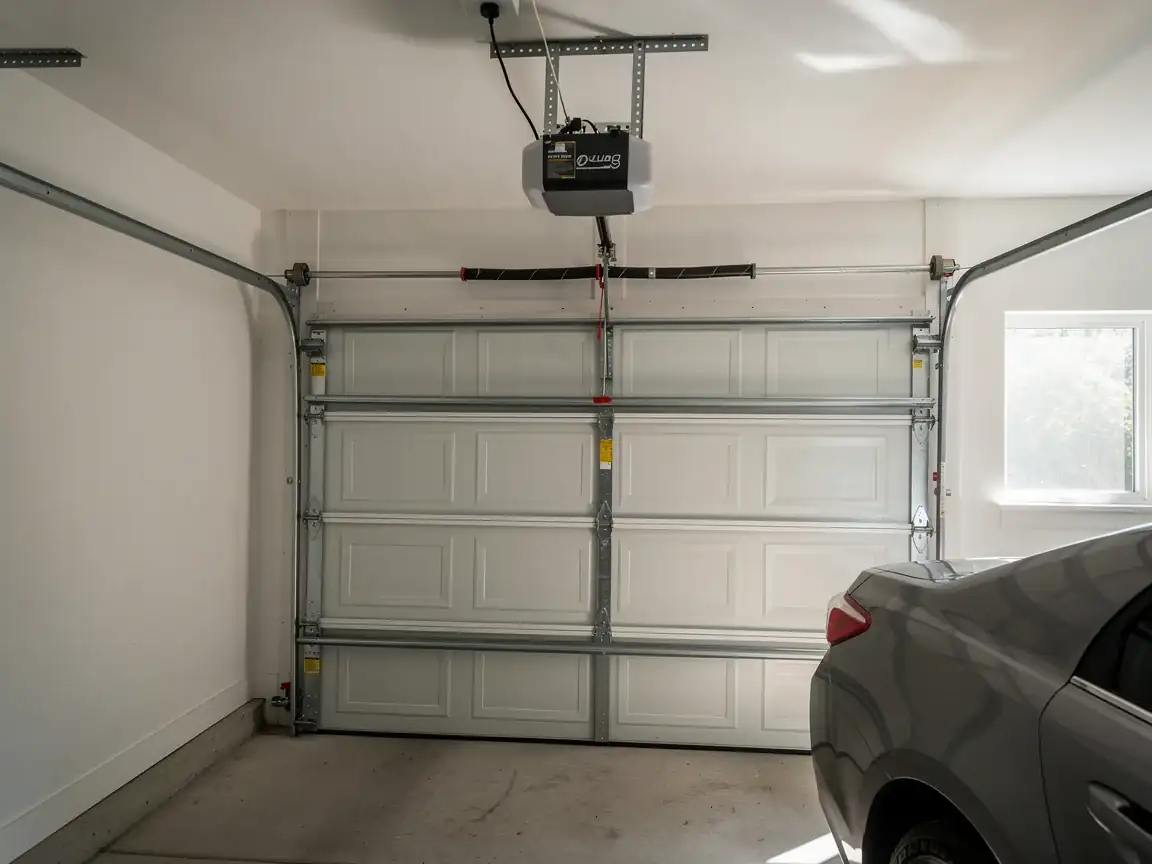
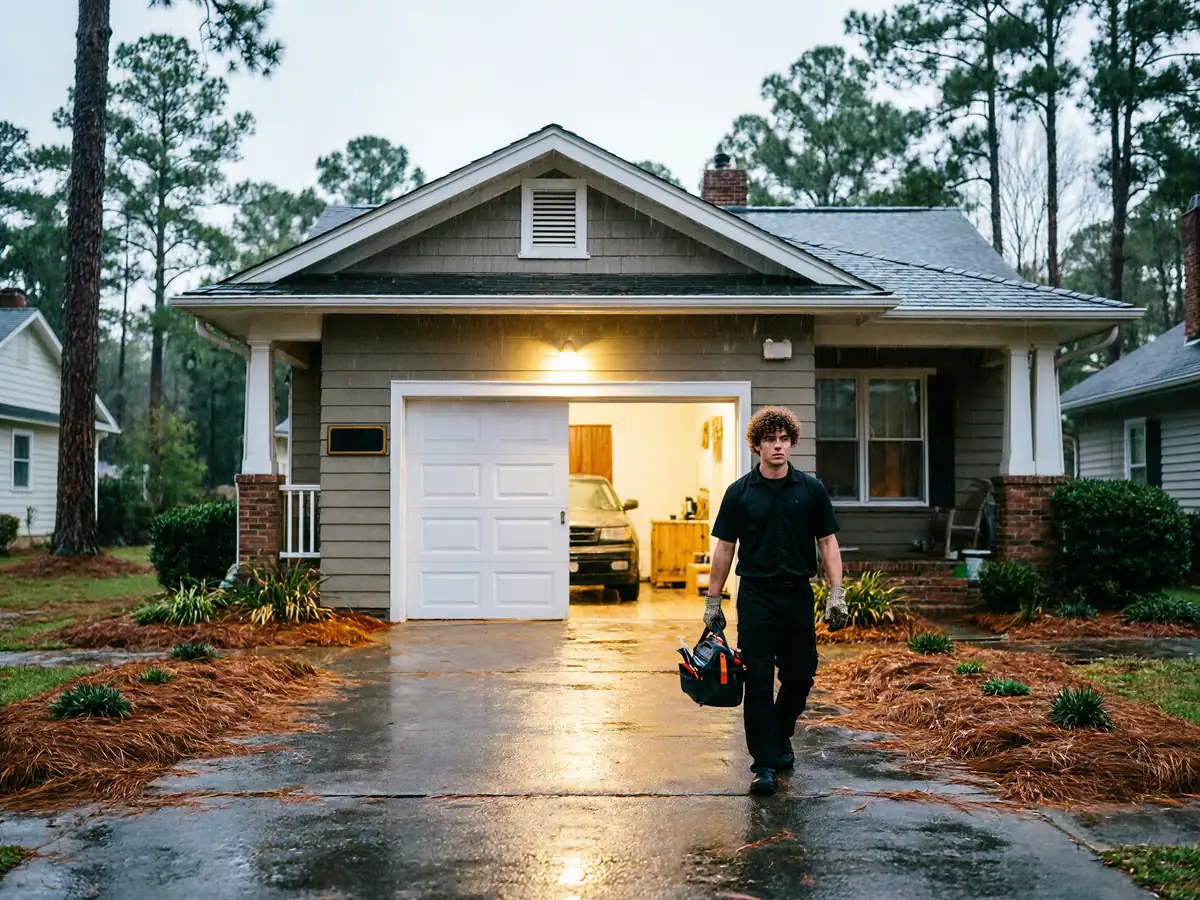
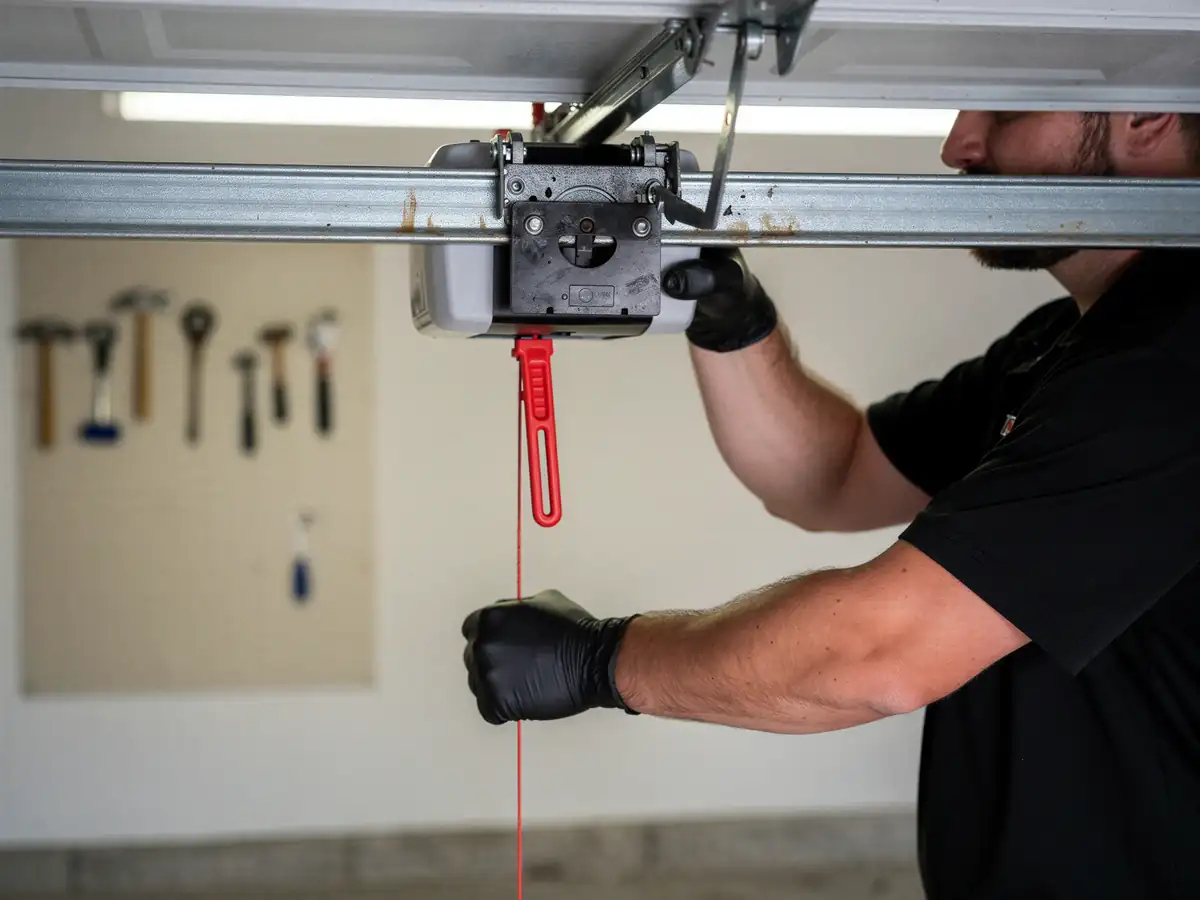
Most houses in Berkeley Lake were built around 1990, during the same stretch of construction that put up most of this part of the service area between 1964 and 2007. That matters for opener repair because 1990 was right in the middle of the chain-drive era - steel chain, a sliding trolley, and a logic board that ran basic safety reversal but not much else. When one of these units fails, it's usually one of three things: the drive gear has stripped (a plastic part never meant to outlast the house), the logic board has died from age or a power surge, or the safety sensors have drifted out of alignment after years of settling. We diagnose by testing the motor, the gear train, and the board separately before we tell you which one it is - guessing costs you money on the wrong part. Berkeley Lake's median household income runs well above the surrounding area's $90,626, and we see more owners here opt for a full opener swap rather than a board-level repair once the unit's past 25 years old, simply because the newer units run quieter and integrate with a phone app. Either way, we bring the parts from Milton, 13 miles out, so the first visit is almost always the only visit.
Doing It Yourself
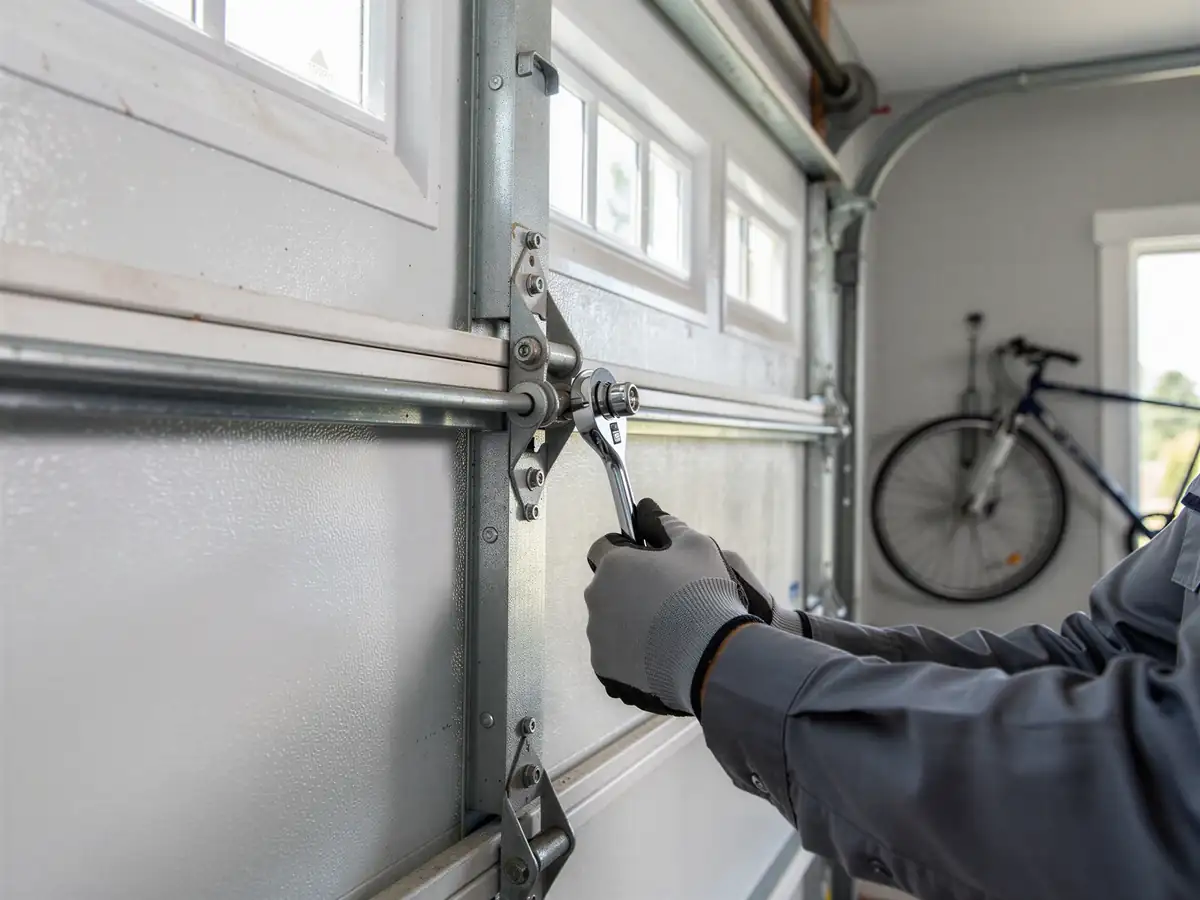
Swapping a remote battery or resetting a wall control that's lost its code is fair game for most owners. Where it stops being a DIY job is the logic board and the drive gear - both sit inside a sealed housing on these older units, and the board especially is not something you can test with a multimeter unless you know the pinout for that specific model year. We'll also say plainly: if your opener was installed when the house was built in 1990, the motor itself is original equipment on a device with a service life nobody designs past 15-20 years. At that point, a board swap buys you a year, maybe two, before something else on the same unit fails. We'd rather tell you that up front than sell you a $40 part that delays the real fix.
What Can Go Wrong
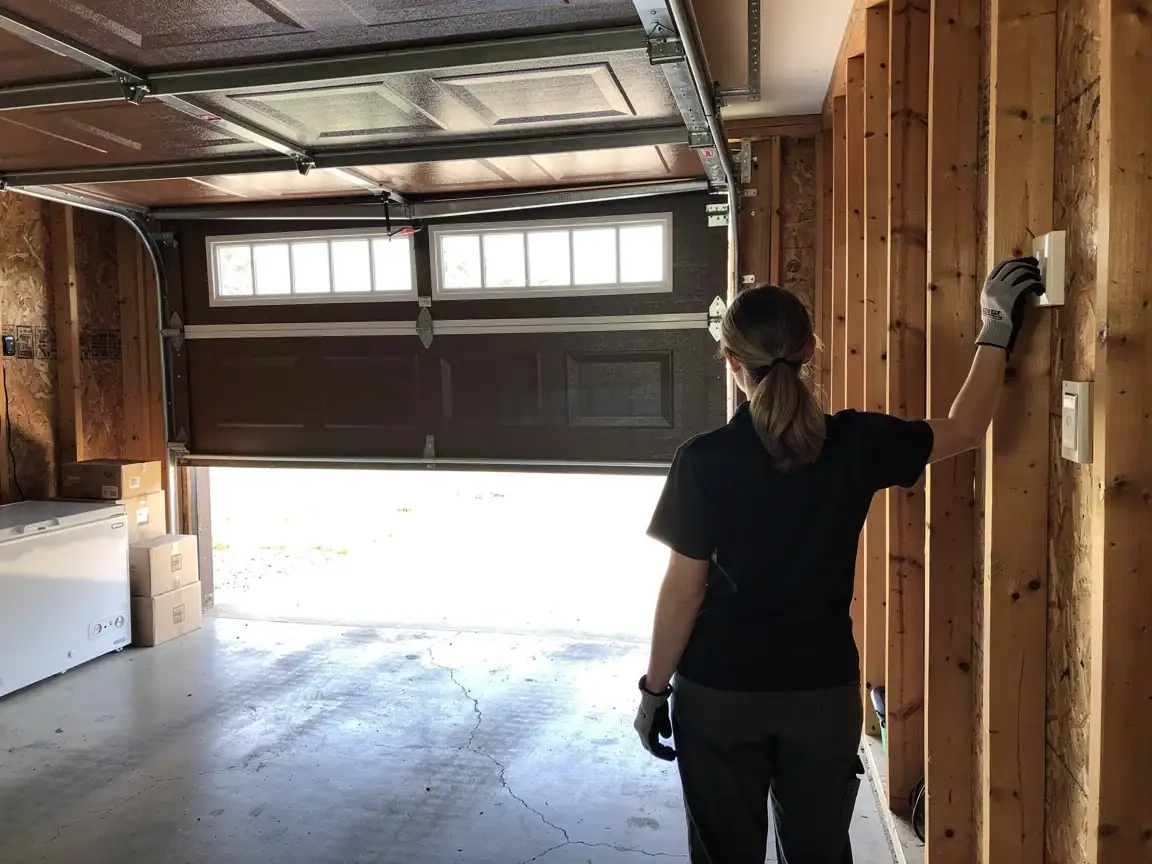
The climate here sits in the cold-moderate band, which means winter cold snaps can make old grease on a chain-drive opener stiffen up, putting extra load on a motor that's already tired. We see this show up as an opener that strains, grinds, or stalls partway through the cycle on the coldest mornings of the year - not a dramatic failure, just the motor finally telling you it's done working that hard. Add in a stripped drive gear or a safety sensor knocked out of alignment, and you get a door that reverses for no visible reason, which is the most common complaint we hear from this area. None of this is unique to any one house; it's the predictable result of hardware installed when most of this housing stock went up, now thirty-plus years into service.