What the Fix Involves
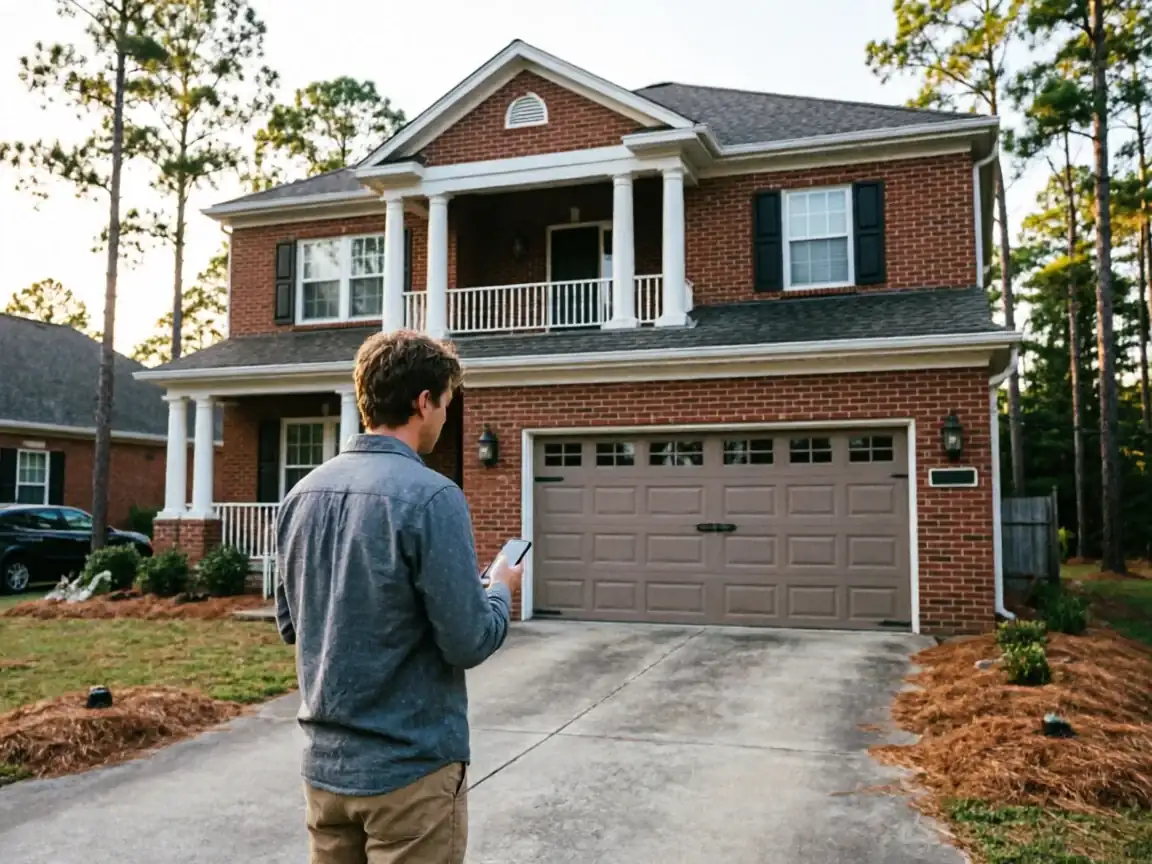
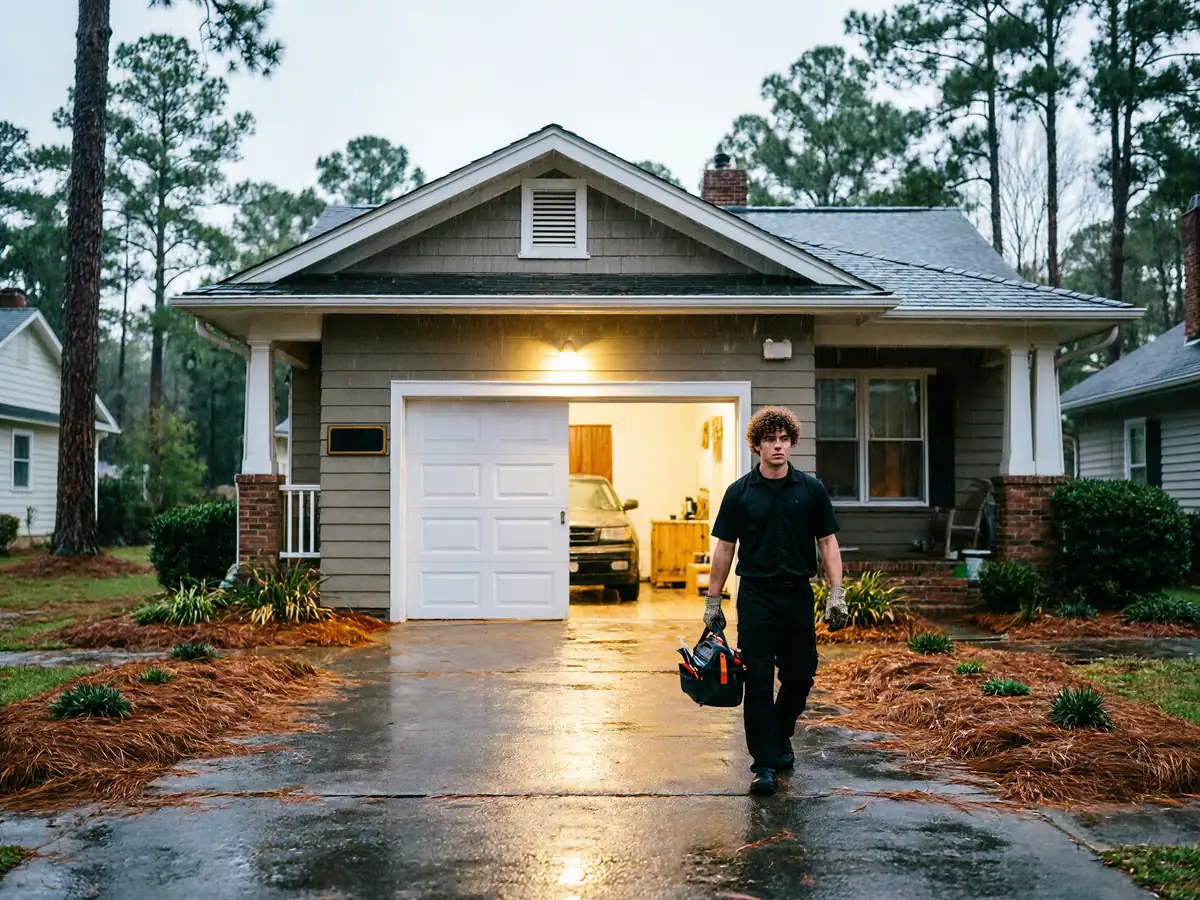
Berkeley Lake is a small place - 931 households, nothing like the sprawl of the bigger towns in this service area - and that matters for spring work because the housing here clusters tightly around 1990. A town built out over thirty years has three generations of spring hardware on its garage doors. A town built out in one decade mostly has one. That means when we get a call from Berkeley Lake, we can usually bring the right torsion spring size on the first trip instead of guessing between two or three eras of hardware.
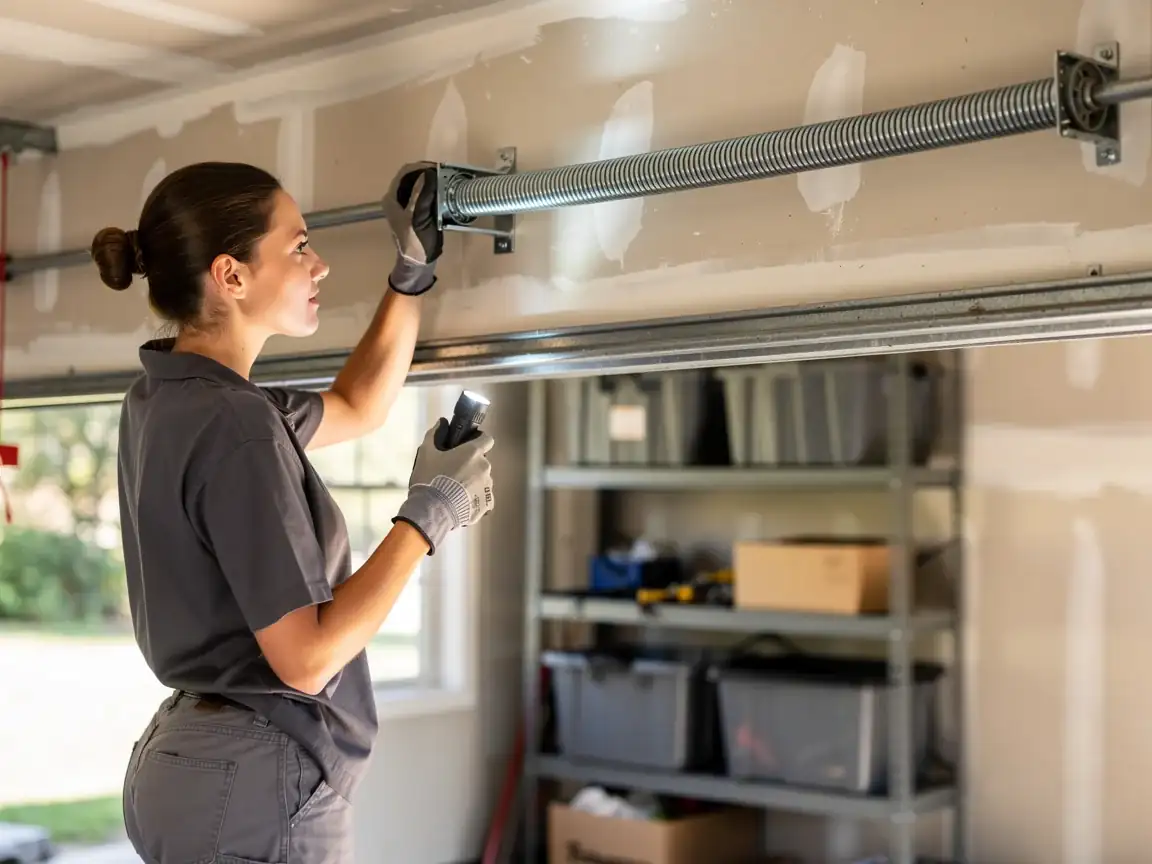
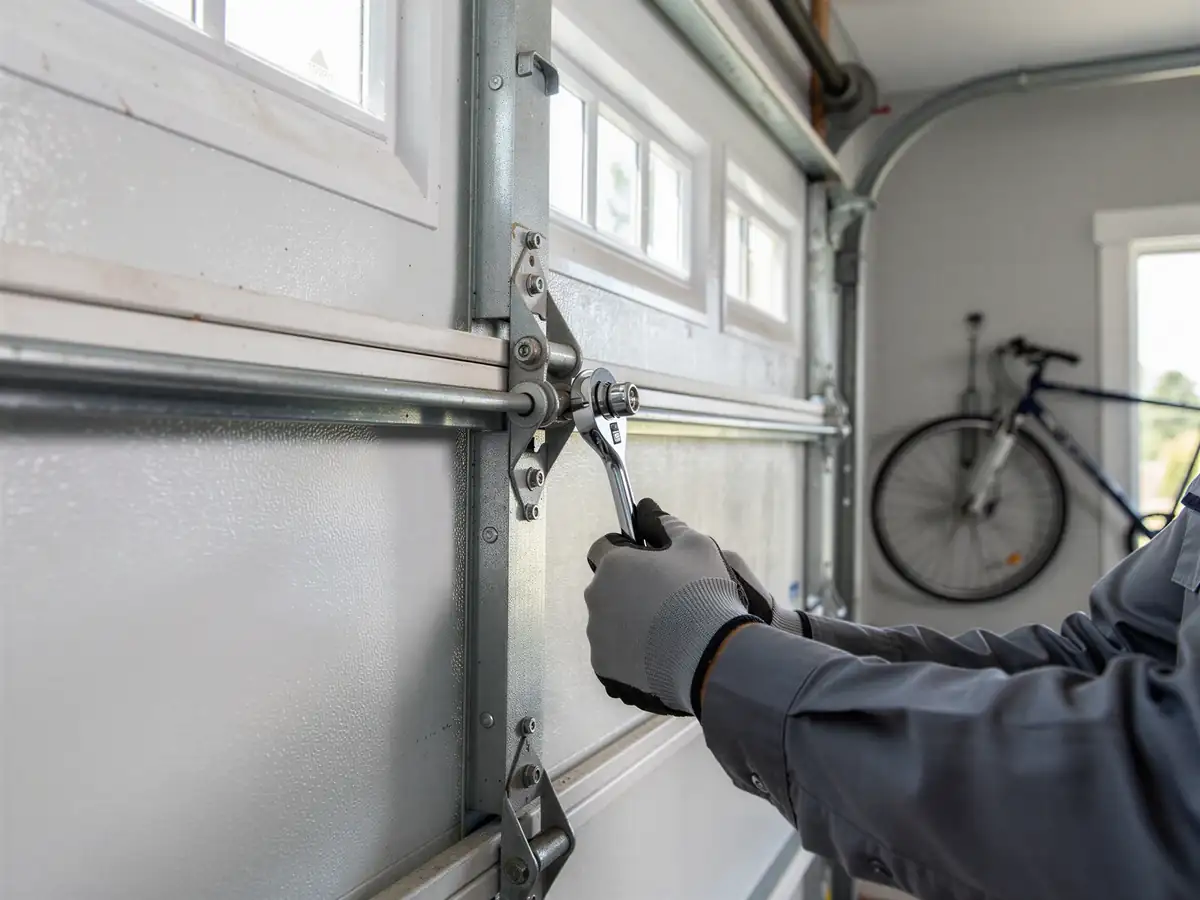
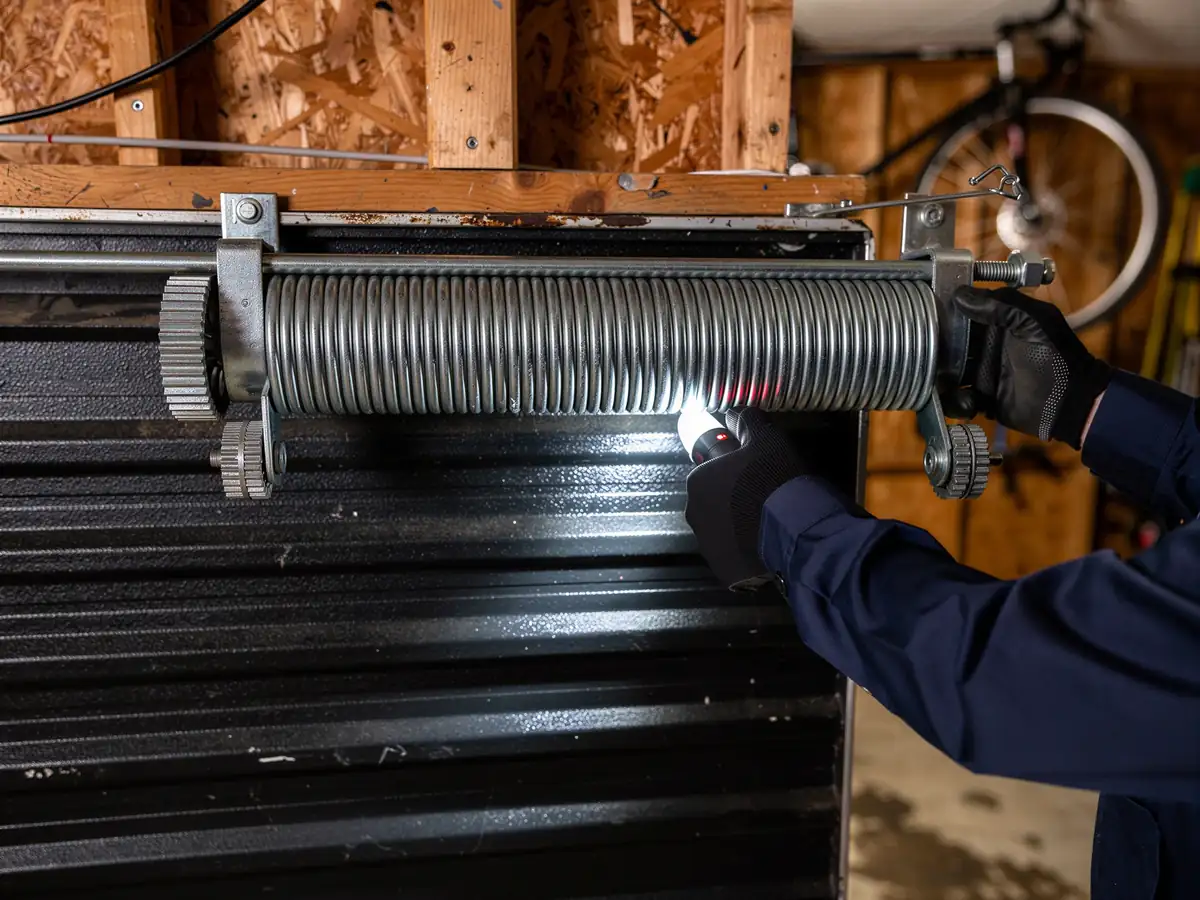
The fix itself is straightforward: we measure the wire diameter, coil length, and inside diameter of the broken spring, match it to the door weight, and replace it - usually both springs on a double door even if only one broke, since the other is carrying the same cycle count and is close behind it. We check the cables and drums at the same time, because a spring failure under tension can nick a cable on the way down.
The area's median household income here runs well above the rest of the region we cover, and that shows up in the doors themselves - more insulated steel and wood-composite panels than the bare steel sections common on older housing stock elsewhere, which changes the spring weight calculation slightly.
Time on the Job
A standard torsion spring swap on a 1990s double door runs about the same whether the house is in Berkeley Lake or anywhere else in the region with similar-era hardware
The job itself doesn't care about the zip code. What does change the visit is the drive: Berkeley Lake sits about 13 miles from our Milton base, so figure that into when you call and when the truck shows up. We don't keep a branch or crew stationed in Berkeley Lake itself; every job here is a dispatched run from Milton.
- 13 miles
Once the technician is on site, most single-spring jobs on these doors close out inside two hours
Parts in hand. Extension spring setups, less common on houses from this era but not unheard of, add time because both springs and their pulleys usually need attention together.
Doing It Yourself
A torsion spring holds enough stored energy to break a finger or worse if it lets go while you're working on it, and the winding bars needed to do it safely aren't something most homeowners own or have used. We'd rather tell you that straight than sell you on a kit.
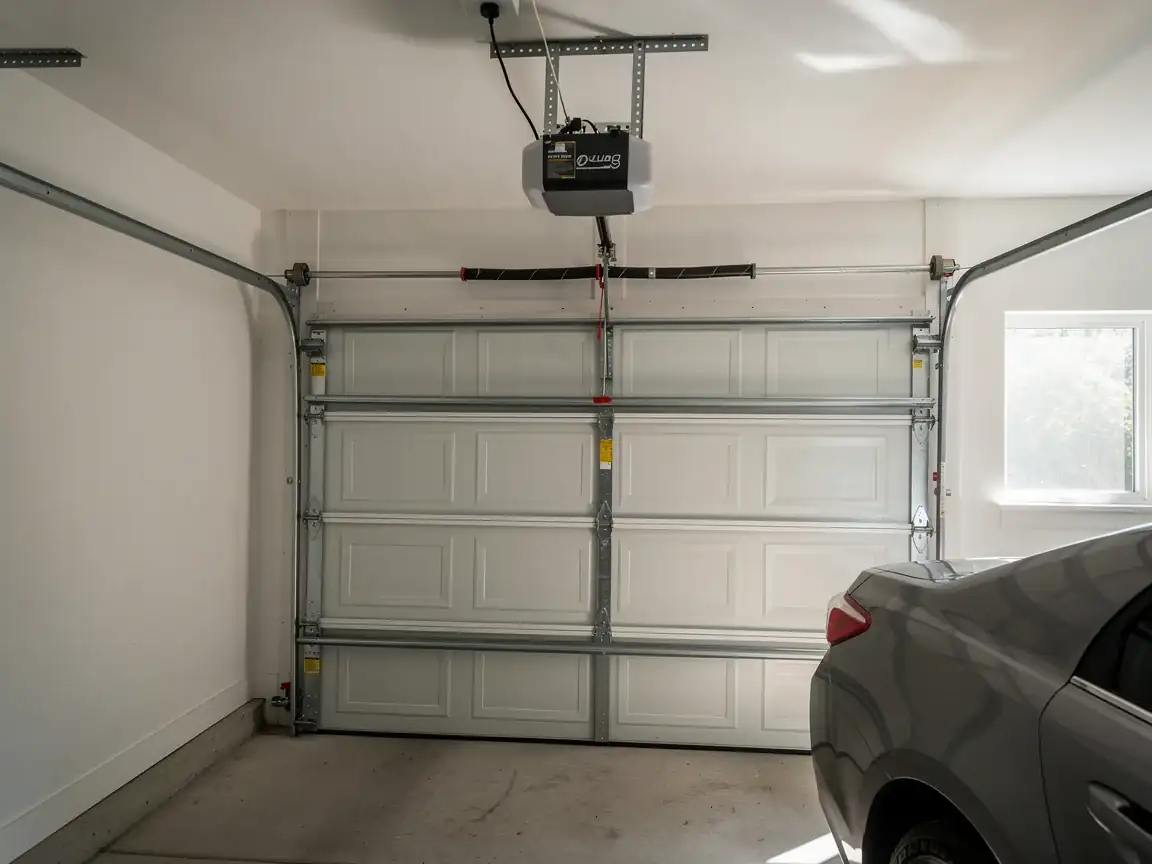
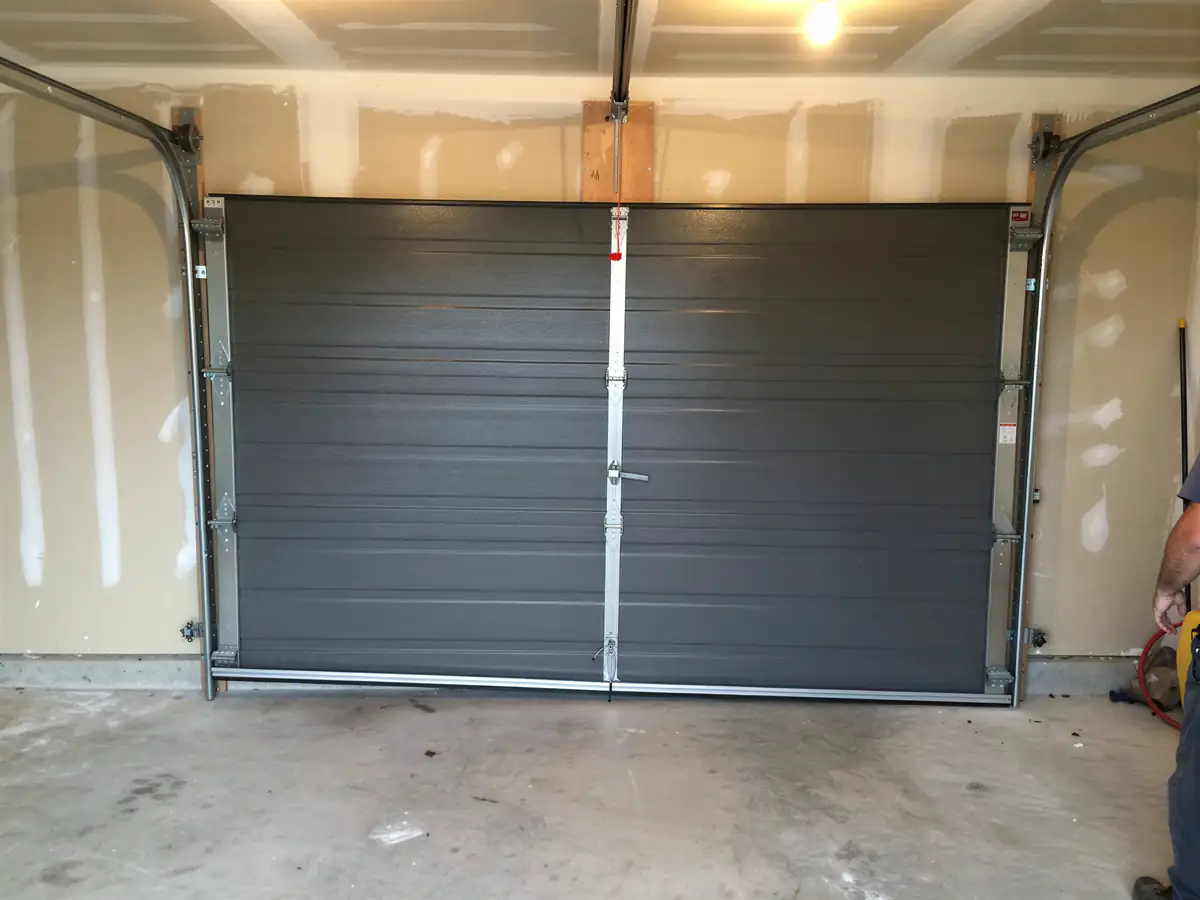
What you can do yourself: check whether the spring is torsion-mounted above the door on a bar, or extension-mounted along the upper tracks - that tells you which repair applies before you even call. You can also look at the door's weight class (steel vs. insulated vs. composite) since Berkeley Lake's higher-end housing stock often runs heavier doors than the regional average, which affects spring sizing and cost. Beyond identification, leave the winding and tension work to someone with the bars and clamps for it.
What Can Go Wrong
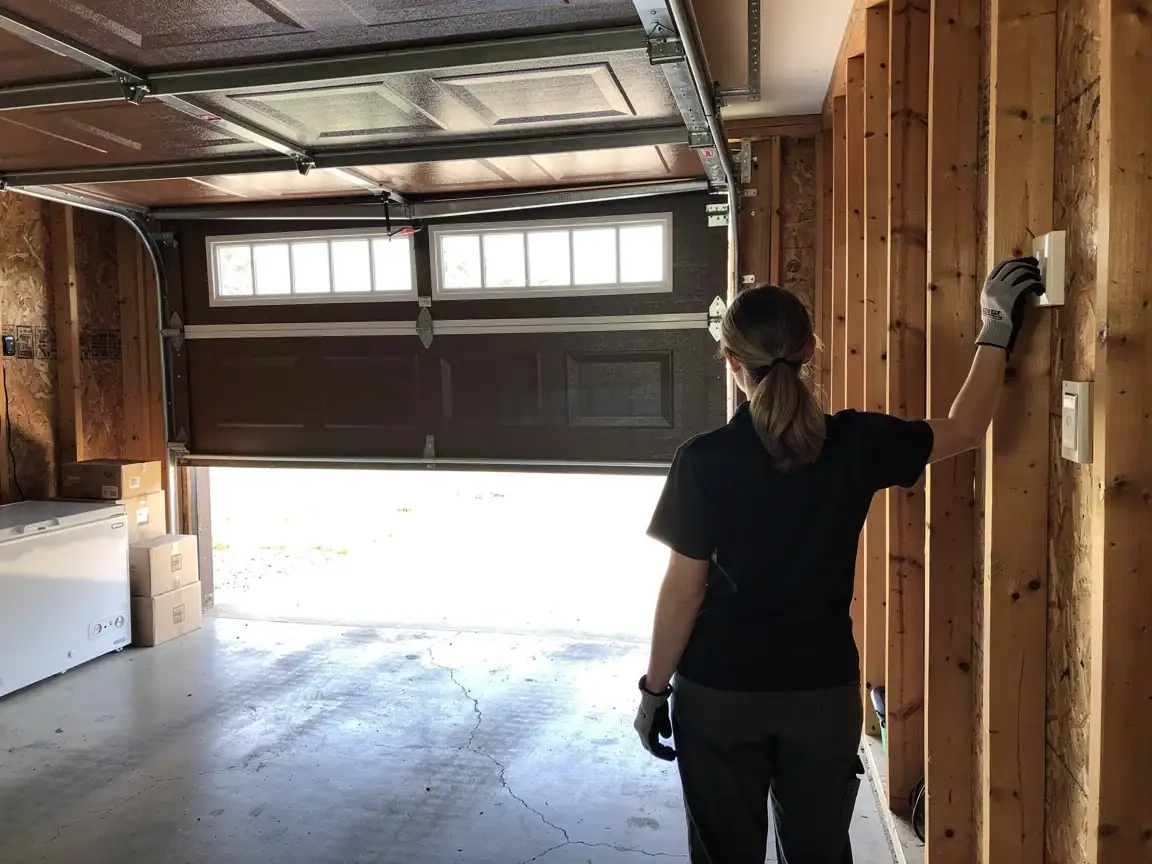
Doors from the 1990s in this area most often fail at the spring itself from simple cycle fatigue - springs are rated for a number of open-close cycles, and a 30-plus-year-old spring has usually used most of them up regardless of how well the door was maintained. We also see cable fraying where a spring has been under-tensioned for a while before it finally snaps, which can mean a cable replacement alongside the spring.
One thing we won't do is oversell a repair when the opener, track, or drum shows enough wear that a spring swap alone won't hold. If the drums are gouged or the track is bent from the same failure, patching just the spring is a short-term fix - we'll tell you when that's the case instead of billing for a return trip.