What the Fix Involves
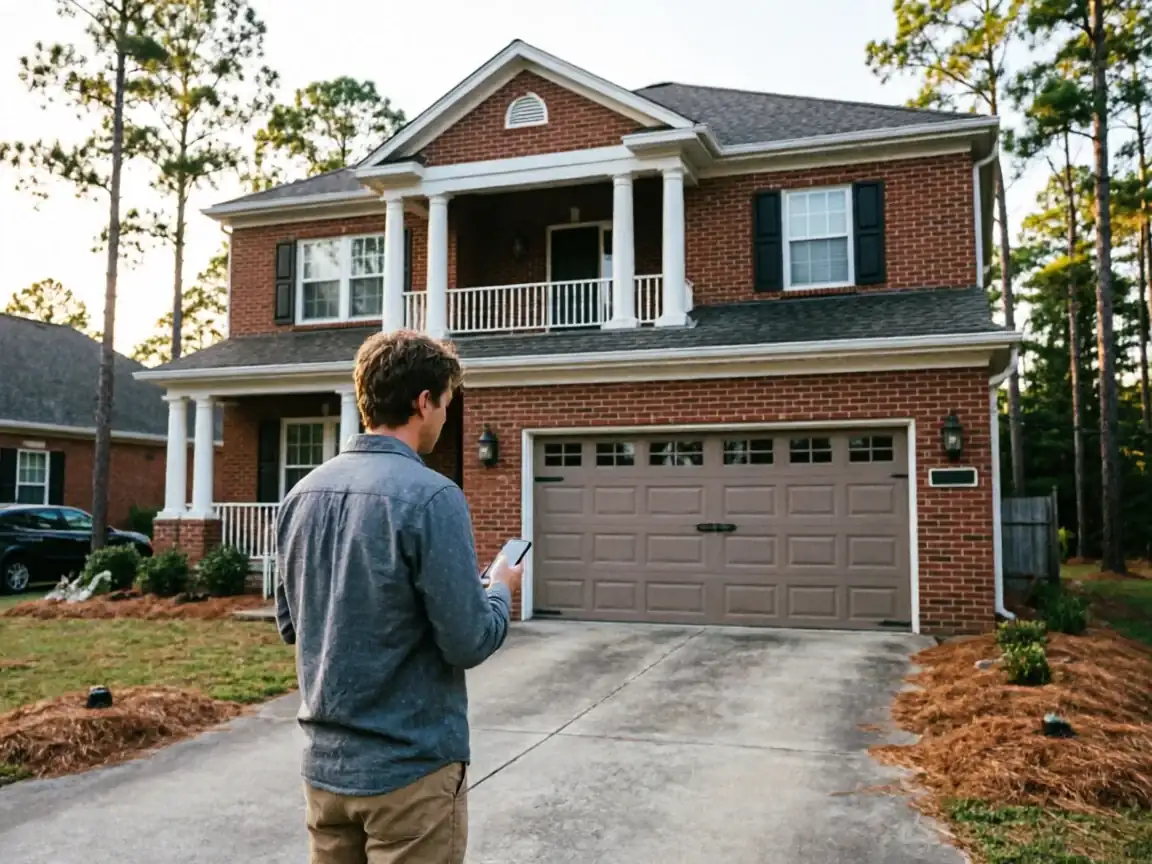
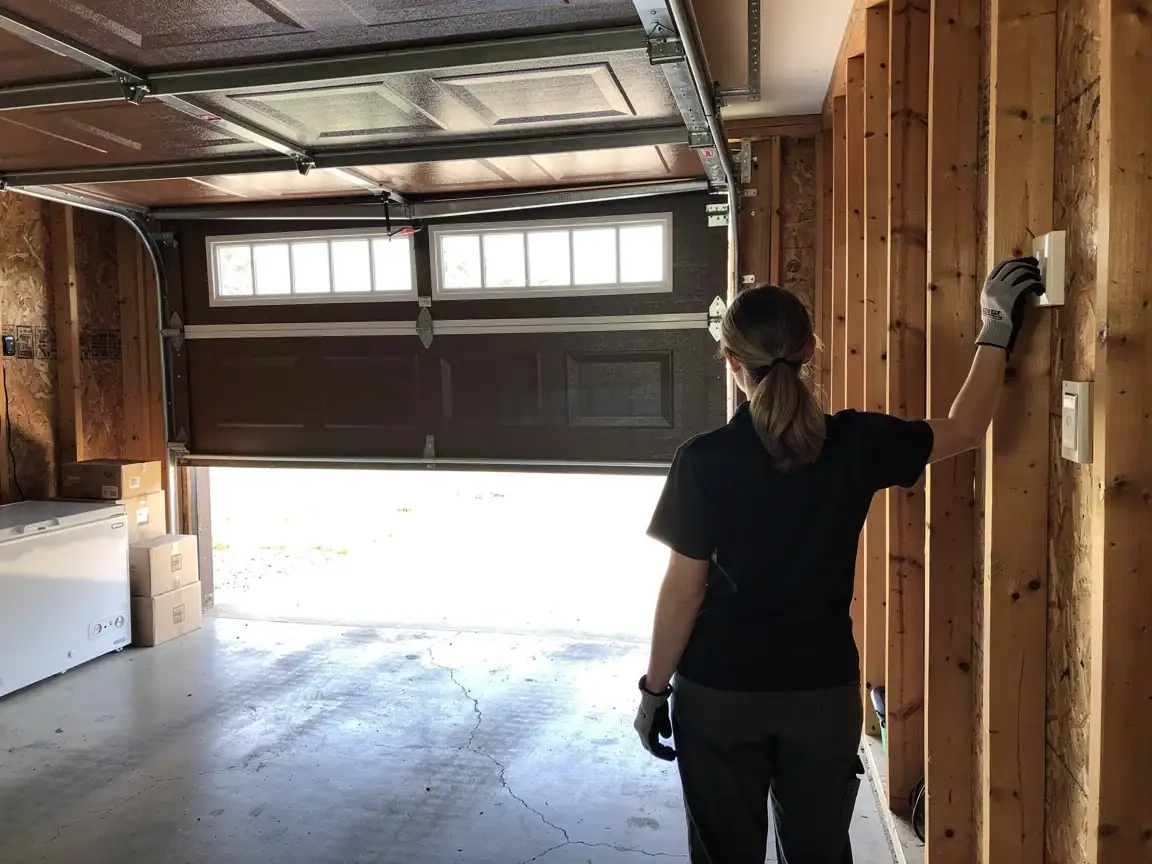
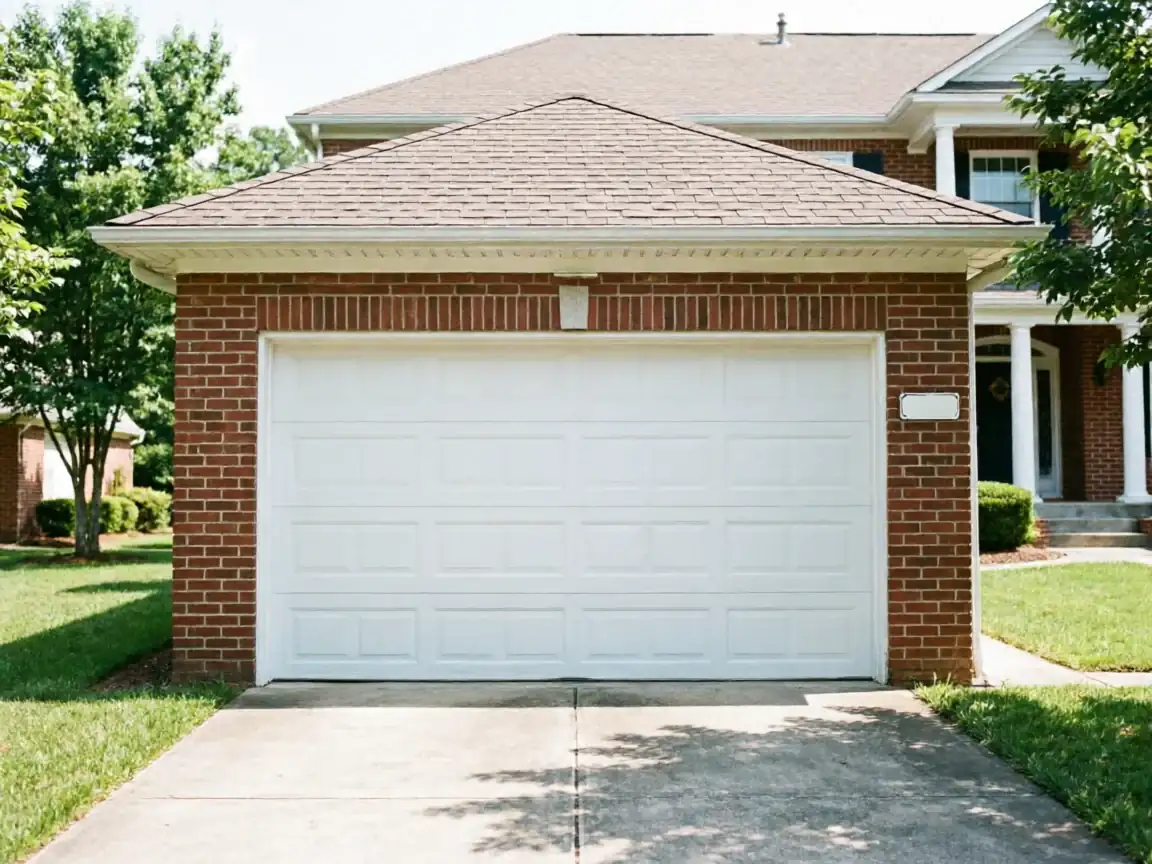
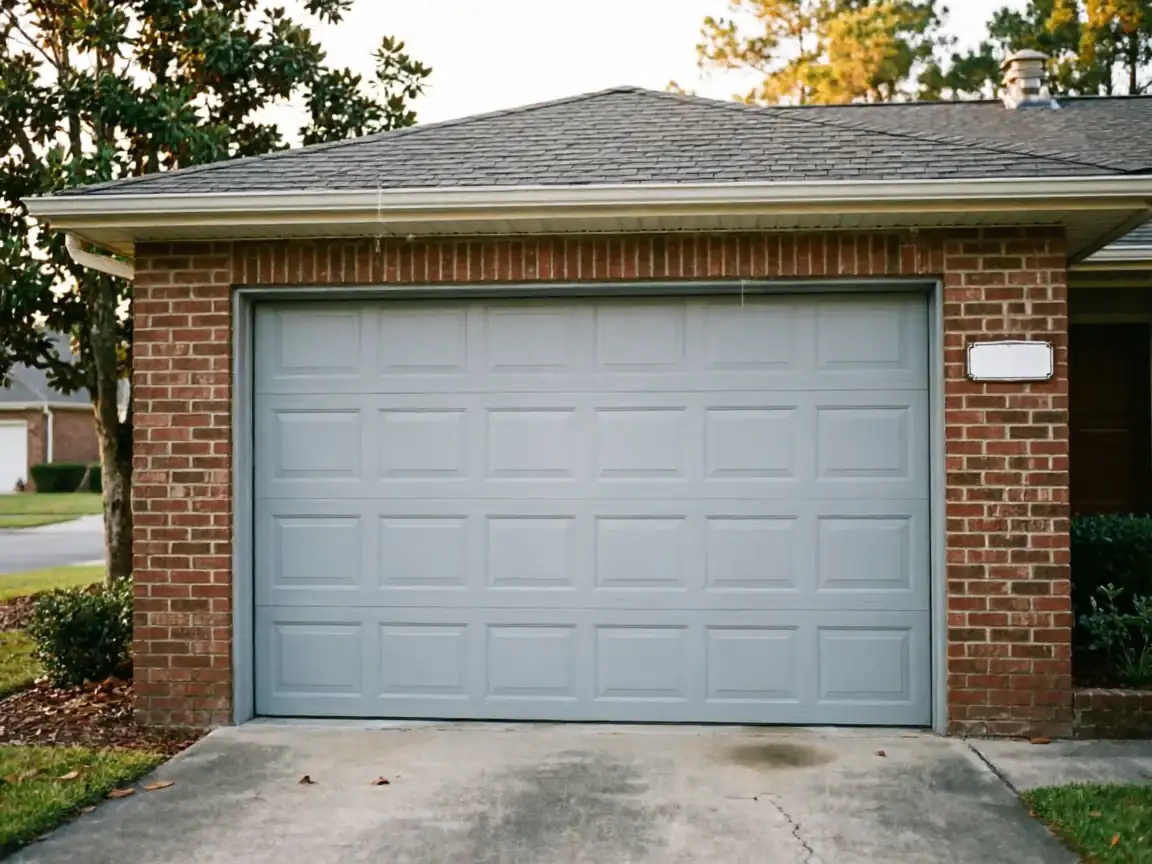
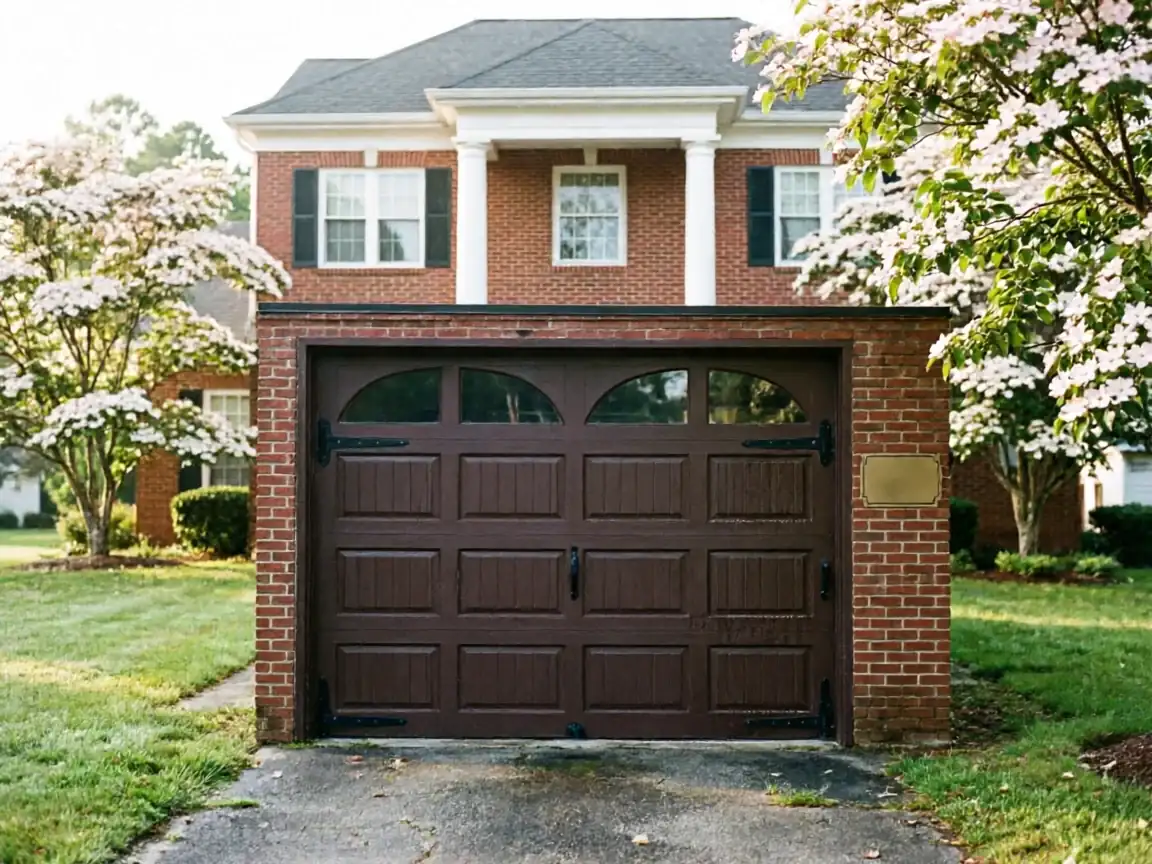
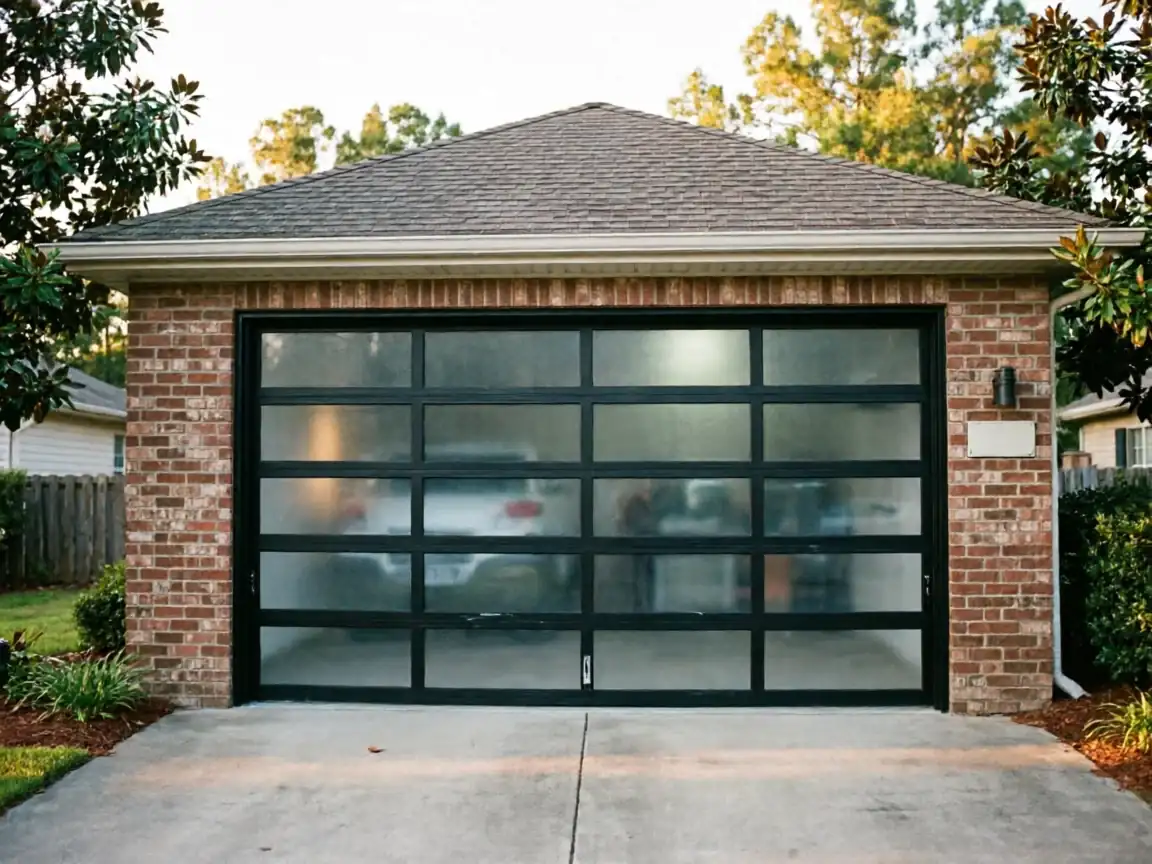
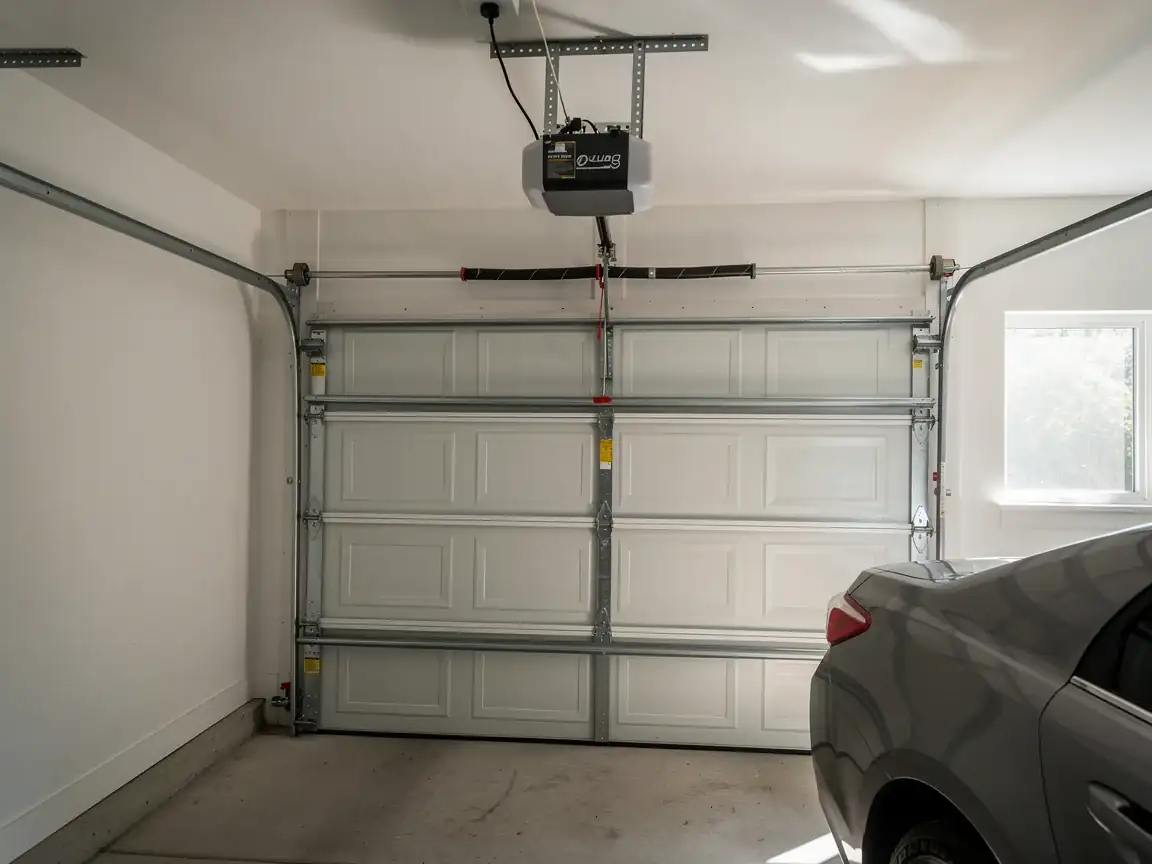
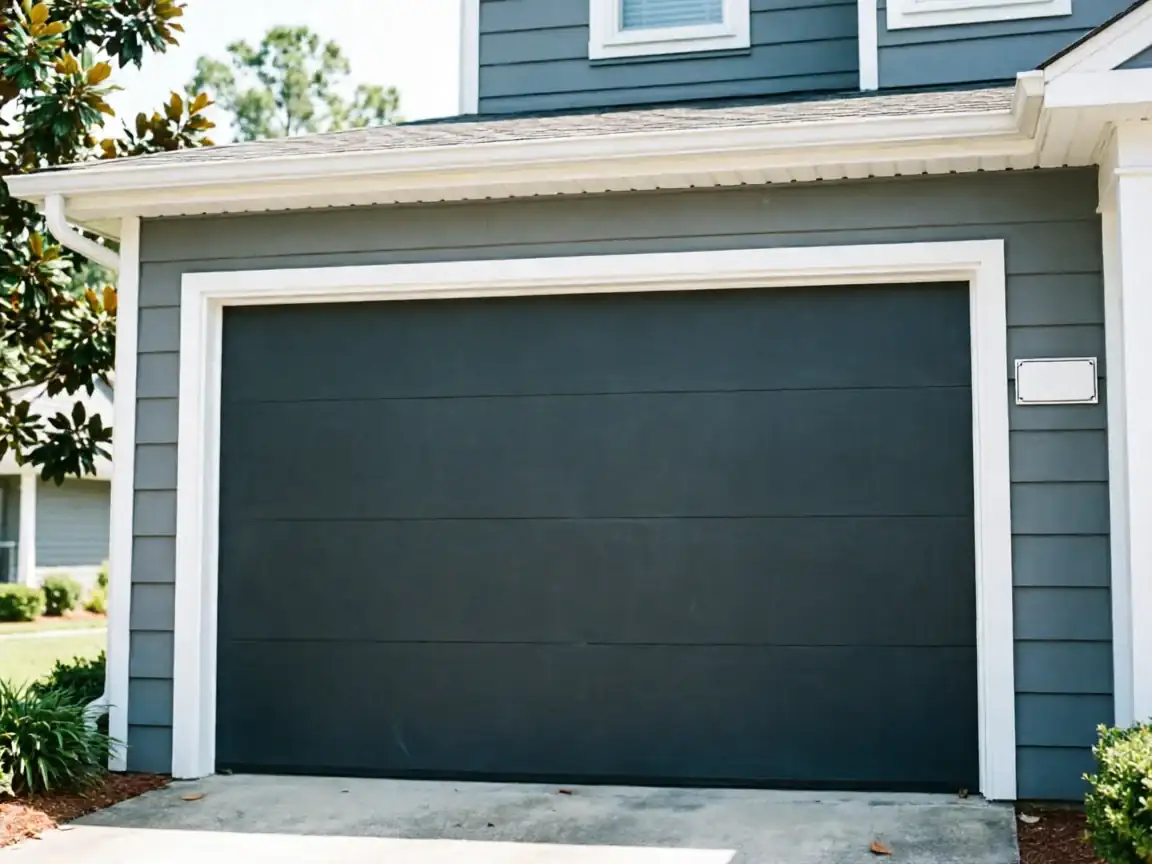
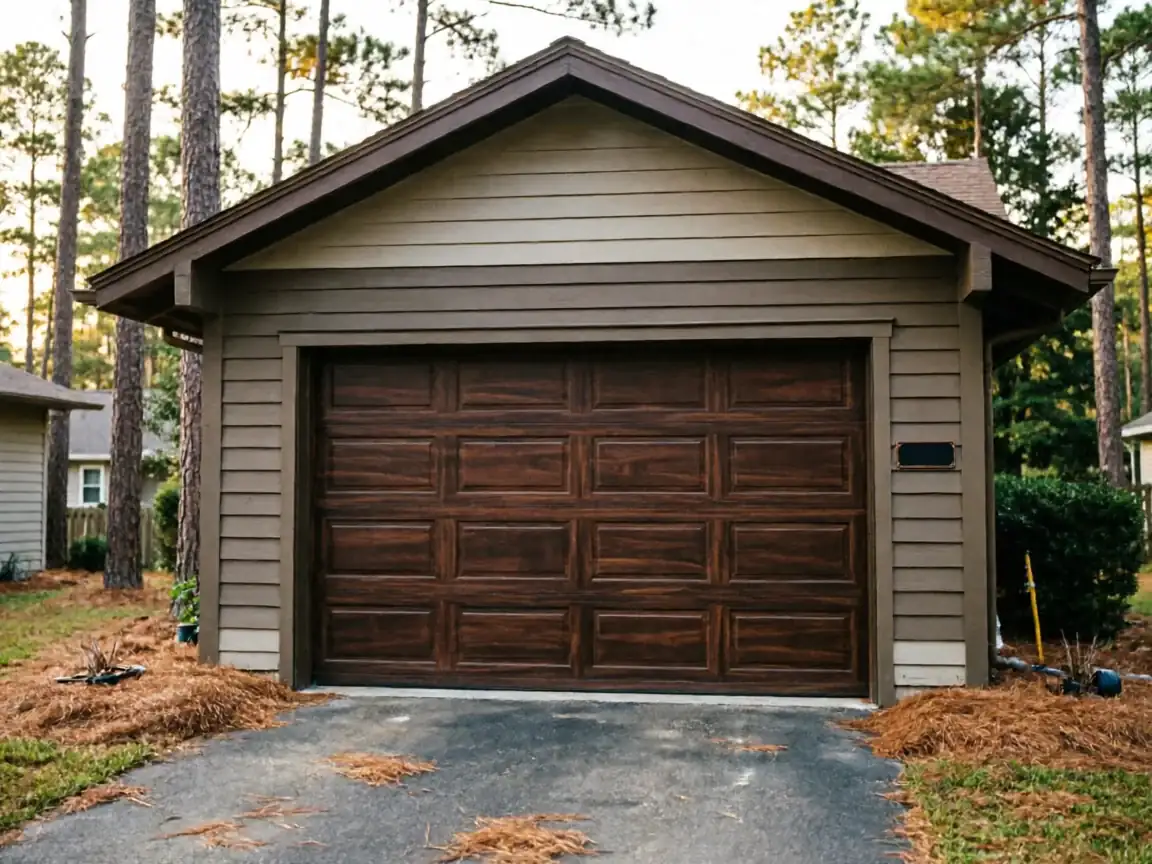
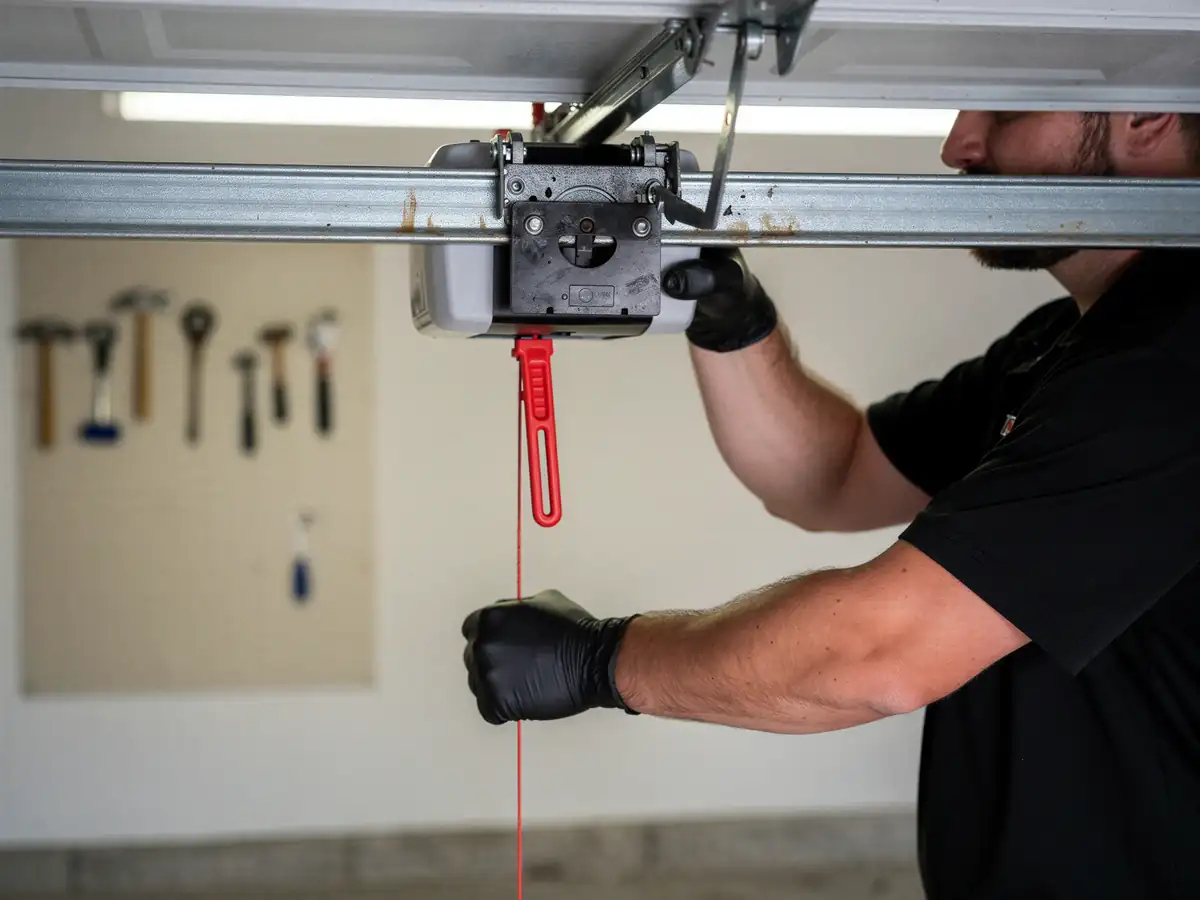
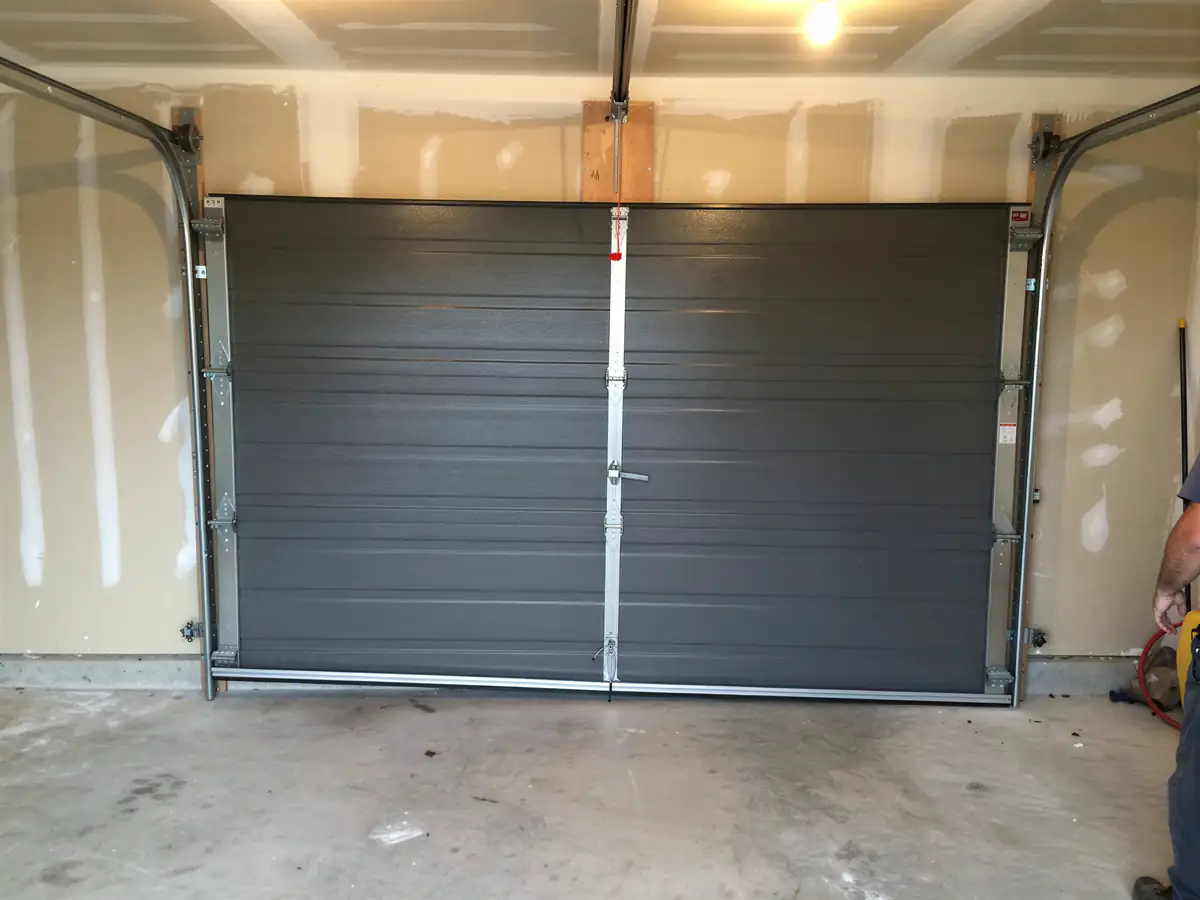
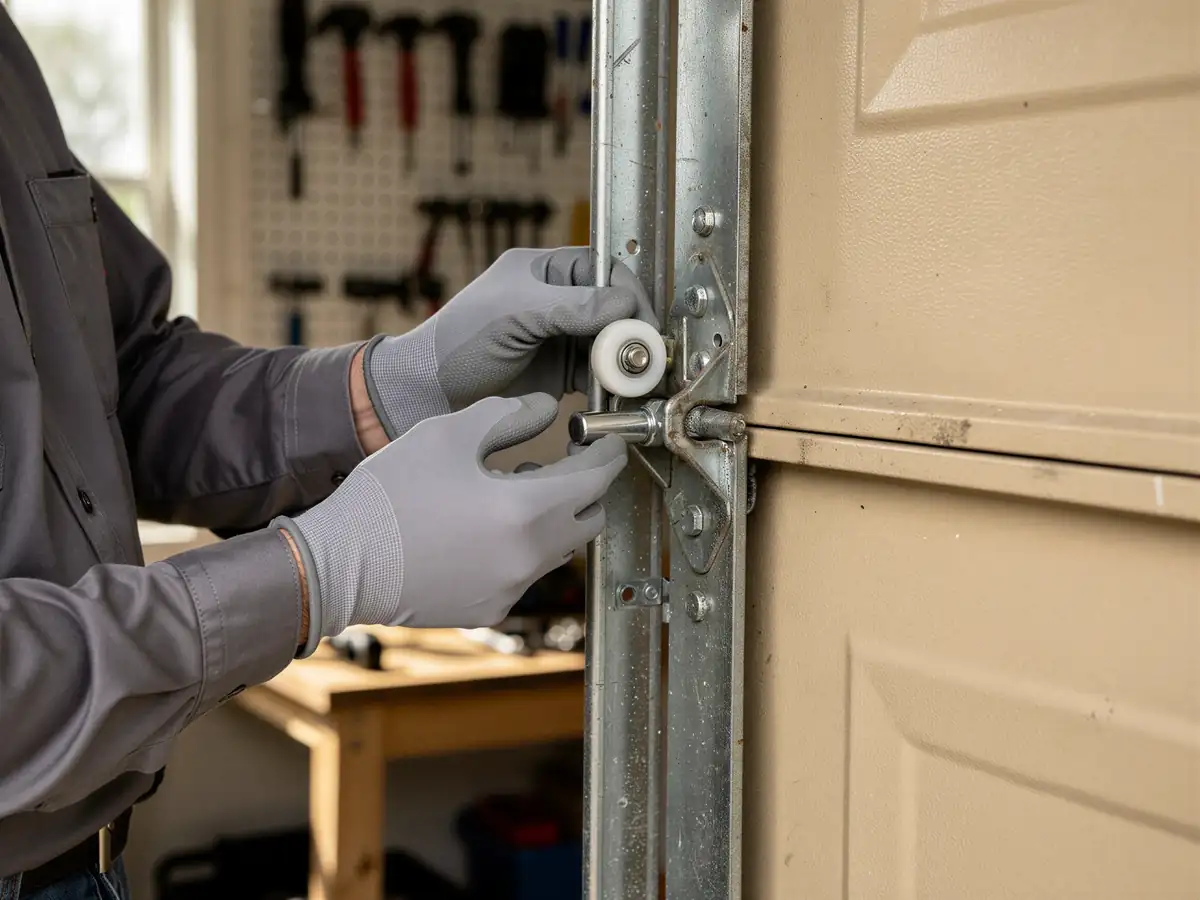
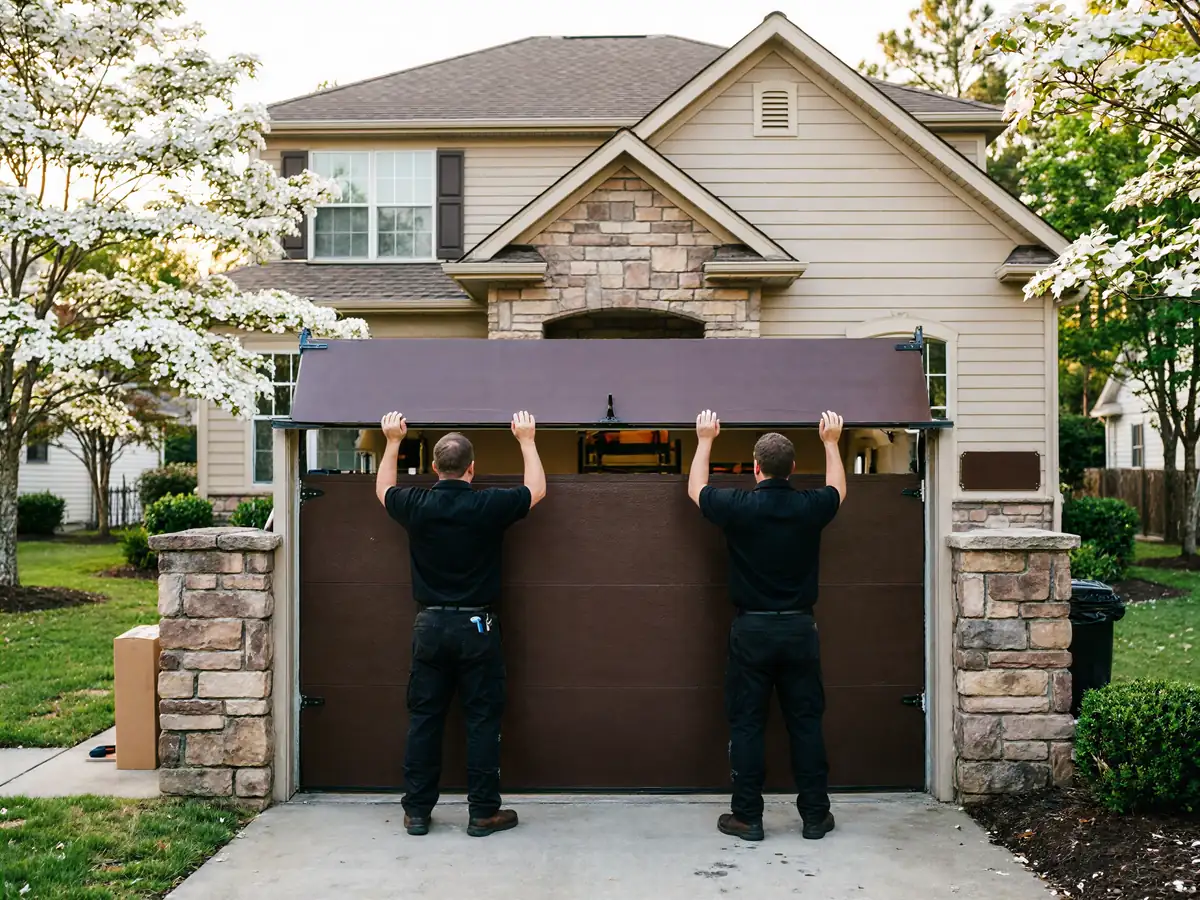
The fault we see most in Berkeley Lake isn't a broken spring - it's a door and opener combination that's simply aged out. Houses in this part of our coverage area went up mostly in 1990, give or take a few years on either side, and the doors that shipped with them were steel, single-layer, and paired with openers rated for a fraction of today's cycle counts. A new installation here usually means swapping a non-insulated panel door for an insulated one, and replacing a chain-drive opener that's been straining against original hardware for over thirty years. Garage doors installed when these houses were built in 1990 are now well past the point where parts are getting harder to source. We size the new door and track to the opening you have rather than assuming a standard width, since builders in this era weren't always consistent between lots. The work includes new tracks, rollers, and cable drums to match the new door weight - reusing old track with a new panel is how you end up back on a truck in six months.
Doing It Yourself
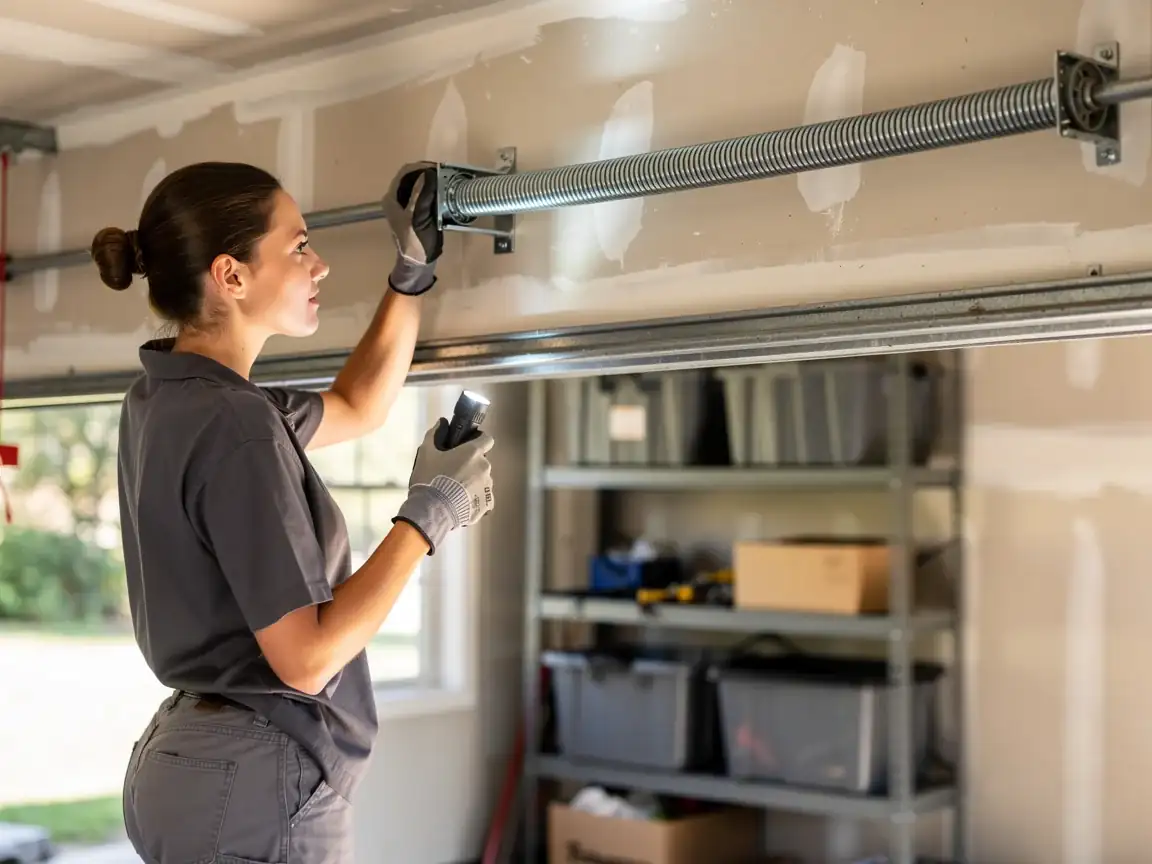
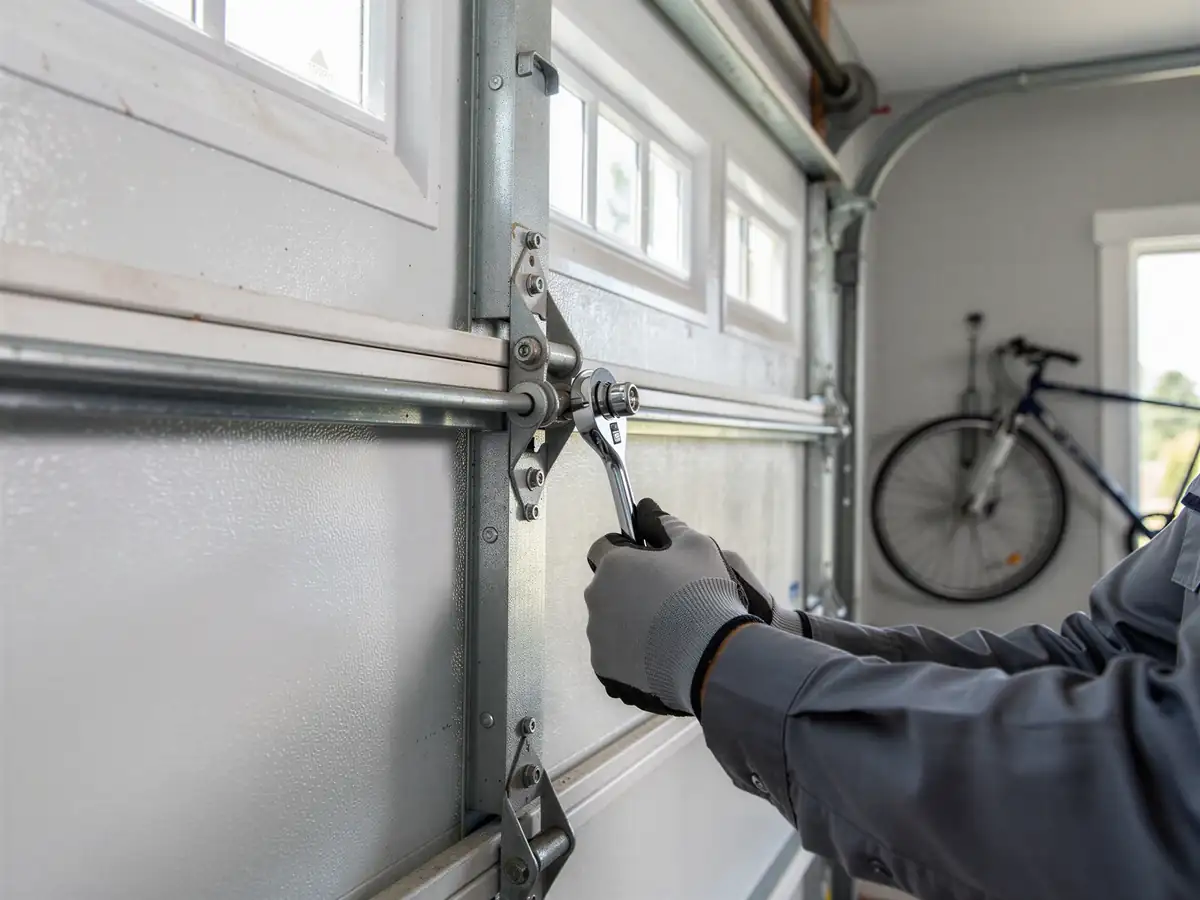
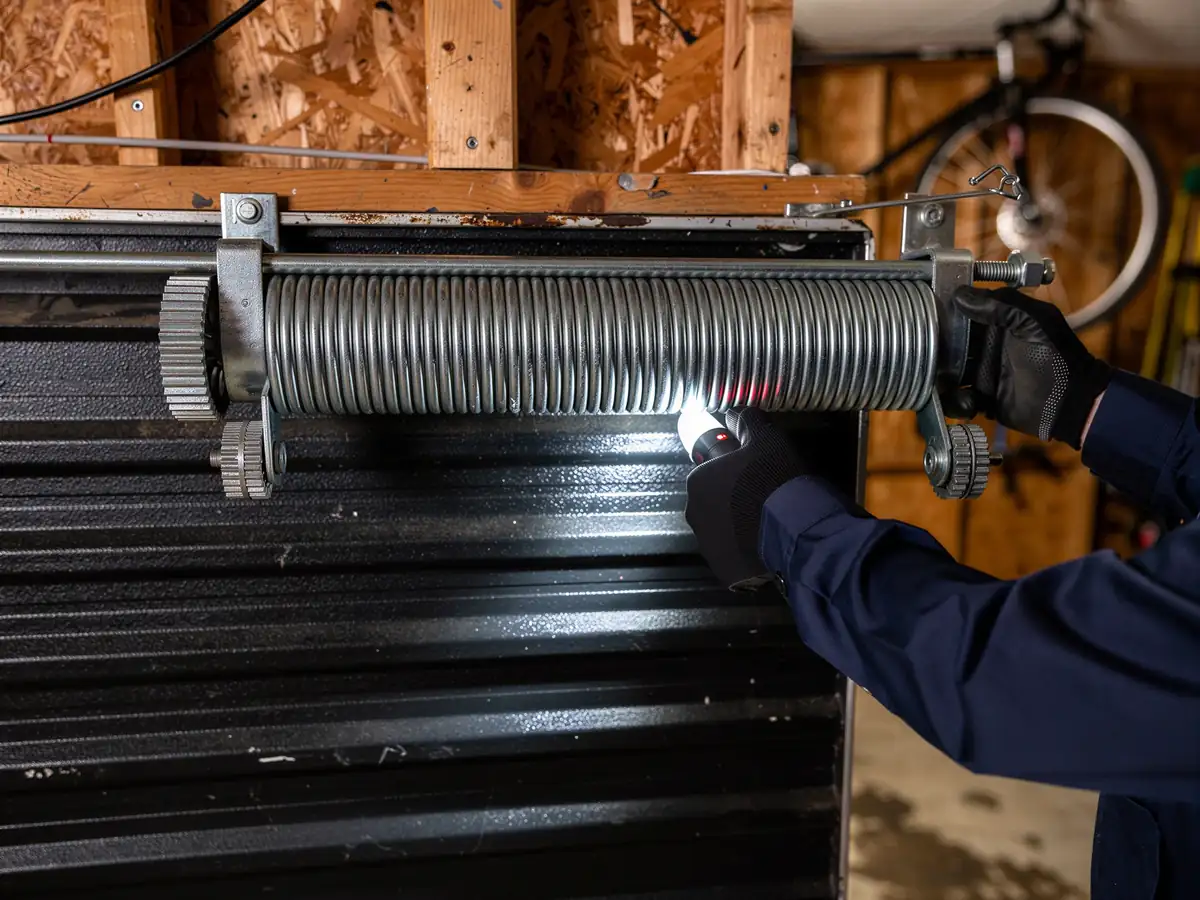
A torsion spring and the tension it holds can put someone in the hospital, and that part of the job isn't a weekend project regardless of how handy you are. Where owners can reasonably do their own work: weatherstripping, cosmetic panel touch-ups, and swapping a remote. Where we'd tell you to stop and call someone: anything involving the torsion spring, the cables, or re-hanging a full door on existing track. We'll also tell you honestly when a repair isn't worth it - if the door is from the original 1990s build and the opener's dying too, patching one and not the other usually just means a second call in a year.
What Can Go Wrong
On doors this age, the usual failure is a spring that's hit its cycle limit, which on a daily-use door from the early '90s often means it's simply due, not damaged. Cold snaps make it worse - this area sits in a moderate cold climate band, and a spring near the end of its life is far more likely to snap on a cold morning when the steel's stiffer and the door's heavier to lift. We also see cable fraying on the older drum-style setups common from that build period, and openers whose safety sensors were never upgraded to the photo-eye standard. None of this is unique to Berkeley Lake, but the concentration of 1990-era houses here means we see the same pattern on repeat visits.