How It Shows Up
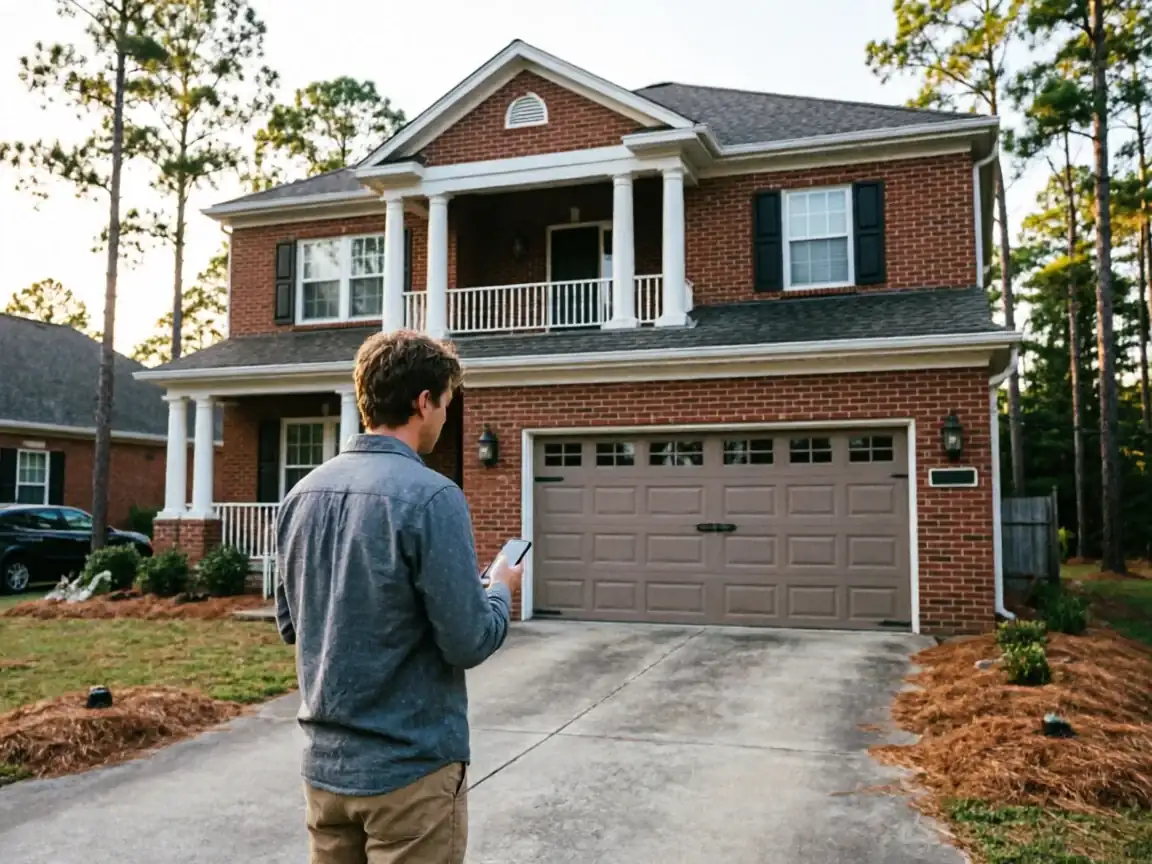
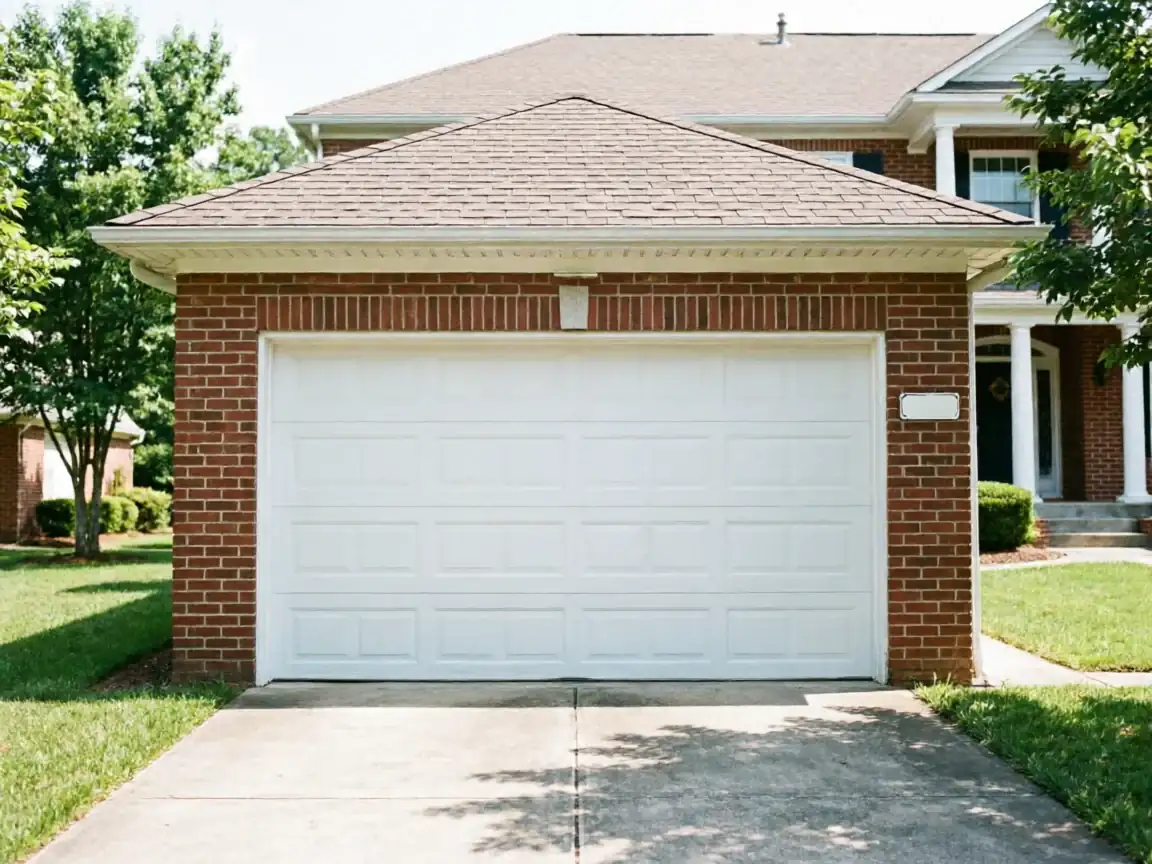
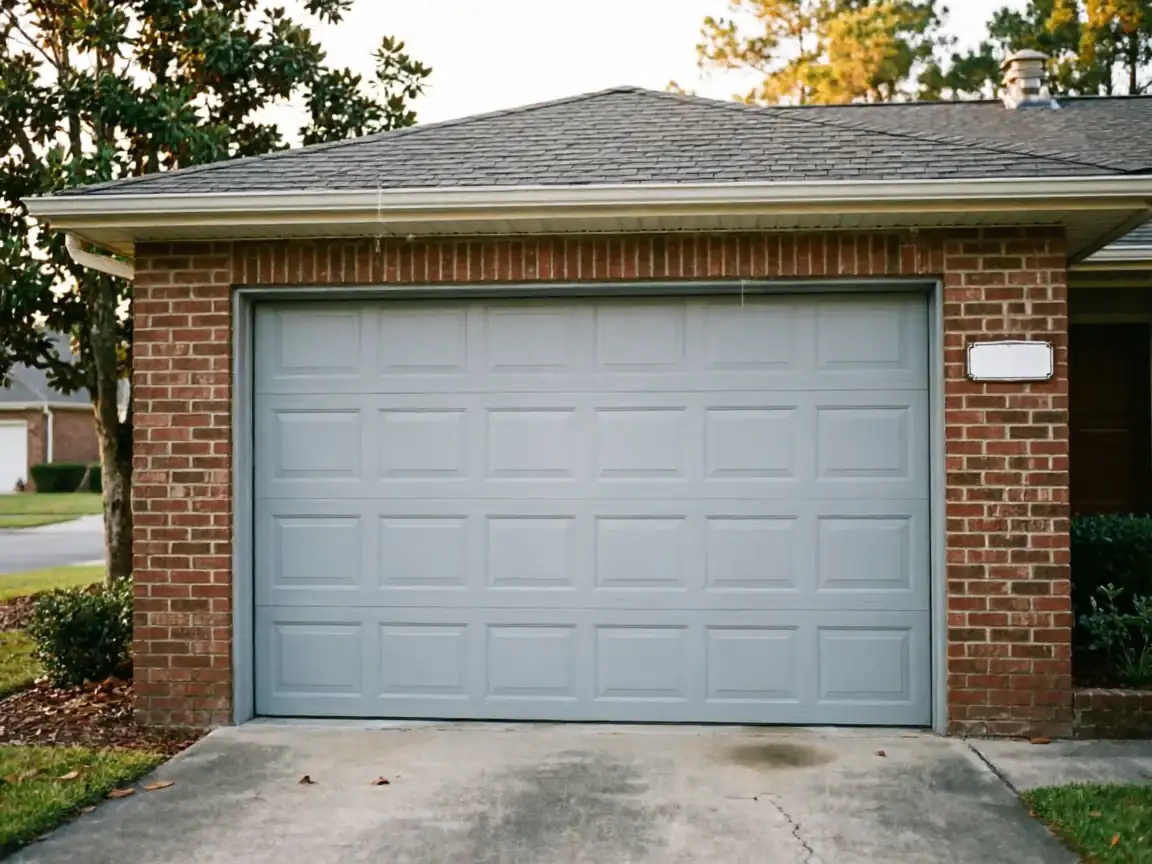
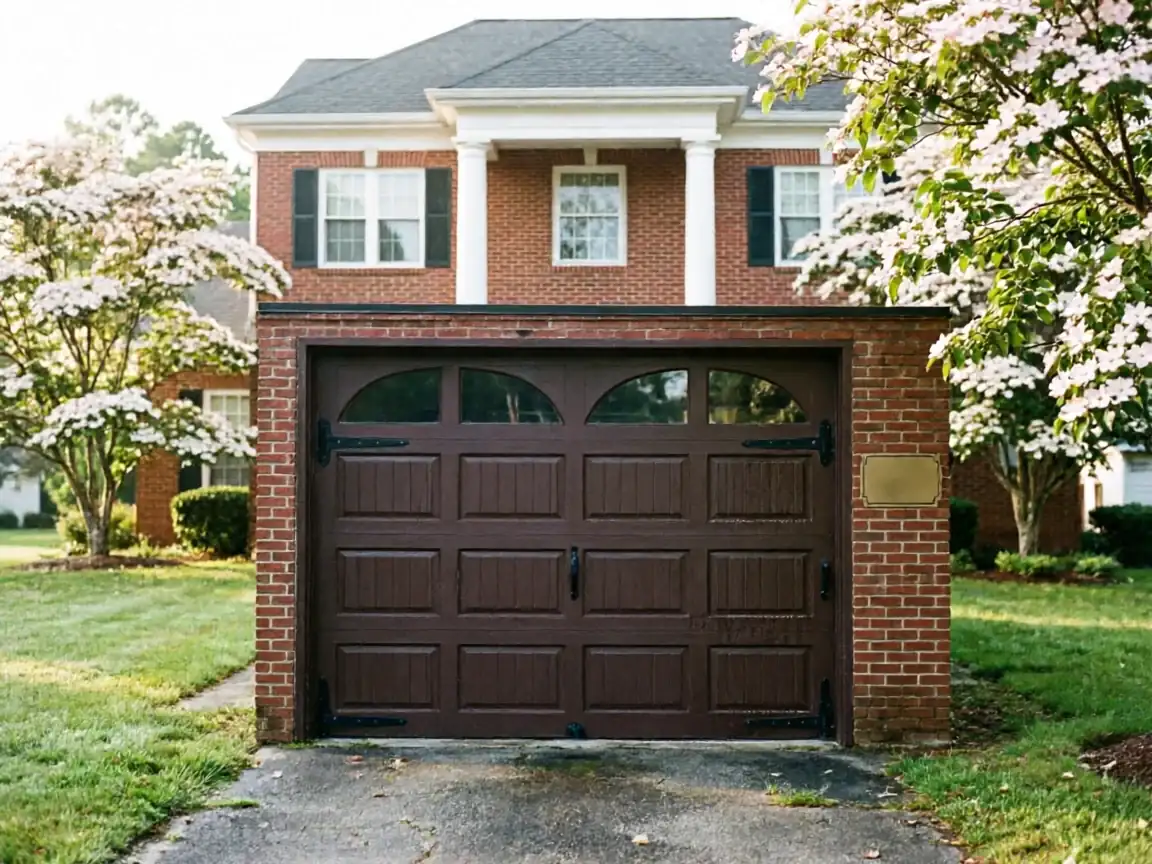
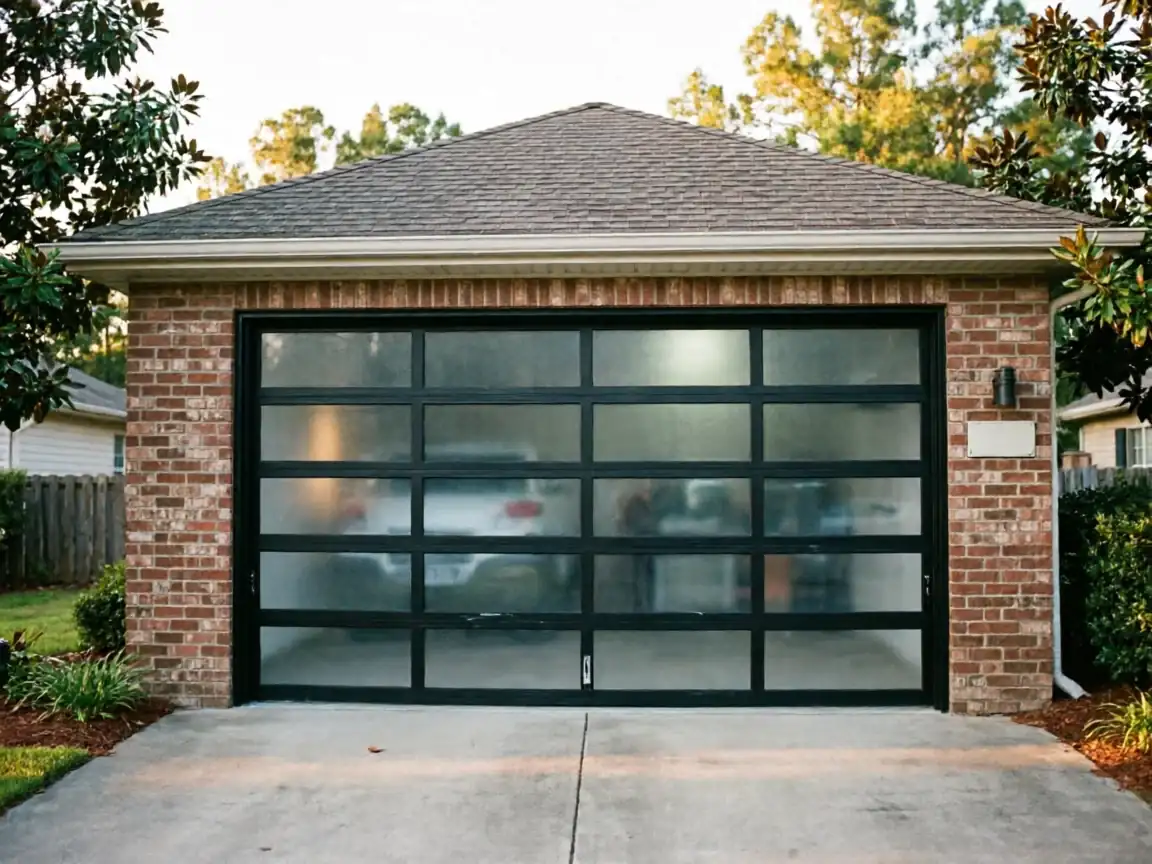
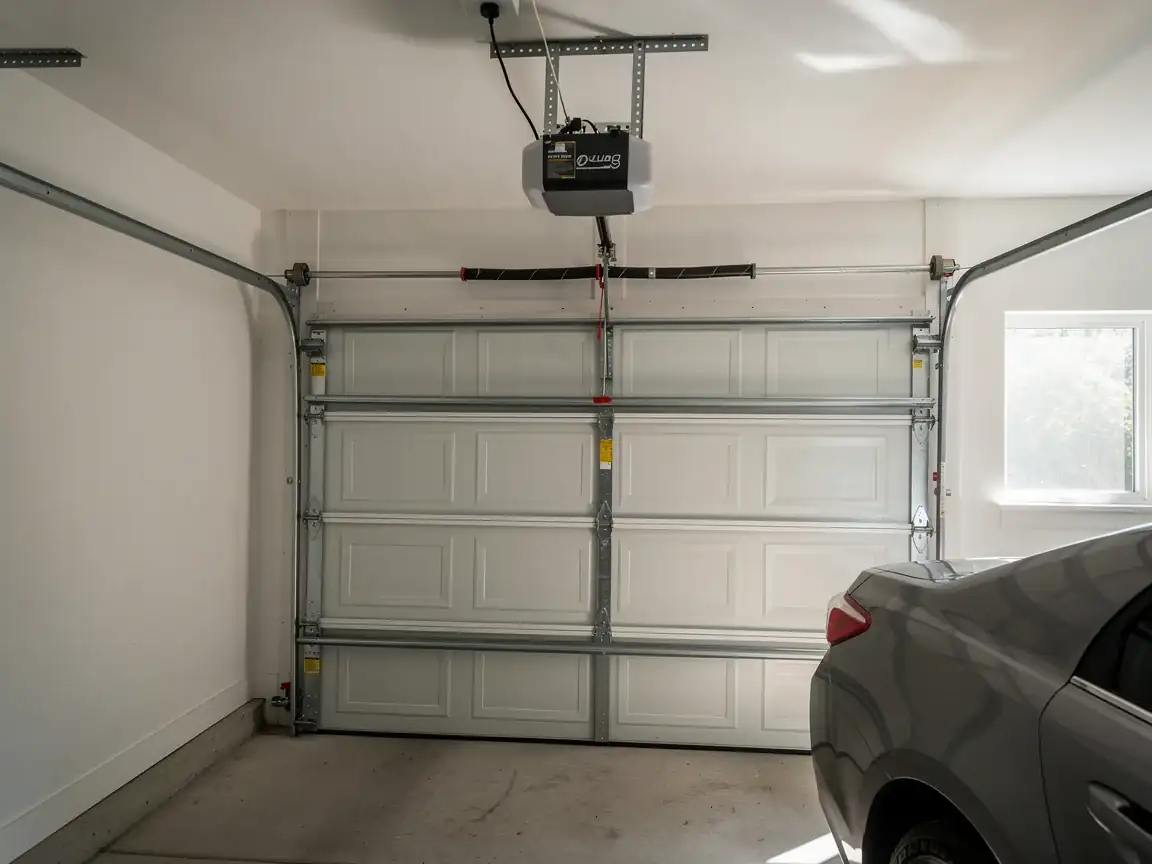
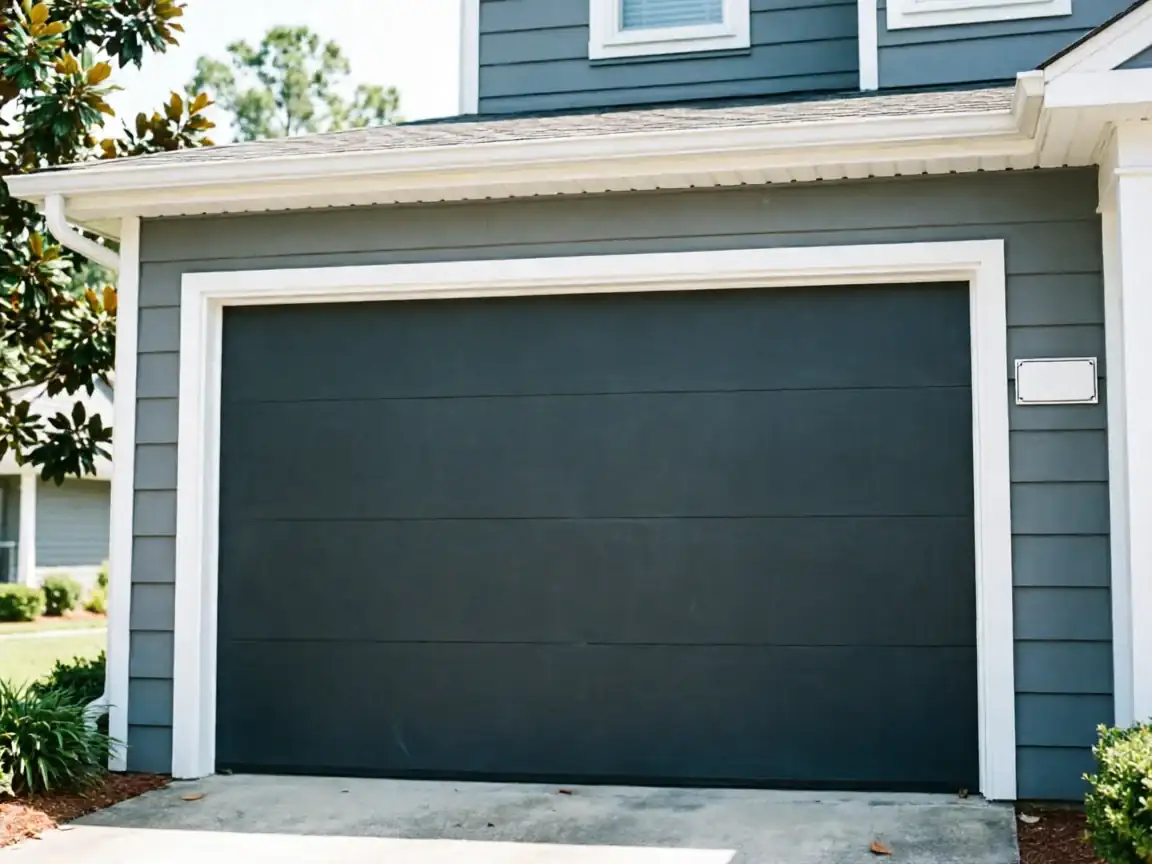
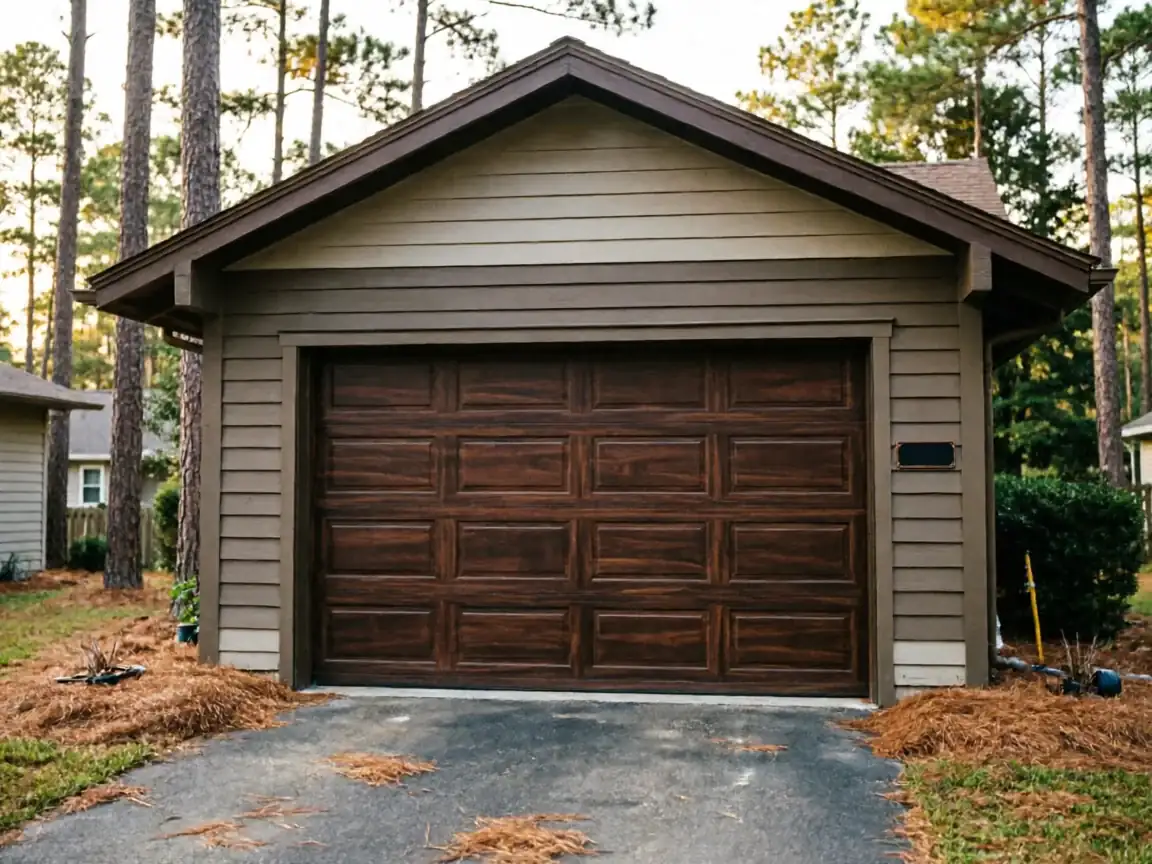
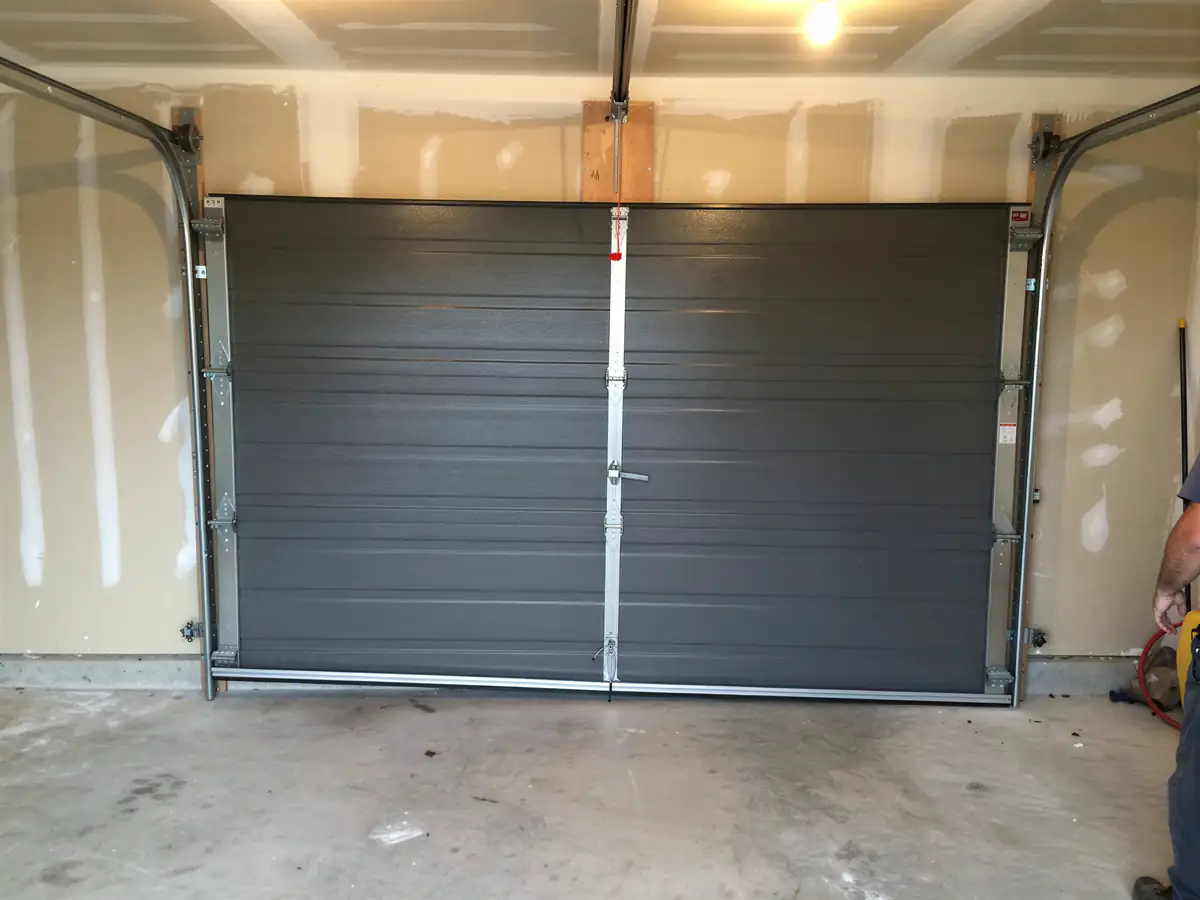
Holly Springs is a smaller slice of our coverage area, around 6,189 households, and that size shapes the kind of calls we get. It isn't a town with decades of mixed-era stock piled on top of each other - the median home here was built around 2007, which puts most garages on steel sectional doors with factory torsion springs rather than the older extension-spring setups you'd find in an area with older housing. Fewer households also means fewer calls overall, but the calls that come in tend to cluster around the same handful of failure points instead of spreading across every era of hardware ever installed.
What that means in practice: openers here are more likely to be circuit-board units with safety sensors built in from the start, not older models retrofitted with photo-eyes later. Doors are more likely to be insulated steel panels sized for a torsion spring rated to that weight, not a lighter door running on a spring that was never matched to it. When something breaks, it's usually because the original factory part finally wore out - not because somebody swapped in the wrong part years ago.
What You Pay
We don't post a price list for Holly Springs because the job dictates the cost
A broken spring on a standard double door is a different bill than an opener board replacement or a bent track from a car that clipped it backing out. Higher median income in this area ($111,224) doesn't change what parts cost; it just means we see more owners opt for full opener replacement over a patch repair when the unit is getting old, since the math works out for them.
We'll tell you the number before we start, not after
If a repair is close in cost to a straight swap - which happens more often on a 15-plus-year-old opener than on the door itself - we'll say so plainly instead of running up a bill on a unit that's on its way out anyway.
What Can Go Wrong
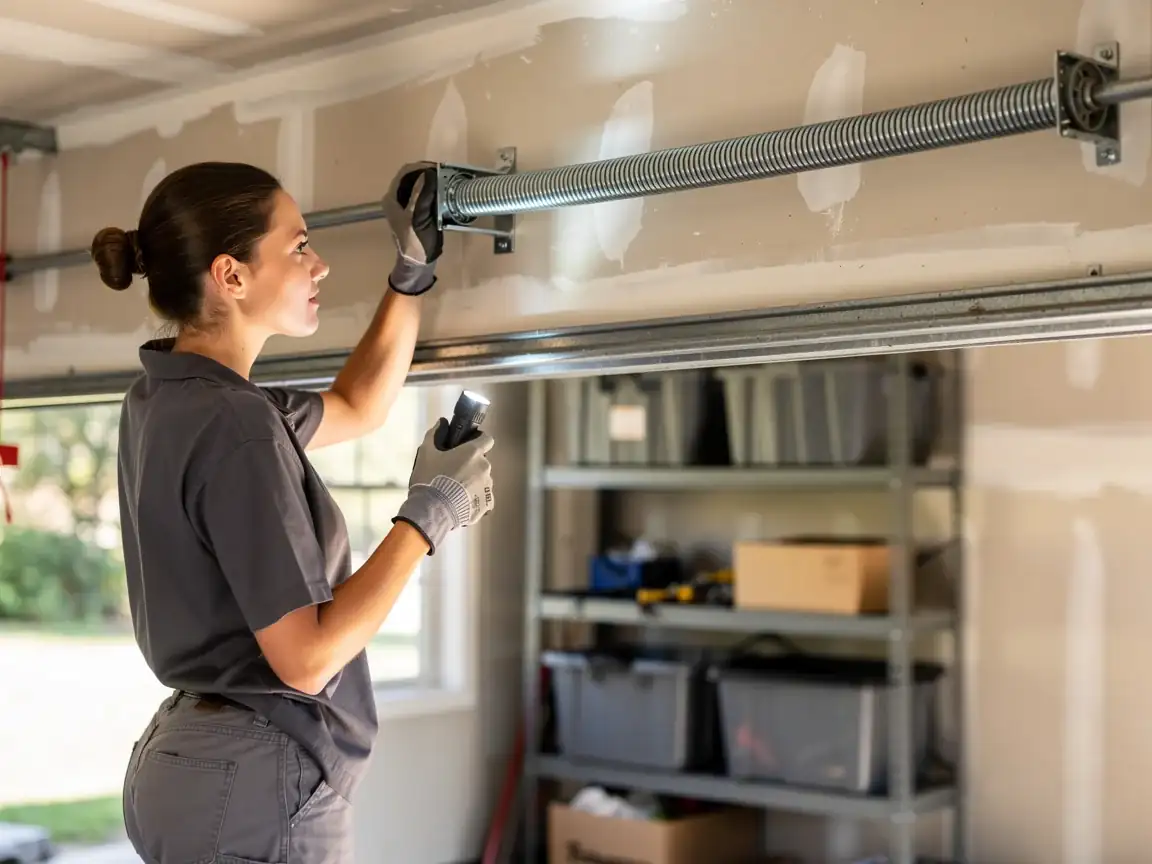
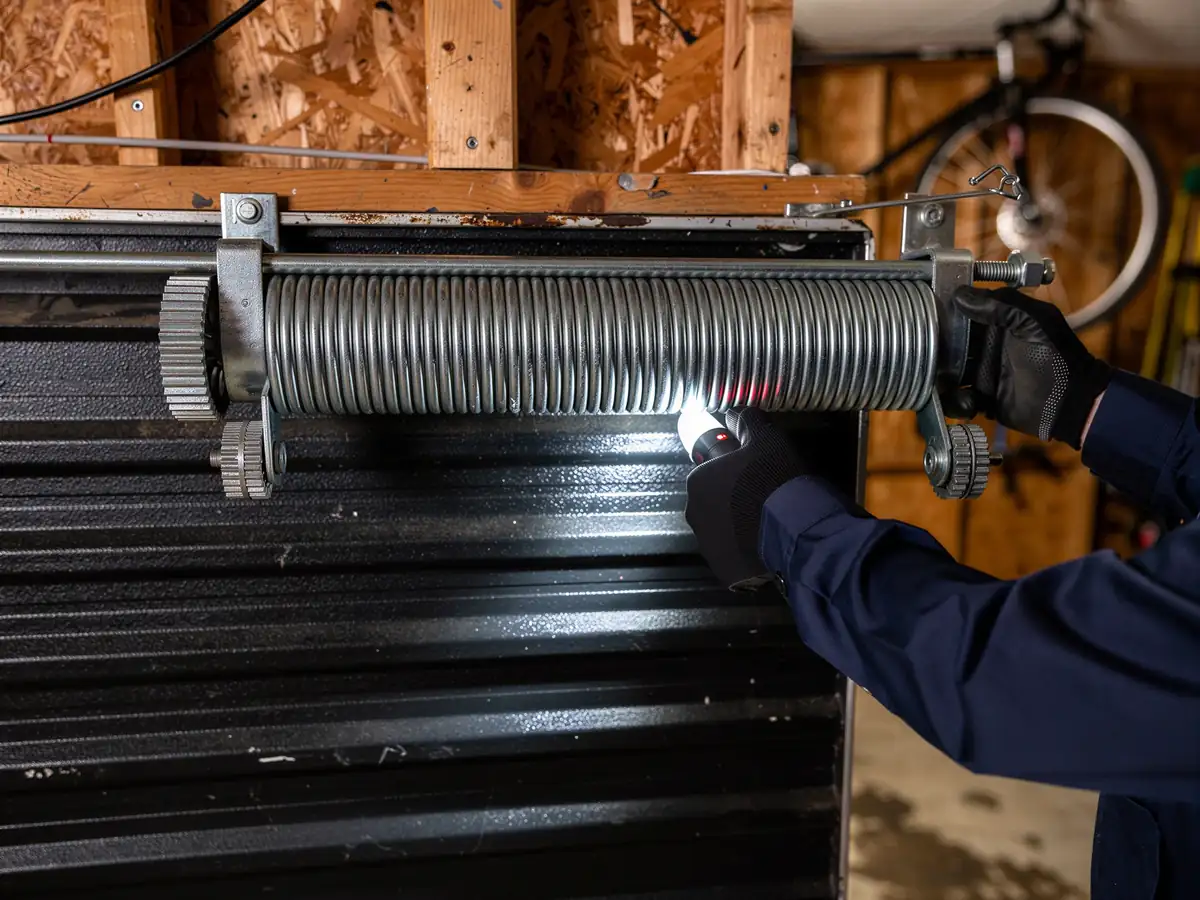
Because most of what's on the ground in Holly Springs was built in the 1990s through the mid-2000s, the failures we run into lean toward the end-of-life issues on first-generation factory hardware rather than decades-old mismatched replacement parts. Torsion springs that were sized right when the door went in start losing tension after enough cycles - normal wear, not a defect. Circuit boards in openers from that build era are old enough now that capacitors fail and logic boards stop reading the remote or the wall switch.
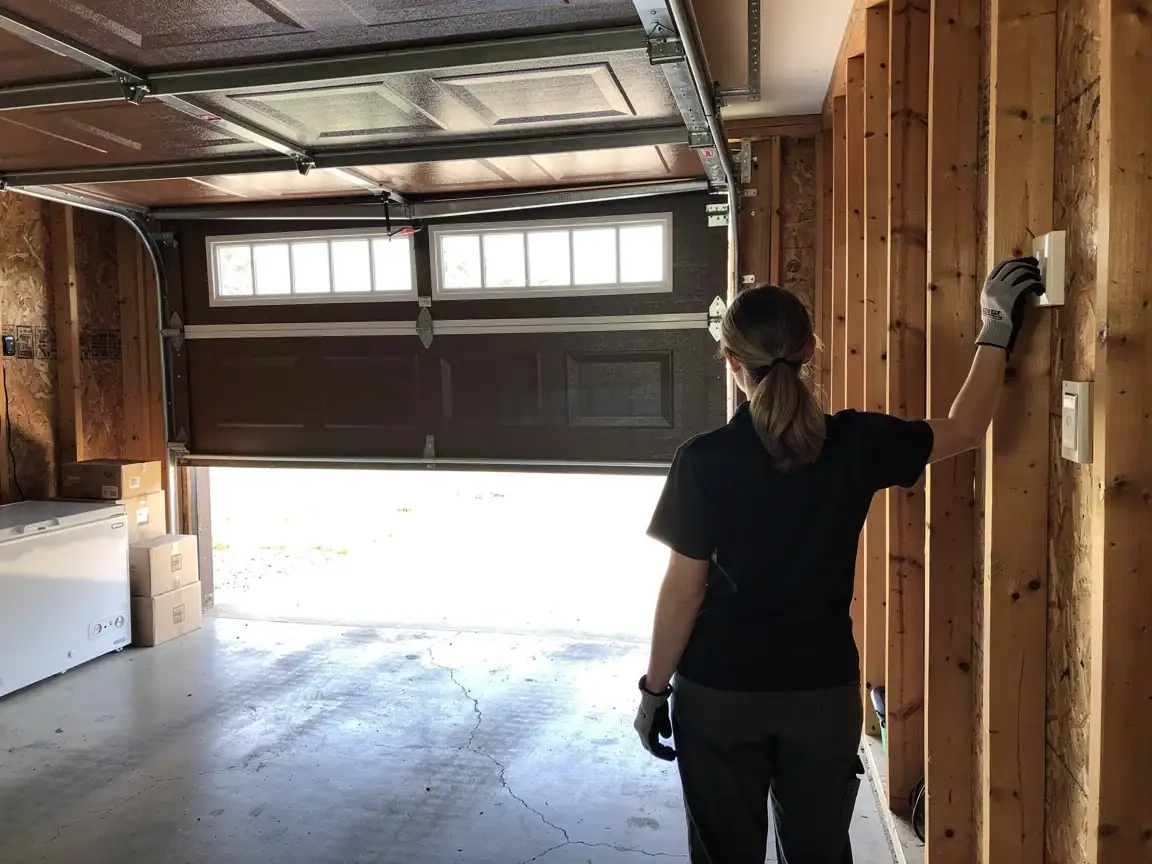
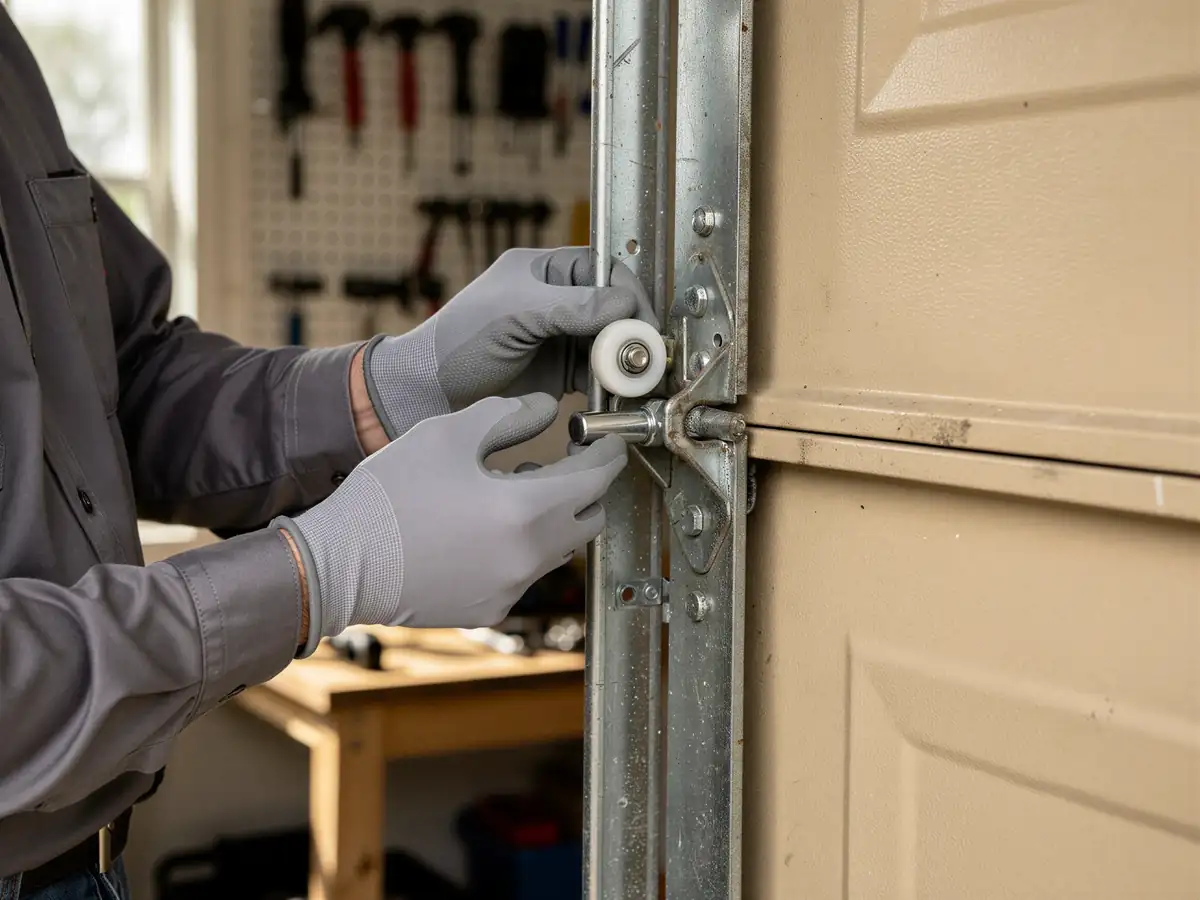
Rollers and cables get less attention than springs but fail just as often - a nylon roller that's run dry for years will eventually crack, and a fraying cable on a torsion system is the kind of thing that looks fine until it isn't. Cold-weather stiffening is also a factor here; the region's climate is cold-moderate, which means grease that's fine in July can gum up and slow a track down by January. None of this is unique drama - it's what happens to doors that are old enough now to be wearing out on schedule.
Time on the Job
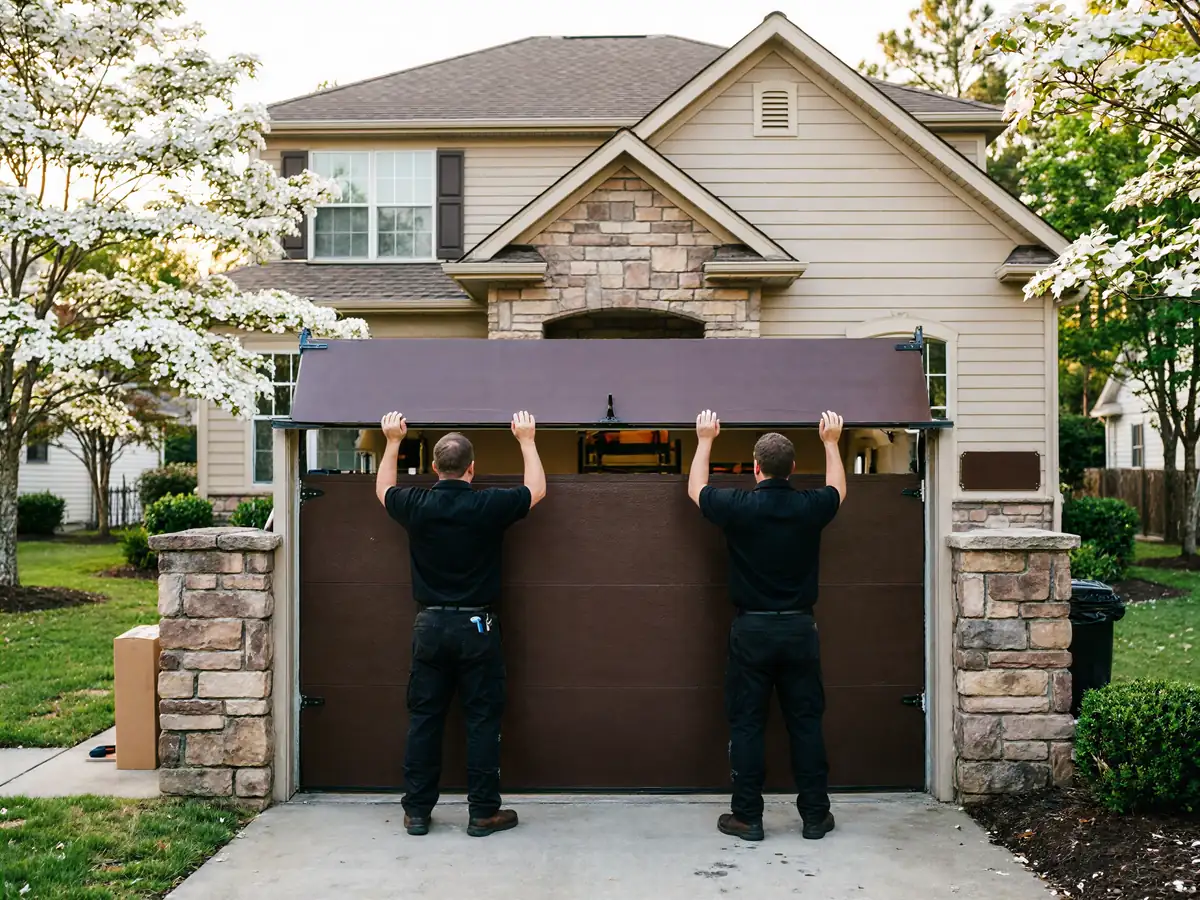
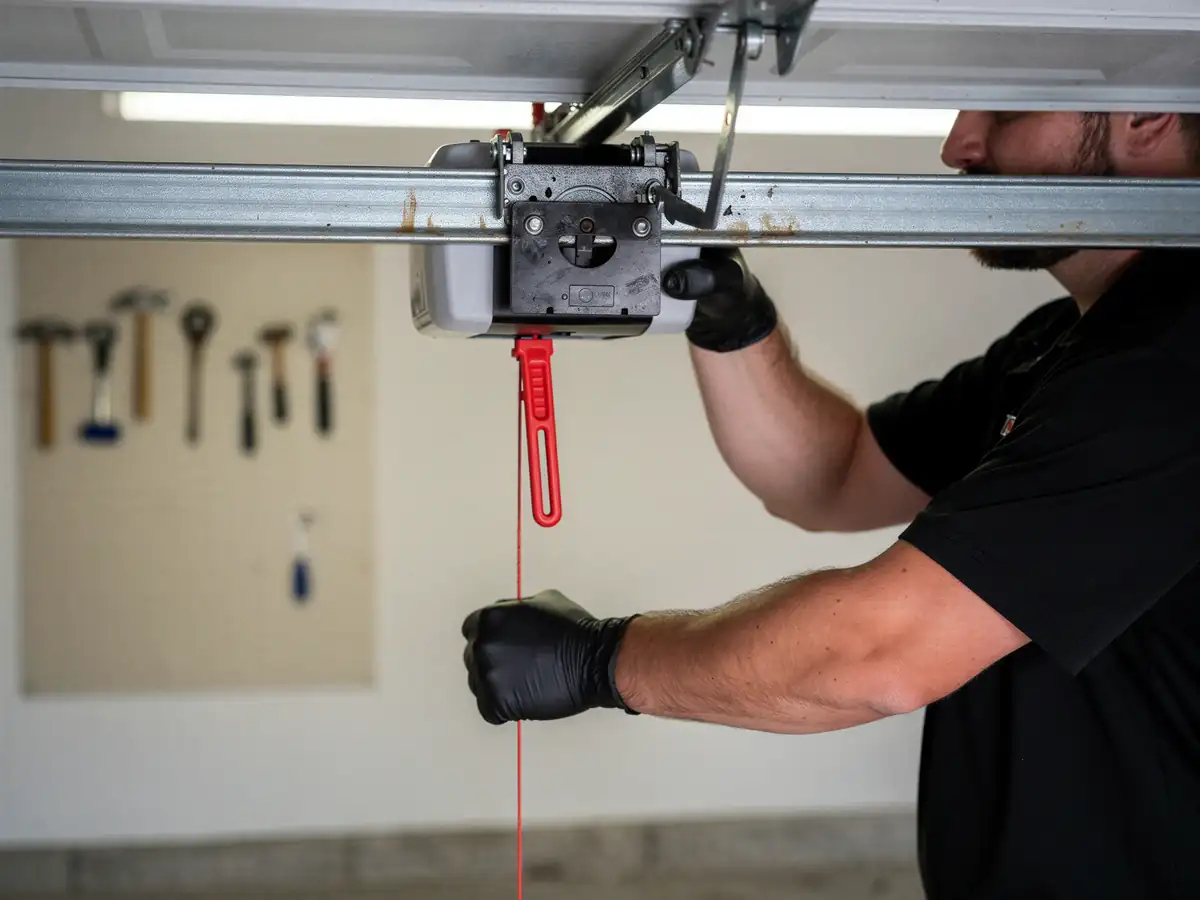
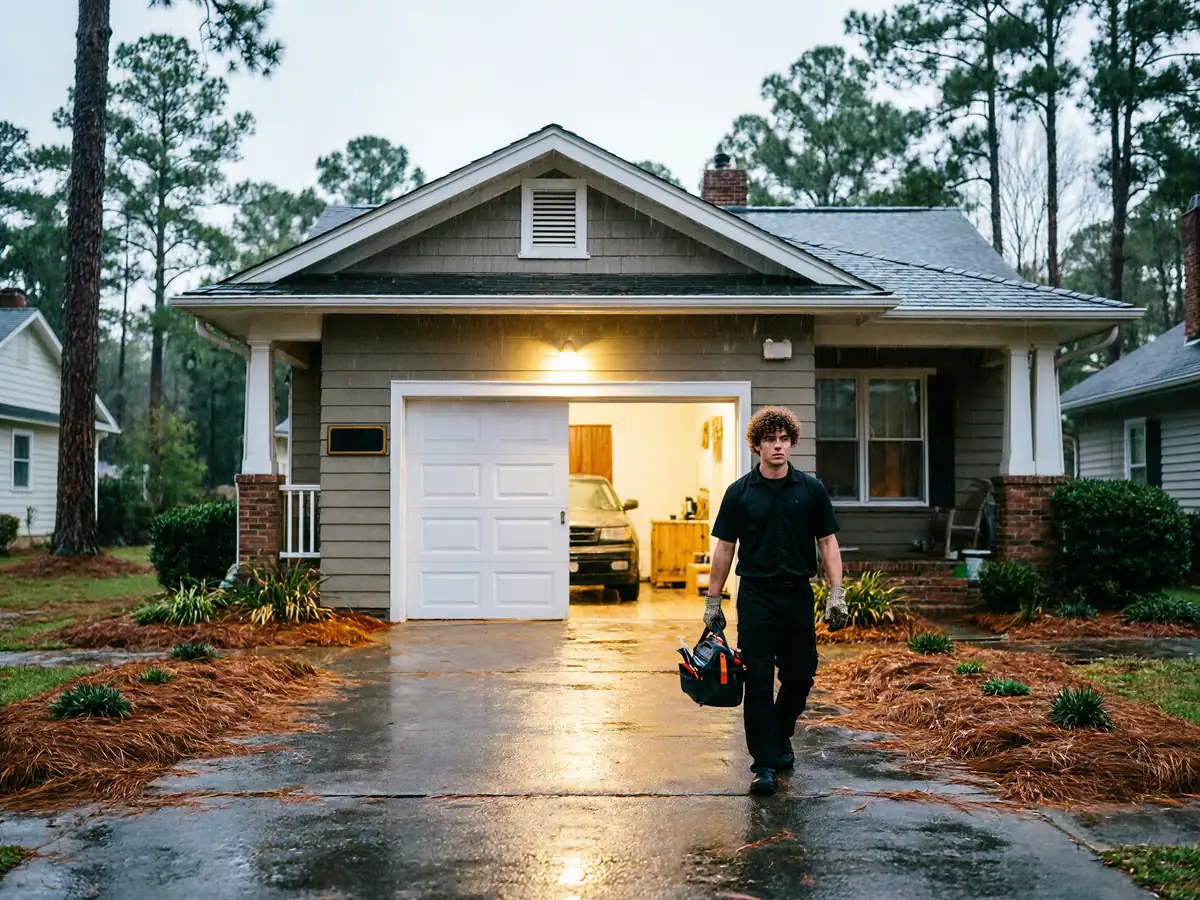
We run out of Milton, about 10 miles from Holly Springs, so there's travel time built into every call before a wrench ever touches the door. Once we're there, most single-item repairs - a spring, a cable, a sensor - don't take long. Full opener swaps or track realignments after an impact take longer, and we'll tell you which category your job falls into before we start, not after we've already pulled something apart.
We don't advertise a guaranteed arrival window for Holly Springs specifically, because that number depends on where the truck already is that day. What we can tell you is that the drive is short enough that it rarely changes the plan for the day.
Stocked Parts
The truck carries the parts that fail most on housing stock like what's common here
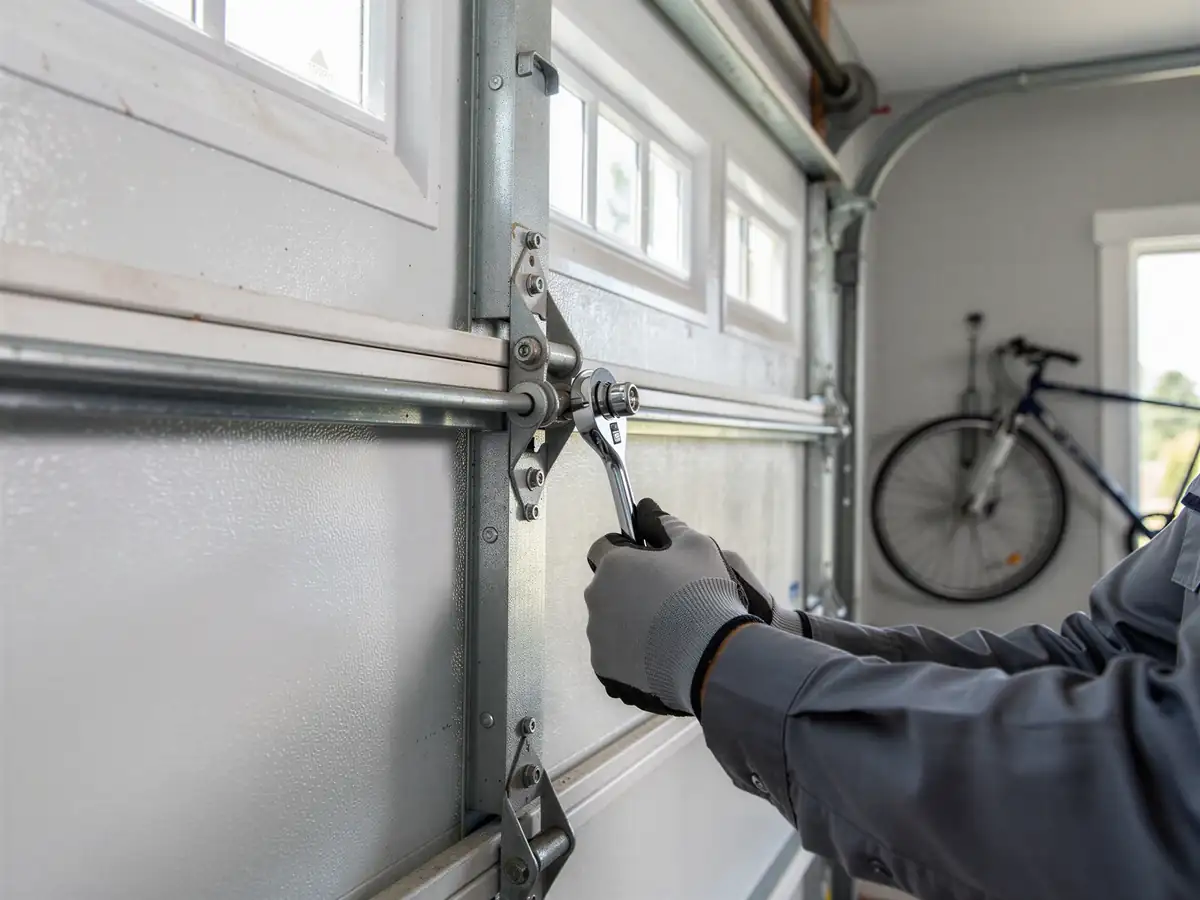
Standard torsion springs sized for insulated steel doors, rollers, cables, and the sensor and board components that fail in openers from the 1990s-2000s generation. That covers the bulk of what breaks on a door built to the specs common in Holly Springs.
Where we run into a wait is specialty opener boards for less common brands or older proprietary remotes
Those sometimes need to be ordered, and we'll say so up front rather than promise a same-visit fix we can't back up. If a part has to be ordered, we'll tell you the timeline as soon as we know it instead of guessing.