How It Shows Up
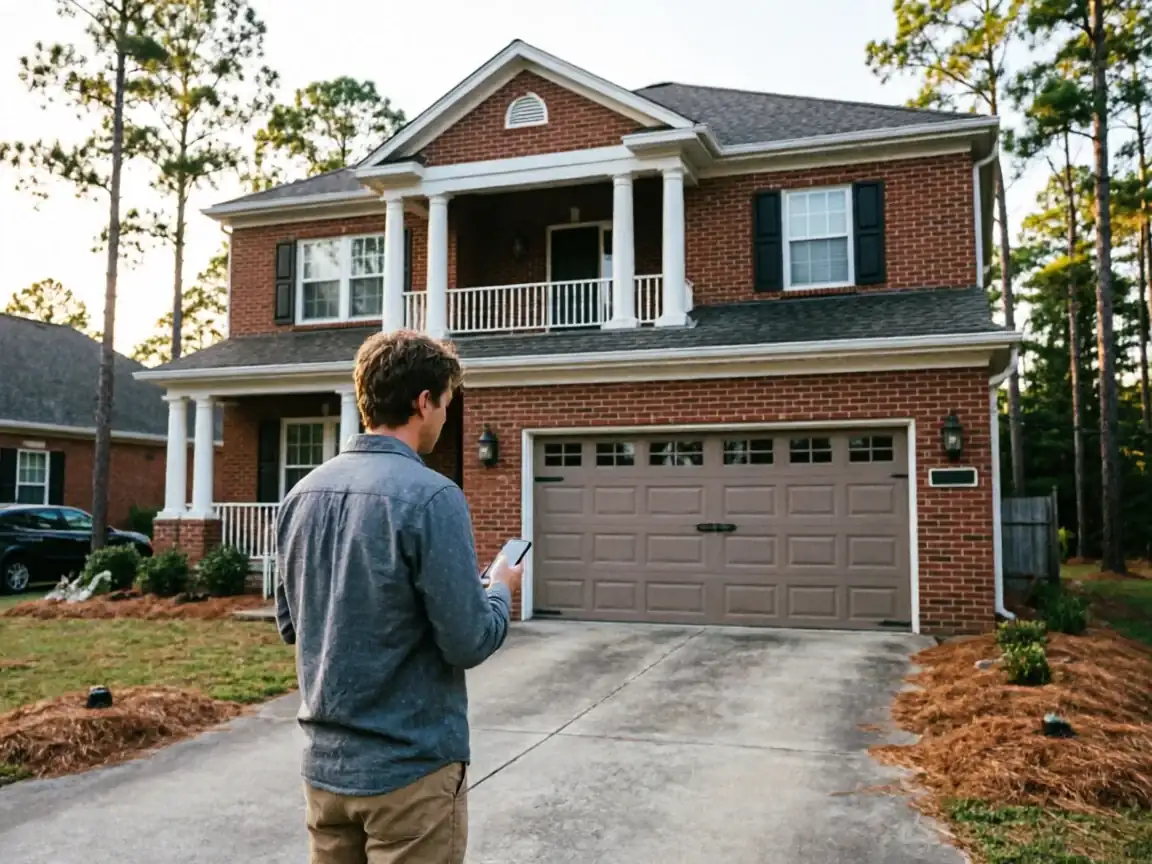
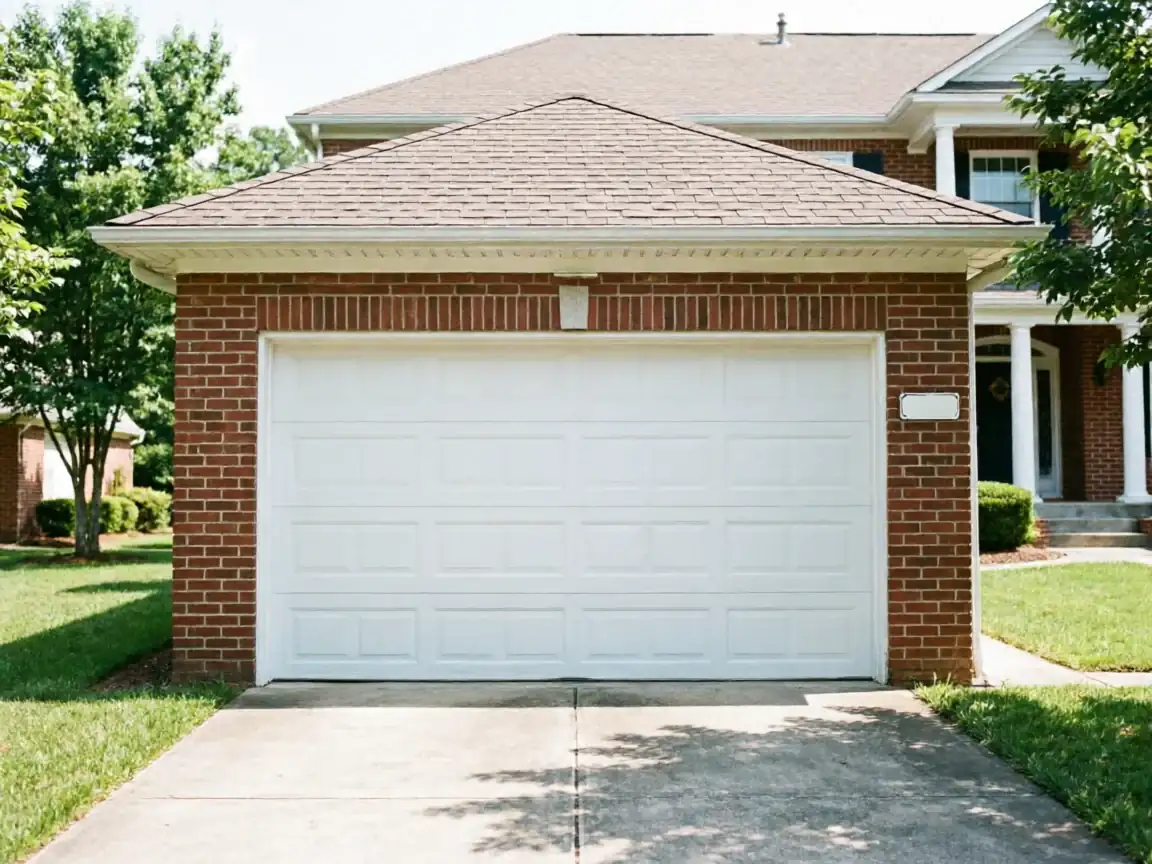
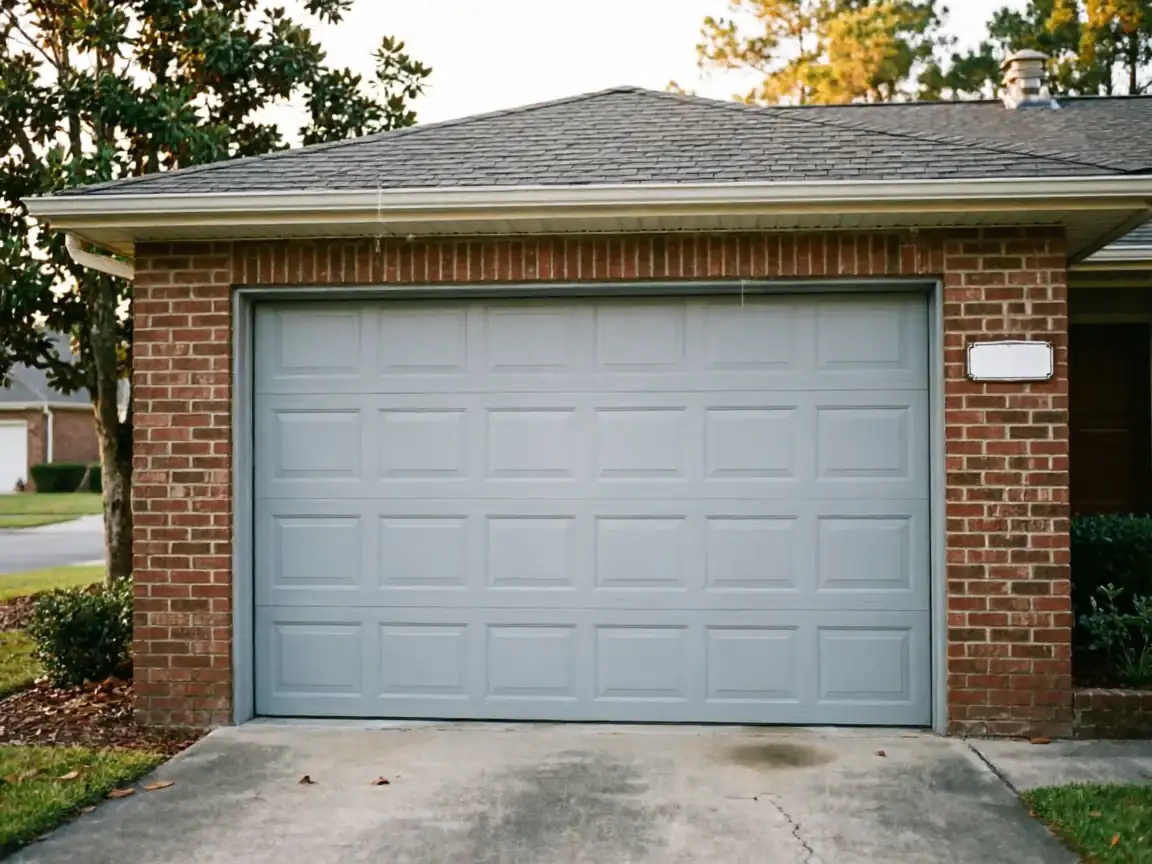
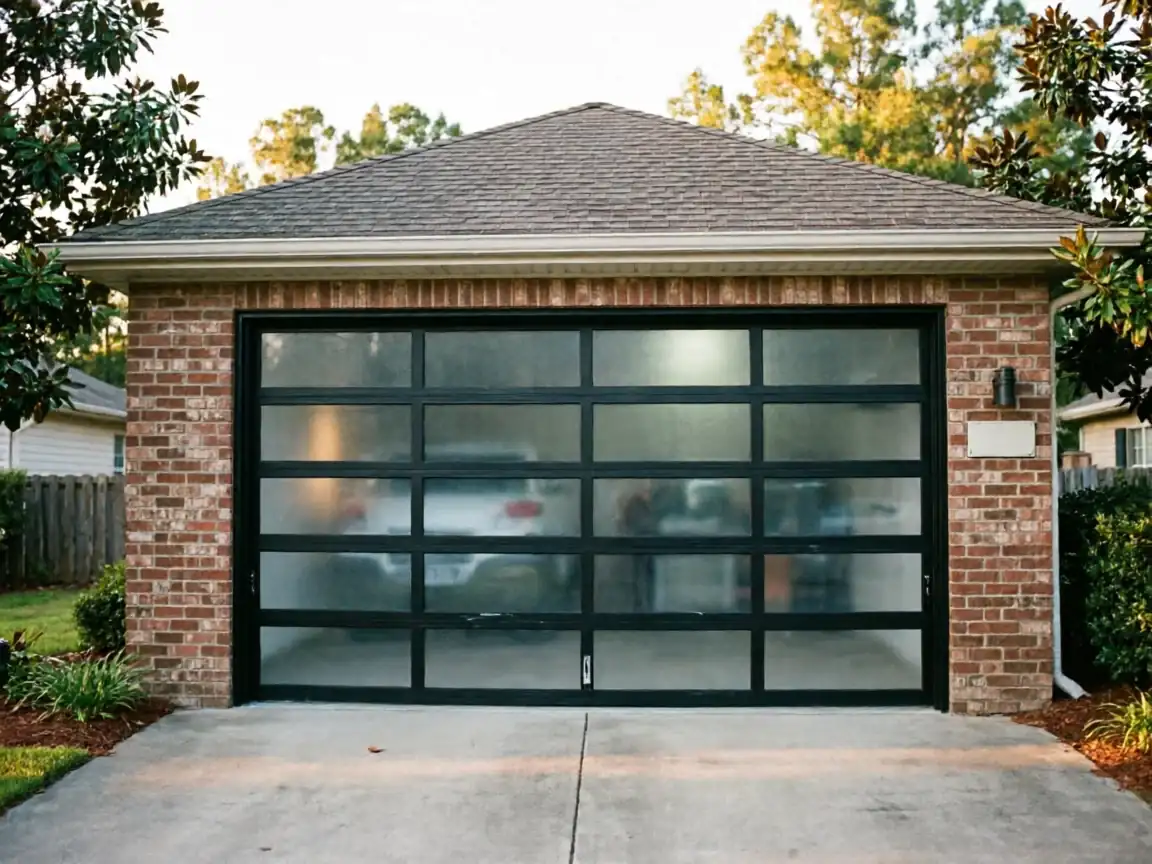
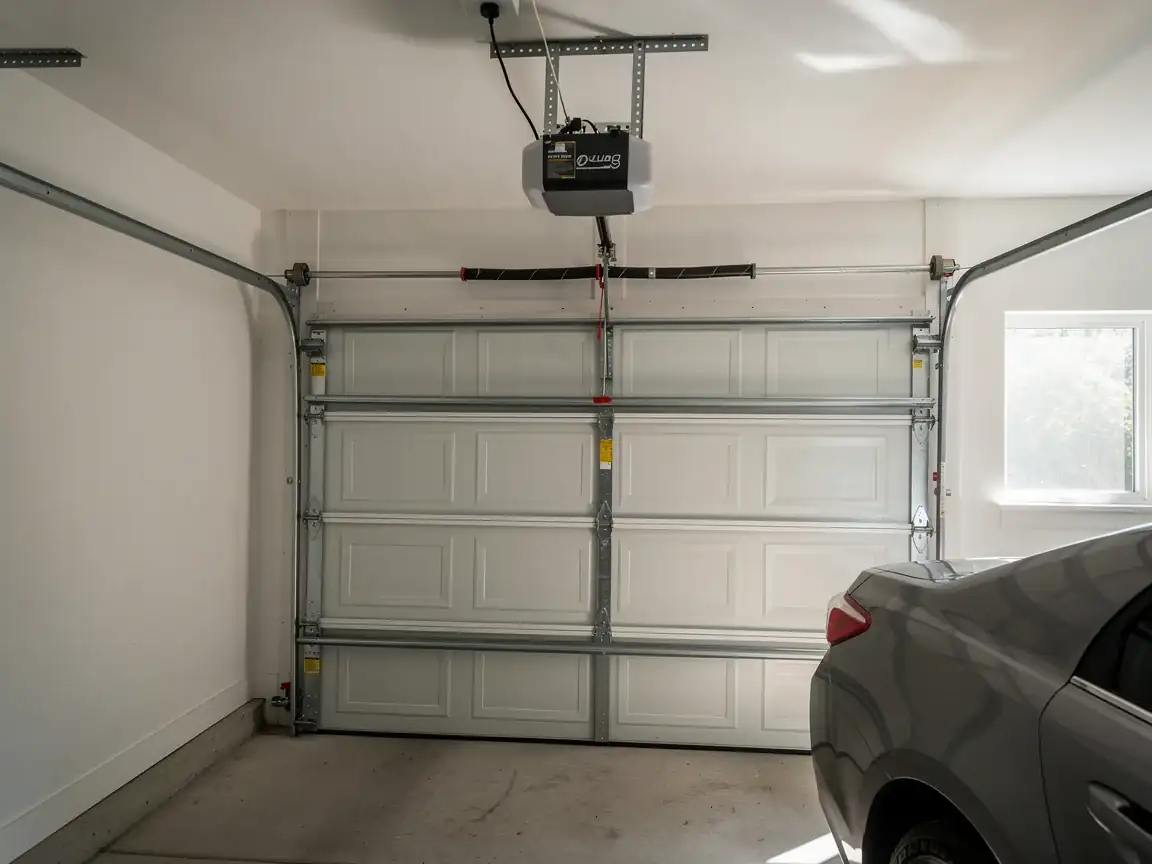
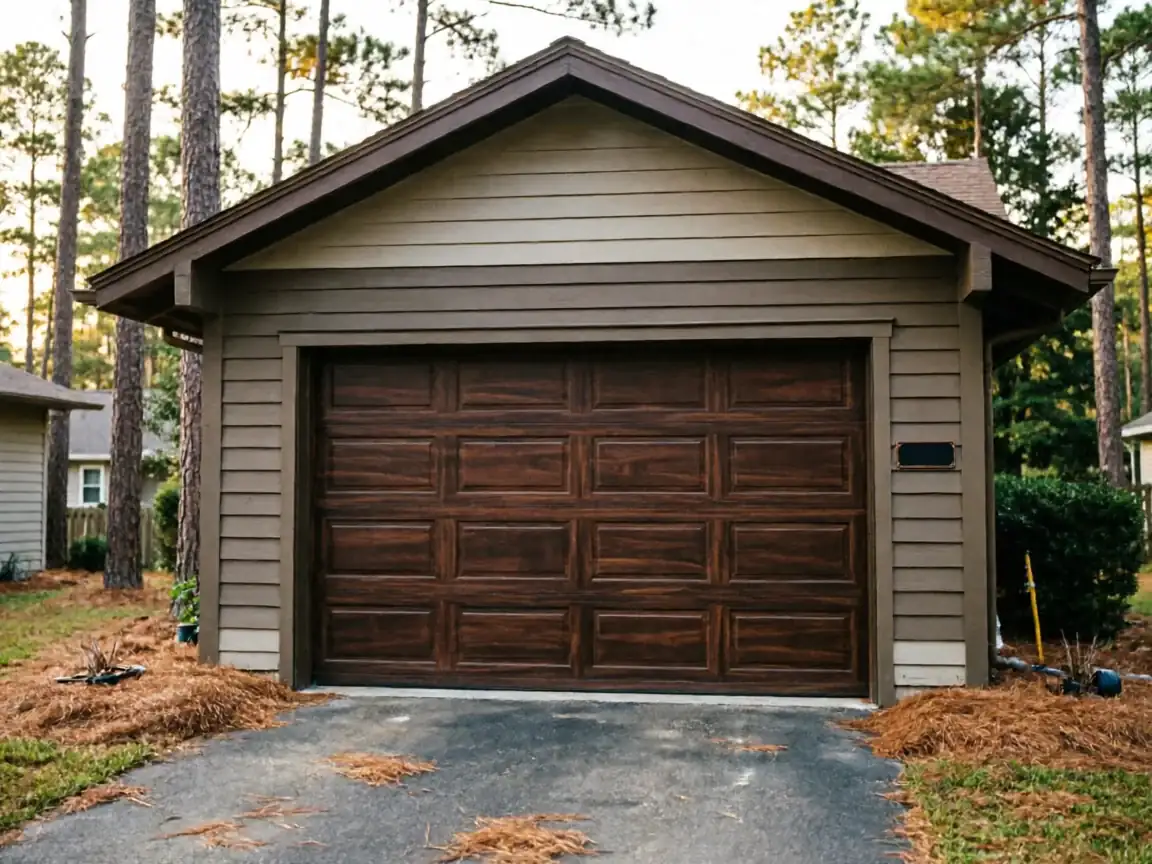
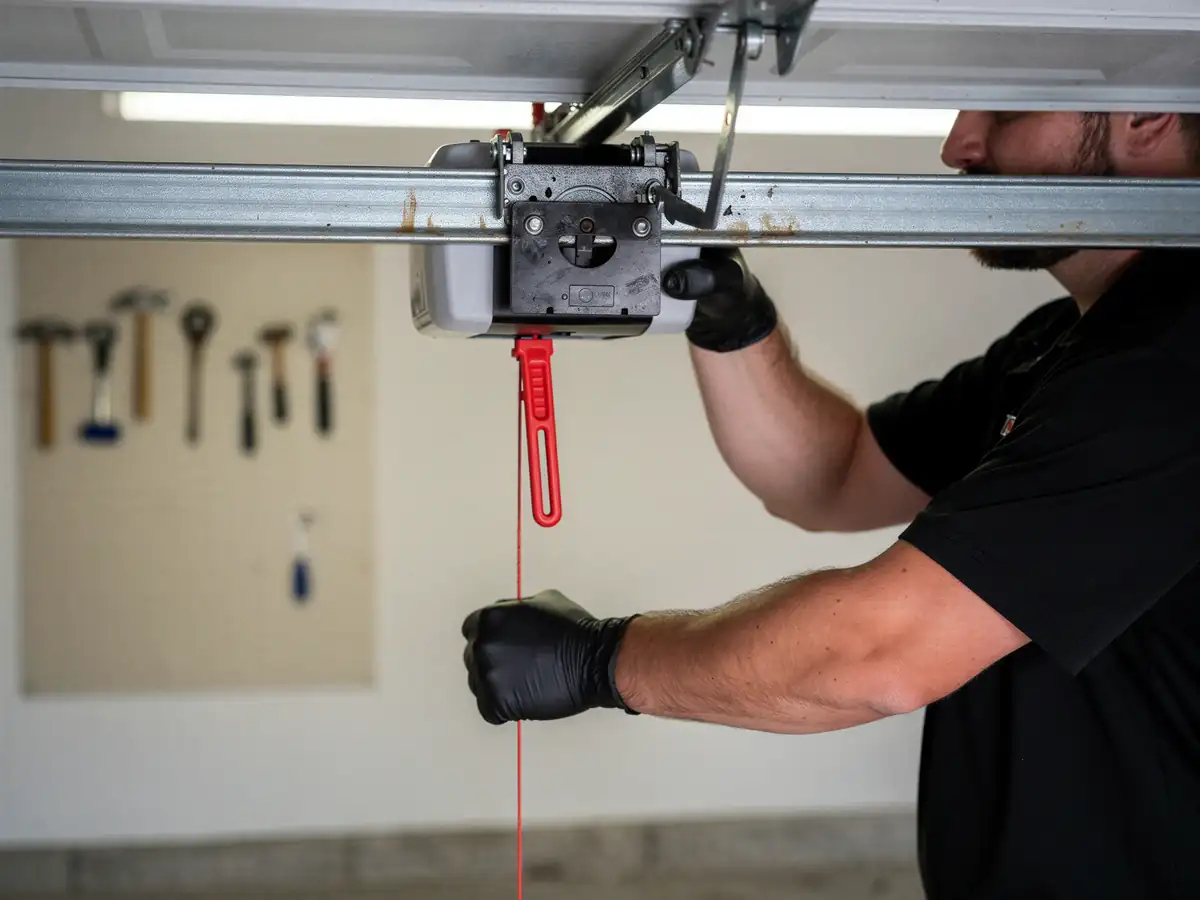
Most of the emergency calls we get from Holly Springs aren't spring snaps on an old wood door. The houses here cluster around 2007, which means the garage door problem that strands someone at 6 a.m. is almost always the opener, not the door itself. You've got a circuit board that's finally given out after fifteen-plus years of duty cycles, a safety sensor that's drifted out of alignment, or a logic board that won't talk to the wall switch anymore. The door panel is usually fine. It's the electronics behind it that fail first on housing stock this age.
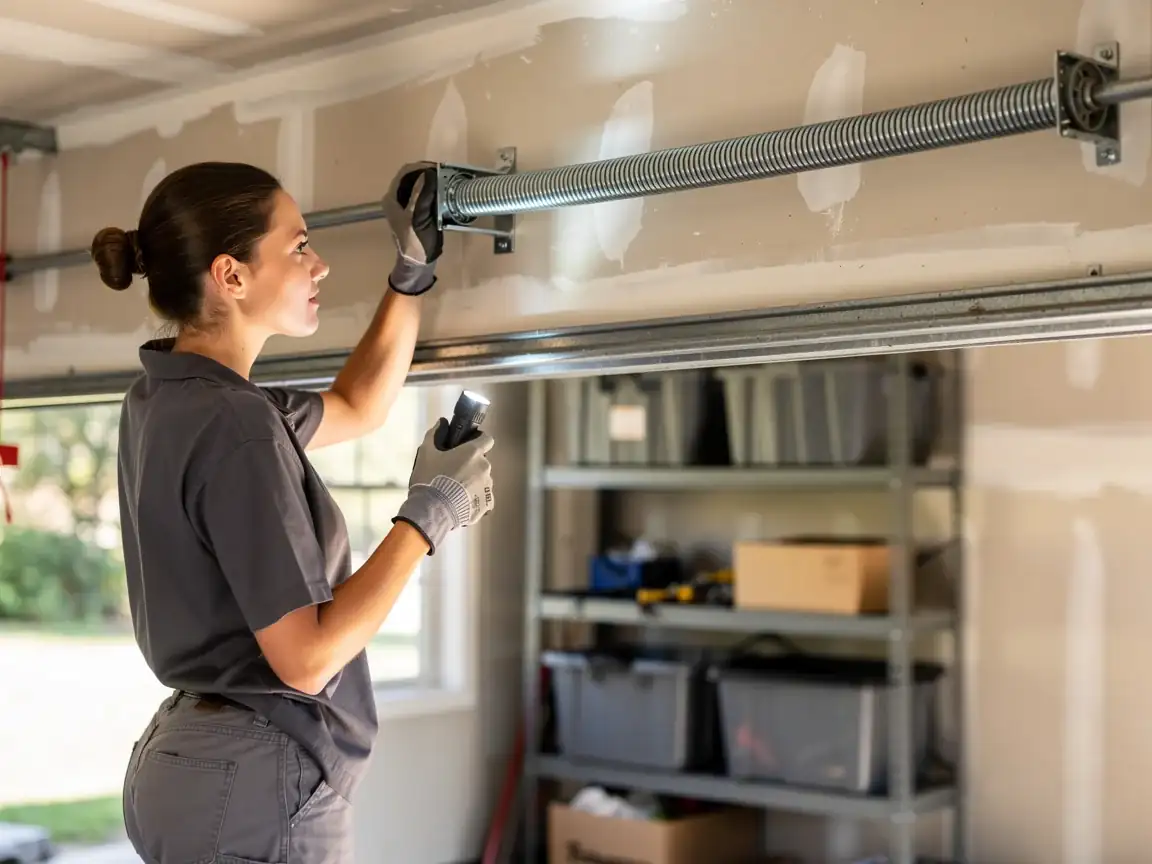
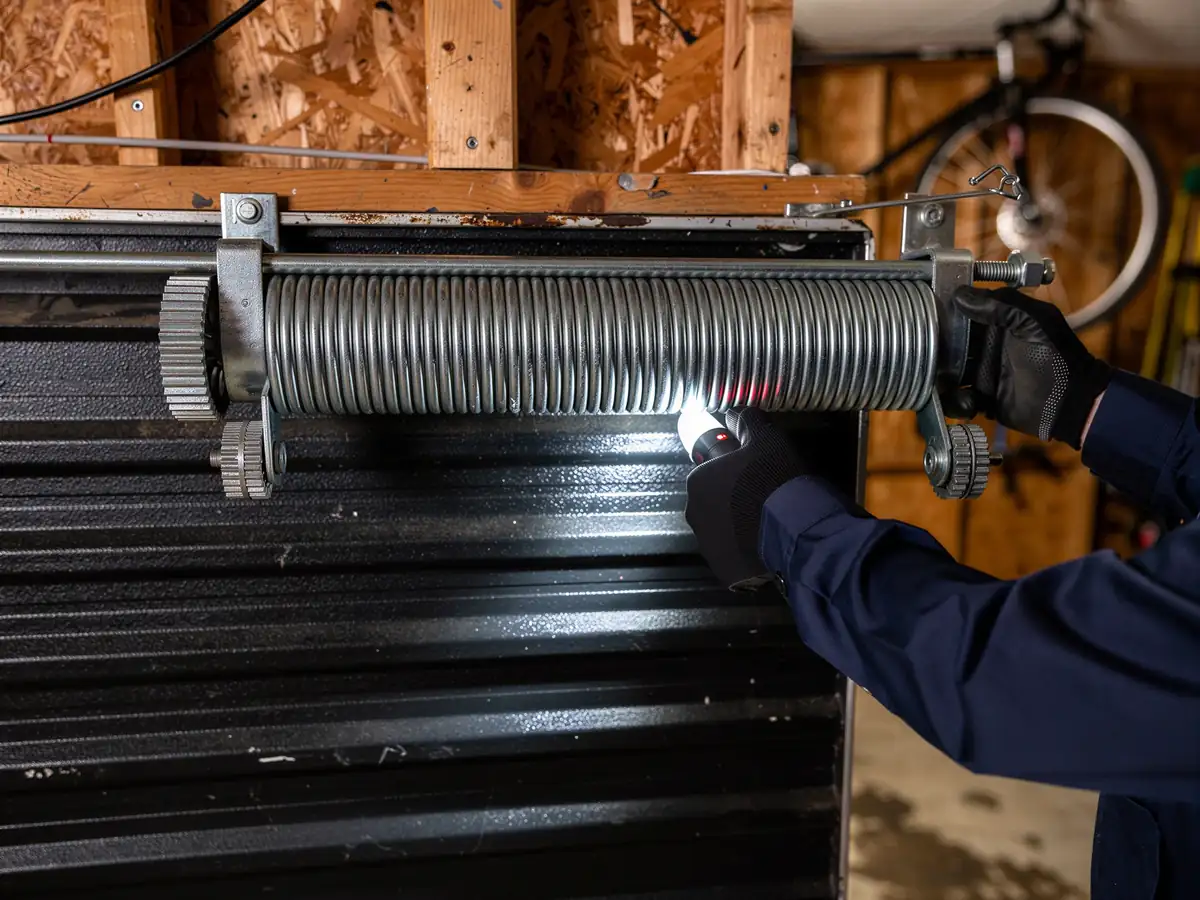
Compare that to a neighborhood built in the 1970s or 80s, where the fault is almost always mechanical - a snapped torsion spring, a frayed cable, hardware that's outlived its rated cycle count. Holly Springs skews newer, so the calls skew electrical. That changes what we bring on the truck and how long the job takes once we're on site.
What Can Go Wrong
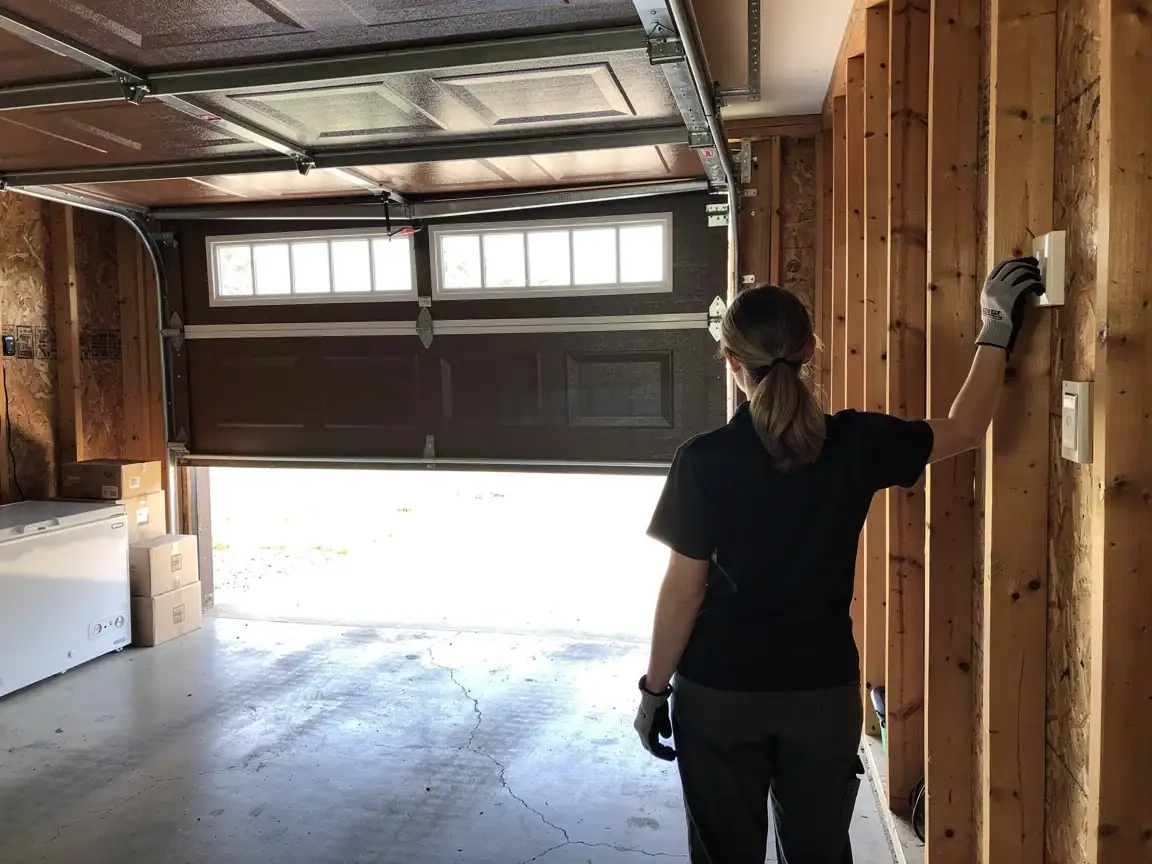
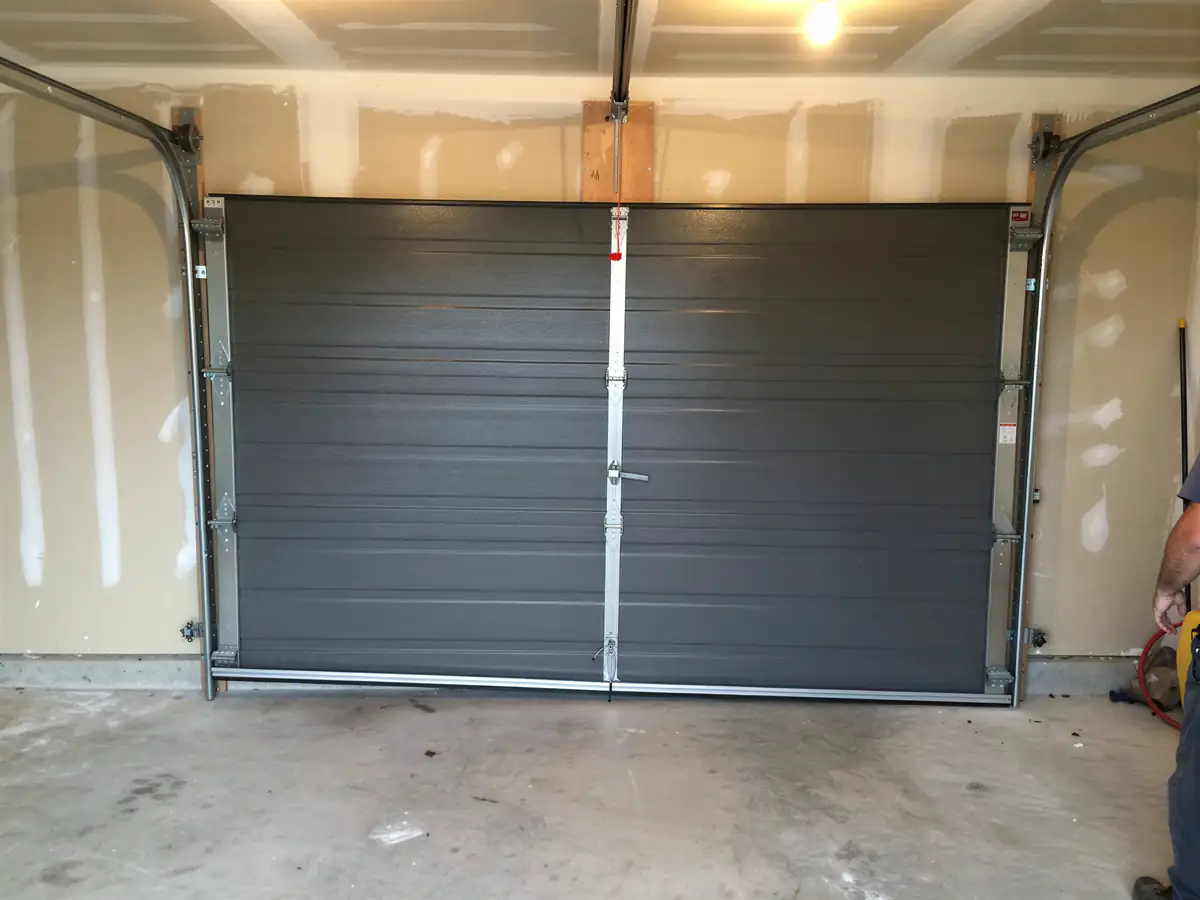
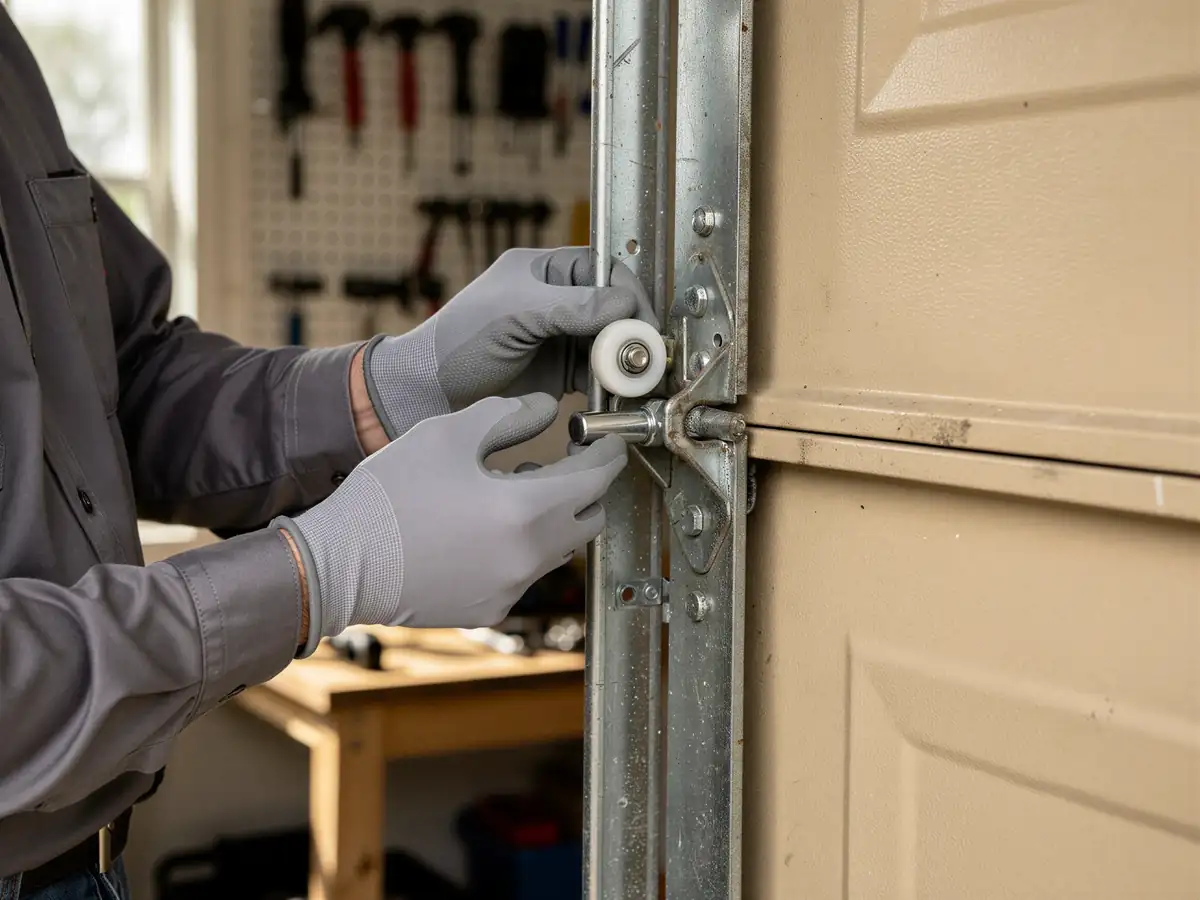
On housing built around 2007, the failure points we see most are the opener's circuit board, the photo-eye safety sensors mounted low on the track, and the wall console losing its connection to the head unit. Weatherstripping on doors this age is usually still intact, but in the cold-moderate climate band this region sits in, the rubber seal can stiffen and bind a roller track enough that the opener strains and trips its own overload protection - which looks like a dead motor but isn't one.
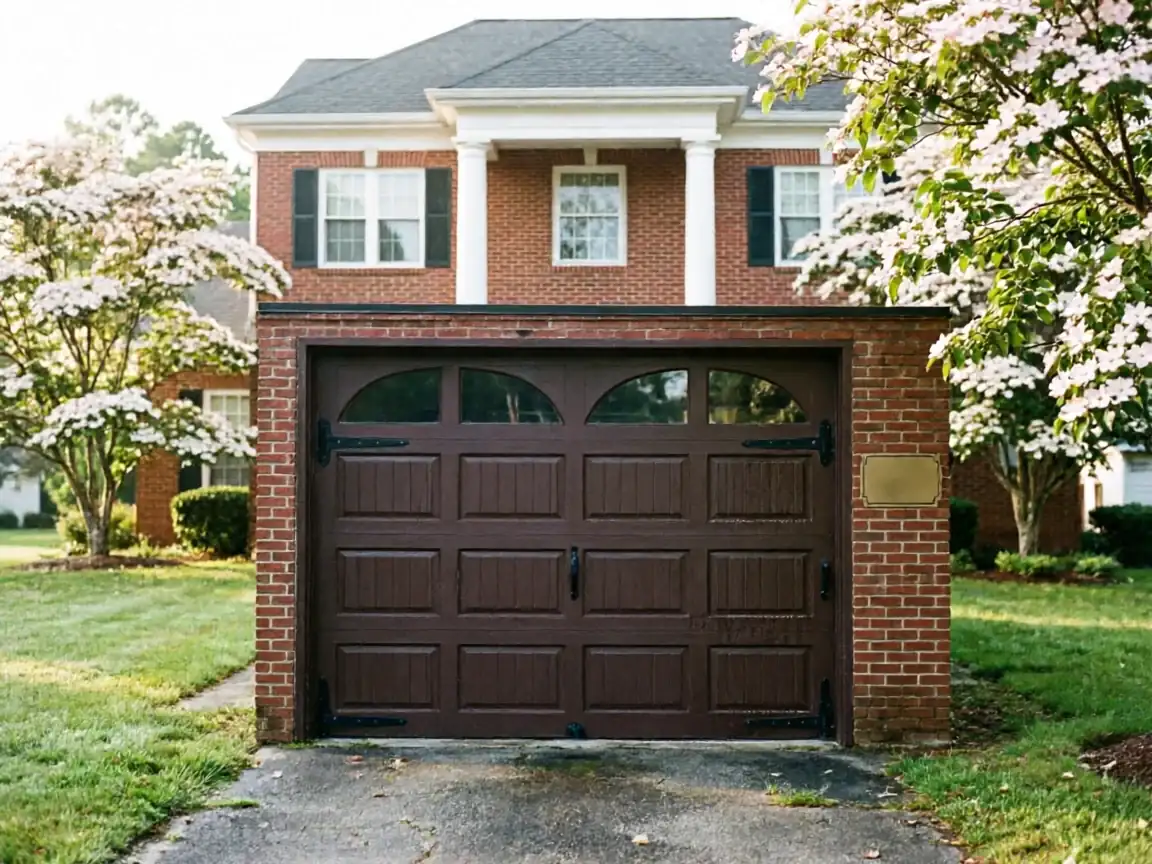
We also see steel panel dents from basketballs and car bumpers more than structural failures, because the doors themselves haven't had thirty years to fatigue. The honest limitation here: if a board is truly fried and the opener model is discontinued, sometimes replacing the whole unit is faster and cheaper than hunting down a part for a specific 2000s-era opener. We'll tell you which one it is before we quote the job.
Time on the Job
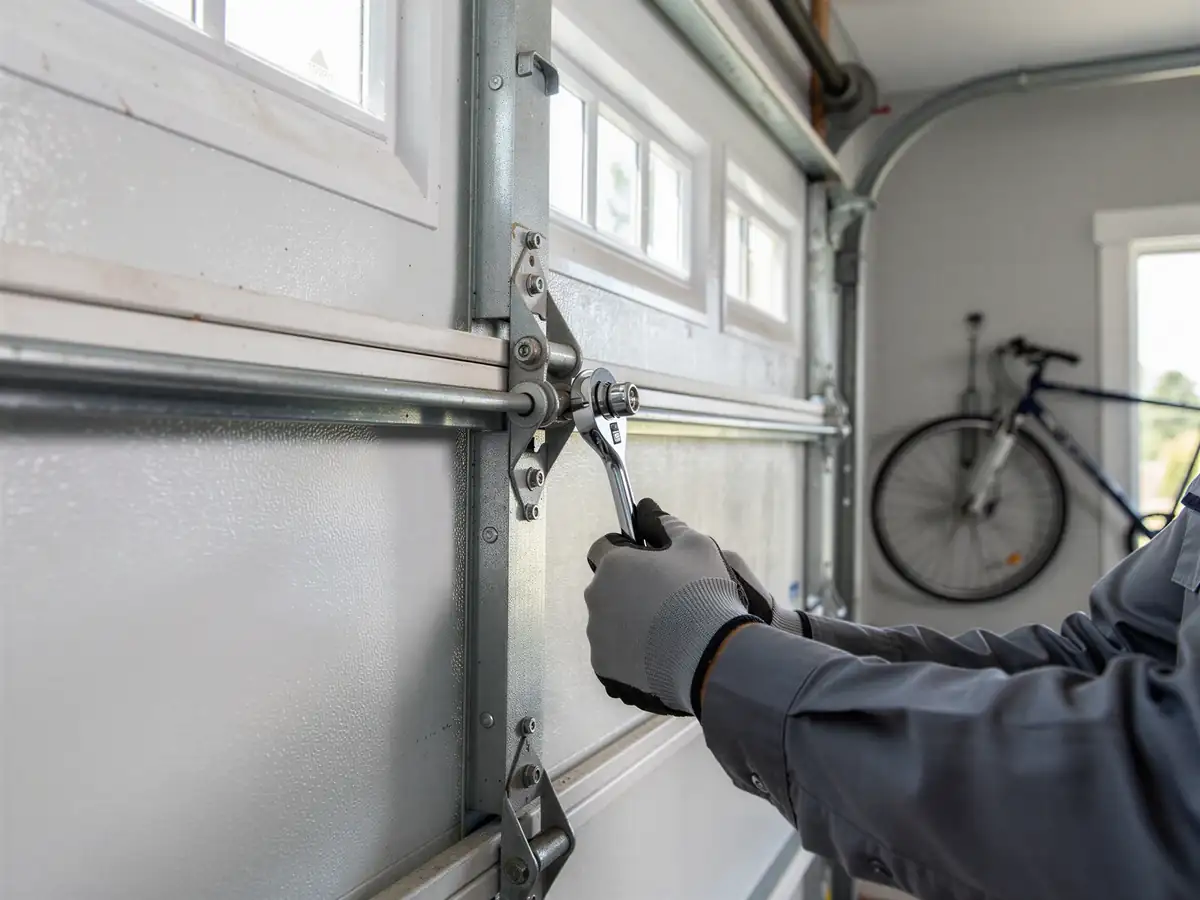
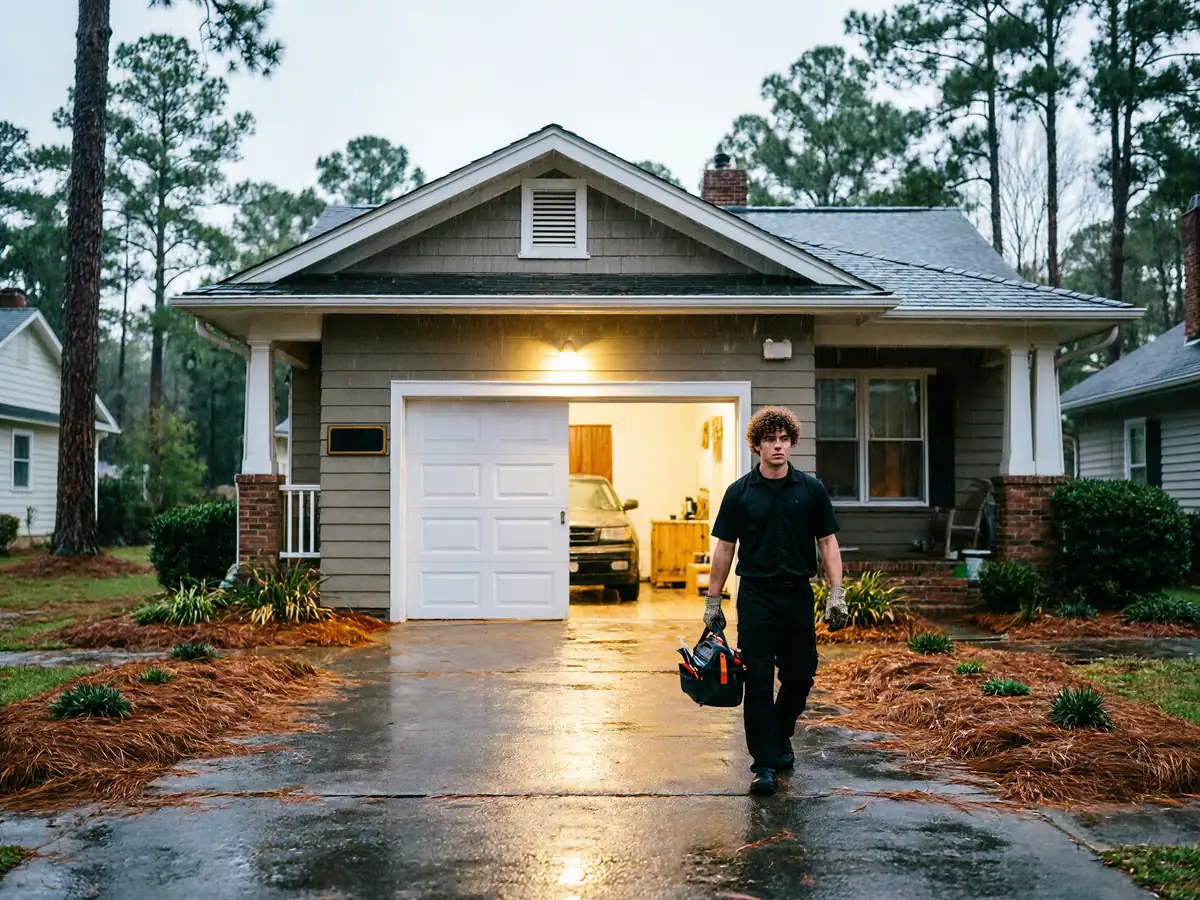
We run this call from Milton, about 10 miles out, so plan on drive time on top of the repair itself rather than a walk-in response. Once a tech is at the house, opener board swaps and sensor realignments on newer units like the ones common in Holly Springs are usually quicker jobs than a full spring replacement - there's no high-tension cable work, no need to clamp the door while you wind a new torsion spring. If the diagnosis turns up something mechanical instead, like a worn roller or a bent track, that adds time but it's still a single-visit repair in most cases.