How It Shows Up
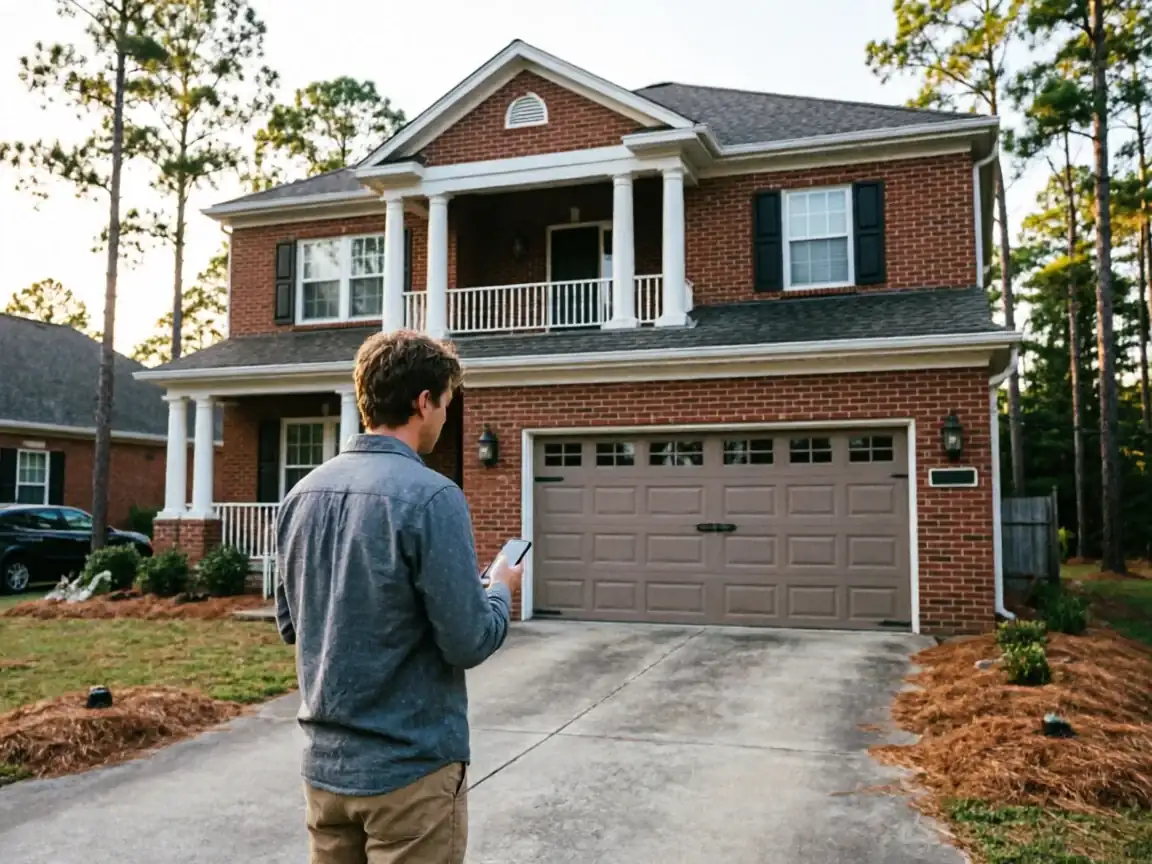
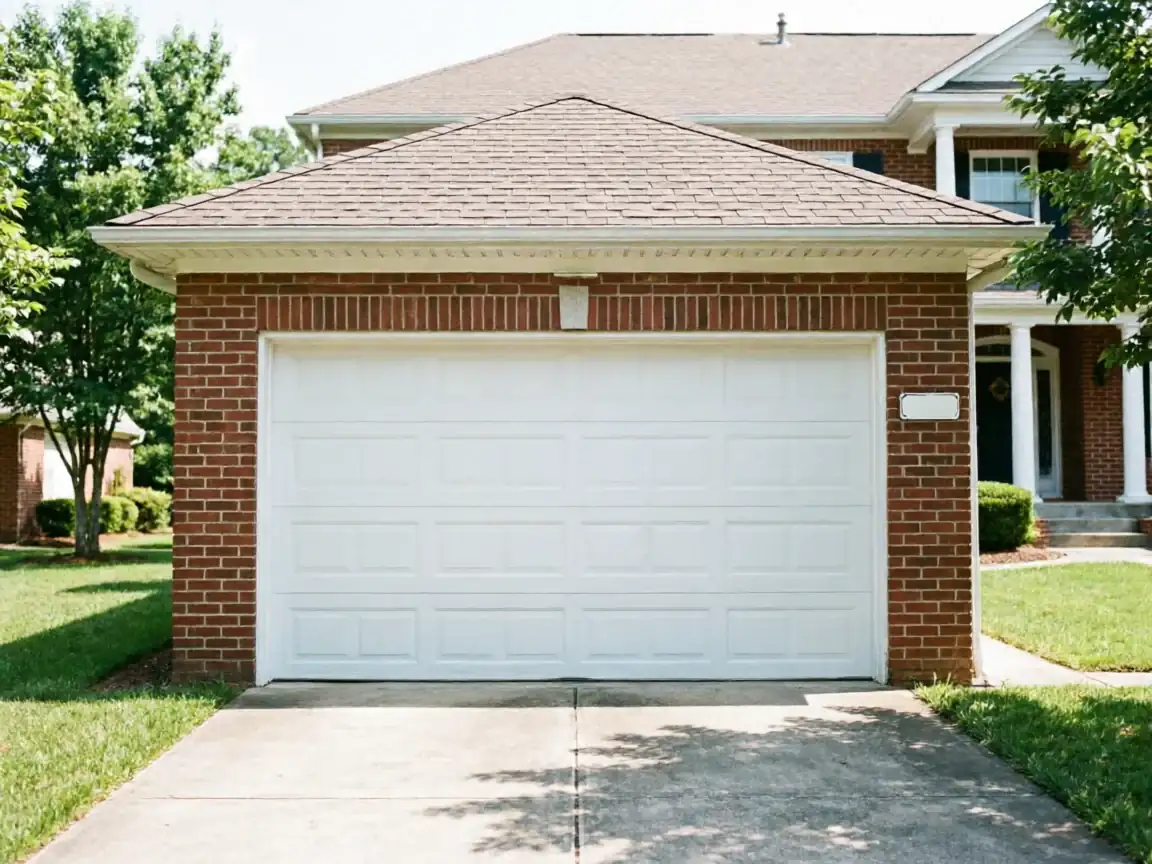
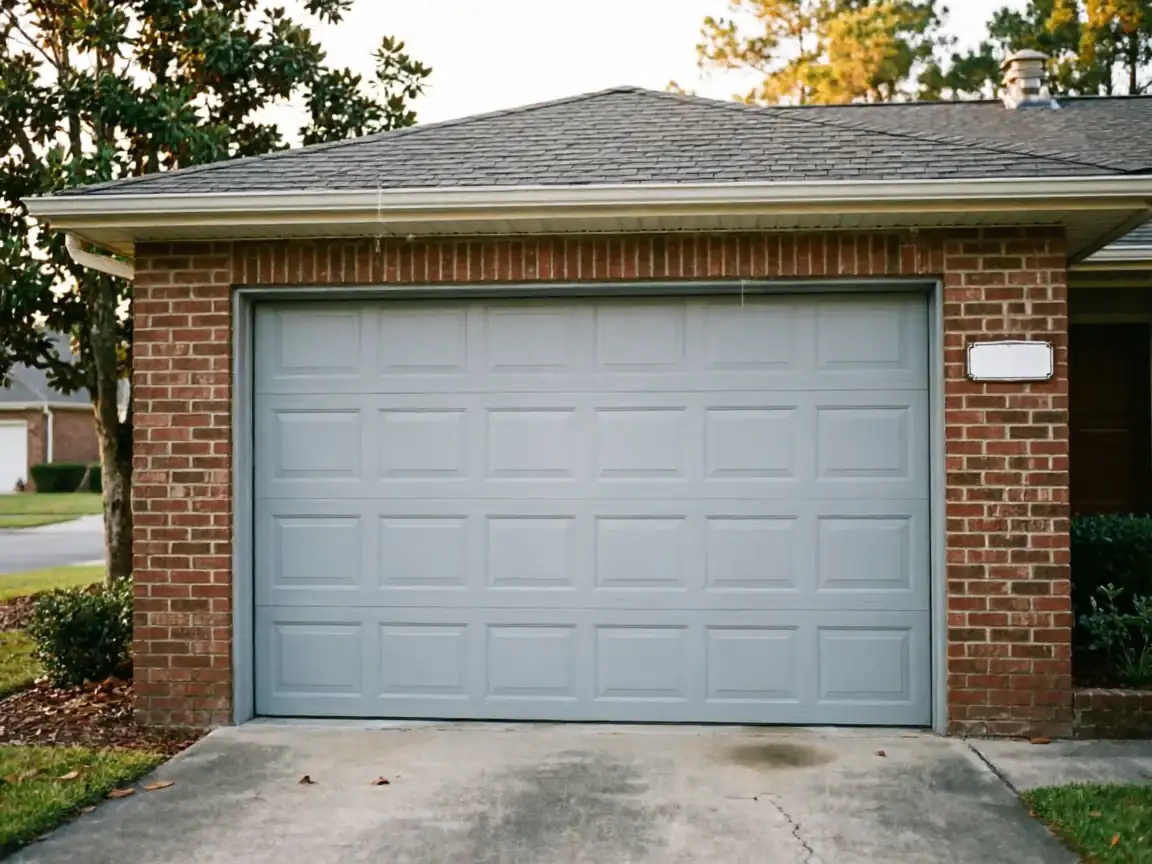
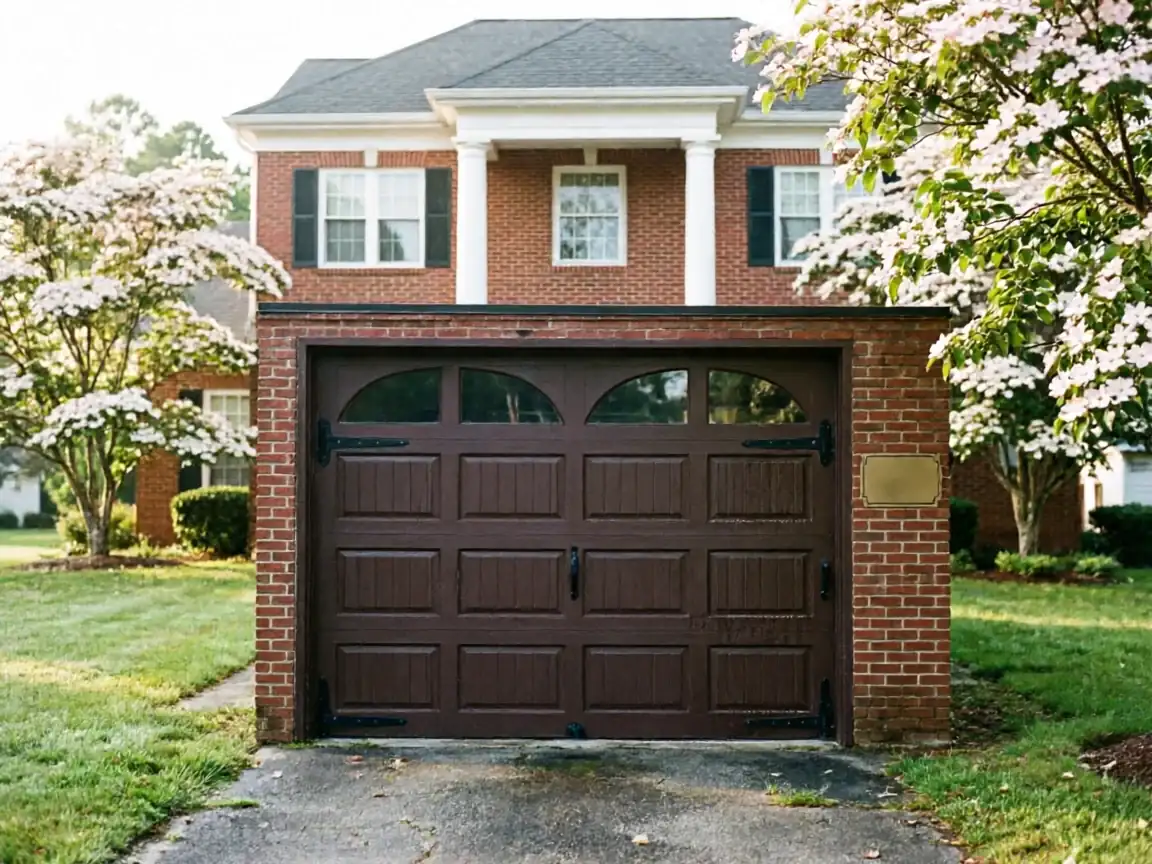
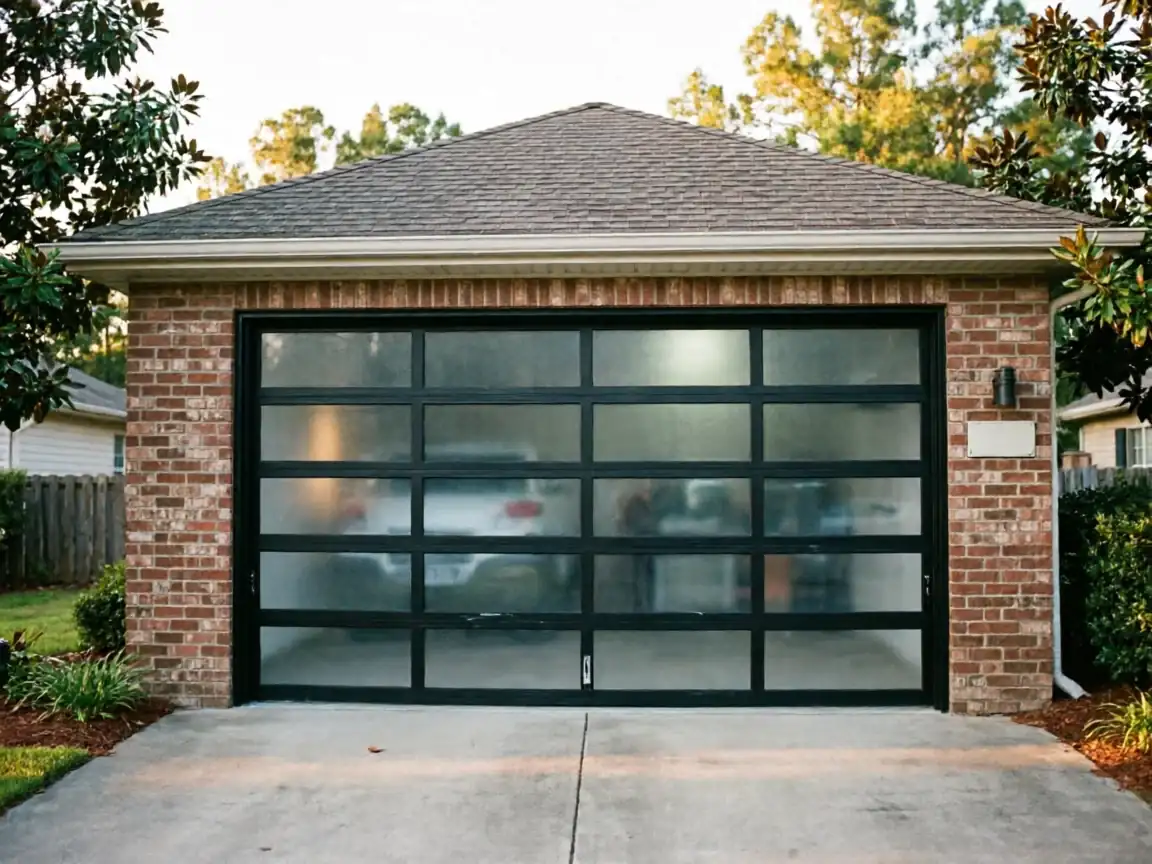
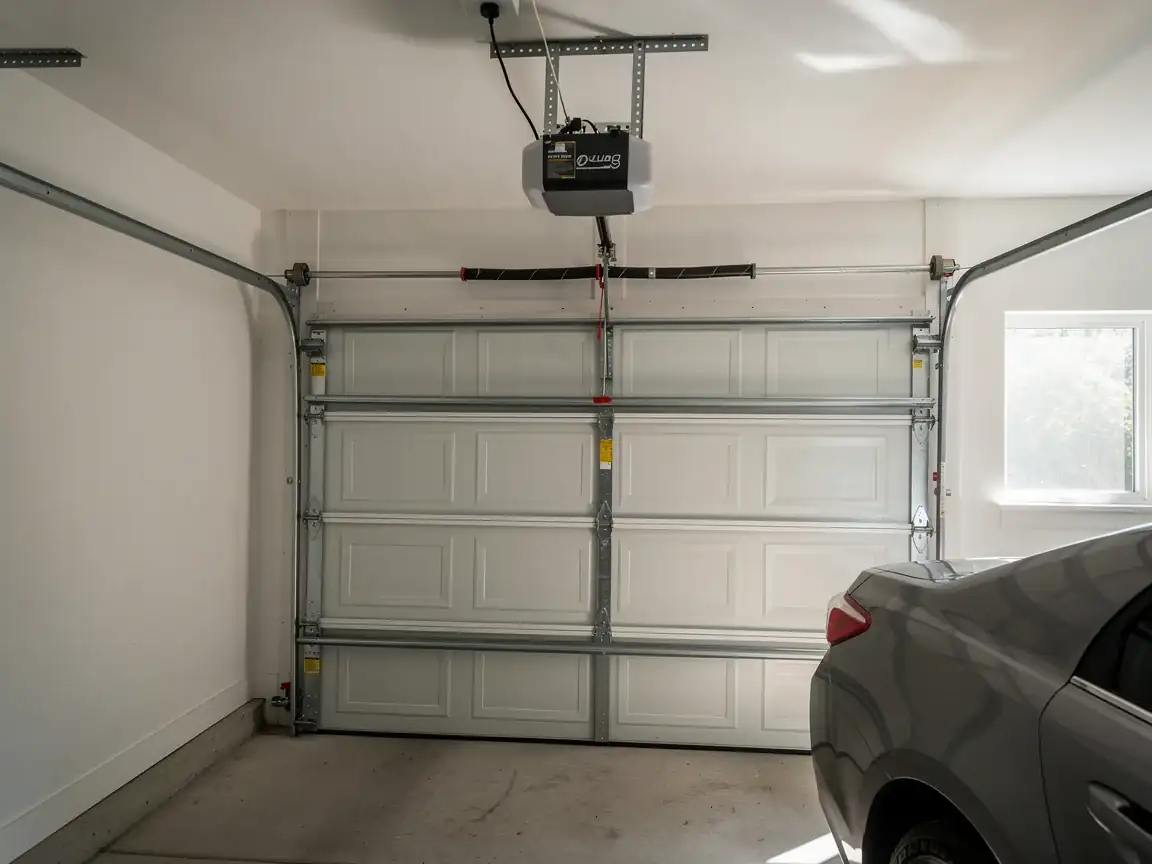
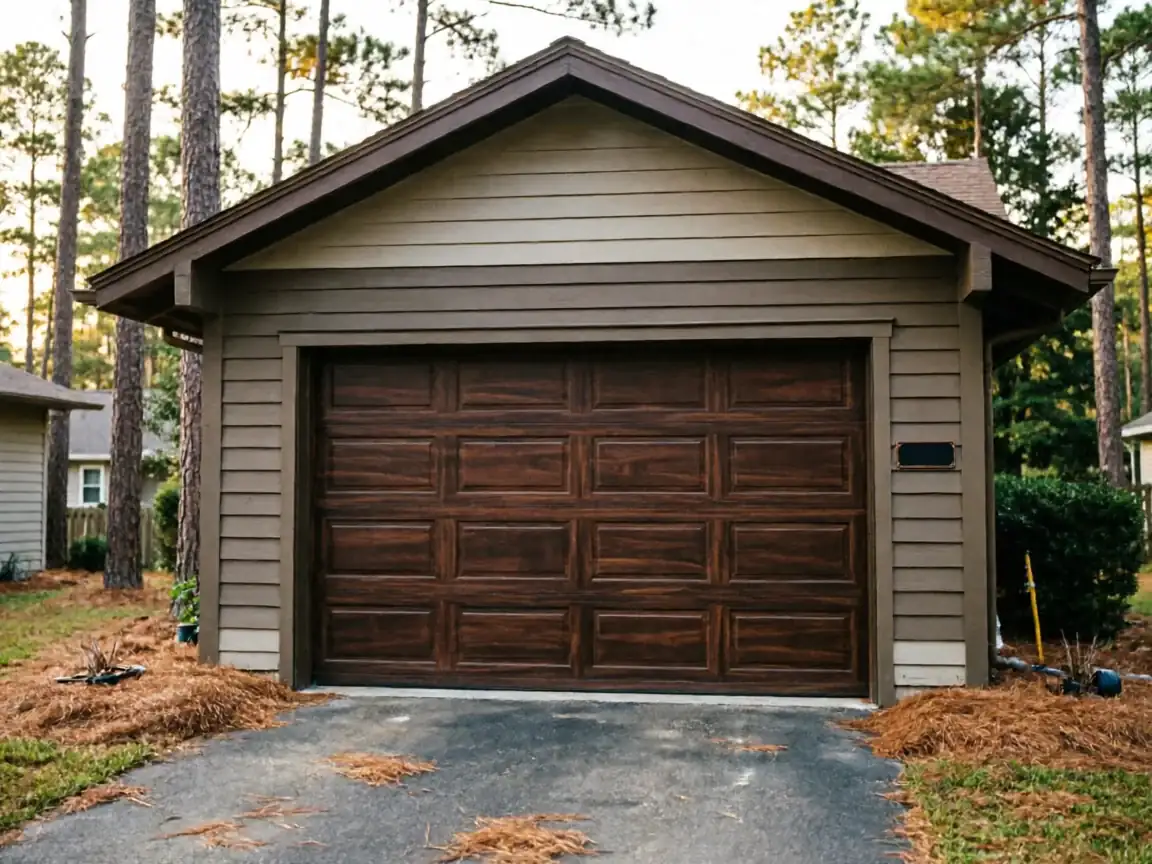
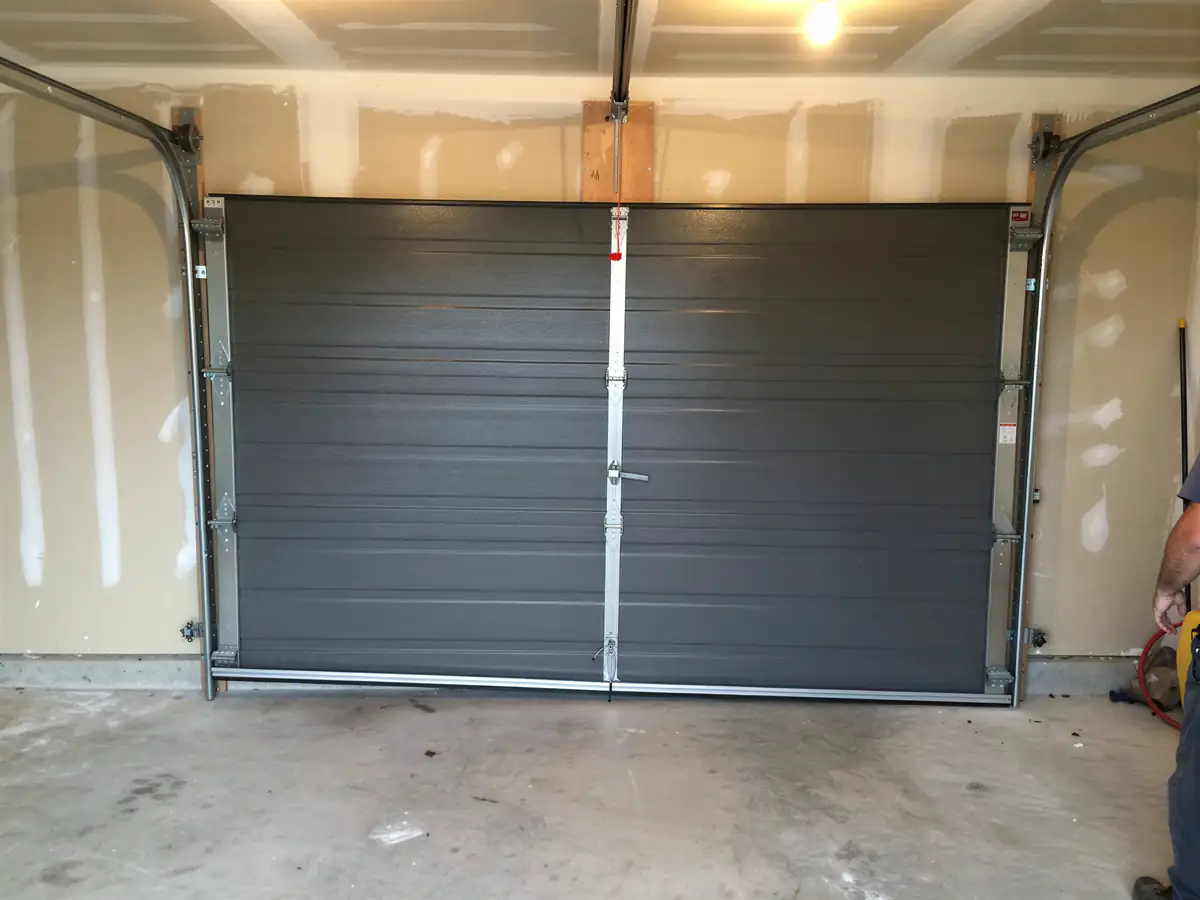
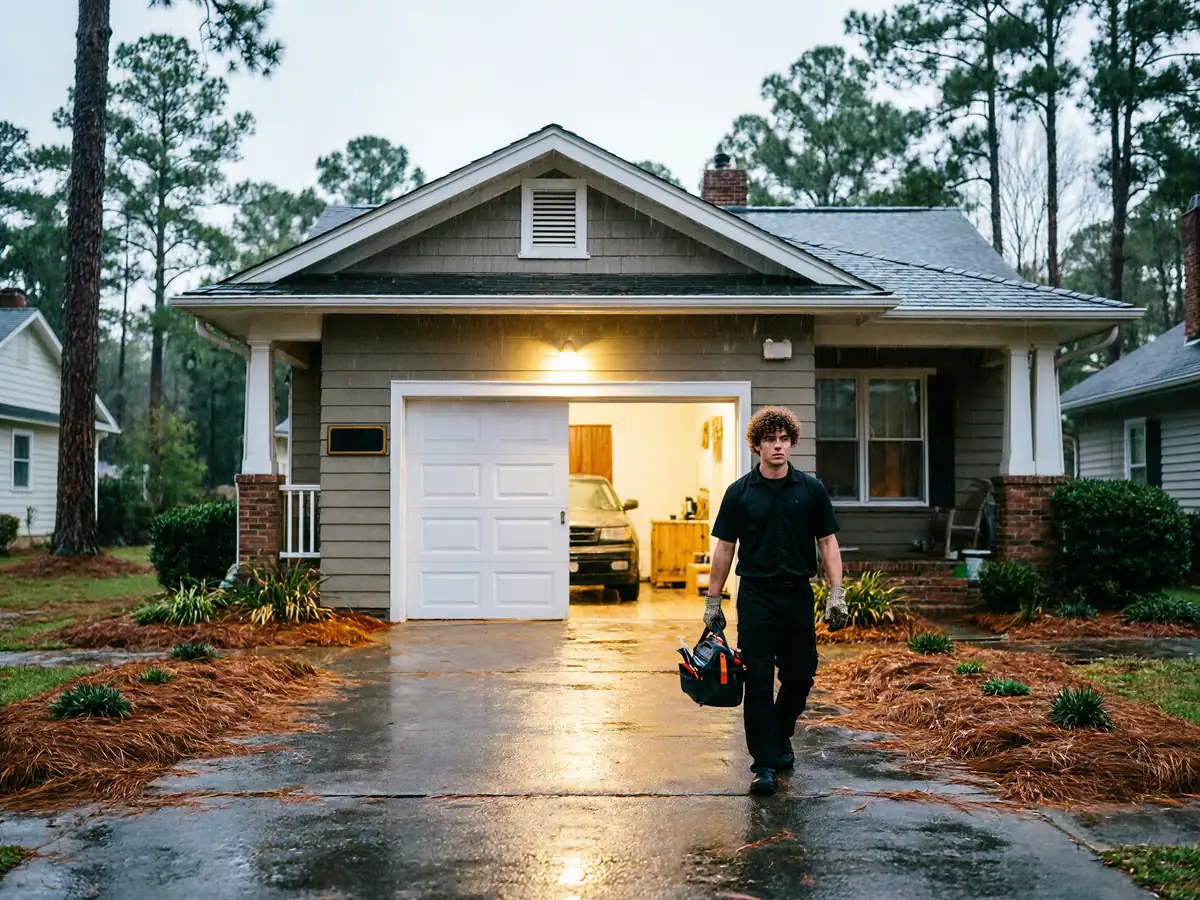
Holly Springs built out later than most of the towns around it - the median home here dates to 2007, newer than the 1964-2007 spread across the wider service area, where the typical house is closer to 1992. That later build date matters for openers because it tells you what's actually bolted to the ceiling: a steel sectional door matched to a chain or belt drive unit from the mid-2000s, not the older screw-drive or lighter-duty units that show up in the 1980s-90s stock common elsewhere in the area.
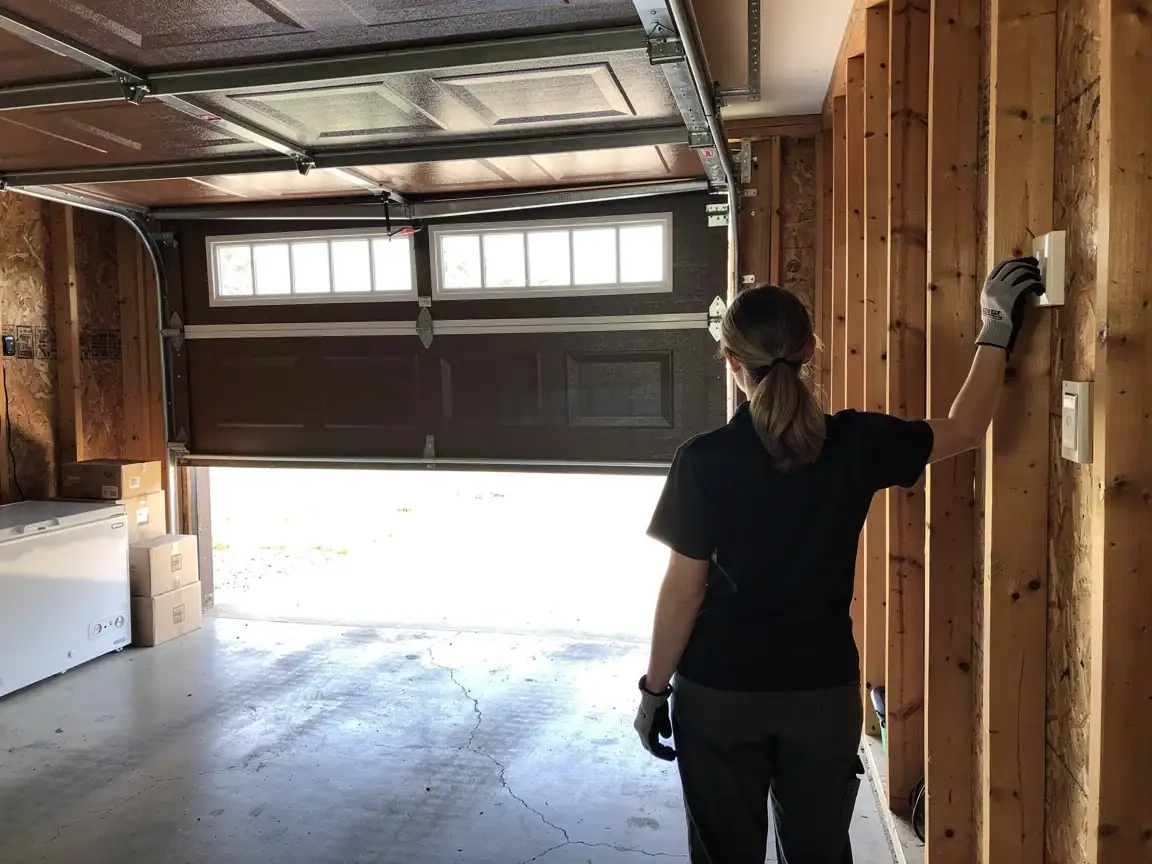
In a house this age, the first sign of trouble usually isn't the door itself - it's the opener's logic board. You'll see a unit that runs the motor but won't respond to the remote, or one that reverses on its own halfway down with nothing blocking the sensors. Those symptoms line up with boards and capacitors reaching the end of a normal service life, which for a 2000s-era unit means now. A door that looks fine and moves fine on manual release, but won't take a signal, points straight at the opener, not the track or springs.
What Can Go Wrong
The honest limitation first: if your opener is a model that's been out of production long enough, we may not be able to get the exact logic board, and a repair that should take an hour turns into a full unit swap because the part doesn't exist anymore. That's more common on openers from the early-to-mid 2000s than on anything newer, and it's worth knowing before you book a repair expecting a quick board fix.
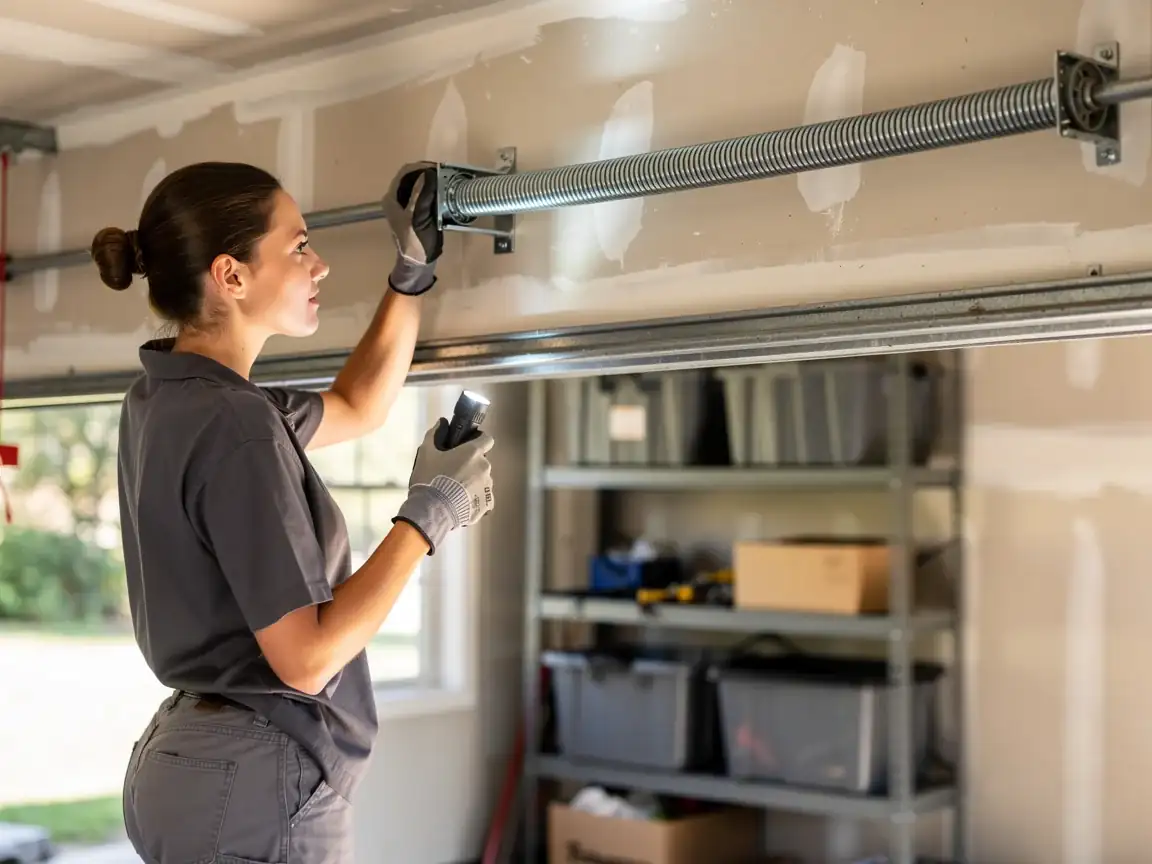
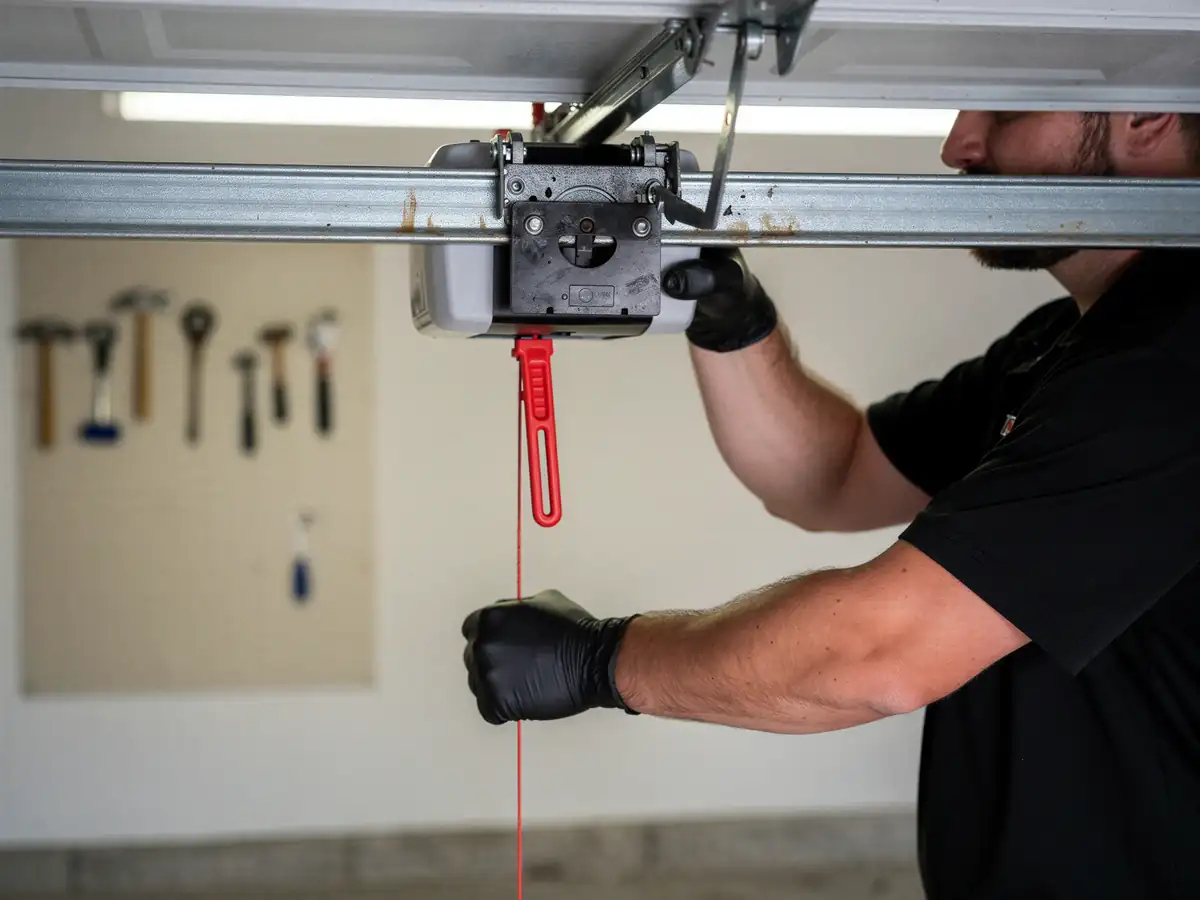
Beyond that, the usual faults on a house this age are a stripped drive gear inside the unit (plastic gears wear out around the 15-20 year mark regardless of the door), failed photo-eye sensors that throw false reversals, and remotes or keypads that stop syncing when the board's memory starts to go. None of these are spring or cable problems - they sit entirely in the opener housing, which is why we check the unit itself before touching anything on the track.
Time on the Job
A sensor realignment or remote reprogram is a short visit. Swapping a logic board or a drive gear runs longer, since we have to pull the opener housing down, test the motor and rail separately from the control electronics, and confirm the new part actually resolves the symptom before we close it up. If the unit needs full replacement rather than a board, that's the longest version of the job, since it includes remounting the rail and setting travel limits and force settings from scratch rather than just restoring an existing setup.