How It Shows Up
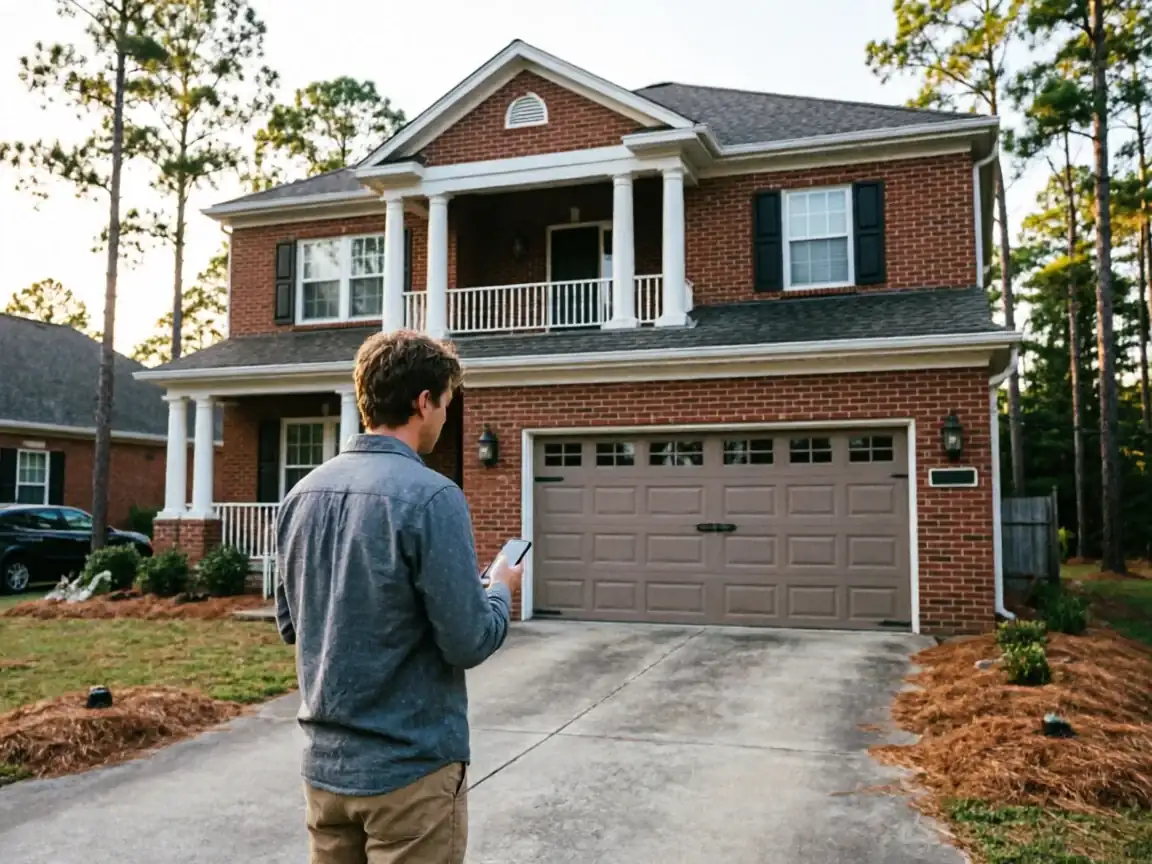
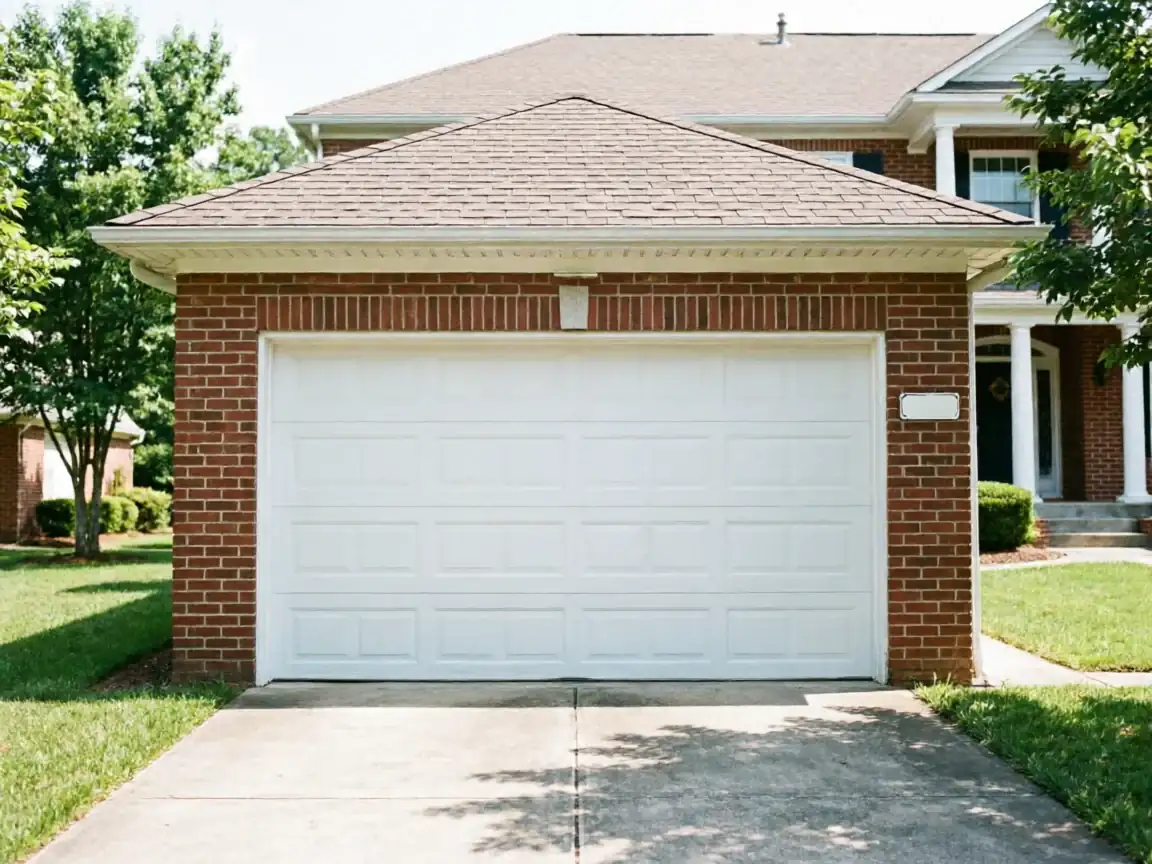
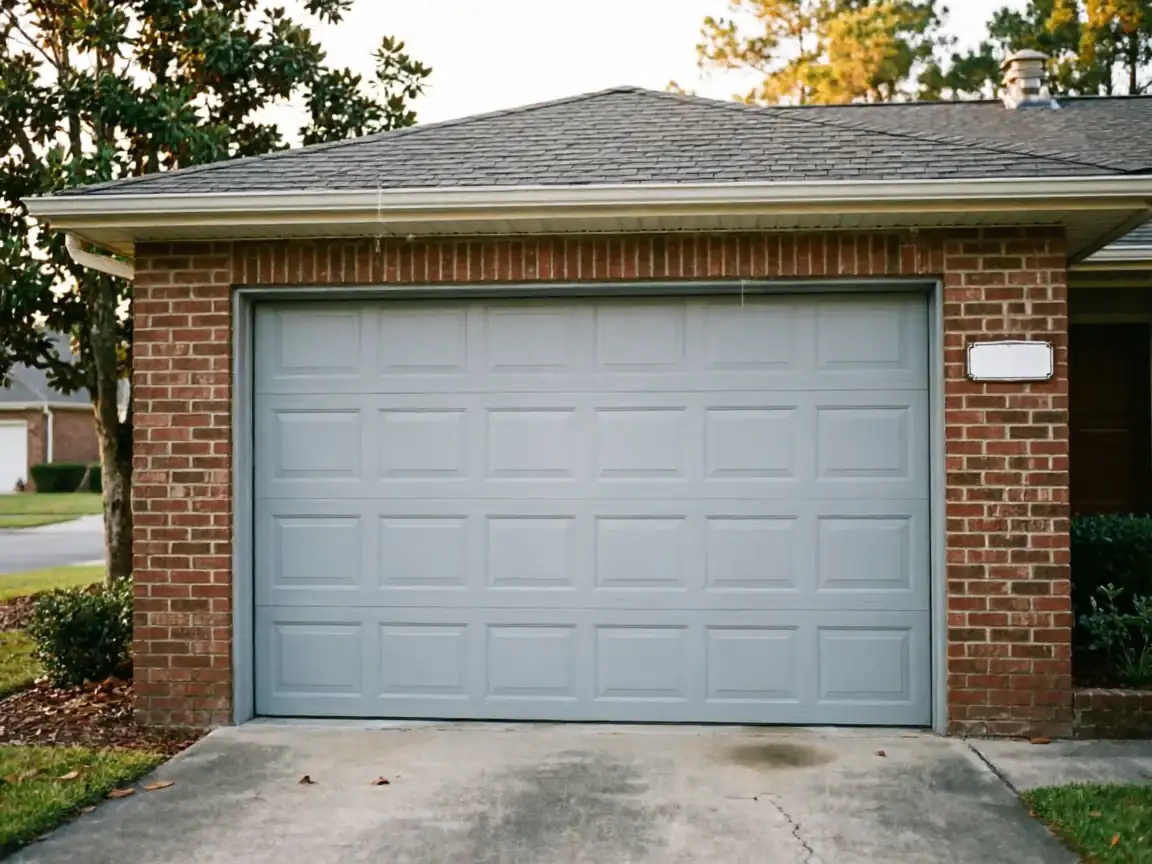
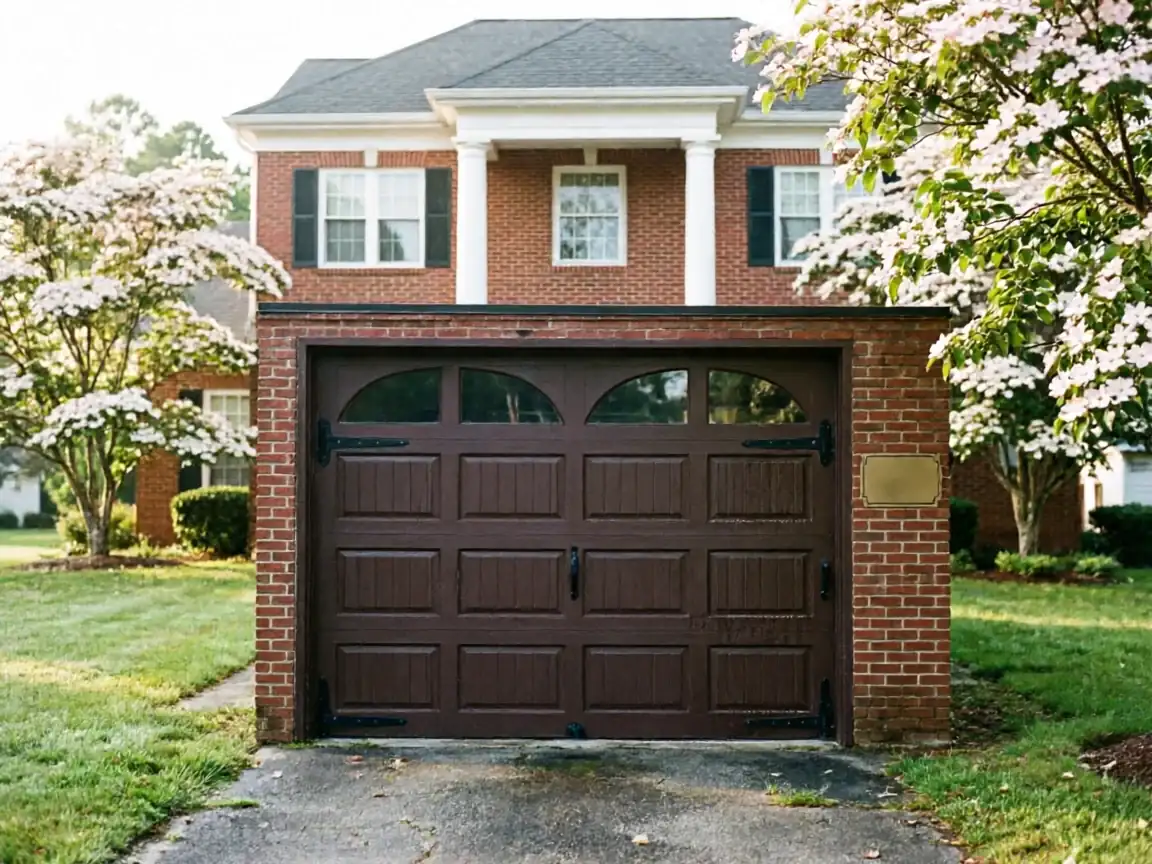
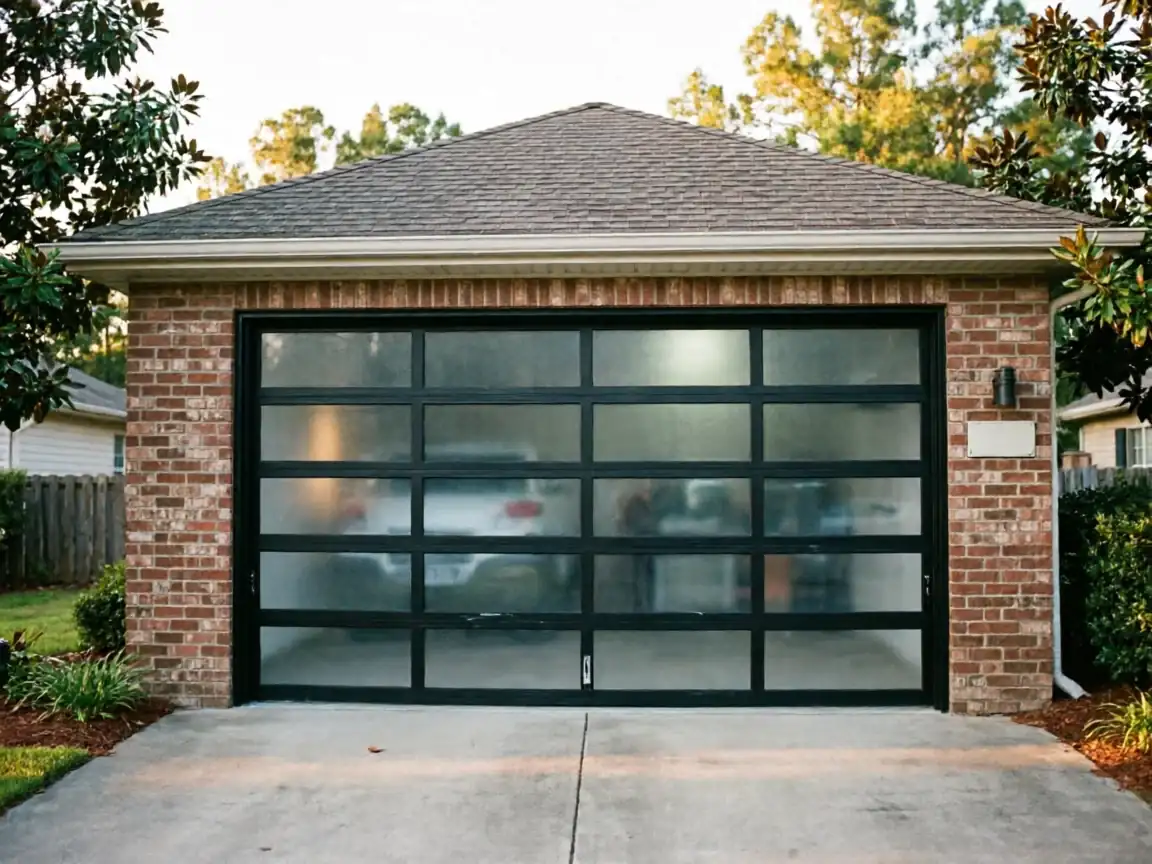
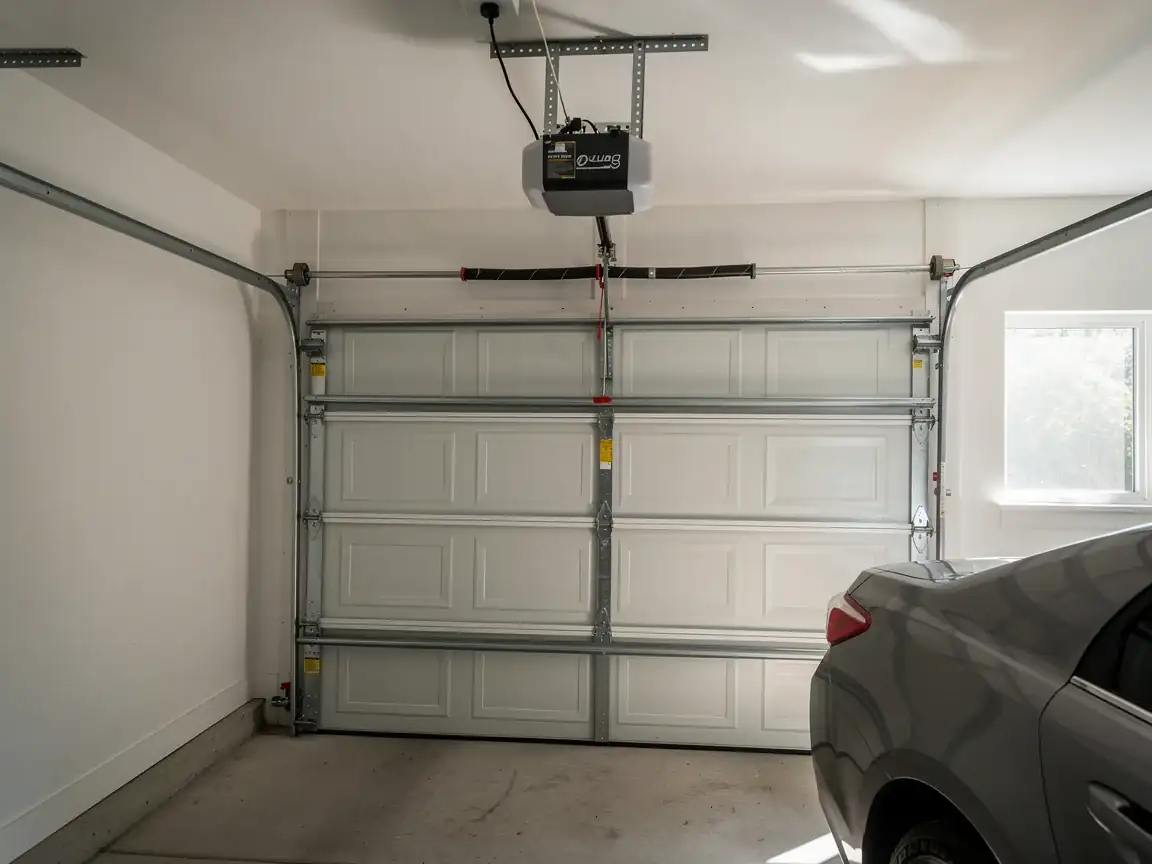
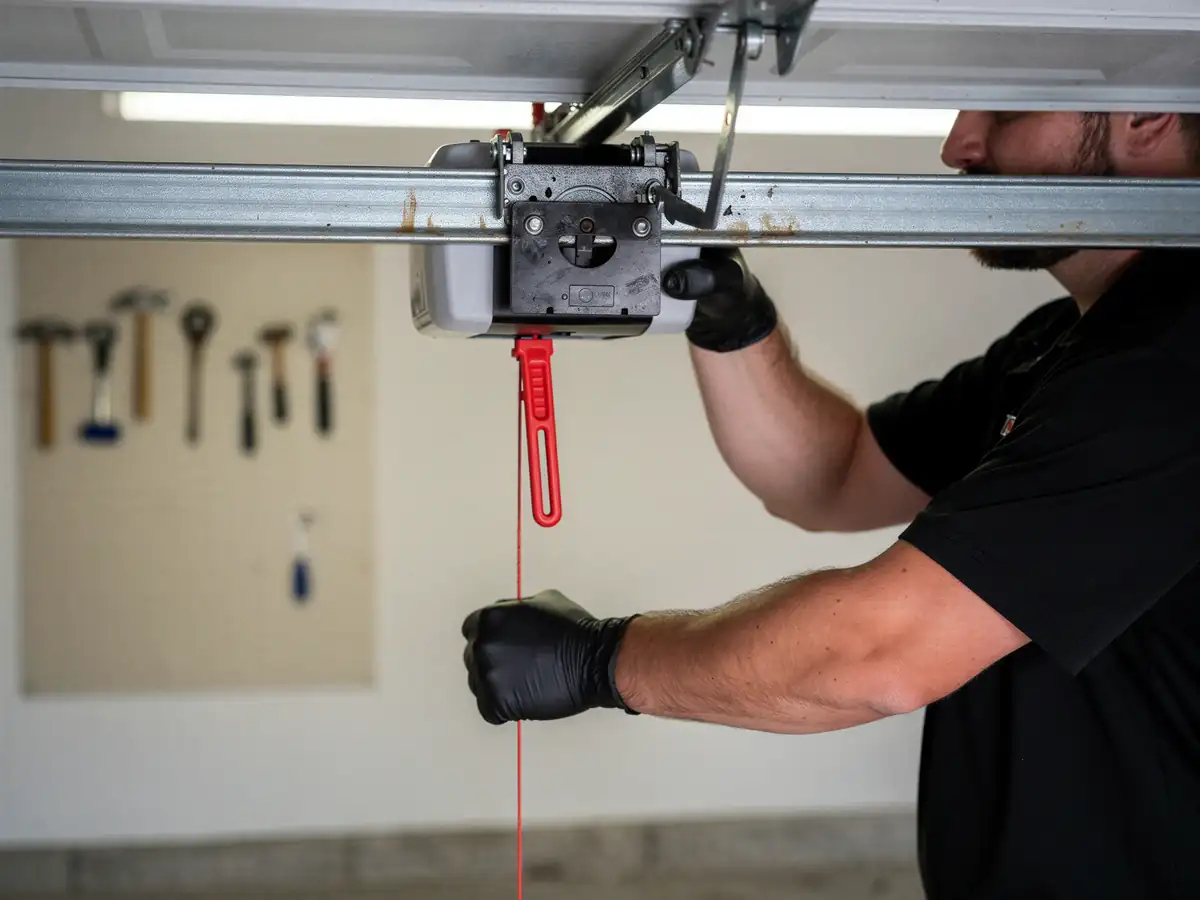
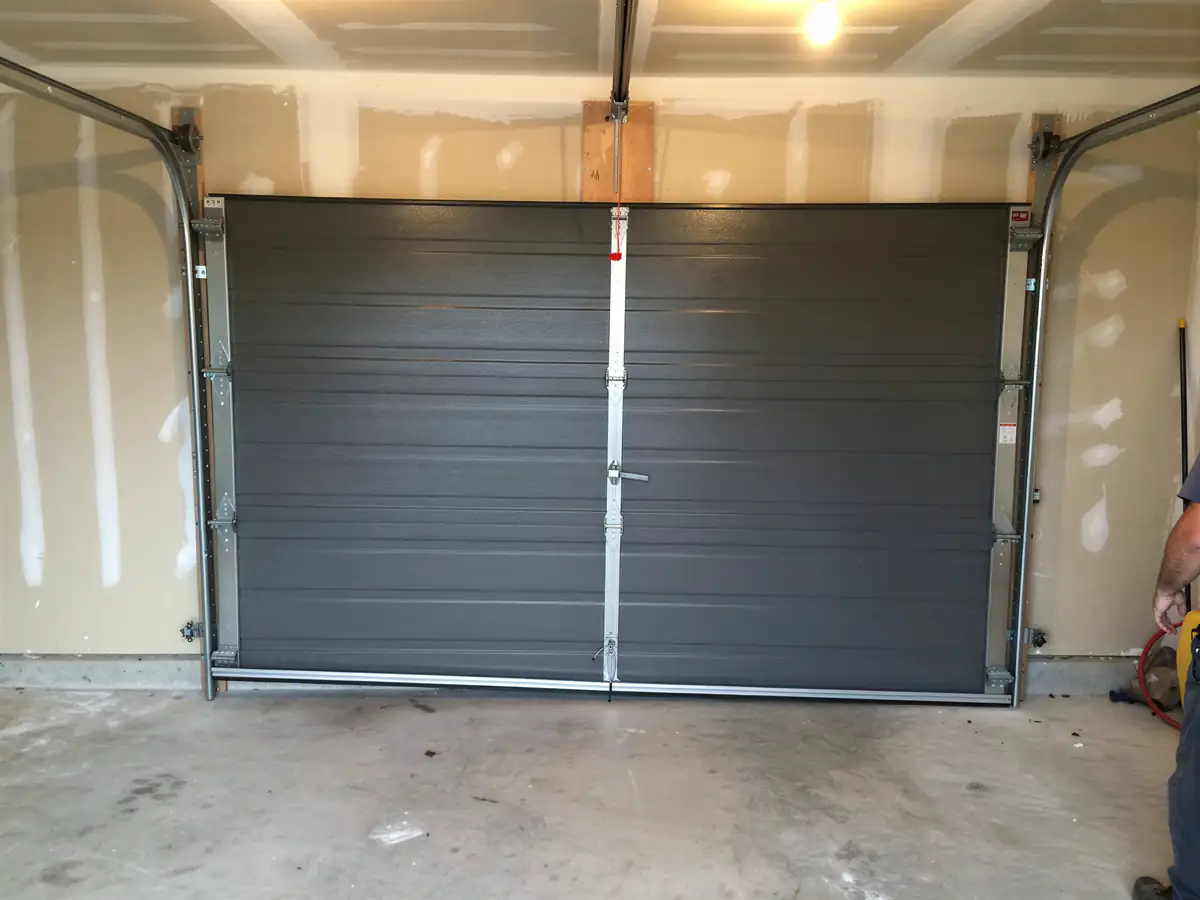
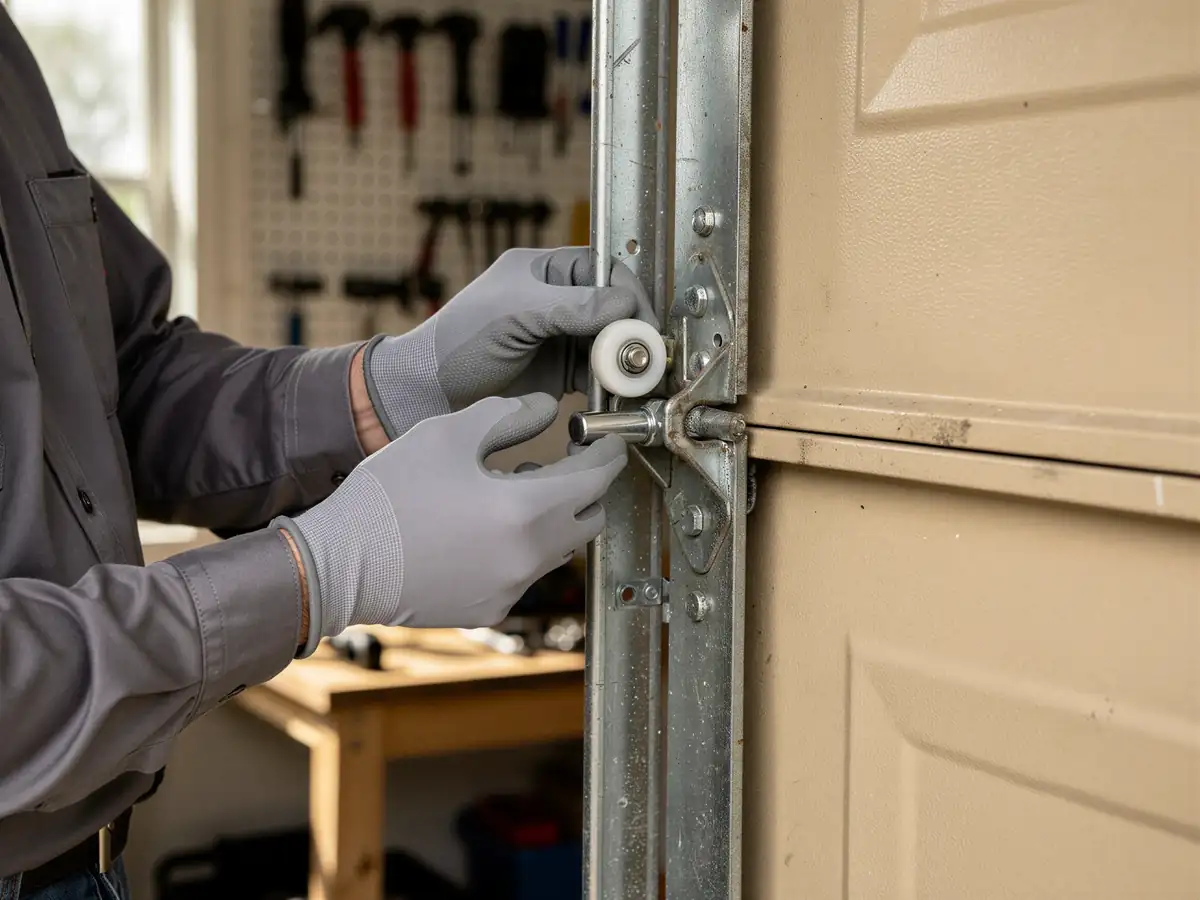
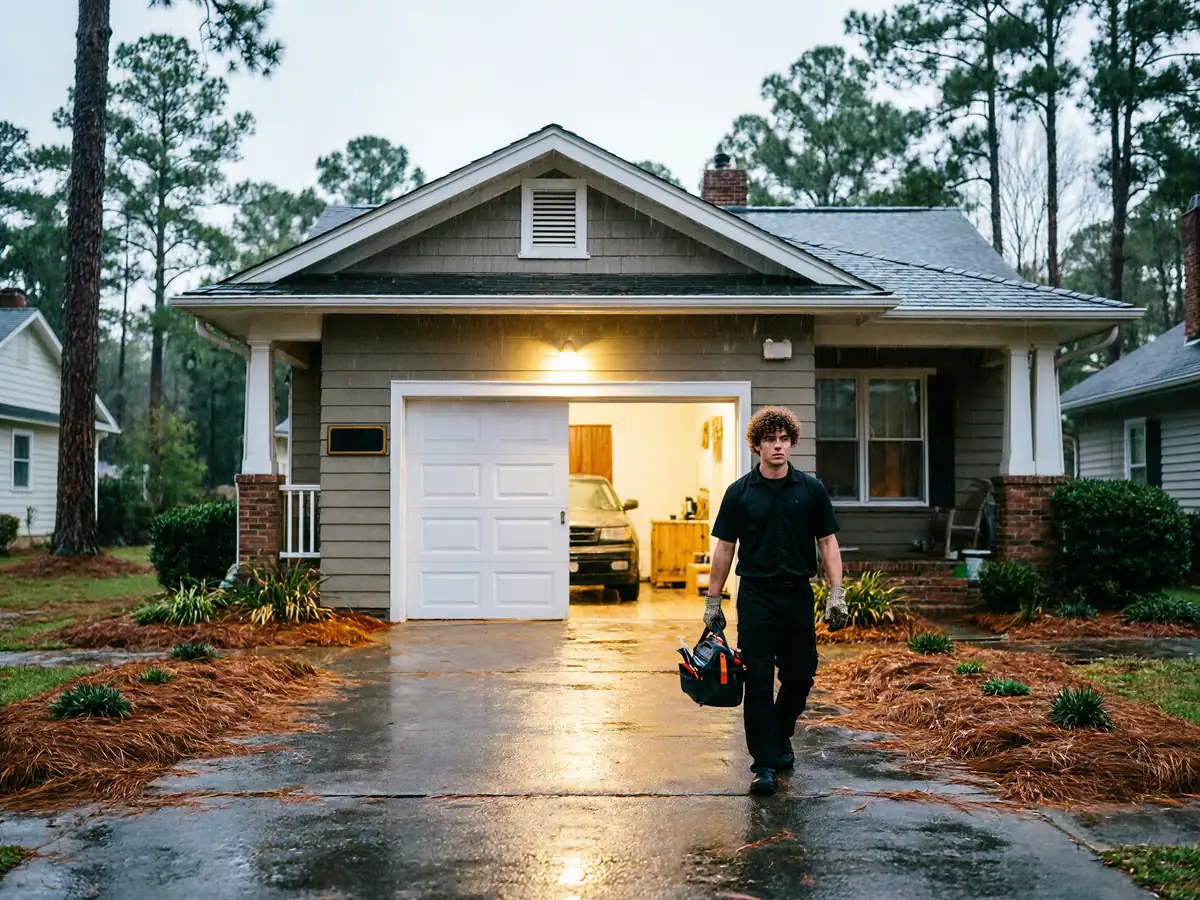
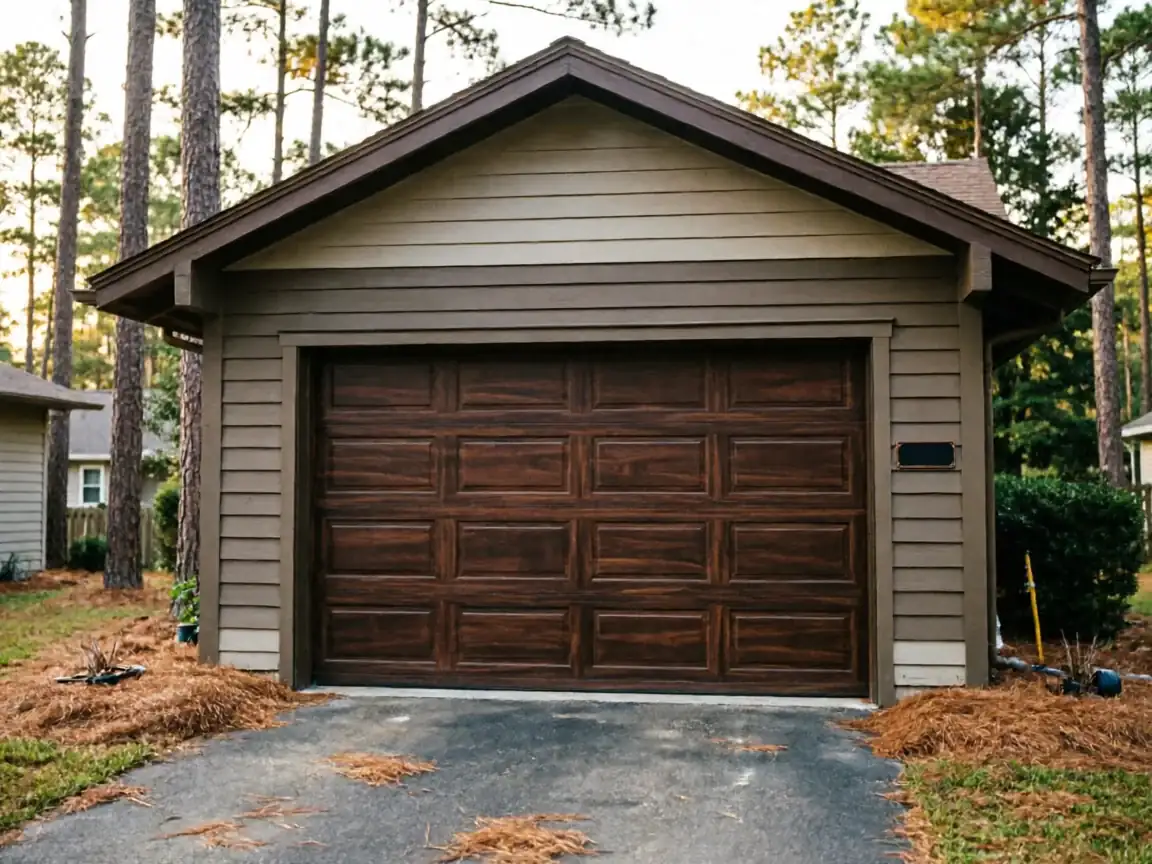
Holly Springs' median household income sits at $111,224, well above the wider service area's $90,626, and the housing stock reflects it: the median year built here is 2007, newer than almost anywhere else we cover. That combination changes what we see on a call. Instead of worn one-piece doors on tired hardware, we're usually looking at a sectional steel door on a standard torsion spring setup, paired with a belt-drive or chain-drive opener that's maybe 15 to 20 years old at the oldest. The failures that show up here are the ones that come with newer construction done at volume during a building boom: openers with circuit boards that finally give out, cheaper rollers that were never meant to last two decades, and safety sensors that get bumped out of alignment by a stray bike or a parked car. It's less about age-related rot in the wood and more about parts simply reaching the end of their rated cycle count. We drive the 10 miles out from Milton for these calls regularly enough to know the pattern.
What Can Go Wrong
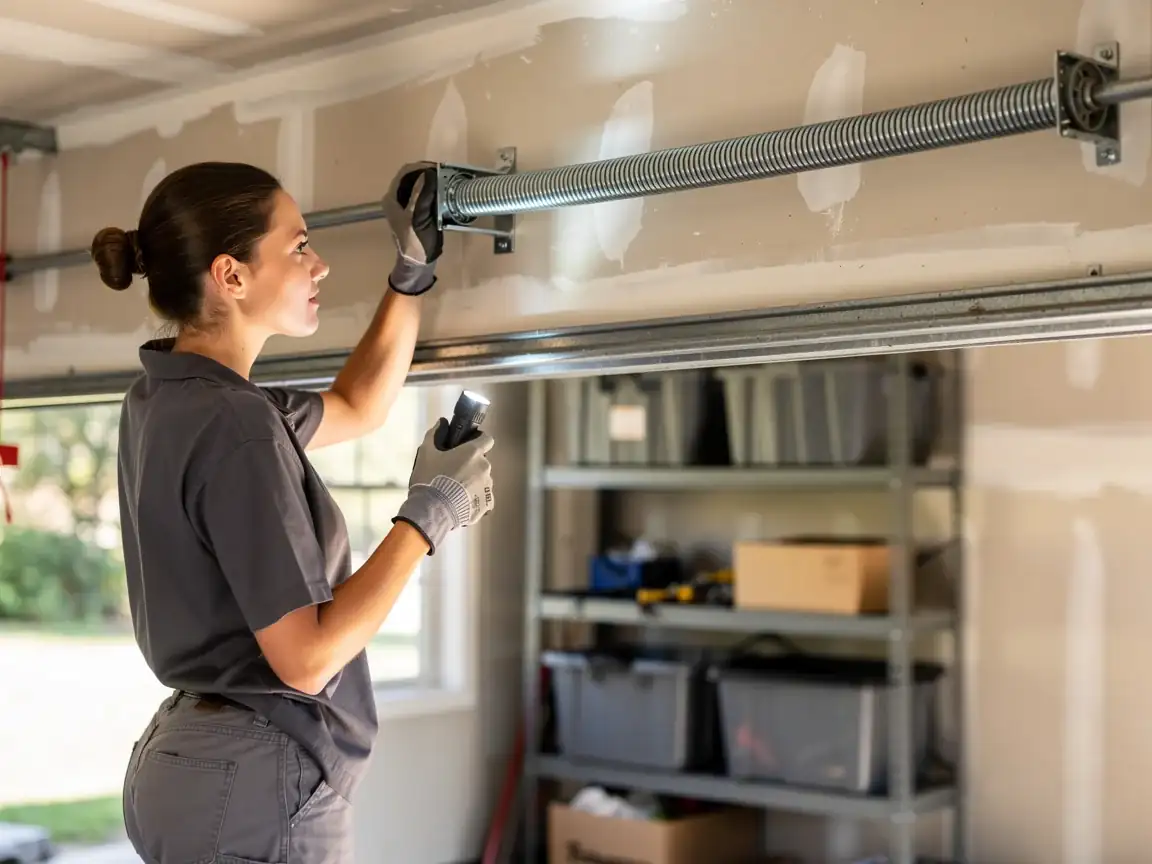
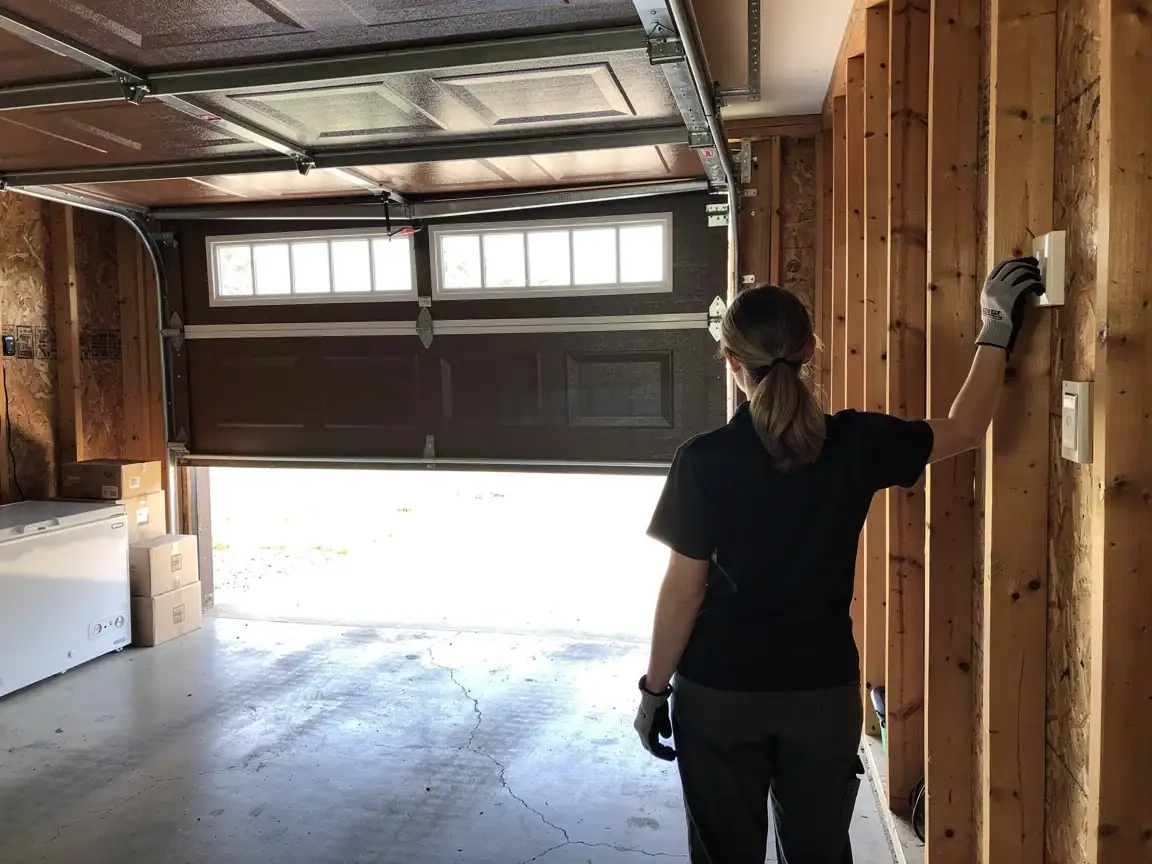
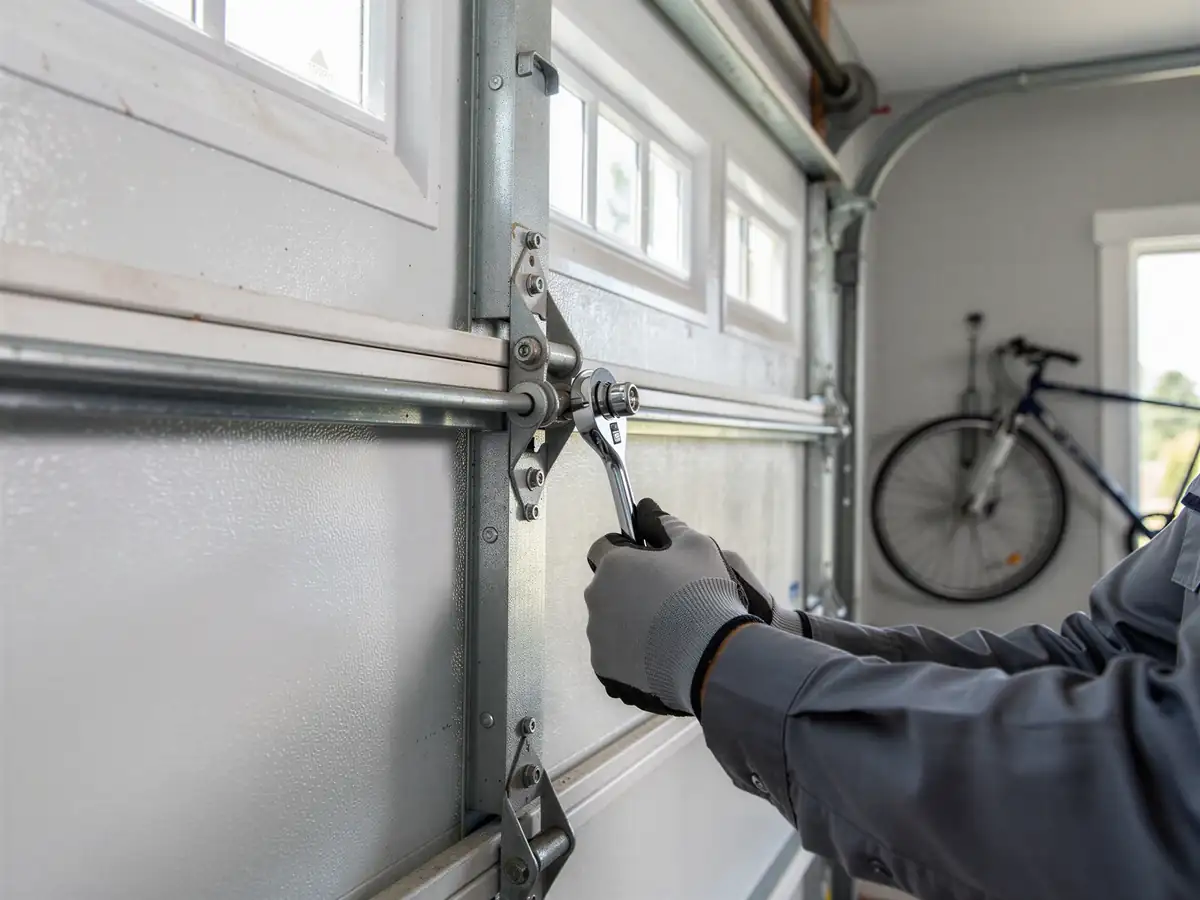
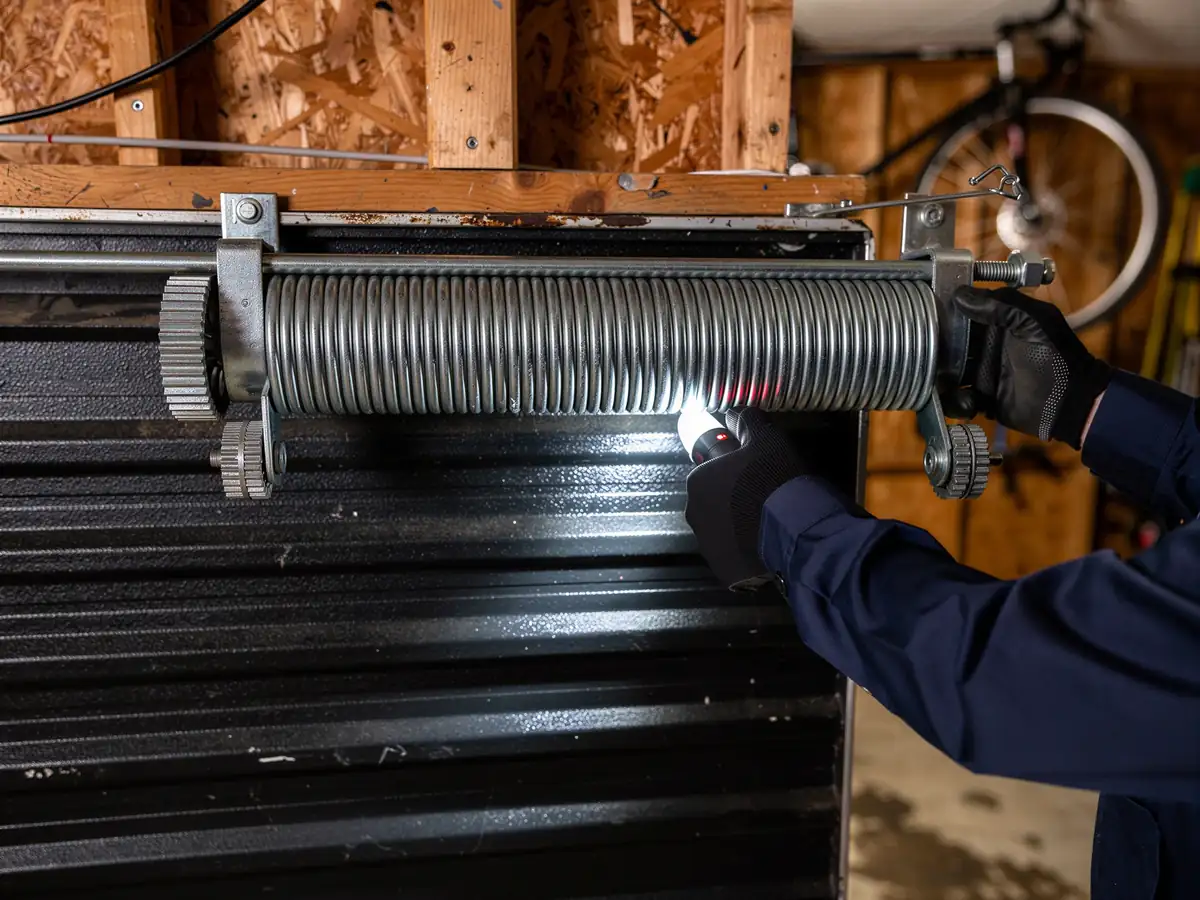
The newer stock here means fewer of the catastrophic old-spring failures we see on 1960s and 70s doors elsewhere in the service area, but it's not trouble-free. Openers manufactured in the 2000s and early 2010s are hitting an age where capacitors and logic boards fail without warning - the door just stops responding to the remote or wall button. We also see a fair number of broken extension springs on older garages that predate 2007 construction mixed into the same neighborhoods, plus cable fraying on doors that get heavy daily use with two cars in and out. Misaligned safety sensors are common enough that it's often the first thing we check on a