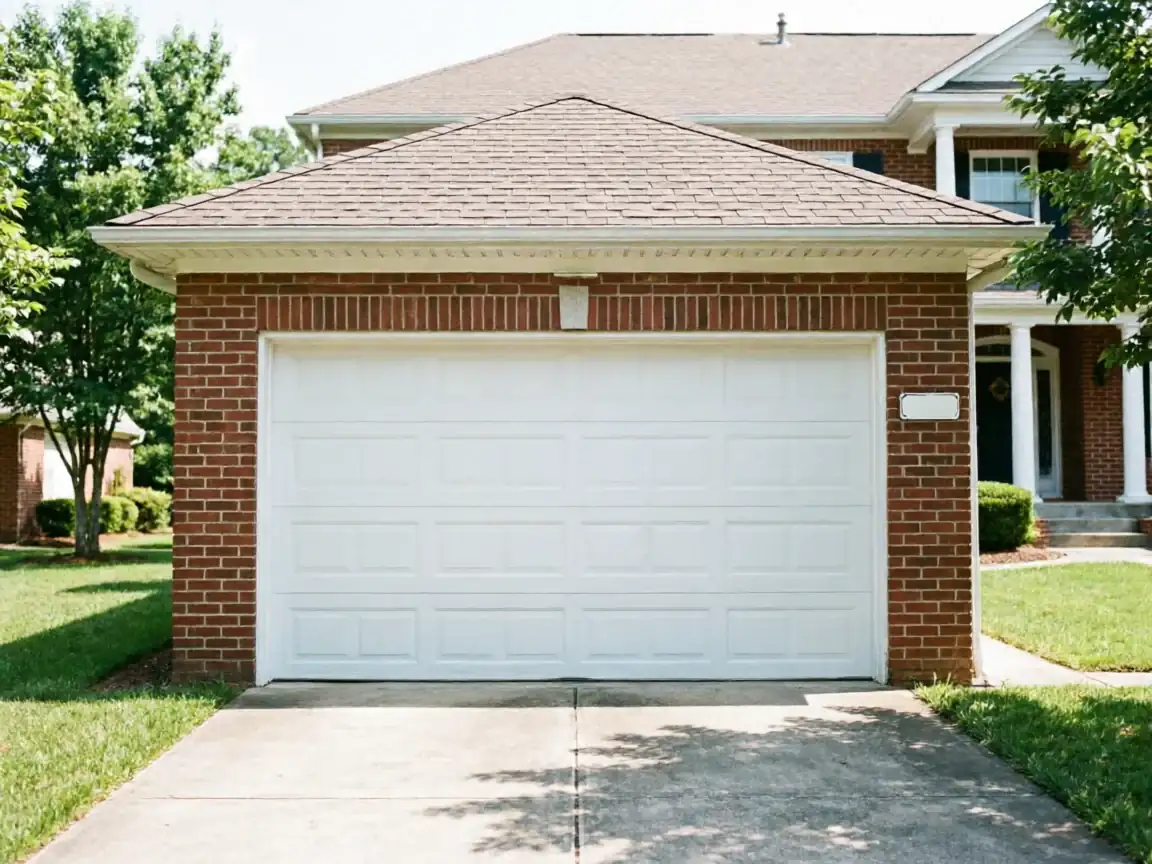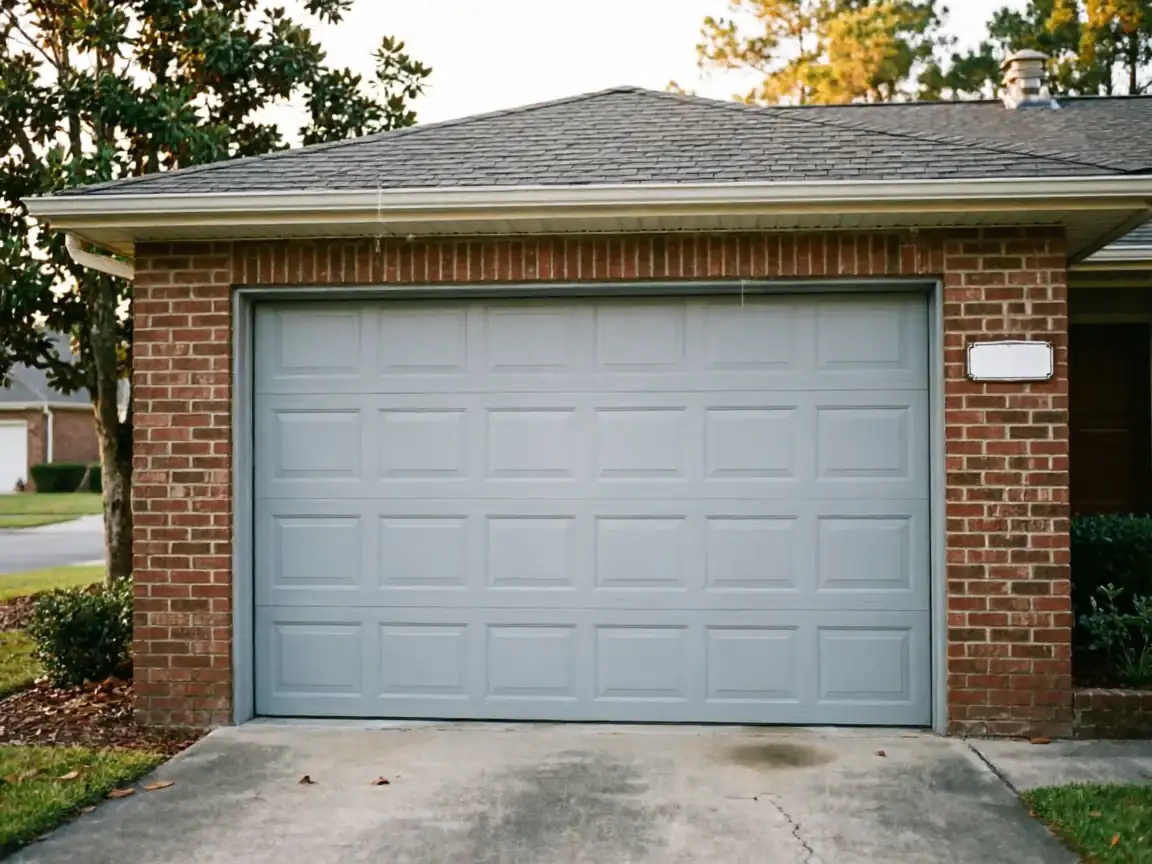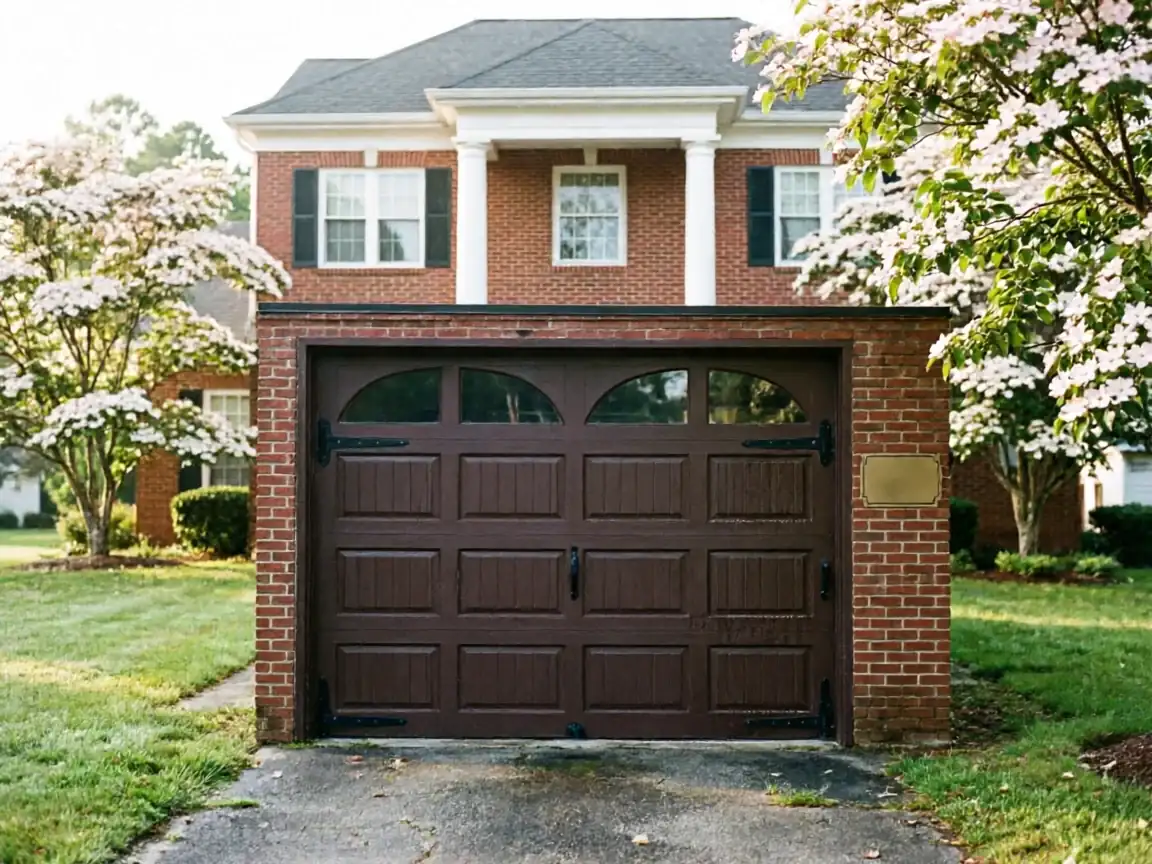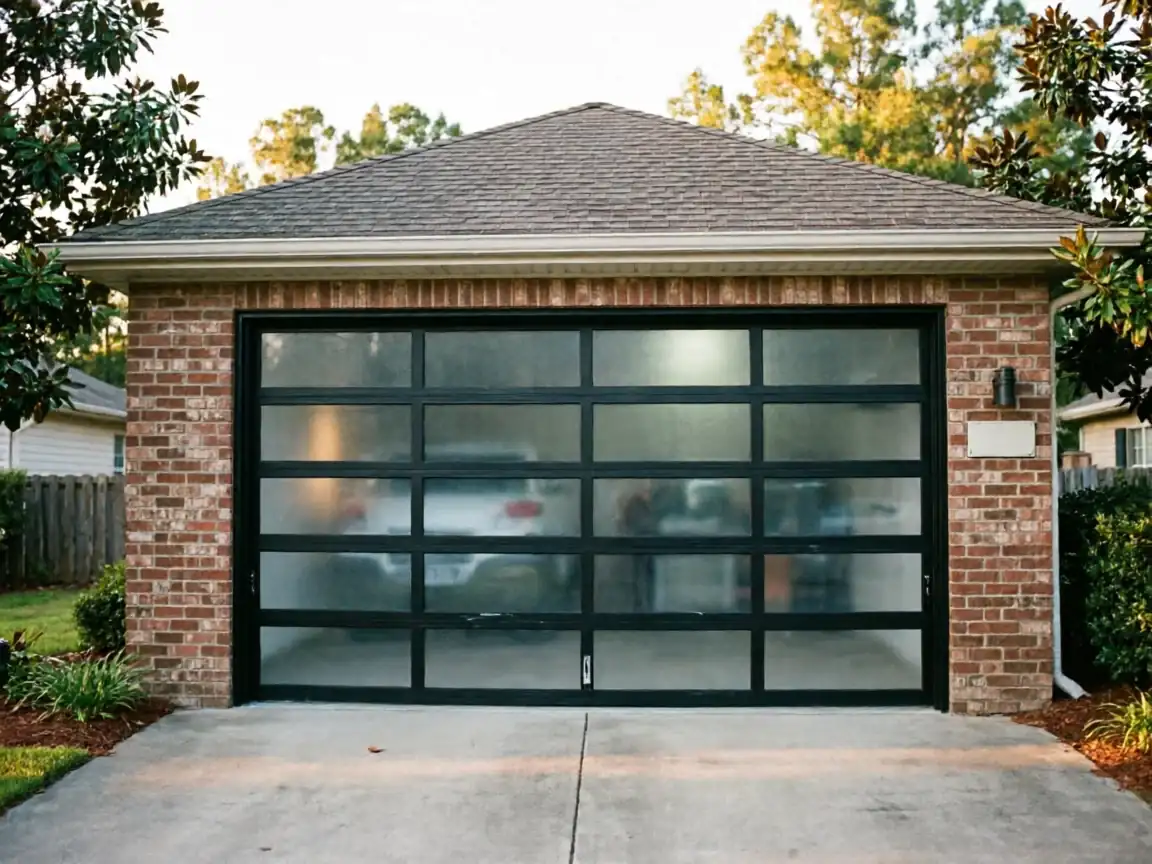
What the Fix Involves
Sugar Hill sits 16 miles from our shop in Milton, which puts it on the far edge of what we'll drive same-day for a roller job rather than bundle with another call in the area. That distance matters less for the repair itself than for scheduling - we try to stack Sugar Hill visits together when we can, so don't be surprised if we ask what day works best rather than promising an hour window.
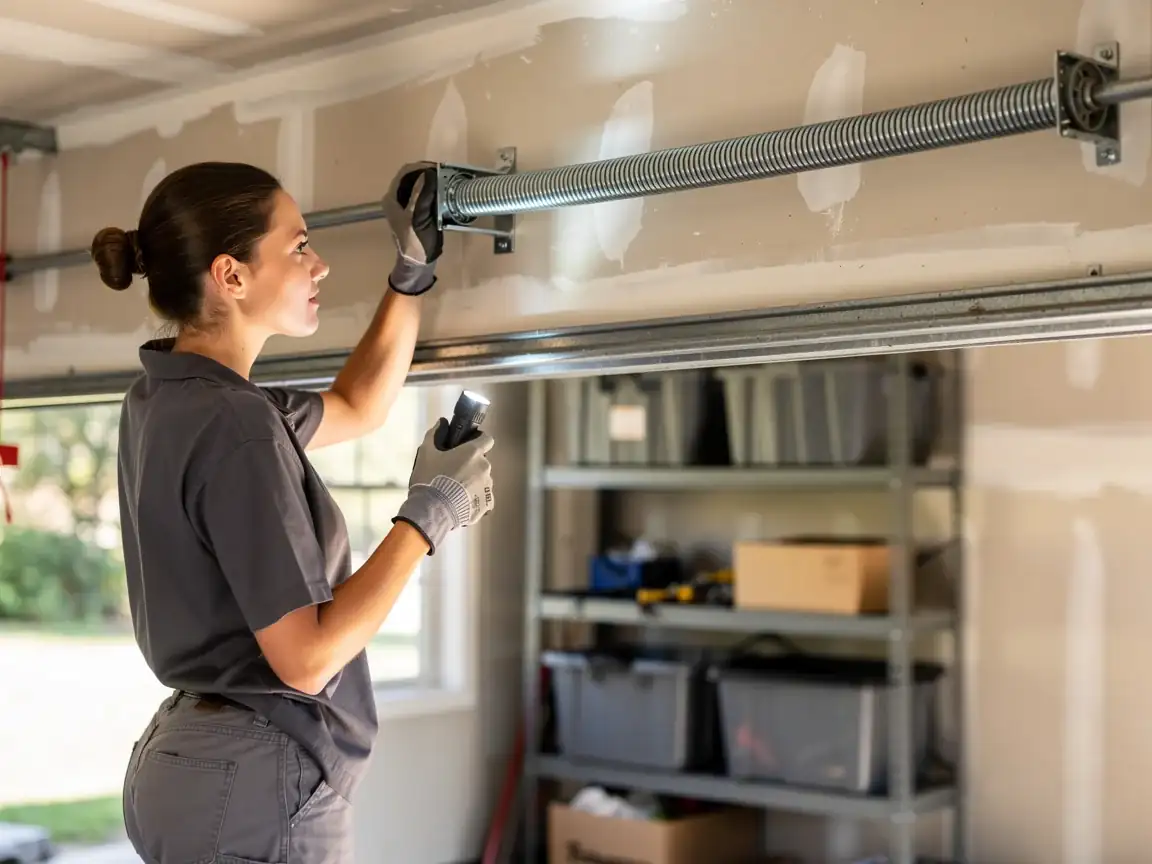
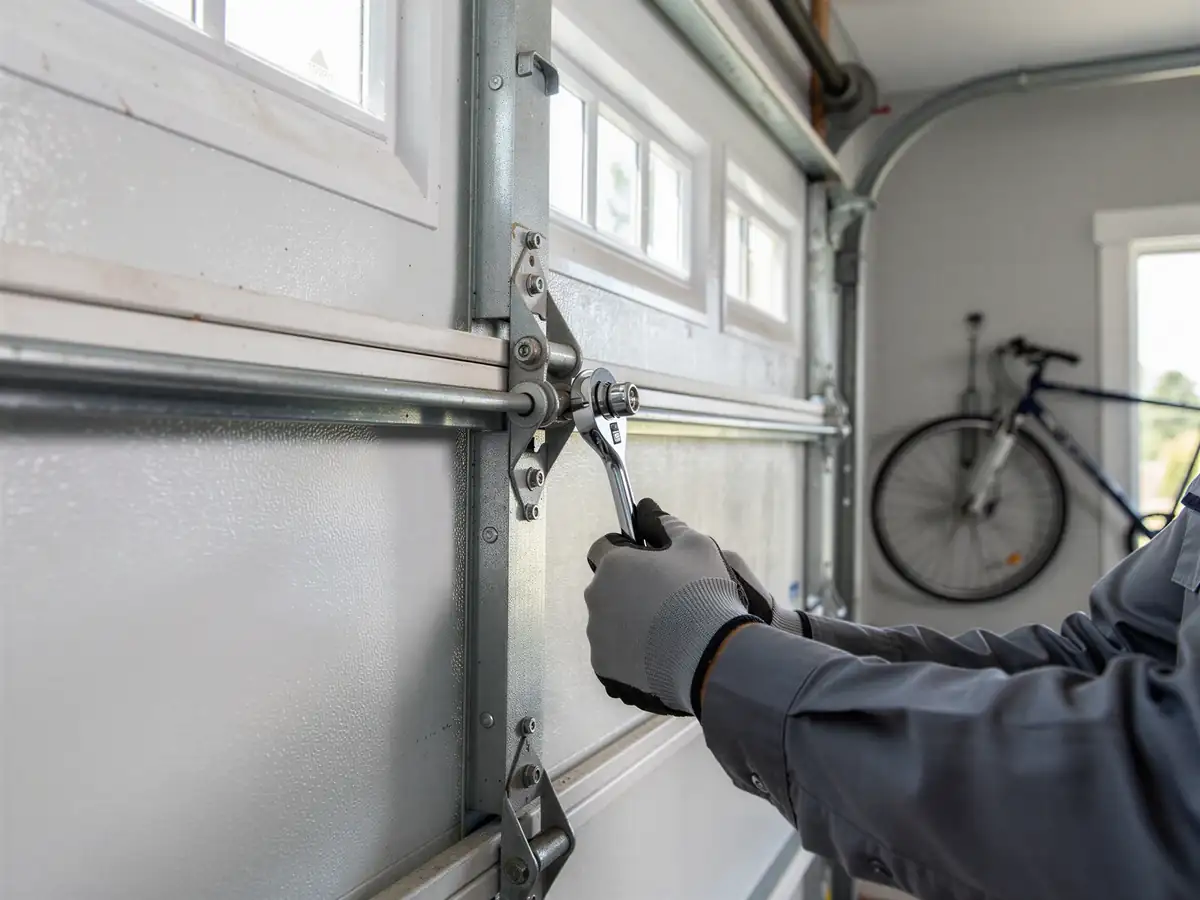
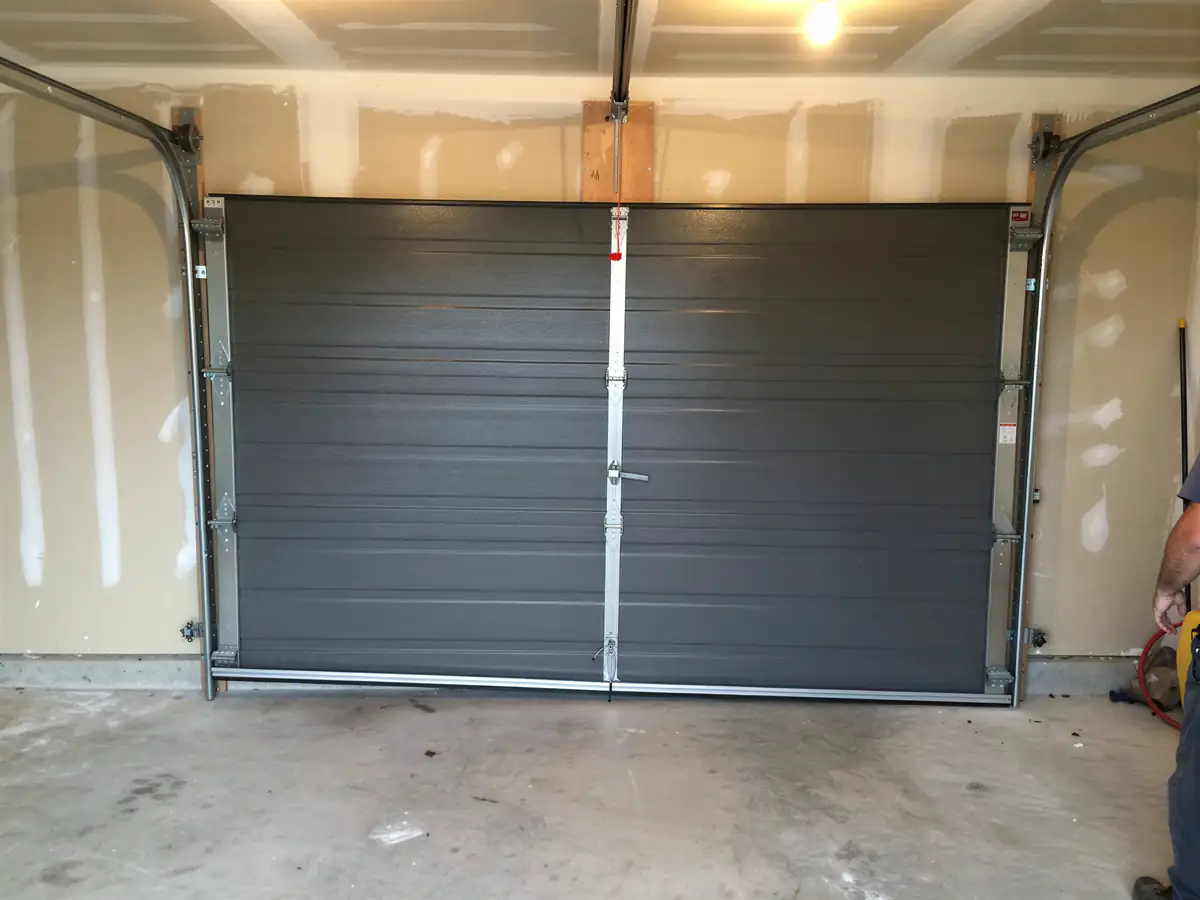
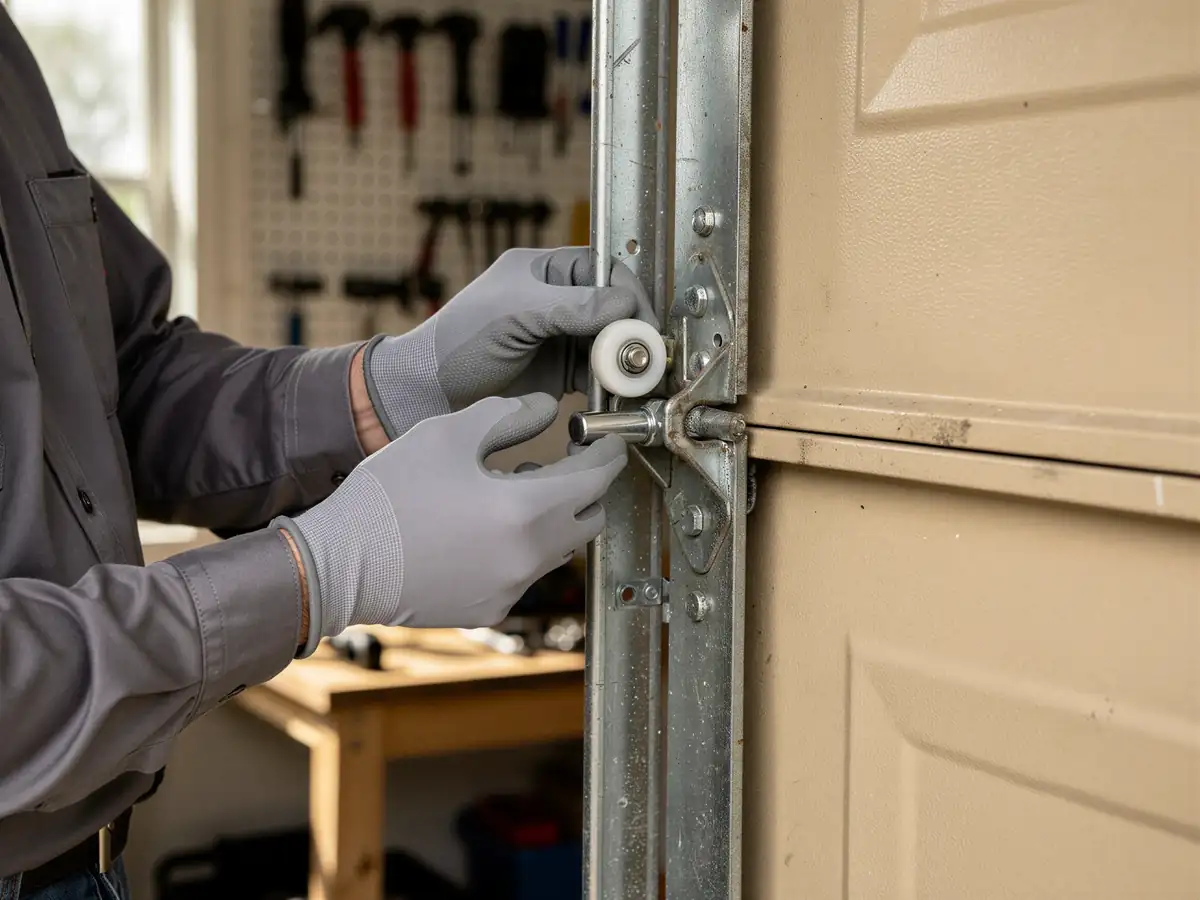
The job itself is straightforward once we're on site. We pull the old rollers out of the track one at a time, working around the spring tension rather than releasing it, since a full roller swap doesn't require touching the spring on most setups. Each roller gets checked against the stem and the bracket it rides in - if the bracket's bent or the track's out of plumb, that gets addressed too, because a new roller in a bad track just wears out again. Most doors here take 10 rollers; we replace them as a full set rather than one or two, since the ones that look fine today are usually a season behind the ones that already failed.
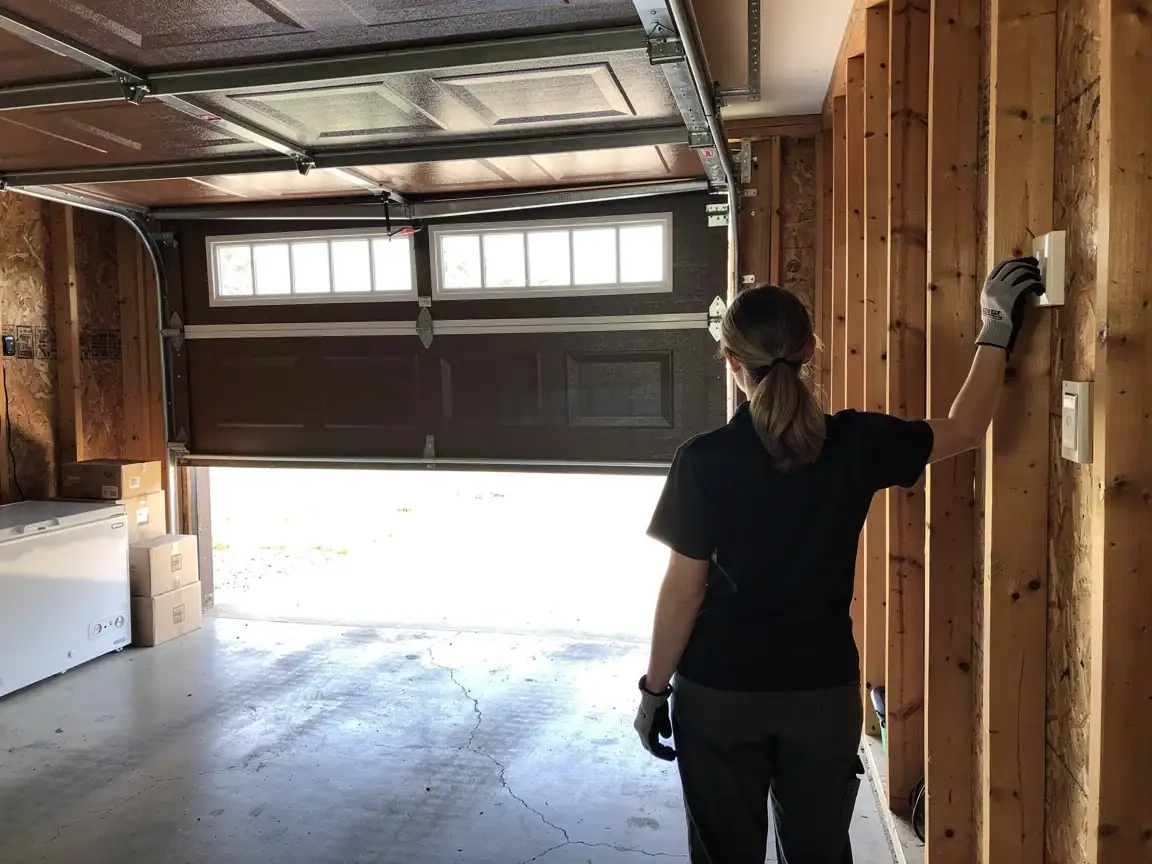
One limitation worth saying up front: if the track itself is bowed or the door's been dragging long enough to chew up the bottom bracket, roller replacement alone won't fix the noise. That's a bigger job, and we'll tell you honestly if that's what we're looking at before we start swapping parts.
What You Pay
We don't have a posted price for this job to quote you here
And giving you a number without seeing the door would be a guess, not a quote. What we can tell you is what drives the cost: whether the rollers are steel or nylon, whether the stems are the same length as what's currently in the track, and whether we find bent brackets or hardware that needs more than a roller swap once we're under the door.
Sugar Hill's median household income runs higher than the service area average
And we mention that only because it tends to track with homeowners choosing nylon rollers over steel when given the option - nylon runs quieter and doesn't need the periodic lubrication steel rollers do, but it costs more per roller. We'll give you both options on site and let you pick, rather than defaulting to whichever is cheaper for us to stock.
How It Shows Up
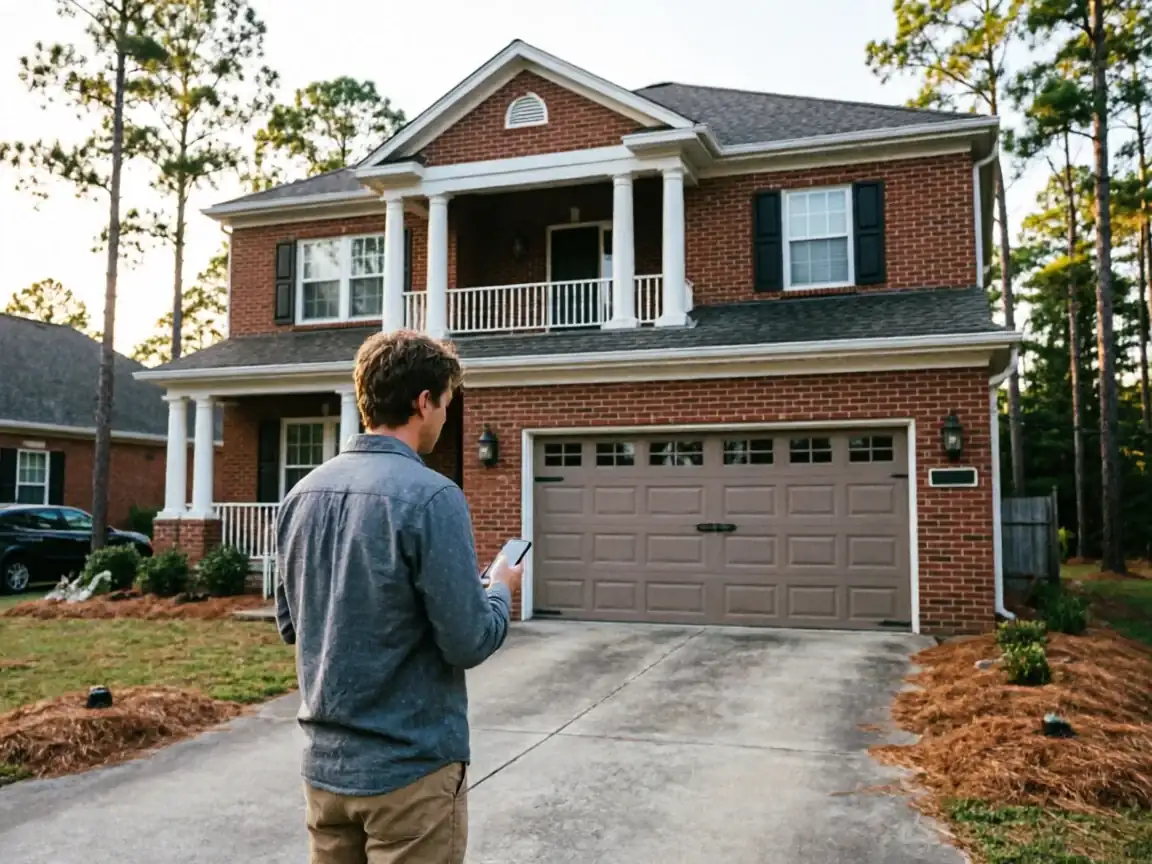
Sugar Hill's housing stock skews newer than a lot of the area we cover - plenty of doors here went up around 2002, which means original rollers are now pushing two decades of use. That's past the point where steel rollers are quiet and past the point where nylon rollers stay round. The symptom is almost always noise first: a grinding or clunking as the door travels, worse at the top and bottom of the track where the roller works hardest against the curve.
Cold mornings make it worse here. This area sits in a moderate-cold climate band, and steel rollers that have lost their lubrication tend to bind up when the grease inside the bearing stiffens overnight. If your door sounds rough on the first open of the day and smooths out after a few cycles, that's often the roller bearings telling you they're done, not a spring or opener problem. We'd rather tell you that over the phone than have you pay for a diagnostic on a part we could've pointed you to without a truck roll.
Stocked Parts
We carry both 7-ball steel rollers and sealed nylon rollers on the truck in the stem lengths that fit doors built from the 1980s through the mid-2000s, which covers the bulk of what we run into out this way. Standard 4-inch stems are the most common fit for doors from Sugar Hill's era; we also carry a shorter stem for older low-headroom setups, though that's less common here than in parts of the service area with older housing stock.
What we don't stock is anything proprietary to a specific door manufacturer's current product line - if your door uses a roller the manufacturer only sells through its own dealer network, we'll tell you that up front rather than have you wait on a part we can't get quickly. For everything else, the rollers on the truck cover the job in one visit.