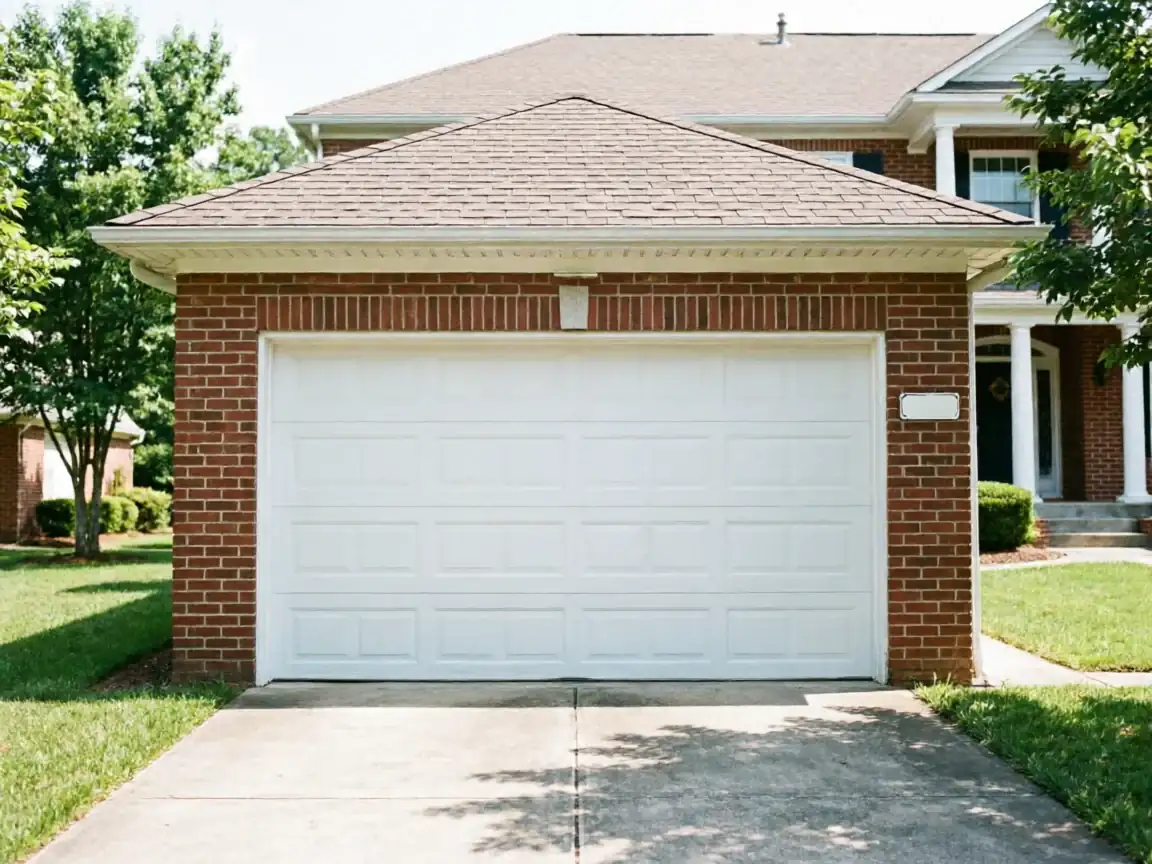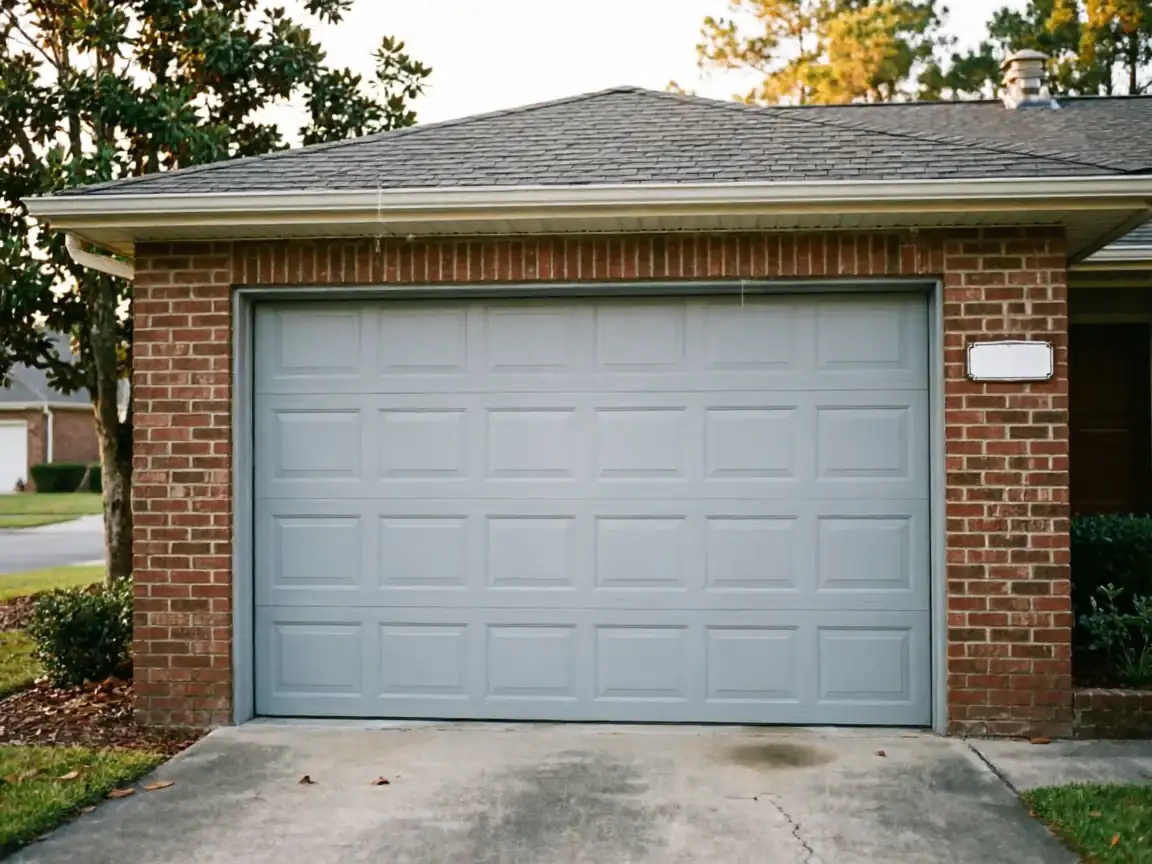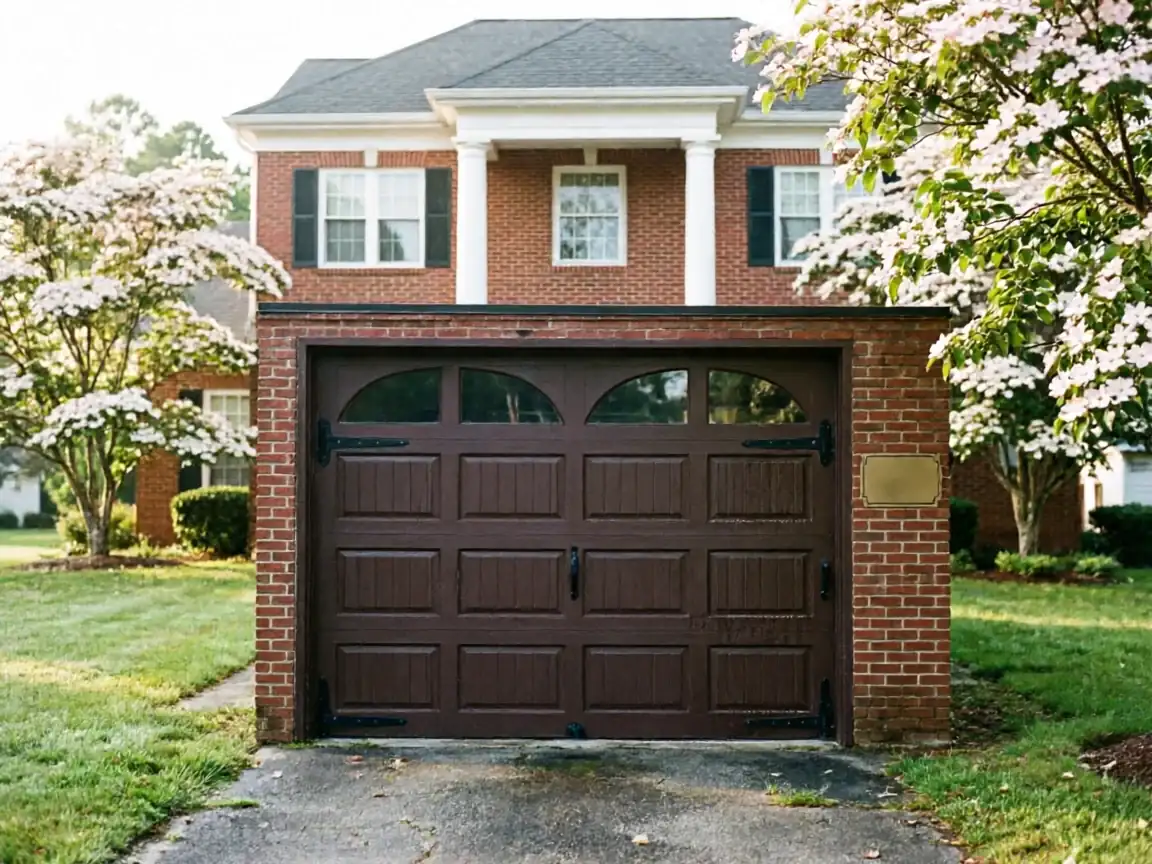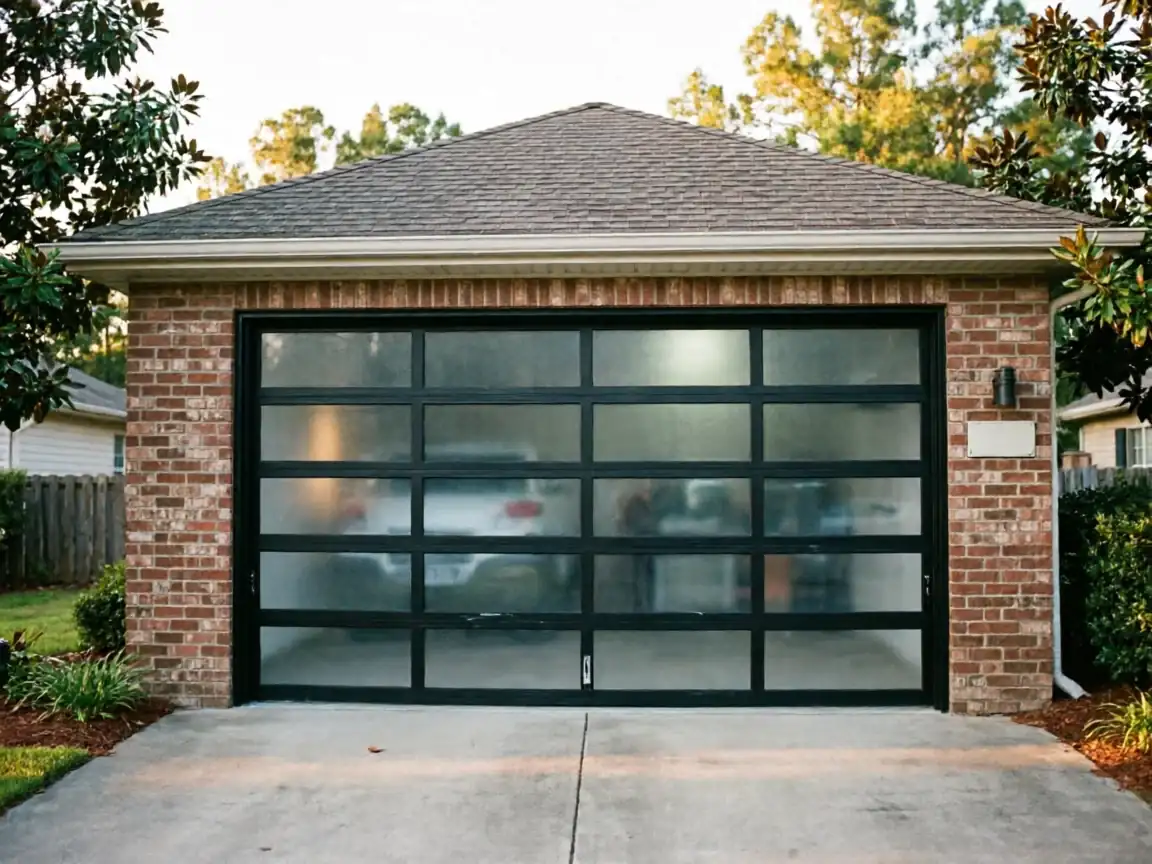
What the Fix Involves
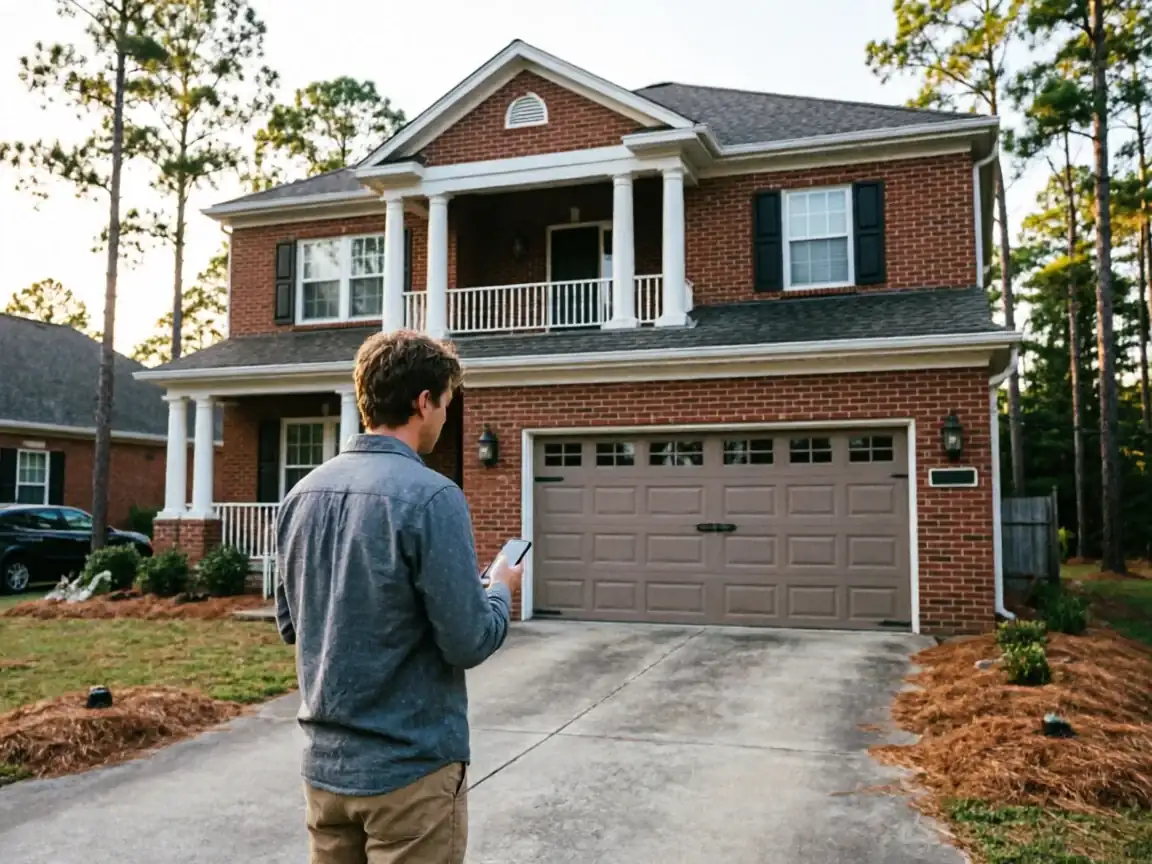
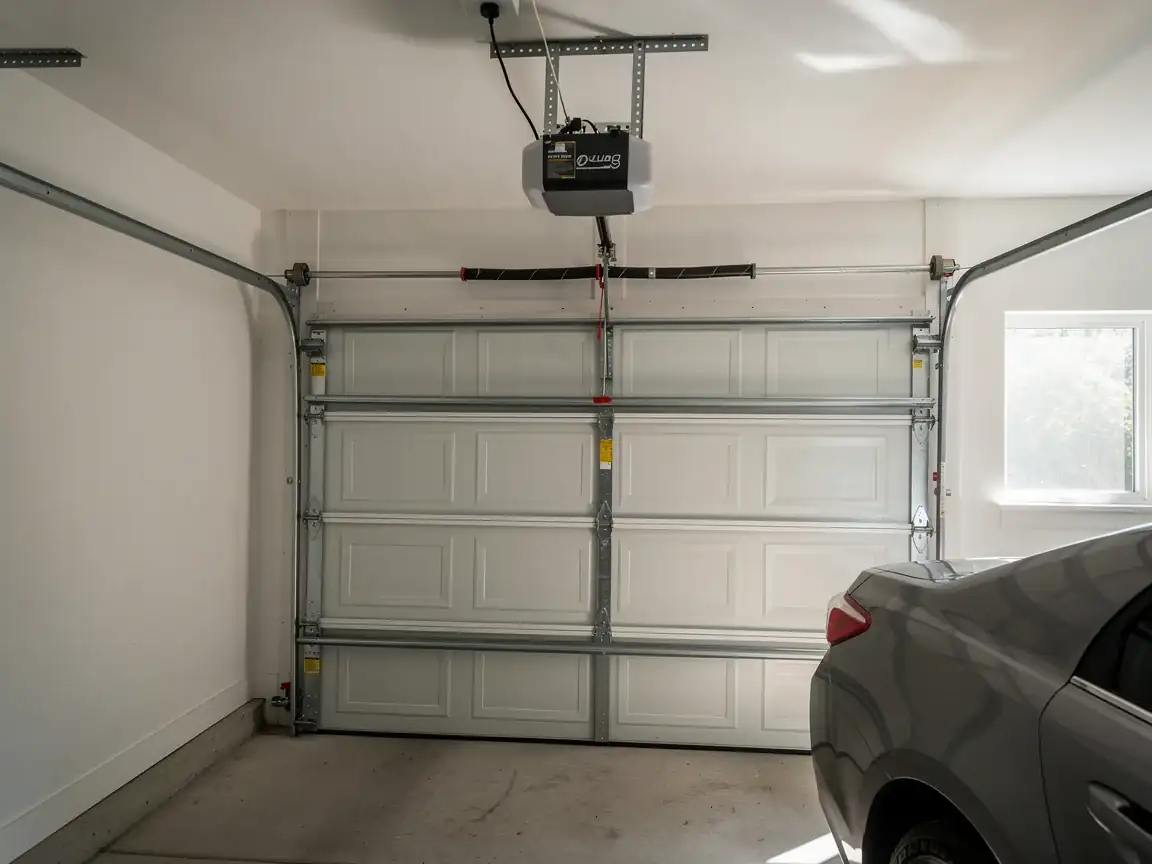
Most of what we see called in from Sugar Hill isn't a sudden break, it's a door that's simply run out its builder-grade life. Houses in this part of the service area went up mostly around 2002, and that means the garage doors and openers on a lot of them are original - the same steel panel door and the same chain-drive opener the builder put in, now pushing twenty-plus years of cycles. Torsion springs rated for that era's lighter door weights fatigue and let go. Steel skins that were never foam-insulated start to oil-can and flex in the wind.
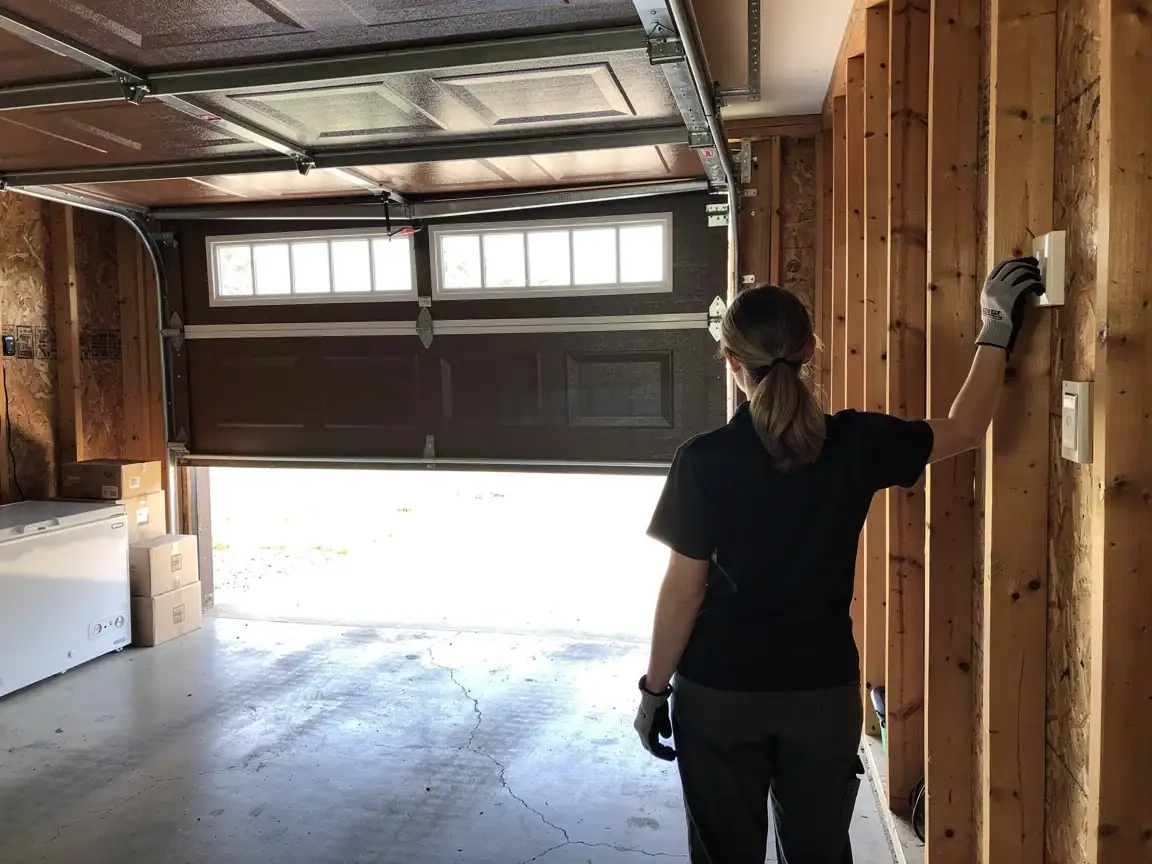
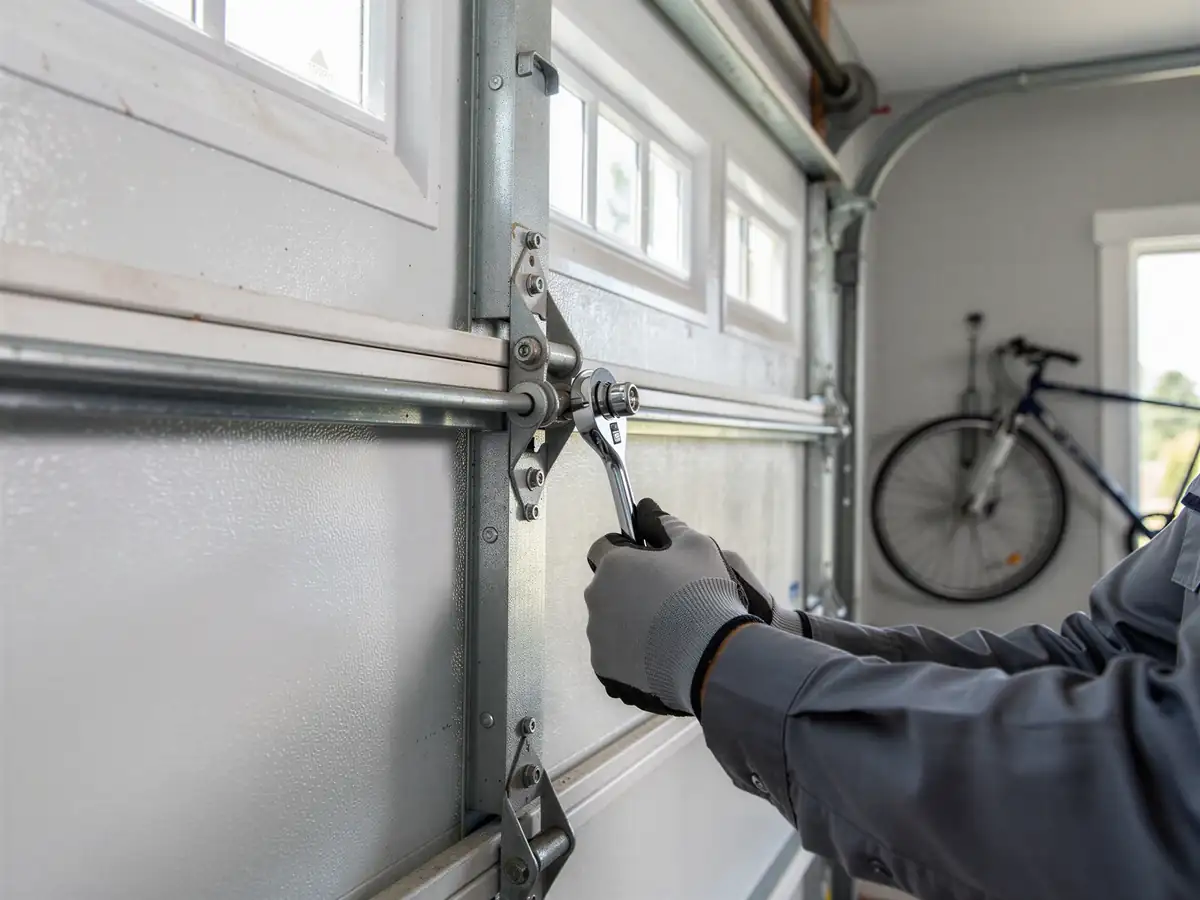
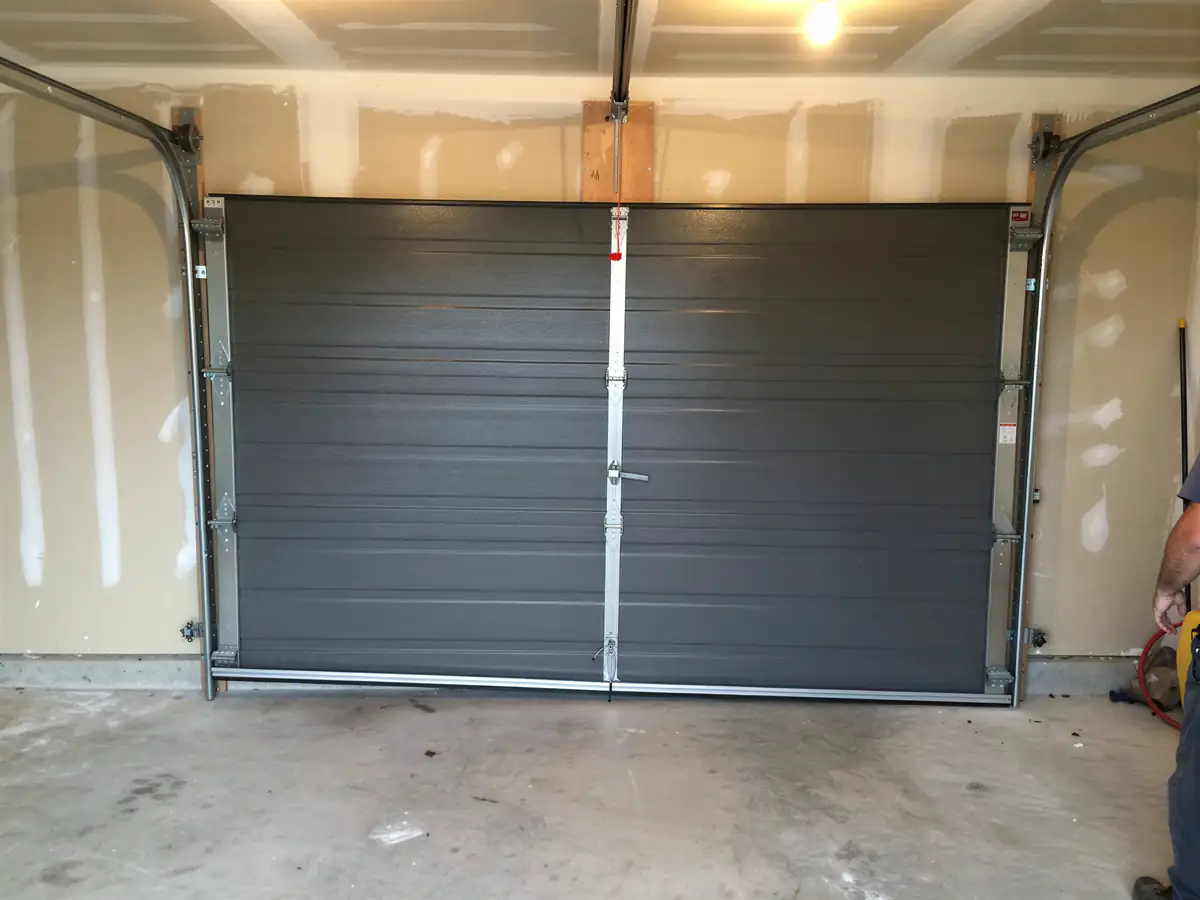
An install here usually means pulling that original door and hardware as a set, not patching pieces. The track width and headroom in a 2002-built garage are predictable enough that we can spec the new door and opener before we're on site, but we still check the jamb and header in person - twenty years of settling can throw measurements off from what the plans say. We don't sell a new door onto track or springs that don't match it; mixing new panel weight with worn original hardware is how you get a door that binds in six months.
What You Pay
We don't have a flat number to quote here
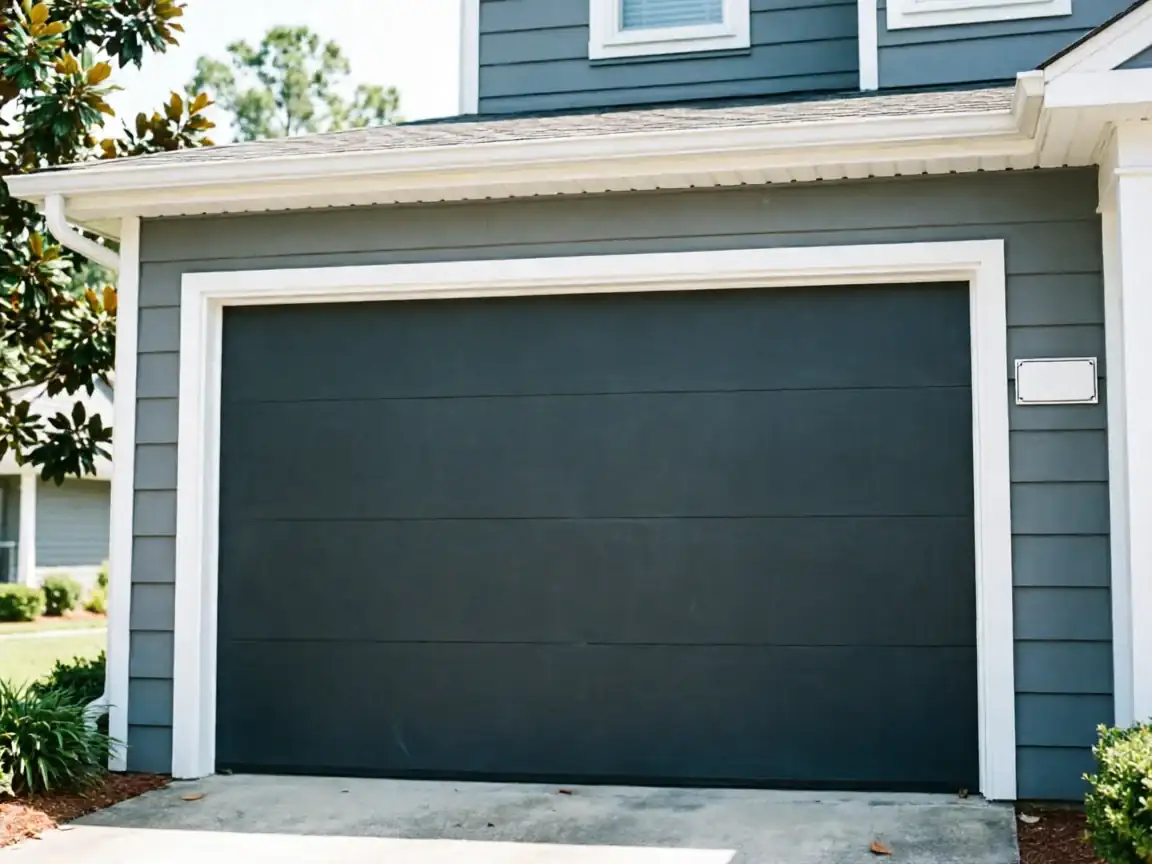
And anyone who gives you one without seeing the opening is guessing. What we can tell you is that Sugar Hill's median household income runs $99,479, noticeably above the $90,626 median across the wider area we cover from Milton - and in practice that shows up as more full replacements and fewer stopgap repairs. Homeowners here are more often choosing to replace the whole door and opener together instead of nursing a 2002 original along for another few years.
Cost depends on door material, insulation level, and whether the opener needs replacing alongside the door
Which, on a builder-original setup, it usually does, since the drive unit is the same age as the door. We'll give you the real number after we've looked at your opening, not before.
How It Shows Up
On a 2002-built house, the complaint is rarely "the door won't open at all." It's noisier than that. A steel panel door with no foam core, which was standard builder spec at that time, transmits cold straight through in winter - this area sits in a cold-moderate climate band, so that uninsulated steel skin means the garage runs close to outdoor temperature, and anything stored against the shared wall feels it.
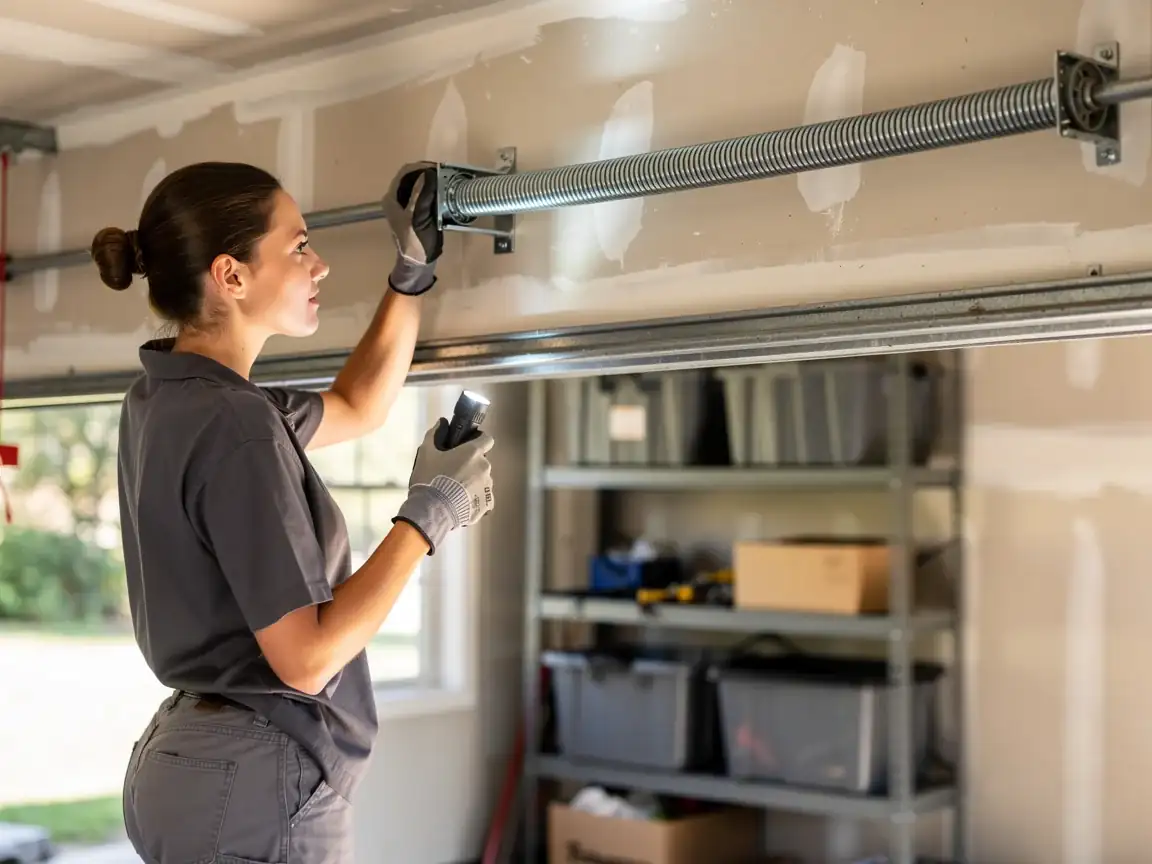
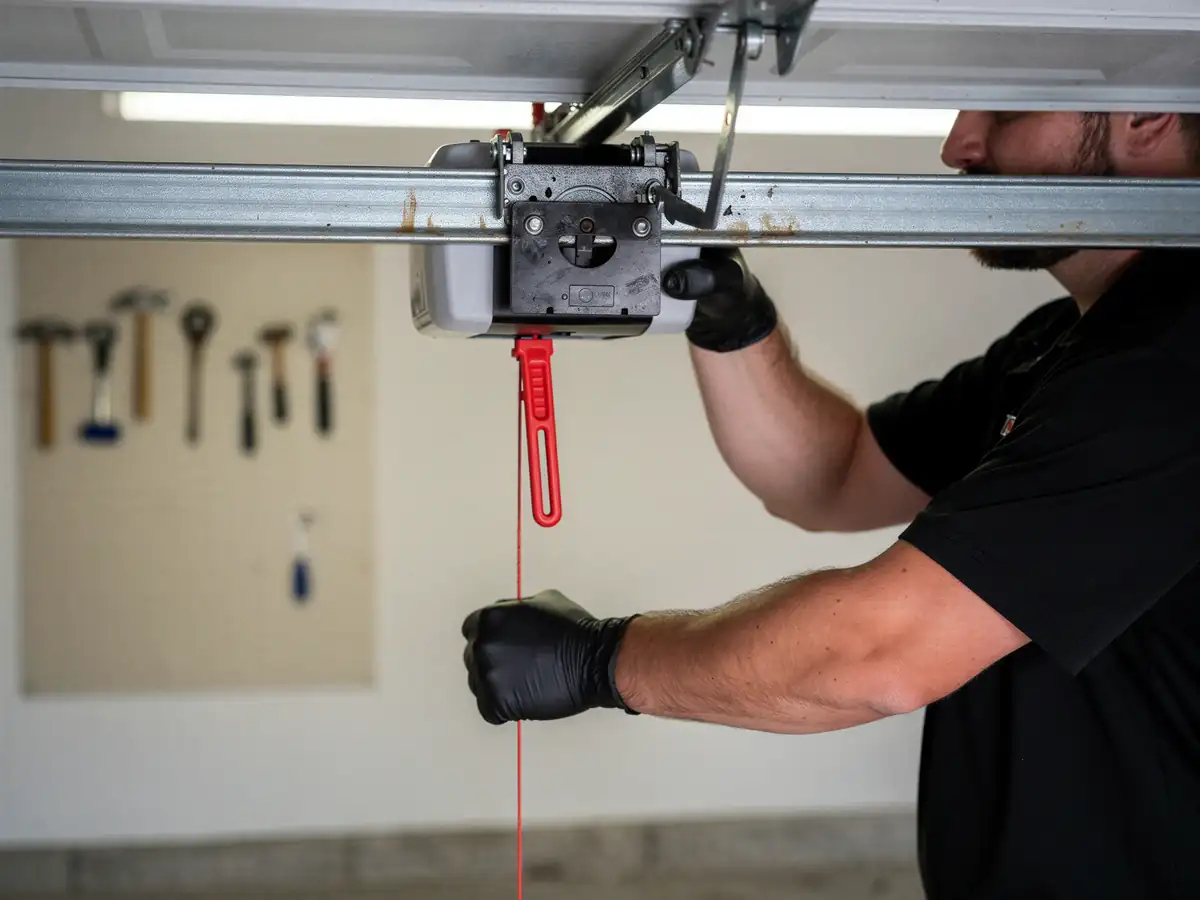
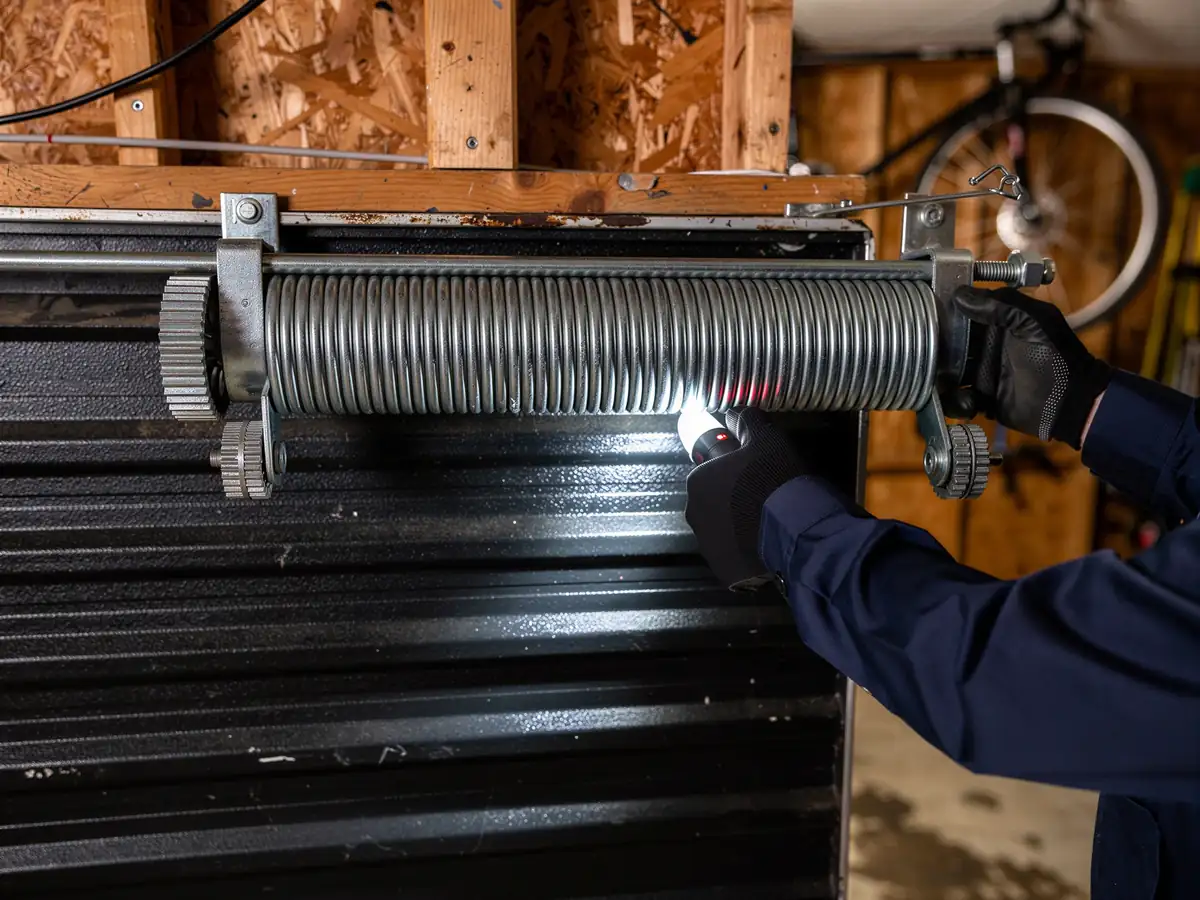
More often it's mechanical: a door that's noticeably heavier to lift by hand than it used to be, a sign the torsion spring is losing tension after two decades of cycles. Or an opener that strains and reverses partway up, which on original equipment this old is usually the drive gear or capacitor, not the door itself. None of that means the door needs replacing on its own - but when the spring, the opener, and the panel are all original to a 2002 build, replacing one piece at a time usually costs more over a few years than doing it once.
Stocked Parts
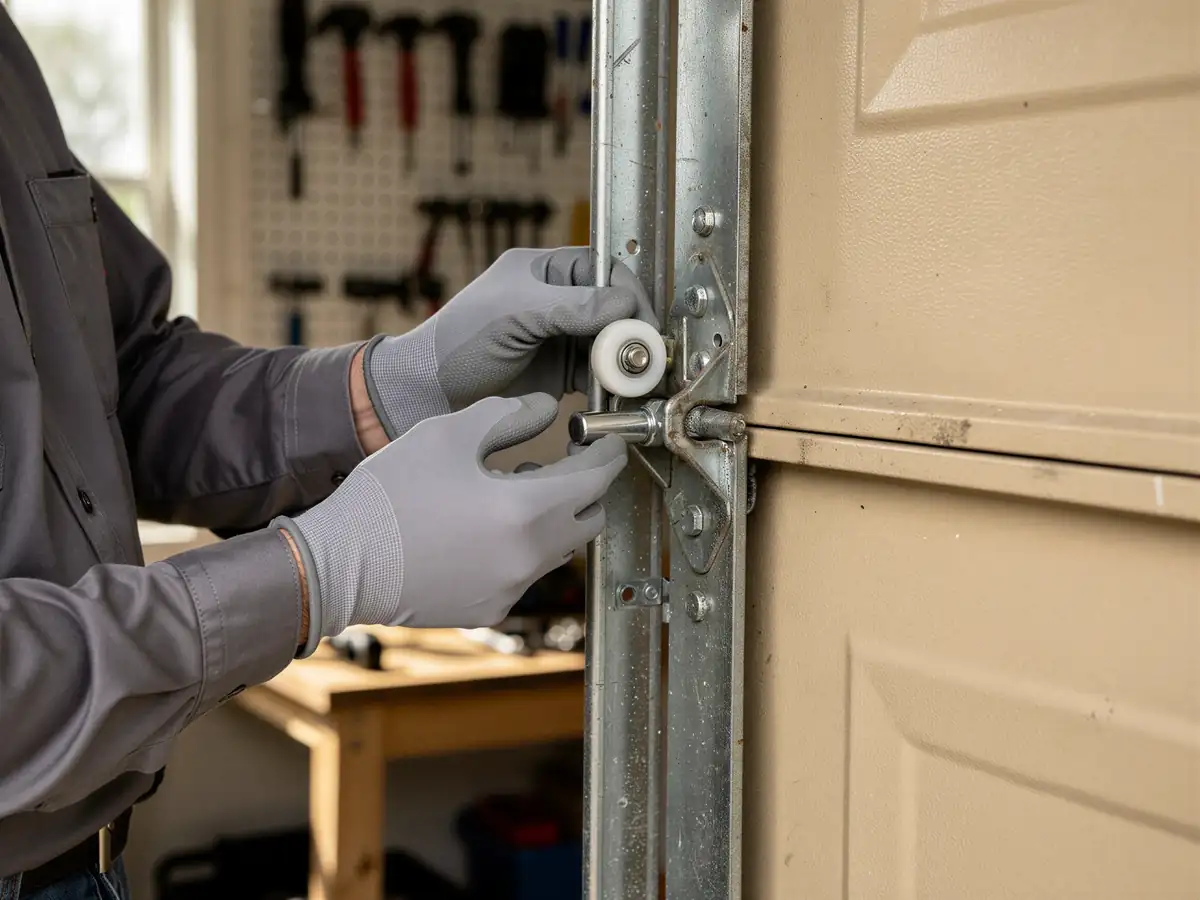
We carry torsion springs and standard track hardware sized for the door weights common to this build era - mid-weight steel doors on 7 and 8 foot widths were the standard spec through the 1990s and 2000s housing run in this area. That covers most of what we pull off Sugar Hill garages.
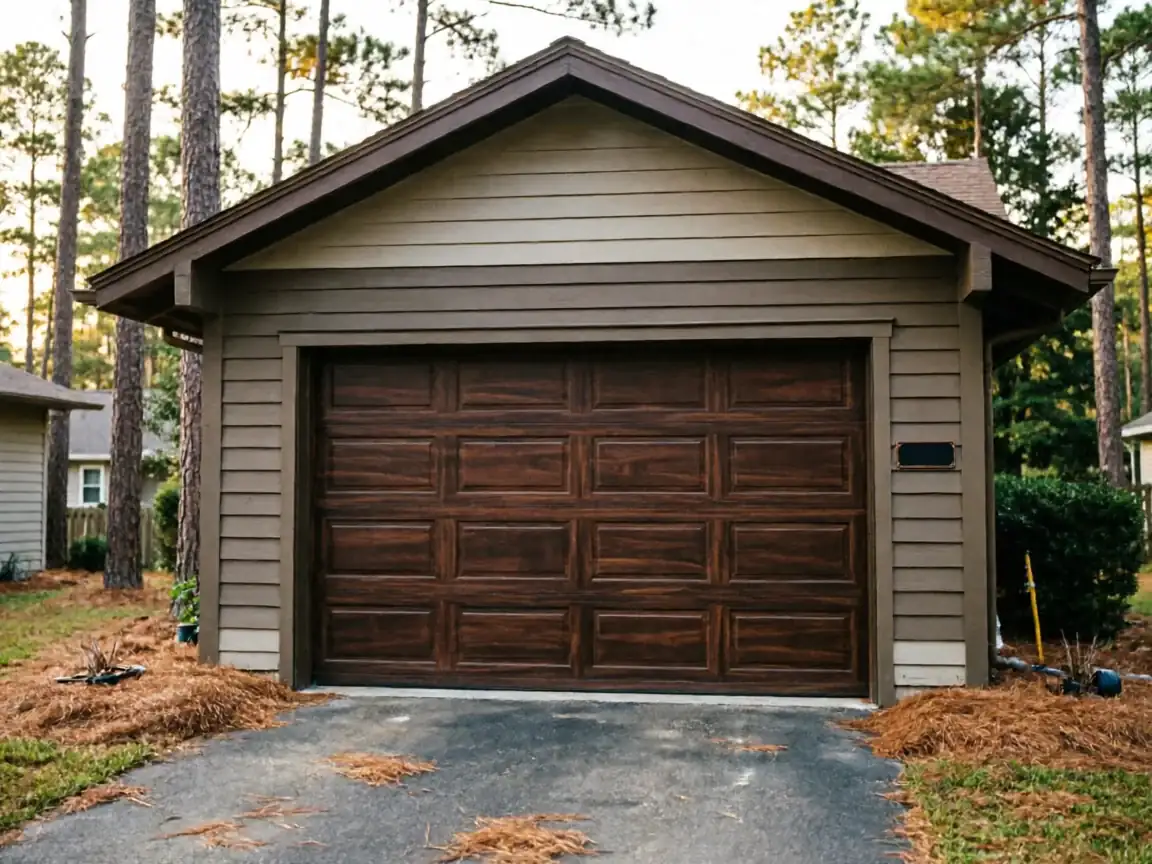
What we don't keep on the truck is anything custom: a non-standard door width, a specialty insulated panel line, or an opener model that's been discontinued. If your door turns out to need one of those, we'll order it and tell you honestly what the lead time looks like rather than promise a same-visit fix we can't deliver.
Booking a Visit
We run this job out of Milton
And Sugar Hill sits about 16 miles out - the same distance as Doraville and Nelson on our coverage map, toward the far edge of what we serve regularly. That's not a reason to put off a call; it just means we schedule the visit rather than drop in same-day.
- 16 miles
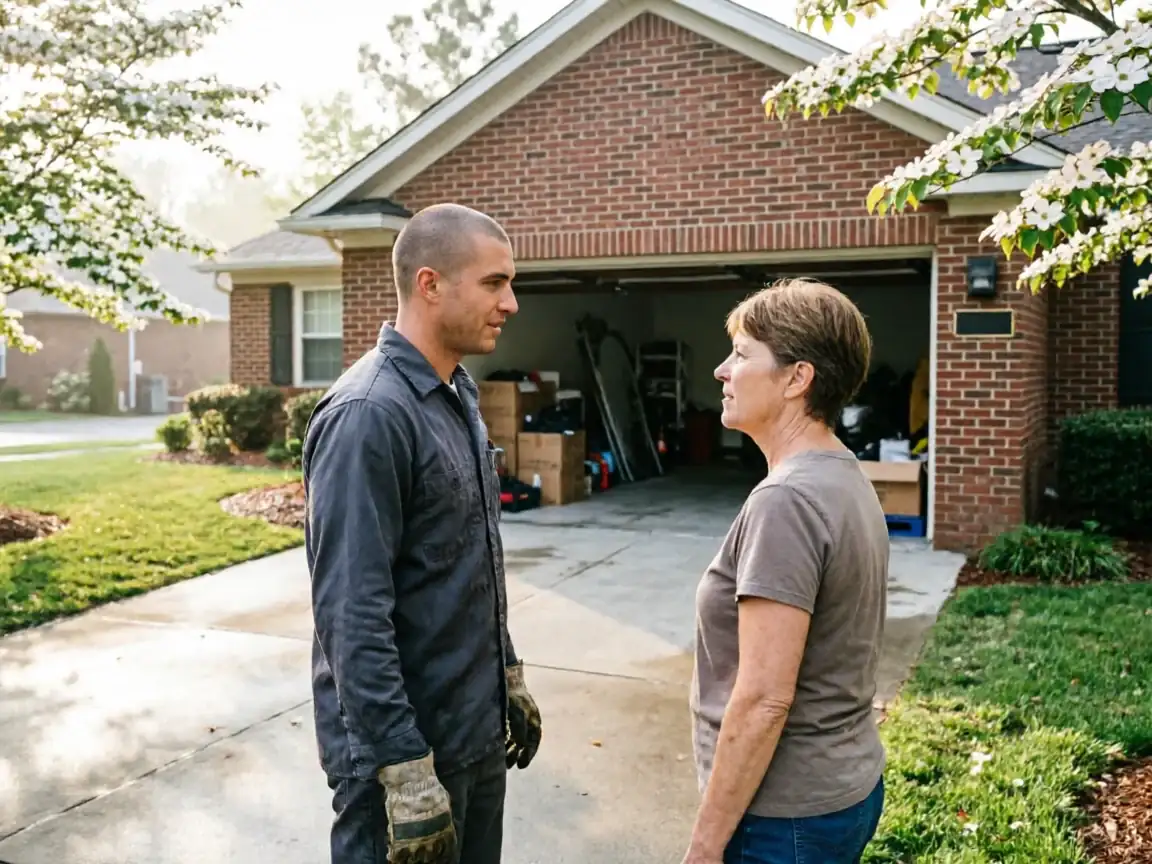
When you call, have the door's approximate age and whether it's original to the house ready to tell us
For a Sugar Hill home that's usually