Stocked Parts
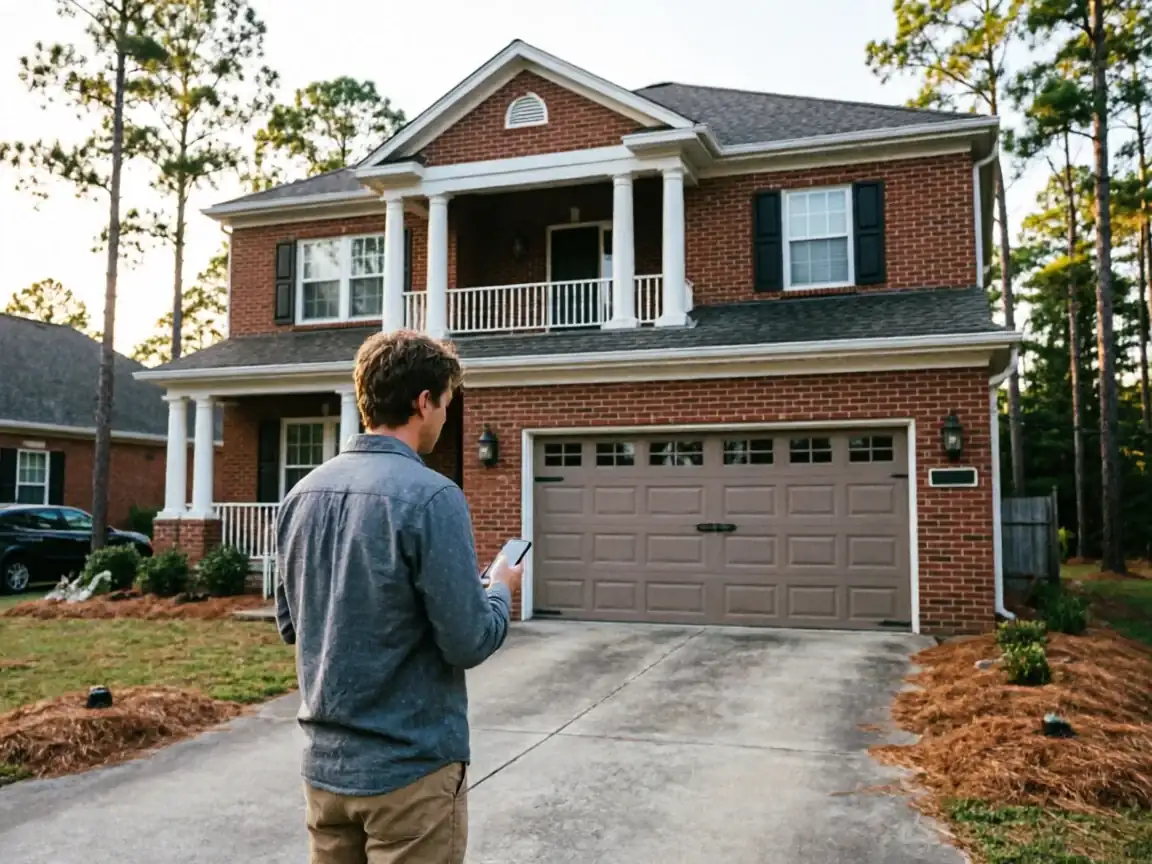
Doraville's housing stock centers on 1972, which puts a lot of doors here on original or early-replacement steel rollers running in steel track - not the nylon rollers that became the default decades later. Steel-on-steel is what rattles and grinds first, especially once the roller stem wears oval instead of round and starts binding sideways in the track. On the truck out of Milton, we carry sealed 10-ball bearing rollers in both steel and nylon, plus the shorter 7-ball stems that some of these older tracks were built around. If a door's track has been swapped at some point and the roller size doesn't match what's listed for it, we measure on site rather than guess - it's a five-minute check that saves a second trip. What we don't carry is every obsolete roller stem length from every era; on a handful of older homes the stock part needs a short wait, and we'll tell you that up front instead of forcing a fit that won't last.
Doing It Yourself
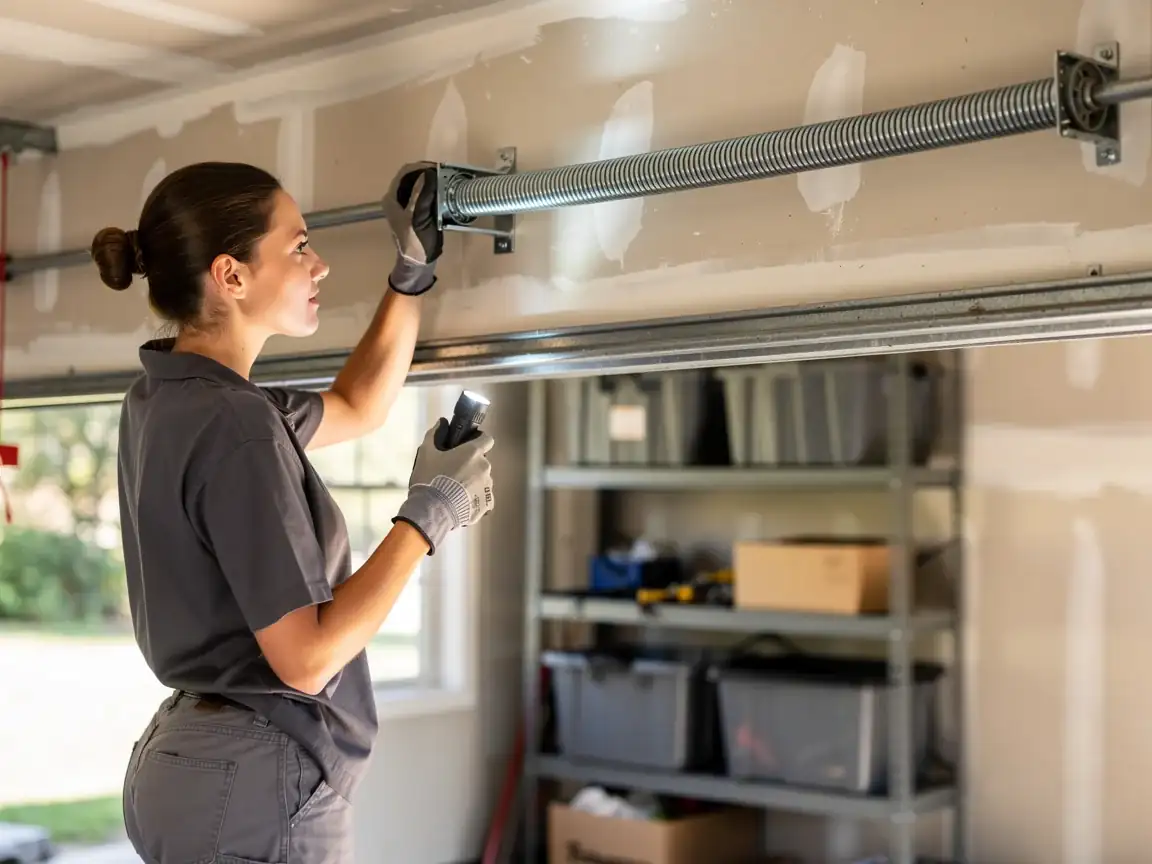
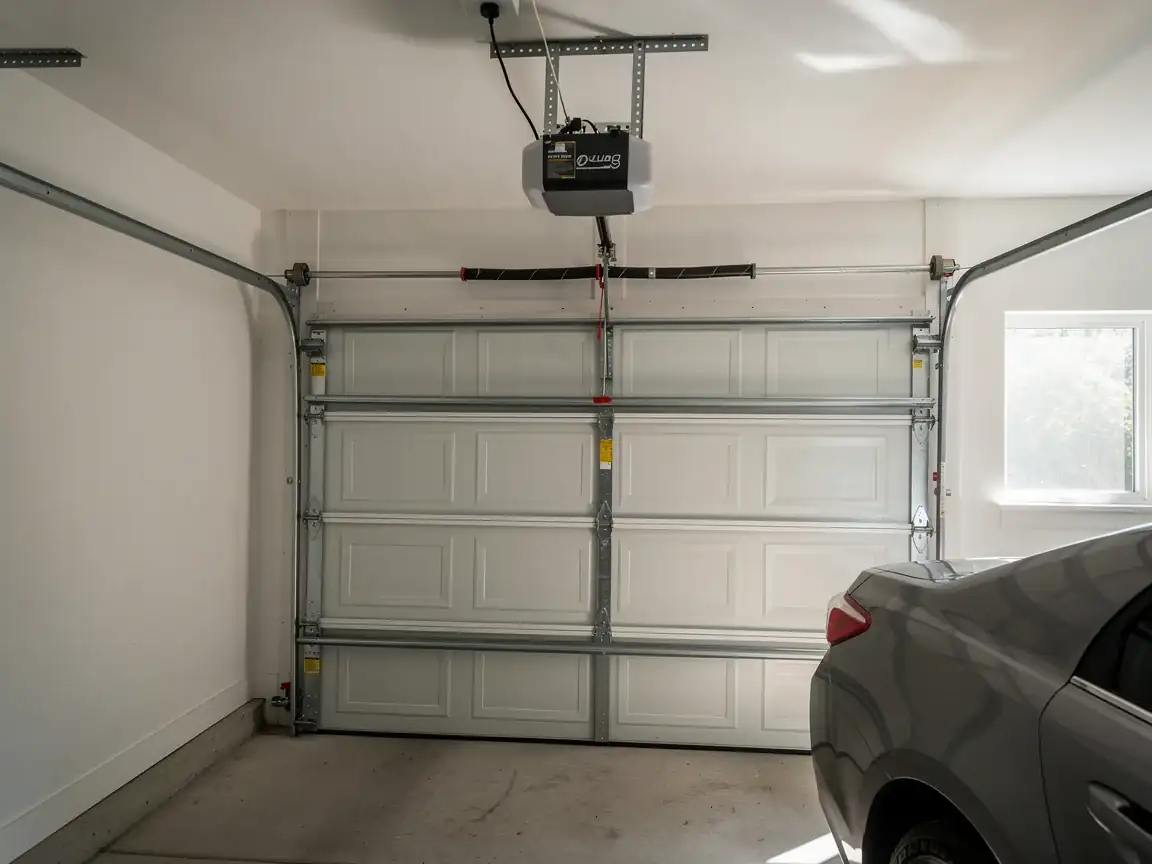
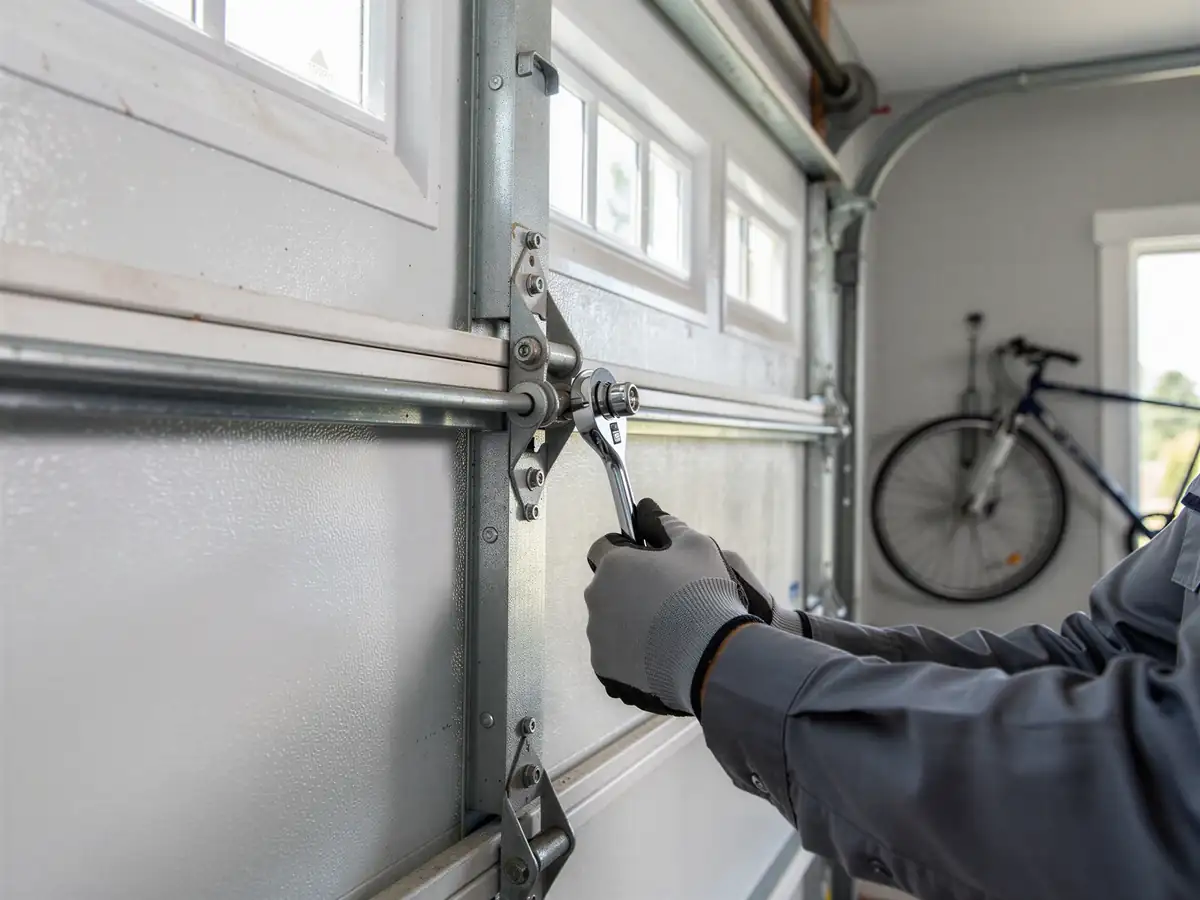
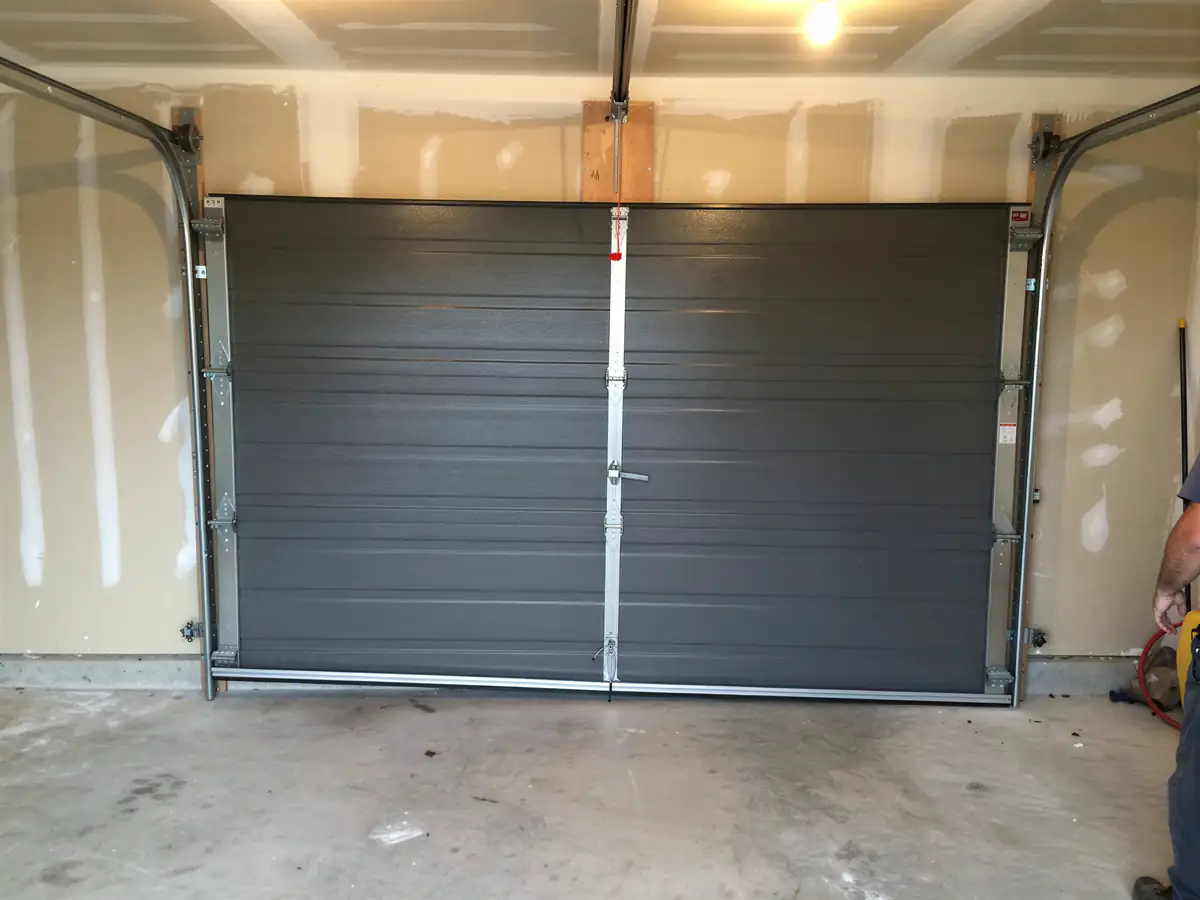
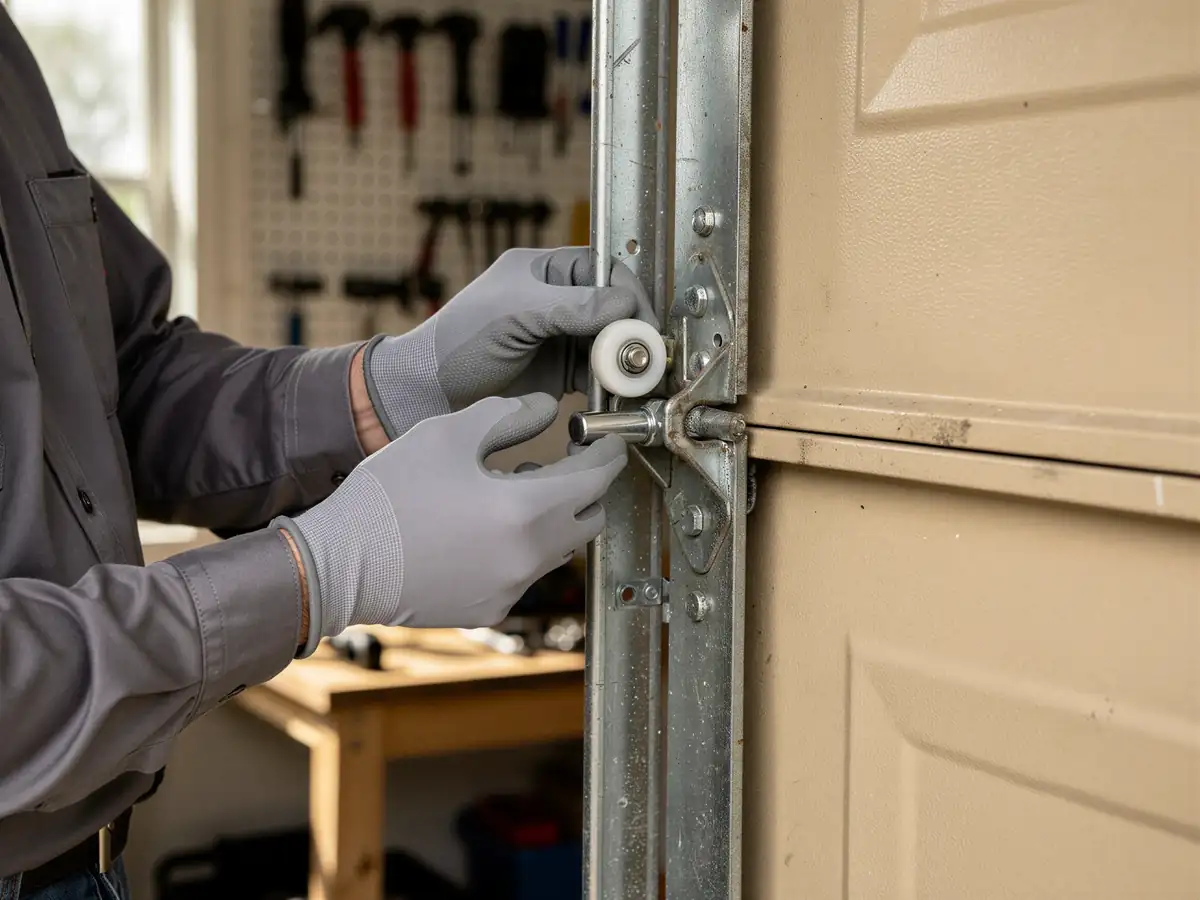
Swapping a roller on an unlocked section with the door down and the opener disconnected is within reach for a careful homeowner - pull the bracket, slide the old roller out, slide the new one in. Where people get hurt is the bottom bracket on the section nearest the floor, which is under spring tension even with the door closed, and the top section, where the track bends into the horizontal run near the ceiling. If your door is from the early-70s wave common in this area, the track itself may be original and slightly misaligned from 50 years of settling - forcing a new roller into a track that's already bent a few degrees usually just moves the grinding noise somewhere else. We'll do that call if you want it done right the first time, but we won't talk you out of doing the easy sections yourself.
How It Shows Up
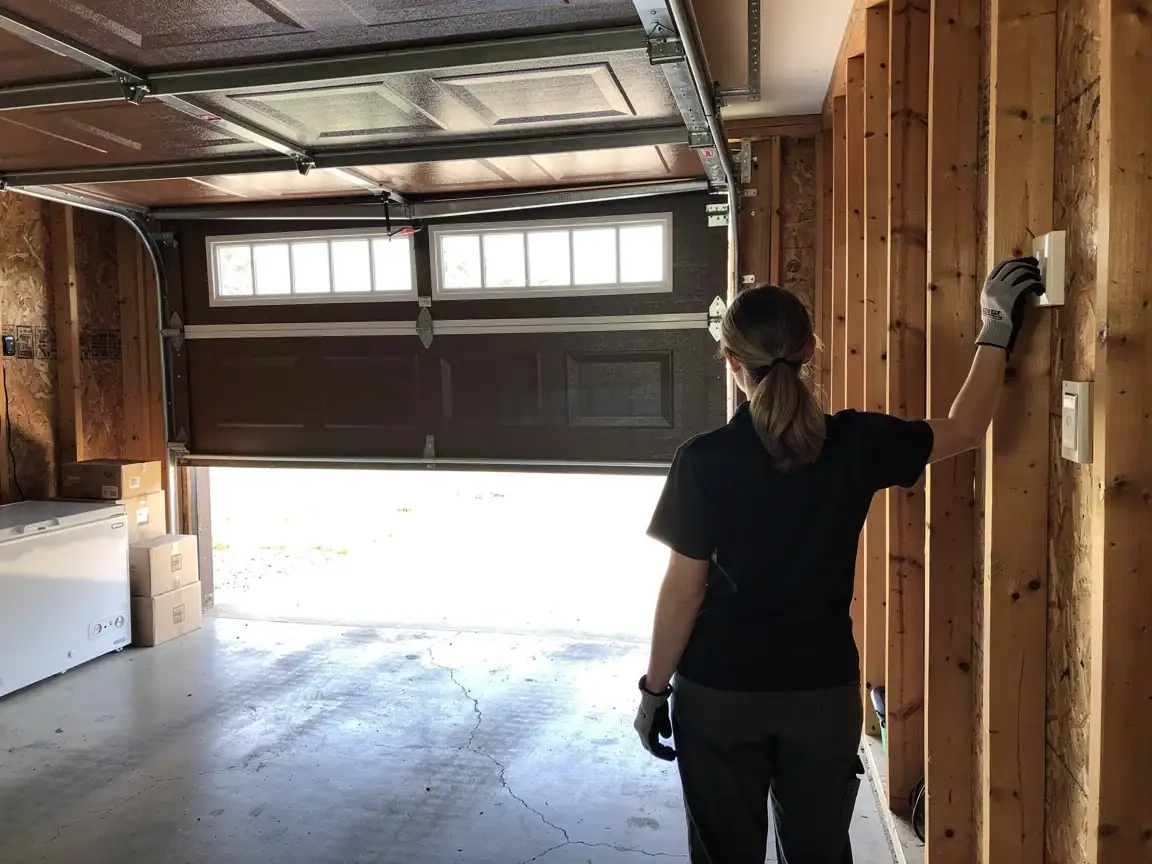
On a 1972-era door, the first sign is usually a rhythmic squeak or grind that gets louder exactly where the roller crosses from the vertical track into the curve - that's the spot with the most side load. Steel rollers that have lost their bearing grease seize and start making a flat, scraping sound instead of a smooth roll; nylon rollers that have cracked from age and cold snap and jump rather than squeal. Either way, the door usually still opens, just louder and rougher, which is why people put it off. Left alone, a seized roller forces the opener to pull harder on that corner of the door, and that's a cable or a drum you don't want to also be replacing.
Booking a Visit
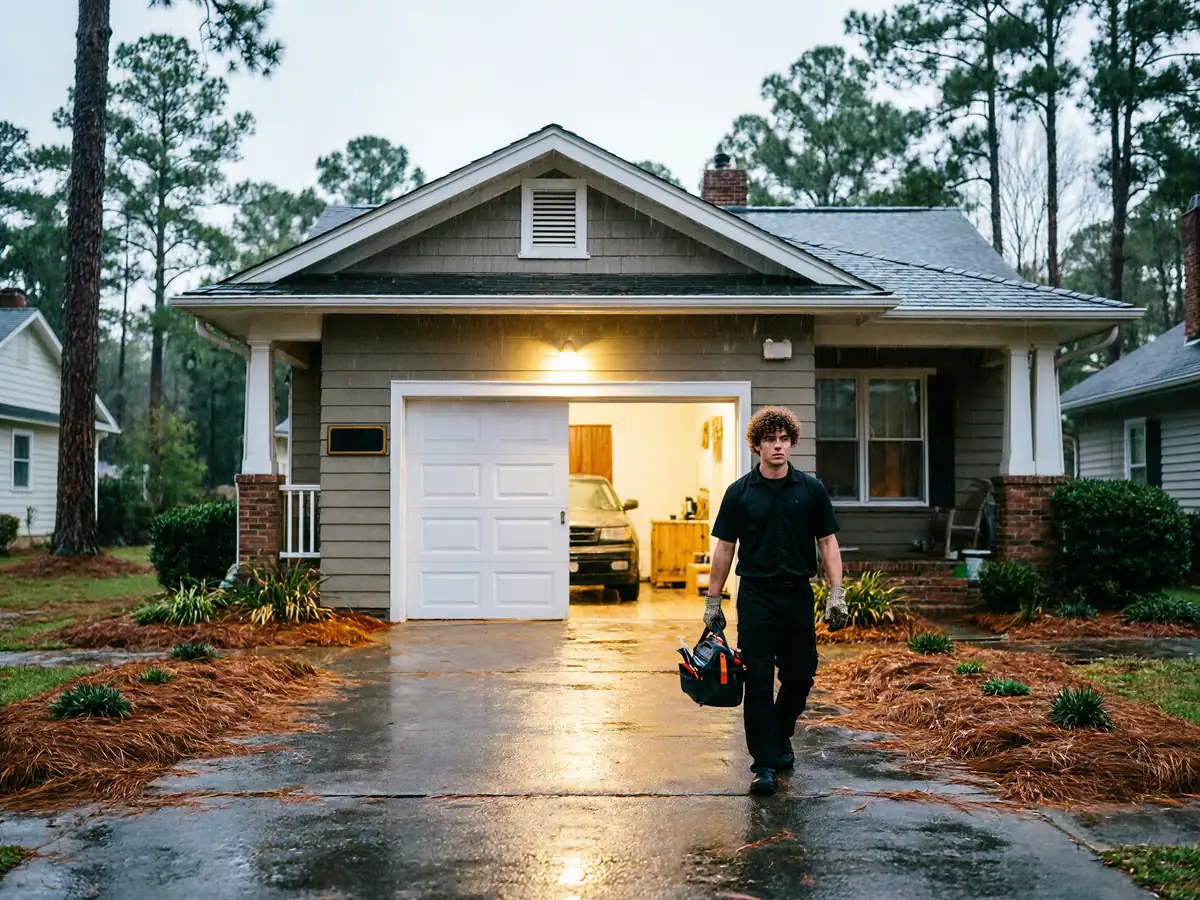
We cover Doraville out of Milton, roughly 16 miles each way, so we ask for the roller noise, the door's rough age if you know it, and whether it's one side or the whole set before we load the truck. For a neighborhood built mostly in the early 1970s, that detail - original track or replaced - tells us more than the sound alone. See the Doraville coverage page for what else we handle in the area, or check the Milton roller replacement page for how this same job runs closer to home.