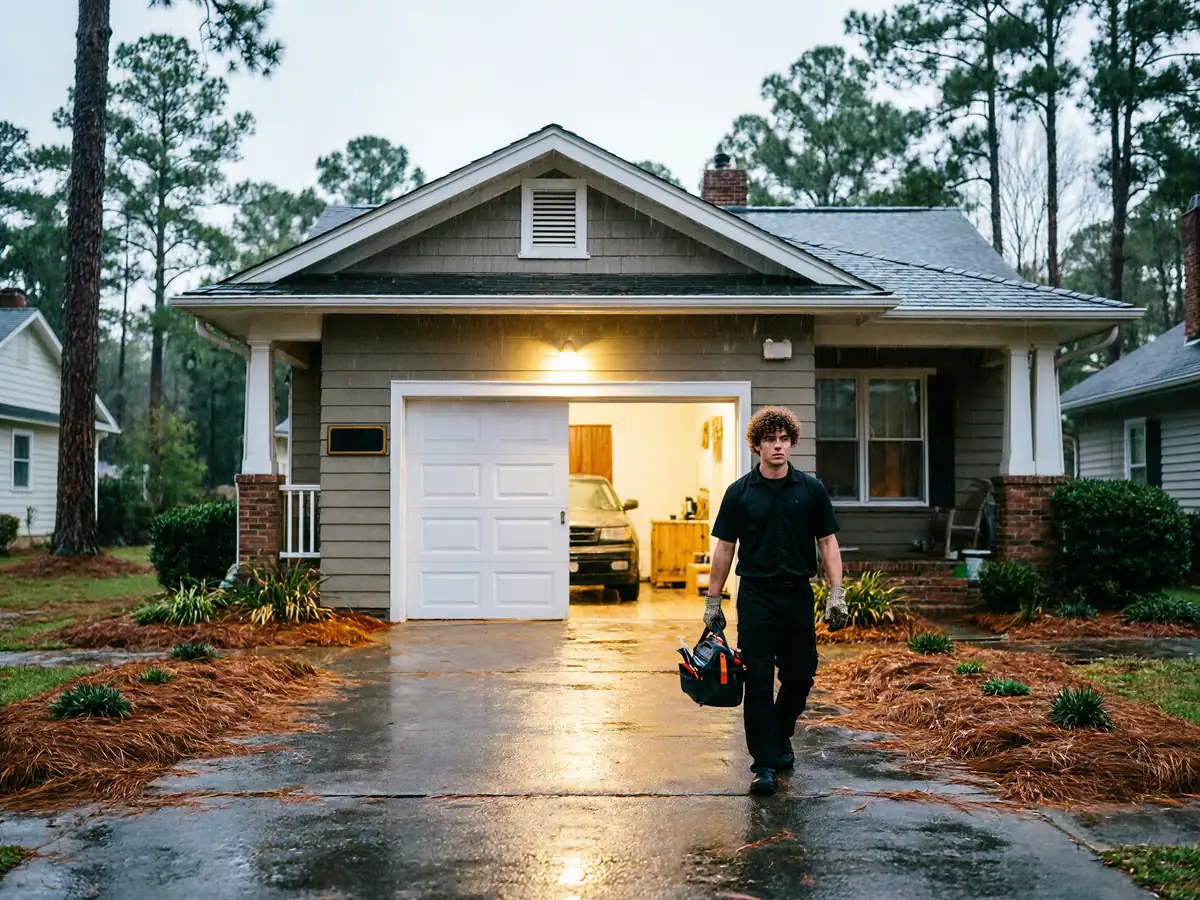
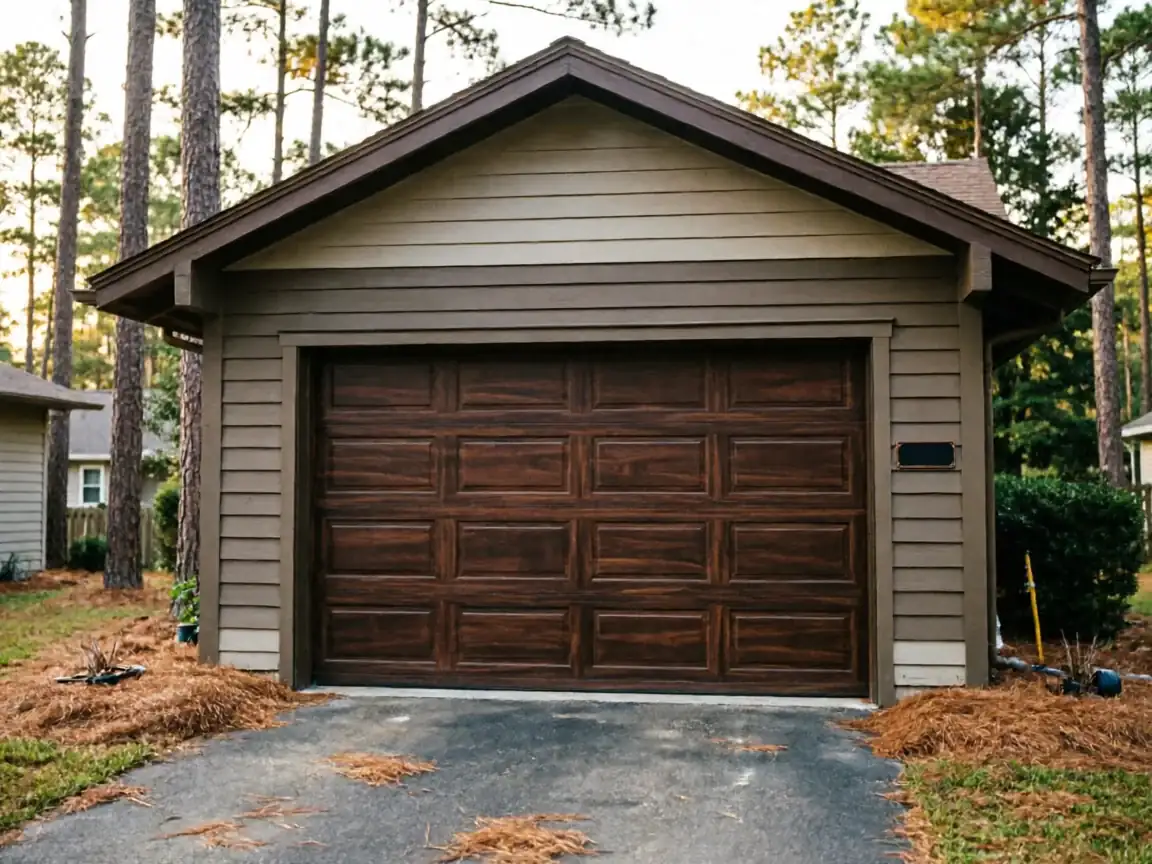
Stocked Parts
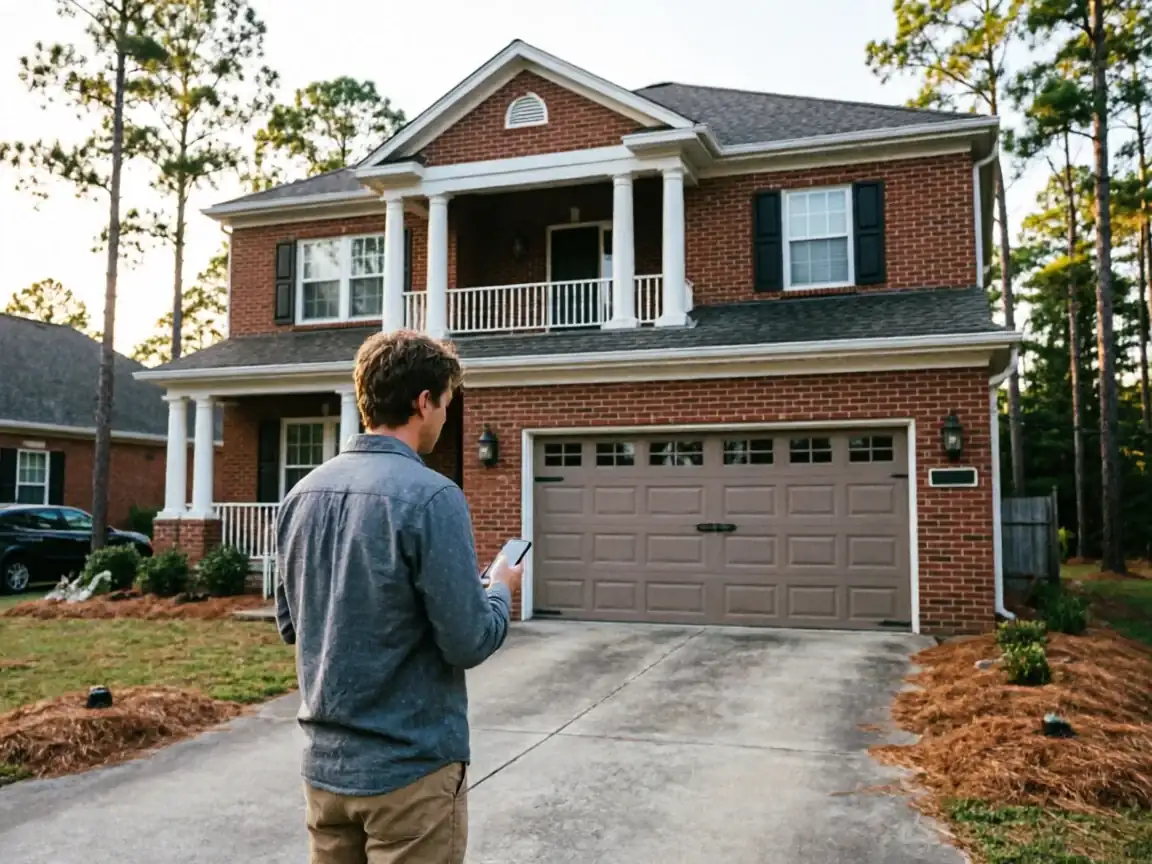
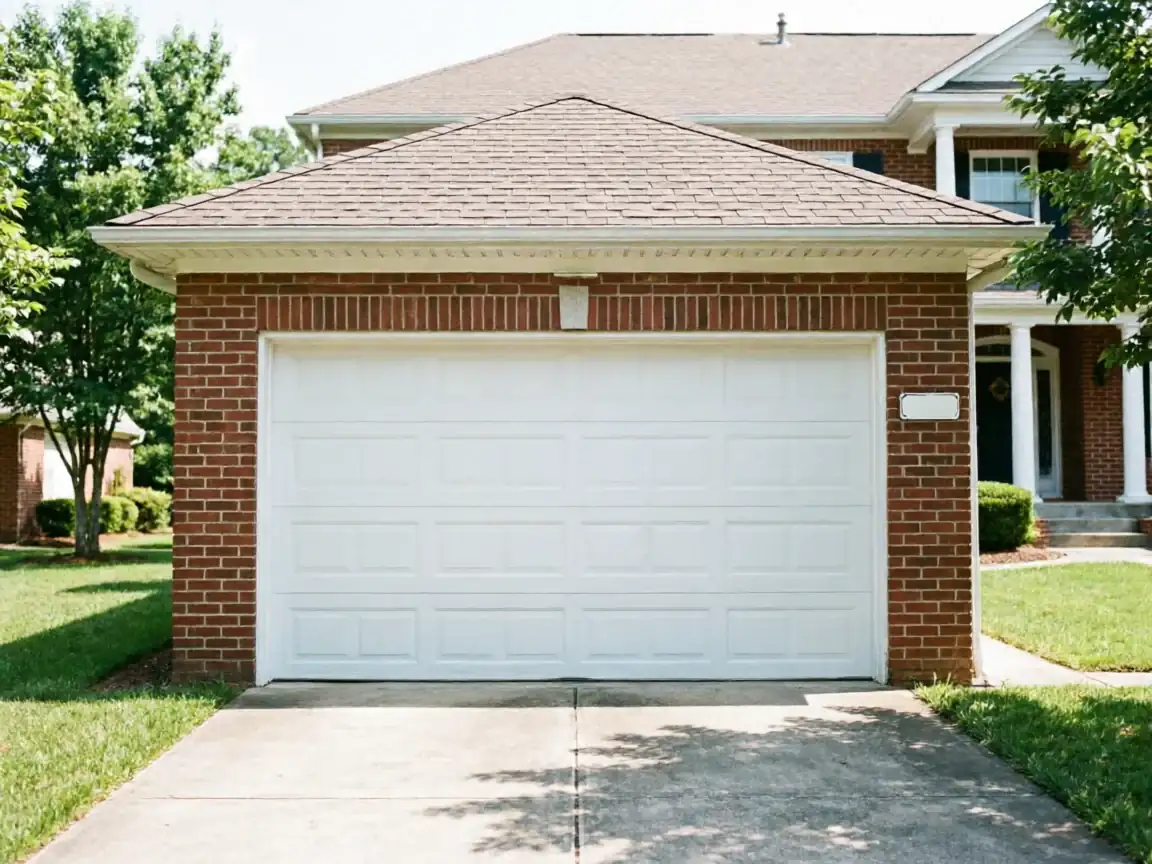
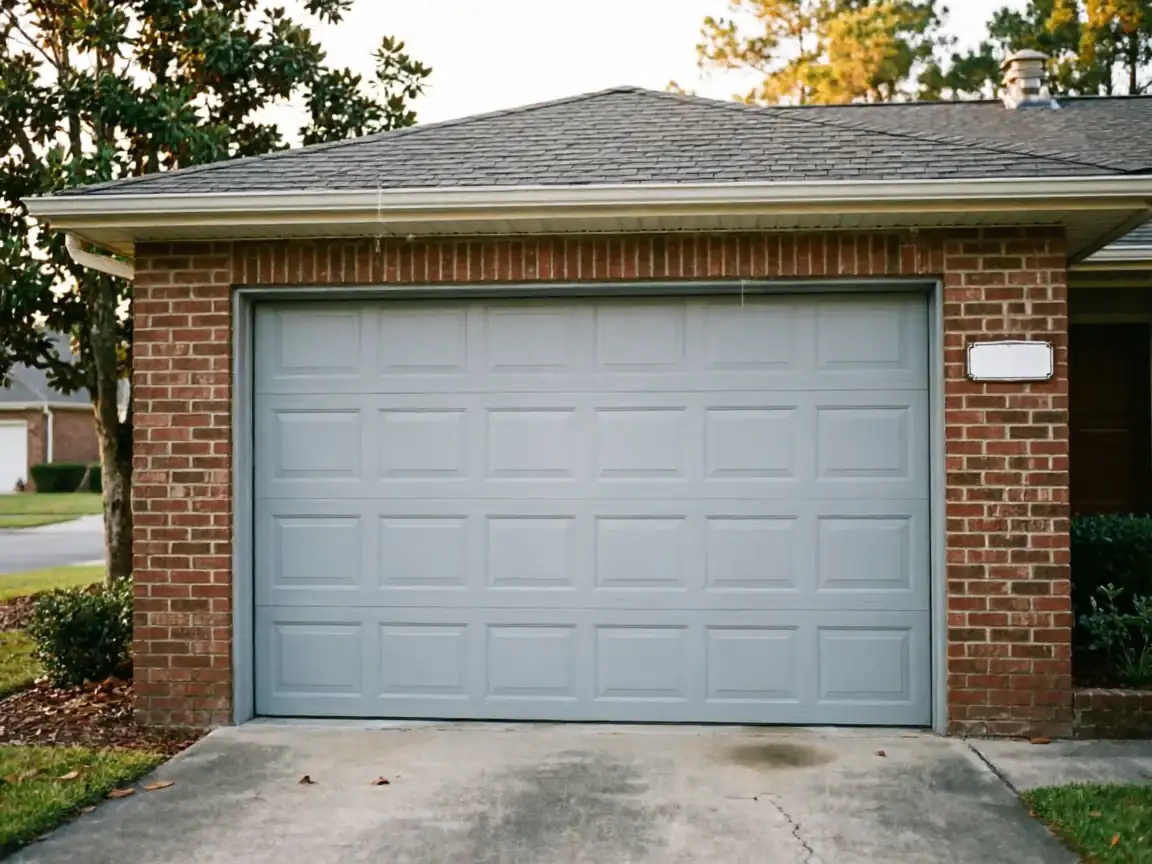
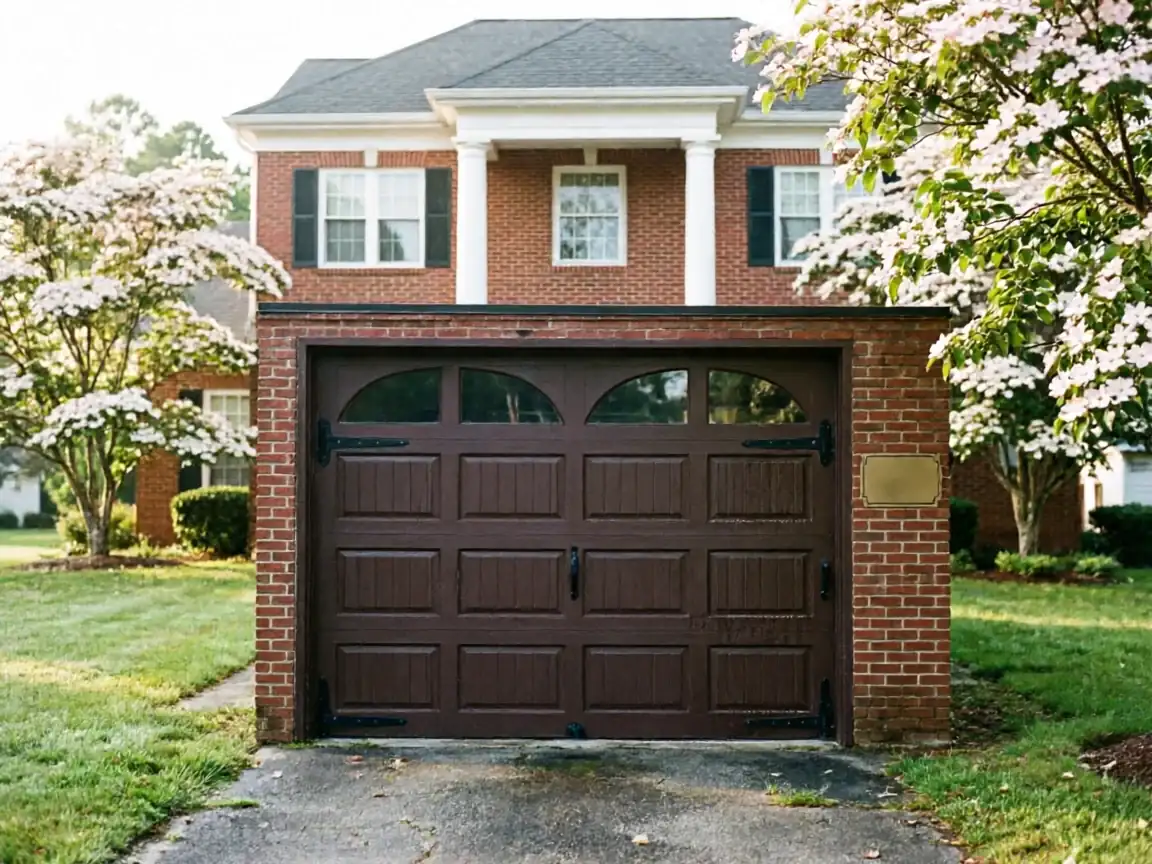
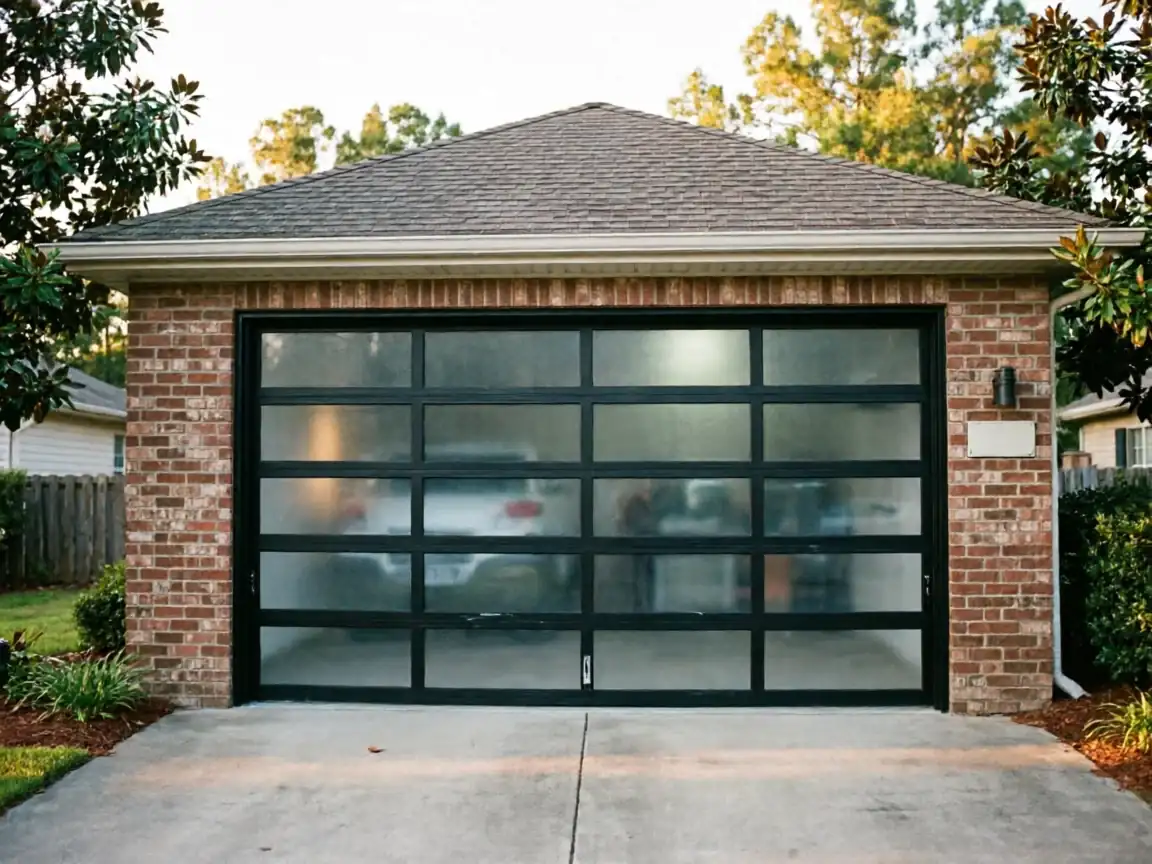
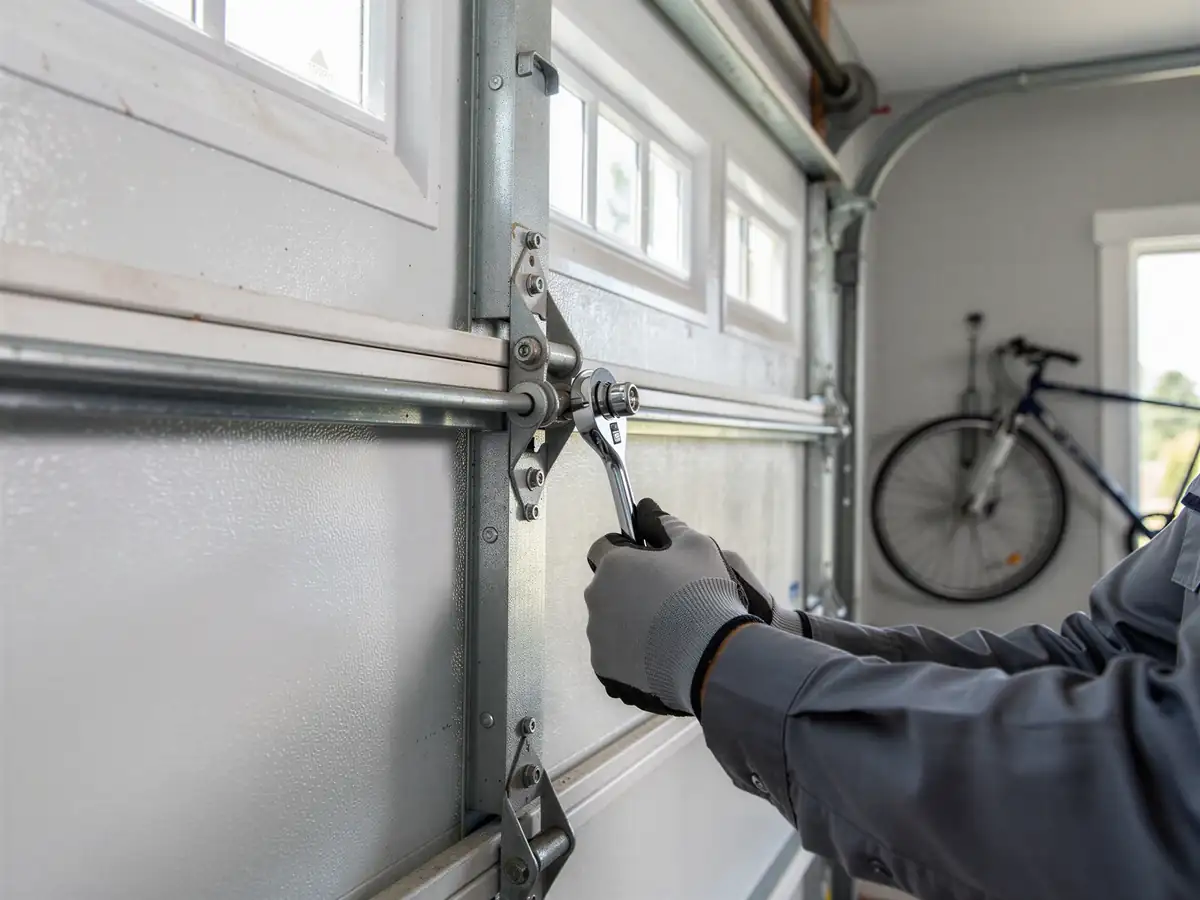
Doraville's houses mostly date to 1972, which puts them well ahead of the newer stock built out across the rest of our coverage area through 2007. That matters for parts. A door install from the early 1970s usually carries an older torsion spring wind, a different drum size, and sometimes a center bearing plate that newer hardware doesn't match without an adapter. We carry common spring sizes and standard extension and torsion hardware on the truck, but a door that's original to a 1972 build sometimes needs a part ordered rather than pulled off the shelf. We'll tell you on the spot if that's the case rather than force a fit that won't hold. The cold-moderate climate here also means winter call-outs skew toward stiff lubricant on older rollers and hardened grease in torsion bearings that haven't been serviced in years - a five-minute fix once we're there, but one more houses from this era need more often than newer builds do.
Doing It Yourself
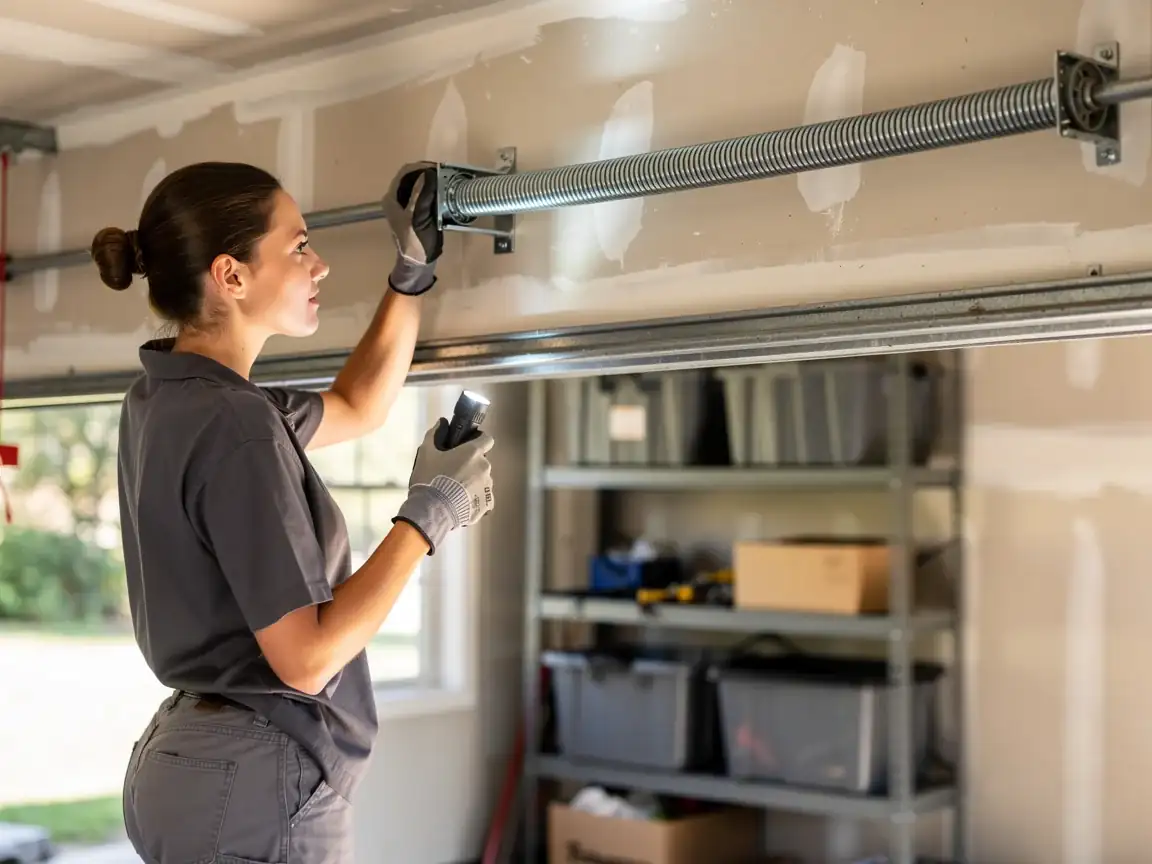
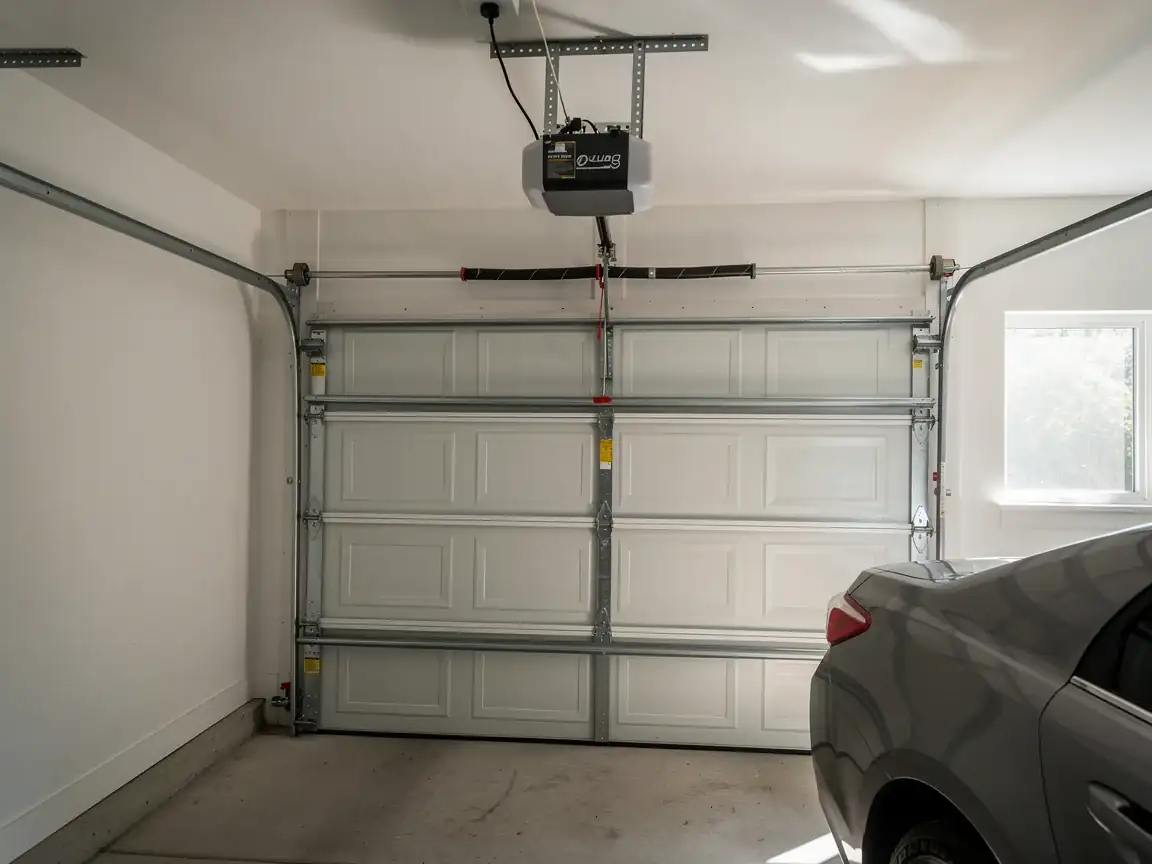
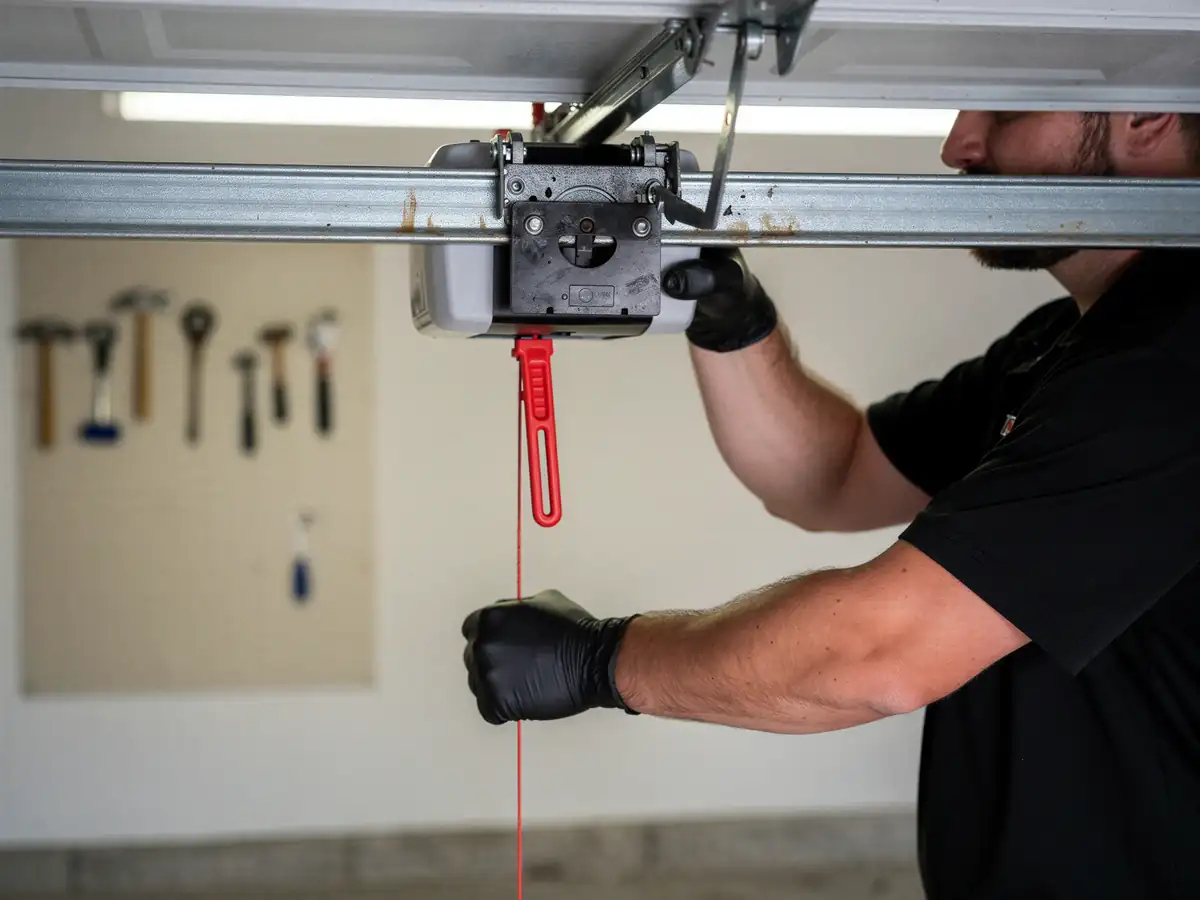
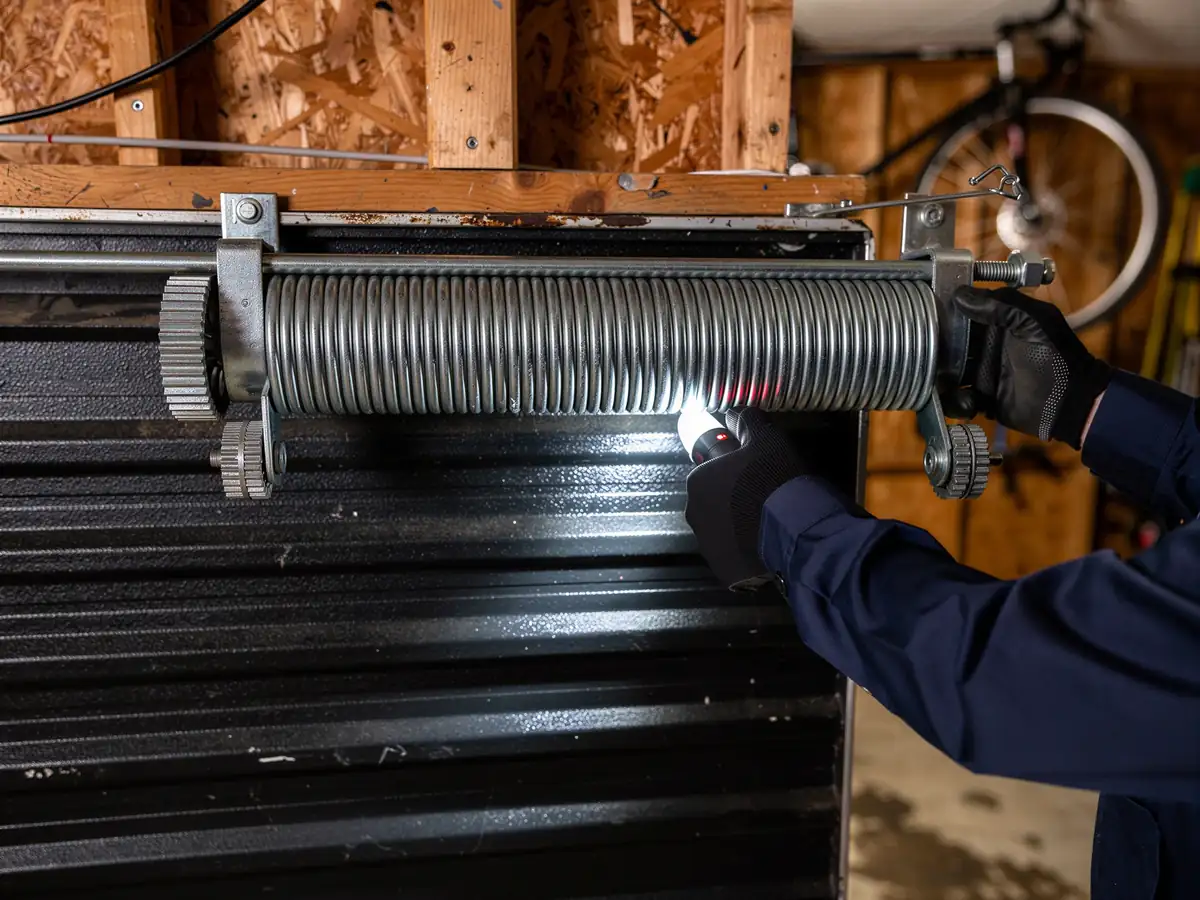
A torsion spring under tension can break a wrist or worse, and that doesn't change by decade or hardware style. What does change on a door from 1972 is that the parts holding that tension may be original - meaning the spring itself could be fifty-plus years old, more brittle than a spring wound in the last ten years, and more likely to let go with more force than you'd expect. If your door is sticking, binding, or making a new noise, checking the track for visible bends or loose hardware at the wall bracket is safe enough to do yourself. Replacing a spring, cable, or anything under the torsion bar is not something we'd talk you through over the phone - not because the steps are secret, but because the margin for error on an old spring is thinner than on a new one. If the opener itself is the problem, a dead circuit board or burnt-out motor is often more cost-effective to replace outright than diagnose piece by piece, especially on units old enough that boards are discontinued.
How It Shows Up
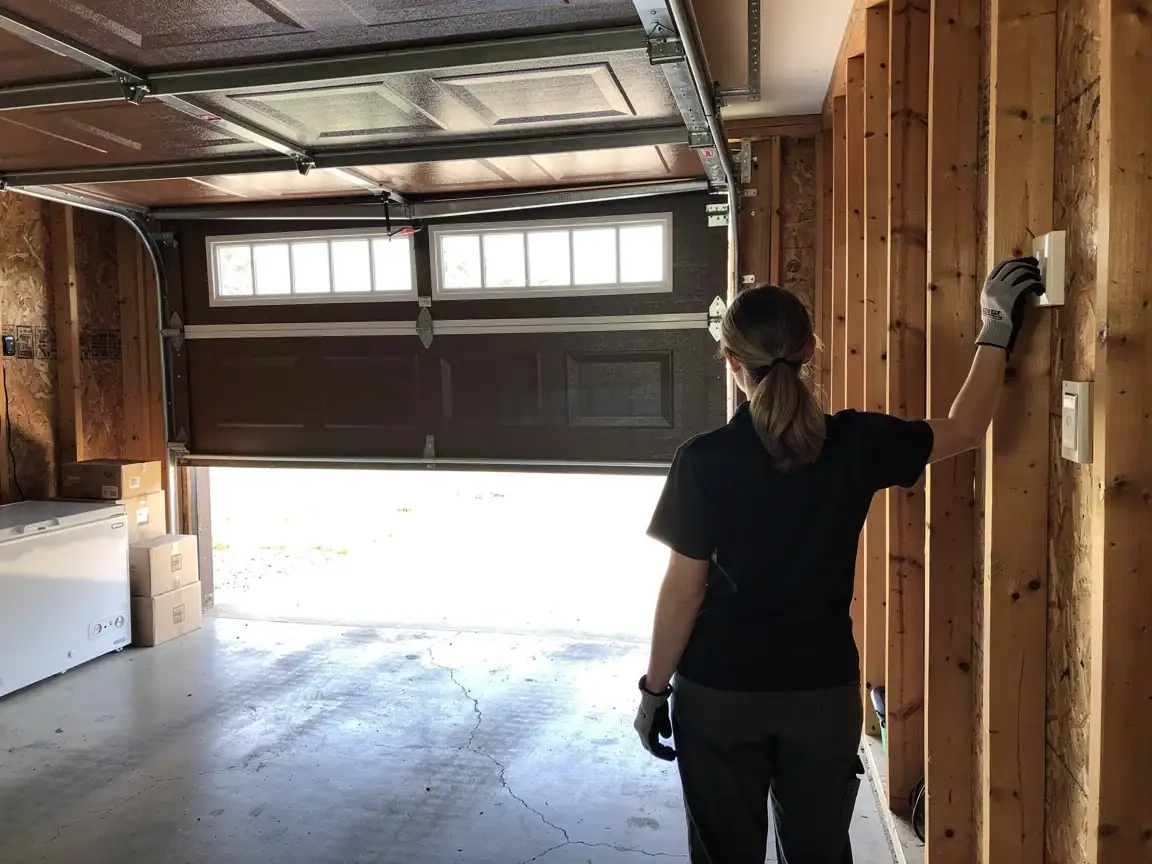
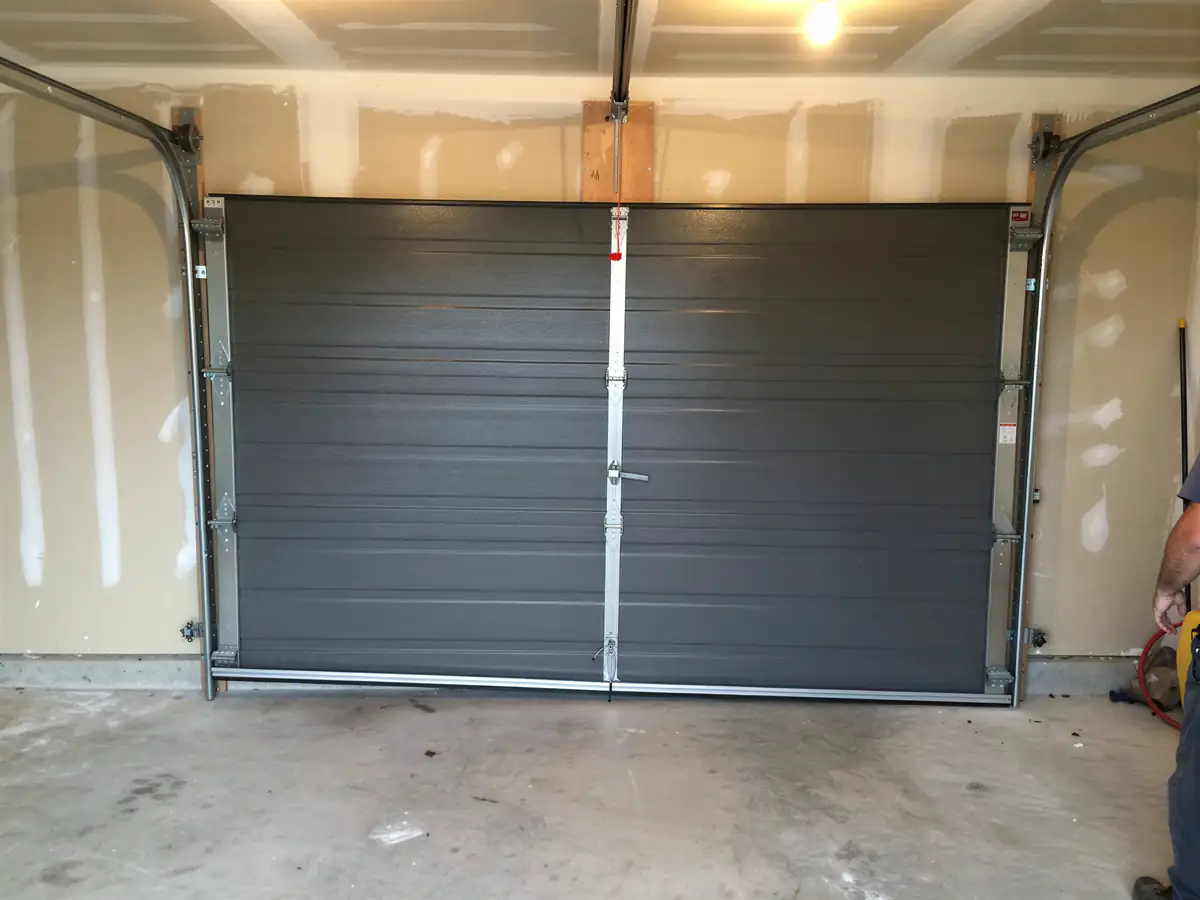
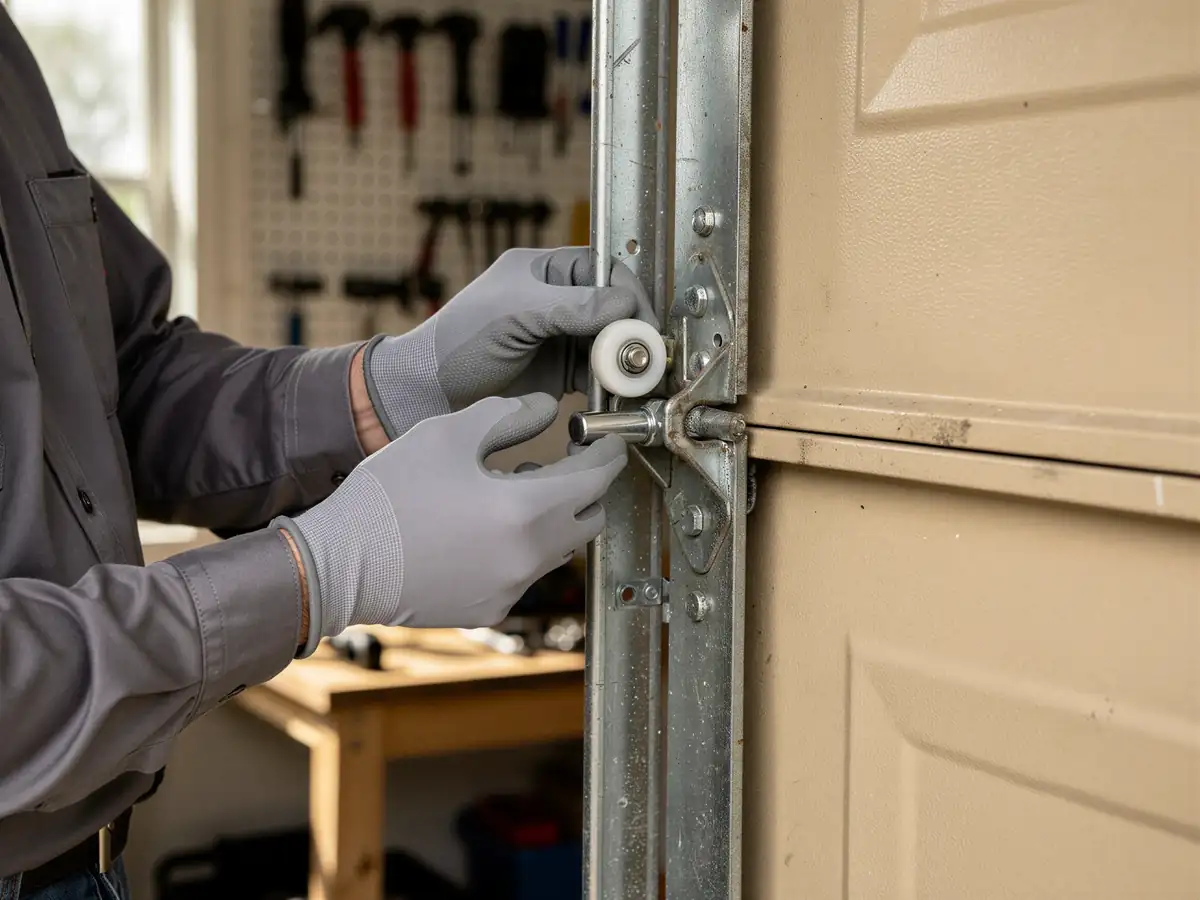
On houses built around 1972, the most common call isn't a dead opener - it's a door that's gotten heavier to lift by hand, which usually means the spring has lost tension gradually rather than snapped outright. You'll notice it as the door drifting down instead of staying put when you stop it halfway. Track misalignment shows up as a scraping sound on one side, more common on these older installs because the original brackets have had decades to work loose from the jamb. Panel rust at the bottom edge is another one we see on doors this age, usually from years of ground moisture wicking up through a steel panel that was never galvanized to current standards. In a cold-moderate climate like this one, winter adds its own layer: condensation on an unheated garage ceiling drips onto the track and rollers, and if that freezes overnight, the door can bind hard on the first pull of the morning.
Booking a Visit
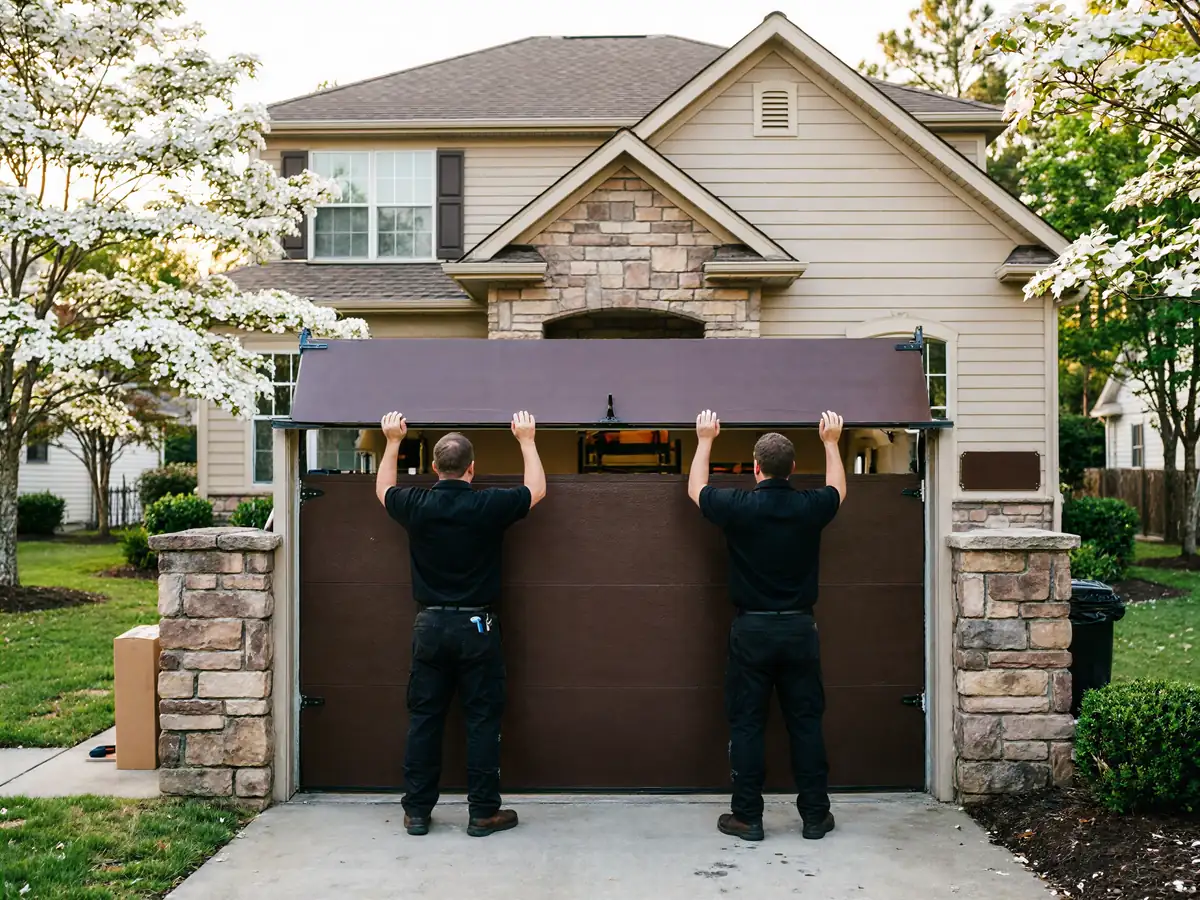
If you're in Doraville and the door's binding, sagging, or the opener's gone quiet, we take the call and make the drive from Milton. Tell us the age of the house if you know it and what the door's doing - that alone usually tells us what's in the truck before we arrive. For a look at the rest of the area we cover from Milton, see our coverage map, and for the full rundown of what we do as a company, the Milton garage door service page covers that ground.