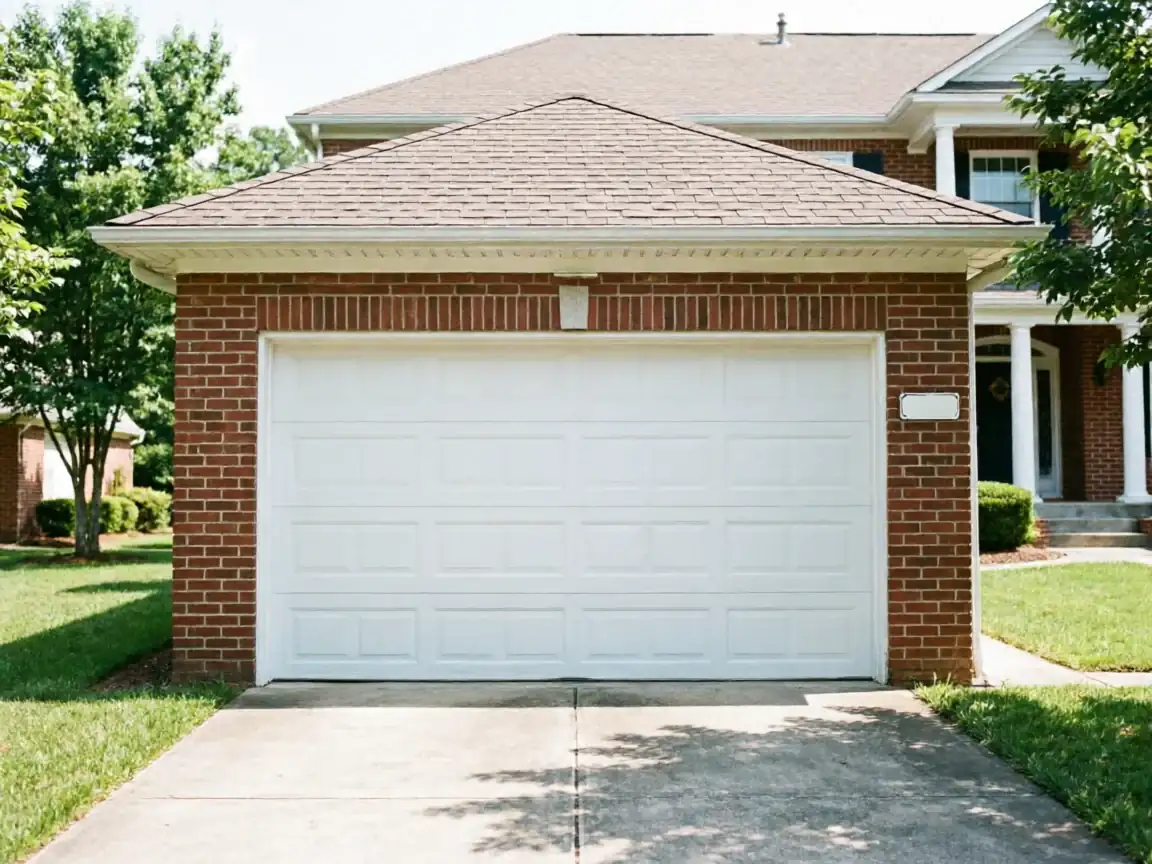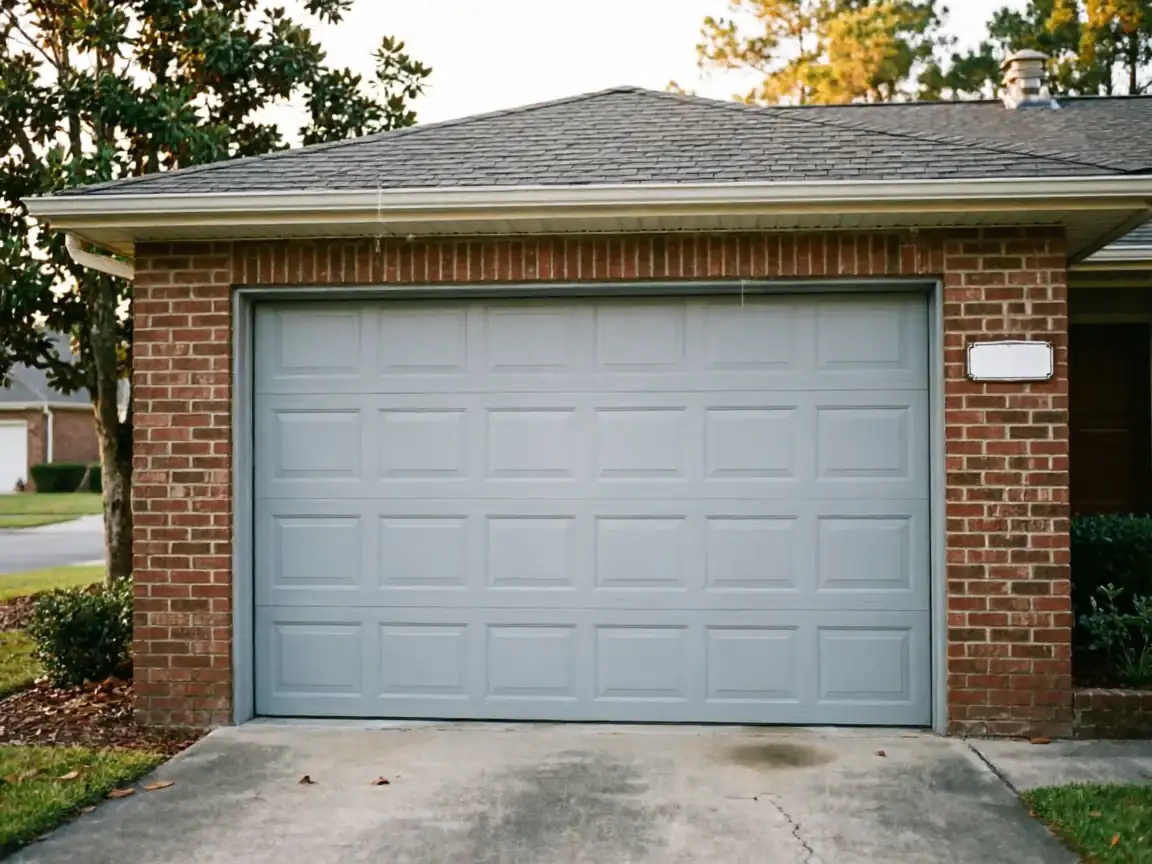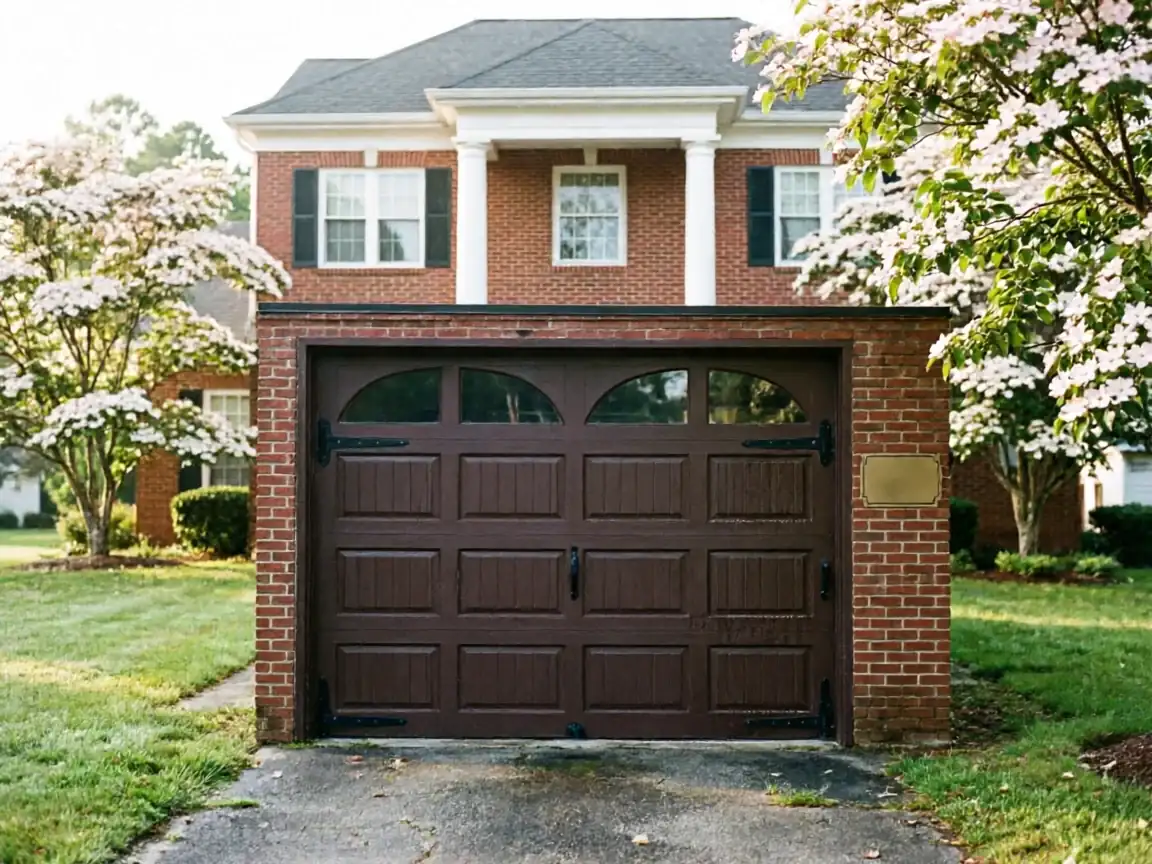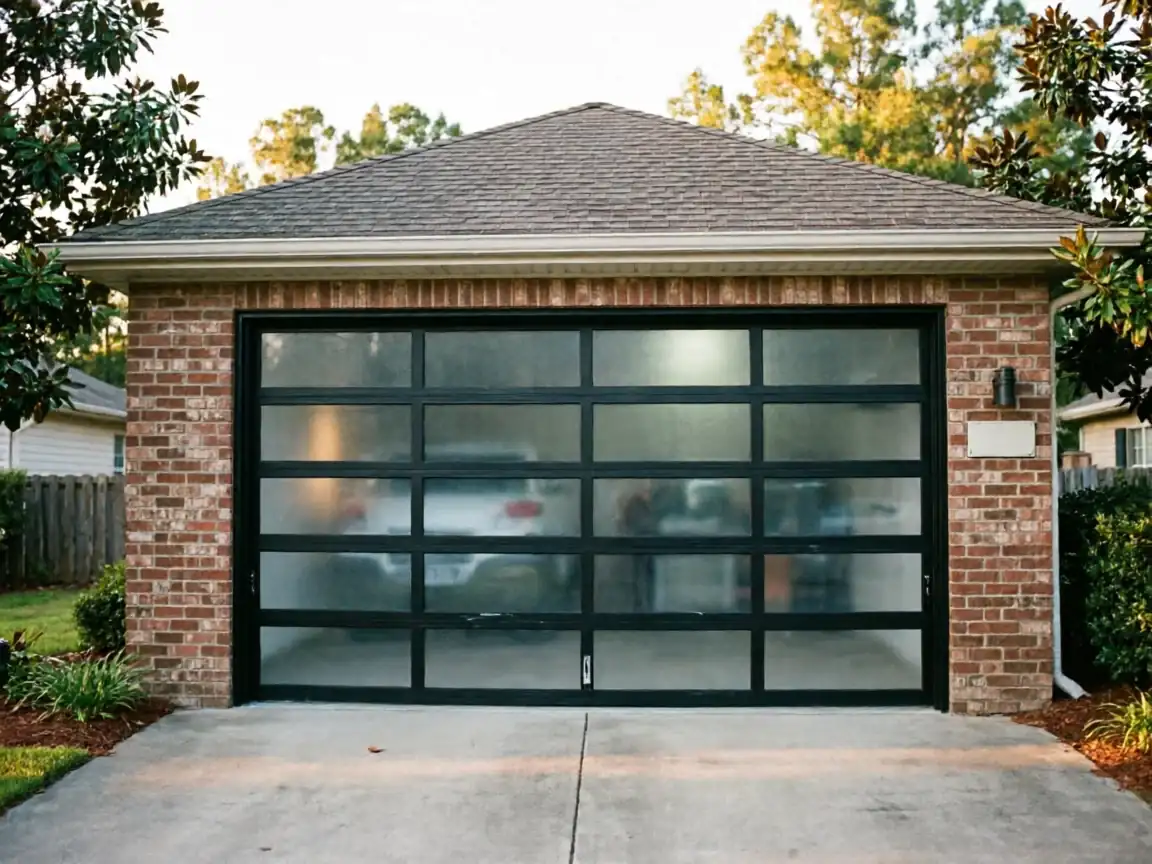
What the Fix Involves
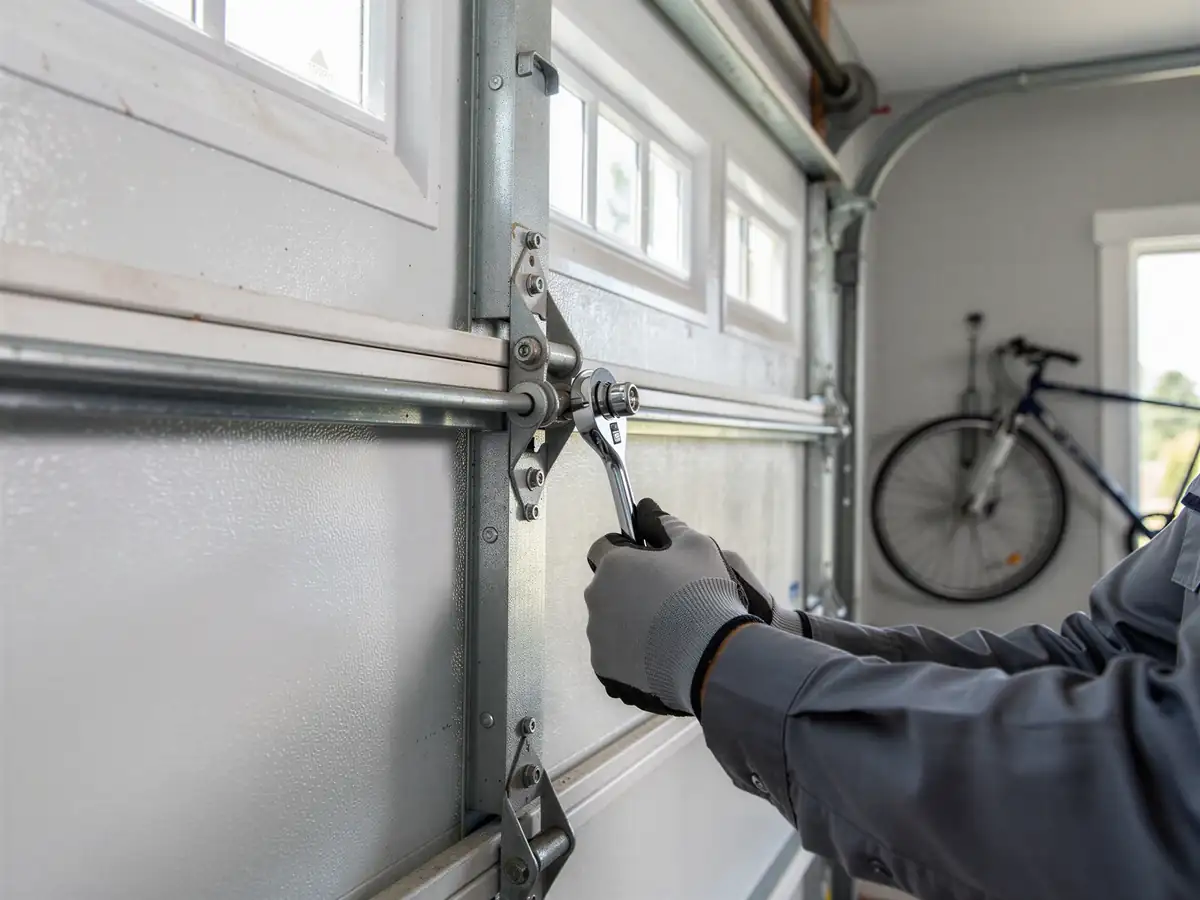
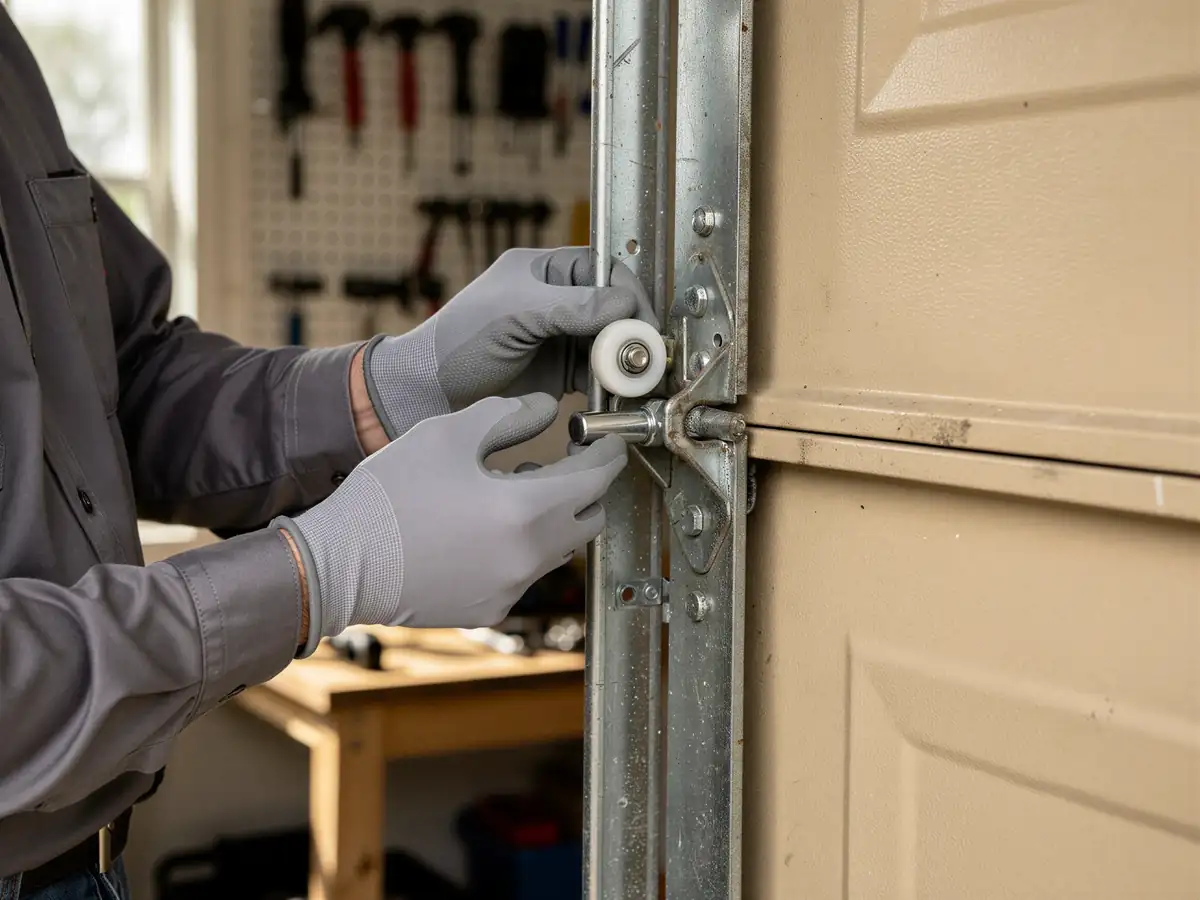
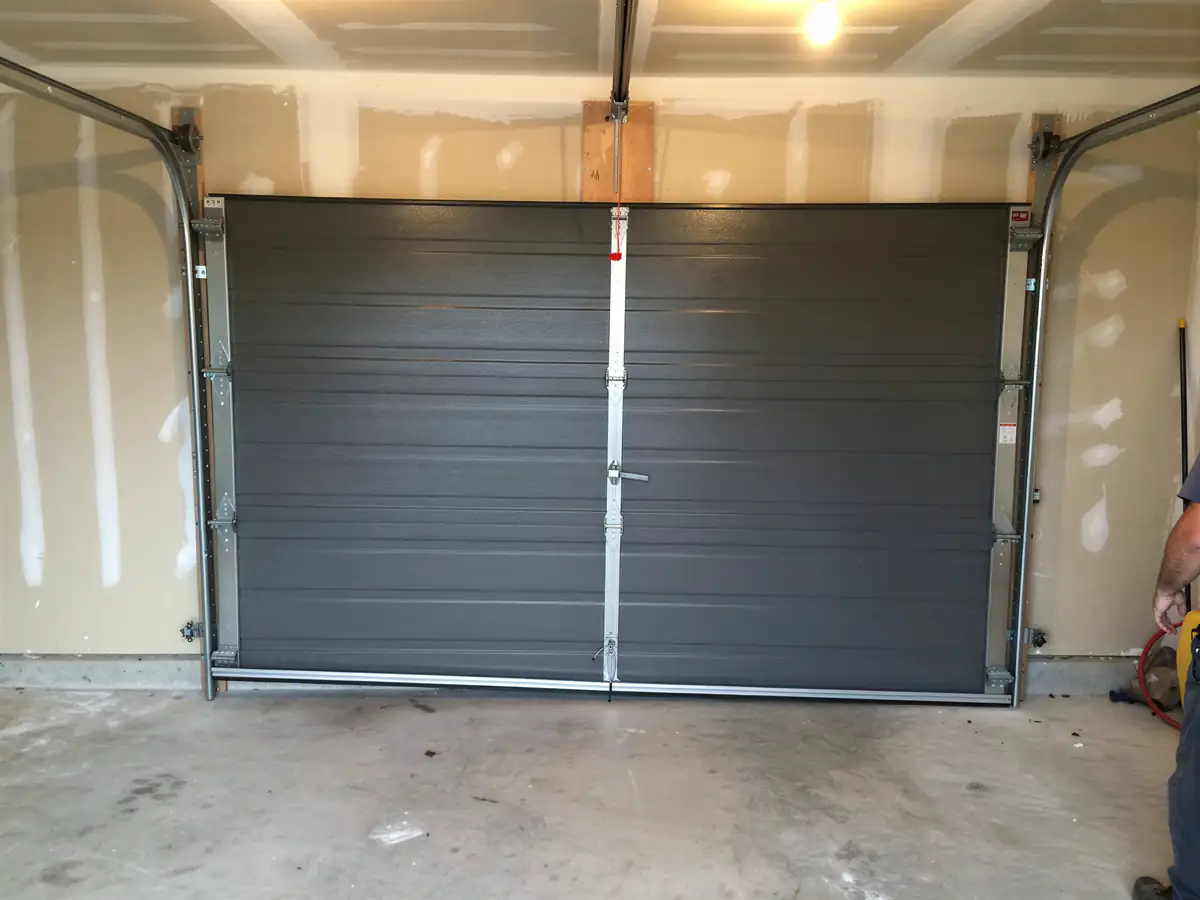
An off-track door almost always starts with one of three things: a roller that's worked loose from its bracket and jumped the rail, a lift cable that's slipped off the drum and let one side of the door drop, or a track that's been knocked out of alignment, usually from a bumped car or a bracket pulling away from the jamb. The fix is putting the door back on a straight, properly fastened rail and making sure the rollers are seated and rolling freely again, not just shoved back into the channel.
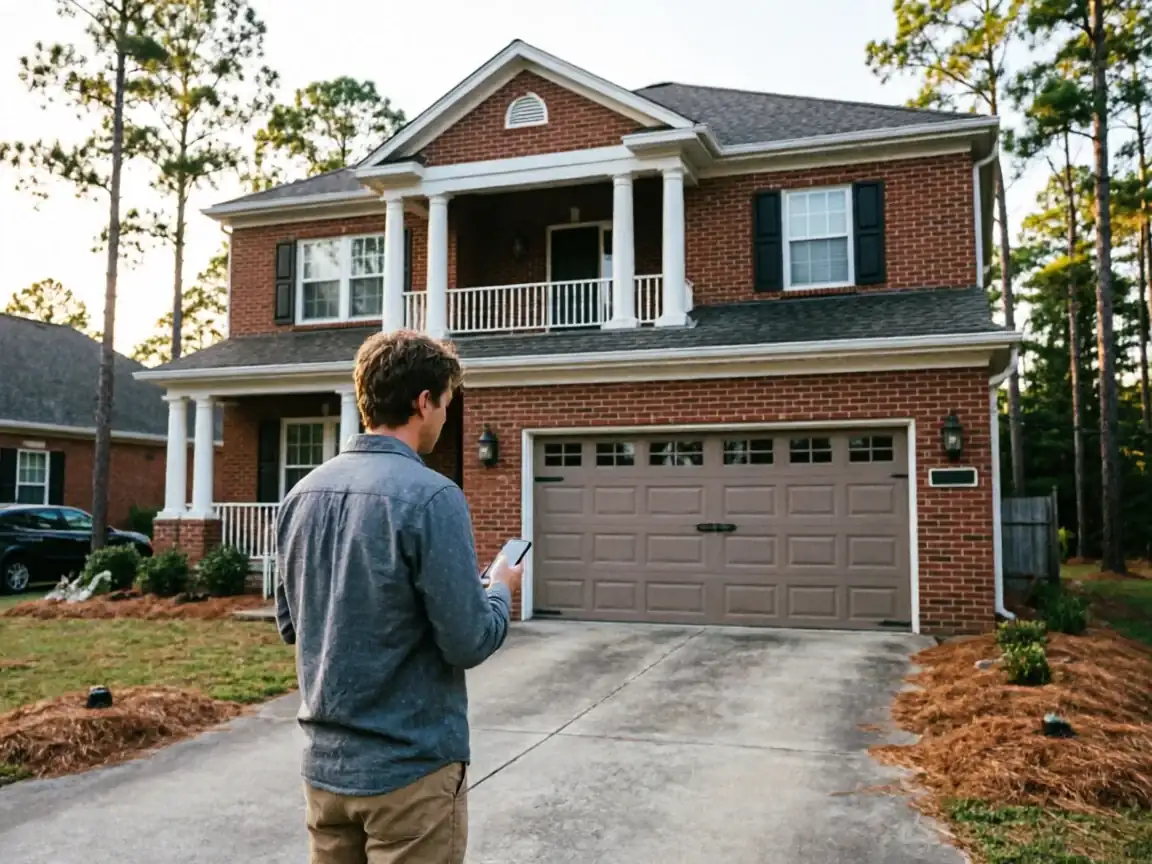
Chamblee's housing stock centers on a median build year around 1981, a decade before the service area's overall median of 1992. That matters here because doors from that era were hung on steel tracks with roller brackets lagged straight into wood jambs, no reinforcement plates, no adjustable alignment. Forty-plus years of expansion and contraction loosens those lag screws a little at a time, so the track doesn't fail all at once - it walks out of true a few degrees a year until a roller finally jumps the rail. On a house this age, straightening the track is only half the job; the brackets usually need to be reset or replaced too, or the door will walk right back off within a season.
How It Shows Up
Most Chamblee calls start the same way
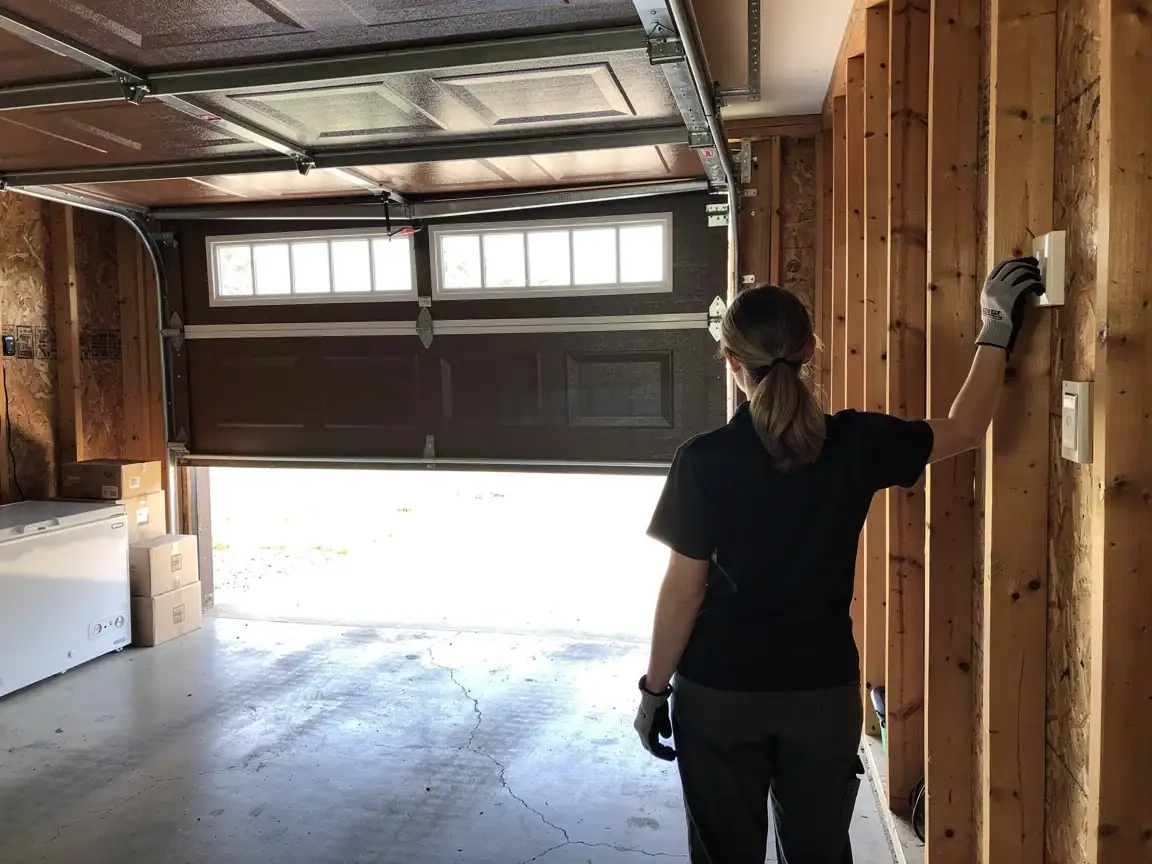
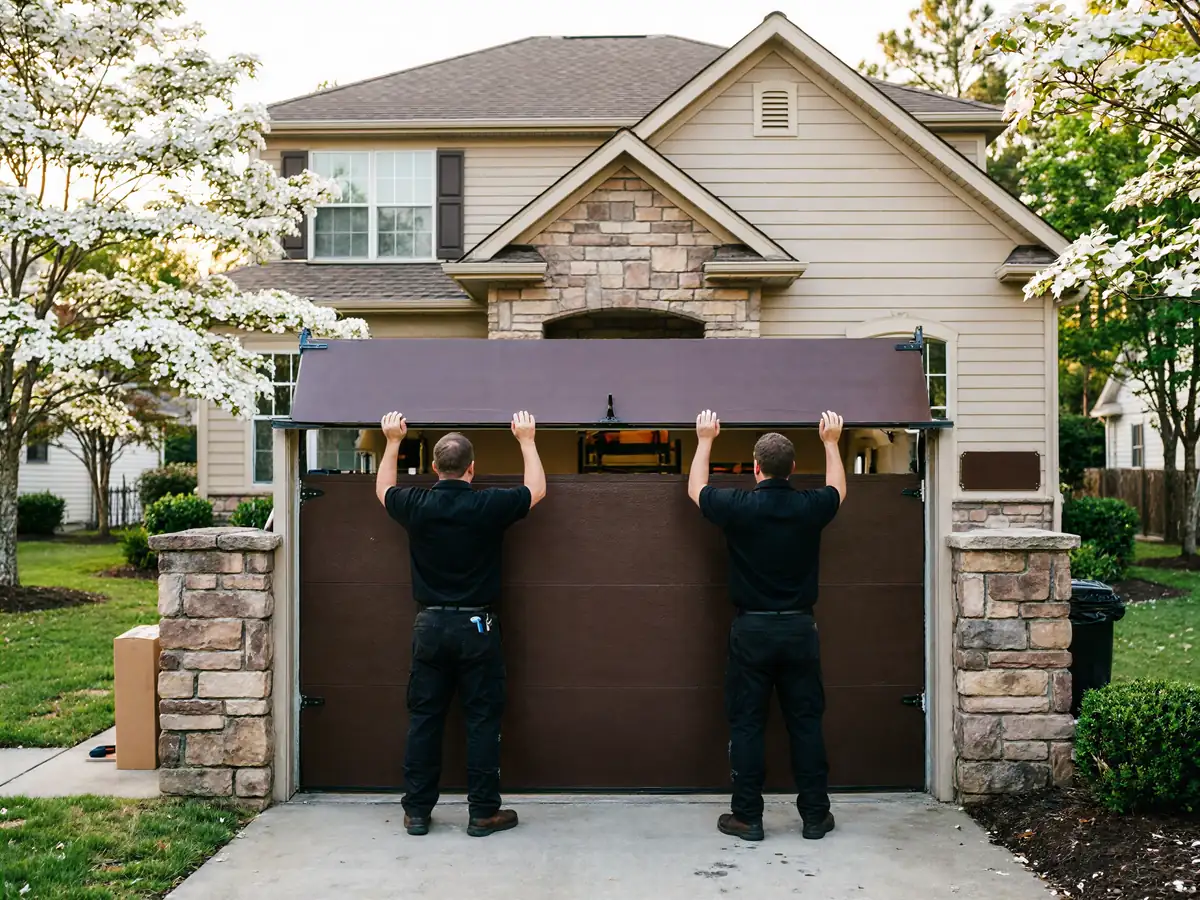
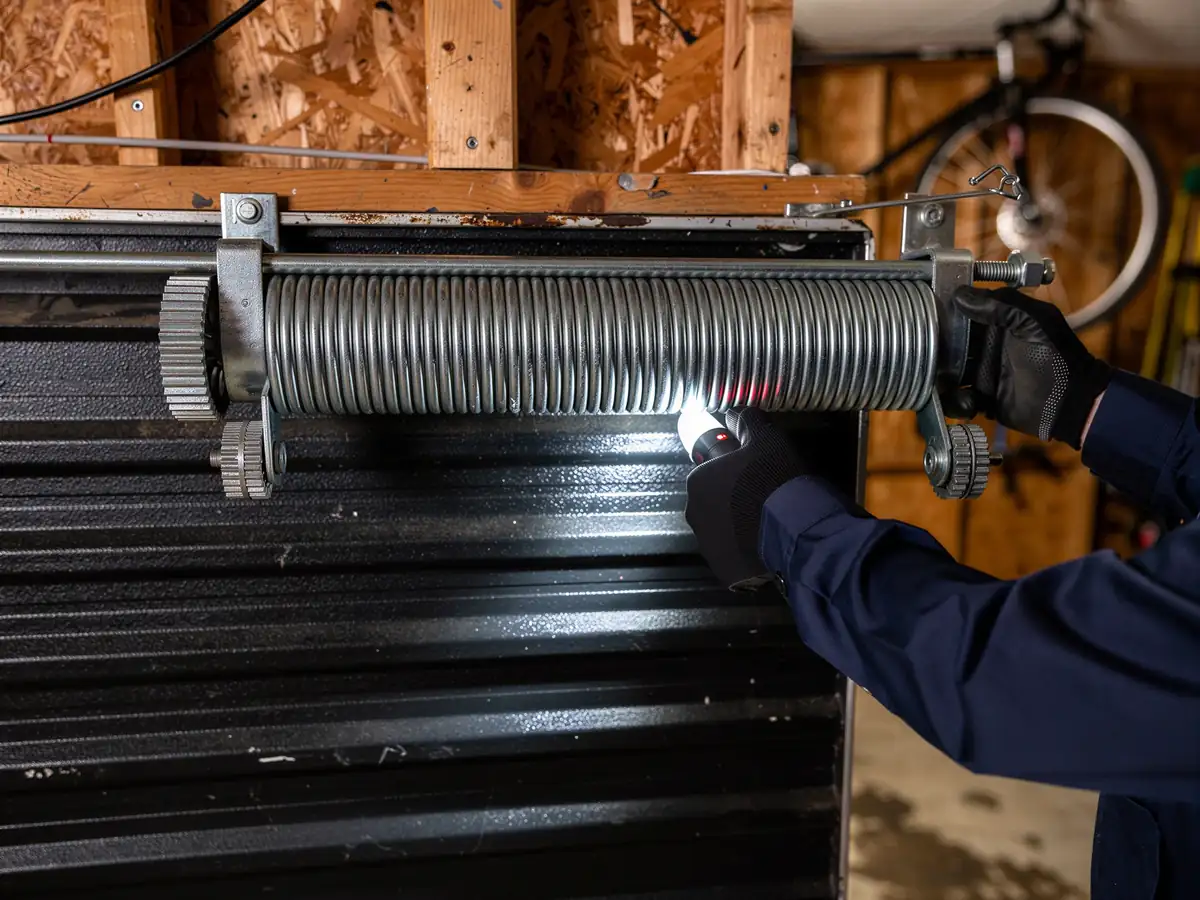
The door hangs crooked in the opening, with a gap wider on one side than the other, or it grinds and bangs partway through a cycle instead of running smooth. Sometimes it stops dead a foot off the floor because a roller has caught on the edge of the track instead of riding inside it. On older torsion setups it can also look like the whole door is sagging on one corner, which is usually a cable that's slipped off the bottom bracket rather than the spring itself.
A door that's only slightly off track will sometimes still open and close, just noisily and a bit crookedly
That's actually the easier job, since the hardware hasn't been bent yet. A door that's fully jumped the rail and is sitting cockeyed in the frame is the harder one, because by that point the roller or the track edge is often bent, and bent steel doesn't bend back cleanly. If you can still close the door, leave it down and don't force it through more cycles until someone's had a look.
Booking a Visit
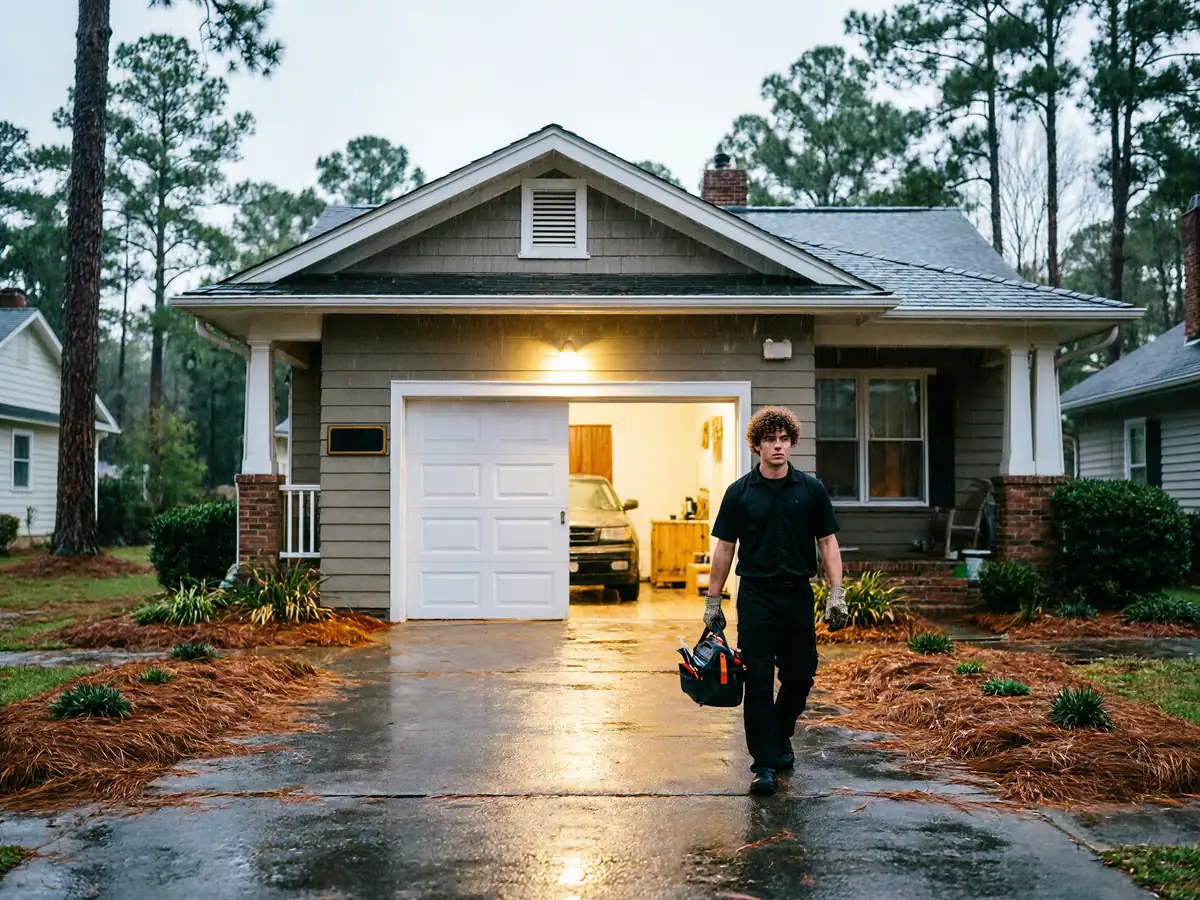
Milton Garage Door Pros covers Chamblee from our Milton base, about 18 miles out along the same stretch of territory that includes Sugar Hill and Doraville at similar distances. We don't keep a branch or a drop point in Chamblee itself, so a visit here means a truck making the drive, not a crew already parked around the corner - worth knowing if you're comparing us to a company that's physically closer.
When you call, tell us what the door is doing: stuck, crooked, grinding, or fully off the rail. That changes what we load on the truck. See our Chamblee coverage area for the rest of what we handle nearby, and if you want the full rundown on off-track repairs as a service rather than how it plays out in this specific suburb, that's covered on our main off-track repair page.
What Causes It Around Here
Across the areas we cover, most garage doors went up somewhere between 1964 and 2007, with the stock leaning heavily 1980s and 90s. Chamblee sits right in that window at a median build year of 1981, which puts its hardware a notch older than the service area average. That means more galvanized steel track showing surface pitting, more roller brackets fastened with the shorter lag screws common to that build era, and more doors that have never had the track hardware touched since the house was framed.
The service area sits in a cold-moderate climate band, which doesn't mean brutal winters, but it does mean enough freeze-thaw cycling every year to work lag screws loose in wood jambs over decades - a slow mechanical fatigue rather than any one storm. Add a bumped track from a car pulling in too far, or a roller that's simply worn out its bearing after forty-plus years of cycles, and you've got the two most common off-track calls we see in this part of the territory.
Stocked Parts
The truck carries the parts that fix most off-track calls on the spot
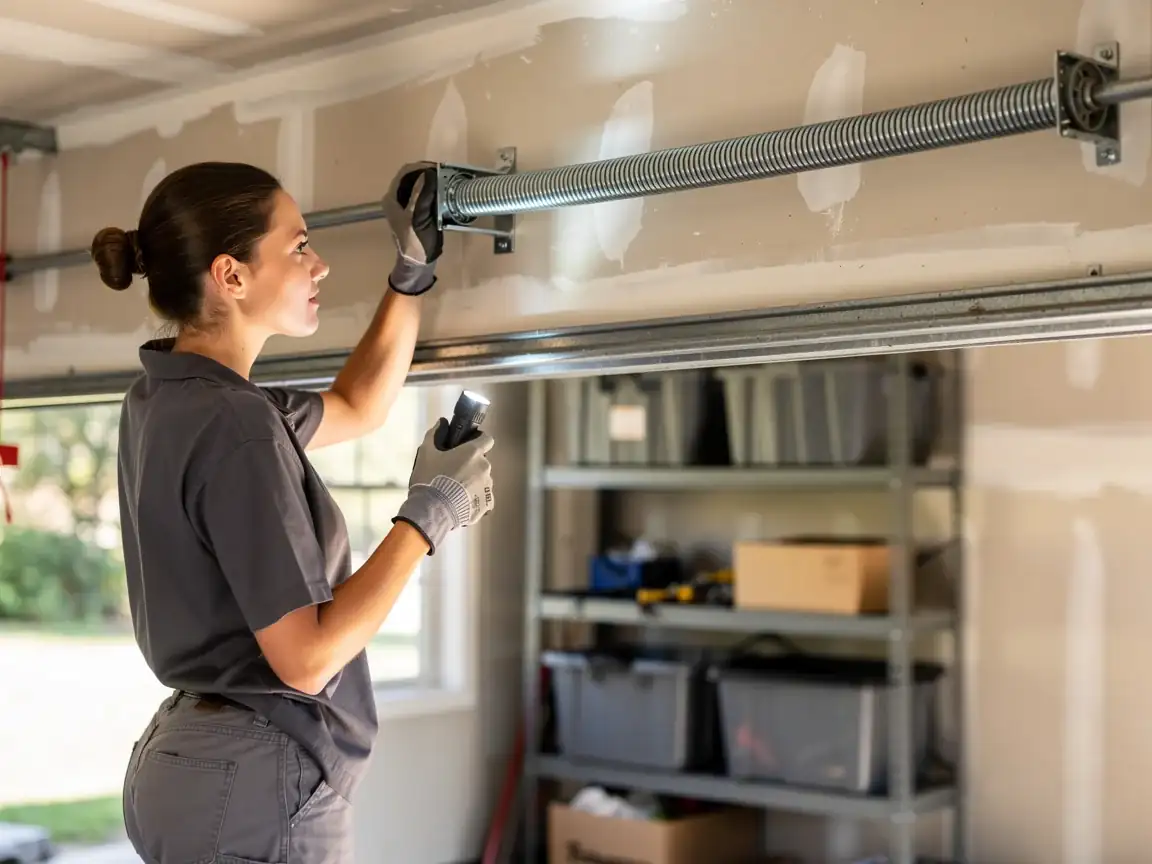
Standard-gauge roller sections, replacement rollers in both nylon and steel, lift cables, and short sections of track for straightening or splicing in where a rail has been bent beyond saving. For a door built in the early 1980s, that covers the large majority of jobs, since the track gauge and roller sizing from that era are still common stock items.
The honest limitation
If the track has been bent badly enough to need a full-length replacement, or if the door itself is an older panel style with brackets that aren't a standard fit, that part may need to be ordered rather than pulled off the truck same-visit. We'll tell you up front if that's the case rather than forcing a patch that won't hold.