What the Fix Involves
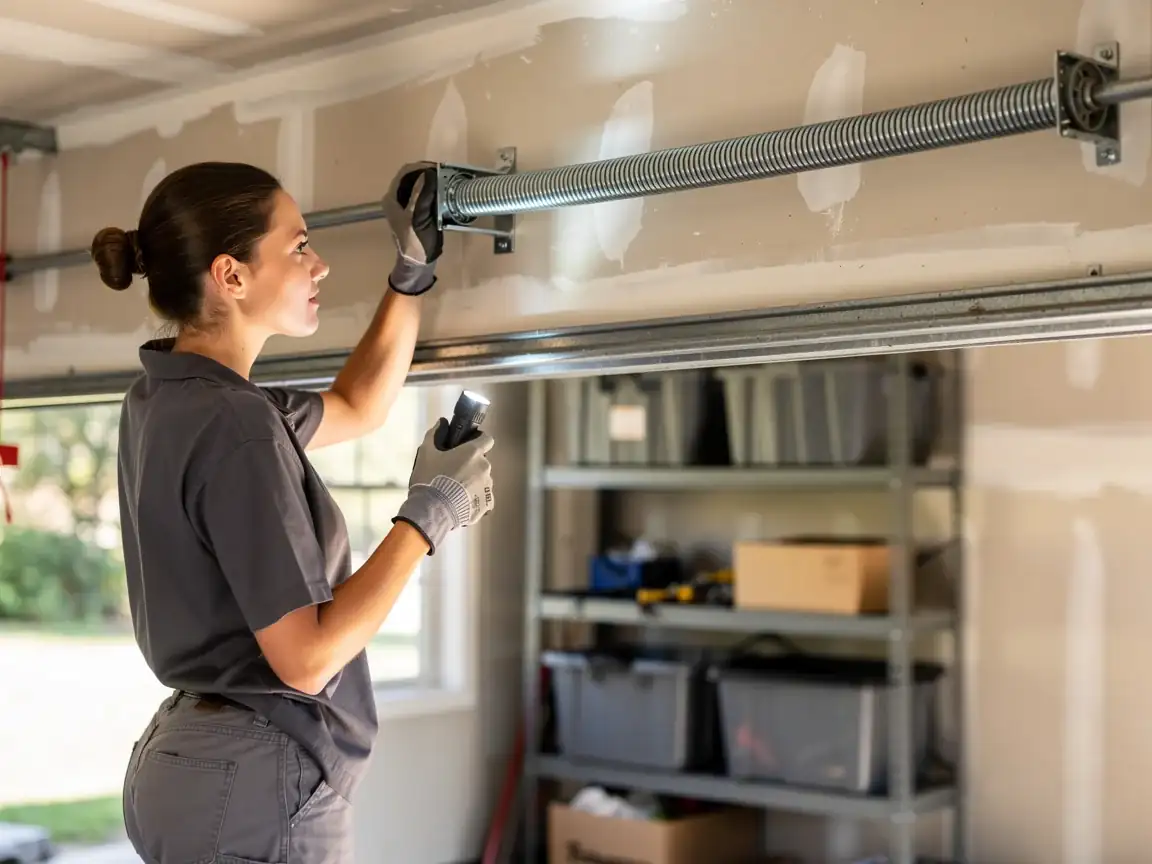
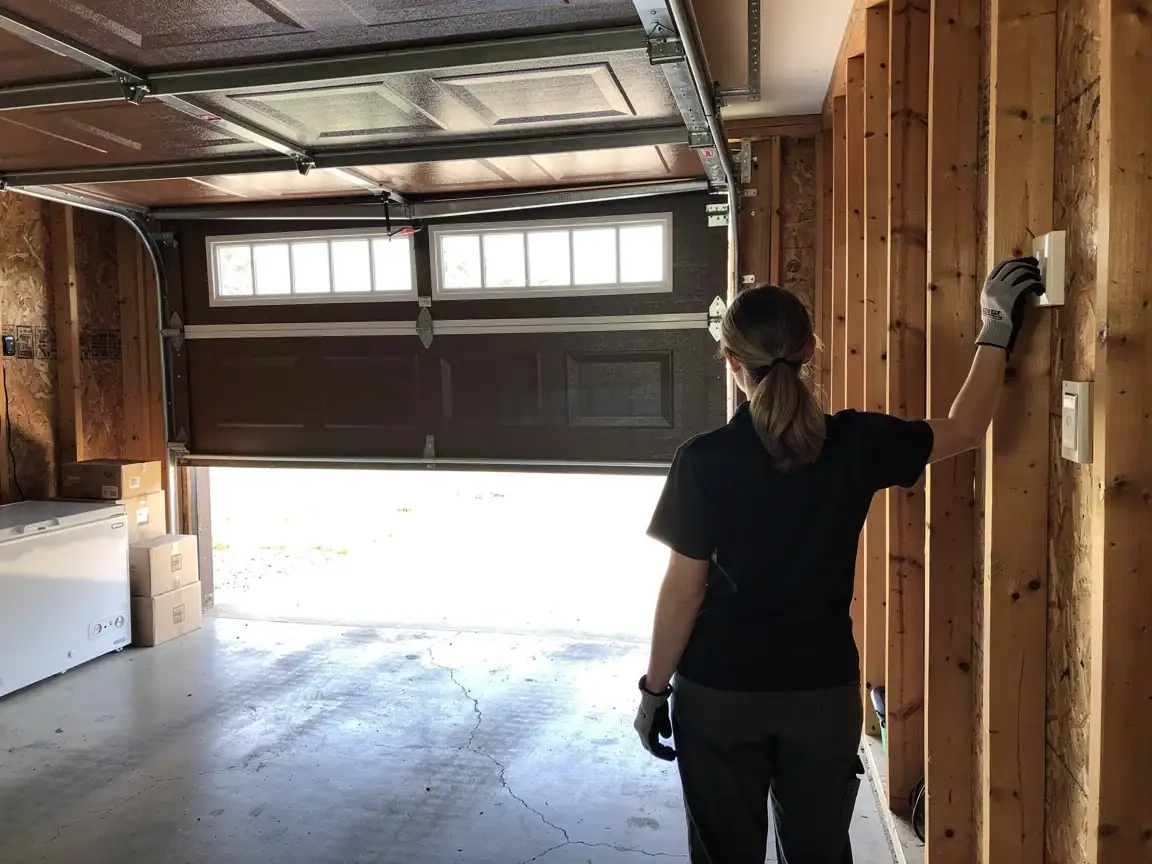
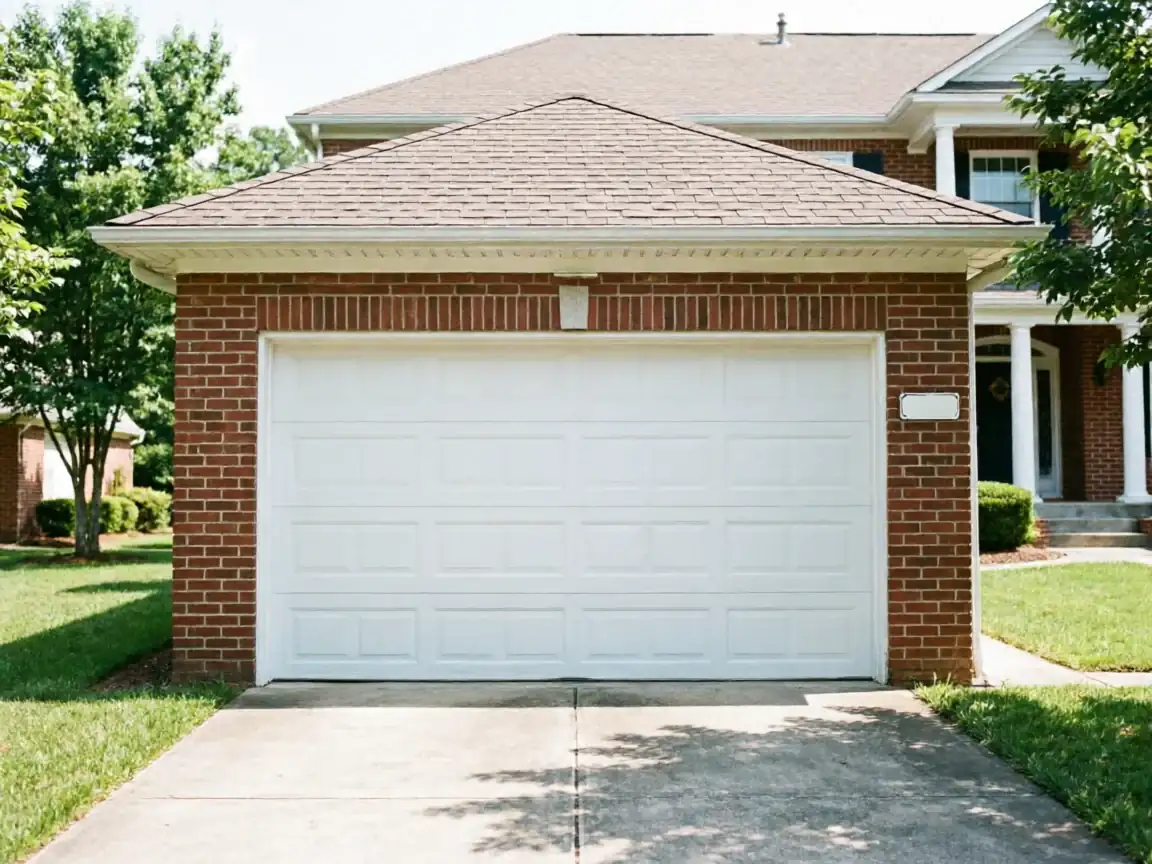
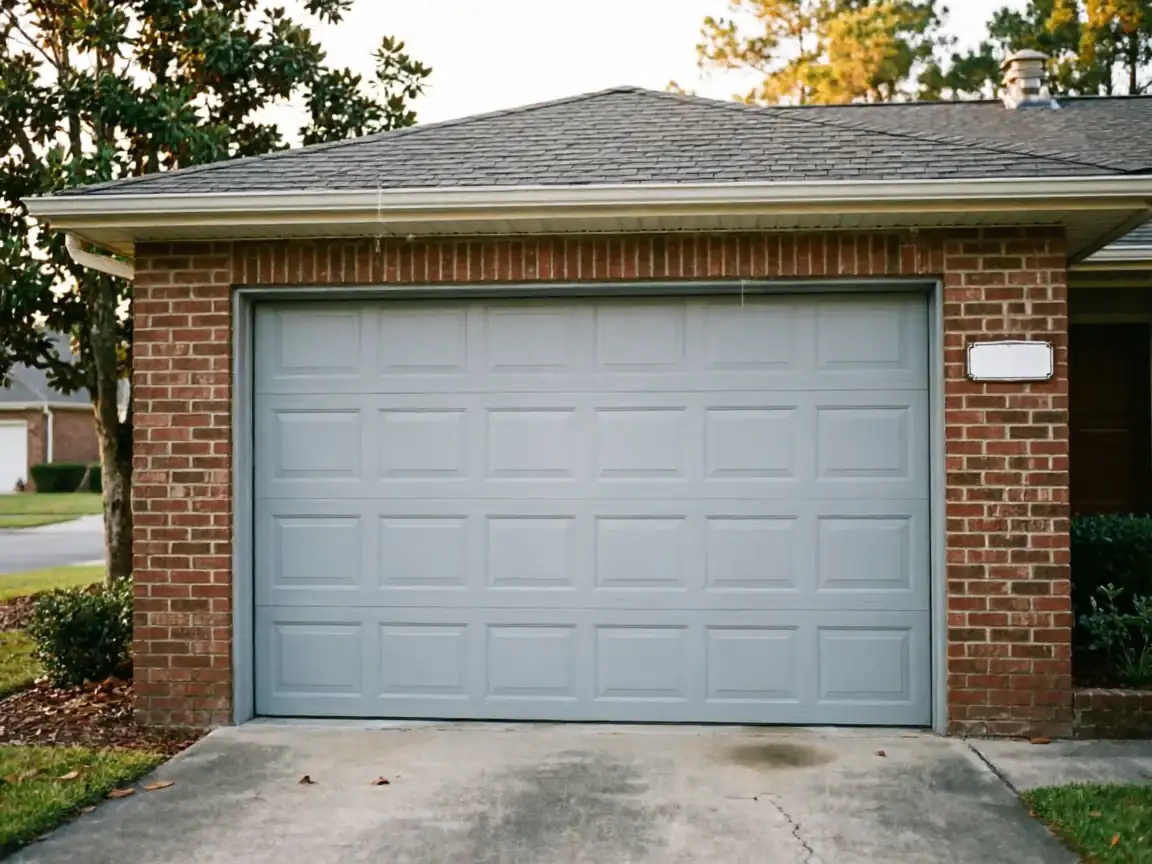
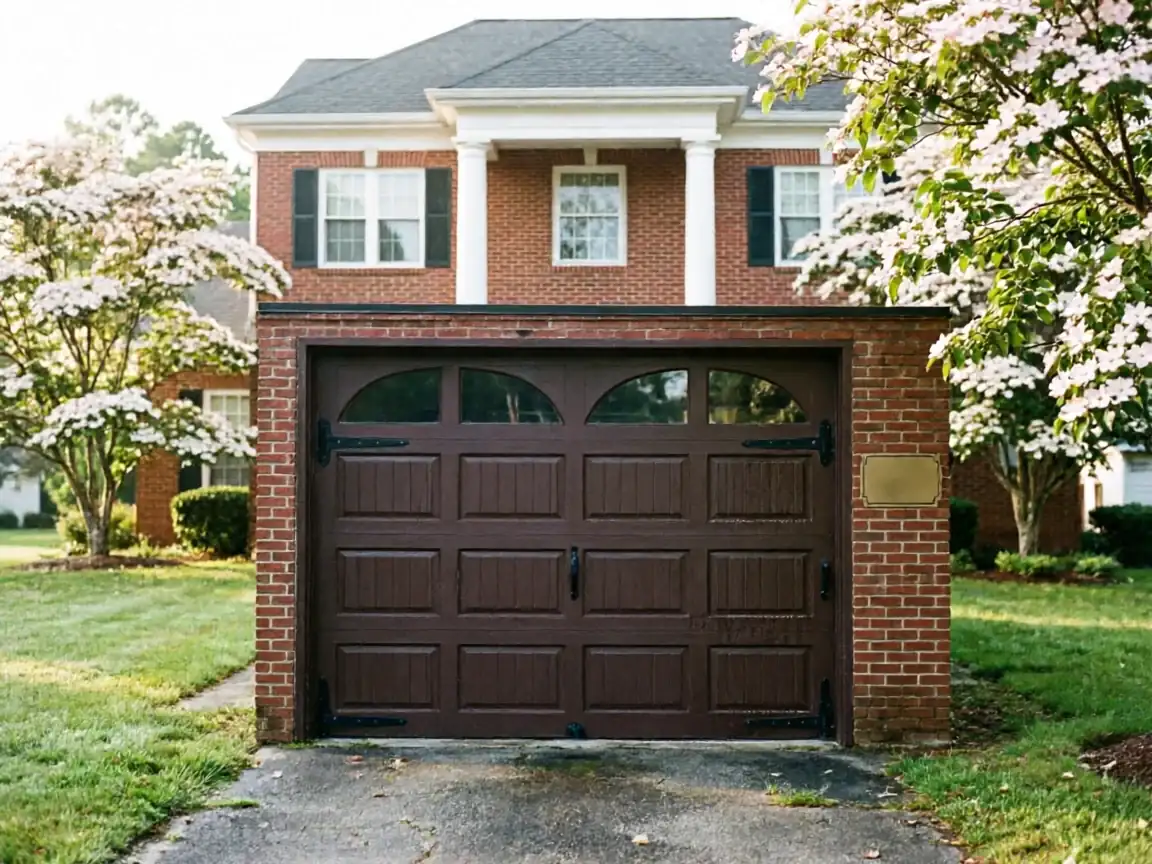
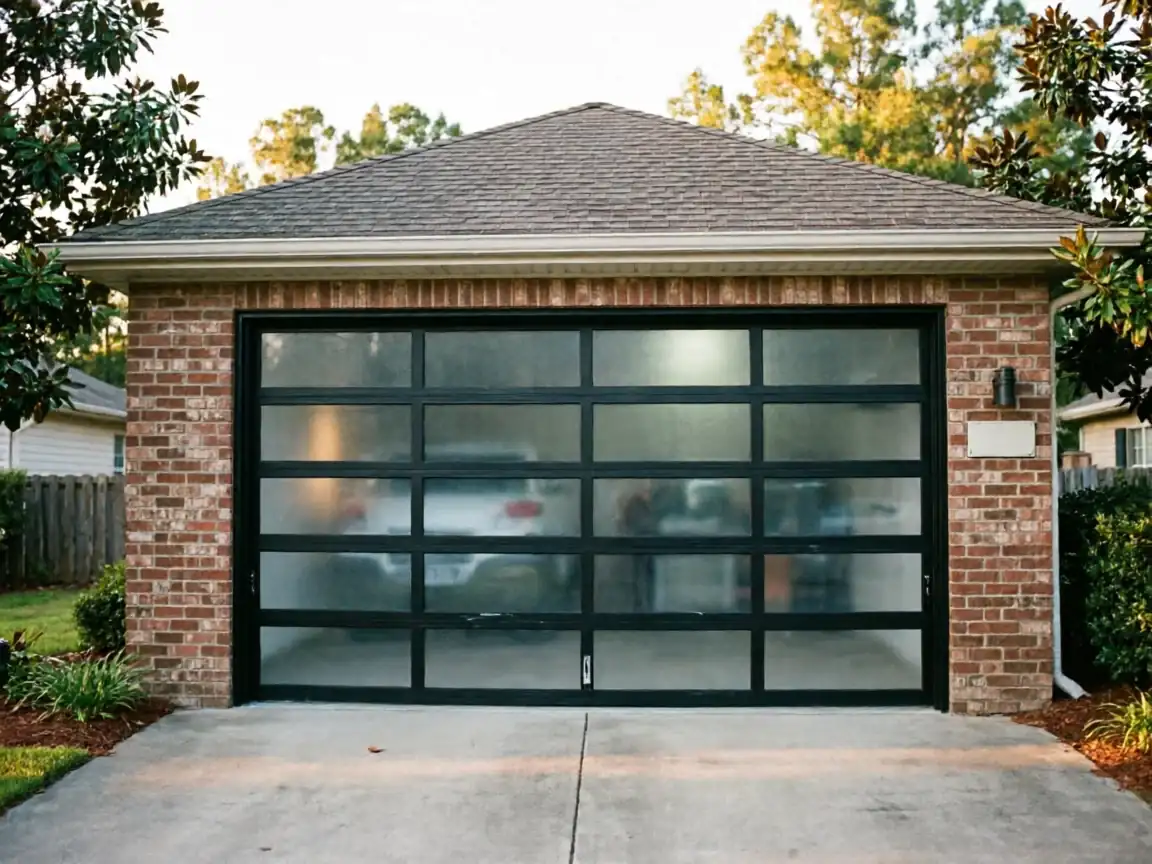
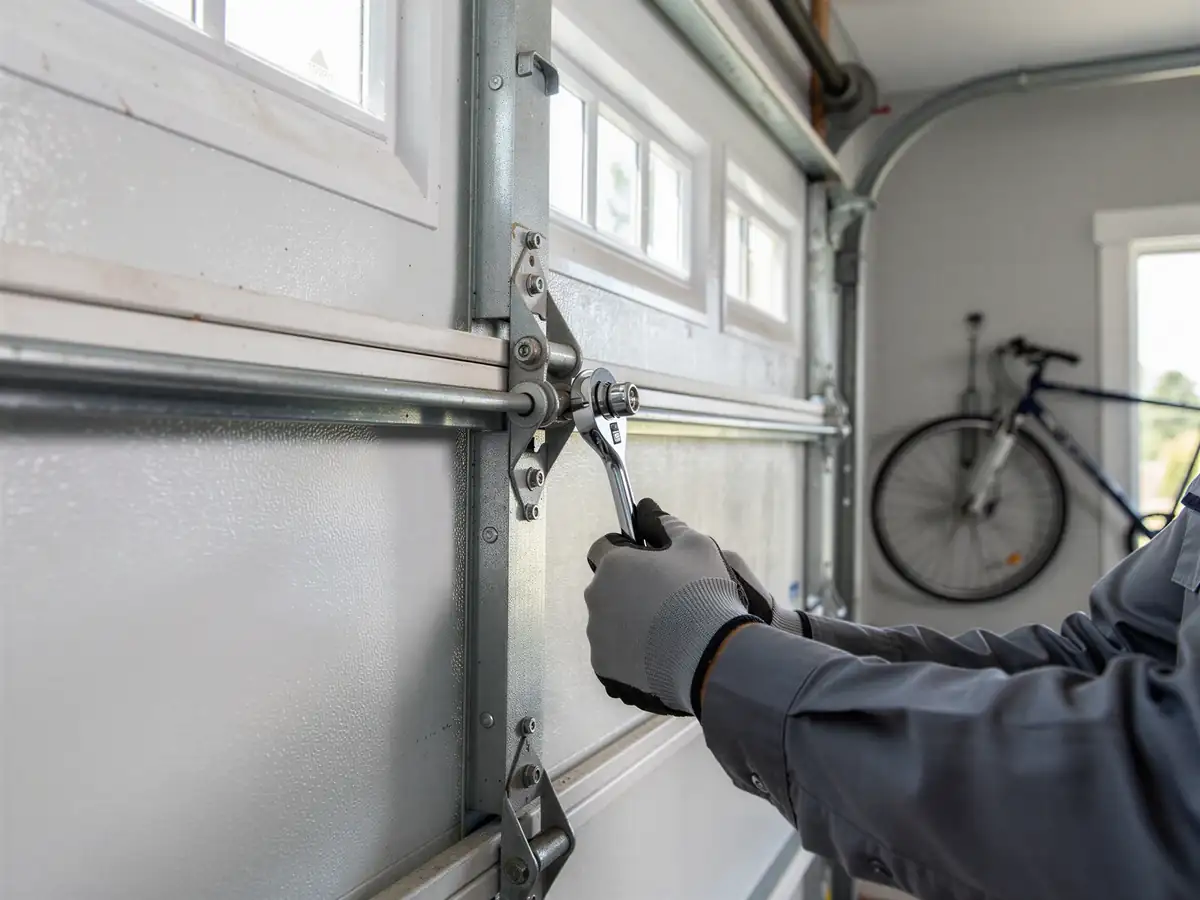
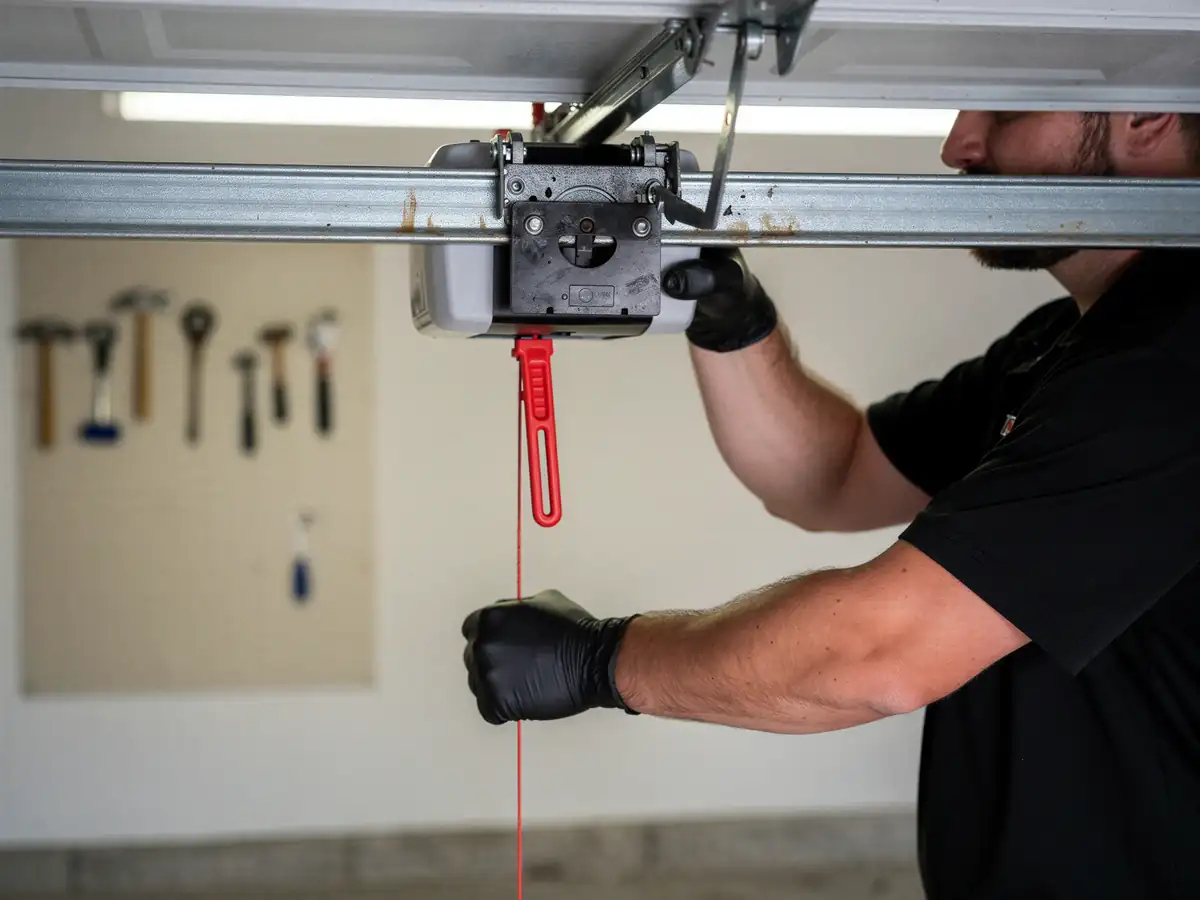
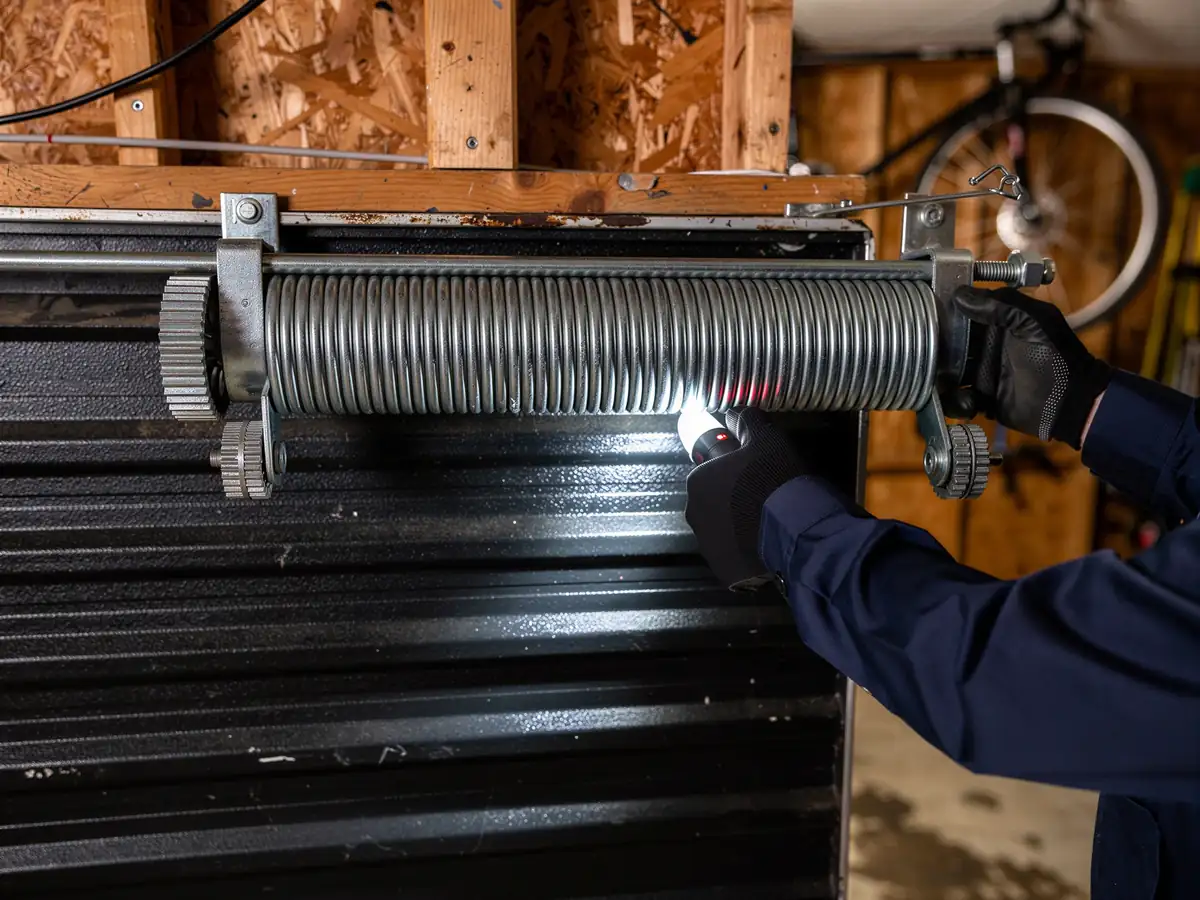
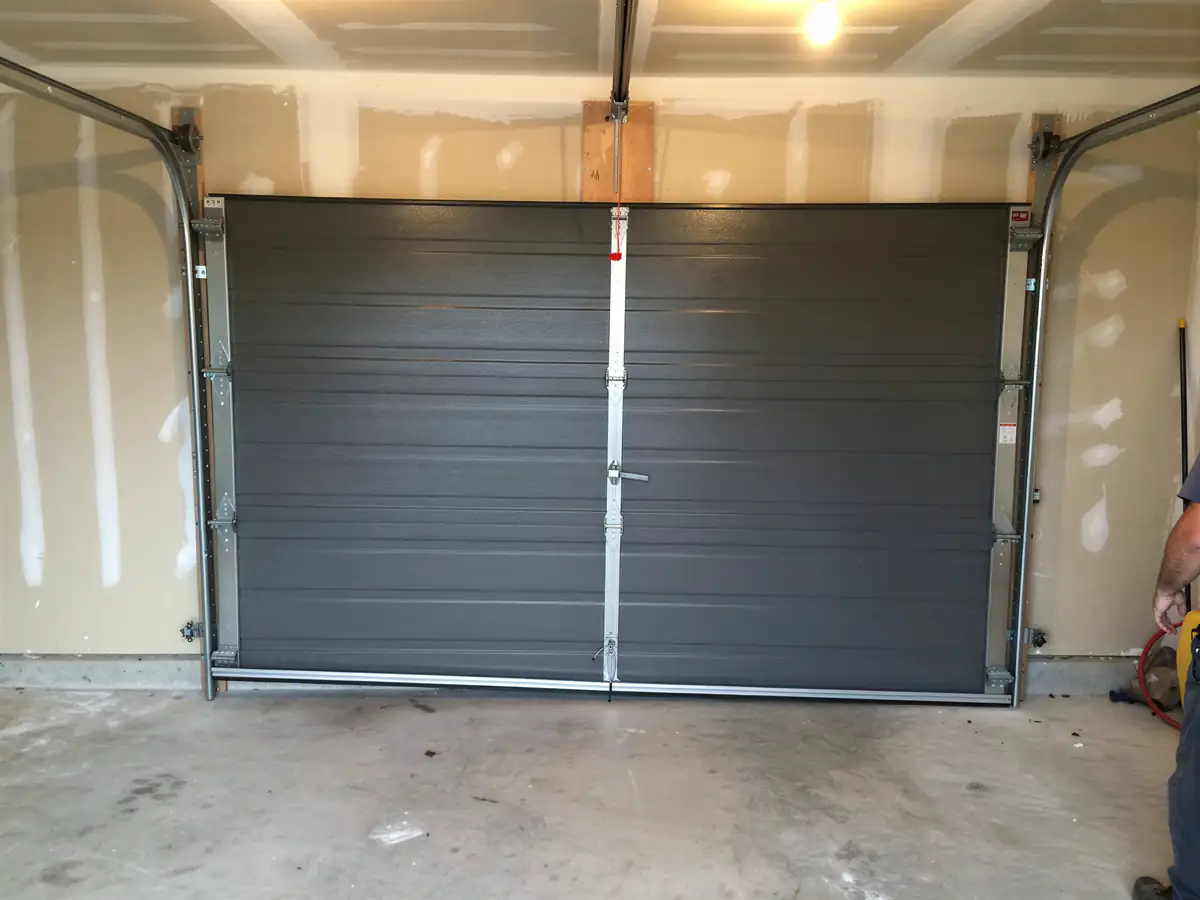
Chamblee's median household income runs $81,774, well under the $90,626 median across the wider service area we cover from Milton. That gap matters before we ever talk about panels or insulation, because it sets where the repair-or-replace line actually falls. On a lot of these jobs, a homeowner is deciding between patching a 1981-era door for another few years or putting in a new one that won't need a second trip. We're not going to push a full replacement on a door that just needs a new bottom seal and a cable. But when the section steel is rusted through at the bottom panel or the track is bent past straightening, a new install is the honest answer, and at this income level we try to spec it so the job is done once. That usually means a standard steel door, two-inch track, and a torsion spring rated for the actual door weight rather than whatever came stock in 1981. We measure the opening on site before quoting anything, since builder openings from this era aren't always square anymore.
Booking a Visit
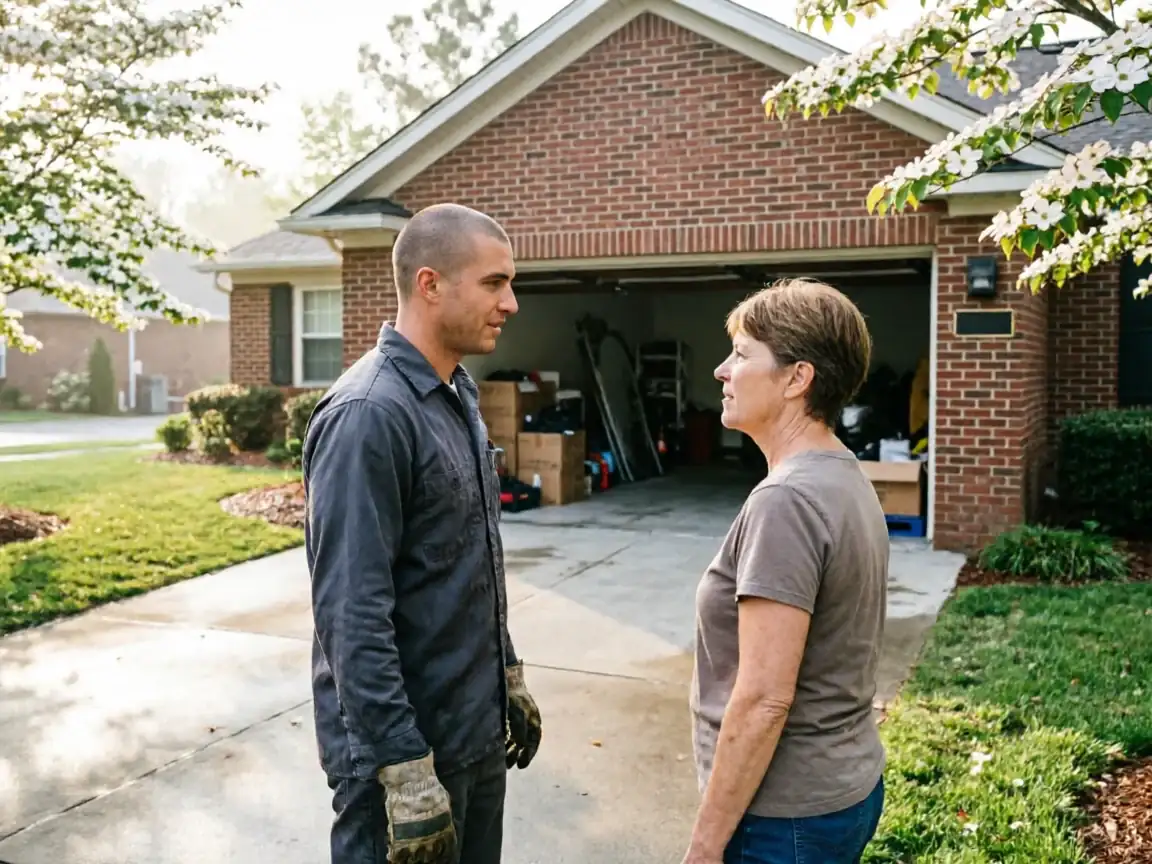
We run out of Milton, about 18 miles from Chamblee, so we don't carry a local depot or a same-day promise for this side of the service area - we schedule Chamblee installs on routes rather than one-off runs. That means we'll give you a window rather than an hour, and we'll confirm door size and spring spec with you before the truck loads so we're not making two trips for one job. If you're replacing a door that's failed outright - broken spring, torn cable, a panel caved in - tell us that when you call, since it changes what we load. For a planned replacement with no working deadline, we'll walk the opening with you first. You can see the areas we cover from Milton on our coverage page, and if you're also looking at a job description for the service itself rather than this specific town, that lives on our main installation page.
What Causes It Around Here
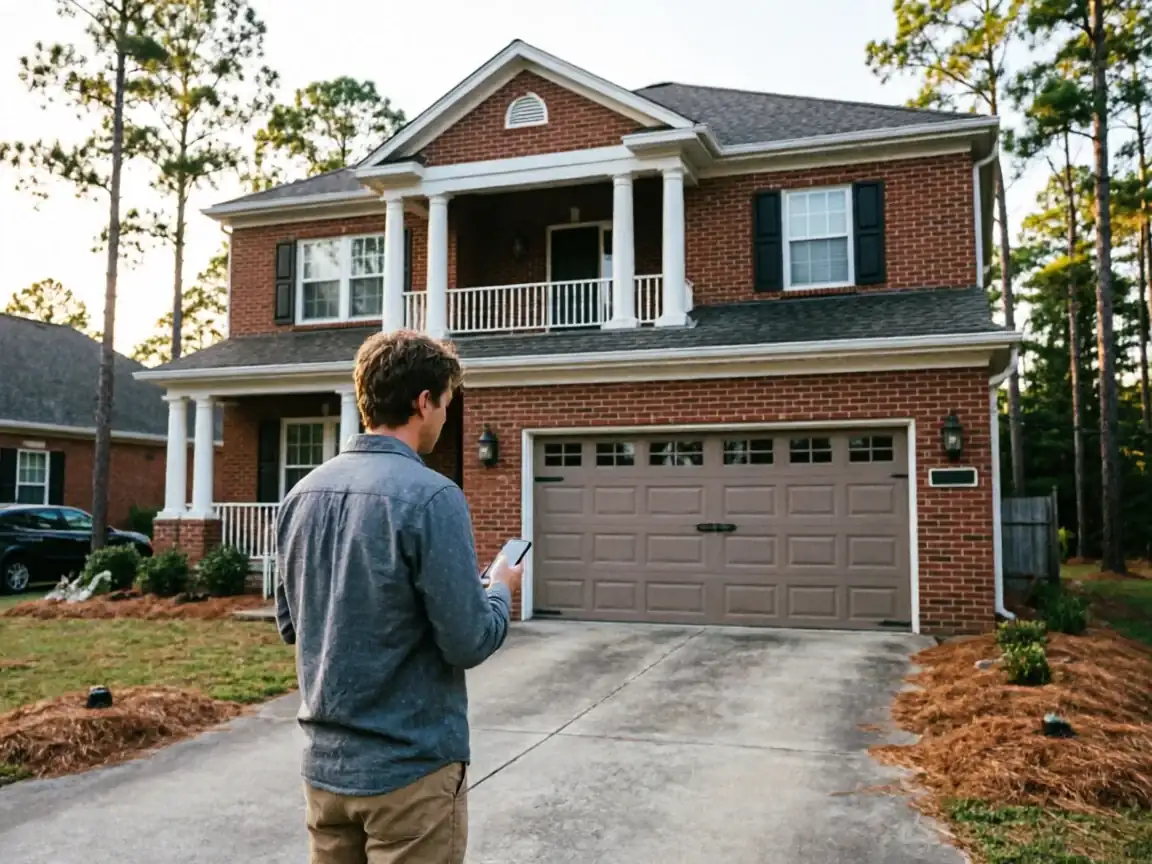
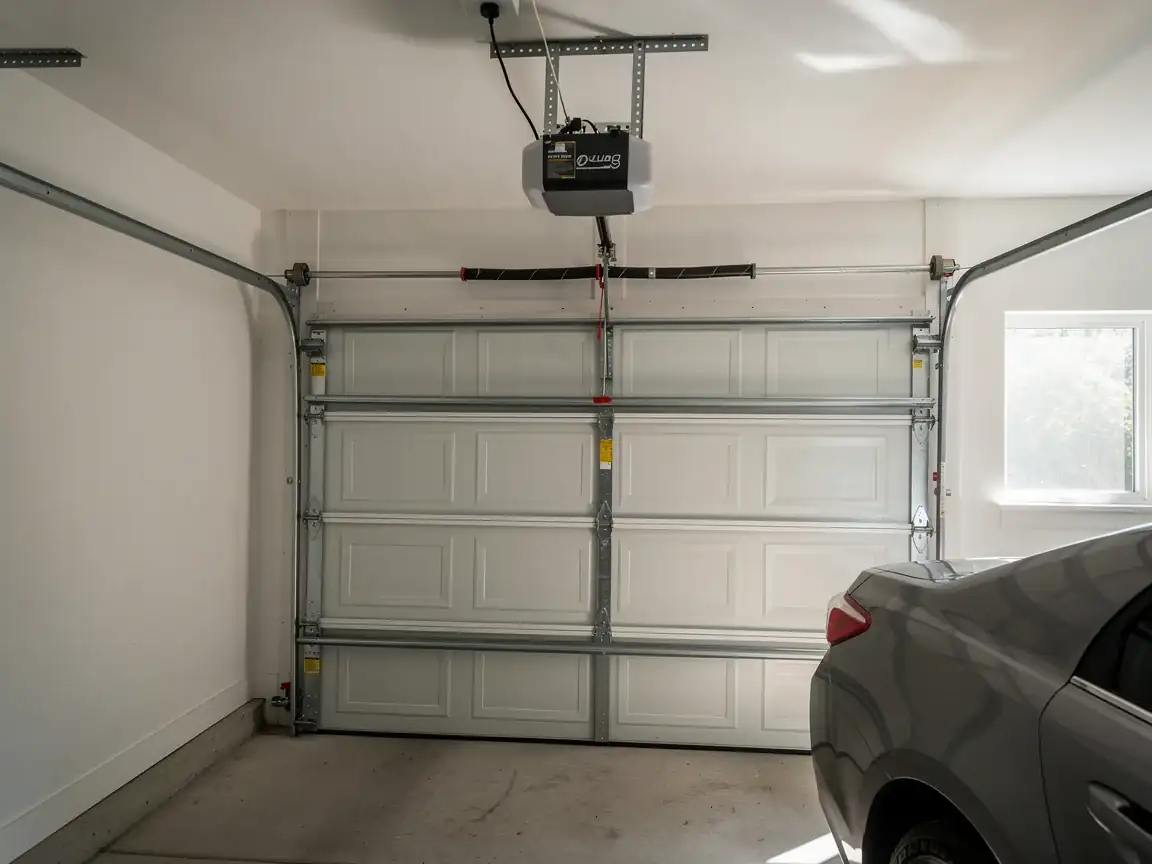
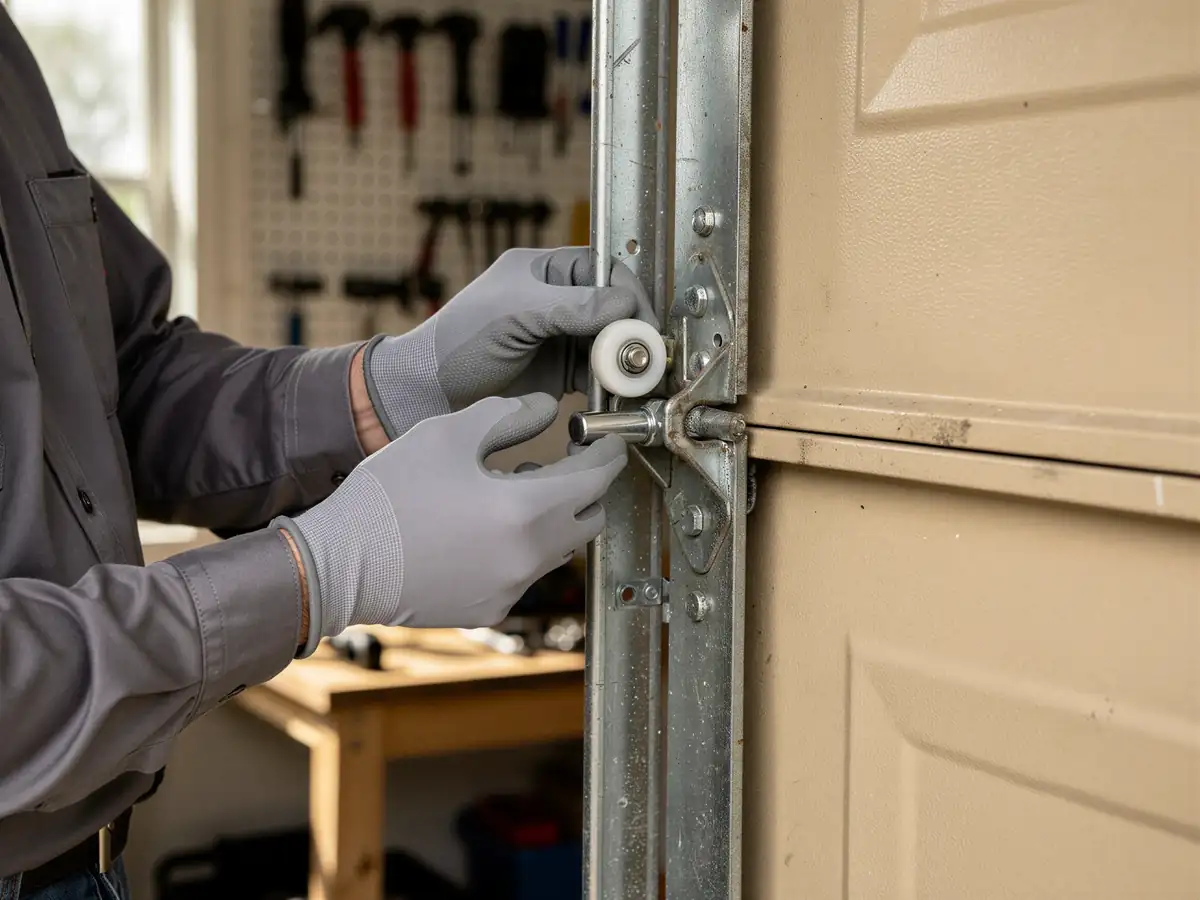
With roughly 11,963 households in Chamblee, a good share of them still have the original builder-grade door that shipped on these houses when they went up around 1981. That door was built to a baseline that nobody would spec today - thin steel, no insulation layer, a spring sized for a lighter panel than modern code-compliant doors use. Over time the main thing working against it is simple age: hardware fatigues, finishes chalk and crack in the sun, and tracks that were plumb in 1981 drift as the slab settles. The climate here runs cold-moderate, which isn't the kind of extreme heat or hurricane wind load that wrecks a door outright, but repeated freeze-thaw cycles on worn weatherstripping and hinges does wear hardware down faster than a mild climate would. None of this is dramatic. It's steady wear on a door that's now well past the point where most manufacturers expected it to still be in service.